
ADHD Executive Function Mood Map Template: A Practical Tracking Tool
Navigating neurodivergent challenges requires specialized tools like an ADHD Executive Function Mood Map. This framework serves as a vital resource for tracking the intersection of emotional regulation and cognitive performance. By documenting fluctuations in dopamine levels and working memory, you can effectively manage executive dysfunction and task initiation. Integrating symptom tracking into your routine helps align productivity goals with your energy capacity and mental well-being. Please check the already made variation of templates below.
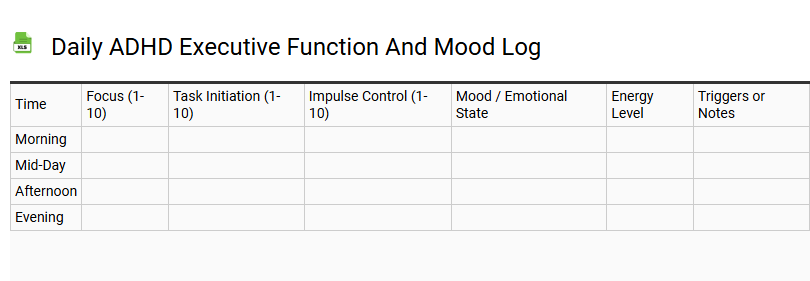
Daily ADHD Executive Function and Mood Log
💾 Daily ADHD Executive Function and Mood Log .xls
This tracking tool provides a structured framework for neurodivergent individuals to monitor their mental energy and productivity patterns. By recording daily performance alongside emotional fluctuations, users gain clarity on how focus and motivation shift throughout the day.
- Identify Triggers: Pinpoint specific events that lead to task paralysis or sensory burnout.
- Analyze Trends: Correlate sleep, nutrition, and environment with cognitive endurance and clarity.
- Measure Progress: Document small wins to build self-compassion and recognize success beyond traditional productivity metrics.
- Refine Strategies: Adjust coping mechanisms based on data to improve time management and emotional regulation.
Consistent use of this log transforms abstract feelings of overwhelm into manageable data. It facilitates more effective communication with healthcare providers and helps in building a lifestyle that accommodates unique brain chemistry.
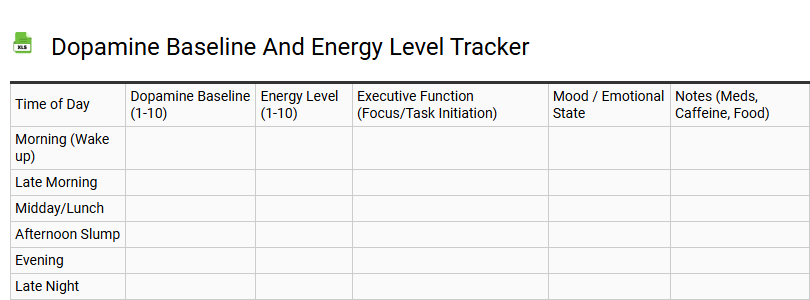
Dopamine Baseline and Energy Level Tracker
💾 Dopamine Baseline and Energy Level Tracker .xls
This tracking tool provides a structured framework for monitoring your neurochemical equilibrium and daily vitality. By recording morning alertness, sustained focus, and emotional resilience, you can identify the specific variables that influence your internal drive.
- Baseline Assessment: Evaluate your starting motivation levels to recognize natural fluctuations throughout the week.
- Energy Mapping: Log peak performance windows to align demanding tasks with high physiological readiness.
- Behavioral Correlation: Observe how habits like sunlight exposure, caffeine timing, and sleep quality impact your overall stability.
Utilizing this data allows for more informed adjustments to your routine, helping to prevent burnout while optimizing your capacity for deep work. Consistent observation bridges the gap between your biological potential and daily output, ensuring a balanced approach to productivity and recovery.
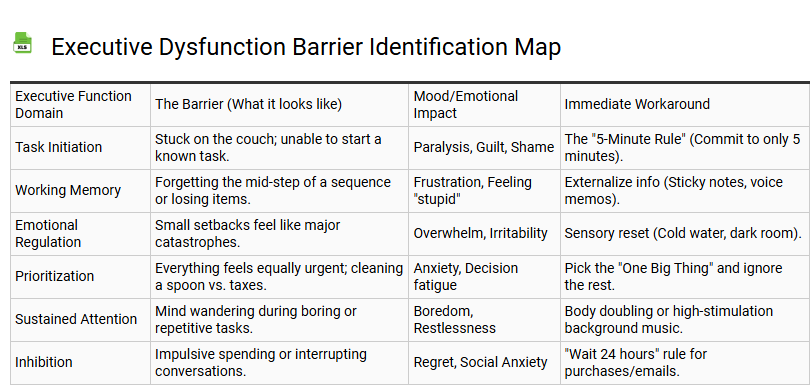
Executive Dysfunction Barrier Identification Map
💾 Executive Dysfunction Barrier Identification Map .xls
This visual framework assists individuals in navigating cognitive roadblocks that hinder task completion. By mapping out specific points of resistance, users can isolate whether a challenge stems from initiation, sustained attention, or emotional regulation.
The layout typically features a central objective surrounded by potential neurological friction points. Each segment allows for the documentation of internal and external obstacles, such as sensory overload, working memory lapses, or planning gaps. Instead of viewing a project as an insurmountable monolith, this diagnostic tool categorizes difficulties into manageable nodes.
Identifying these specific intersections between intention and action facilitates the application of targeted strategies. Using this structured approach transforms vague frustration into a clear path forward, enabling more effective self-accommodation and improved workflow efficiency by highlighting exactly where a process breaks down.
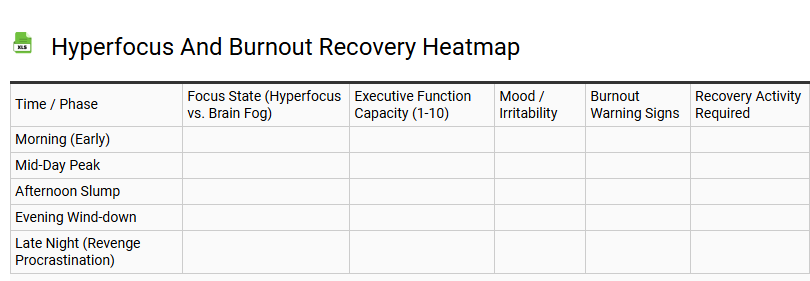
Hyperfocus and Burnout Recovery Heatmap
💾 Hyperfocus and Burnout Recovery Heatmap .xls
This Hyperfocus and Burnout Recovery Heatmap serves as a sophisticated framework for managing neurodivergent productivity and executive function. By visually mapping fluctuations in cognitive energy, users can identify the critical correlation between intense task engagement and subsequent energy depletion.
Utilizing this template facilitates proactive workload management and emotional regulation. It highlights recurring patterns of sensory overload, allowing for the strategic scheduling of recovery intervals to mitigate mental fatigue. This data-driven approach to habit tracking ensures that peak performance remains sustainable by balancing attentional capacity with necessary downtime. By monitoring energy expenditure, individuals can prevent chronic burnout, optimizing their mental health and long-term occupational wellness through precise self-regulation and intentional pacing strategies.
ADHD Sensory Overload and Emotional Regulation Grid
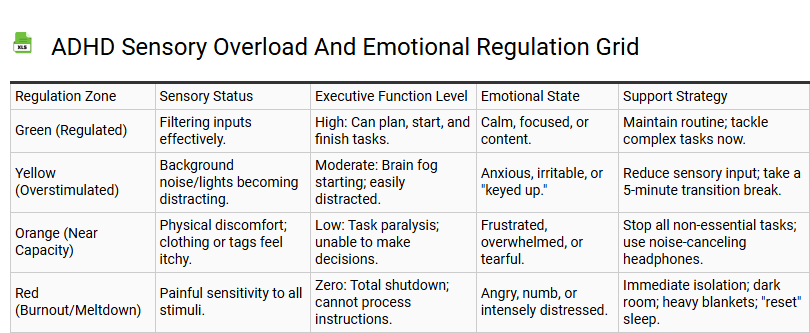
💾 ADHD Sensory Overload and Emotional Regulation Grid .xls
This ADHD Sensory Overload and Emotional Regulation Grid provides a structured framework for managing neurodivergent sensitivities. By systematically mapping auditory, visual, and tactile triggers, individuals can identify early signs of overstimulation before reaching a state of executive dysfunction or a sensory meltdown. This proactive tool facilitates self-regulation by categorizing distress levels and pairing them with specific grounding techniques, such as proprioceptive input or deep pressure therapy.
Designed to combat cognitive fatigue and emotional dysregulation, the grid serves as a visual roadmap for burnout prevention. It empowers users to implement a personalized sensory toolkit, addressing the unique challenges of Sensory Processing Disorder (SPD). By documenting environmental stressors and effective coping mechanisms, this resource fosters long-term emotional resilience and improves distress tolerance, ensuring better focus and nervous system stability across various environments.
Task Initiation and Mood Correlation Matrix
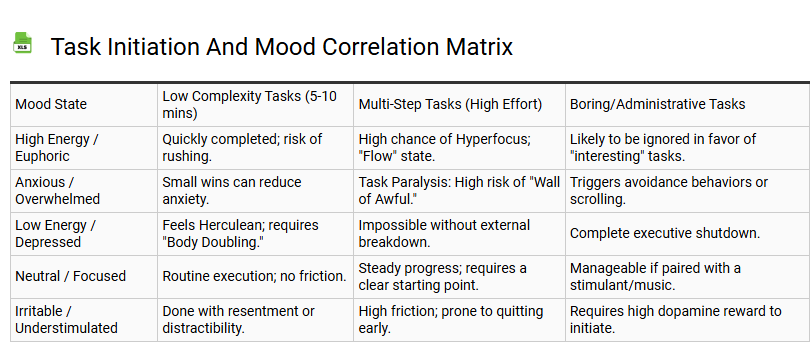
💾 Task Initiation and Mood Correlation Matrix .xls
The Task Initiation and Mood Correlation Matrix serves as a sophisticated productivity framework designed to analyze the intersection between executive function and emotional regulation. By mapping specific affective states against the activation energy required for complex workflows, users can identify recurring patterns of procrastination and mental fatigue.
This behavioral tracking tool optimizes time management by aligning high-cognitive tasks with peak psychological readiness. Utilizing this matrix facilitates data-driven self-regulation, effectively reducing cognitive load through strategic workflow entry points. Implementing this internal state assessment fosters sustained focus and mitigates the impact of negative affect on occupational performance. Ultimately, this diagnostic template transforms subjective feelings into actionable productivity insights, bridging the gap between emotional well-being and operational efficiency.
ADHD Medication Efficacy and Mood Side Effect Journal
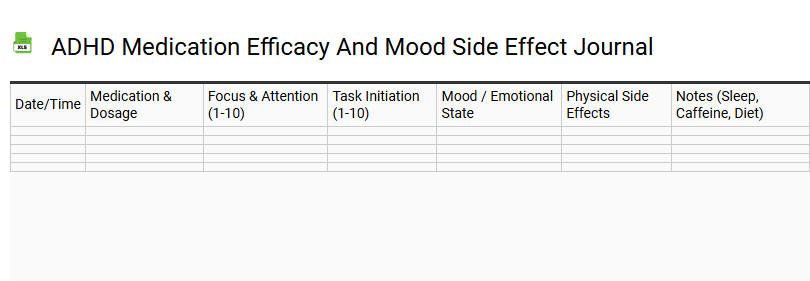
💾 ADHD Medication Efficacy and Mood Side Effect Journal .xls
Utilizing a structured ADHD medication log is essential for optimizing pharmacological interventions and achieving cognitive consistency. This template allows neurodivergent individuals to track stimulant or non-stimulant efficacy alongside executive function milestones. By documenting daily dosage timing, users can identify the therapeutic window and monitor the "crash" effect or emotional dysregulation. Precise recording of mood side effects-such as irritability, anxiety, or appetite suppression-provides invaluable data for psychiatric evaluations and medication titration. Tracking dopamine fluctuations through symptom management logs helps correlate focus levels with specific environmental triggers. This data-driven approach empowers patients to communicate effectively with healthcare providers, ensuring emotional regulation and productivity are balanced. Consistent self-monitoring via this journal facilitates a comprehensive overview of treatment progress, leading to more personalized and effective neurological support strategies.
Executive Function Load and Mental Fatigue Dashboard
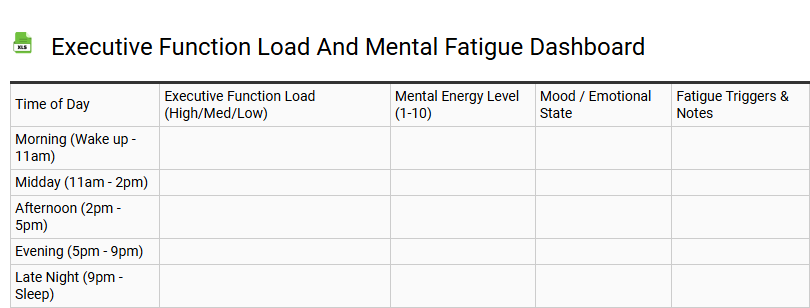
💾 Executive Function Load and Mental Fatigue Dashboard .xls
This specialized dashboard serves as a comprehensive monitoring tool for tracking cognitive resource expenditure and identifying early signs of burnout. By quantifying executive function load, the interface provides clarity on how complex tasks-such as decision-making, impulse control, and working memory-deplete daily mental energy.
- Cognitive Strain Assessment: Evaluates the impact of high-demand projects on mental stamina.
- Attention Regulation: Monitors fluctuations in focus and the recovery time required after deep work sessions.
- Task-Switching Impact: Calculates the energy cost associated with shifting between different types of mental activities.
Integrating this template into your daily routine enables data-driven scheduling. By visualizing patterns of mental fatigue, you can align demanding responsibilities with peak alertness periods, ensuring sustainable productivity while protecting long-term neurological health and emotional stability.
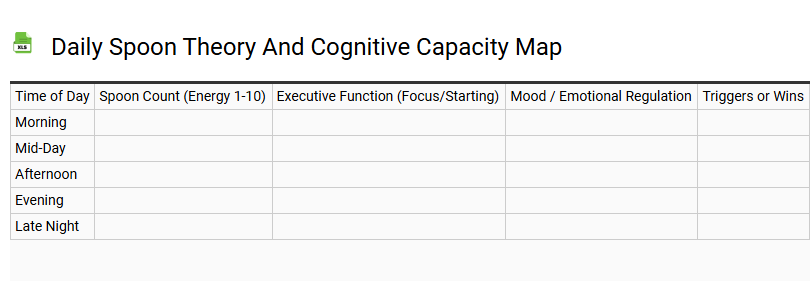
Daily Spoon Theory and Cognitive Capacity Map
💾 Daily Spoon Theory and Cognitive Capacity Map .xls
This integrated Daily Spoon Theory and Cognitive Capacity Map serves as a vital tool for energy management and pacing. Designed for individuals navigating chronic illness, neurodiversity, or mental health challenges, the template quantifies daily energy reserves using "spoons" as metaphorical units.
By mapping cognitive load against available mental bandwidth, users can visualize their executive function and prevent burnout. This framework facilitates better resource allocation, allowing for strategic workload distribution based on fluctuating fatigue levels. Use this self-regulation tool to track invisible disabilities, prioritize high-effort tasks, and maintain a sustainable work-life balance. Implementing this pacing strategy ensures that personal capacity is never overextended, fostering long-term well-being and productivity through mindful energy tracking.
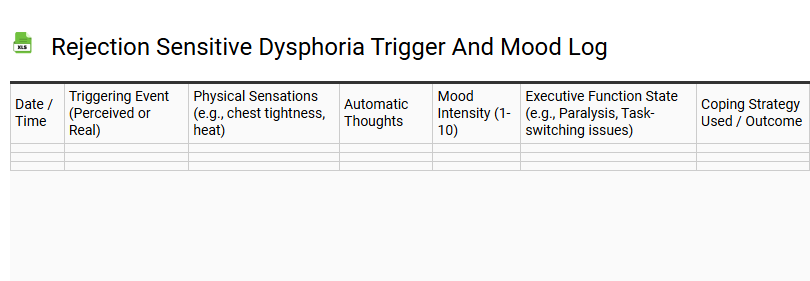
Rejection Sensitive Dysphoria Trigger and Mood Log
💾 Rejection Sensitive Dysphoria Trigger and Mood Log .xls
Utilizing a Rejection Sensitive Dysphoria (RSD) trigger and mood log serves as a vital therapeutic tool for managing the intense emotional dysregulation often associated with ADHD and neurodivergence. This structured template facilitates the tracking of perceived criticism, social withdrawal, and the acute physiological sensations of emotional pain. By documenting specific antecedents and environmental stressors, individuals can identify recurring patterns in social anxiety, perfectionism, and rejection sensitivity.
Logging the duration and intensity of mood swings allows for effective cognitive reframing and the implementation of healthy coping mechanisms. Consistent monitoring helps distinguish between objective feedback and cognitive distortions, fostering improved self-regulation and mental well-being. Integrating this data-driven approach into daily routines empowers users to communicate clearly with clinicians, ensuring personalized support for sensory processing and emotional hypersensitivity challenges.
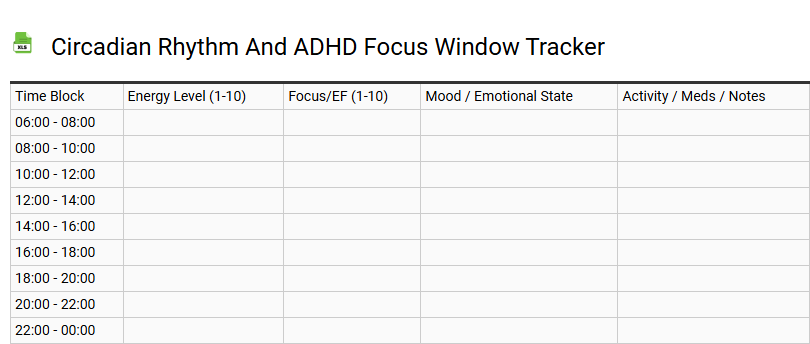
Circadian Rhythm and ADHD Focus Window Tracker
💾 Circadian Rhythm and ADHD Focus Window Tracker .xls
This Circadian Rhythm and ADHD Focus Window Tracker is designed to align your biological clock with executive function needs. By monitoring dopamine fluctuations and metabolic energy, individuals can pinpoint their ideal productivity windows. Mapping your unique chronotype helps mitigate time blindness and manage the afternoon energy slump effectively. This template emphasizes self-regulation through the logging of sleep hygiene, light exposure, and ultradian cycles.
Optimizing your workflow around peak cortisol levels ensures higher cognitive performance while reducing burnout. Use this data-driven approach to identify hyperfocus triggers and schedule demanding tasks when your neurodivergent brain is most resilient. Understanding your internal timing allows for a dopamine-friendly schedule that balances high-intensity output with essential restorative rest for better emotional regulation and sustained daily focus.
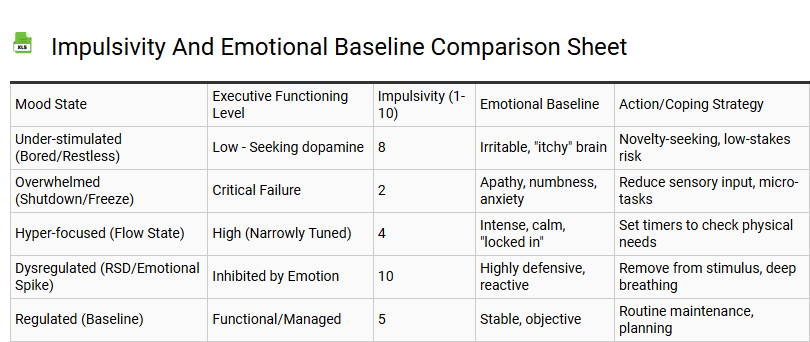
Impulsivity and Emotional Baseline Comparison Sheet
💾 Impulsivity and Emotional Baseline Comparison Sheet .xls
This comparison sheet serves as a structured tool for identifying the contrast between your typical emotional state and moments of heightened impulsivity. By establishing a clear baseline, you can more effectively recognize early warning signs of behavioral shifts and reactive patterns.
- Baseline Monitoring: Document your standard mood, energy levels, and decision-making processes during periods of stability.
- Impulse Tracking: Record specific instances where actions felt hurried or driven by intense emotion rather than objective logic.
- Comparative Analysis: Evaluate the physiological and psychological differences between these two states to strengthen self-regulation.
Utilizing this template fosters greater awareness, allowing for the implementation of intentional pauses before acting on sudden urges. Consistent documentation helps bridge the gap between initial triggers and final responses, promoting long-term emotional stability and more deliberate personal choices.
ADHD Habit Stacking and Dopamine Reward Map
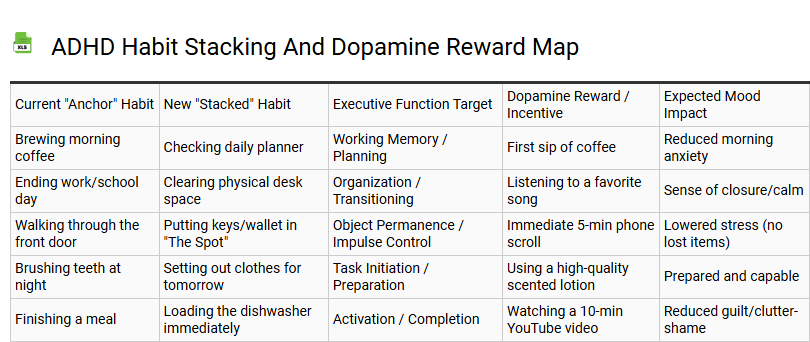
💾 ADHD Habit Stacking and Dopamine Reward Map .xls
This ADHD habit stacking template optimizes executive function by anchoring new micro-habits to established daily routines. By leveraging behavioral science, users can bypass task initiation hurdles common in neurodivergent brains. Integrating a dopamine reward map provides essential positive reinforcement, aligning with the brain's neurological reward system to sustain motivation.
This strategic framework reduces cognitive load, transforming overwhelming objectives into manageable anchor habits. Key benefits include:
- Improved dopamine regulation through immediate feedback loops.
- Enhanced consistency via structured habit chaining.
- Reduced decision fatigue by automating brain-friendly workflows.
By visualizing progress and intrinsic incentives, individuals can overcome procrastination, regulate brain chemistry, and build a sustainable productivity system tailored to the ADHD nervous system.
Executive Function Skill Building Progress Chart
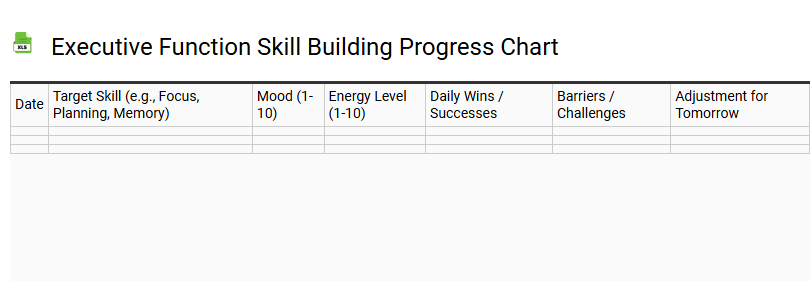
💾 Executive Function Skill Building Progress Chart .xls
An Executive Function Skill Building Progress Chart serves as a sophisticated diagnostic and developmental tool designed to track cognitive processes and behavioral growth. This structured template facilitates the systematic evaluation of working memory, inhibitory control, and cognitive flexibility. By utilizing this visual framework, educators and clinicians can implement instructional scaffolding to enhance task initiation, time management, and organization skills.
The chart prioritizes metacognition and self-regulation, providing data-driven insights into planning and prioritization capabilities. Incorporating this tracker supports neurodiversity and adaptive functioning by identifying specific areas for intervention, such as emotional control and goal-directed persistence. This comprehensive approach to monitoring the executive suite ensures measurable progress in goal setting and impulse control, fostering long-term academic and personal success through consistent, evidence-based observation and targeted skill reinforcement.
Daily ADHD Stimulation and Regulation Tracker
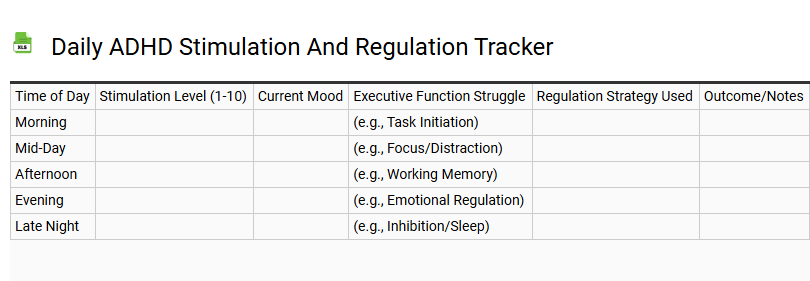
💾 Daily ADHD Stimulation and Regulation Tracker .xls
A daily log for managing neurodivergent needs focuses on monitoring nervous system states and sensory inputs. This structured tool helps identify periods of overstimulation or under-stimulation, allowing for proactive adjustments throughout the day. By recording environmental triggers, task transitions, and focus levels, users can pinpoint which activities drain their energy and which restorative practices help regain balance.
The tracker typically includes sections for:
- Dopamine Seeking: Identifying cravings for novelty or movement.
- Sensory Load: Tracking noise, light, and tactile comfort.
- Regulation Tools: Logging the effectiveness of fidgets, deep pressure, or quiet breaks.
- Executive Function: Monitoring ease of task initiation and mental clarity.
Consistent use of this template reveals recurring patterns, making it easier to implement specific coping strategies before burnout occurs. This data-driven approach promotes self-compassion and effective personal management.
The ADHD Executive Function Mood Map template serves as a vital tool for neurodivergent individuals seeking better emotional regulation. By tracking cognitive load and dopamine levels alongside daily tasks, you can identify behavioral patterns that impact productivity. This resource simplifies symptom tracking, fostering self-awareness to manage mental health effectively. Use this framework to align your daily planning with fluctuating energy levels. Implementing this map empowers you to navigate executive dysfunction with compassion, ensuring a sustainable approach to your unique neurological needs.