
Allergy Relief Journal Template: Tracking Symptoms and Environmental Triggers
Navigating chronic sensitivities requires meticulous tracking and consistent observation. A professional allergy relief journal template empowers users to pinpoint environmental triggers and monitor symptom severity alongside medication efficacy. By maintaining structured daily logs, individuals can effectively correlate pollen counts or dietary habits with systemic inflammatory responses. This comprehensive health diary facilitates better communication with immunologists, fostering a data-driven strategy for long-term allergen management and holistic recovery. Please check already made variation of templates below.
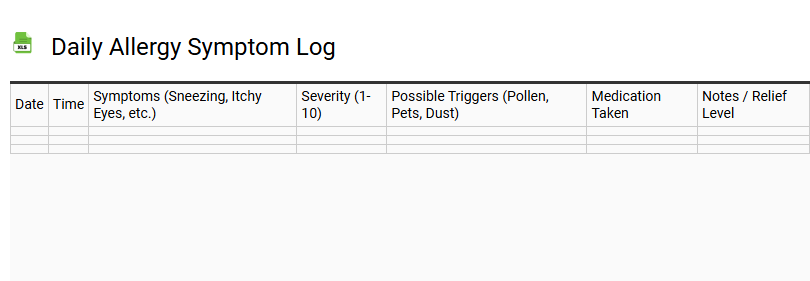
Daily Allergy Symptom Log
💾 Daily Allergy Symptom Log .xls
A daily allergy symptom log serves as an essential diagnostic tool for tracking histamine responses and identifying specific environmental triggers. By meticulously documenting pollen counts, weather conditions, and allergic rhinitis manifestations, users can discern distinct patterns in their respiratory health. This template facilitates the recording of symptom severity, including nasal congestion, sneezing, and ocular irritation, alongside medication efficacy.
Utilizing a structured health journal helps correlate seasonal flare-ups with external factors like mold spores or pet dander. Furthermore, monitoring dietary sensitivities and asthma management metrics provides clinical insights for healthcare providers. Consistent data entry empowers individuals to optimize their wellness strategies, minimize exposure to known allergens, and refine treatment protocols. Whether managing chronic hay fever or sudden urticaria, this log provides the longitudinal data necessary for effective long-term relief and improved quality of life.
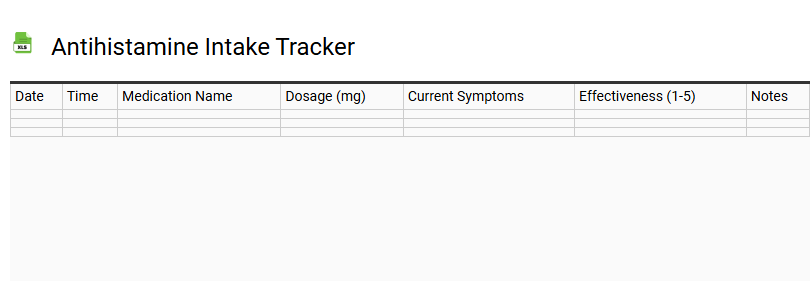
Antihistamine Intake Tracker
💾 Antihistamine Intake Tracker .xls
Managing allergic rhinitis and seasonal sensitivities requires a structured Antihistamine Intake Tracker to ensure medication adherence. This digital log allows users to monitor the administration of H1 antagonists, such as Cetirizine, Loratadine, or Fexofenadine, recording precise dosage frequency and active ingredients.
By documenting each allergy medication dose, individuals can correlate symptom relief with specific timeframes, helping to identify triggers for hay fever or chronic urticaria. Tracking is essential for distinguishing between non-drowsy formulas and sedative options, preventing accidental overdose. A comprehensive record of over-the-counter (OTC) and prescription histamine blockers serves as a vital resource during medical consultations. Use this template to log side effects, ingestion times, and allergic reactions, facilitating a data-driven approach to long-term allergy management and improved respiratory health.
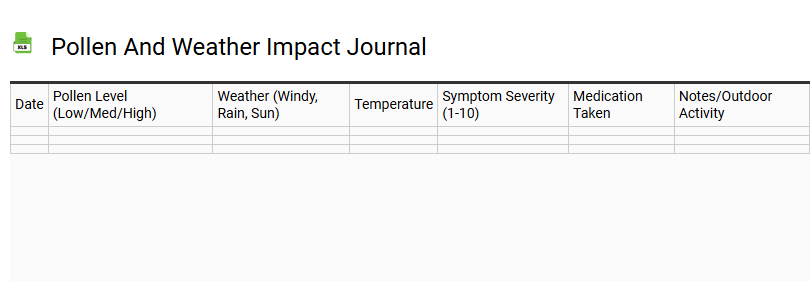
Pollen and Weather Impact Journal
💾 Pollen and Weather Impact Journal .xls
This Pollen and Weather Impact Journal template provides a structured framework for monitoring the correlation between atmospheric conditions and allergic rhinitis symptoms. By consistently logging daily pollen counts, humidity levels, and wind speed, users can pinpoint specific environmental triggers that exacerbate respiratory distress.
The template captures vital data points, including barometric pressure shifts and temperature fluctuations, which are known to influence asthma stability and hay fever severity. Documenting medication efficacy alongside particulate matter exposure allows for a comprehensive analysis of treatment outcomes. This data-driven approach facilitates better management of seasonal sensitivities by identifying patterns in aerobiological data. Ultimately, this journal empowers individuals to adjust their outdoor activities and preventative care based on precise weather patterns and allergen concentrations, optimizing overall immunological health and wellness.
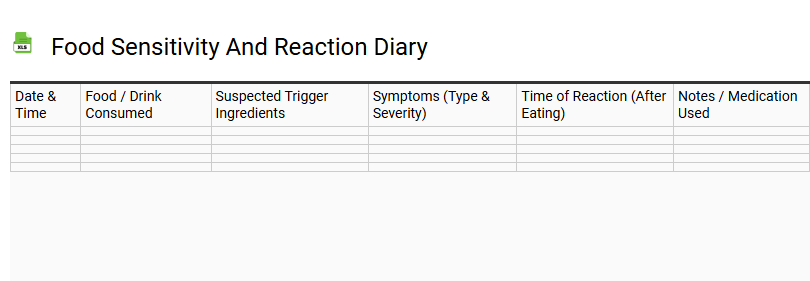
Food Sensitivity and Reaction Diary
💾 Food Sensitivity and Reaction Diary .xls
Utilizing a food sensitivity and reaction diary is a foundational step for managing digestive wellness and identifying specific food intolerances. By maintaining a comprehensive log of daily intake, individuals can effectively pinpoint trigger foods that contribute to adverse physical symptoms such as bloating, lethargy, or skin irritation.
This structured template aids in implementing a successful elimination diet, allowing for the systematic tracking of:
- Meal composition: Detailed ingredients, seasonings, and additives consumed.
- Symptom onset: Timing and severity of gastrointestinal distress or inflammatory flares.
- Gut health markers: Correlation between dietary habits and overall energy levels.
Consistent documentation provides a clear nutritional log that assists healthcare professionals in diagnosing sensitivities. By monitoring the body's unique response to allergens like gluten or dairy, users gain actionable insights for better symptom management and long-term health optimization.
Allergy Medication Adherence Calendar
💾 Allergy Medication Adherence Calendar .xls
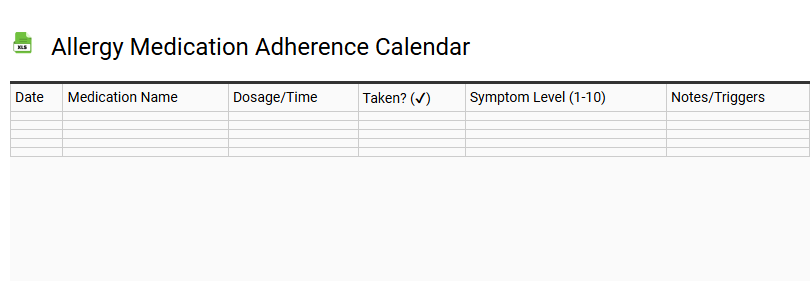
Utilizing a comprehensive Allergy Medication Adherence Calendar is essential for managing allergic rhinitis and chronic seasonal triggers effectively. This template serves as a functional tracker for your daily antihistamines, corticosteroid nasal sprays, and immunotherapy doses. By maintaining a consistent dosage schedule, patients can significantly reduce symptoms like congestion, sneezing, and itchy eyes associated with hay fever or environmental allergens.
A well-structured medication log improves treatment compliance and provides critical data for healthcare providers to optimize your allergy treatment plan. Tracking daily intake alongside symptom severity helps identify the efficacy of specific pharmaceuticals or over-the-counter remedies. This proactive approach to asthma management and respiratory health ensures you stay ahead of prescription refills. Implementing this systematic adherence tool fosters superior long-term health outcomes by stabilizing the body's histamine response through disciplined, documented pharmaceutical care and routine monitoring of therapeutic progress.
Environmental Trigger Identification Log
💾 Environmental Trigger Identification Log .xls
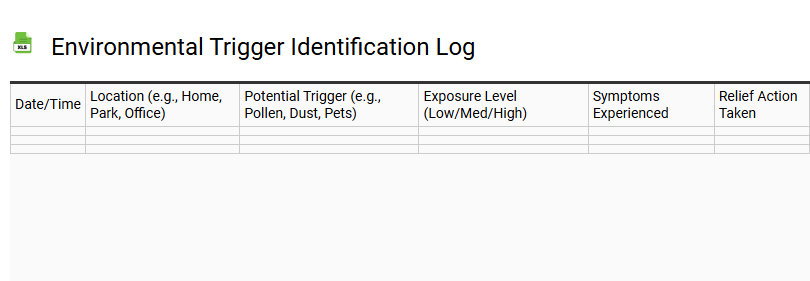
An environmental trigger identification log serves as a vital diagnostic tool for monitoring sensory processing and symptom flare-ups linked to external stimuli. This structured data logging system tracks exposure patterns related to allergens, atmospheric factors, and hypersensitivity reactions. By documenting behavioral patterns alongside environmental stressors, users can correlate specific pollutants or irritants with chronic condition management outcomes.
Utilizing this wellness documentation allows for precise personalized health monitoring, identifying subtle ecological variables that influence physical wellbeing. Integrating a symptom diary within a trigger tracking template facilitates effective clinical communication and preventative healthcare strategies. This systematic approach to exposure tracking empowers individuals to mitigate environmental stressors, optimizing sensory integration and long-term health outcomes through evidence-based behavioral tracking and lifestyle adjustments.
Skin Prick and Blood Test Results Summary
💾 Skin Prick and Blood Test Results Summary .xls
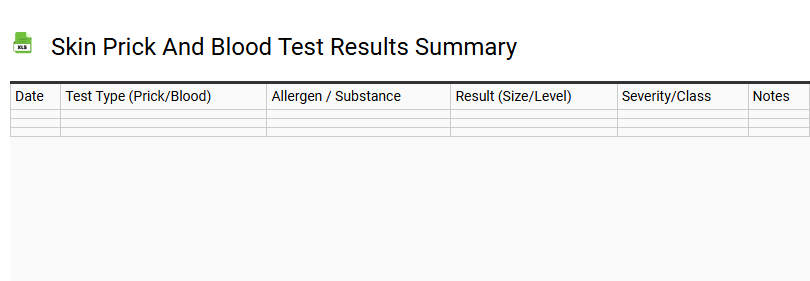
This diagnostic summary integrates findings from Skin Prick Tests (SPT) and Serum IgE blood analysis to provide a comprehensive immunological profile. The SPT results measure immediate hypersensitivity via the wheal and flare response, indicating localized mast cell reactivity. In contrast, blood panels quantify allergen-specific antibodies circulating within the system, offering a stable metric of sensitization levels.
Effective clinical interpretation requires correlating these quantitative values with reported symptoms to distinguish between asymptomatic sensitization and true clinical allergy. This unified report facilitates precise diagnosis, guiding healthcare providers in developing allergen avoidance strategies, prescribing targeted medications, or initiating subcutaneous immunotherapy. By synthesizing laboratory data with physiological responses, this summary serves as a definitive tool for managing patient sensitivity to environmental, food, or medicinal triggers, ensuring optimal patient outcomes and symptom management.
Anaphylaxis Emergency Action Plan Template
💾 Anaphylaxis Emergency Action Plan Template .xls
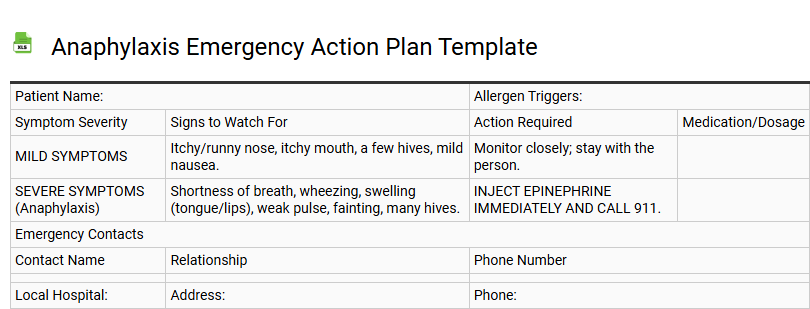
An Anaphylaxis Emergency Action Plan Template serves as a critical medical protocol for managing severe allergic reactions. This structured document provides immediate guidance for caregivers and school staff when allergen exposure triggers systemic hypersensitivity. By outlining specific symptoms-such as airway obstruction, hypotension, and urticaria-the plan ensures rapid identification of a life-threatening episode.
The template prioritizes the administration of an epinephrine auto-injector, documenting precise dosages and emergency medical services (EMS) contact procedures. Effective allergy management involves listing known triggers, immunotherapy history, and secondary treatments like antihistamines. Having a personalized, signed plan from a healthcare provider facilitates a coordinated emergency response, minimizing intervention delays. Utilizing this clinical tool optimizes patient safety by providing a clear, actionable roadmap during a respiratory distress or anaphylactic shock crisis.
Immunotherapy Dosage and Progress Sheet
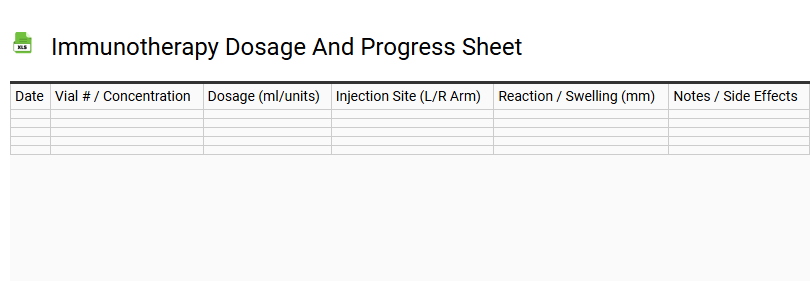
💾 Immunotherapy Dosage and Progress Sheet .xls
This Immunotherapy Dosage and Progress Sheet serves as a critical clinical tool for tracking biological therapy administration and patient response. Designed for precise medical documentation, the template monitors specific infusion schedules and titration levels essential for oncology or allergy treatments. Healthcare providers can meticulously record medication concentrations, administration routes, and intervals to ensure maximum patient safety.
The layout facilitates detailed patient monitoring, featuring dedicated sections for:
- Tracking adverse effects and localized systemic reactions.
- Logging dose adjustments based on clinical tolerance.
- Evaluating the immune response over successive treatment cycles.
- Maintaining a chronological treatment protocol for clinical review.
By utilizing this standardized log, clinicians enhance the accuracy of medical records, streamline communication within oncology teams, and optimize the overall therapeutic regimen for improved long-term health outcomes and treatment efficacy.
Pediatric Allergy and Medication Log
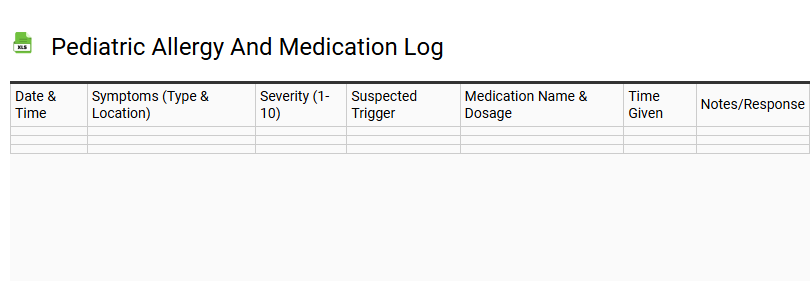
💾 Pediatric Allergy and Medication Log .xls
A comprehensive pediatric allergy and medication log is an essential tool for managing a child's health and safety. This template allows parents and caregivers to meticulously document allergic triggers, such as food proteins or environmental irritants, alongside specific symptom severity and reaction times.
- Track daily dosages of antihistamines, bronchodilators, or prescribed maintenance drugs.
- Record administration timestamps and potential side effects to share with your pediatrician.
- Detail emergency action plans, including instructions for epinephrine auto-injectors or rescue inhalers.
- Maintain a clear medical history to improve diagnostic accuracy during specialist consultations.
By organizing healthcare data in a structured format, you ensure that school nurses, daycare providers, and emergency responders have immediate access to life-saving information. This proactive symptom management strategy minimizes risks and streamlines communication with medical professionals regarding chronic conditions like asthma or severe dermatitis.
Medication Reorder and Pharmacy Contact List
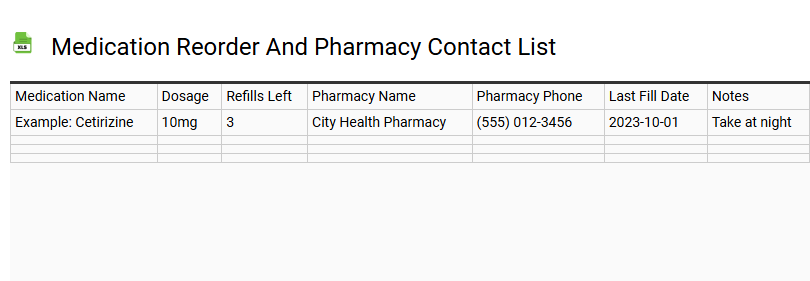
💾 Medication Reorder and Pharmacy Contact List .xls
Maintaining an organized record of prescriptions and pharmacy details is essential for consistent health management. A medication reorder template centralizes critical data such as drug names, exact dosages, and the number of remaining refills. This structure allows patients and caregivers to monitor supply levels, ensuring that renewal requests are submitted to healthcare providers before medication runs out.
The pharmacy contact list complements this by storing vital information in one accessible location. This typically includes:
- Provider Identity: The specific pharmacy name and branch location.
- Contact Channels: Direct phone and fax numbers for rapid coordination.
- Logistics: Operating hours and delivery options to plan pickups efficiently.
- Prescription IDs: Reference numbers to accelerate the refill process.
Using these tools together streamlines communication with medical professionals and reduces the risk of missed doses, supporting better long-term wellness outcomes.
Sleep Quality and Allergy Symptom Tracker
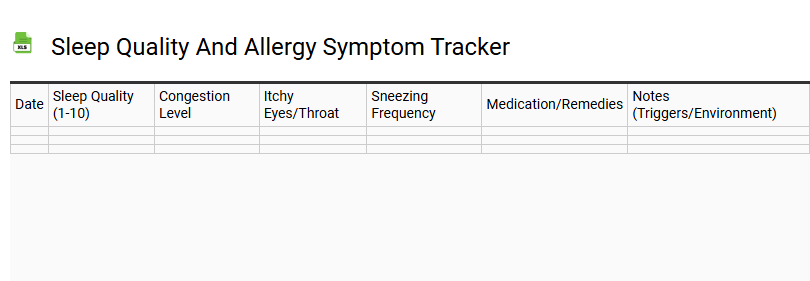
💾 Sleep Quality and Allergy Symptom Tracker .xls
This comprehensive sleep quality and allergy symptom tracker is engineered to identify the direct correlation between respiratory health and nocturnal recovery. By monitoring nightly sleep cycles alongside histamine responses, users can pinpoint how environmental allergens-such as dust mites, pet dander, or pollen counts-disrupt circadian rhythms and sleep hygiene.
Key features of this template include:
- Logging nasal congestion, sneezing, and watery eyes severity.
- Tracking sleep onset latency and fragmented sleep patterns.
- Analyzing the impact of air purifiers and antihistamines on REM sleep.
- Correlating seasonal triggers with daytime fatigue levels.
Utilizing this wellness log empowers individuals to optimize their restorative rest by visualizing allergic rhinitis trends. This data-driven approach facilitates better symptom management, ensuring improved indoor air quality awareness and enhanced vitality through synchronized biological clocks.
Side Effect and Reaction Observation Journal
💾 Side Effect and Reaction Observation Journal .xls
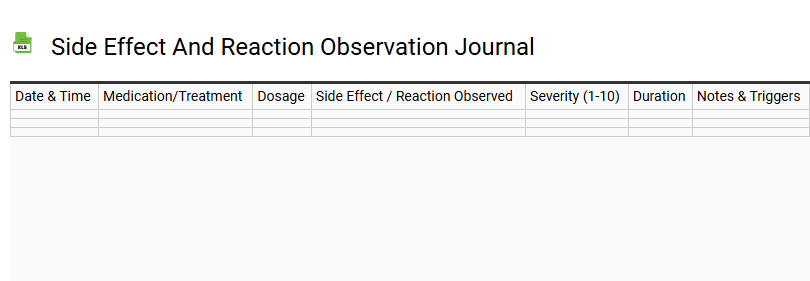
A Side Effect and Reaction Observation Journal serves as a critical clinical tool for medication management and patient safety. By systematically logging adverse reactions, individuals can monitor the direct correlation between pharmaceutical interventions and physiological responses. This structured symptom log tracks dosage timing, frequency, and severity, providing essential data for healthcare providers to evaluate treatment efficacy and potential drug interactions.
Key elements of this documentation template include:
- Precise onset timing of allergic responses or sensitivities.
- Detailed descriptions of secondary effects and physical discomfort.
- A standardized severity scale to quantify the impact on daily functioning.
Maintaining an accurate patient diary facilitates proactive health monitoring and streamlines communication during clinical consultations. Utilizing this structured approach ensures that therapeutic outcomes are optimized while minimizing risks associated with new prescriptions or long-term medical regimens.
Weekly Allergy Summary and Trend Chart
💾 Weekly Allergy Summary and Trend Chart .xls
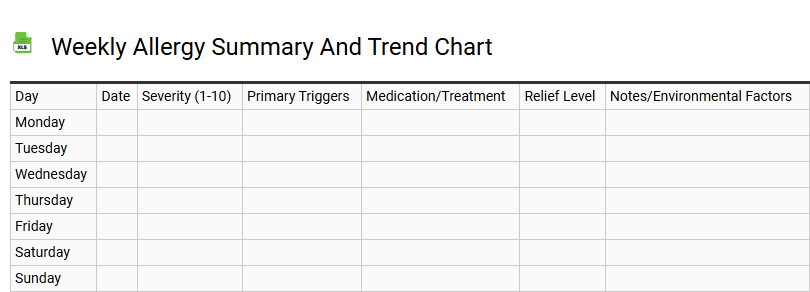
The Weekly Allergy Summary and Trend Chart serves as a vital tool for comprehensive symptom tracking and respiratory health management. By recording daily pollen counts and specific allergen triggers, users can visualize seasonal patterns through integrated data visualization. This template facilitates the identification of peak levels for environmental irritants like mold or ragweed, directly correlating them with personal histamine responses.
Monitoring these historical trends helps pinpoint the cause of sudden flare-ups and evaluate medication efficacy. With structured environmental data, patients can anticipate high-risk periods for hay fever and asthma. Utilizing this summary ensures a proactive approach to wellness, providing actionable insights for both individuals and clinicians to optimize treatment plans and minimize exposure during high-density atmospheric shifts.
Household Allergen Maintenance Schedule
💾 Household Allergen Maintenance Schedule .xls
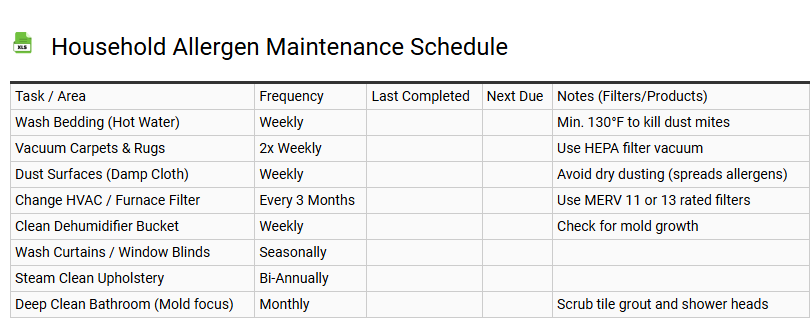
Implementing a comprehensive household allergen maintenance schedule is essential for optimizing indoor air quality and reducing asthma triggers. This systematic approach focuses on neutralizing environmental allergens such as dust mites, pet dander, and pollen through consistent intervention. Key tasks include weekly washing of hypoallergenic bedding in hot water and utilizing HEPA filtration during routine vacuuming to capture microscopic mold spores.
By establishing a recurring cleaning registry, homeowners can effectively manage airborne particulates. Essential strategies involve:
- Monitoring humidity levels to inhibit microbial growth.
- Replacing HVAC filters quarterly for superior ventilation.
- Deep-cleaning upholstered surfaces to eliminate deep-seated bio-contaminants.
Maintaining this sanitization protocol ensures a healthier living environment, providing long-term relief from seasonal allergies and respiratory discomfort through proactive home hygiene management.
This comprehensive Allergy Relief Journal empowers you to systematically track daily symptoms, triggers, and environmental factors. By documenting pollen counts, dietary habits, and medication efficacy, you can identify hidden allergens and recognize long-term health patterns.
Utilizing this holistic logging system fosters proactive management of histamine responses and seasonal sensitivities. Start your journey toward sustained respiratory wellness today; consistent data collection is the ultimate key to achieving a lifestyle focused on improved well-being and symptom-free living.