
Anxiety Trigger Log Template: Identifying and Tracking Daily Patterns
Managing your mental health effectively requires identifying specific causes of distress through consistent symptom tracking. A structured anxiety trigger log serves as a vital tool for recognizing emotional patterns and physiological responses to daily stressors. By documenting environmental factors and internal thoughts, you can enhance your mindfulness practices and support cognitive behavioral therapy goals. This organized approach to self-reflection promotes long-term wellness and proactive stress management. Please explore the professionally curated variations of templates provided below.
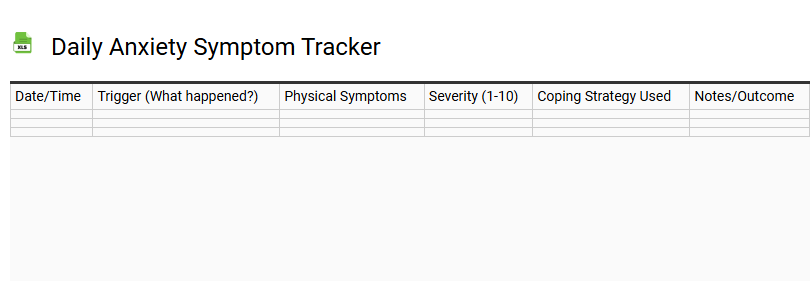
Daily Anxiety Symptom Tracker
💾 Daily Anxiety Symptom Tracker .xls
A daily anxiety symptom tracker serves as a vital mental health resource for monitoring emotional well-being and psychosomatic signs. By consistently logging physiological responses-such as increased heart rate, shallow breathing, or restlessness-individuals can identify specific triggers and environmental stressors. This systematic approach to mood journaling facilitates cognitive behavioral therapy (CBT) practices by documenting the frequency and intensity of panic attacks or generalized worry.
Effective templates typically include space for recording:
- Daily stress levels and mood fluctuations.
- Physical manifestations of nervous system arousal.
- Sleep quality and dietary influences.
- Efficacy of coping mechanisms and mindfulness exercises.
Capturing these data points offers clinical insights into behavioral patterns, empowering users to refine their wellness strategies. Maintaining a structured record of anxiety manifestations promotes self-awareness, reduces uncertainty, and supports long-term emotional regulation and psychological resilience.
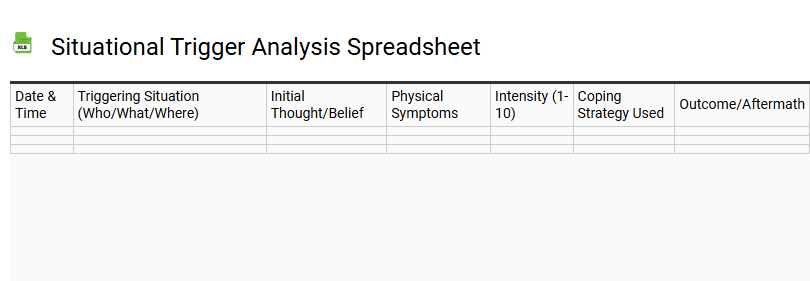
Situational Trigger Analysis Spreadsheet
💾 Situational Trigger Analysis Spreadsheet .xls
A Situational Trigger Analysis Spreadsheet serves as a structured diagnostic framework for identifying patterns behind specific behaviors or recurring events. By systematically documenting the variables that precede an action, individuals and teams can pinpoint exact environmental, social, or emotional catalysts.
This template typically organizes data into several critical categories to ensure comprehensive tracking:
- Antecedents: The immediate events or settings that occur just before the target behavior.
- Behavioral Response: A detailed, objective description of the specific action or reaction.
- Consequences: The direct results or reinforcements that follow the event, which may influence future repetition.
- Contextual Factors: Broader influences such as physical location, time of day, or internal physiological states.
Utilizing this format enables data-driven insights over time. It is an essential resource for habit modification and behavioral coaching, allowing for the development of targeted intervention strategies to improve future outcomes.
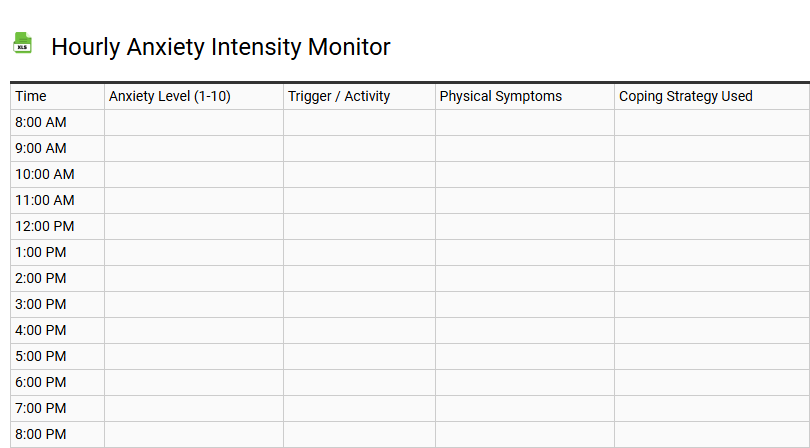
Hourly Anxiety Intensity Monitor
💾 Hourly Anxiety Intensity Monitor .xls
This Hourly Anxiety Intensity Monitor serves as a structured tool for real-time emotional tracking and mental health assessment. By documenting fluctuations in psychological distress throughout the day, users can identify specific environmental triggers and physiological responses. This systematic approach to mood monitoring facilitates self-regulation and enhances mindfulness practices. Integrating this data into a comprehensive stress management plan allows for better identification of patterns associated with panic attacks or generalized tension.
Utilizing a 1-10 scale for intensity ensures objective measurement, bridging the gap between subjective feelings and clinical observations. This template supports cognitive behavioral therapy (CBT) techniques by providing a clear record of emotional states, empowering individuals to implement timely coping mechanisms. Consistent data entry fosters improved self-awareness, making it an essential resource for those seeking to stabilize their emotional well-being and navigate daily stressors with greater resilience and clarity.
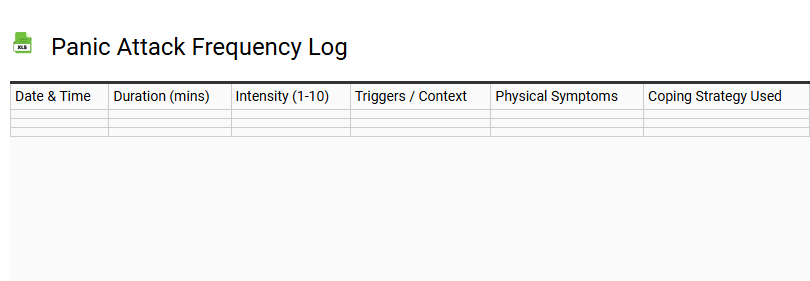
Panic Attack Frequency Log
💾 Panic Attack Frequency Log .xls
A panic attack frequency log serves as a vital instrument for monitoring mental health and identifying recurring behavioral patterns. By systematically documenting specific anxiety symptoms and acute physical sensations, individuals can accurately pinpoint environmental triggers and evaluate the efficacy of various coping mechanisms.
This structured template typically incorporates essential data points to enhance panic disorder management, including:
- Symptom duration and precise onset timestamps.
- An intensity scale to quantify the severity of each episode.
- Observations of psychological wellness and environmental factors.
Consistent tracking provides healthcare providers with actionable data, facilitating a more personalized approach to treatment. By maintaining this record, users foster greater self-awareness and emotional regulation, ultimately empowering them to refine therapeutic strategies and reduce the long-term impact of high-stress events on their daily lives.
Coping Strategy Effectiveness Worksheet
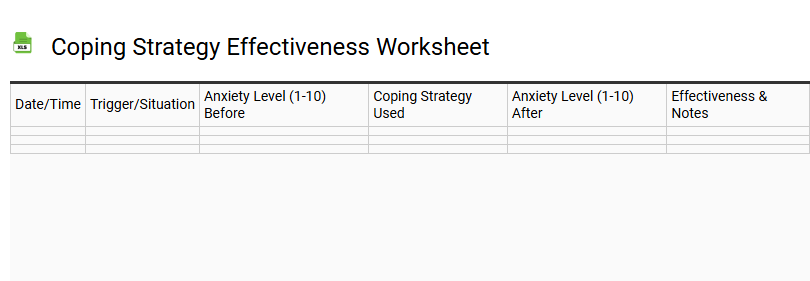
💾 Coping Strategy Effectiveness Worksheet .xls
A Coping Strategy Effectiveness Worksheet serves as a fundamental cognitive behavioral tool designed to enhance emotional regulation and psychological resilience. This structured template facilitates self-reflection by allowing individuals to document specific stressors and analyze their subsequent adaptive behaviors. By engaging in consistent outcome evaluation, users can identify which mindfulness techniques or distress tolerance skills yield the most positive results.
Utilizing this mental health resource encourages trigger identification and helps distinguish between maladaptive habits and healthy stress management interventions. Integrating such data-driven reflection into a daily routine fosters self-awareness, ensuring that therapeutic interventions remain aligned with personal recovery goals. Ultimately, this systematic approach empowers individuals to refine their coping mechanisms, promoting long-term emotional well-being and sustainable mental health maintenance through actionable insights and personalized wellness strategies.
Sleep and Anxiety Correlation Log
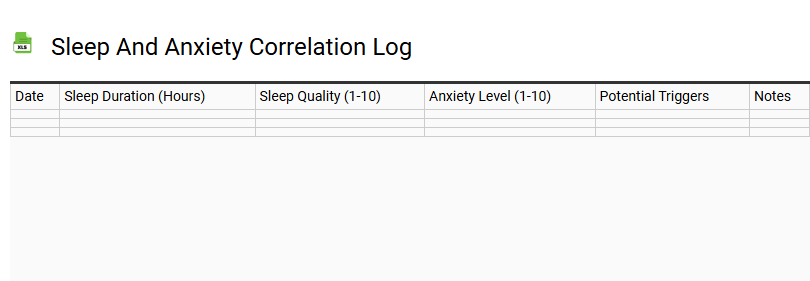
💾 Sleep and Anxiety Correlation Log .xls
A Sleep and Anxiety Correlation Log serves as a vital diagnostic tool for identifying the bidirectional link between nocturnal rest and mental well-being. By tracking daily sleep duration alongside stress levels, individuals can pinpoint how insomnia or sleep fragmentation impacts emotional regulation. Effective templates monitor key variables such as sleep latency, caffeine consumption, and evening screen time to assess their influence on the circadian rhythm.
Documenting anxiety triggers alongside sleep quality metrics helps reveal patterns related to cortisol spikes and REM cycle disruptions. Utilizing this data-driven approach supports Cognitive Behavioral Therapy (CBT) techniques and enhances sleep hygiene practices. Consistent logging empowers users to:
- Refine bedtime routines to lower physiological arousal.
- Mitigate nocturnal panic through targeted stress management.
- Identify environmental factors affecting sleep efficiency.
Physical Symptom Checklist for Anxiety
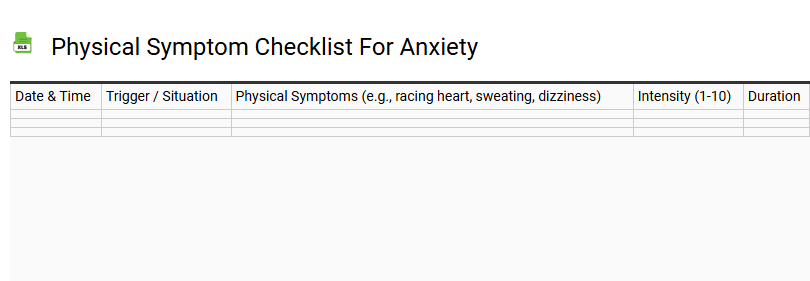
💾 Physical Symptom Checklist for Anxiety .xls
A physical symptom checklist for anxiety serves as a vital diagnostic tool for identifying the somatic manifestations of emotional distress. By tracking physiological indicators, individuals can monitor their body's fight-or-flight response and the impact of elevated cortisol levels on the autonomic nervous system.
Common markers included in this assessment template feature:
- Muscle tension and chronic fatigue.
- Heart palpitations or rapid pulse.
- Shortness of breath and hyperventilation.
- Gastrointestinal distress and nausea.
- Dizziness, tremors, and excessive sweating.
Systematically documenting these anxiety symptoms helps distinguish between generalized stress and panic attacks. Utilizing this stress response log facilitates a comprehensive anxiety disorder assessment, providing healthcare clinicians with actionable data to manage the physiological triggers of mental health conditions effectively.
Thought Pattern and Trigger Journal
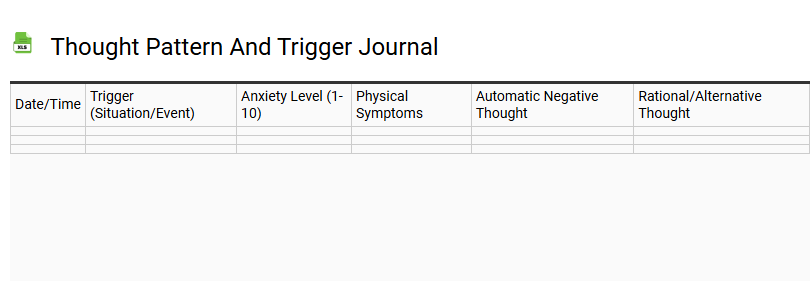
💾 Thought Pattern and Trigger Journal .xls
A thought pattern and trigger journal serves as a robust framework for cognitive behavioral tracking and enhanced emotional self-awareness. By systematically documenting automatic thoughts and external stressors, users can pinpoint recurring psychological patterns and maladaptive behavioral responses.
This template promotes consistent mindfulness practice, allowing for the meticulous recording of emotional triggers and subsequent mood monitoring. Integrating these insights facilitates cognitive reframing, helping individuals transition from reactive impulses to intentional actions.
By analyzing the relationship between specific environments and internal dialogues, this mental health journaling tool fosters long-term resilience and emotional regulation. Utilizing this structured approach empowers users to decode complex behavioral habits and achieve greater psychological clarity through disciplined self-reflection and therapeutic data collection.
Social Anxiety Interaction Tracker
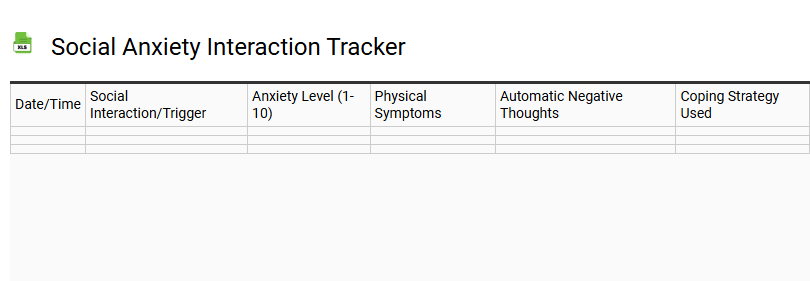
💾 Social Anxiety Interaction Tracker .xls
A Social Anxiety Interaction Tracker serves as a vital therapeutic instrument for individuals navigating social phobia and interpersonal stress. By utilizing principles from Cognitive Behavioral Therapy (CBT), this template facilitates systematic mood monitoring and the identification of specific anxiety triggers. Users can record Subjective Units of Distress (SUDs), document post-event processing, and evaluate safety behaviors utilized during social encounters.
Integrating this mental health log into daily routines enhances emotional regulation and supports exposure therapy goals. Tracking physiological symptoms and negative thought patterns empowers users to apply coping mechanisms effectively. This structured approach to symptom management promotes psychological wellness, helping to dismantle avoidance behaviors while fostering improved social skills and long-term distress tolerance. Use this tracker to gain actionable insights into your interpersonal dynamics and overall behavioral progress.
Workplace Stress and Trigger Log
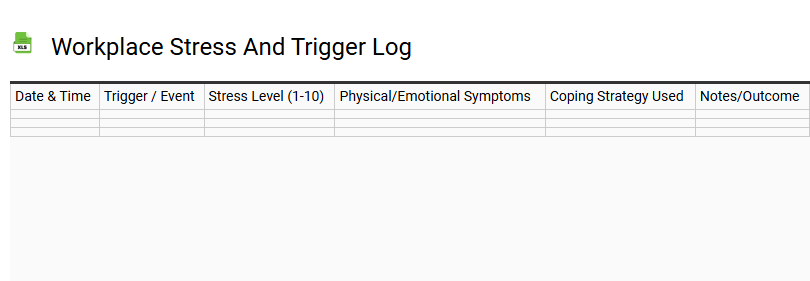
💾 Workplace Stress and Trigger Log .xls
A workplace stress and trigger log serves as a structured tool for documenting specific incidents that impact professional well-being. By consistently recording daily experiences, individuals can identify recurring patterns that contribute to burnout or anxiety. This practice encourages mindfulness and provides objective data for personal reflection or professional adjustments.
A comprehensive log typically tracks the following elements:
- Incident Details: Documentation of the specific situation, time, and environment where the stress occurred.
- Reaction Intensity: A numerical or qualitative rating of the emotional and physical response felt.
- Physical Indicators: Recognition of bodily cues such as tension, headaches, or fatigue.
- Resolution Methods: Strategies employed to navigate the stressor and regain focus.
Utilizing this template empowers employees to manage their mental load by transforming abstract feelings into actionable insights for a healthier, more balanced work environment.
Dietary Trigger and Anxiety Monitor
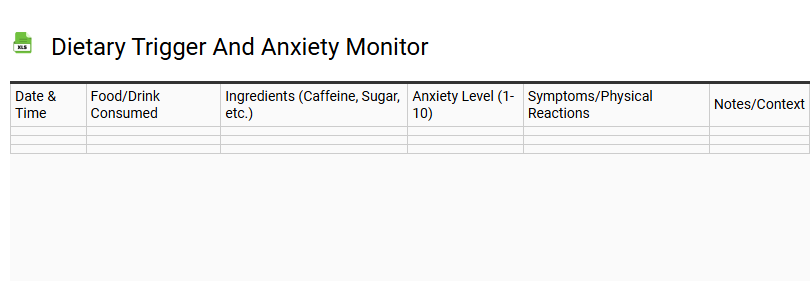
💾 Dietary Trigger and Anxiety Monitor .xls
Utilizing a dietary trigger and anxiety monitor facilitates profound insights into the gut-brain axis. By meticulously logging daily food intake alongside mood fluctuations, individuals can identify direct correlations between nutritional choices and emotional stability. This template tracks caffeine sensitivity, blood sugar spikes, and pro-inflammatory ingredients that often exacerbate panic attacks or generalized distress. Consistent meal logging highlights how micronutrient density and digestive health impact neurochemistry and cortisol levels. Incorporating a symptom tracker allows for an effective elimination diet, helping to isolate hidden intolerances or allergens contributing to cognitive fog and nervous system dysregulation. Through the lens of nutritional psychiatry, this systematic approach empowers users to foster mindful eating habits, stabilizing the internal environment to reduce physiological stressors and promote long-term mental clarity and emotional resilience.
Monthly Anxiety Trend Visualization
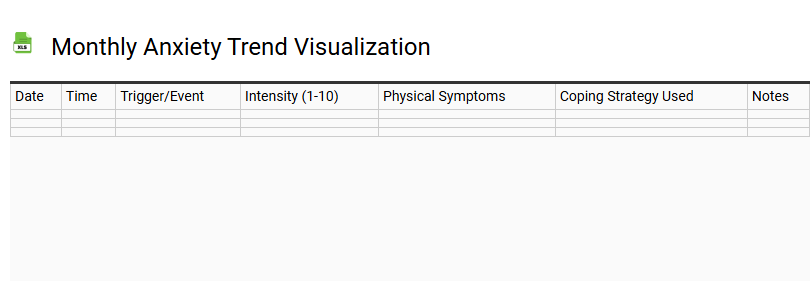
💾 Monthly Anxiety Trend Visualization .xls
This monthly anxiety trend visualization template serves as a robust tool for mental health tracking and longitudinal analysis. By systematically recording anxiety levels, users can generate psychological insights into their emotional well-being and identify recurring behavioral patterns. This wellness dashboard facilitates precise symptom monitoring, allowing individuals to correlate mood patterns with specific environmental stress triggers.
Utilizing data visualization for monthly progress reports enhances stress management and informs self-care metrics. These organized datasets provide a clear overview of mental health fluctuations, making it an invaluable resource for clinical therapy or personal growth. By transforming raw emotional data into a visual format, the template empowers users to implement proactive coping strategies and maintain a comprehensive record of their psychological health journey.
Mindfulness and Grounding Technique Log
💾 Mindfulness and Grounding Technique Log .xls
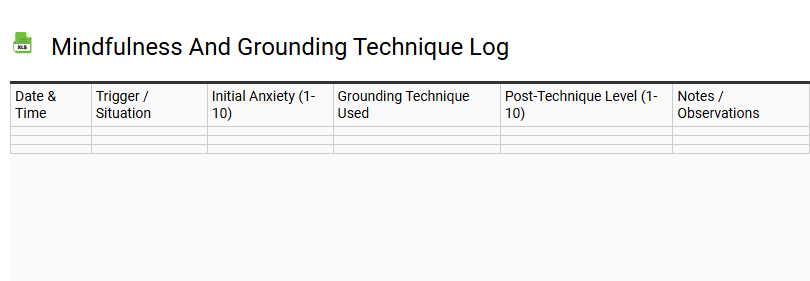
A mindfulness and grounding technique log serves as a vital therapeutic tool for enhancing emotional regulation and stress management. By documenting specific sensory interventions-such as the 5-4-3-2-1 method or diaphragmatic breathing-users can effectively navigate moments of high anxiety or dissociation. This structured journal facilitates self-awareness by tracking triggers, physiological responses, and the efficacy of various coping mechanisms.
- Identify environmental stressors through consistent reflective practice.
- Enhance present-moment awareness using tactile and auditory grounding prompts.
- Monitor progress in psychological resilience and cognitive clarity.
Utilizing this template encourages a disciplined approach to mental health maintenance. It bridges the gap between acute distress and long-term emotional stability, fostering a deeper connection to the physical self while mitigating the effects of hyperarousal. Integrating these observations into daily routines promotes sustained well-being and improved focus.
Environmental Trigger Assessment
💾 Environmental Trigger Assessment .xls
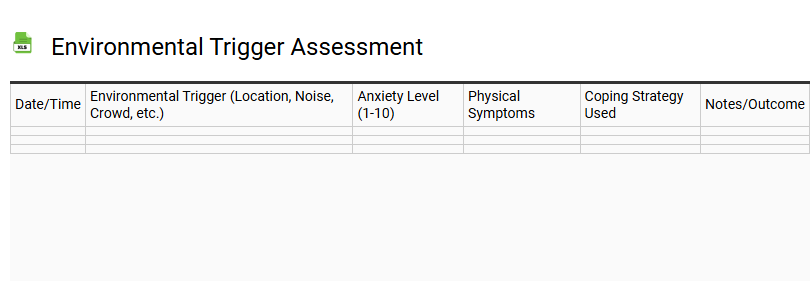
An Environmental Trigger Assessment template serves as a critical diagnostic tool for identifying external stimuli that influence behavioral patterns and emotional regulation. By systematically documenting antecedents-such as auditory noise, lighting fluctuations, or tactile sensitivities-practitioners can pinpoint specific sensory processing challenges. This framework is essential for conducting a comprehensive functional behavior assessment (FBA) within occupational therapy or clinical environments.
Utilizing this structured data collection method facilitates the development of targeted intervention strategies and evidence-based environmental modifications. It tracks how physical surroundings impact physiological responses, allowing for the creation of supportive spaces that mitigate stress. By analyzing the relationship between an individual's reactivity and their environment, caregivers can implement precise accommodations. This proactive approach ensures thorough monitoring of triggers, ultimately fostering improved adaptive functioning and well-being through tailored behavioral support plans and strategic ecological adjustments.
Medication Response and Anxiety Log
💾 Medication Response and Anxiety Log .xls
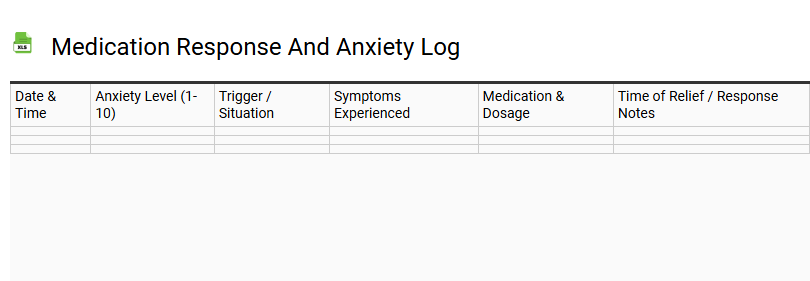
A medication response and anxiety log serves as a critical diagnostic tool for tracking pharmacological efficacy and behavioral patterns. This template facilitates the systematic monitoring of dosage timing, side effects, and somatic symptoms associated with generalized anxiety or panic disorders. By documenting daily symptom severity alongside psychotropic medication adherence, patients provide clinicians with actionable data for titration adjustments and clinical assessments.
Integrating stress triggers, heart rate fluctuations, and cognitive shifts into a structured symptom journal improves the accuracy of patient-reported outcomes. This data-driven approach to behavioral health tracking helps identify correlations between prescription intake and emotional regulation. Utilizing this log optimizes treatment protocols, ensuring that therapeutic interventions are personalized and effective for long-term recovery, stress management, and precise prescription management.
Morning and Evening Anxiety Comparison Log
💾 Morning and Evening Anxiety Comparison Log .xls
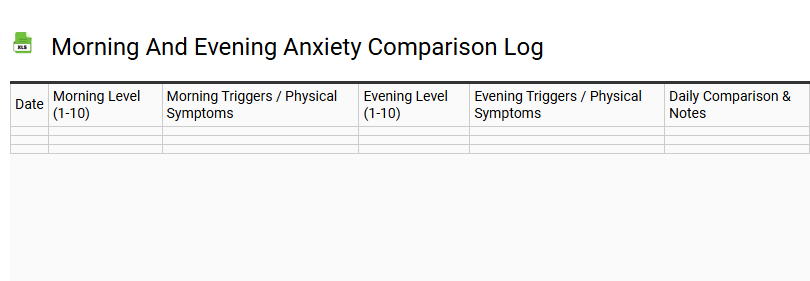
A Morning and Evening Anxiety Comparison Log serves as a vital diagnostic tool for tracking diurnal variations in mental health. By documenting psychological distress at dual intervals, individuals can identify specific stress triggers and physiological responses linked to their circadian rhythm. Morning entries typically monitor cortisol awakening responses and anticipatory tension, while evening logs focus on rumination, decompression, and sleep hygiene.
Utilizing this structured behavioral tracking template facilitates emotional regulation by mapping patterns in physical sensations and heart rate. This data-driven approach, rooted in cognitive behavioral therapy (CBT) principles, helps differentiate between situational stressors and chronic anxiety cycles. By analyzing these longitudinal insights, users can implement targeted mindfulness interventions, improve psychological resilience, and provide clinicians with accurate symptom overviews to optimize recovery strategies and wellness outcomes.
Trigger Source Categorization Spreadsheet
💾 Trigger Source Categorization Spreadsheet .xls
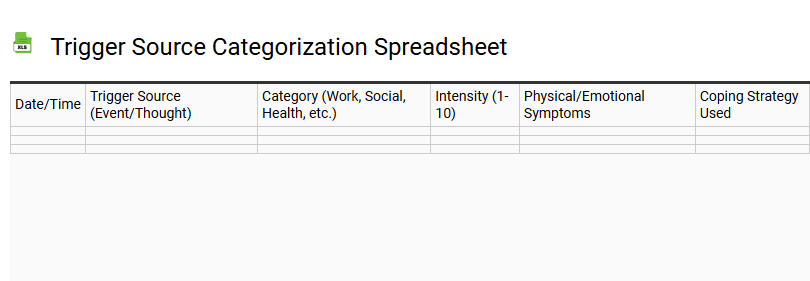
A trigger source categorization spreadsheet serves as a foundational blueprint for accurate lead attribution and conversion tracking. By organizing diverse marketing channels and inbound traffic origins, this data mapping tool ensures precision in CRM data entry and user acquisition reporting. It facilitates granular touchpoint analysis, allowing marketing teams to differentiate between organic search, paid advertising, social media, and referral networks.
Utilizing standardized campaign parameters and UTM parameters within the template streamlines performance marketing workflows. This systematic approach to source tracking identifies high-performing funnels, enabling data-driven budget allocation and ROI optimization. Integrating these specific categories optimizes the reporting layer, ensuring every conversion event is mapped to its original catalyst. This structured framework is essential for auditing traffic quality and refining multi-channel attribution models, providing a clear visualization of the customer journey from initial engagement to final transaction.
Exercise and Anxiety Level Tracker
💾 Exercise and Anxiety Level Tracker .xls
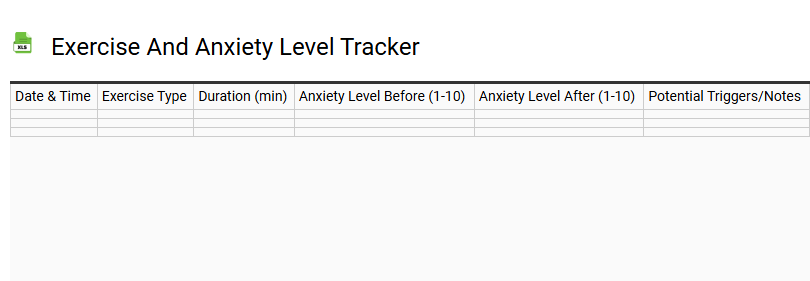
This comprehensive Exercise and Anxiety Level Tracker serves as a strategic tool for mental health management and stress reduction. By documenting physical activity alongside mood fluctuations, users can identify direct correlations between aerobic exercise and symptom relief. This wellness log facilitates monitoring how various fitness routines influence cortisol levels and endorphin production.
- Record workout intensity and duration for daily analysis.
- Log perceived anxiety scores before and after physical exertion.
- Identify biometric trends to enhance emotional regulation and mindfulness.
Utilizing this holistic health template empowers individuals to refine their self-care strategies through data-driven insights. Consistent fitness tracking combined with psychological monitoring fosters long-term resilience, helping to optimize anxiety management and improve overall well-being by visualizing the impact of movement on mental clarity.
Heart Rate and Anxiety Correlation Log
💾 Heart Rate and Anxiety Correlation Log .xls
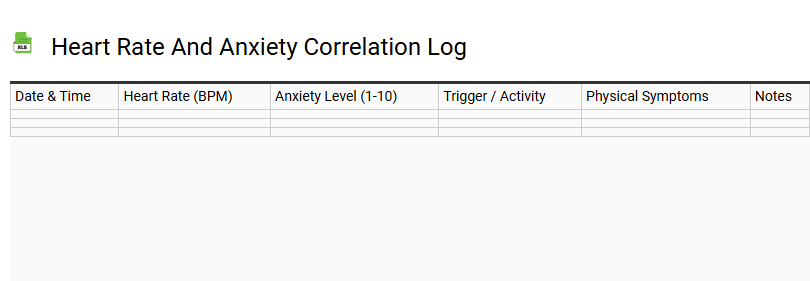
This heart rate and anxiety correlation log serves as a vital diagnostic tool for monitoring the intricate relationship between physiological arousal and psychological distress. By documenting daily BPM (beats per minute) alongside subjective anxiety scores, users can identify specific patterns of tachycardia or palpitations triggered by environmental stressors.
Key biometric metrics tracked include:
- Resting heart rate variations during high-stress intervals.
- Sympathetic autonomic nervous system activation levels.
- Somatic symptoms linked to panic disorders or chronic tension.
- Impact of vagus nerve stimulation and mindfulness exercises.
Consistently recording these biometric data points facilitates a data-driven approach to mental health, helping differentiate between physical exertion and anxiety-induced cardiovascular responses. This systematic tracking empowers individuals to master their stress response and enhances communication with clinical professionals during therapeutic assessments.
Cognitive Behavioral Therapy Thought Record Template
💾 Cognitive Behavioral Therapy Thought Record Template .xls
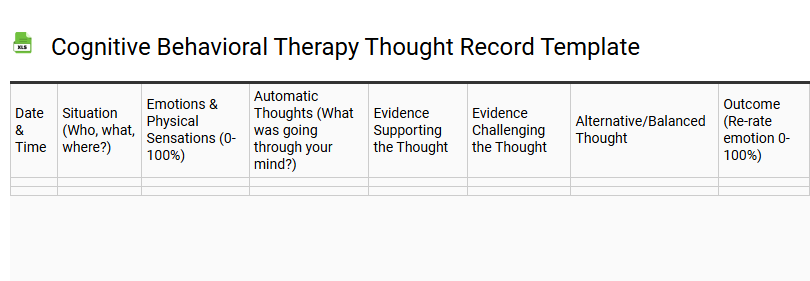
A Cognitive Behavioral Therapy (CBT) thought record template is a fundamental psychological tool designed to facilitate cognitive restructuring. This structured worksheet helps individuals identify and document automatic thoughts triggered by specific events, allowing for a systematic analysis of cognitive distortions. By utilizing this evidence-based intervention, users can categorize their emotional responses and evaluate the factual evidence for and against their internal narratives.
The process involves Socratic questioning to challenge maladaptive patterns and replace them with more alternative thoughts. Integrating this practice into daily routines aids in emotional regulation and the modification of deeply held core beliefs. Whether managing anxiety or depression, these templates serve as a vital mental health resource, promoting balanced perspective-taking and long-term behavioral change through disciplined metacognitive awareness and clinical efficacy.
Utilizing a comprehensive anxiety trigger log is a transformative step toward emotional wellness. By documenting daily stressors and physical symptoms, you can identify recurring patterns and psychological triggers. This structured approach supports cognitive behavioral therapy goals and enhances mindfulness.
Consistently tracking environmental factors empowers individuals to implement effective coping strategies and build resilience. Start your journey toward mental health clarity today; using a dedicated template provides the necessary insights for proactive stress management and long-term recovery.