
Beginner 5K Training Log Template
Embarking on a 5K training program is a transformative step for novice runners seeking improved cardiovascular endurance. Utilizing a structured training log allows you to meticulously track daily mileage, pace, and essential recovery sessions. Monitoring your running routine ensures steady progress toward your 3.1-mile goal while effectively preventing overtraining. This dedicated fitness journal acts as a comprehensive roadmap for your athletic performance, helping you celebrate milestones and stay motivated throughout your journey. Check already made variation of templates below.
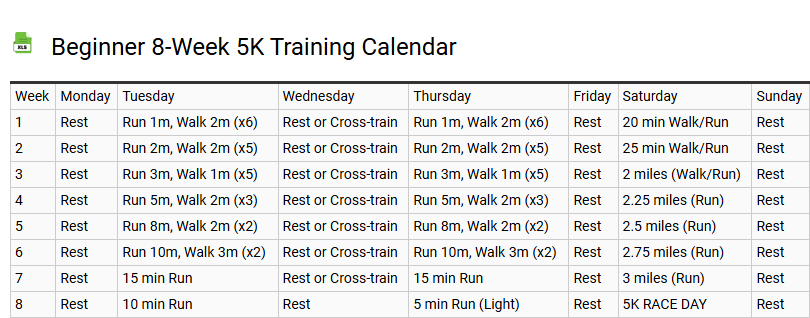
Beginner 8-Week 5K Training Calendar
💾 Beginner 8-Week 5K Training Calendar .xls
This 8-week 5K training calendar provides a structured roadmap for novice runners aiming to complete their first 3.1-mile race. By emphasizing gradual progression, this running program builds cardiovascular endurance through a strategic mix of interval training and steady-state jogging. Each week focuses on increasing total mileage while incorporating essential rest days to prevent overuse injuries and promote muscle recovery.
The schedule utilizes a proven "run-walk" method, helping participants develop a solid aerobic base without physical overexertion. Active recovery sessions, such as brisk walking or light stretching, are integrated to maintain metabolic momentum. By following this systematic approach, beginners can improve their aerobic capacity and establish a sustainable running habit. This template ensures you cross the finish line with confidence, improved stamina, and optimized physical fitness.
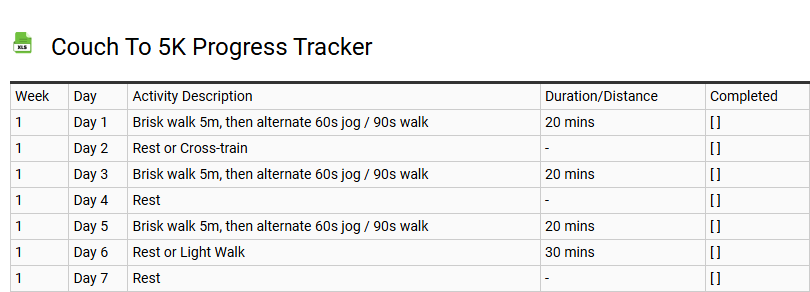
Couch to 5K Progress Tracker
💾 Couch to 5K Progress Tracker .xls
This Couch to 5K progress tracker template serves as a vital tool for beginner runners navigating their fitness journey. By utilizing a structured workout log, participants can meticulously document interval training sessions, transitioning from brisk walking to sustained jogging. Tracking your training schedule milestones is crucial for building cardiovascular health and increasing stamina ahead of a 5K race.
This template allows for precise monitoring of pace, mileage, and total distance, fostering consistency and long-term motivation. Whether integrated into a C25K app or used as a manual running journal, documenting physical activity facilitates effective goal setting and performance analysis. Using a dedicated run tracker ensures accountability throughout the nine-week exercise program, helping you visualize aerobic improvements and celebrate incremental progress as you achieve peak endurance and athletic performance.
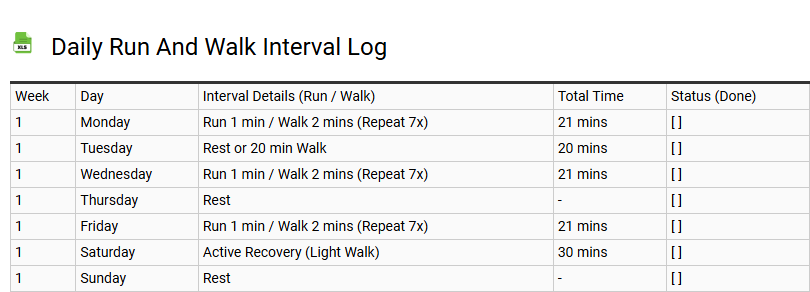
Daily Run and Walk Interval Log
💾 Daily Run and Walk Interval Log .xls
This structured Daily Run and Walk Interval Log serves as a comprehensive tool for athletes and fitness enthusiasts to monitor their physical progress. By recording specific data points, individuals can analyze performance trends and physiological adaptation over time.
Essential components for every entry include:
- Session Metrics: Document the total duration, distance covered, and the specific date of activity.
- Interval Ratios: Track the precise timing of high-intensity running segments versus recovery walking periods.
- Exertion Levels: Note perceived effort and heart rate to ensure training remains within optimal zones.
- Environmental Factors: Record terrain types and weather conditions that may influence pace.
Using this organized approach ensures consistency in training. It allows for precise adjustments to workout intensity, helping users reach endurance goals effectively while minimizing injury risks through detailed historical tracking.
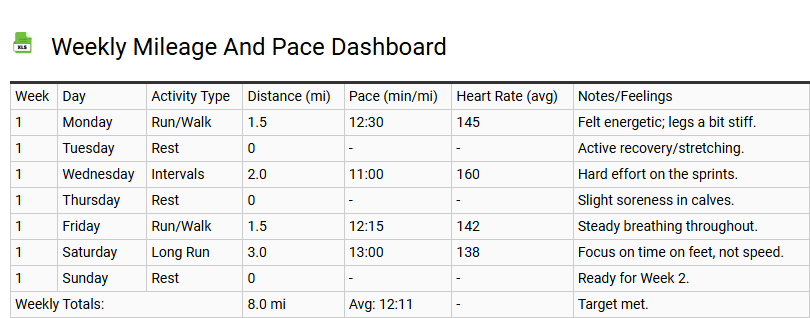
Weekly Mileage and Pace Dashboard
💾 Weekly Mileage and Pace Dashboard .xls
This Weekly Mileage and Pace Dashboard serves as a robust training log for athletes prioritizing data-driven athletic performance. By systematically tracking total distance and average pace, runners can monitor their cardiovascular progress and aerobic capacity through clear fitness visualization. This template facilitates precise distance tracking, allowing for the analysis of split times and training volume to prevent overtraining and ensure consistent progression.
Utilizing this interface helps in refining gait analysis and maintaining a disciplined schedule for marathon preparation or general fitness. Key performance metrics integrated into the dashboard include:
- Cumulative weekly mileage for volume monitoring.
- Pace fluctuation charts for intensity management.
- Historical run data for year-over-year comparisons.
- Consistency scores to evaluate training frequency.
Optimizing your running routine requires granular insights. This dashboard streamlines raw data into actionable intelligence, helping you reach peak physical condition while maintaining optimal recovery intervals.
Running Shoe Distance Tracker
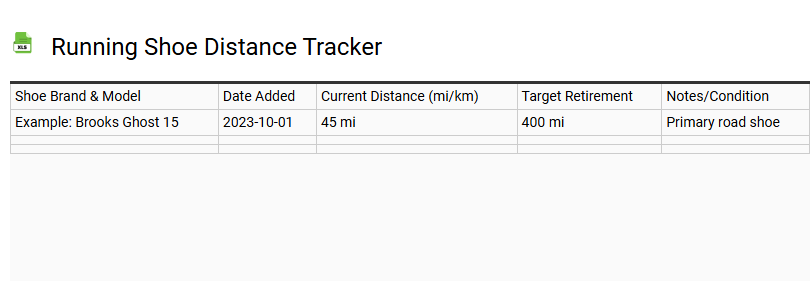
💾 Running Shoe Distance Tracker .xls
A Running Shoe Distance Tracker serves as a specialized logbook designed to monitor the cumulative mileage of athletic footwear. By recording every run, athletes can maintain an accurate tally of the stress placed on their gear. This data-driven approach ensures that runners know exactly when a pair has reached its functional limit.
- Equipment Longevity: Tracks total miles to determine when cushioning and support begin to degrade.
- Injury Prevention: Helps avoid physical strain by flagging shoes that no longer provide adequate shock absorption.
- Performance Insights: Allows users to compare different models based on their durability and comfort over time.
This structured system organizes essential details such as purchase dates, surface types, and retirement thresholds. By maintaining a clear history of gear usage, runners can make informed decisions about their equipment, ensuring peak performance and long-term health throughout their training cycles.
Heart Rate Zone Training Sheet
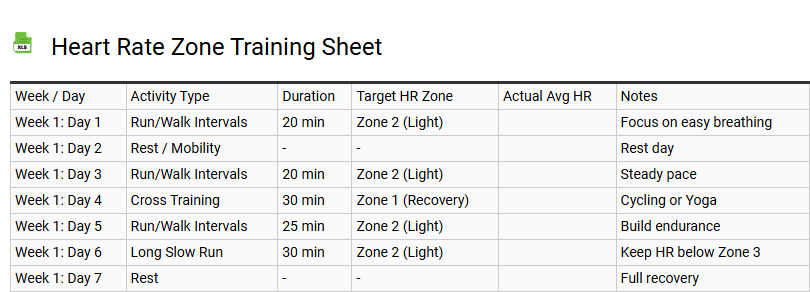
💾 Heart Rate Zone Training Sheet .xls
A Heart Rate Zone Training Sheet serves as a vital blueprint for optimizing cardiovascular endurance and metabolic efficiency. By calculating your Maximum Heart Rate (MHR) and Resting Heart Rate (RHR), this template defines precise BPM (beats per minute) ranges tailored to individual fitness levels. Utilizing the Karvonen formula, athletes can categorize workouts into five distinct intensity tiers, ranging from the low-intensity recovery zone to peak VO2 max efforts. This structured approach ensures training sessions target specific physiological adaptations, such as the fat-burning zone for weight management or the anaerobic threshold for performance gains. Implementing a tracking log helps monitor cardiac output, prevents overtraining, and facilitates consistent progress in aerobic capacity. Whether for HIIT or steady-state endurance, these data-driven metrics empower users to maintain optimal intensity for superior health outcomes.
Race Day Pace Calculator
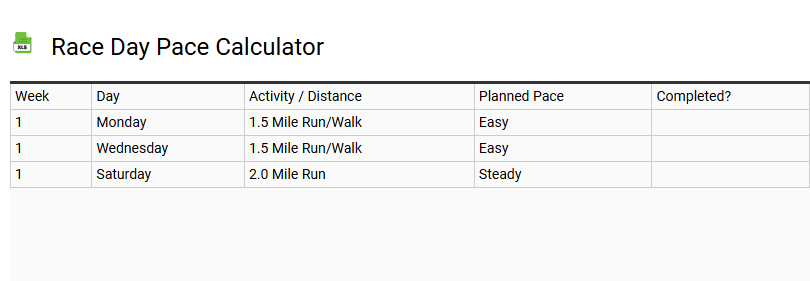
💾 Race Day Pace Calculator .xls
Optimize your performance using this comprehensive Race Day Pace Calculator, a vital tool for runners aiming to hit specific finish times. Whether you are tackling a marathon, half-marathon, 10K, or 5K, calculating your required speed is essential for a successful race strategy.
Simply input your target distance and duration to determine your exact mile pace or kilometer pace. This template helps you visualize split times, allowing you to maintain a consistent running rhythm or plan for negative splits. Accurate time-to-distance conversions ensure you manage your aerobic capacity and stamina effectively. Use these data-driven insights to refine your training blocks, manage your cadence, and achieve a personal best. By predicting your running velocity, you can avoid fatigue and cross the finish line with confidence.
Post-Run Soreness and Recovery Log
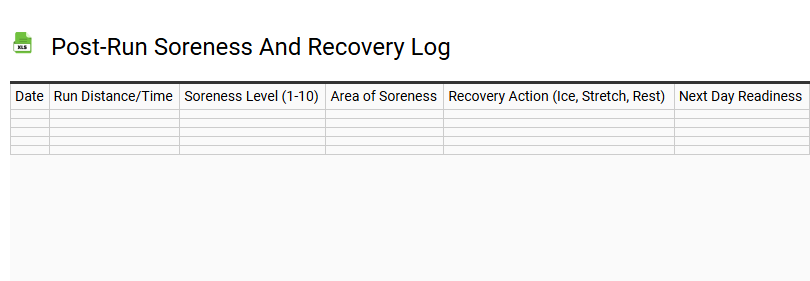
💾 Post-Run Soreness and Recovery Log .xls
Utilizing a comprehensive post-run soreness and recovery log is essential for managing muscle fatigue and preventing overtraining syndrome. This structured template tracks Delayed Onset Muscle Soreness (DOMS), allowing athletes to monitor physiological stress and inflammation levels after intense training loads. By documenting recovery metrics such as sleep quality, hydration levels, and perceived exertion, runners can identify correlations between workout intensity and restorative sleep needs. Incorporating data regarding active recovery, foam rolling, and mobility exercises into the log helps evaluate which rehabilitation protocols effectively clear metabolic waste. Consistent data entry facilitates injury prevention by highlighting persistent joint pain or muscle tightness. Ultimately, this log serves as a strategic tool to optimize performance gains through evidence-based workload management and targeted restoration techniques to ensure long-term athletic sustainability.
Total Monthly Running Volume Chart
💾 Total Monthly Running Volume Chart .xls
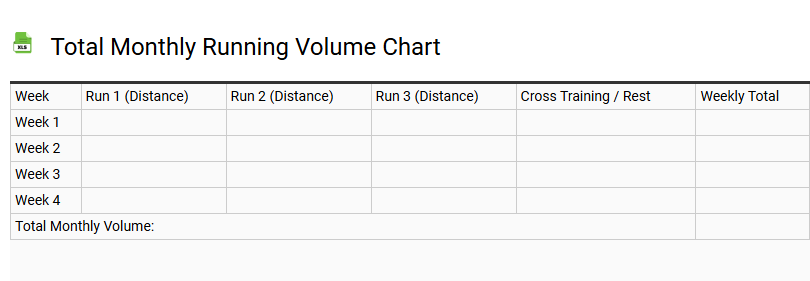
This Total Monthly Running Volume Chart serves as a vital analytical tool for athletes aiming to optimize their aerobic base and monitor training load consistency. By visualizing cumulative mileage over a thirty-day cycle, runners can identify performance trends and implement effective periodization to mitigate overtraining risks.
The template tracks key distance metrics and workout frequency, providing a comprehensive snapshot of your endurance progress. Monitoring monthly totals is essential for setting realistic mileage goals and facilitating injury prevention through gradual volume progression. Whether preparing for a marathon or maintaining base fitness, this running log summary highlights mileage peaks and recovery troughs. Utilizing a data-driven approach ensures a balanced training intensity and fosters long-term athletic development through structured physical activity monitoring and historical data comparison.
Interval Training Workout Log
💾 Interval Training Workout Log .xls
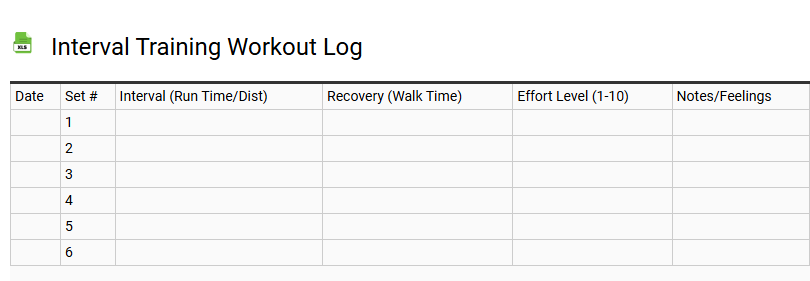
An effective Interval Training Workout Log serves as a precise record for monitoring alternating periods of high-intensity effort and recovery. This structured format captures essential variables such as sprint durations, rest intervals, and total repetitions to ensure cardiovascular progress. By documenting performance metrics, you can visualize improvements in aerobic capacity and anaerobic threshold over time.
This template simplifies data entry by focusing on core components:
- Work Phase: The specific time or distance of maximum output.
- Rest Phase: The duration allowed for heart rate stabilization.
- Set Count: Total cycles performed during the session.
- Intensity Level: Perceived exertion or heart rate zones reached during peaks.
Consistently recording these details allows for data-driven adjustments to training volume, helping to optimize stamina, boost speed, and maintain long-term athletic development through measurable, objective feedback.
Hydration and Nutrition Tracker
💾 Hydration and Nutrition Tracker .xls
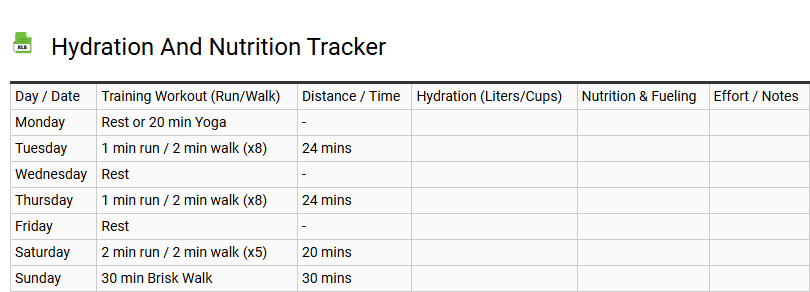
A comprehensive hydration and nutrition tracker serves as a vital tool for maintaining optimal physical health and peak fluid balance. By meticulously logging daily water intake, users can prevent dehydration and support essential metabolic functions. This template facilitates the precise monitoring of macronutrients-including proteins, carbohydrates, and healthy fats-alongside critical micronutrients and vitamins.
Integrated meal planning features allow for consistent tracking of dietary habits and caloric density, ensuring nutritional goals are met. Through a structured digital log, individuals can analyze their consumption patterns and visualize progress toward wellness objectives. Whether recording a simple glass of water or a complex nutrient-dense meal, this health dashboard streamlines the process of achieving balanced nourishment, improved energy levels, and long-term vitality.
Cross-Training and Rest Day Planner
💾 Cross-Training and Rest Day Planner .xls
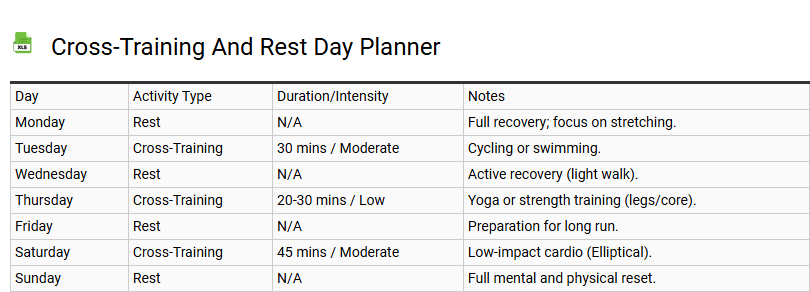
A Cross-Training and Rest Day Planner is a vital tool for optimizing athletic performance and ensuring sustainable injury prevention. This template integrates active recovery and low-impact exercise into your training cycle, balancing high-intensity efforts with restorative movement. By diversifying physical demands, athletes can improve their aerobic base and functional fitness without overtaxing specific muscle groups.
- Muscle Recovery: Scheduled rest days facilitate tissue repair and prevent overtraining syndrome.
- Mobility Work: Incorporating flexibility drills and yoga enhances joint health and range of motion.
- Periodization: Strategic cross-training-like swimming or cycling-builds endurance while reducing repetitive impact.
Utilizing a structured workout schedule ensures metabolic efficiency and mental freshness. This holistic approach to strength and conditioning leverages complementary disciplines to peak effectively for your primary sport while prioritizing long-term musculoskeletal health.
Run Streak Consistency Calendar
💾 Run Streak Consistency Calendar .xls
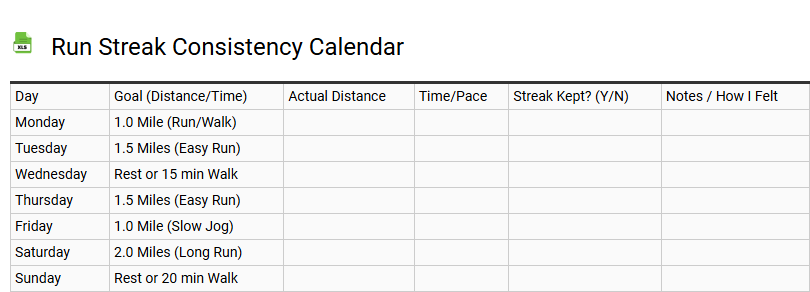
A run streak consistency calendar serves as a vital framework for athletes committed to daily running and long-term habit formation. This specialized training log leverages visual motivation to reinforce workout consistency, helping individuals maintain momentum toward their fitness goals. By documenting every consecutive day of activity, runners foster mental resilience and physiological adaptation.
Using a structured habit tracker ensures accountability, allowing you to monitor progress tracking metrics like mileage and intensity. Whether training for a marathon or improving cardiovascular health, this fitness tool provides the psychological cues necessary to overcome inertia. Implementing a streak tracking system transforms abstract exercise objectives into a tangible visual record, solidifying your identity as a dedicated runner while ensuring peak performance through disciplined, repeatable action.
Target Finish Time Goal Setter
💾 Target Finish Time Goal Setter .xls
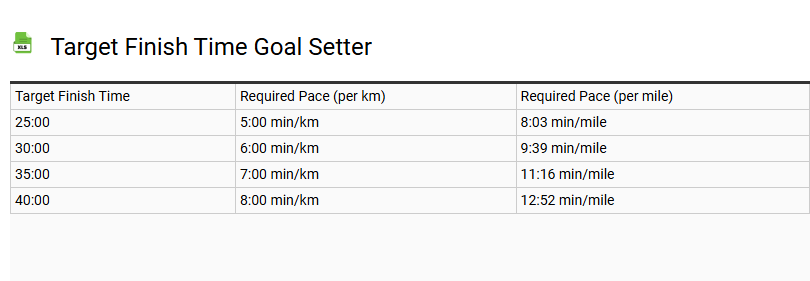
A Target Finish Time Goal Setter acts as a strategic blueprint for athletes aiming to surpass specific performance milestones. By calculating the required race pace against desired projected outcomes, this tool facilitates precise data-driven planning for endurance events. Users can input distance variables to determine necessary splits, ensuring their training intensity aligns perfectly with their aerobic threshold.
Successful race day preparation relies on a structured pacing strategy to optimize energy expenditure and avoid early burnout. Utilizing this template enhances performance tracking, allowing runners, swimmers, or cyclists to visualize their progress toward a personal best. By integrating athletic metrics into a cohesive framework, competitors can maintain consistency and adjust workout volume for peak efficiency. This systematic approach transforms abstract ambitions into actionable, time-bound objectives, providing a clear roadmap for achieving elite athletic results.
Pre-Race Checklist and Preparation Sheet
💾 Pre-Race Checklist and Preparation Sheet .xls
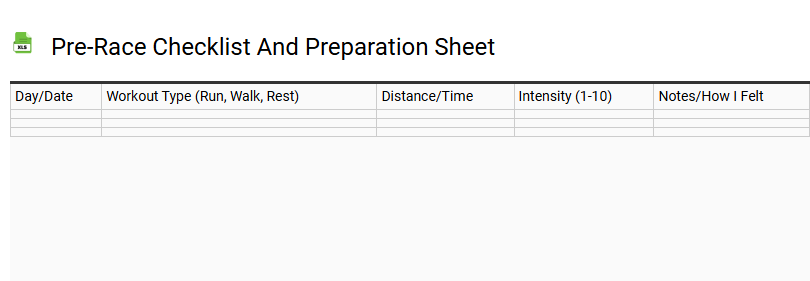
A comprehensive pre-race checklist is a vital asset for optimizing athletic performance and mitigating race day anxiety. This preparation sheet serves as a strategic blueprint, covering essential logistics such as gear inspection, bib placement, and timing chip verification.
Effective planning integrates a data-driven nutrition strategy and hydration plan tailored to the specific course profile. Athletes should document their warm-up routine and pacing strategy to ensure peak physiological readiness throughout the taper phase.
- Equipment Audit: Validating footwear, technical apparel, and electronic tracking devices.
- Mental Readiness: Implementing visualization techniques and psychological triggers.
- Travel Logistics: Coordination of arrival times, parking, and venue navigation.
By systematically addressing performance metrics and weather contingencies, this event-day toolkit ensures a seamless transition from training cycles to the final podium pursuit.
Using a beginner 5K training log template is the most effective way to ensure fitness tracking consistency. By recording your daily mileage, aerobic base growth, and essential recovery days, you can transform a standard running plan into measurable success. This structured tool simplifies race day preparation and supports a seamless couch to 5k transition.
In conclusion, maintaining a workout schedule empowers you to monitor progress and prevent injury. Use this training sheet to reach the finish line with confidence.