
Binge Eating Disorder Emotional Trigger Log Template
Navigating Binge Eating Disorder (BED) recovery requires identifying the psychological roots of compulsive behaviors. An emotional trigger log serves as a vital tool for tracking patterns between mood and food intake. By documenting specific stressors, anxiety, or boredom, you can uncover the underlying triggers that lead to episodes. This mindfulness practice strengthens your coping mechanisms, fostering a healthier relationship with eating and self-awareness. Please explore the various expertly crafted templates provided below to find the perfect variation for your needs.
Daily Food and Mood Journal
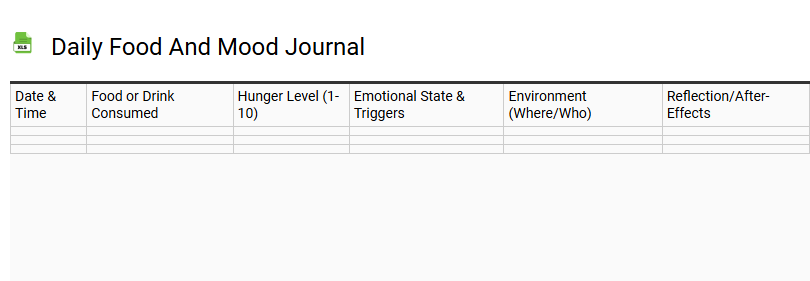
💾 Daily Food and Mood Journal .xls
A comprehensive daily food and mood journal serves as a vital diagnostic tool for uncovering the intricate connection between dietary intake and emotional well-being. Utilizing a structured template allows for the meticulous tracking of meal composition, hydration levels, and caloric density alongside fluctuating psychological states.
By documenting nutritional habits and symptom patterns, individuals can identify specific triggers for emotional eating, lethargy, or digestive distress. Key features of an effective log include:
- Monitoring macronutrient balance and cravings.
- Assessing post-meal satiety and energy levels.
- Correlating blood sugar stability with mental clarity.
This holistic tracking method fosters mindfulness, enabling data-driven adjustments to your wellness routine. Consistent use of a symptom diary empowers you to optimize metabolic health and achieve a balanced food-mood equilibrium.
Emotional Eating Trigger Log
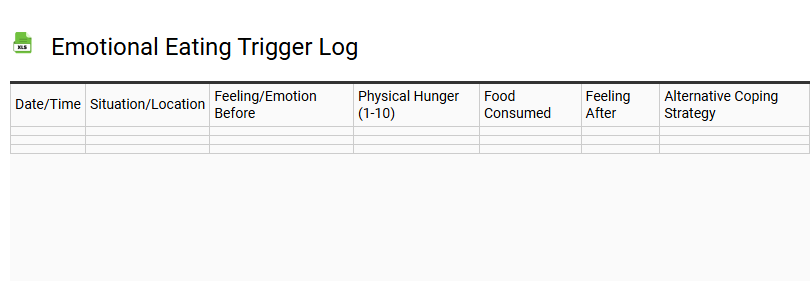
💾 Emotional Eating Trigger Log .xls
An emotional eating trigger log serves as a vital diagnostic tool for uncovering the complex relationship between affective states and dietary habits. By meticulously documenting instances of comfort eating or stress-induced snacking, users can effectively distinguish between physiological hunger and psychological cravings.
This template facilitates mindfulness by tracking specific variables, including:
- Emotional cues such as anxiety, boredom, or loneliness.
- Environmental antecedents and situational stressors.
- Post-consumption satiety levels and subsequent mood shifts.
Consistently recording these behavioral patterns enhances self-awareness, helping to break the cycle of binge eating. Through improved emotional regulation and the identification of recurrent triggers, individuals can develop healthier coping mechanisms, fostering long-term nutritional wellness and sustainable weight management.
Binge Recovery Progress Tracker
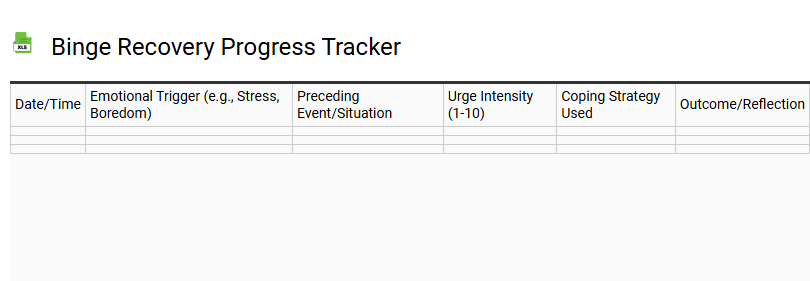
💾 Binge Recovery Progress Tracker .xls
A binge recovery progress tracker serves as a vital anchor for individuals navigating the complexities of disordered eating. By utilizing structured habit tracking, users can effectively monitor binge-free streaks and identify recurring emotional triggers that precede episodes. This digital tool encourages mindful eating practices and fosters a healthier food relationship through consistent self-monitoring and data-driven reflection.
The template facilitates urge surfing documentation and highlights significant recovery milestones within a comprehensive wellness journal. By maintaining a detailed healing journey log, individuals gain profound insights into their behavioral patterns, helping to dismantle cycles of shame. This self-monitoring approach prioritizes long-term behavior change and resilience. Ultimately, visualising progress through a dedicated digital log empowers users to reclaim autonomy, providing a clear roadmap toward sustainable food freedom and holistic psychological well-being.
Hunger and Fullness Scale Record
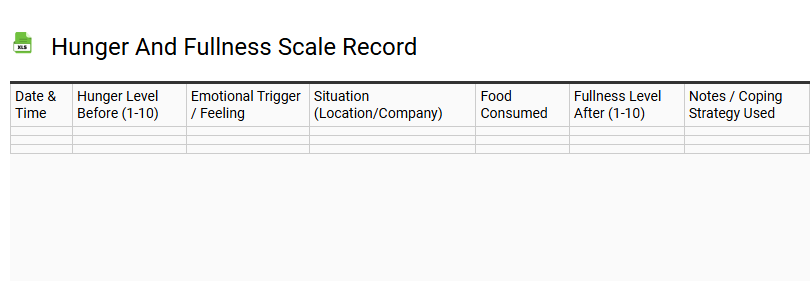
💾 Hunger and Fullness Scale Record .xls
A hunger and fullness scale record serves as a fundamental tool for mastering intuitive eating and enhancing somatic awareness. By utilizing a standardized 1-10 scale, individuals can accurately track biological hunger signals and post-meal satiety levels to prevent overeating or extreme deprivation. This template encourages mindful eating practices, allowing users to identify physical cues versus emotional triggers during meal logging.
Integrating this record into a daily food diary helps establish a "comfortable fullness" threshold, which is essential for metabolic health and digestive wellness. Key components of this tracking system include:
- Pre-meal hunger intensity assessment.
- Post-meal satiety cues and physical reflections.
- Identification of energy levels and mood fluctuations.
Consistent use of this diagnostic approach supports long-term nutritional counseling goals, fostering a balanced relationship with food through internal regulation rather than restrictive dieting patterns.
Pre-Binge Emotional State Diary
💾 Pre-Binge Emotional State Diary .xls
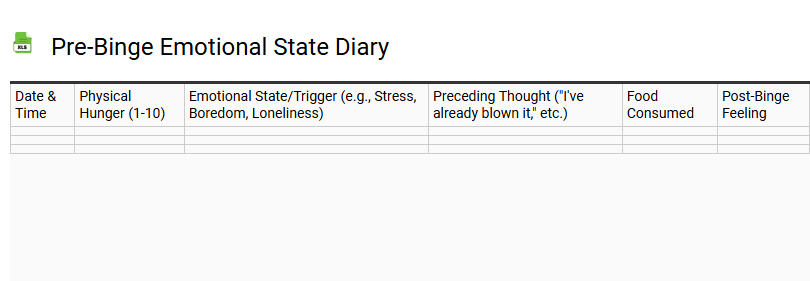
A Pre-Binge Emotional State Diary serves as a vital cognitive-behavioral tool designed to intercept disordered eating patterns by fostering acute self-awareness. By documenting psychological cues and emotional triggers immediately preceding an urge, individuals can differentiate between physiological hunger and emotional eating responses.
Utilizing this template encourages mindfulness and helps identify recurring stressors, such as anxiety, boredom, or loneliness, that drive the binge cycle. Consistent mood tracking provides data-driven insights into your food relationship, allowing for the implementation of healthier coping mechanisms.
- Identify environmental triggers and situational stressors.
- Analyze the correlation between affective states and dietary choices.
- Develop emotional regulation strategies to disrupt maladaptive behaviors.
- Enhance metacognition regarding impulse control and satiety.
This structured reflection facilitates a proactive approach to behavioral change and long-term recovery.
Post-Binge Reflection Worksheet
💾 Post-Binge Reflection Worksheet .xls
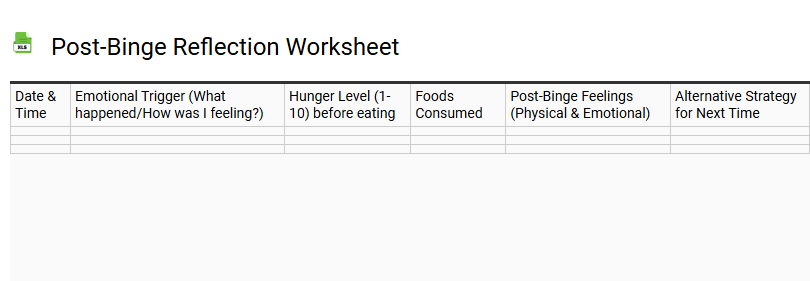
A Post-Binge Reflection Worksheet serves as a vital recovery tool for navigating binge eating disorder and disordered eating patterns. By utilizing structured journal prompts, individuals can identify specific emotional triggers and psychological patterns that precede an episode. This mindfulness-based approach integrates cognitive behavioral therapy (CBT) principles to foster self-compassion rather than shame.
Users analyze physiological hunger cues, environmental stressors, and dietary habits to develop effective coping mechanisms for future urges. Instead of self-criticism, this reflective process encourages "urge surfing" and radical acceptance. This digital or printable template helps bridge the gap between reactive behaviors and conscious, mindful eating. By tracking these data points, you gain actionable insights into your relationship with food, facilitating long-term healing and emotional regulation. This intentional analysis transforms a setback into a growth opportunity for sustainable recovery and behavioral change.
Urge Intensity Monitoring Sheet
💾 Urge Intensity Monitoring Sheet .xls
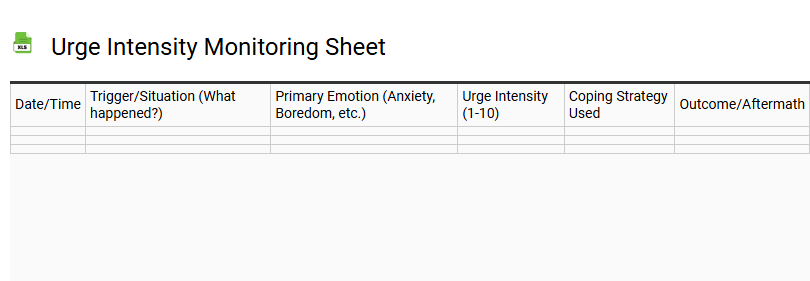
An Urge Intensity Monitoring Sheet serves as a vital behavioral tracking tool for individuals navigating addiction recovery or habit modification. This template facilitates proactive relapse prevention by documenting specific triggers, frequency, and the peak strength of cravings on a standardized scale. By utilizing self-monitoring techniques, users can identify high-risk environments and deploy distress tolerance strategies or coping mechanisms, such as urge surfing.
Integrating this data into Cognitive Behavioral Therapy (CBT) or Dialectical Behavior Therapy (DBT) protocols enhances emotional regulation and mindfulness. Tracking the duration and qualitative nature of each impulse provides longitudinal data, helping to neutralize intrusive thoughts and reinforce sober living objectives. This systematic approach transforms abstract impulses into manageable data points, empowering psychological intervention and long-term behavioral change through precise symptom management.
Daily Stress and Coping Log
💾 Daily Stress and Coping Log .xls
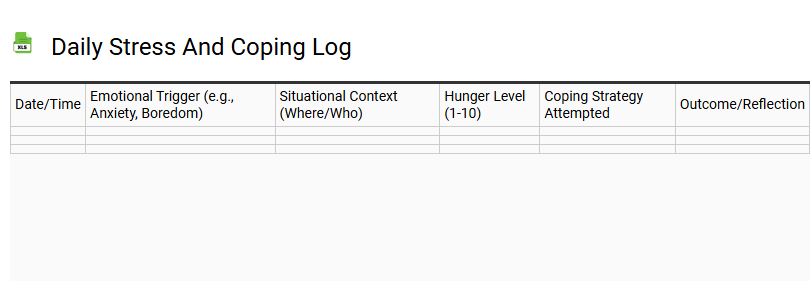
A daily stress and coping log serves as a vital instrument for monitoring mental health and identifying specific environmental triggers. By documenting physiological responses and anxiety levels, individuals can analyze behavioral patterns to enhance psychological resilience. This structured template facilitates mindfulness by tracking stressors alongside various coping mechanisms, such as deep breathing or cognitive reframing.
Utilizing this mood journal assists in evaluating the efficacy of different stress management techniques and their impact on overall emotional well-being. Key components of a comprehensive log include:
- Identification of daily stressors and intensity ratings on a stress scale.
- Observations of physical symptoms linked to elevated cortisol levels.
- Evaluation of self-care routines and proactive anxiety relief strategies.
- Reflective insights to improve long-term emotional regulation and mental clarity.
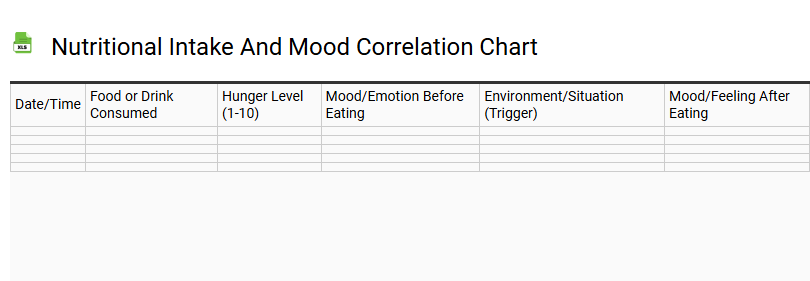
Nutritional Intake and Mood Correlation Chart
💾 Nutritional Intake and Mood Correlation Chart .xls
This Nutritional Intake and Mood Correlation Chart serves as a strategic tool for analyzing the profound connection between dietary patterns and emotional well-being. By documenting daily macronutrient ratios and micronutrient density, users can pinpoint how specific trigger foods influence neurotransmitter synthesis, particularly serotonin and dopamine. This template facilitates a deeper understanding of the gut-brain axis by tracking blood sugar levels and the glycemic index of meals, which are often primary drivers of mood swings and cognitive function.
Through consistent food journaling, individuals identify correlations between processed foods and oxidative stress versus the stabilizing effects of omega-3 fatty acids. Utilizing these insights supports nutritional psychiatry goals, allowing for precise dietary interventions that enhance mental health resilience. This systematic approach ensures nutrient absorption is optimized to maintain long-term psychological stability and metabolic harmony.
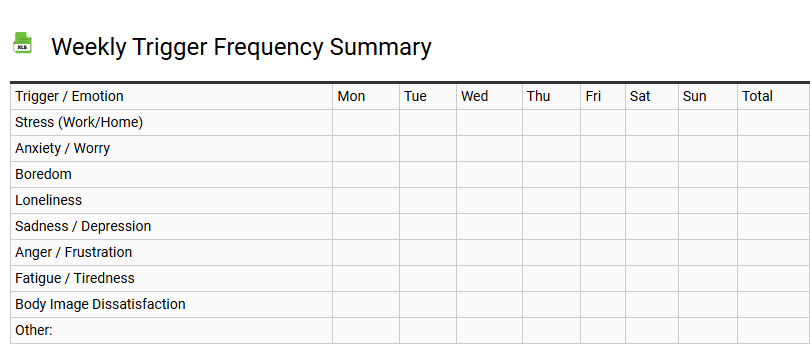
Weekly Trigger Frequency Summary
💾 Weekly Trigger Frequency Summary .xls
A Weekly Trigger Frequency Summary provides a structured overview of event activations captured within a seven-day window. This documentation allows teams to monitor recurring patterns, identify spikes in specific automated actions, and evaluate the stability of system workflows over time.
- Temporal Insights: Tracks the distribution of triggers across daily intervals to pinpoint peak activity periods.
- Volume Analysis: Quantifies the total occurrences for each distinct category, facilitating clear comparisons against historical benchmarks.
- System Monitoring: Detects unexpected fluctuations that may indicate technical anomalies or shifts in user behavior.
- Actionable Metrics: Supports informed adjustments to automation logic and resource allocation based on actual usage data.
Utilizing this template ensures consistency in reporting, making it easier to visualize operational health and prioritize necessary optimizations for subsequent cycles.
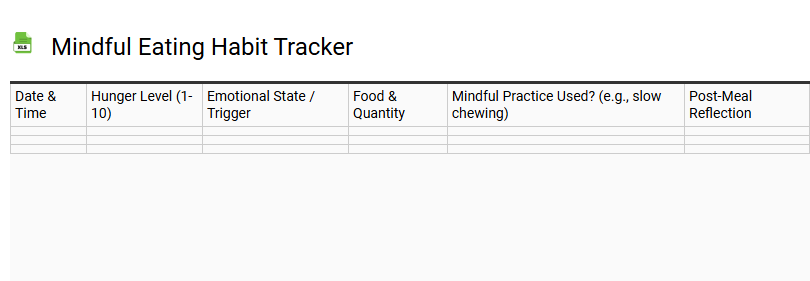
Mindful Eating Habit Tracker
💾 Mindful Eating Habit Tracker .xls
A mindful eating habit tracker serves as a comprehensive nutrition journal designed to foster meal awareness and support intuitive eating practices. By documenting internal hunger cues and satiety signals, users transition from passive consumption to conscious eating patterns. This structured template facilitates the identification of emotional eating triggers and encourages a more balanced relationship with food.
- Monitor sensory experiences and flavors during each meal.
- Evaluate fullness levels to prevent mindless overeating.
- Track daily dietary habits and overall wellness progress.
- Identify the connection between mood and food choices.
Utilizing this wellness tool helps align daily actions with long-term health goals. Consistent use of a food log focused on mindfulness promotes sustainable behavioral change, improved digestive health, and a deeper appreciation for nutritional nourishment through intentional portion control and gratitude.
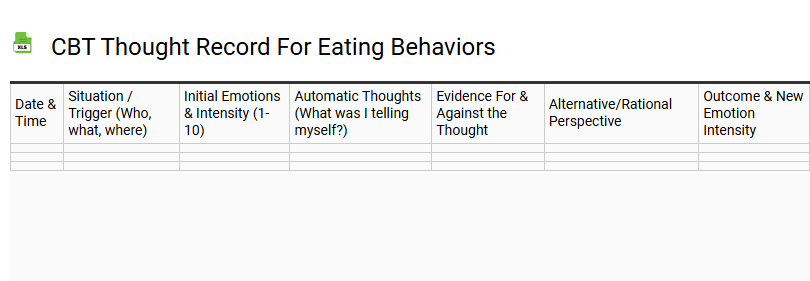
CBT Thought Record for Eating Behaviors
💾 CBT Thought Record for Eating Behaviors .xls
A CBT thought record for eating behaviors serves as a structured tool for cognitive restructuring. It helps individuals identify automatic thoughts triggered by food, body image, or social environments. By documenting the emotional response and subsequent eating behavior, users can pinpoint cognitive distortions such as "all-or-nothing" thinking or catastrophizing. This template facilitates evidence-based challenges to maladaptive patterns, promoting a shift toward flexible eating and self-compassion.
Practicing behavioral chain analysis through this record illuminates the link between negative affect and disordered eating cycles. Through consistent application, patients develop coping mechanisms to manage binge triggers or restrictive urges, fostering a healthier relationship with nourishment. This therapeutic exercise bridges the gap between triggering events and mindful responses, supporting long-term recovery and metacognitive awareness regarding dietary habits and internal cues.
Daily Energy and Irritability Log
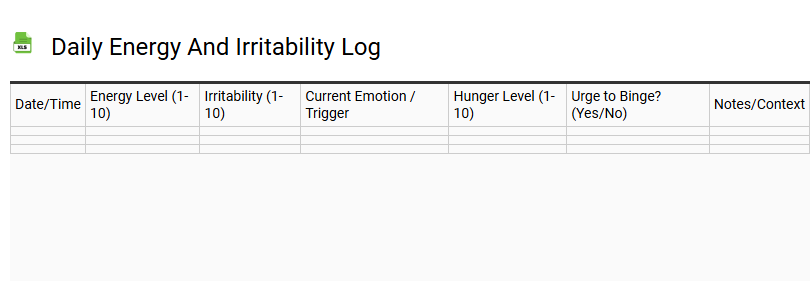
💾 Daily Energy and Irritability Log .xls
A Daily Energy and Irritability Log serves as a vital self-monitoring tool to track fluctuating mood patterns and fatigue levels throughout the day. By consistently documenting emotional regulation and vitality, individuals can identify correlations between sleep quality, stress management, and cognitive load.
This symptom tracker helps pinpoint specific triggers for frustration or lethargy, facilitating better wellness management. Utilizing a structured template allows for the quantitative measurement of mental health metrics and biometric data, such as hormonal fluctuations or nutritional impacts.
Regular entries provide a comprehensive behavioral assessment, enabling users to optimize their circadian rhythm and implement effective coping strategies. This data-driven approach to self-care is essential for preventing burnout and enhancing overall emotional intelligence and productivity.
Sleep Quality and Appetite Tracker
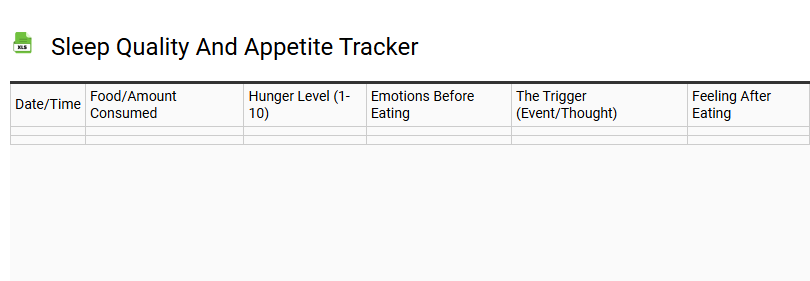
💾 Sleep Quality and Appetite Tracker .xls
Optimizing your circadian rhythm is essential for maintaining a healthy metabolic rate and balanced nutritional intake. This sleep quality and appetite tracker serves as a comprehensive tool for monitoring the intricate link between restorative rest and dietary triggers. By logging daily sleep hygiene metrics alongside fluctuating hunger cues, users can identify patterns affecting ghrelin and leptin levels-the hormones responsible for satiety and cravings.
This template focuses on key health pillars:
- Monitoring rapid eye movement (REM) cycles and total sleep duration.
- Correlating caloric intake with daytime energy fluctuations.
- Tracking macronutrient distribution to stabilize blood glucose levels.
- Assessing the impact of cortisol levels on nighttime recovery.
Utilizing this wellness logging system facilitates better hormonal balance, ensuring peak physical recovery and improved metabolic health through consistent data-driven insights.
Craving Duration and Response Log
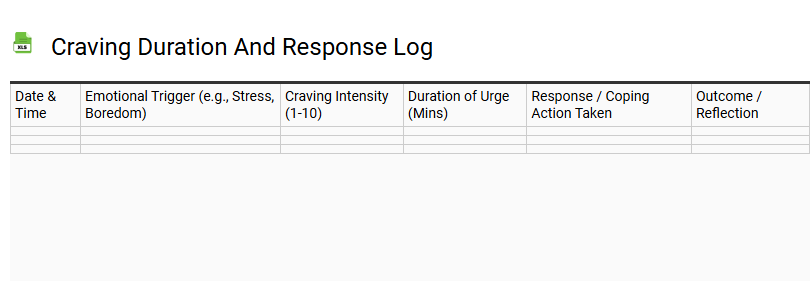
💾 Craving Duration and Response Log .xls
A Craving Duration and Response Log serves as a critical behavioral tool for relapse prevention and emotional regulation. By meticulously documenting the onset and dissipation of intense urges, individuals can visualize the temporary nature of withdrawal symptoms. This structured self-monitoring template facilitates trigger identification, allowing users to categorize environmental or emotional catalysts that precede substance use or habitual behaviors.
Incorporating mindfulness techniques such as urge surfing helps decrease the perceived intensity of physical sensations. Recording specific coping mechanisms-whether cognitive reframing or behavioral distraction-enables a data-driven approach to recovery progress. Consistently tracking these behavioral patterns empowers individuals to refine their management strategies, fostering long-term resilience and sobriety maintenance. This log transforms abstract impulses into manageable data points, supporting therapeutic interventions and sustainable lifestyle changes through clinical insight and self-awareness.
Utilizing a Binge Eating Disorder emotional trigger log serves as a vital therapeutic tool for identifying complex behavioral patterns. By documenting specific psychological stressors, environmental cues, and dietary habits, individuals gain clarity on compulsive urges. This self-monitoring practice bridges the gap between subconscious reactions and conscious recovery. Ultimately, tracking these shifts empowers patients to implement healthier coping mechanisms. Integrating this template into daily mindfulness routines fosters sustainable healing, providing a structured pathway toward overcoming emotional eating challenges and reclaiming long-term nutritional autonomy.