
Bipolar Disorder Mood Chart Template: Daily Tracking and Symptom Monitoring Tool
Managing the complexities of bipolar disorder requires diligent observation of emotional shifts. A comprehensive mood chart template serves as an essential mental health tool for tracking daily symptoms, including mania, hypomania, and depressive episodes. By recording sleep patterns, energy levels, and potential triggers, individuals can identify significant trends to improve psychiatric management. This consistent documentation fosters better communication with healthcare providers and supports long-term stability. We invite you to check our already made variation of templates below.
Daily Mood and Sleep Tracker
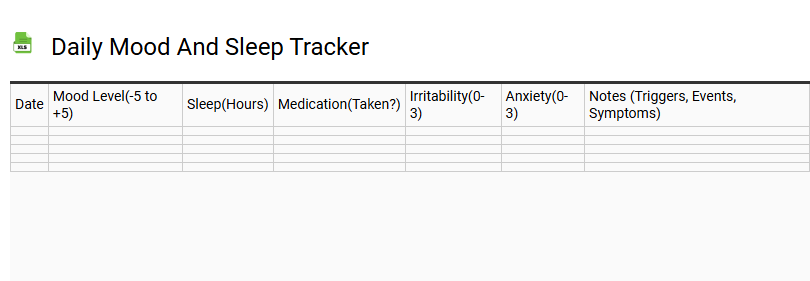
💾 Daily Mood and Sleep Tracker .xls
Utilizing a daily mood and sleep tracker is a transformative approach to managing emotional well-being and circadian rhythm. This template serves as a comprehensive tool for monitoring sleep hygiene, tracking sleep duration, and identifying mood fluctuations throughout the week. By analyzing the intersection of restorative rest and daily temperament, individuals can pinpoint emotional triggers and improve their mental health patterns.
Integrating this habit tracking method into your self-care routine provides valuable wellness data regarding REM cycles and stress levels. Documenting these metrics fosters holistic health awareness, allowing for informed adjustments to your lifestyle. Whether focusing on sleep efficiency or emotional regulation, this structured journaling process empowers users to achieve a balanced, mindful lifestyle and sustainable energy levels.
Bipolar Symptom and Medication Log
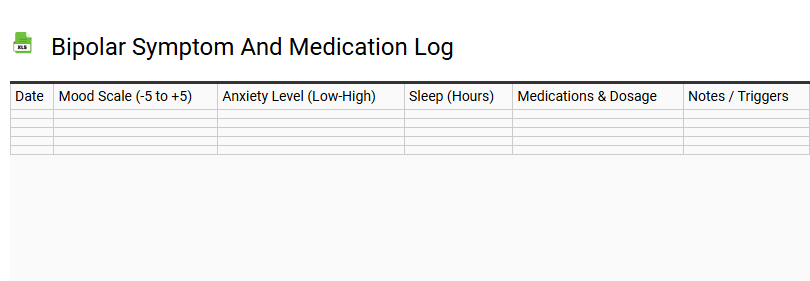
💾 Bipolar Symptom and Medication Log .xls
Utilizing a comprehensive bipolar symptom and medication log is a vital strategy for effective mood disorder management. This structured mental health template empowers individuals to monitor mood swings, ranging from manic episodes to depressive symptoms, ensuring clinical accuracy during psychiatric consultations.
- Medication Adherence: Record daily dosages, timing, and potential side effects of mood stabilizers or antipsychotics.
- Symptom Intensity: Document the severity of emotional instability, hypomania, and irritability.
- Trigger Identification: Log environmental stressors, sleep patterns, and energy levels to recognize early warning signs.
Consistent mood tracking fosters therapeutic progress and empowers those with Bipolar I or II to achieve long-term emotional stability. By correlating pharmacological treatment with daily wellness data, users provide healthcare providers with actionable insights for optimized, personalized treatment plans.
Monthly Mood Mapping Chart
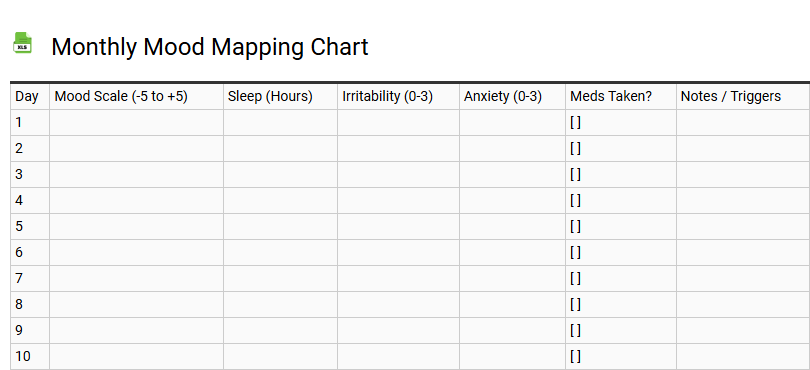
💾 Monthly Mood Mapping Chart .xls
A Monthly Mood Mapping Chart serves as a comprehensive self-care tool designed for consistent emotional tracking. By implementing this structured habit tracker, individuals can perform daily logging of their psychological well-being and emotional fluctuations. This template facilitates effective data visualization, allowing users to pinpoint specific mood triggers and recurring behavioral patterns over a thirty-day cycle.
- Enhances mindfulness through disciplined self-reflection.
- Identifies long-term mood trends correlated with external stressors or lifestyle choices.
- Supports mental health management by providing clear behavioral insights.
Utilizing a mood journal template promotes emotional intelligence by transforming abstract feelings into actionable data. Whether used for personal growth or therapeutic support, the chart offers a holistic view of your inner landscape, helping to stabilize mental wellness and improve overall quality of life through informed self-regulation.
Energy and Irritability Level Tracker
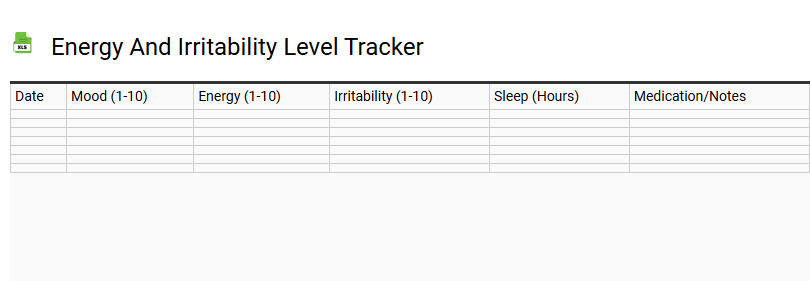
💾 Energy and Irritability Level Tracker .xls
This specialized template facilitates comprehensive monitoring of daily vitality and emotional fluctuations. By logging fluctuations in alertness alongside stress-induced agitation, users identify critical patterns between physical stamina and mental wellbeing. Recording metabolic energy peaks and subsequent fatigue crashes helps decode your unique circadian rhythm.
Simultaneously, documenting instances of frustration or low patience levels reveals how physiological exhaustion correlates with mood swings. This systematic assessment tool serves as a biometric log for identifying dietary triggers, sleep quality impacts, and hormonal shifts. Consistent data entry empowers individuals to optimize productivity, manage cortisol spikes, and improve overall emotional regulation. Use this digital log to visualize the interplay between cognitive performance and temperament, fostering proactive self-care and sustainable lifestyle adjustments through precise habit tracking and mood analysis.
Circadian Rhythm and Sleep Quality Log
💾 Circadian Rhythm and Sleep Quality Log .xls
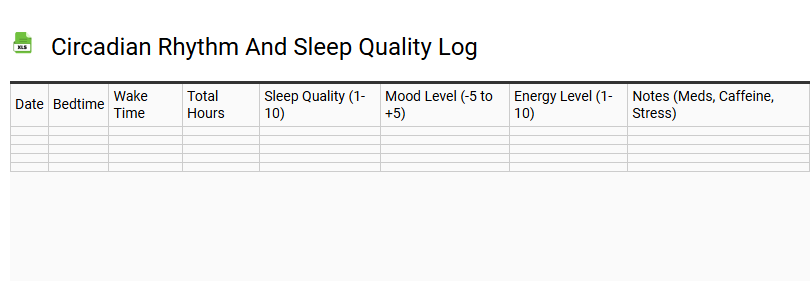
A comprehensive circadian rhythm and sleep quality log serves as a vital tool for synchronizing your internal biological clock with external cues. By consistently monitoring your sleep-wake cycle, you can identify specific patterns in sleep latency, duration, and overall sleep hygiene efficiency. Tracking variables such as blue light exposure, dietary habits, and melatonin onset helps optimize your unique chronotype and physiological needs.
- Record REM cycles and deep sleep stages to ensure restorative rest.
- Monitor cortisol fluctuations and daily energy peaks.
- Evaluate the impact of environmental factors and evening routines on restfulness.
Utilizing this data-driven approach allows for precise adjustments to your sleep architecture, effectively mitigating sleep debt while enhancing daytime alertness. Systematic documentation of your physiological rhythms fosters better alignment with natural light patterns, ensuring improved neurological health and long-term metabolic balance.
Mixed Episode Symptom Checklist
💾 Mixed Episode Symptom Checklist .xls
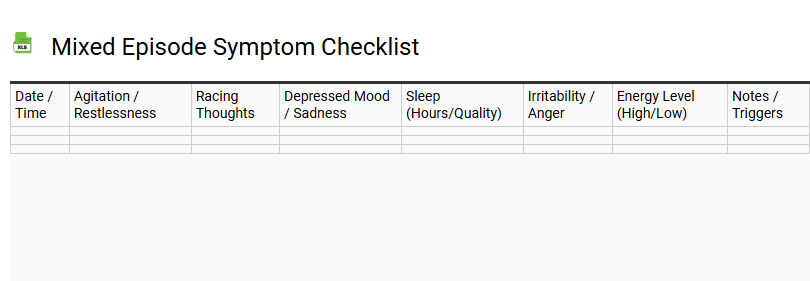
A Mixed Episode Symptom Checklist serves as a vital clinical tool for identifying the co-occurrence of manic and depressive features within a single mood episode. This diagnostic template tracks conflicting bipolar disorder symptoms, such as high energy paired with profound hopelessness. By utilizing DSM-5 specifiers for mixed features, clinicians can monitor the following indicators:
- Psychomotor agitation and physical restlessness.
- Racing thoughts coupled with depressive rumination.
- Extreme irritability and emotional dysregulation.
- Significant insomnia or disrupted sleep patterns.
- Increased suicidal ideation or intrusive morbid thoughts.
This structured screening helps differentiate complex mood states from pure hypomania or major depression, facilitating targeted pharmacological intervention. Using a standardized checklist improves diagnostic accuracy for rapid cycling and volatile affective shifts, ensuring patients receive appropriate stabilization for multifaceted psychiatric presentations and functional impairment.
Bipolar Life Charting Template
💾 Bipolar Life Charting Template .xls
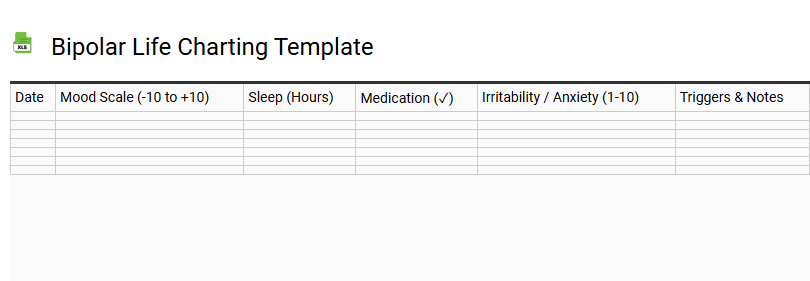
A comprehensive bipolar life charting template serves as a specialized mood tracking instrument designed for managing bipolar disorder and associated affective fluctuations. By systematically recording manic episodes, depressive symptoms, and mixed states, individuals gain objective insights into their behavioral health patterns. This symptom monitoring tool captures critical variables including sleep duration, medication adherence, and environmental triggers.
Utilizing longitudinal data facilitates precise communication with psychiatrists, optimizing treatment protocols and mood stabilizer efficacy. Consistent daily logs empower patients through self-regulation and proactive relapse prevention. This mood diary framework supports psychiatric wellness by correlating circadian rhythms with emotional stability, providing a visual representation of rapid cycling or seasonal patterns to improve long-term therapeutic outcomes and mental health recovery.
Medication Side Effect and Mood Journal
💾 Medication Side Effect and Mood Journal .xls
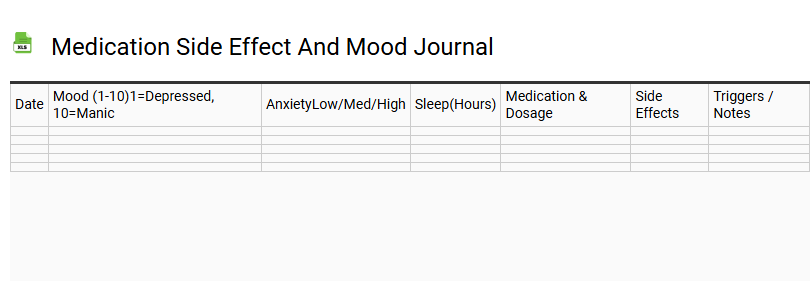
Utilizing a medication side effect and mood journal serves as a vital bridge between clinical treatment and daily wellness. This template facilitates comprehensive symptom tracking by documenting specific dosages alongside emotional fluctuations and physical observations. By maintaining a structured log, patients can identify subtle behavioral patterns and potential adverse reactions linked to pharmaceutical interventions.
- Monitor treatment efficacy through consistent mood assessment metrics.
- Identify correlations between prescription timing and physiological shifts.
- Provide healthcare professionals with longitudinal data for precise dosage optimization.
A dedicated tracker enhances patient safety and empowers individuals to manage their mental health journey proactively. By recording wellness variables and lifestyle factors, you create a holistic view of your recovery, ensuring that every therapeutic adjustment is informed by reliable, evidence-based self-reporting and consistent health monitoring.
Trigger and Warning Sign Log
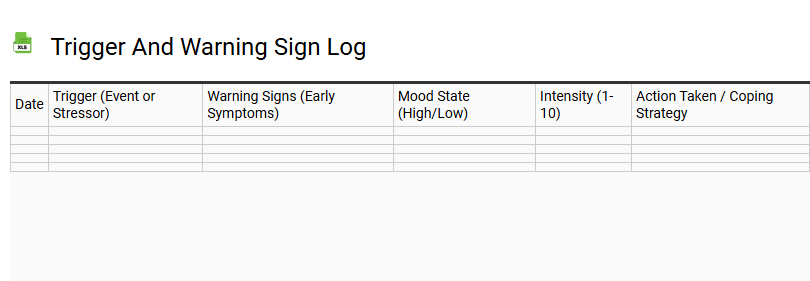
💾 Trigger and Warning Sign Log .xls
A Trigger and Warning Sign Log serves as a foundational tool for emotional regulation and proactive mental health management. By systematically documenting specific environmental stressors and internal psychological triggers, individuals cultivate heightened self-awareness regarding their unique behavioral patterns. This template emphasizes the identification of physiological cues and early warning signs, such as somatic tension or intrusive thoughts, which often precede emotional dysregulation. Utilizing this log facilitates the timely application of coping mechanisms and therapeutic interventions, effectively supporting crisis prevention and relapse prevention strategies. As a core component of a personalized safety plan, the documentation transforms subjective experiences into actionable data. Integrating this practice into mindfulness routines empowers users to bridge the gap between stimulus and response, fostering long-term psychological resilience and emotional stability through consistent, data-driven self-monitoring.
Hypomania and Depression Severity Scale
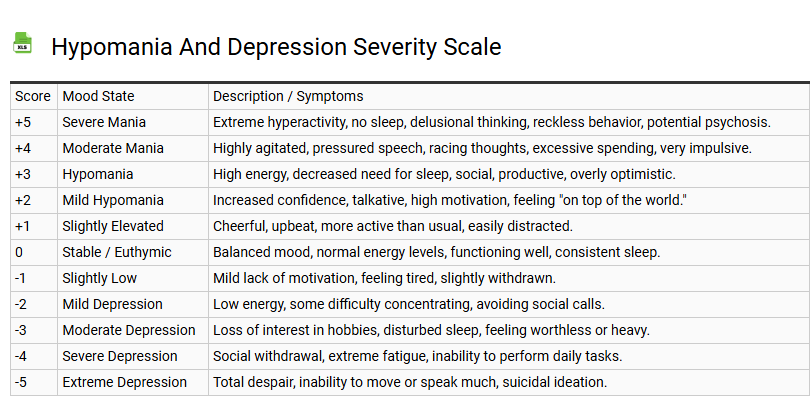
💾 Hypomania and Depression Severity Scale .xls
The Hypomania and Depression Severity Scale serves as a standardized assessment tool for monitoring longitudinal shifts in mood. It facilitates the precise tracking of symptom intensity, enabling a clear distinction between periods of elevated energy and depressive episodes.
- Mood Monitoring: Evaluates emotional variance and behavioral changes to identify cycle frequency.
- Symptom Identification: Pinpoints specific indicators such as sleep disruptions, energy fluctuations, and cognitive focus.
- Clinical Application: Provides objective data to help healthcare professionals adjust treatment plans and medication management.
By documenting daily observations, this template bridges the gap between personal experience and clinical analysis. It offers a structured way to visualize the relationship between biological triggers and emotional states, fostering a proactive approach to mental health stability and long-term wellness tracking.
Daily Activity and Mood Correlation Matrix
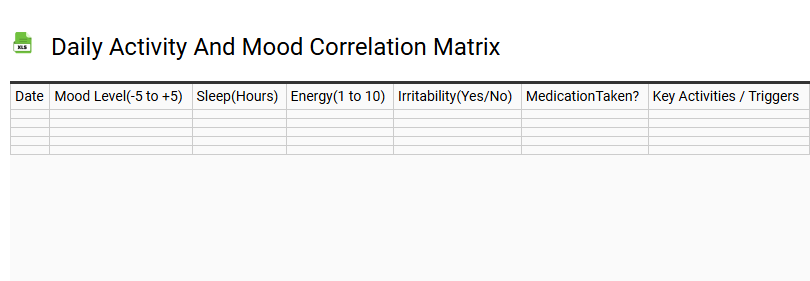
💾 Daily Activity and Mood Correlation Matrix .xls
A Daily Activity and Mood Correlation Matrix serves as a robust analytical framework for deciphering the intricate relationship between behavioral habits and emotional states. By systematically documenting specific variables-such as sleep hygiene, physical exertion, and social engagement-alongside consistent mood tracking, individuals can identify significant psychological triggers and positive influencers.
This data-driven approach utilizes statistical correlation to reveal how routine rituals impact mental well-being and overall psychological health. Implementing such a structured template facilitates effective self-monitoring, allowing for informed lifestyle adjustments based on objective productivity metrics. By visualizing trends in mood swings relative to environmental stressors, the matrix promotes holistic wellness. Ultimately, this tool transforms qualitative daily experiences into actionable quantitative insights, empowering users to optimize their schedules for enhanced emotional stability, cognitive performance, and long-term behavioral health tracking.
Self-Care and Stability Tracker
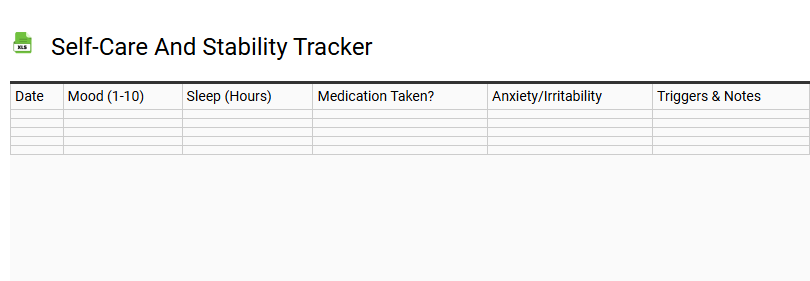
💾 Self-Care and Stability Tracker .xls
This self-care and stability tracker provides a holistic framework for maintaining emotional well-being and mental health consistency. By integrating daily habit tracking with mood monitoring, users can identify correlations between lifestyle choices and psychological resilience. This digital planner serves as a grounding tool, utilizing mindfulness prompts and wellness metrics to foster long-term balance. Tracking variables such as sleep hygiene, stress management, and hydration levels allows for data-driven insights into personal growth. Optimized for cognitive awareness, this template facilitates anxiety relief and routine assessment, ensuring a structured approach to inner peace. Use this customizable log to visualize progress, improve self-regulation, and establish sustainable health rituals that prioritize stability in a demanding world.
Bipolar Disorder Monthly Trend Analysis
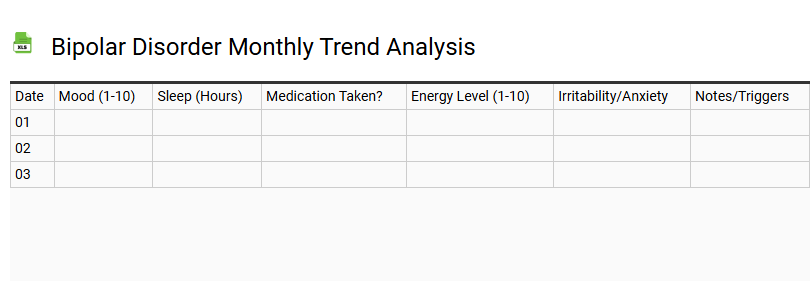
💾 Bipolar Disorder Monthly Trend Analysis .xls
This Bipolar Disorder Monthly Trend Analysis template serves as a sophisticated longitudinal tool for monitoring cyclic mood fluctuations. By systematically logging daily emotional states, patients and clinicians can identify emerging correlations between manic episodes and depressive phases. The framework prioritizes symptom monitoring, capturing high-fidelity data on sleep hygiene, energy levels, and medication adherence to refine psychiatric treatment strategies.
Utilizing this structured log facilitates the early recognition of environmental triggers and prodromal signs, empowering proactive emotional regulation. Through data-driven insights into behavioral health, users can visualize rapid cycling patterns or stability trends. This objective overview bridges the gap between subjective experience and clinical evaluation, optimizing mental wellness outcomes by providing actionable evidence for therapy adjustments and long-term bipolar disorder management.
Anxiety and Mood Fluctuation Sheet
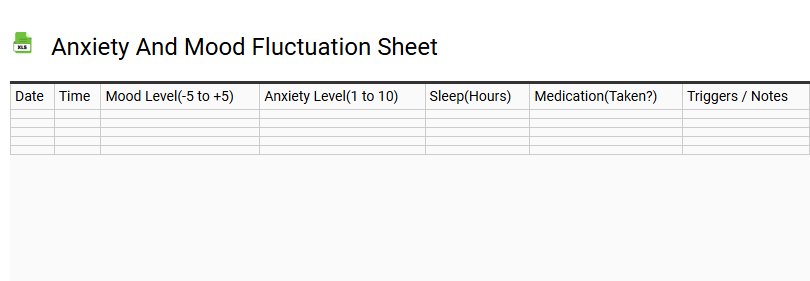
💾 Anxiety and Mood Fluctuation Sheet .xls
An anxiety and mood fluctuation sheet serves as a vital mental health tracking tool designed to monitor emotional regulation and psychological shifts. By utilizing a structured daily mood log, individuals can identify specific stress triggers, behavioral patterns, and physiological symptoms associated with generalized anxiety or affective disorders.
This self-monitoring resource integrates cognitive behavioral therapy (CBT) principles, allowing users to document mood swings and intensity levels over time. Key benefits include:
- Enhanced self-awareness of emotional baselines.
- Identification of environmental stressors and recurring thought patterns.
- Improved stress management through data-driven insights.
Consistent use of this wellness template facilitates clearer communication with clinicians, fostering effective coping mechanisms and long-term mental well-being. This diagnostic aid is essential for stabilizing psychological equilibrium and tracking symptom progression effectively.
Comprehensive Bipolar Management Spreadsheet
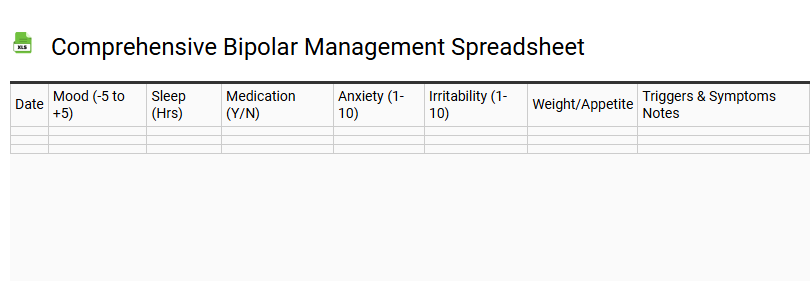
💾 Comprehensive Bipolar Management Spreadsheet .xls
This comprehensive bipolar management spreadsheet serves as a sophisticated digital health tool for meticulous mood tracking and symptom monitoring. Designed to enhance psychiatric wellness, the template allows users to document daily energy levels, sleep hygiene, and medication adherence. By recording behavioral trends and identifying specific triggers, individuals can better predict the onset of manic episodes or depressive symptoms.
Utilizing this mental health logging system facilitates data-driven discussions with clinicians, improving treatment outcomes through precise longitudinal data. The structured format supports crisis planning and routine maintenance, helping to stabilize bipolar disorder fluctuations. Integrating lifestyle factors and emotional regulation metrics into one accessible dashboard empowers patients to achieve long-term stability and self-awareness. This robust monitoring utility bridges the gap between therapy sessions, ensuring a holistic approach to chronic condition management.
Utilizing a bipolar disorder mood chart serves as a vital diagnostic tool for tracking emotional fluctuations and sleep patterns. By consistently documenting data in a daily log template, individuals can identify specific triggers for mania or depressive episodes. This systematic approach enhances clinical communication, optimizing medication adherence and therapeutic interventions. Ultimately, monitoring these behavioral health trends empowers patients to achieve stability, providing a clear visual overview of their mental health journey and long-term recovery progress.