
Braxton Hicks Frequency Log Template
Tracking intermittent uterine tightening during the third trimester is essential for distinguishing between false labor and active birth signs. Utilizing a Braxton Hicks frequency log helps expectant mothers monitor these practice contractions effectively. By recording the timing, duration, and interval of each episode, you can ensure adequate hydration and rest while providing valuable data for your prenatal care provider. This structured approach to labor preparation simplifies monitoring uterine activity and provides peace of mind throughout your pregnancy journey. Please check our already made variation of templates below.
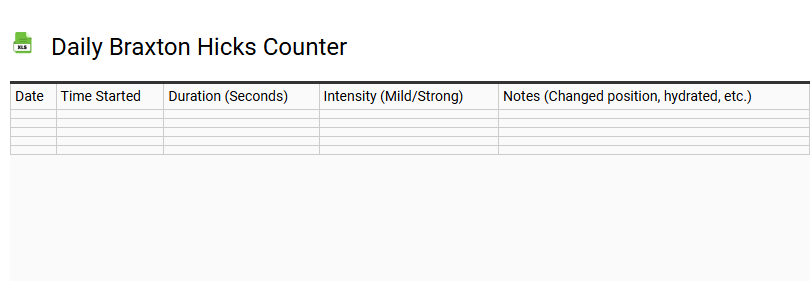
Daily Braxton Hicks Counter
💾 Daily Braxton Hicks Counter .xls
Utilizing a daily Braxton Hicks counter is a vital practice for expectant mothers navigating the third trimester. These sporadic uterine contractions, often characterized as a non-painful tightening sensation, serve as the body's natural method for labor preparation. Unlike true labor, these false labor episodes are typically irregular and subside with hydration or positional changes.
By maintaining a consistent pregnancy log, users can accurately track the frequency and duration of these practice contractions. This data is essential for prenatal care, helping to distinguish between harmless tightening and rhythmic patterns indicative of active labor. Monitoring these events alongside fetal movement ensures peace of mind and provides healthcare providers with a clear clinical picture. Using a structured template facilitates maternal wellness, allowing for better management of pregnancy symptoms while ensuring timely medical consultation if patterns shift.
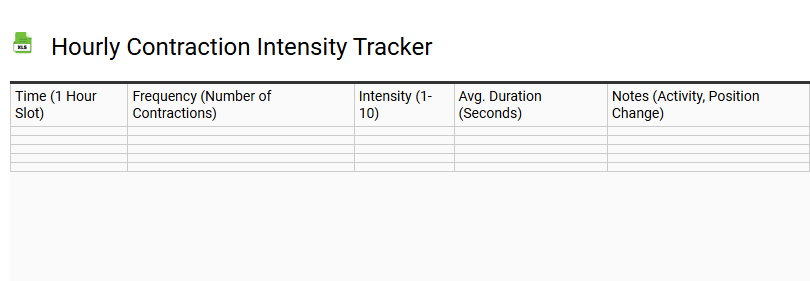
Hourly Contraction Intensity Tracker
💾 Hourly Contraction Intensity Tracker .xls
The Hourly Contraction Intensity Tracker provides a structured method for monitoring labor progression. By documenting the strength of surges at consistent sixty-minute intervals, expectant parents can identify emerging patterns as the body prepares for birth. This systematic approach ensures that changes in physical sensations are recorded accurately over time.
This template facilitates the collection of vital data points, including:
- Peak Intensity: Measuring the maximum strength of each surge on a scale of one to ten.
- Duration: Recording the exact length of time each contraction lasts from onset to relaxation.
- Frequency: Tracking the number of occurrences within a specific hour to determine labor consistency.
Utilizing this log helps clarify the transition from early to active labor, offering clear information for midwives and medical teams to assess the birthing environment effectively and safely.
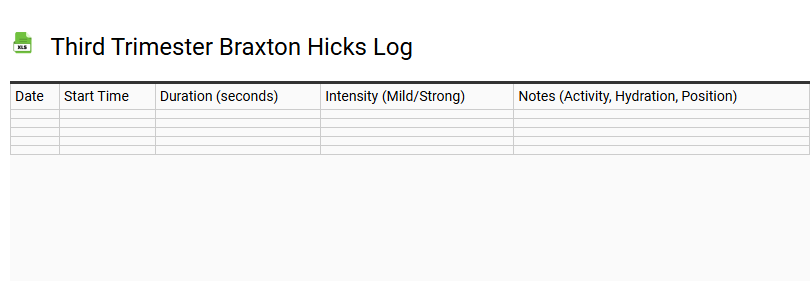
Third Trimester Braxton Hicks Log
💾 Third Trimester Braxton Hicks Log .xls
Monitoring uterine activity during the final stages of pregnancy is essential for distinguishing between practice contractions and active labor. A comprehensive third trimester Braxton Hicks log serves as a vital maternity tool to track the frequency, duration, and intensity of these sporadic tightenings. Unlike true labor, these false labor sensations typically subside with rest or increased hydration and do not result in cervical effacement.
By documenting patterns between 28 and 40 weeks, expectant mothers can provide precise data to their healthcare provider during prenatal checkups. This pregnancy tracking method helps identify specific triggers, such as physical exertion or dehydration, while ensuring fetal movement remains consistent. Utilizing a log to record these pre-labor signs offers peace of mind, helping you differentiate mild abdominal tightening from productive, rhythmic contractions. Consistent gestation monitoring supports proactive prenatal health, ensuring a well-prepared transition toward childbirth.
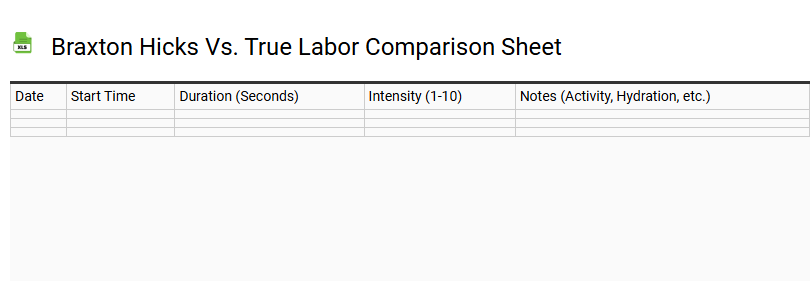
Braxton Hicks vs. True Labor Comparison Sheet
💾 Braxton Hicks vs. True Labor Comparison Sheet .xls
Distinguishing between Braxton Hicks and true labor is a critical component of prenatal preparation. Braxton Hicks, often described as "practice contractions," are typically irregular, sporadic uterine tightenings that do not lead to cervical change. These sensations often subside with hydration, rest, or a change in physical position.
In contrast, active labor involves rhythmic contractions that increase in frequency, duration, and intensity. These progressive surges facilitate cervical effacement and dilation, signaling the onset of childbirth. Key indicators of true labor include persistent lower back pain, the "bloody show," or ruptured membranes. While false labor is often felt only in the abdomen, real labor pains frequently radiate from the back to the front. Utilizing a comparison sheet helps expectant parents monitor contraction patterns and physiological signs, ensuring a timely transition to the hospital or birthing center for a safe delivery.
Weekly False Labor Frequency Chart
💾 Weekly False Labor Frequency Chart .xls
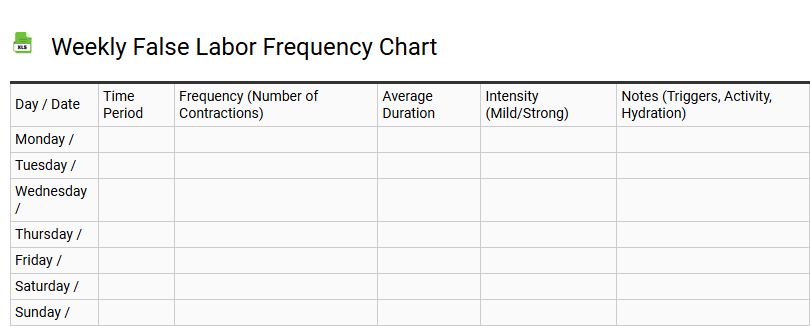
A Weekly False Labor Frequency Chart serves as a vital diagnostic tool for monitoring Braxton Hicks contractions during the third trimester. These sporadic uterine tightenings are often confused with active labor but typically occur at irregular intervals without causing cervical effacement. By utilizing a structured tracking template, expectant parents can document pre-labor symptoms and differentiate them from true contractions.
- Log the intensity and duration of pelvic pressure.
- Monitor if hydration or rest alleviates abdominal discomfort.
- Track uterine activity patterns to share with healthcare providers.
Consistently recording these false alarms helps reduce late-pregnancy anxiety. An optimized chart captures non-progressive tightening sensations, ensuring you can distinguish warm-up contractions from the rhythmic, increasing frequency associated with active labor onset. This data-driven approach facilitates informed communication with your obstetrician regarding fetal positioning and physical readiness for delivery.
Pregnancy Hydration and Braxton Hicks Log
💾 Pregnancy Hydration and Braxton Hicks Log .xls
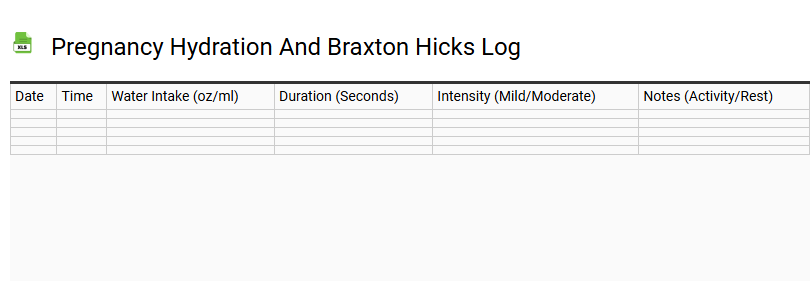
Maintaining optimal maternal hydration is a cornerstone of prenatal care, particularly during the third trimester when Braxton Hicks contractions become more frequent. This pregnancy log serves as a vital tool for tracking daily water intake and monitoring uterine irritability. Proper fluid consumption supports stable amniotic fluid levels and enhances placental perfusion, often reducing the frequency and intensity of these "practice contractions."
- Identify correlations between dehydration and sporadic uterine tightening.
- Distinguish between false labor symptoms and active labor progression.
- Support fetal well-being through consistent metabolic regulation.
By documenting your fluid ounces alongside the frequency of mild contractions, you provide healthcare providers with actionable prenatal health data. This proactive approach to maternal wellness ensures your body remains prepared for the physiological demands of late-stage pregnancy while minimizing discomfort caused by preventable uterine cramping and electrolyte imbalances.
Time and Duration Braxton Hicks Tracker
💾 Time and Duration Braxton Hicks Tracker .xls
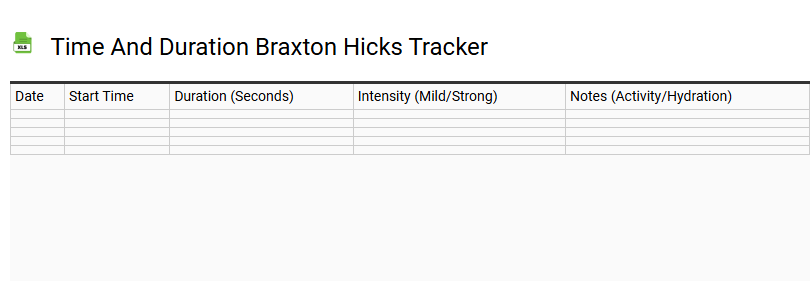
A dedicated Time and Duration Braxton Hicks Tracker serves as a vital tool for pregnancy monitoring and proactive labor preparation. By logging each uterine tightening, expectant parents can effectively differentiate false labor from the onset of true cervical change. This template prioritizes frequency and interval timing to help users identify consistent patterns or irregular rhythms.
Tracking every practice contraction involves recording the exact start time and duration. Monitoring these events assists in evaluating if discomfort relief is achieved through hydration or movement. Use this log to observe changes in intensity and ensure your data is ready for medical consultations. Essential tracking points include:
- Start and end timestamps for each episode.
- The specific duration of the tightening sensation.
- Intervals between consecutive events.
- Notes on physical activity or rest during the episode.
Activity-Based Braxton Hicks Journal
💾 Activity-Based Braxton Hicks Journal .xls
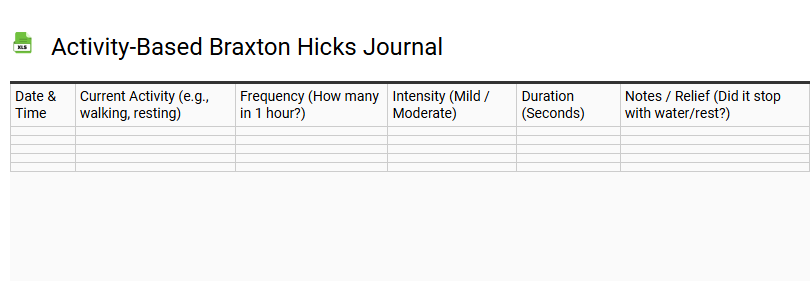
Tracking Braxton Hicks contractions alongside daily movement helps expectant parents identify specific triggers and relief patterns. This specialized journal focuses on the relationship between physical exertion and uterine tightening, providing clear data for prenatal consultations.
- Timestamp: Record the exact start and end of each tightening episode.
- Activity Context: Note if you were walking, lifting, resting, or perhaps dehydrated.
- Sensation Intensity: Describe the tightening on a scale from mild to noticeable.
- Intervention Results: Document if changing positions or drinking water successfully eased the discomfort.
Using this structured format ensures that practice contractions are accurately distinguished from active labor signs. Consistently monitoring these episodes helps in recognizing how your body responds to various stressors during the third trimester, fostering better communication with your care team and promoting peace of mind.
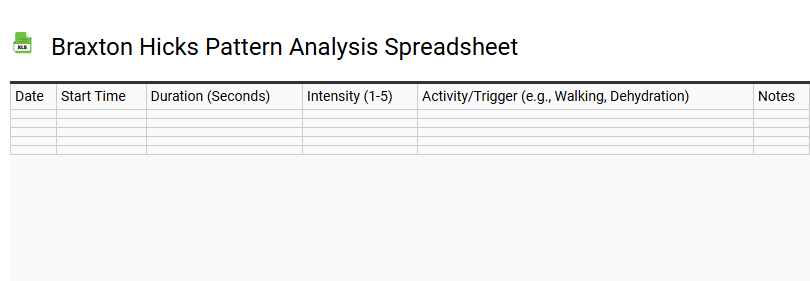
Braxton Hicks Pattern Analysis Spreadsheet
💾 Braxton Hicks Pattern Analysis Spreadsheet .xls
A Braxton Hicks Pattern Analysis Spreadsheet serves as a vital diagnostic tool for expectant parents to monitor uterine tightening during the third trimester. This structured digital log enables precise tracking of frequency, duration, and intensity, helping to distinguish between practice contractions and true labor. By utilizing a systematic template, users can record the exact timing of episodes to identify the irregular intervals characteristic of false labor.
- Symptom Logging: Document sensations alongside hydration levels and physical activity triggers.
- Interval Analysis: Monitor the lack of rhythmicity to confirm non-productive physiological changes.
- Prenatal Wellness: Track fetal movement and discomfort levels for comprehensive obstetric reporting.
Integrating these data points into a pregnancy tracker facilitates informed consultations with healthcare providers. This analytical approach ensures that sporadic, non-progressive patterns are clearly identified, providing peace of mind through consistent contraction monitoring and objective data visualization.
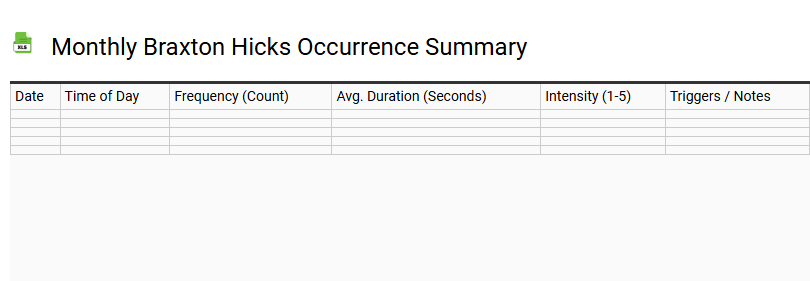
Monthly Braxton Hicks Occurrence Summary
💾 Monthly Braxton Hicks Occurrence Summary .xls
This specialized template facilitates comprehensive tracking of sporadic uterine activity throughout the third trimester. Use this Monthly Braxton Hicks Occurrence Summary to document the frequency, intensity, and duration of practice contractions. By logging non-rhythmic tightening episodes, expectant mothers can effectively distinguish between normal physiologic preparation and true labor signs.
Key data points within this log include hydration levels, physical activity triggers, and rest periods, which often alleviate these "false labor" sensations. Maintaining a consistent prenatal record assists healthcare providers in monitoring maternal well-being and uterine irritability. This structured format ensures all episodes are chronologically organized, providing a clear overview of tightening patterns. Tracking these mild, irregular sensations supports proactive prenatal care and helps manage expectations during the final stages of pregnancy.
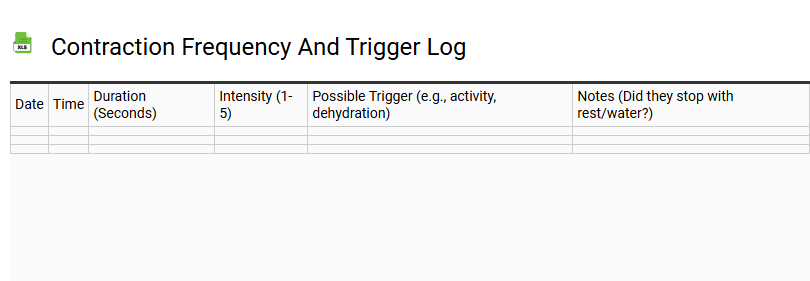
Contraction Frequency and Trigger Log
💾 Contraction Frequency and Trigger Log .xls
A contraction frequency and trigger log serves as a vital monitoring tool for tracking labor patterns and distinguishing between Braxton Hicks and active labor. By meticulously documenting the timing intervals, duration, and intensity of uterine contractions, expectant parents can identify consistent trends. This template also captures specific triggers such as maternal positioning, hydration levels, and physical exertion, which often influence prodromal labor episodes.
Utilizing this structured log assists healthcare providers in evaluating cervical changes and the progression toward delivery. Recording fetal movement alongside contraction cycles ensures comprehensive prenatal surveillance. Whether managing false labor or preparing for hospital admission, this pregnancy tracking resource provides the data-driven clarity needed to recognize true labor onset and ensure a safer, more informed birth experience.
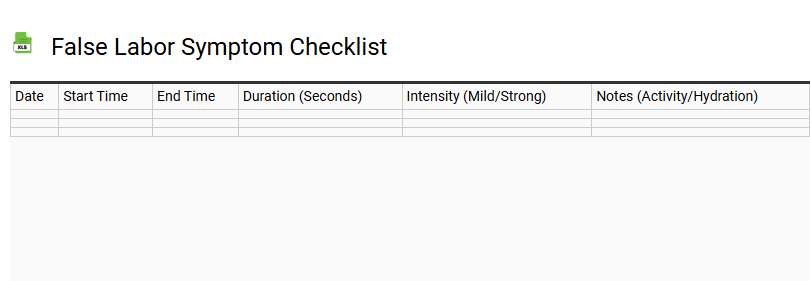
False Labor Symptom Checklist
💾 False Labor Symptom Checklist .xls
Use this False Labor Symptom Checklist to differentiate between Braxton Hicks contractions and the onset of active labor. During the third trimester, expectant mothers often encounter prodromal labor, characterized by sporadic uterine tightening. Unlike true labor, these practice contractions are typically irregular, do not increase in frequency, and often dissipate with hydration, rest, or a change in physical activity.
This template tracks key indicators such as contraction duration, intensity, and pain location-usually felt in the lower abdomen rather than the lower back. By monitoring these pre-labor symptoms, you can identify the absence of cervical effacement or dilation. This diagnostic tool is essential for managing pregnancy expectations, helping you distinguish rhythmic, progressive patterns from temporary discomfort. If you experience a rupture of membranes or consistent pelvic pressure, contact your healthcare provider to evaluate your transition into true labor.
Pre-Labor Pattern Tracking Sheet
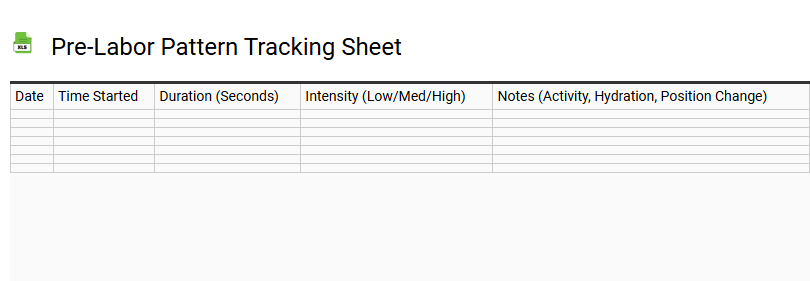
💾 Pre-Labor Pattern Tracking Sheet .xls
A pre-labor pattern tracking sheet serves as a vital diagnostic tool for expectant parents during the latent phase of childbirth. By systematically documenting contraction frequency, duration, and intensity, this log helps distinguish between Braxton Hicks and true labor surges. Monitoring these physiological shifts allows for accurate assessment of uterine activity and potential cervical dilation.
Effective templates include space for recording the mucus plug loss, bloody show, and amniotic fluid status. Tracking these markers provides your midwife or obstetrician with essential data to determine the progression from prodromal labor to active stages. Utilizing a contraction timer within your birth plan ensures clear communication with your doula and medical team. Precise tracking helps identify rhythmic patterns, guiding the transition to a hospital or birth center while managing the nesting instinct and early labor symptoms effectively.
Daily Uterine Tightening Record
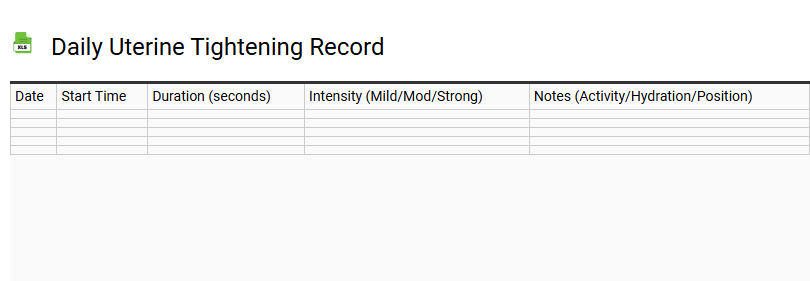
💾 Daily Uterine Tightening Record .xls
A daily uterine tightening record is an essential clinical tool for monitoring prenatal health and tracking gestational progress. This structured log helps expectant parents differentiate between sporadic Braxton Hicks and potential preterm labor signs by documenting specific patterns of uterine activity. By maintaining a consistent tracking log, you can accurately observe contraction frequency, duration, and intensity over a 24-hour period.
- Frequency: Timing the interval from the start of one tightening to the next.
- Duration: Measuring how many seconds the muscle tension lasts.
- Intensity: Assessing the strength of the sensation from mild to strong.
- Associated Symptoms: Noting changes in fetal movement or pelvic pressure.
Recording these physiological shifts provides invaluable data for healthcare providers during prenatal care consultations. Consistent monitoring ensures early detection of irregularities, supporting a proactive approach to maternal wellness and labor preparation.
Braxton Hicks Duration and Interval Log
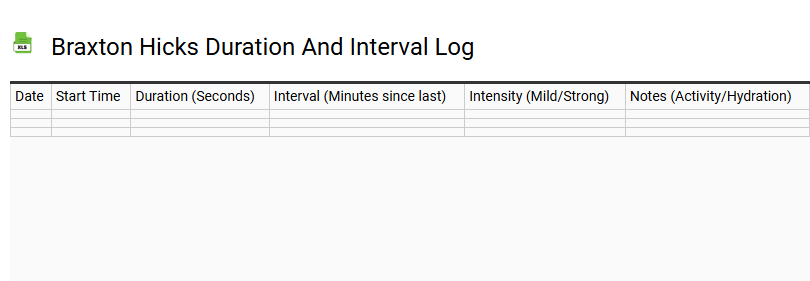
💾 Braxton Hicks Duration and Interval Log .xls
A Braxton Hicks Duration and Interval Log is an essential tool for monitoring practice contractions during the third trimester. This tracking template helps expectant mothers differentiate between sporadic uterine tightening and true labor pains. By recording the exact start time and end time of each episode, users can calculate the frequency and intensity of these physiological sensations.
Unlike active labor, these "false" contractions remain irregular and typically subside with hydration or positional changes. Utilizing a structured log allows for precise data collection regarding uterine activity, providing valuable insights for prenatal consultations. Monitoring the interval between tightenings ensures that any shift toward rhythmic patterns is quickly identified. Maintaining this record assists in managing pregnancy anxiety, ensuring maternal health is prioritized while distinguishing harmless muscle preparation from progressive cervical changes.
Utilizing a Braxton Hicks frequency log is essential for managing third trimester expectations. This monitoring template helps differentiate false labor from true labor contractions by recording uterine tightening intervals and intensity. Documenting hydration levels and duration provides your obstetrician with precise data to ensure maternal health. In closing, maintaining a consistent timing record empowers you to stay calm and informed. Use this log to track pregnancy symptoms accurately, ensuring you know exactly when to alert your healthcare provider as your due date nears.