
Caffeine and Blood Pressure Tracking Journal Template
Monitoring cardiovascular health requires precise tracking of stimulant consumption. This caffeine impact blood pressure journal template helps users document the correlation between coffee intake and daily systolic or diastolic readings. By logging heart rate fluctuations and caffeine doses, you can identify patterns related to hypertension management. This physiological data empowers better lifestyle choices through organized record-keeping and data visualization. Whether managing stress or optimizing fitness, tracking these metrics is essential for long-term wellness. Please check the already made variation of templates below.
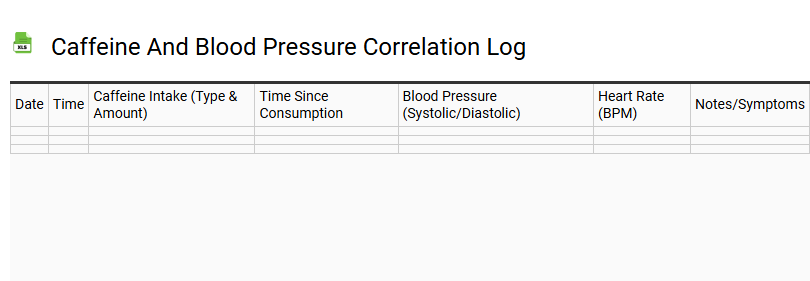
Caffeine and Blood Pressure Correlation Log
💾 Caffeine and Blood Pressure Correlation Log .xls
This log serves as a dedicated tool for monitoring the relationship between daily stimulant consumption and cardiovascular health. By consistently recording the timing and volume of caffeine intake alongside systolic and diastolic blood pressure readings, users can identify specific physiological triggers.
- Dosage Tracking: Note the exact milligrams of caffeine consumed from coffee, tea, or supplements.
- Vital Metrics: Record pressure levels at consistent intervals, ideally sixty to ninety minutes after ingestion.
- Symptom Observation: Document secondary effects such as heart palpitations, jitteriness, or changes in sleep quality.
Utilizing this data allows for informed adjustments to dietary habits, helping to maintain stable circulatory function and mitigate sudden spikes in tension. Maintaining precision in these entries provides a clearer picture of how specific substances influence long-term wellness and heart rate stability.
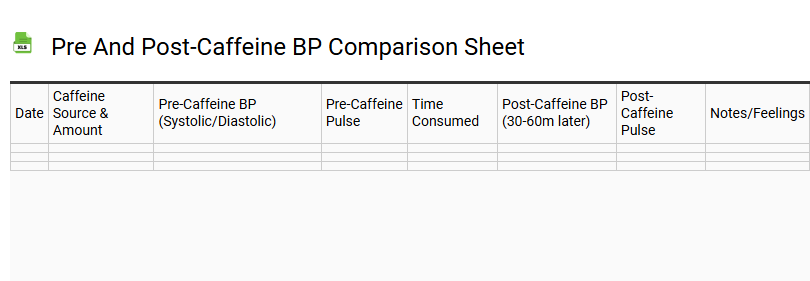
Pre and Post-Caffeine BP Comparison Sheet
💾 Pre and Post-Caffeine BP Comparison Sheet .xls
This template facilitates accurate tracking of physiological changes following stimulant consumption. By recording baseline systolic and diastolic levels before caffeine intake, users can effectively measure their cardiovascular response. The comparison sheet monitors how substances like coffee or energy drinks influence heart rate and arterial pressure over specific intervals.
Identifying fluctuations is essential for assessing caffeine sensitivity and potential hypertension risks. Consistent documentation in this monitoring log provides medical professionals with longitudinal data regarding stimulant-induced spikes. This structured approach ensures a clear visualization of the correlation between caffeine consumption and blood pressure variability, promoting proactive health management and informed dietary choices for optimal wellness and circulatory health.
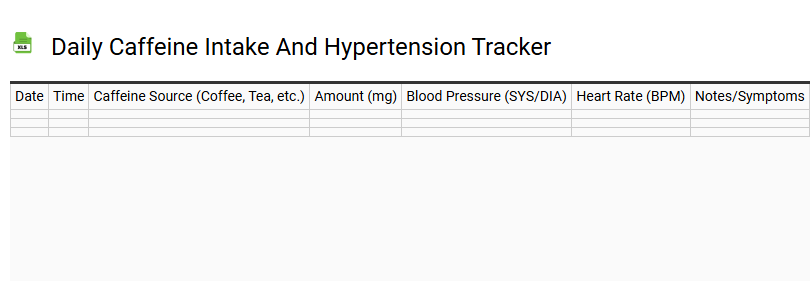
Daily Caffeine Intake and Hypertension Tracker
💾 Daily Caffeine Intake and Hypertension Tracker .xls
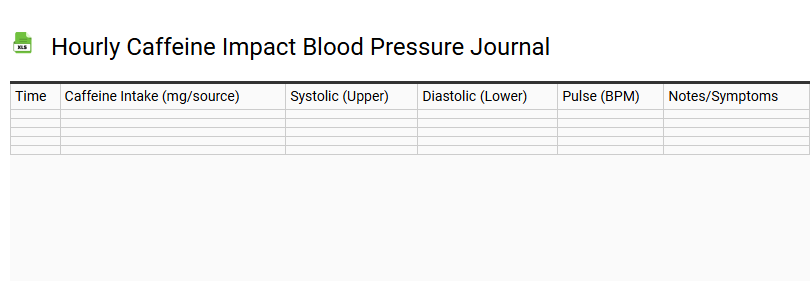
Hourly Caffeine Impact Blood Pressure Journal
💾 Hourly Caffeine Impact Blood Pressure Journal .xls
The Hourly Caffeine Impact Blood Pressure Journal serves as a sophisticated monitoring tool for tracking cardiovascular health in relation to stimulant consumption. By systematically documenting systolic and diastolic readings alongside exact milligrams of caffeine, users can identify direct correlations between coffee intake and hypertension risks. This monitoring log captures precise physiological responses, highlighting how espresso or tea influences heart rate and arterial pressure over time.
Recording data hourly allows for a granular analysis of metabolic rates and the duration of caffeine-induced spikes. These baseline readings are essential for managing vascular health and optimizing daily consumption habits. Utilizing this template empowers individuals to recognize personal sensitivity levels, providing healthcare providers with actionable data regarding stimulant-related fluctuations and long-term circulatory wellness.
Stimulant Consumption and BP Trend Chart
💾 Stimulant Consumption and BP Trend Chart .xls
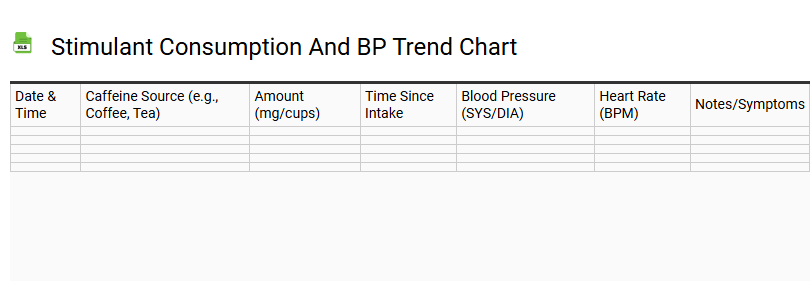
Utilize this specialized tracking tool to monitor the direct correlation between stimulant intake and cardiovascular health. This template facilitates precise documentation of substances like caffeine, nicotine, and prescription medications alongside daily blood pressure readings. By recording systolic and diastolic measurements, users can visualize fluctuations and identify potential hypertension risks or tachycardic episodes.
Consistent logging of dosage frequency and subsequent physiological responses helps establish a baseline for heart rate variability. Integrating these metrics into a comprehensive trend chart allows for data-driven insights into how exogenous stimulants impact autonomic nervous system activity. Use this log to track vitals, manage intake levels, and provide healthcare professionals with an accurate clinical history. This systematic approach to monitoring arterial pressure ensures proactive management of circulatory wellness and mitigates the risk of stimulant-induced cardiovascular strain.
Coffee and Energy Drink BP Response Diary
💾 Coffee and Energy Drink BP Response Diary .xls
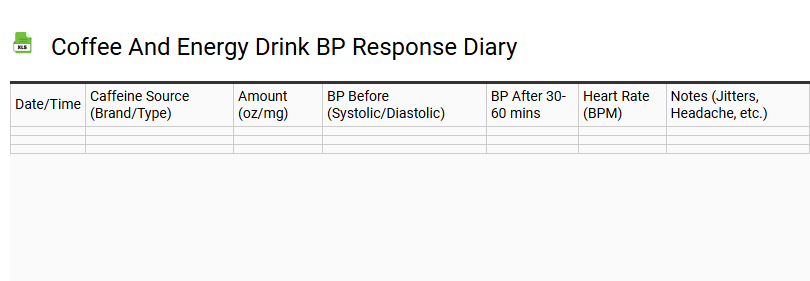
Monitoring how your body reacts to stimulants is essential for maintaining cardiovascular health. This structured log allows you to track the correlation between caffeine intake and blood pressure fluctuations. By documenting the time of consumption, the type of beverage, and subsequent pressure readings, you can identify specific patterns and physiological sensitivities.
To ensure accurate data, your diary should include:
- A baseline blood pressure measurement before drinking coffee or energy drinks.
- Follow-up readings at thirty-minute and sixty-minute intervals.
- The specific caffeine source and estimated milligram dosage.
- Observations regarding physical sensations, such as heart rate changes or restlessness.
Maintaining a detailed record provides a clear overview of how stimulants impact your circulatory system. This organized approach helps you make informed adjustments to your daily habits for better long-term wellness and heart health management.
Caffeine Sensitivity Blood Pressure Log
💾 Caffeine Sensitivity Blood Pressure Log .xls
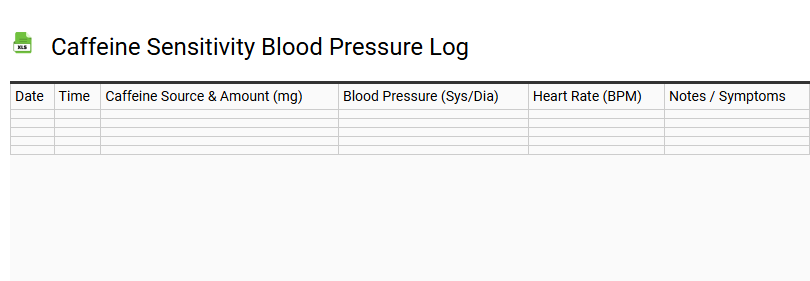
A Caffeine Sensitivity Blood Pressure Log serves as an essential monitoring tool for tracking how stimulant intake influences your cardiovascular response. By documenting daily caffeine consumption alongside systolic and diastolic readings, individuals can identify patterns of caffeine-induced hypertension. This tracking journal is designed to pinpoint specific caffeine metabolism rates and potential blood pressure spikes following the ingestion of coffee, tea, or energy drinks.
Logging your heart rate and circulatory fluctuations allows for a data-driven approach to managing dietary triggers. Whether you are navigating caffeine intolerance or managing chronic hypertension, this template facilitates precise observation of physiological reactions. Consistent data entry assists healthcare providers in distinguishing between baseline high blood pressure and acute reactions to stimulants. Use this structured format to correlate milligram intake with vascular resistance for optimized heart health and informed lifestyle adjustments.
Weekly Caffeine vs Blood Pressure Dashboard
💾 Weekly Caffeine vs Blood Pressure Dashboard .xls
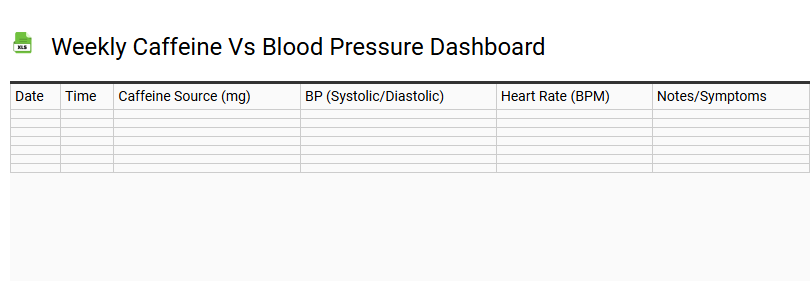
This monitoring interface visualizes the relationship between weekly caffeine consumption and blood pressure variations. By logging daily milligram intake alongside systolic and diastolic measurements, users can identify how stimulants influence their cardiovascular health over a seven-day period.
- Intake Tracking: Document daily coffee, tea, or energy drink consumption to establish a baseline.
- Vitals Logging: Record circulatory pressure readings to observe immediate and long-term physiological responses.
- Trend Comparison: Analyze the data to pinpoint specific days where high stimulant use correlates with elevated readings.
The dashboard provides a clear overview of personal health patterns, allowing for informed adjustments to daily habits. By observing these metrics in tandem, individuals can better manage their heart health and understand their unique sensitivity to caffeine throughout the week.
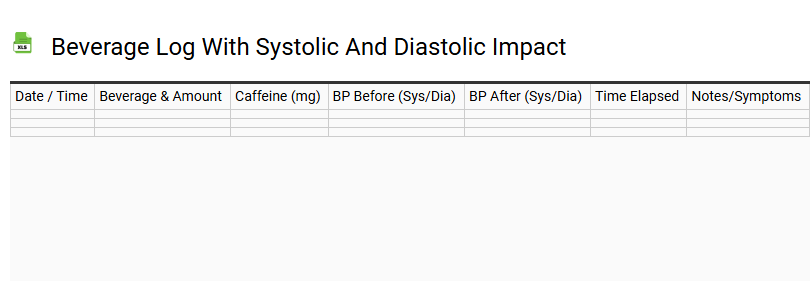
Beverage Log with Systolic and Diastolic Impact
💾 Beverage Log with Systolic and Diastolic Impact .xls
Utilizing a comprehensive beverage log is a strategic approach to monitoring how daily fluid consumption influences cardiovascular health. This template facilitates the precise tracking of liquid intake, allowing users to observe direct correlations between specific drinks and their systolic and diastolic blood pressure readings. By documenting variables such as caffeine content, sodium levels, and sugar intake, individuals can identify patterns that may trigger hypertension or fluctuations in arterial pressure.
Consistent data entry helps bridge the gap between dietary habits and heart rate variability. This organized record serves as an essential tool for hypertension management, providing healthcare professionals with longitudinal insights into a patient's hydration patterns. Tracking every ounce of fluid ensures a comprehensive understanding of how hydration affects circulatory efficiency and long-term vascular wellness through proactive monitoring of intake triggers.
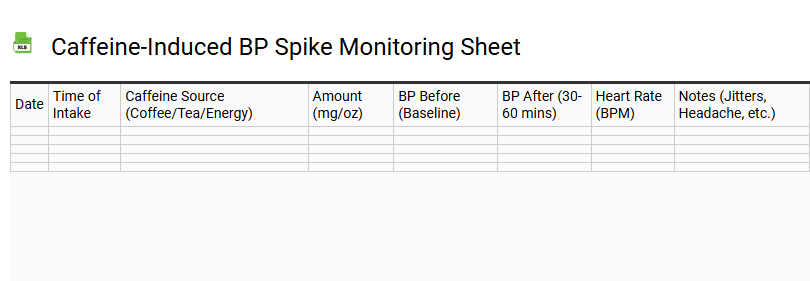
Caffeine-Induced BP Spike Monitoring Sheet
💾 Caffeine-Induced BP Spike Monitoring Sheet .xls
A Caffeine-Induced BP Spike Monitoring Sheet is an essential tool for tracking how stimulants impact cardiovascular health. This specialized log helps individuals identify the direct correlation between caffeine consumption and acute elevations in systolic and diastolic readings. By documenting the exact milligrams of caffeine ingested alongside arterial pressure measurements, users can pinpoint their specific sensitivity thresholds.
To optimize this tracking log, ensure the following data points are captured:
- Baseline blood pressure recorded prior to stimulant intake.
- Post-consumption readings at 30, 60, and 120-minute intervals to map the hypertensive response.
- Concurrent resting heart rate to monitor tachycardia or palpitations.
- Notes on metabolic rate factors, such as recent meals or hydration levels.
Consistent monitoring facilitates better management of hypertension and assists healthcare providers in tailoring dietary recommendations to mitigate long-term cardiovascular risks.
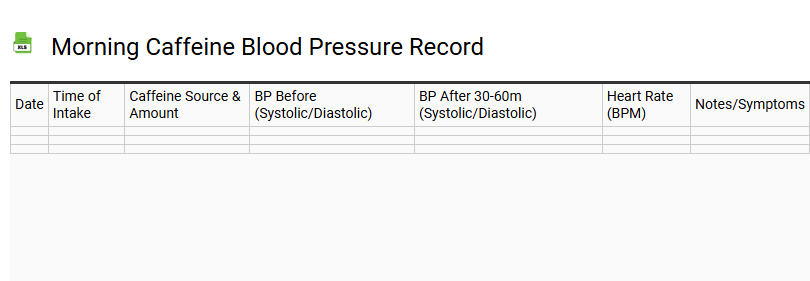
Morning Caffeine Blood Pressure Record
💾 Morning Caffeine Blood Pressure Record .xls
Effective management of hypertension requires precise monitoring of daily habits. A morning caffeine blood pressure record serves as a vital tool for assessing how stimulants like coffee or espresso influence cardiovascular health. By logging systolic and diastolic readings both before and after caffeine intake, you can identify sensitive triggers and fluctuations in heart rate. This health tracking template allows users to document the stimulant effect over time, providing data of clinical significance for medical consultations. Consistent readings help differentiate between transient spikes and chronic hypertensive trends. Utilizing a structured log ensures accuracy in your blood pressure data, highlighting the physiological impact of coffee consumption on arterial tension. Tracking these metrics facilitates informed lifestyle adjustments for optimal heart wellness and long-term vitality.
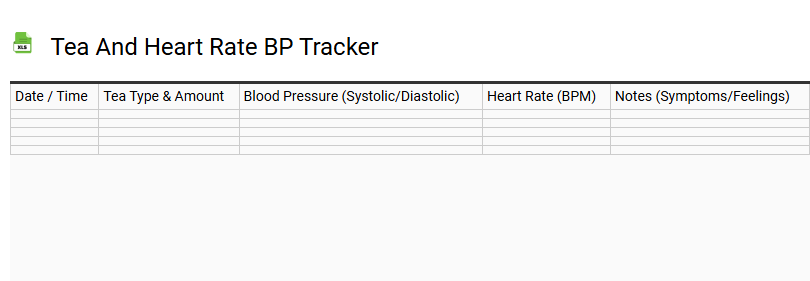
Tea and Heart Rate BP Tracker
💾 Tea and Heart Rate BP Tracker .xls
This Tea and Heart Rate BP Tracker serves as a comprehensive log for monitoring the physiological impact of various infusions on your cardiovascular health. By systematically recording your consumption of green tea, herbal blends, or caffeinated brews, you can observe direct correlations between specific antioxidants and your resting heart rate.
Utilize this template to document systolic and diastolic blood pressure readings alongside your daily pulse (BPM). Tracking these biometric data points helps identify how L-theanine and caffeine levels influence arterial tension and circulatory rhythm. This digital journal is essential for managing hypertension and analyzing pulse variability. Consistent monitoring facilitates a deeper understanding of your body's hemodynamic response to different steep times and varieties, ensuring your cardiovascular system remains balanced through informed dietary choices and trend analysis.
Caffeine Metabolism and BP Fluctuation Journal
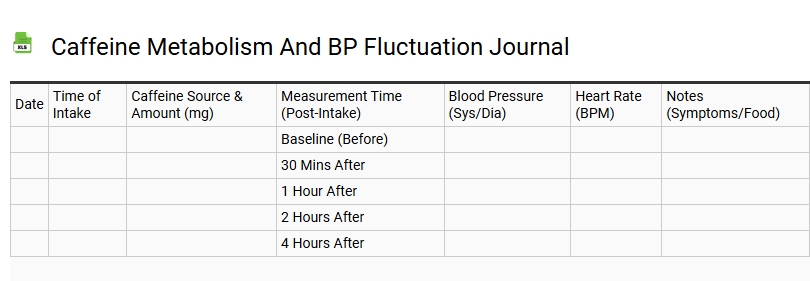
💾 Caffeine Metabolism and BP Fluctuation Journal .xls
A caffeine metabolism and BP fluctuation journal serves as a critical diagnostic tool for tracking how stimulants interact with cardiovascular dynamics. By logging the timing of adenosine receptor antagonism, users can identify direct correlations between caffeine ingestion and systolic or diastolic spikes. This template focuses on the half-life of various stimulants, helping individuals monitor vasoconstriction and subsequent arterial pressure changes.
- Document milligram dosage and the specific metabolic rate of the user.
- Track resting heart rate and potential cortisol level elevations.
- Identify hypertension triggers linked to circadian rhythm disruptions.
Systematic data entry regarding dietary triggers and vascular resistance provides essential insights into caffeine sensitivity. This structured approach simplifies the management of blood pressure variability, allowing for informed adjustments to daily consumption and improved long-term heart health monitoring.
Dietary Caffeine Impact Summary Sheet
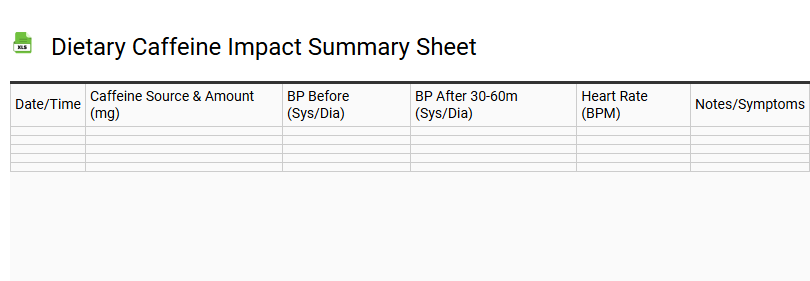
💾 Dietary Caffeine Impact Summary Sheet .xls
This Dietary Caffeine Impact Summary Sheet serves as a comprehensive tool for monitoring how this stimulant affects the central nervous system. By tracking daily milligram dosage from various sources like coffee, tea, and supplements, users can analyze its interaction with adenosine receptors and overall metabolic rate.
- Identify caffeine sensitivity levels and tolerance thresholds.
- Monitor the substance's half-life to optimize sleep hygiene.
- Assess fluctuations in cortisol levels and potential withdrawal symptoms.
- Evaluate the correlation between beverage consumption and cognitive performance.
Utilizing this template facilitates a data-driven approach to managing daily intake. It empowers individuals to balance energy enhancement with physiological recovery, ensuring that nutrient absorption and hydration remain uncompromised while achieving peak mental clarity and sustained focus throughout the day.
Utilizing a Caffeine Impact Blood Pressure Journal template is essential for tracking how stimulants influence your cardiovascular health. By logging daily caffeine intake alongside systolic and diastolic readings, you can identify patterns related to hypertension and heart rate variability. This structured monitoring tool empowers users to visualize the direct correlation between stimulant consumption and blood pressure fluctuations. Documenting your health data ensures informed decisions regarding your dietary habits and long-term circulatory wellness.