
Calorie Deficit Meal Planner Template for Weight Loss Management
Achieving sustainable weight loss requires a strategic approach to energy balance. Utilizing a structured calorie deficit meal planner allows you to monitor daily caloric intake while ensuring optimal nutritional density. By organizing your weekly meals, you can simplify macro counting and maintain consistent portion control to support your metabolic health. This systematic framework reduces decision fatigue and keeps your fitness goals on track with precision. Please explore the professionally designed options and check our already made variations of templates below.
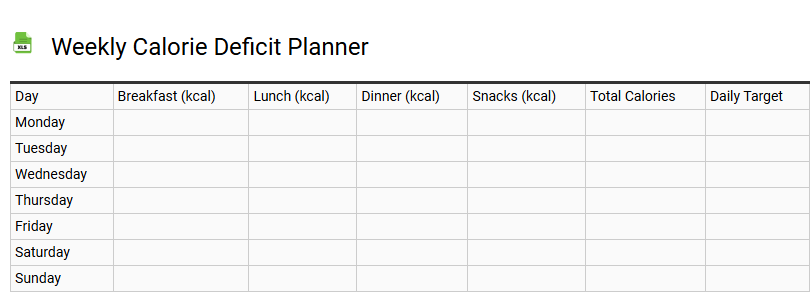
Weekly Calorie Deficit Planner
💾 Weekly Calorie Deficit Planner .xls
The Weekly Calorie Deficit Planner serves as a strategic framework for orchestrating a sustainable weight loss journey. By meticulously tracking daily caloric intake against your Total Daily Energy Expenditure (TDEE), this template establishes the precise energy balance required for adipose tissue reduction. It facilitates granular macronutrient tracking, ensuring optimal ratios of proteins, lipids, and carbohydrates to preserve lean body composition during caloric restriction.
Integrating meal planning with physical activity logs enhances metabolic efficiency and simplifies deficit management. Utilizing this systematic approach to nutritional goals promotes accountability, allowing users to monitor basal metabolic rate fluctuations and adjust portion sizes accordingly. Streamline your fitness tracking strategy to achieve long-term wellness through structured calorie counting and consistent healthy lifestyle habits tailored to your unique metabolism.
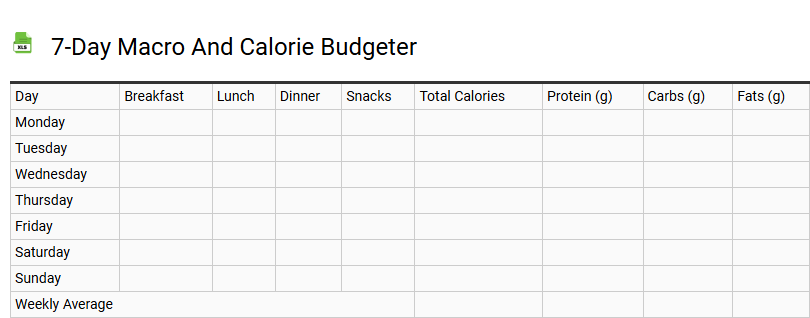
7-Day Macro and Calorie Budgeter
💾 7-Day Macro and Calorie Budgeter .xls
This versatile 7-day macro and calorie budgeter simplifies nutritional tracking for optimal health. By monitoring daily caloric intake and balancing essential macronutrients-protein, carbohydrates, and healthy fats-you can effectively manage weight and support muscle recovery. This digital template allows users to input specific fitness goals, calculating total daily energy expenditure (TDEE) to ensure dietary precision.
Each day provides a clear snapshot of nutrient density and caloric surplus or deficit. Whether you are focused on lean bulking or sustainable fat loss, this tool enhances metabolic awareness through systematic meal planning. Structured food logs help maintain consistency, ensuring your dietary balance aligns with long-term wellness objectives. Streamline your fitness journey with data-driven insights into your metabolic rate and nutritional habits, fostering a sustainable lifestyle change through accurate record-keeping and portion control.
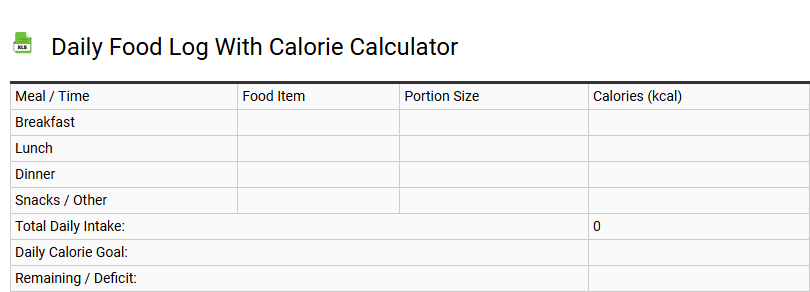
Daily Food Log with Calorie Calculator
💾 Daily Food Log with Calorie Calculator .xls
This daily food log with an integrated calorie calculator serves as a comprehensive tool for tracking nutritional intake and managing dietary habits. By documenting every meal, snack, and beverage, users gain precise insights into their total caloric intake and macronutrient distribution.
The template simplifies portion control and monitors energy expenditure, making it essential for weight management and specific fitness goals. Utilizing a structured food diary helps identify patterns in eating behaviors while ensuring adherence to meal planning requirements.
Whether you are counting calories for weight loss or monitoring protein for muscle gain, this digital tracker provides the metabolic data needed for a healthy lifestyle. The automated functionality streamlines the process of calculating fats, carbohydrates, and proteins, offering a clear, data-driven overview of your daily nutrition and wellness progress.
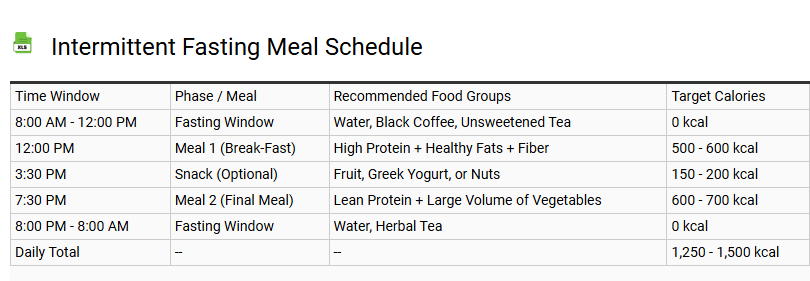
Intermittent Fasting Meal Schedule
💾 Intermittent Fasting Meal Schedule .xls
An effective intermittent fasting meal schedule optimizes your metabolic rate by defining a clear eating window and a consistent fasting period. Utilizing popular protocols like the 16:8 method or OMAD, this template helps regulate insulin sensitivity and promotes cellular repair through autophagy. During the feeding phase, prioritize nutrient-dense whole foods, balancing macronutrients like lean proteins, healthy fats, and complex carbohydrates to sustain energy levels. Maintaining hydration with water, black coffee, or herbal tea during the fasting stage is crucial for managing hunger cues and electrolyte balance. This rhythmic approach to caloric intake aligns with your natural circadian rhythm, enhancing fat loss and digestive health. By planning your daily nutritional intake within these time-restricted feeding blocks, you achieve a sustainable lifestyle shift that supports weight management and long-term wellness goals through metabolic switching.
Keto Calorie Deficit Tracker
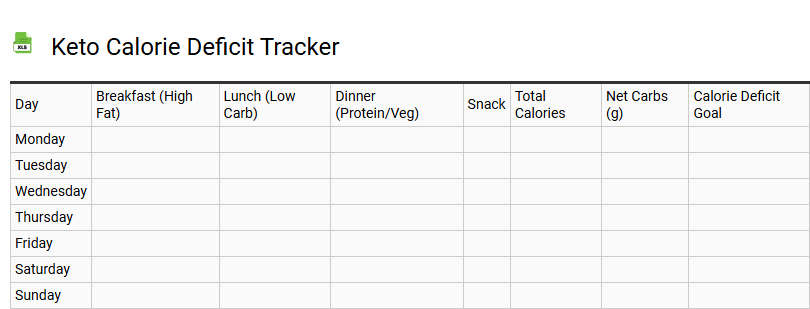
💾 Keto Calorie Deficit Tracker .xls
This Keto Calorie Deficit Tracker template streamlines your journey toward nutritional ketosis by monitoring essential macronutrient ratios. Managing a caloric intake specifically tailored for a ketogenic diet ensures consistent fat loss while maintaining a healthy metabolic state. By inputting daily energy expenditure and logging net carbs, protein goals, and dietary fat, this tool calculates your precise deficit.
Effective weight management requires balancing low-carb lifestyle choices with accurate macro tracking to prevent plateauing. Use this digital log to visualize your progress, stay within your metabolic window, and optimize ketone levels. Whether you are a beginner or an experienced keto practitioner, monitoring these variables is crucial for sustained energy and body composition goals. This organized layout simplifies complex data into actionable insights for your low-carbohydrate transformation.
High-Protein Meal Prep Organizer
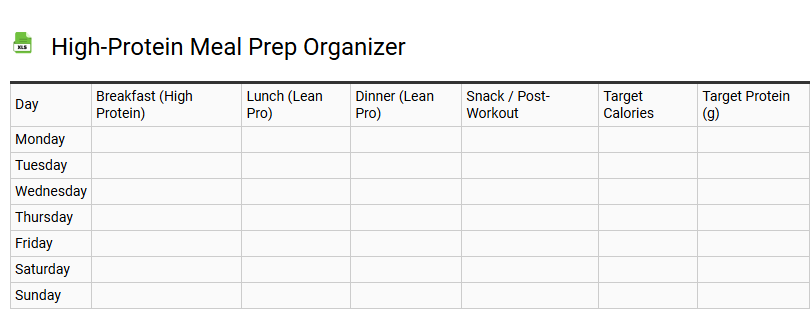
💾 High-Protein Meal Prep Organizer .xls
Optimize your fitness journey with a comprehensive high-protein meal prep organizer. This digital template streamlines nutritional tracking by categorizing lean protein sources, complex carbohydrates, and essential fats. By focusing on macronutrients, users ensure consistent muscle recovery and sustained energy levels throughout the week.
The structured layout facilitates efficient batch cooking, reducing kitchen time while maintaining strict portion control. Whether your objective is weight management or hypertrophy, this tool tracks the intake of essential amino acids and vital micronutrients. Integrating meal planning into your daily routine simplifies healthy eating habits and supports long-term dietary goals.
This strategic approach to food preparation minimizes waste and maximizes dietary compliance, providing a clear roadmap for wellness. Use this organizer to master meal timing and hit your target macros with precision and ease.
Vegetarian Weight Loss Meal Plan
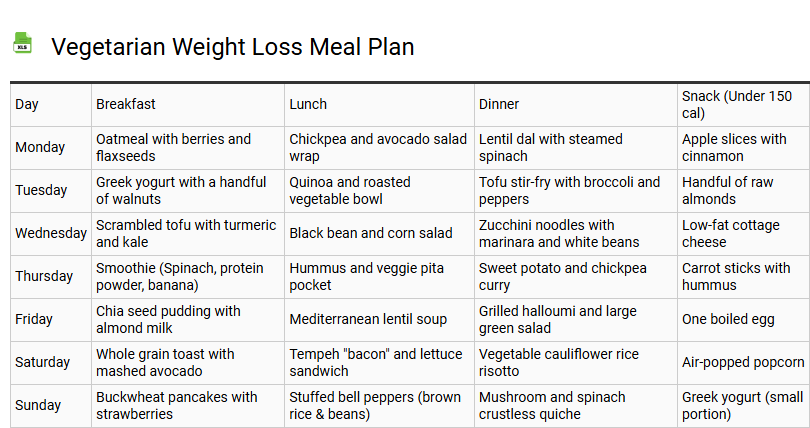
💾 Vegetarian Weight Loss Meal Plan .xls
Achieving sustainable results with a vegetarian weight loss meal plan requires a strategic focus on nutrient-dense whole foods and a consistent calorie deficit. By prioritizing plant-based proteins such as lentils, chickpeas, and organic tofu, you support lean muscle retention while boosting metabolic health.
A well-structured meat-free diet emphasizes fiber-rich vegetables and complex carbohydrates to enhance satiety and stabilize blood glucose levels. Incorporating healthy fats from avocados and seeds ensures balanced macronutrients, preventing energy crashes. This holistic approach to vegetarian nutrition leverages low-energy-density ingredients, allowing for satisfying portion sizes that promote fat oxidation. By eliminating refined sugars and focusing on whole-food recipes, this template provides a clear roadmap for effective weight management and long-term wellness through plant-derived nourishment.
Customizable Calorie Target Worksheet
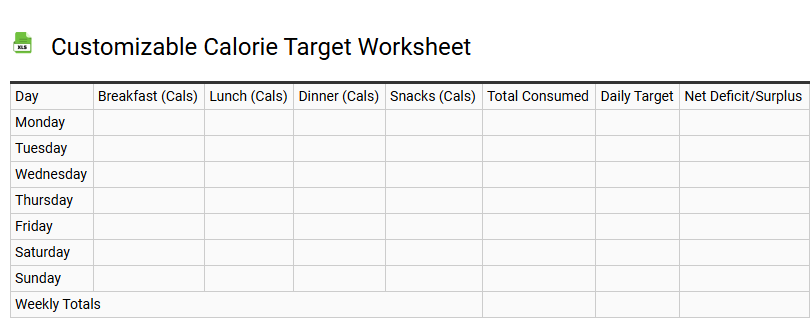
💾 Customizable Calorie Target Worksheet .xls
Grocery List and Calorie Estimator
💾 Grocery List and Calorie Estimator .xls
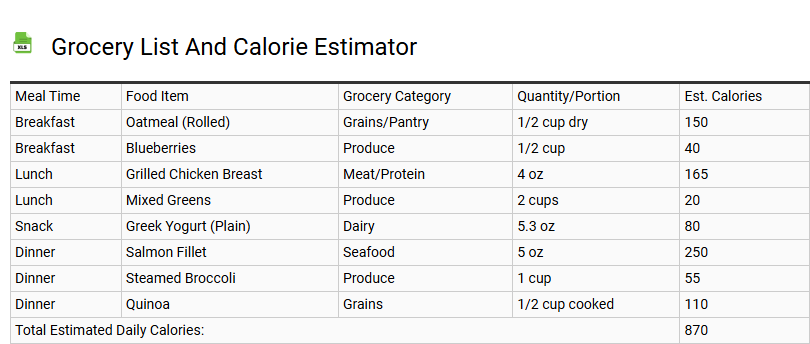
This integrated grocery list and calorie estimator template streamlines your meal planning and diet management by combining a digital shopping assistant with a precise nutritional tracking tool. By organizing pantry staples and fresh produce within a structured food inventory, users can monitor their daily caloric intake and align shopping habits with specific dietary goals.
The estimator utilizes verified nutritional data to calculate energy density and macronutrient distribution for every item on your ingredient list. Whether you are focused on weight management, portion control, or optimizing metabolic health, this tool simplifies the transition from the grocery aisle to the kitchen. Enhance your fitness tracking journey by maintaining an accurate log of nutritional values, ensuring each shopping trip supports long-term wellness, balanced macronutrients, and overall food budget efficiency.
Monthly Weight Loss and Meal Log
💾 Monthly Weight Loss and Meal Log .xls
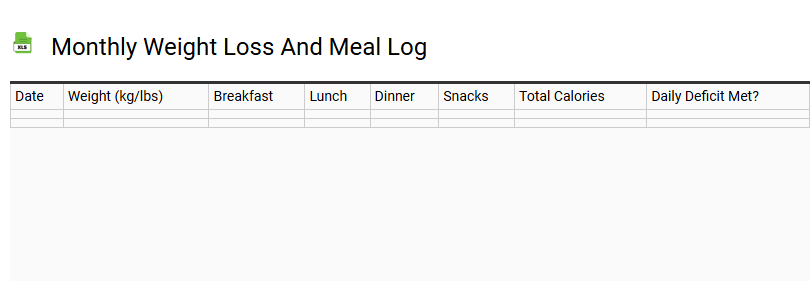
A monthly weight loss and meal log serves as a comprehensive tool for tracking your fitness journey. This template functions as a detailed food diary, allowing you to monitor caloric intake, macronutrient distribution, and portion control to ensure a consistent caloric deficit.
- Progress Tracking: Record daily body measurements and weight fluctuations to visualize your health transformation.
- Nutritional Accountability: Document breakfast, lunch, dinner, and snacks to improve metabolic health and dietary habits.
- Wellness Integration: Monitor hydration levels, physical activity, and sleep patterns within a structured habit tracker.
By maintaining a wellness journal, you can identify patterns that lead to plateaus or success. Utilizing this nutrition tracker ensures accountability and precision, making it easier to reach your long-term weight management goals through data-driven lifestyle adjustments.
Calorie Deficit Dashboard with Charts
💾 Calorie Deficit Dashboard with Charts .xls
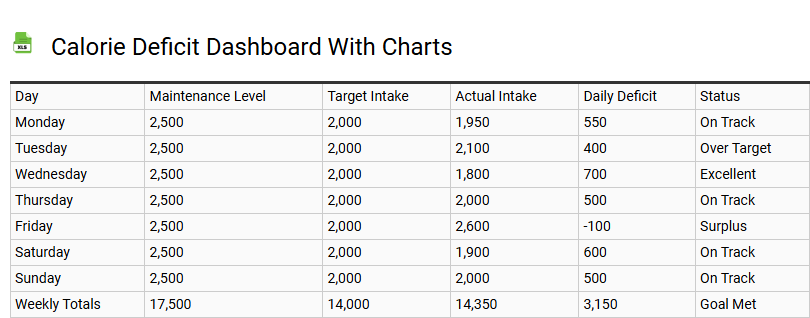
This calorie deficit dashboard provides a robust framework for monitoring weight loss progress through advanced data visualization. By integrating key metrics such as Total Daily Energy Expenditure (TDEE) and Basal Metabolic Rate (BMR), the template empowers users to manage their energy balance with precision.
The interactive charts offer real-time visual insights into daily caloric intake versus expenditure. Users can track macronutrient distribution-including proteins, fats, and carbohydrates-to ensure optimal metabolic health and body composition. Designed for fitness analytics, these graphs simplify complex nutritional tracking, making it easier to maintain a consistent deficit. Whether prioritizing fat loss or muscle preservation, this automated tool streamlines wellness performance monitoring, fostering long-term adherence to nutritional goals through evidence-based, data-driven feedback.
Exercise and Calorie Deficit Integrator
💾 Exercise and Calorie Deficit Integrator .xls
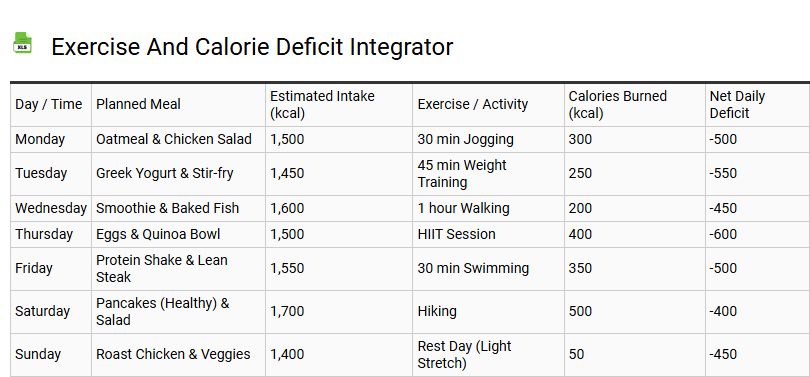
This Exercise and Calorie Deficit Integrator serves as a comprehensive tool for managing your energy balance and optimizing weight loss results. By synchronizing physical activity metrics with nutritional data, the template calculates your Total Daily Energy Expenditure (TDEE) and monitors the precise caloric gap required for efficient fat oxidation.
Utilizing this framework allows users to track several critical physiological markers:
- Basal Metabolic Rate (BMR) adjustments based on activity levels.
- Daily macronutrient distribution to support muscle preservation.
- The synergy between cardiovascular endurance and resistance training.
- Real-time progress monitoring for sustainable body recomposition.
Integrating metabolic health data with caloric intake ensures you maintain a healthy deficit without compromising performance. This systematic approach leverages evidence-based weight management, providing a holistic dashboard for anyone dedicated to achieving long-term fitness goals and improved metabolic efficiency through disciplined tracking.
Macro-Based Calorie Deficit Template
💾 Macro-Based Calorie Deficit Template .xls
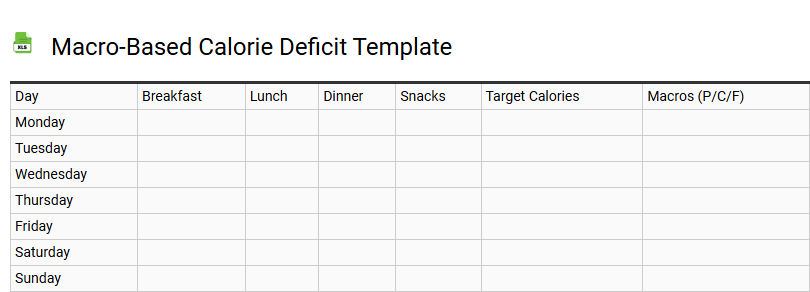
A macro-based calorie deficit template provides a structured framework for achieving sustainable fat loss through precision nutrition. By calculating your Total Daily Energy Expenditure (TDEE), this tool establishes a targeted caloric intake below maintenance levels. Unlike restrictive dieting, this approach focuses on specific macronutrient ratios-balancing lean protein, healthy fats, and complex carbohydrates-to preserve muscle mass while burning body fat.
Utilizing a digital tracker or spreadsheet allows for consistent monitoring of energy balance and metabolic rate. Effective meal planning within these parameters ensures satiety and prevents nutrient deficiencies. By adjusting grams of protein for recovery and managing carbohydrate intake for energy, users optimize their body composition. This flexible dieting strategy simplifies the relationship between energy expenditure and food logging, making long-term weight management achievable through data-driven adjustments and intentional nutritional choices.
BMR and TDEE Meal Planner
💾 BMR and TDEE Meal Planner .xls
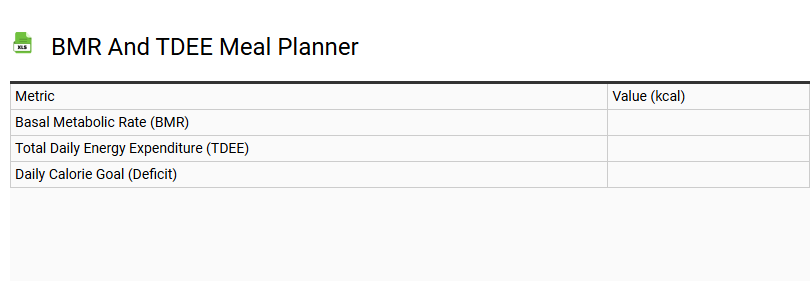
Achieve your fitness goals with a data-driven BMR and TDEE meal planner. Understanding your Basal Metabolic Rate (BMR) is crucial, as it defines the calories required for basic physiological functions at rest. To manage weight effectively, you must calculate your Total Daily Energy Expenditure (TDEE), which factors in physical activity levels and the thermic effect of food.
This template simplifies caloric intake tracking, helping you maintain a precise caloric deficit for fat loss or a surplus for muscle hypertrophy. Key features include:
- Macronutrient distribution: Balancing proteins, carbohydrates, and healthy fats.
- Energy balance optimization for improved metabolic health.
- Precision portion control to stabilize energy levels and body composition.
By aligning your nutritional strategy with your unique metabolism, this tool ensures sustainable weight management and peak physical performance through structured healthy eating habits.
Portion Control Calorie Guide
💾 Portion Control Calorie Guide .xls
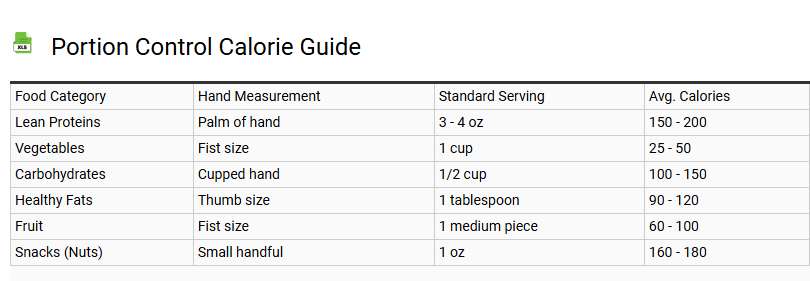
This portion control calorie guide serves as a comprehensive framework for achieving optimal nutritional balance and effective weight management. By understanding precise serving sizes and monitoring daily energy intake, individuals can master the art of calorie tracking without feeling restricted.
The template emphasizes healthy eating habits by categorizing essential macronutrients-including proteins, complex carbohydrates, and healthy fats-using intuitive visual cues. Implementing these strategies reduces the risk of overeating while ensuring the body receives high-quality fuel.
Use this resource to streamline meal planning, enhance metabolic health, and align dietary goals with sustainable lifestyle choices. Mastering food measurement and understanding caloric density are the cornerstones of successful weight loss. By focusing on nutrient-rich ingredients, you can maintain a balanced plate that supports physical objectives and promotes consistent satiety.
Utilizing a template for a calorie deficit meal planner is an essential strategy for mastering energy balance and achieving sustainable weight loss. By prioritizing nutrient density and precise portion control, this framework simplifies tracking daily intake against your Total Daily Energy Expenditure (TDEE).
A structured layout ensures consistent monitoring of macronutrients while promoting long-term satiety. Ultimately, integrating a professional planner transforms complex dietary goals into actionable habits, providing the necessary nutritional oversight to reach your fitness milestones efficiently.