
Daily Carbohydrate Counting and Blood Sugar Journal Template
Achieving optimal glycemic control requires diligent monitoring of dietary intake and blood sugar levels. A structured carbohydrate counting and glucose journal serves as a vital tool for effective diabetes management, allowing you to track insulin sensitivity and nutritional data with precision. By maintaining a detailed daily log of meal planning and glucose fluctuations, individuals can better manage type 1 or type 2 diabetes through organized data. Please check our already made variation of templates below.
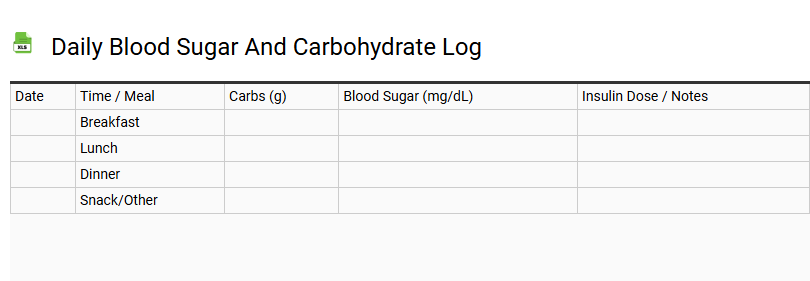
Daily Blood Sugar and Carbohydrate Log
💾 Daily Blood Sugar and Carbohydrate Log .xls
A Daily Blood Sugar and Carbohydrate Log is a fundamental tool for monitoring the direct relationship between nutritional intake and glucose fluctuations. By consistently recording data, individuals can identify how specific meals, physical activities, and medication timings influence their metabolic health. This structured approach provides a clear overview of daily patterns, making it easier to maintain stability and reach long-term wellness goals.
An effective tracking template should prioritize the following elements for comprehensive health management:
- Time of Measurement: Capturing fasting, pre-meal, and post-meal readings.
- Glucose Levels: Recording precise values to track trends over time.
- Carbohydrate Intake: Total grams of carbs consumed per meal to correlate with sugar spikes.
- Lifestyle Notes: Brief details regarding exercise intensity, stress levels, or sleep quality.
Maintaining an organized record empowers users to make data-driven decisions regarding their diet and facilitates more productive consultations with healthcare professionals.
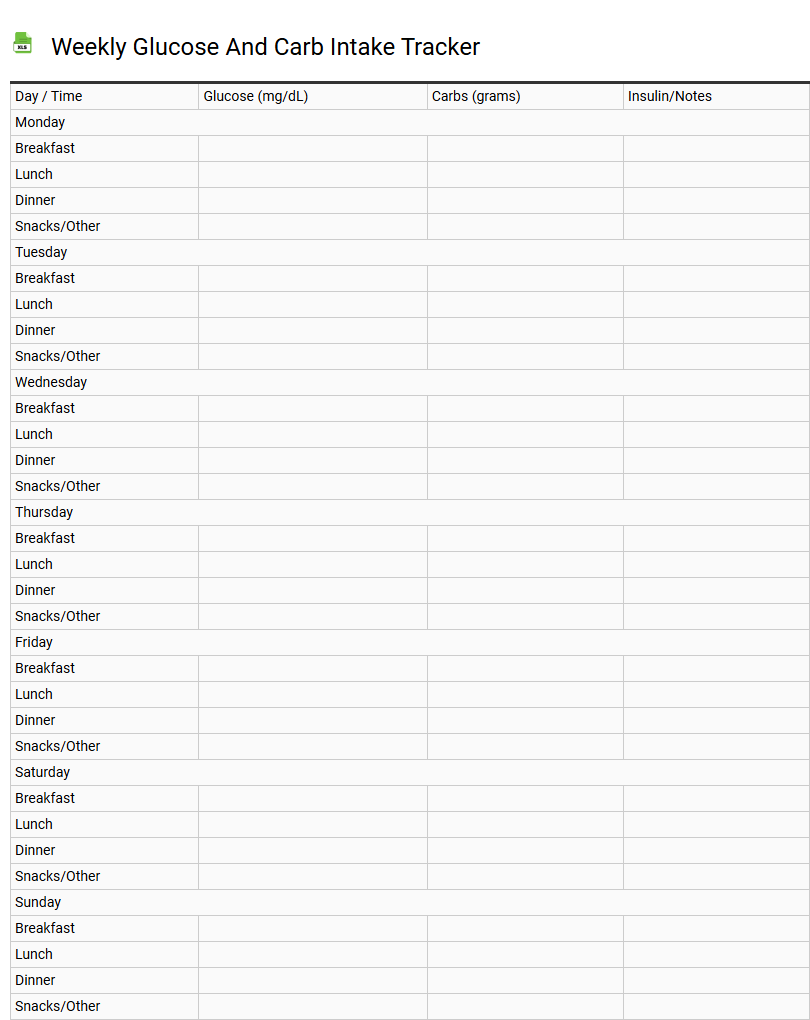
Weekly Glucose and Carb Intake Tracker
💾 Weekly Glucose and Carb Intake Tracker .xls
Utilizing a Weekly Glucose and Carb Intake Tracker is essential for effective diabetes management and metabolic health optimization. This structured logbook facilitates precise glycemic control by documenting daily blood sugar fluctuations alongside nutritional data. By recording fasting glucose levels and postprandial readings, users can identify critical patterns in their insulin sensitivity. Integrating carb counting into this template allows for the careful monitoring of net carbs and dietary fiber, which are vital for stabilizing energy levels and preventing spikes. Consistent tracking of meal timing and macronutrient distribution provides actionable insights into glycemic variability. These data-driven trends empower individuals to refine their meal planning, support weight management, and offer healthcare providers an accurate clinical snapshot. Leveraging a digital spreadsheet or printable tracker ensures proactive health monitoring and long-term wellness through disciplined blood sugar monitoring and dietary accountability.
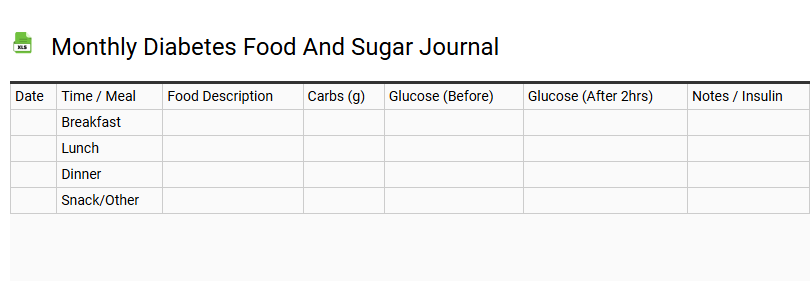
Monthly Diabetes Food and Sugar Journal
💾 Monthly Diabetes Food and Sugar Journal .xls
Effective management of metabolic health relies on consistent data. A monthly diabetes food and sugar journal provides a structured framework for achieving optimal glycemic control. By maintaining detailed nutrition logs, individuals can correlate carbohydrate counting with fluctuations in blood glucose levels. This comprehensive template simplifies the tracking of fasting glucose and postprandial readings, offering insights into personal insulin sensitivity. Identifying dietary patterns through diligent meal tracking helps prevent unexpected glucose spikes and supports improved HbA1c outcomes over time. This health monitoring tool serves as a vital resource for clinical discussions, allowing for precise adjustments to treatment plans. Utilizing a dedicated log fosters proactive chronic condition management, empowering users to understand how specific foods and lifestyle choices impact their long-term wellness and stability.
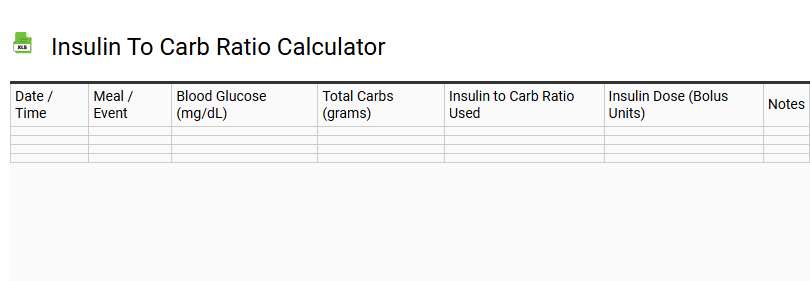
Insulin to Carb Ratio Calculator
💾 Insulin to Carb Ratio Calculator .xls
An Insulin to Carb Ratio (ICR) represents the specific number of carbohydrate grams covered by one unit of rapid-acting insulin. This calculation is a fundamental component of intensive diabetes management, allowing for precise mealtime dosing tailored to individual nutritional intake.
To determine an appropriate starting ratio, clinicians often utilize the 500 Rule. This involves dividing 500 by the total daily dose of insulin. This tool streamlines the process by:
- Estimating how much insulin is required for a specific meal.
- Helping maintain stable blood glucose levels post-consumption.
- Adjusting for varying carbohydrate amounts throughout the day.
While this calculator provides a data-driven starting point, personal factors such as physical activity, stress, and hormonal changes also influence insulin requirements. Always verify your calculated ratios with a healthcare provider before making adjustments to your medical regimen.
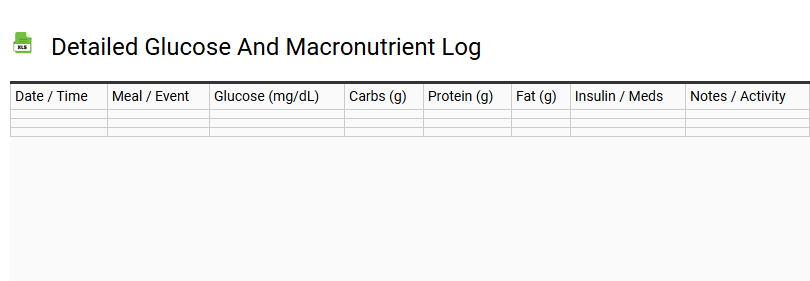
Detailed Glucose and Macronutrient Log
💾 Detailed Glucose and Macronutrient Log .xls
This Detailed Glucose and Macronutrient Log serves as a comprehensive tool for monitoring metabolic health and optimizing blood sugar regulation. By recording daily carbohydrate counting, protein intake, and healthy fats, users can identify direct correlations between nutritional density and glycemic variability.
Effective management requires tracking key metrics to improve insulin sensitivity and maintain stable postprandial glucose levels. This template facilitates data-driven decisions for diabetes management or athletic performance by focusing on:
- Caloric distribution across macronutrients to prevent energy crashes.
- Correlation between dietary fiber intake and glucose spikes.
- Monitoring fasting blood sugar and HbA1c trends over time.
- Identifying how specific food groups impact ketosis or glycemic load.
Utilizing this structured log empowers individuals to fine-tune their dietary patterns, ensuring better biometric feedback and long-term wellness goals through precise nutrient tracking and physiological observation.
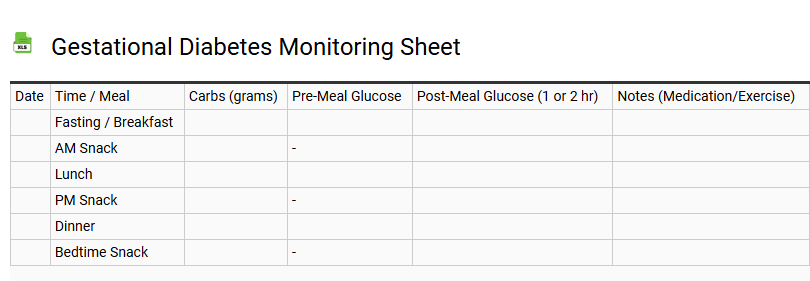
Gestational Diabetes Monitoring Sheet
💾 Gestational Diabetes Monitoring Sheet .xls
A comprehensive gestational diabetes monitoring sheet serves as a vital tool for maintaining optimal glycemic control throughout pregnancy. By utilizing a structured blood sugar tracking log, expectant mothers can accurately record fasting glucose levels and postprandial readings. This specialized prenatal care template facilitates the observation of insulin sensitivity and the impact of carbohydrate intake on daily metabolism.
Consistent blood glucose monitoring assists healthcare providers in refining dietary management plans and evaluating glucose tolerance. Integrating variables such as physical activity, ketone testing, and maternal wellness metrics ensures a holistic approach to pregnancy health. Efficient data collection through a dedicated monitoring log empowers patients to manage hyperglycemia risks, supporting a healthy delivery and promoting long-term metabolic wellness for both mother and child.
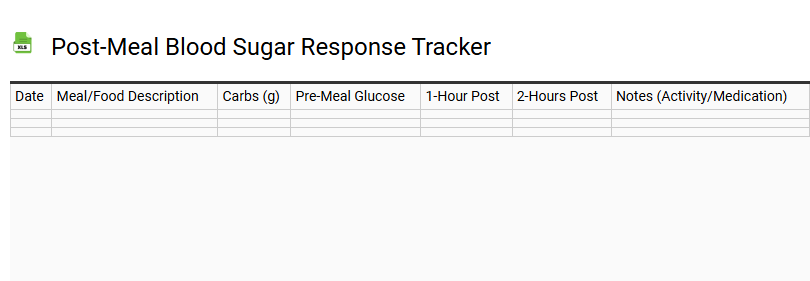
Post-Meal Blood Sugar Response Tracker
💾 Post-Meal Blood Sugar Response Tracker .xls
A post-meal blood sugar response tracker serves as a vital tool for understanding how specific foods influence your glucose stability. By documenting readings before and after eating, you can pinpoint which ingredients cause rapid spikes or sustained energy levels.
To maximize the utility of this log, ensure you record the following details for every entry:
- Baseline Level: Your glucose measurement immediately before the first bite.
- Meal Composition: A breakdown of carbohydrates, proteins, and fats consumed.
- Post-Prandial Timing: Readings taken precisely one and two hours after eating.
- Physical Activity: Any movement or exercise performed shortly after the meal.
Consistently monitoring these patterns helps refine your dietary choices and provides actionable data for healthcare consultations. This systematic approach reveals your body's unique metabolic responses, supporting long-term wellness and balanced energy throughout the day.
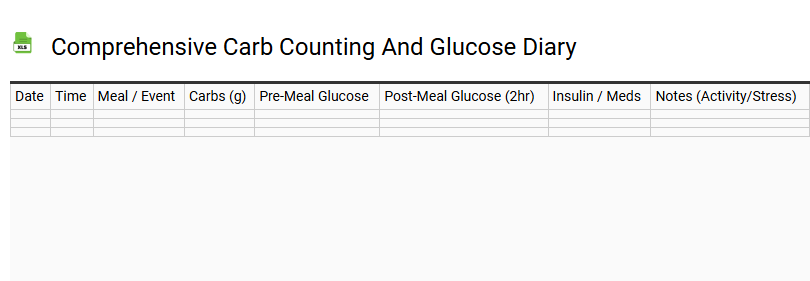
Comprehensive Carb Counting and Glucose Diary
💾 Comprehensive Carb Counting and Glucose Diary .xls
Maintaining optimal glycemic control requires a meticulous approach to monitoring dietary intake and physiological responses. This comprehensive carb counting and glucose diary template serves as a vital tool for tracking macronutrient consumption alongside fluctuating blood sugar levels. By documenting net carbs, dietary fiber, and the glycemic index of meals, individuals can better understand their insulin sensitivity and glucose variability.
The log facilitates the precise recording of postprandial glucose readings and bolus insulin dosages, helping to refine insulin-to-carb ratios. Consistent diabetes management through this digital logbook supports informed clinical decisions and personalized meal planning. Use this tracking system to minimize hyperglycemia, prevent hypoglycemic episodes, and improve overall metabolic health. Integrating nutritional data with daily glucose monitoring empowers users to achieve tighter endocrine regulation through evidence-based lifestyle adjustments and rigorous health documentation.
Type 2 Diabetes Nutrition and Sugar Log
💾 Type 2 Diabetes Nutrition and Sugar Log .xls
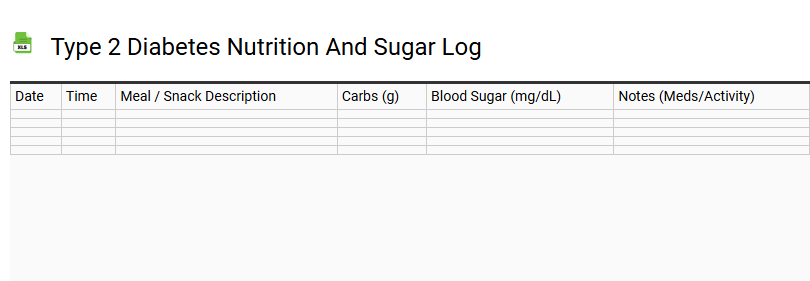
Effective management of type 2 diabetes necessitates a comprehensive approach to monitoring metabolic health. Utilizing a structured nutrition and sugar log allows individuals to track blood glucose levels, carbohydrate counting, and glycemic index impacts on daily stability. This template focuses on recording fasting blood sugar and postprandial readings to identify patterns in insulin sensitivity and glucose fluctuations.
By documenting macronutrients, specifically fiber intake and net carbs, patients can optimize diabetic meal planning. Detailed logging of food triggers and physical activity helps correlate lifestyle choices with HbA1c trends. Consistent data entry serves as a vital communication tool for healthcare providers to refine medication dosages and nutritional interventions, ultimately reducing the risk of long-term complications through precise glycemic control and informed dietary adjustments.
Simplified Daily Glucose and Meal Tracker
💾 Simplified Daily Glucose and Meal Tracker .xls
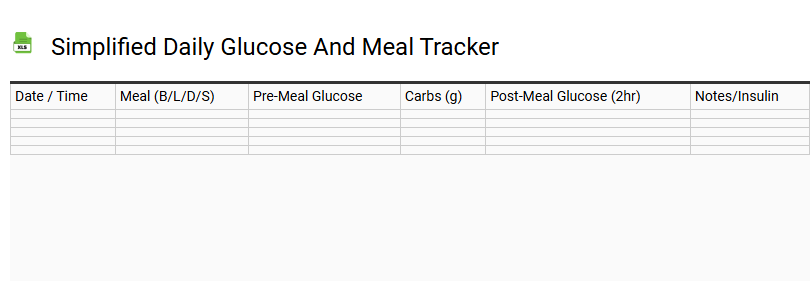
Utilizing a simplified daily glucose and meal tracker is essential for proactive diabetes management and maintaining metabolic health. This streamlined template facilitates precise glucose monitoring by documenting blood sugar levels in direct correlation with carbohydrate intake and specific food choices. By recording fasting glucose and postprandial readings, users gain critical insights into their unique glycemic response and insulin sensitivity.
This digital logbook functions as a comprehensive tool for health monitoring, allowing for efficient nutritional tracking and identifying patterns that influence energy levels. Consistent data entry helps stabilize blood glucose fluctuations and supports informed lifestyle adjustments. Implementing this metabolic data record ensures a detailed history for medical consultations, fostering better long-term wellness through disciplined nutritional logging and blood sugar oversight.
Advanced Glycemic Load and Blood Sugar Spreadsheet
💾 Advanced Glycemic Load and Blood Sugar Spreadsheet .xls
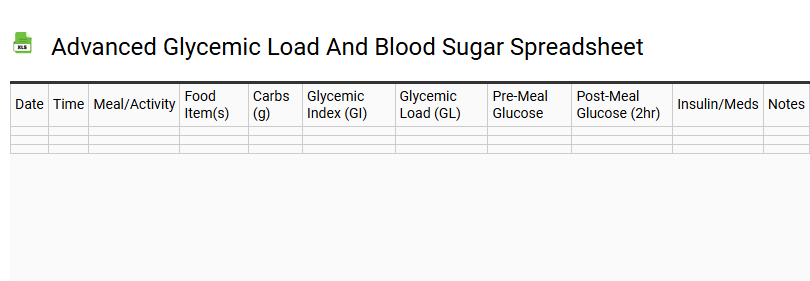
This Advanced Glycemic Load and Blood Sugar Spreadsheet is a sophisticated tool designed for precise metabolic health tracking and postprandial glucose management. By integrating a comprehensive Glycemic Index (GI) database with automated carb counting, users can evaluate the total Glycemic Load (GL) of every meal to better predict insulin response.
The template facilitates rigorous blood sugar monitoring, allowing for the identification of glucose spikes and the impact of dietary fiber on net carbs. Key features include:
- Daily blood glucose logging and trend visualization.
- Calculations for insulin sensitivity and macronutrient ratios.
- Data-driven insights for diabetes management and metabolic flexibility.
Optimizing nutritional intake through this digital logbook supports long-term homeostasis, helping users prevent hyperglycemia and maintain stable energy levels through science-backed glucose management strategies.
Continuous Glucose Monitoring Data Template
💾 Continuous Glucose Monitoring Data Template .xls
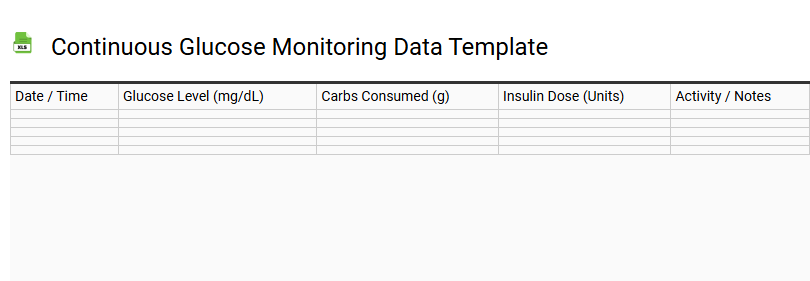
A comprehensive Continuous Glucose Monitoring (CGM) data template streamlines diabetes management by capturing real-time glucose fluctuations. This digital framework tracks interstitial fluid readings, enabling precise analysis of Time in Range (TIR) and glycemic variability. Users can document insulin dosages, carbohydrate intake, and physical activity alongside automated sensor trends.
By identifying patterns of nocturnal hypoglycemia or postprandial hyperglycemia, the template facilitates data-driven adjustments to therapy. Key metrics like the Glucose Management Indicator (GMI) and mean glucose levels provide a holistic view of metabolic health. Integrating these structured datasets into clinical workflows enhances patient-provider communication, optimizing glycemic control through visual trend graphs and Ambulatory Glucose Profiles (AGP). This systematic approach simplifies complex biometric data into actionable insights for improved long-term health outcomes and effective diabetes self-management.
Food Diary with Glucose and Insulin Tracking
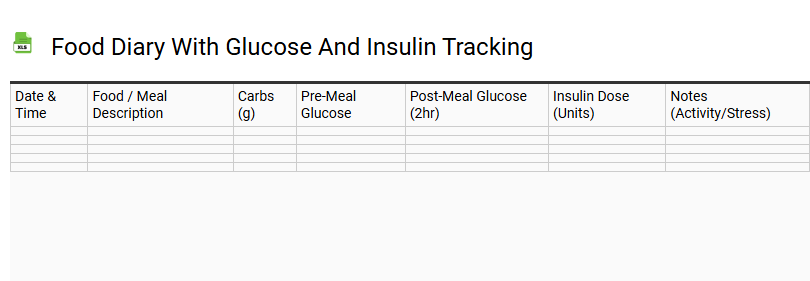
💾 Food Diary with Glucose and Insulin Tracking .xls
Utilizing a food diary with glucose and insulin tracking is essential for effective diabetes management and achieving optimal glycemic control. This comprehensive template allows users to document daily nutritional intake alongside real-time blood sugar levels, fostering a deeper understanding of their glycemic response. By integrating carbohydrate counting with bolus insulin doses, individuals can identify how specific food groups and the glycemic index influence postprandial glucose fluctuations.
Consistent meal logging provides actionable data to refine insulin sensitivity ratios and prevent episodes of hyperglycemia or hypoglycemia. This structured approach to monitoring metabolic health is vital for both type 1 and type 2 diabetes care. By tracking the correlation between dietary habits and insulin requirements, users empower themselves with the insights needed for better long-term health outcomes and more informed clinical consultations.
Low-Carb Diet and Blood Sugar Log
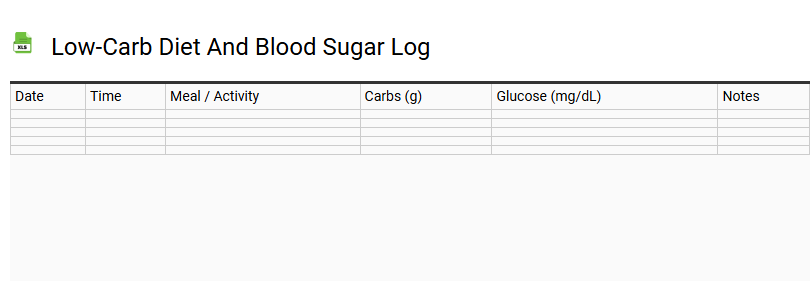
💾 Low-Carb Diet and Blood Sugar Log .xls
Utilizing a structured low-carb diet and blood sugar log is essential for achieving precise glycemic control and improving metabolic health. This comprehensive template facilitates the simultaneous tracking of carbohydrate intake and real-time glucose monitoring. By documenting daily meals alongside blood glucose levels, individuals can accurately identify patterns influencing insulin sensitivity and long-term diabetes management.
Consistent data entry is particularly beneficial for those maintaining nutritional ketosis or a ketogenic lifestyle. Monitoring macronutrients and post-prandial readings helps stabilize energy fluctuations and improve HbA1c outcomes. This dual-purpose log serves as a vital tool for correlating specific dietary choices with physiological responses, ensuring sustained glycemic stability through informed nutritional adjustments. Leveraging this data empowers users to refine their health strategy, fostering a proactive approach to wellness and blood sugar regulation.
Annual Blood Glucose and Carb Trend Analysis
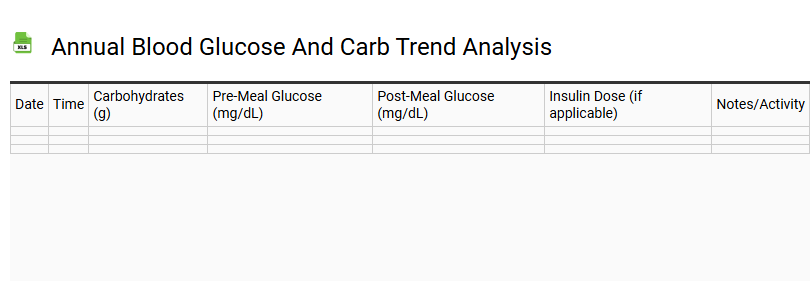
💾 Annual Blood Glucose and Carb Trend Analysis .xls
This comprehensive template facilitates long-term glycemic control by synthesizing twelve months of blood sugar data with carbohydrate intake metrics. Designed for effective diabetes management, the framework identifies glucose variability and pinpoints postprandial spikes relative to specific dietary patterns. By tracking longitudinal data, users can visualize the correlation between macronutrient tracking and metabolic health, offering healthcare providers actionable insights into A1c levels and fasting glucose stability.
The analysis highlights shifts in insulin sensitivity, allowing for precise adjustments to lifestyle interventions. Monitoring these blood glucose trends helps distinguish between temporary fluctuations and persistent glycemic stability issues. This data-driven approach simplifies metabolic monitoring, ensuring that nutritional choices align with long-term wellness goals through structured carb counting and rigorous blood sugar monitoring.
Utilizing a comprehensive carbohydrate counting and glucose journal is vital for maintaining optimal glycemic control. Recording daily data helps manage:
- Insulin sensitivity and metabolic response.
- Postprandial glucose fluctuations.
- Precise nutritional tracking and meal planning.
Implementing a consistent diabetic logbook routine empowers individuals to refine dietary choices and stabilize health patterns. Start using this structured template today for proactive blood sugar monitoring and long-term wellness.