
Daily Symptom Tracker Template for Chronic Illness Management
Effectively managing long-term health requires a structured template for a Chronic Illness Symptom Log. This essential medical diary helps patients monitor daily flare-ups, pain intensity, and medication side effects with precision. By documenting health trends and environmental triggers within a comprehensive tracking system, you enhance communication with healthcare providers and streamline diagnostic processes. Maintaining detailed patient records is vital for identifying patterns in chronic conditions and optimizing your personalized wellness strategy. Please check the already made variation of templates below.
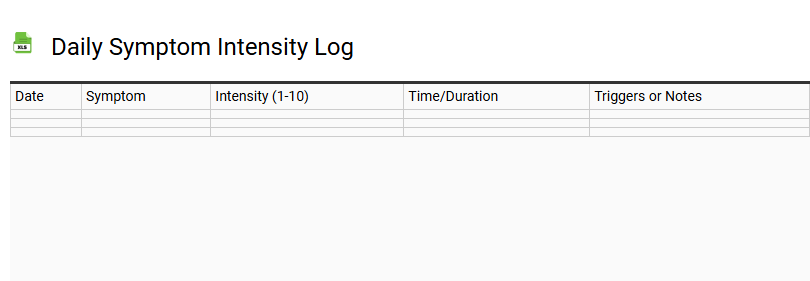
Daily Symptom Intensity Log
💾 Daily Symptom Intensity Log .xls
A daily symptom intensity log serves as a vital tool for proactive health monitoring and chronic condition management. By documenting your subjective experiences through a structured severity scale, you capture essential data for pattern recognition. This template facilitates the systematic tracking of symptom frequency, duration, and potential triggers, creating a comprehensive health record for your healthcare provider.
Consistent data collection using a numerical rating scale empowers patients to provide an accurate medical history during clinical consultations. Utilizing this wellness journal helps identify environmental influences or lifestyle factors affecting your physical state. Whether managing chronic pain or tracking recovery progress, this diagnostic log ensures precise communication with medical professionals, leading to optimized treatment plans and improved health outcomes through evidence-based patient self-reporting and longitudinal data analysis.
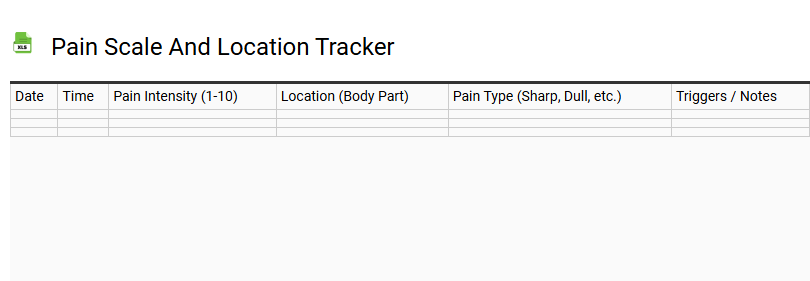
Pain Scale and Location Tracker
💾 Pain Scale and Location Tracker .xls
A pain scale and location tracker is a specialized clinical instrument designed for precise symptom documentation and chronic pain management. By utilizing a numerical rating scale or visual analog scale, patients can quantify intensity levels ranging from mild discomfort to severe agony. The integrated body map allows for pinpointing specific anatomical landmarks, distinguishing between localized aches and radiating sensations.
This diagnostic tool facilitates better communication with healthcare providers by providing a structured medical history of flare-ups and potential triggers. Consistent symptom logging helps track rehabilitation progress and evaluate treatment efficacy over time. Whether monitoring musculoskeletal stiffness or neuropathic stabs, this discomfort monitoring system identifies patterns essential for refining personalized care plans. Utilizing such a comprehensive daily log ensures that critical data regarding physical sensations is accurately captured for clinical assessment and long-term health tracking.
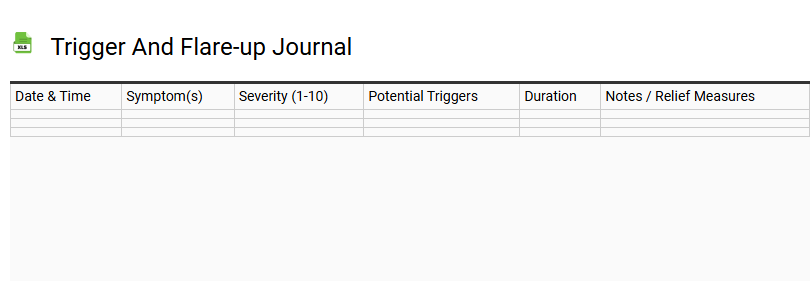
Trigger and Flare-up Journal
💾 Trigger and Flare-up Journal .xls
A trigger and flare-up journal serves as a vital diagnostic tool for individuals managing chronic illness and autoimmune conditions. By systematically tracking symptom severity, 10 daily pain levels, and physical manifestations, users can identify environmental, dietary, or stress-related catalysts. This structured template facilitates the recording of lifestyle factors such as sleep hygiene, nutritional intake, and medication efficacy.
Utilizing a consistent health diary empowers patients to uncover hidden correlations between inflammatory responses and external variables like weather changes or allergens. This medical data is essential for collaborative care with healthcare providers, enabling more accurate diagnoses and personalized treatment adjustments. Whether managing fibromyalgia, migraines, or digestive issues, maintaining a detailed flare-up log promotes proactive symptom management, minimizes diagnostic delays, and enhances long-term wellness through data-driven insights into one's unique physiological patterns.
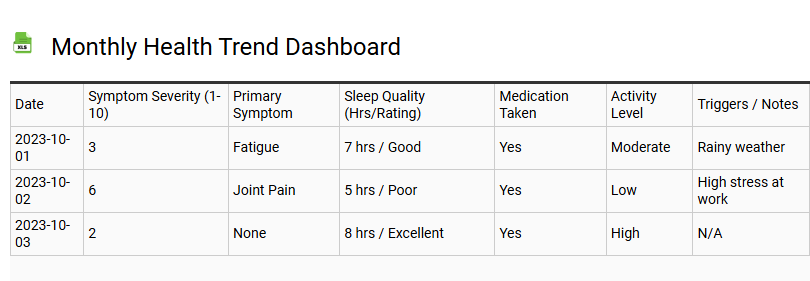
Monthly Health Trend Dashboard
💾 Monthly Health Trend Dashboard .xls
The Monthly Health Trend Dashboard serves as a comprehensive tool for visualizing personal wellness data over time. This template organizes complex biological and behavioral metrics into a clear, accessible format, allowing for the identification of significant patterns in physical activity, sleep quality, and nutritional consistency.
- Data Integration: Consolidate daily logs into a unified monthly view to observe long-term progress.
- Pattern Recognition: Highlight correlations between lifestyle choices and physiological outcomes, such as the relationship between rest and recovery.
- Goal Assessment: Compare current performance against established benchmarks to ensure consistent movement toward wellness objectives.
By transforming raw data into structured insights, this dashboard empowers individuals to make informed adjustments to their daily routines. It provides a reliable framework for maintaining accountability and fostering sustainable health improvements through objective, data-driven analysis.
Fatigue and Sleep Quality Record
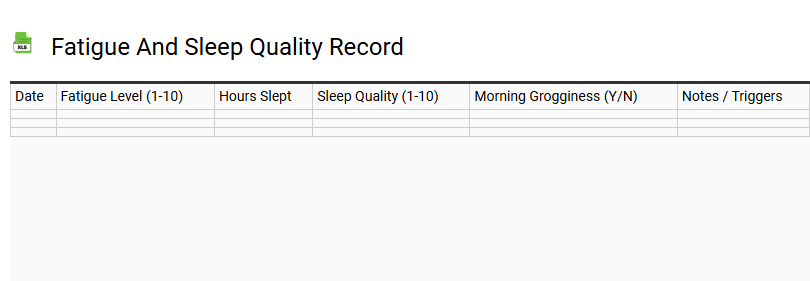
💾 Fatigue and Sleep Quality Record .xls
A fatigue and sleep quality record serves as a vital diagnostic tool for monitoring personal circadian rhythm stability and sleep hygiene. By systematically documenting sleep duration, sleep latency, and the perceived restorative nature of rest, individuals can pinpoint triggers for daytime sleepiness and chronic exhaustion.
This structured template facilitates the tracking of key metrics, including:
- REM cycle consistency and deep sleep stages.
- Energy levels and cognitive function throughout the day.
- Potential sleep fragmentation and nighttime awakenings.
- Impact of lifestyle habits on melatonin production and mood regulation.
Consistent data entry in a sleep log empowers users to optimize their bedtime routine, minimize insomnia symptoms, and enhance overall recuperation. Monitoring these physiological markers is essential for burnout prevention and maintaining peak physical vitality through evidence-based lifestyle adjustments.
Medication Side Effect Monitor
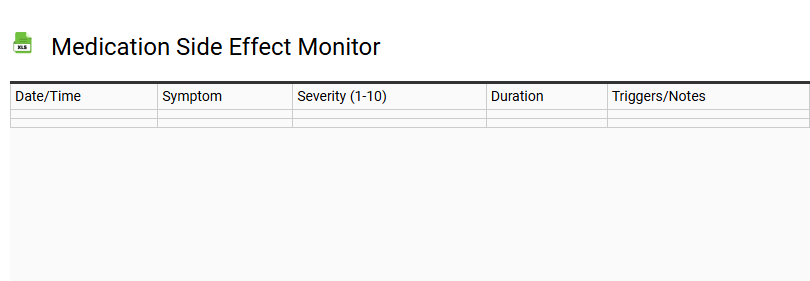
💾 Medication Side Effect Monitor .xls
A medication side effect monitor is an essential tool for maintaining pharmacological safety and tracking adverse reactions. This template facilitates structured health tracking by documenting symptom onset, severity, and duration in relation to specific dosage management protocols.
By utilizing comprehensive clinical logs, patients can identify potential drug interactions and contraindications early. Key benefits of this monitoring system include:
- Enhanced patient safety through precise symptom tracking.
- Improved medication adherence by identifying manageable adverse effects.
- Actionable pharmaceutical data for healthcare provider consultations.
- Detailed medication diary entries to distinguish between therapeutic outcomes and toxicity.
Implementing a robust pharmacovigilance strategy at home ensures that any physiological changes are recorded, optimizing the efficacy of your treatment regimen and long-term wellness.
Food Sensitivity and Symptom Log
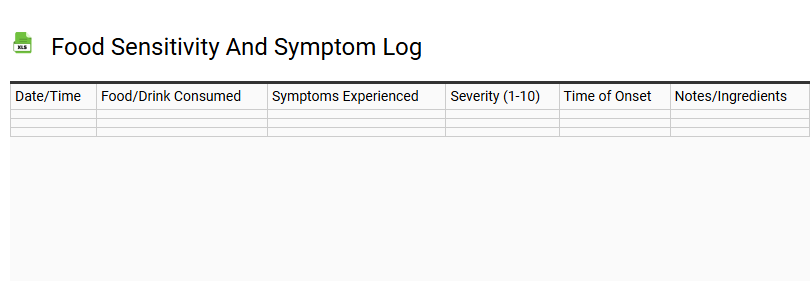
💾 Food Sensitivity and Symptom Log .xls
A comprehensive food sensitivity and symptom log serves as a vital diagnostic tool for identifying trigger foods and managing digestive health. By consistently documenting dietary habits alongside physical reactions, users can pinpoint specific food intolerances and chronic inflammatory responses. This systematic elimination diet resource tracks meals, snacks, and beverage intake, correlating them with gastrointestinal symptoms like bloating, skin irritation, or fatigue.
Utilizing a structured nutrition diary helps reveal hidden sensitivity patterns, enabling individuals to refine their gut health through data-driven choices. Key components often include:
- Meal timing and specific ingredients.
- Severity of allergic reactions or discomfort.
- Hydration levels and stress factors.
Maintaining a detailed food journal empowers proactive management of wellness goals, facilitating better communication with healthcare providers regarding your unique biochemical individuality and nutritional needs.
Weather and Joint Pain Tracker
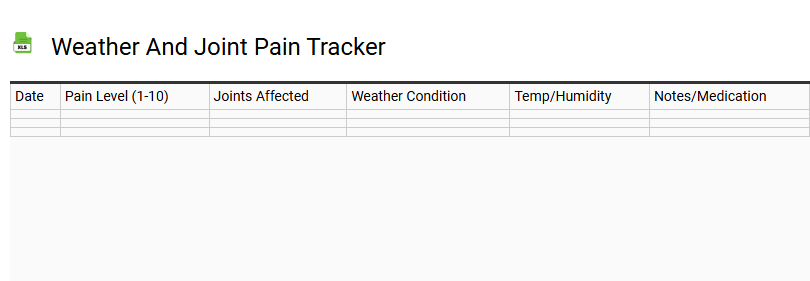
💾 Weather and Joint Pain Tracker .xls
Mental Health and Mood Correlation Sheet
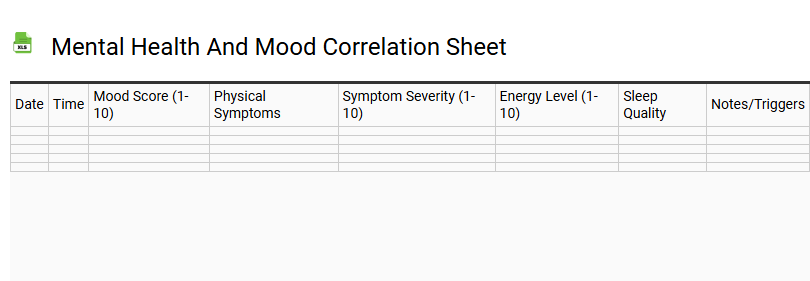
💾 Mental Health and Mood Correlation Sheet .xls
A Mental Health and Mood Correlation Sheet serves as a vital diagnostic tool for tracking emotional well-being and identifying underlying psychological patterns. By logging daily mood fluctuations alongside environmental triggers, sleep quality, and dietary habits, individuals can uncover specific behavioral health trends. This structured mood journal facilitates symptom monitoring, providing actionable wellness data for cognitive behavioral therapy (CBT) or clinical assessments.
Utilizing this template helps recognize the direct relationship between daily stressors and mental clarity. Key benefits include:
- Identifying specific emotional triggers and stressors.
- Enhancing mindfulness through consistent self-reflection.
- Supporting evidence-based interventions for anxiety or depression.
- Optimizing therapeutic outcomes through precise data documentation.
This systematic approach empowers users to bridge the gap between subjective feelings and objective psychological trends, fostering long-term emotional resilience and improved self-care strategies.
Vital Signs and Chronic Condition Log
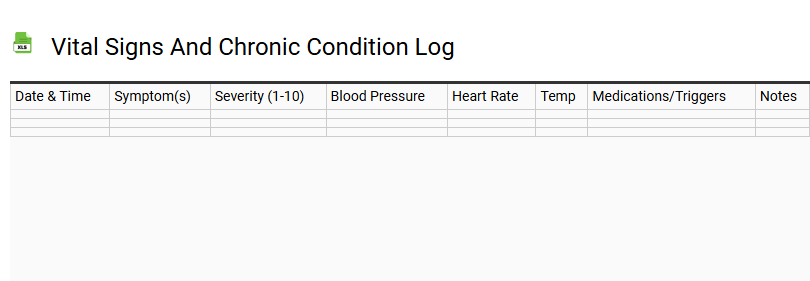
💾 Vital Signs and Chronic Condition Log .xls
A Vital Signs and Chronic Condition Log serves as a comprehensive tool for systematic health monitoring and wellness management. By capturing essential physiological data, patients can maintain accurate records of blood pressure, heart rate, and oxygen saturation. This structured symptom tracking template facilitates the documentation of medical history, ensuring that biometric data like glucose levels and body temperature are readily available for any healthcare provider.
Utilizing a digital or physical log enhances long-term health outcomes by identifying trends in respiratory rate and pain scales. Detailed patient documentation supports treatment efficacy assessments and clinical decision-making. Consistent logging of chronic conditions empowers individuals to manage their recovery and daily stability through precise health data analytics and diagnostic insights, bridging the gap between home care and professional medical evaluation.
Physical Therapy Progress Tracker
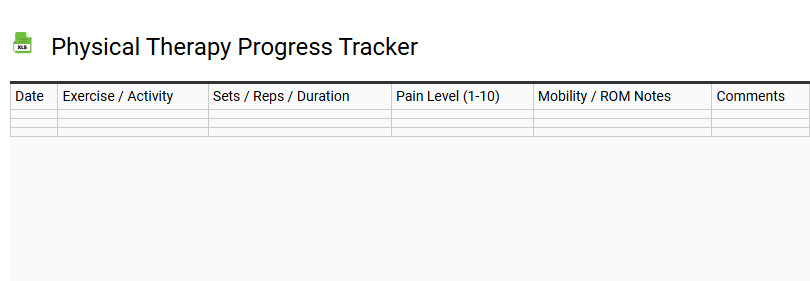
💾 Physical Therapy Progress Tracker .xls
A comprehensive Physical Therapy Progress Tracker serves as a vital tool for monitoring recovery milestones and documenting clinical outcomes. This template enables patients and clinicians to systematically log range of motion (ROM), functional mobility, and daily pain levels to ensure orthopedic recovery stays on trajectory.
By focusing on exercise adherence within a home exercise program (HEP), users can visualize strength gains and track patient assessment data over time. Key features often include:
- Objective therapeutic goals tracking.
- Health data visualization for rehabilitation trends.
- Detailed treatment plan adjustments based on biomechanical feedback.
Utilizing this structured approach optimizes musculoskeletal health and ensures every session contributes to restored functional capacity and long-term wellness.
Menstrual Cycle and Symptom Correlation
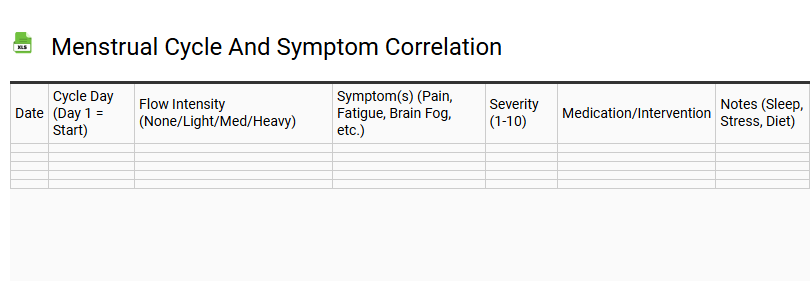
💾 Menstrual Cycle and Symptom Correlation .xls
A comprehensive menstrual cycle and symptom correlation template facilitates precise monitoring of reproductive health. By documenting daily physical changes and mood fluctuations, users can identify significant wellness patterns linked to the follicular phase, ovulation, and the luteal phase. Tracking estrogen and progesterone shifts clarifies the relationship between hormonal fluctuations and common PMS symptoms, such as fatigue, skin changes, or bloating.
Analyzing period duration alongside flow intensity and basal body temperature provides actionable biological data. This structured data logging approach helps uncover hormonal imbalances and improves fertility awareness. Utilizing a consistent period tracker framework ensures that cyclic trends are documented, empowering individuals to manage menstrual health conditions with evidence-based insights derived from their unique menstrual history and physiological markers throughout the entire ovulatory cycle.
Allergy and Environmental Trigger Log
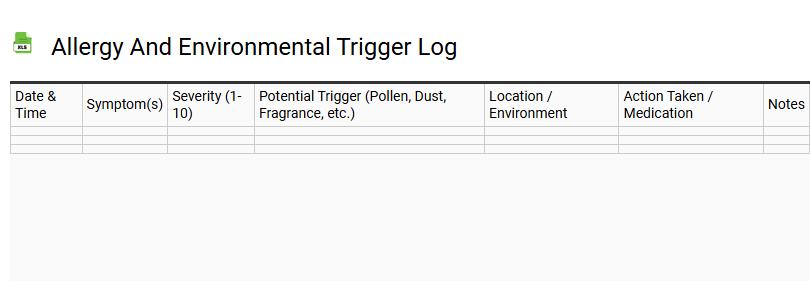
💾 Allergy and Environmental Trigger Log .xls
An effective allergy and environmental trigger log serves as a critical diagnostic resource for tracking histamine responses and identifying specific allergens. By systematically documenting allergen exposure-such as pollen counts, dust mites, and pet dander-individuals can correlate seasonal flare-ups with specific environmental triggers. This symptom diary monitors respiratory distress, dermatitis, and inflammatory markers against fluctuations in air quality or reactive substances.
Maintaining a structured record assists immunologists during a skin prick test or IgE blood analysis to establish clinical patterns. Utilizing this template helps isolate asthma triggers and cross-reactivity issues, facilitating targeted symptomatic relief. Consistent data entry regarding mold spores and volatile organic compounds (VOCs) ensures a more precise hypoallergenic lifestyle and proactive preventative care strategy for long-term wellness.
Gastrointestinal Symptom Diary
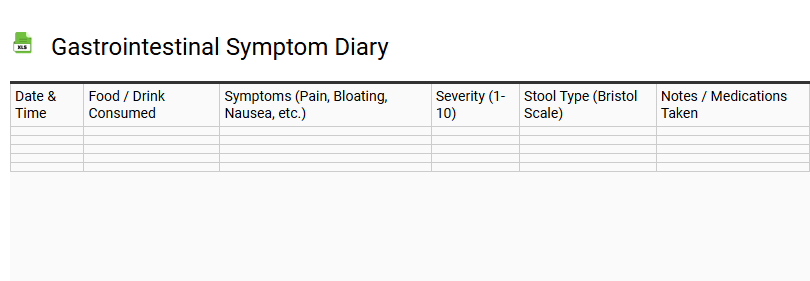
💾 Gastrointestinal Symptom Diary .xls
A gastrointestinal symptom diary serves as a vital diagnostic tool for monitoring digestive health and identifying specific food triggers. By maintaining a structured log, individuals can track abdominal pain, bloating, and bowel habits using the Bristol Stool Scale. This systematic approach is essential for managing conditions like irritable bowel syndrome (IBS), acid reflux, and inflammatory bowel disease (IBD).
- Nutrition Tracking: Document daily meals, fiber intake, and hydration levels.
- Symptom Severity: Record the intensity of gas, nausea, or cramping.
- Stool Consistency: Monitor frequency and type to assess gut motility.
- Lifestyle Factors: Note stress levels and physical activity impacting the gut-brain axis.
Utilizing this template facilitates productive physician consultations, allowing gastroenterologists to pinpoint patterns, recognize flare-ups, and refine treatment plans for optimal gut microbiome balance and long-term wellness.
Neurological Symptom Frequency Map
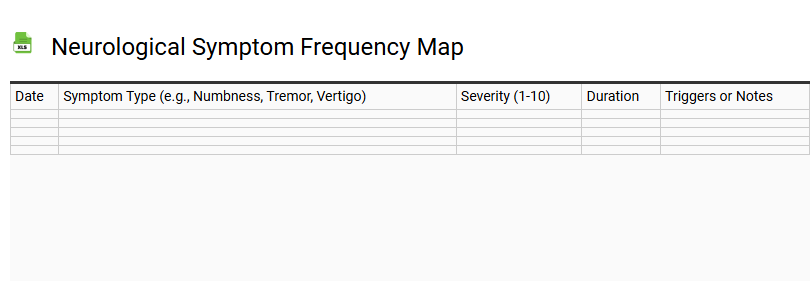
💾 Neurological Symptom Frequency Map .xls
This Neurological Symptom Frequency Map serves as a sophisticated framework for systematic symptom tracking and longitudinal patient monitoring. By documenting the recurrence and intensity of sensory deficits, motor impairments, and cognitive fluctuations, healthcare providers can identify critical patterns in disease progression. This template enhances clinical documentation by organizing complex health data into a clear frequency analysis, facilitating more accurate neurological assessments.
Utilizing this diagnostic tool allows for the identification of subtle shifts in neuro-function, which is essential for managing conditions like neuropathy or chronic neurodegenerative disorders. The structured layout ensures that episodic symptoms are correlated with temporal data, improving the diagnostic pathway and informing personalized treatment adjustments. Ultimately, this map optimizes health data visualization, fostering better communication between clinicians and patients while streamlining the evaluation of therapeutic outcomes.
Brain Fog and Cognitive Function Log
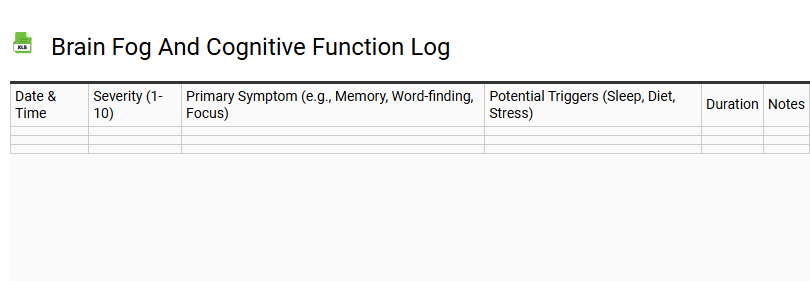
💾 Brain Fog and Cognitive Function Log .xls
A Brain Fog and Cognitive Function Log serves as a vital diagnostic tool for monitoring mental clarity and daily cognitive performance. By systematically tracking fluctuations in executive function and memory recall, users can identify specific triggers such as dietary sensitivities, poor sleep hygiene, or systemic neuro-inflammation. This comprehensive symptoms tracking approach illuminates the patterns behind mental fatigue and diminished focus and concentration. Maintaining a daily log empowers individuals to optimize their brain health and support neuroplasticity through data-driven lifestyle adjustments. Analyzing these metrics helps bridge the gap between environmental stressors and cognitive health, providing actionable insights for restoring peak mental sharpness and sustaining long-term neurological wellness. Using this template facilitates a structured overview of mental energy levels, ensuring more productive consultations with healthcare providers regarding neurological well-being.
Activity Level and Energy Expenditure Tracker
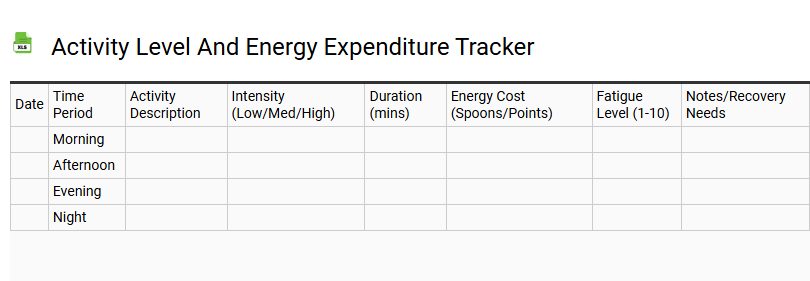
💾 Activity Level and Energy Expenditure Tracker .xls
This comprehensive Activity Level and Energy Expenditure Tracker is designed to monitor your Total Daily Energy Expenditure (TDEE) by calculating the synergy between your Basal Metabolic Rate (BMR) and physical movement. By utilizing precise metabolic equivalents (METs), this template allows users to categorize their lifestyle-ranging from sedentary to highly active-to determine exact caloric burn.
Optimizing your energy balance is essential for achieving a calorie deficit or maintaining weight. This tool integrates key data points including:
- Non-Exercise Activity Thermogenesis (NEAT) for daily incidental movement.
- Thermic Effect of Food (TEF) during digestion.
- Planned physical activity and exercise intensity levels.
Tracking these variables ensures an accurate profile of your metabolic rate, helping you align macronutrient intake with your specific fitness goals and physiological needs for better health management.
Weekly Health Summary Report
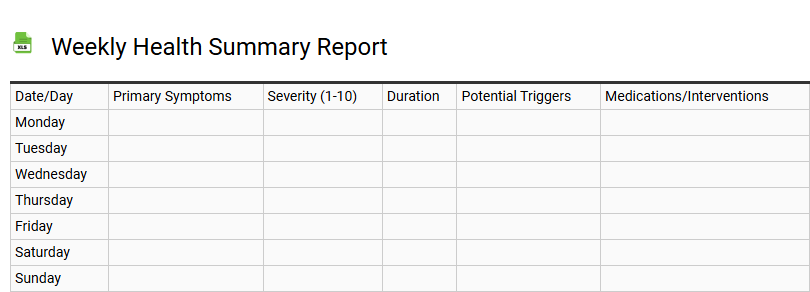
💾 Weekly Health Summary Report .xls
A weekly health summary report serves as a comprehensive wellness dashboard, consolidating critical biometric data into an actionable format. This template tracks essential physiological metrics such as resting heart rate, sleep cycles, and blood pressure to monitor long-term health trends. By integrating caloric intake with physical activity logs, users gain precise health insights into their metabolic balance and body mass index (BMI).
The layout prioritizes longitudinal data analysis, allowing for an efficient progress assessment against personal fitness goals. Featuring dedicated modules for hydration levels and macronutrient distribution, this digital log facilitates better medical oversight and proactive lifestyle adjustments. Utilizing this structured health monitoring tool ensures consistent wellness tracking, helping individuals identify patterns in physical performance and recovery for optimized preventative care and informed clinical consultations.
Doctor Visit and Symptom Discussion Guide
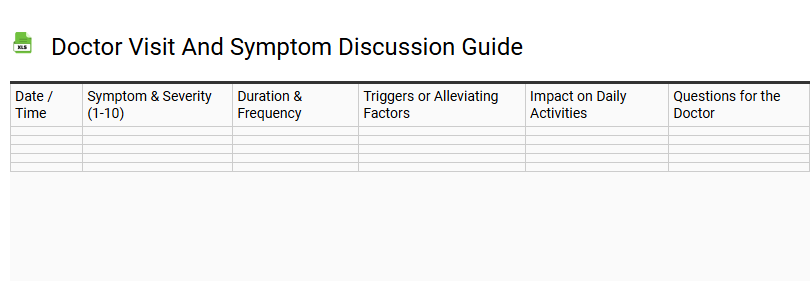
💾 Doctor Visit and Symptom Discussion Guide .xls
A Doctor Visit and Symptom Discussion Guide serves as a vital clinical tool to streamline patient-physician communication during a medical appointment. By documenting the onset, duration, and severity of specific health concerns, patients can provide an accurate medical history to their healthcare provider.
This structured approach facilitates a more precise diagnostic assessment and informs the subsequent treatment plan. Utilizing a symptom tracking log ensures that critical clinical indicators are not overlooked during the physical exam. Integrating details about current medications and prior diagnoses enhances the medical record's integrity.
Ultimately, these templates empower individuals to articulate their physiological experiences clearly, fostering shared decision-making and improving health outcomes. This resource bridges the gap between patient observations and professional healthcare intervention, ensuring every consultation is productive and evidence-based.
Chronic Pain Management Spreadsheet
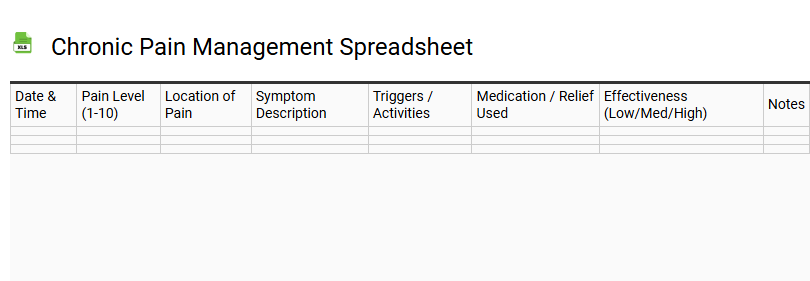
💾 Chronic Pain Management Spreadsheet .xls
A chronic pain management spreadsheet serves as a vital tool for tracking daily symptoms and identifying flare-up triggers. By utilizing a structured pain tracker, patients can record pain intensity on a numerical rating scale, alongside medication usage and physical therapy progress. This data-driven approach facilitates better communication with healthcare providers, allowing for more accurate diagnoses and personalized treatment plans. Incorporating variables like sleep quality, stress levels, and dietary habits into your health monitoring log helps pinpoint lifestyle factors influencing neuropathic or musculoskeletal discomfort. A comprehensive pain diary transforms subjective experiences into longitudinal data, empowering individuals to visualize trends and assess the efficacy of interventions. Whether managing fibromyalgia, arthritis, or chronic back pain, a digital log streamlines symptom management and supports holistic recovery strategies for an improved quality of life.
A comprehensive chronic illness symptom log is an essential tool for identifying health patterns and triggers. By consistently recording daily pain levels, medication efficacy, and lifestyle factors, patients empower their healthcare providers with actionable data. Utilizing a structured health journal template simplifies monitoring flare-ups and managing autoimmune conditions. Start tracking today to gain clarity over your wellness journey. This medical tracking resource ensures your symptoms are documented accurately for improved clinical outcomes and personalized care strategies.