
Chronic Migraine Frequency Log Template and Tracking Guide
Effective management of neurological health begins with precise documentation. Utilizing a Chronic Migraine Frequency Log allows individuals to meticulously track headache patterns, pain intensity, and specific triggers. By maintaining a detailed symptom tracker, you provide specialists with essential data for accurate diagnosis and personalized pain management strategies. Recording every episode helps identify environmental influences and lifestyle factors affecting migraine occurrences over time. Please check the already made variation of templates below.
Daily Migraine Severity Log
💾 Daily Migraine Severity Log .xls
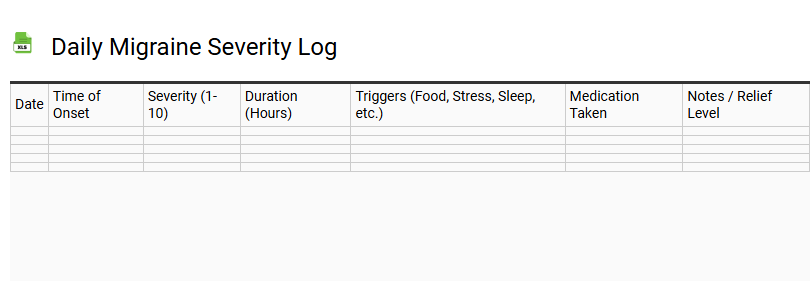
Utilizing a daily migraine severity log serves as a vital diagnostic instrument for tracking neurological health and headache patterns. This comprehensive symptom diary allows individuals to quantify pain intensity using a numerical scale, typically ranging from mild discomfort to debilitating agony. By documenting specific triggers, such as environmental stressors or dietary factors, patients can identify correlations with their migraine attacks.
An effective template captures essential data points including aura characteristics, photophobia, and nausea. Recording the timing of medication efficacy and the duration of the postdrome phase provides clinicians with actionable insights for personalized treatment plans. Consistent monitoring of headache frequency through this clinical tool empowers users to manage chronic pain effectively while facilitating clearer communication with healthcare providers during neurological consultations and follow-up appointments.
Monthly Headache Frequency Calendar
💾 Monthly Headache Frequency Calendar .xls
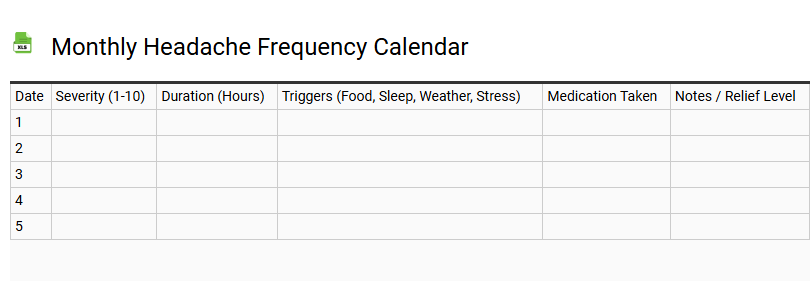
A monthly headache frequency calendar serves as a critical diagnostic instrument for documenting migraine patterns and chronic pain episodes. This structured logging template enables individuals to monitor pain intensity, symptom duration, and environmental triggers with precision. By systematically recording daily occurrences, users provide neurologists with actionable clinical data essential for refining diagnoses and tailoring personalized treatment protocols.
Tracking medication efficacy and identifying stressors helps manage tension-type headaches and episodic cluster cycles effectively. Utilizing a standardized health tracker facilitates the visualization of trends over a thirty-day period, uncovering hormonal influences or lifestyle correlations. Consistent documentation of neurological symptoms enhances long-term health outcomes through optimized preventative strategies. This comprehensive headache diary bridges the gap between subjective patient experience and medical analysis, ensuring a data-driven approach to neurological wellness and long-term symptom relief.
Migraine Trigger and Symptom Tracker
💾 Migraine Trigger and Symptom Tracker .xls
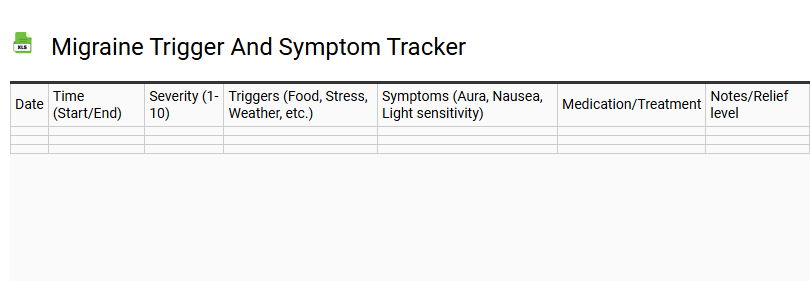
Utilizing a comprehensive migraine trigger and symptom tracker is essential for managing chronic neurological conditions. This digital headache diary enables patients to meticulously log pain intensity, duration, and frequency. By monitoring specific environmental triggers, such as weather changes or light sensitivity, users can identify significant health patterns through data-driven insights.
- Track aura symptoms, including visual disturbances and sensory changes.
- Document lifestyle factors like sleep hygiene, hydration, and dietary patterns.
- Record prodrome and postdrome phases to predict upcoming attacks.
- Analyze the correlation between stress levels, hormonal fluctuations, and episodes.
This template facilitates better communication with healthcare providers regarding medication efficacy and neurological health. Consistently capturing data on sound triggers and nausea helps refine personalized treatment plans for effective migraine prevention and relief. Maintaining this record assists in identifying chronic patterns for improved wellness outcomes.
Medication Impact and Relief Log
💾 Medication Impact and Relief Log .xls
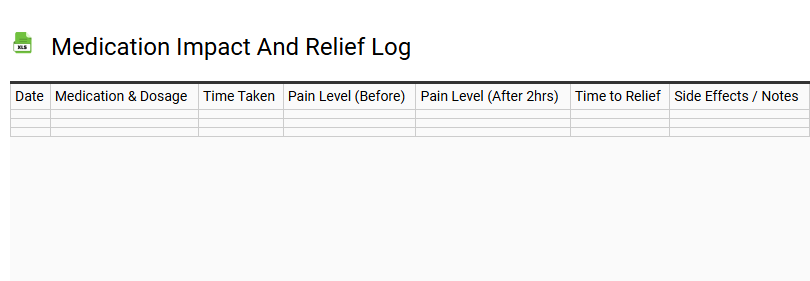
A comprehensive Medication Impact and Relief Log serves as a vital tool for meticulous symptom tracking and treatment adherence. This structured template facilitates the systematic documentation of dosage timing, pharmaceutical efficacy, and potential adverse reactions. By recording the precise correlation between drug administration and pain relief levels, patients provide healthcare providers with actionable clinical data.
Monitoring side effects alongside therapeutic outcomes ensures a holistic view of the patient health journey. Utilizing this log streamlines chronic condition management, allowing for data-driven adjustments to prescription protocols. Enhanced patient-physician communication results from capturing subtle shifts in wellness indicators and functional recovery. Maintaining a detailed health record empowers individuals to optimize their recovery trajectory while minimizing risks associated with polypharmacy. This granular approach to medication monitoring transforms subjective experiences into objective medical insights for improved prognosis management.
Pain Intensity Mapping Sheet
💾 Pain Intensity Mapping Sheet .xls
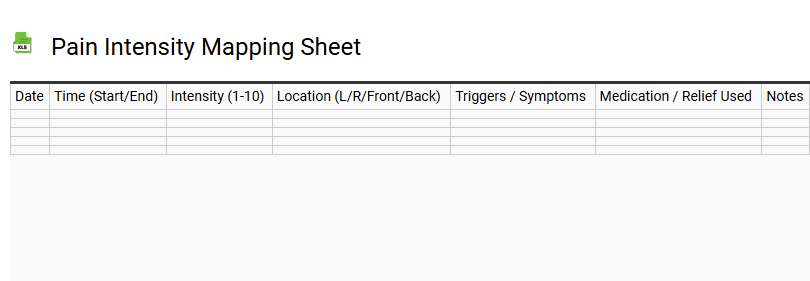
A Pain Intensity Mapping Sheet serves as a vital clinical tool for precise symptom tracking and patient assessment. Utilizing anatomical diagrams, patients can pinpoint localized discomfort, distinguishing between sharp, dull, or radiating sensations across specific body regions. This template often incorporates a numerical rating scale or visual analog scale (VAS) to quantify pain levels objectively.
By documenting exact locations and severity markers, healthcare providers can identify myofascial trigger points and monitor chronic pain management progress. Effective clinical documentation through these maps facilitates longitudinal monitoring, allowing clinicians to adjust treatment plans based on shifts in sensory quality. This structured approach ensures comprehensive data collection for physical therapy and diagnostic evaluations, streamlining communication between patients and medical professionals regarding somatic symptoms and functional limitations.
Aura and Warning Sign Checklist
💾 Aura and Warning Sign Checklist .xls
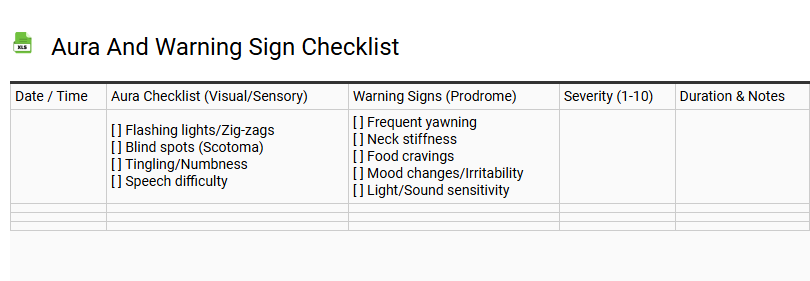
A comprehensive aura and warning sign checklist serves as a vital diagnostic tool for proactive health monitoring. This template facilitates the systematic tracking of neurological symptoms and migraine prodrome indicators. Users can document visual disturbances, such as scintillating scotomas or flashes of light, alongside sensory disturbances like tingling sensations or localized numbness. By identifying these premonitory phase signals early, individuals can better manage impending migraine attacks or seizure activity. This structured approach to symptom tracking improves diagnostic accuracy and patient-provider communication. Monitoring cognitive fog, mood shifts, and physical fatigue within this framework provides actionable data for neurological health management and personalized treatment adjustments. Utilizing a standardized template ensures that subtle neurological events are captured before they escalate into debilitating episodes.
Lifestyle Habit and Headache Journal
💾 Lifestyle Habit and Headache Journal .xls
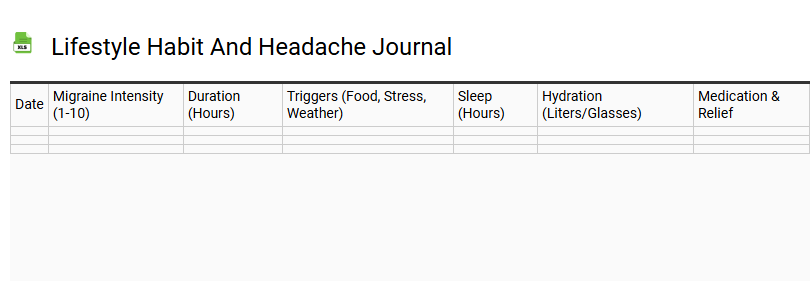
Utilizing a lifestyle habit and headache journal is an essential strategy for identifying migraine triggers and recurring patterns. This comprehensive tracking tool allows users to document symptom frequency, pain intensity, and the duration of neurological episodes. By consistently logging daily variables such as sleep hygiene, hydration levels, and dietary intake, you can uncover direct correlations between lifestyle choices and tension headaches.
- Monitor environmental triggers like barometric pressure or light sensitivity.
- Track stress management techniques and cardiovascular physical activity.
- Record medication efficacy and the occurrence of sensory aura.
This data-driven approach assists healthcare providers in refining pain management strategies and improving diagnostic accuracy. Maintaining a detailed symptom diary empowers individuals to regain control over their neurological wellness by recognizing early warning signs and optimizing daily routines for long-term relief and prevention.
Barometric Pressure and Weather Tracker
💾 Barometric Pressure and Weather Tracker .xls
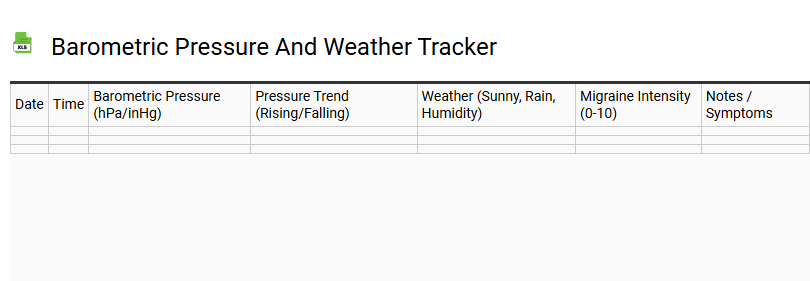
This barometric pressure and weather tracker provides a robust framework for monitoring atmospheric pressure fluctuations and shifting meteorological patterns. By recording data in millibars (hPa) or inches of mercury (inHg), users can identify rising or falling trends critical for accurate short-term forecasting.
The template facilitates the logging of ambient temperature, relative humidity, and precipitation levels, offering a holistic view of local microclimates. Tracking these isobaric changes helps distinguish between stable anticyclones and incoming cyclonic storm systems. Designed for citizen scientists and outdoor enthusiasts, this log optimizes environmental data collection, allowing for the correlation of air density variations with real-world weather events. Utilize this structured format to archive climatological history and improve the precision of personal weather station observations.
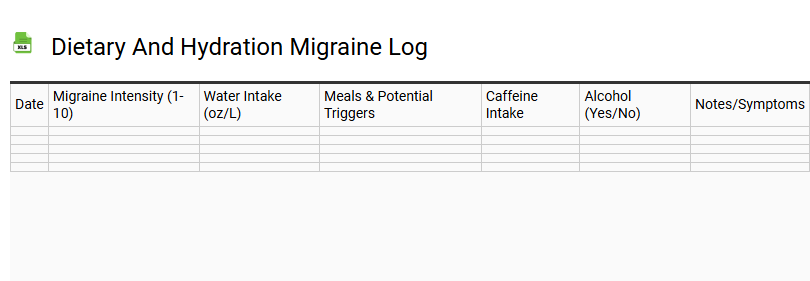
Dietary and Hydration Migraine Log
💾 Dietary and Hydration Migraine Log .xls
Implementing a dietary and hydration migraine log is a strategic approach to identifying food triggers and physiological stressors. This specialized headache diary tracks daily water intake and nutritional patterns to uncover correlations between consumption and neurological symptoms.
Key elements for effective migraine management include:
- Monitoring hydration levels to prevent dehydration-induced attacks.
- Logging caffeine consumption and alcohol intake frequency.
- Identifying sensitivities to nitrates, MSG, or tyramine-rich foods.
- Recording meal timing to monitor blood sugar fluctuations.
By maintaining a consistent record of nutrient intake and symptom severity, individuals can recognize longitudinal patterns. This data-driven template assists in pinpointing specific dietary triggers, enabling personalized lifestyle modifications to reduce the frequency of migraine episodes and improve overall neurological health through evidence-based tracking.
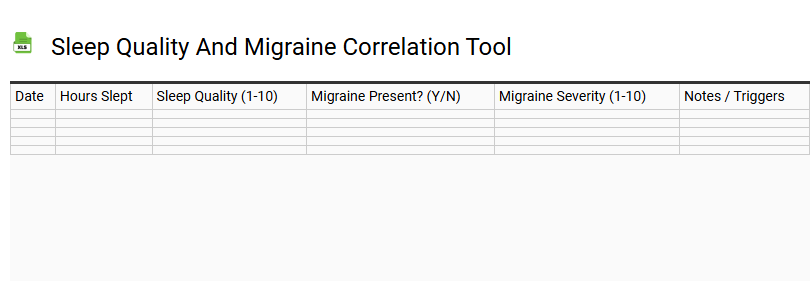
Sleep Quality and Migraine Correlation Tool
💾 Sleep Quality and Migraine Correlation Tool .xls
This Sleep Quality and Migraine Correlation Tool analyzes the bidirectional link between nocturnal rest and neurological health. By monitoring circadian rhythms, sleep latency, and REM cycle consistency alongside migraine frequency, users can identify physiological triggers. Insomnia and fragmented sleep architecture often serve as precursors to cephalalgia, creating a cycle of chronic pain and exhaustion. This template facilitates longitudinal tracking of sleep hygiene efficacy and its direct impact on migraine aura or attack intensity. Utilizing data-driven insights, the tool highlights how restorative sleep reduces neurological sensitivity and vascular stressors. By correlating sleep disturbances with headache diary entries, individuals uncover clinical patterns essential for personalized trigger management. Enhance your wellness strategy by visualizing the relationship between sleep deprivation and migraine onset through this optimized analytical framework.
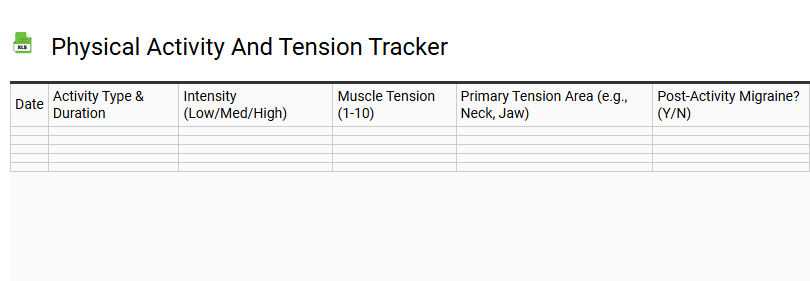
Physical Activity and Tension Tracker
💾 Physical Activity and Tension Tracker .xls
The Physical Activity and Tension Tracker serves as a sophisticated tool for wellness monitoring, bridging the gap between metabolic output and psychological equilibrium. By documenting daily exercise frequency alongside perceived stress levels, users cultivate deep somatic awareness. This template facilitates comprehensive fitness logging, allowing individuals to analyze the direct correlation between workout consistency and emotional well-being.
Integrating habit tracking with stress management strategies helps identify triggers that affect cortisol regulation and muscle reactivity. Monitoring these variables encourages mindfulness and optimizes active recovery phases. Whether your goal is tension relief or performance enhancement, this data-driven approach highlights the synergy between physiological responses and lifestyle choices, ensuring a holistic path toward improved somatic health and sustainable vitality.
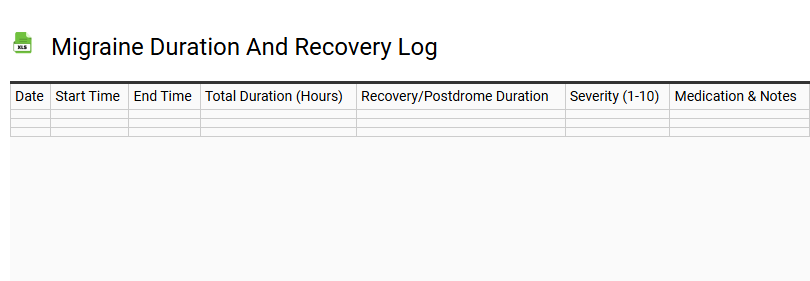
Migraine Duration and Recovery Log
💾 Migraine Duration and Recovery Log .xls
A comprehensive migraine duration and recovery log is an essential tool for tracking the lifecycle of neurological episodes. By documenting the precise attack length, patients can differentiate between the prodrome phase, the peak headache intensity, and the postdrome period, often referred to as a migraine hangover. This granular data assists in trigger identification and helps clinicians refine chronic migraine management plans.
Using a structured headache diary allows for the monitoring of episodic patterns and the efficacy of abortive medications. Key data points to record include:
- Symptom onset and total recovery timeline.
- Severity of sensory sensitivities (photophobia/phonophobia).
- Impact of environmental triggers on pain management.
- Duration of cognitive fog or physical exhaustion.
Consistently logging these neurological symptoms optimizes communication with healthcare providers, leading to more personalized and effective preventative treatment strategies.
Workday Productivity Impact Record
💾 Workday Productivity Impact Record .xls
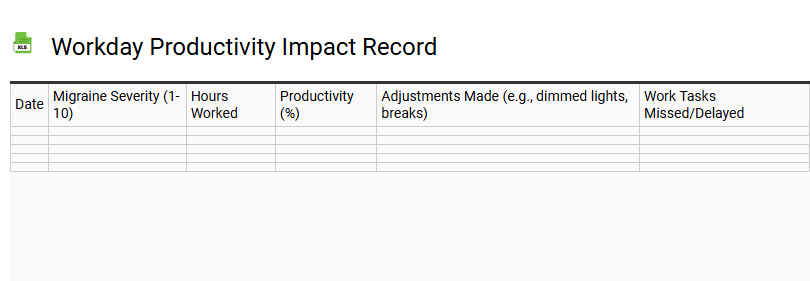
A Workday Productivity Impact Record functions as a critical framework for quantifying how configuration changes and system updates influence operational efficiency. By systematically documenting shifts in workflow performance, organizations can evaluate the direct correlation between Human Capital Management (HCM) adjustments and employee output. This template captures essential data points such as task latency, resource allocation, and user adoption rates to facilitate comprehensive ROI analysis.
Key components of this record include:
- Identification of process bottlenecks and workflow optimization opportunities.
- Assessment of system latency and its effect on labor productivity.
- Validation of change management strategies through empirical performance metrics.
Utilizing this structured approach ensures that every enhancement within the Workday ecosystem aligns with broader business intelligence goals, driving measurable improvements in organizational throughput and long-term ERP scalability.
Menstrual Cycle and Hormonal Migraine Sync
💾 Menstrual Cycle and Hormonal Migraine Sync .xls
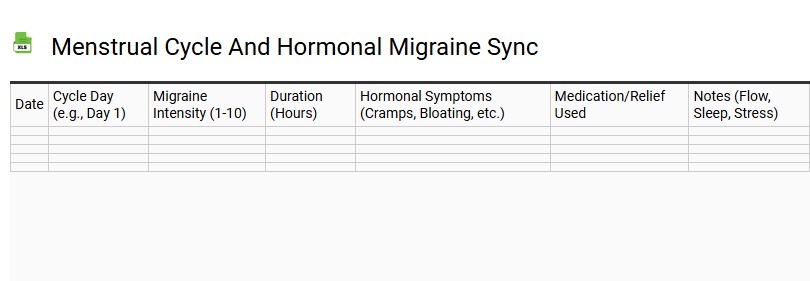
Optimizing your menstrual cycle and hormonal migraine sync requires precise tracking of fluctuating estrogen levels and progesterone shifts. This template enables users to identify the luteal phase drop, often referred to as estrogen withdrawal, which is a primary trigger for catamenial migraines and neurovascular sensitivity.
By documenting the follicular phase, ovulation, and the onset of menstruation, you can correlate serotonin fluctuations with headache intensity. Strategic cycle syncing allows for proactive management, helping users implement prophylaxis or lifestyle adjustments before the "migraine window" begins.
- Monitor hormonal triggers and metabolic changes.
- Track migraine attack duration and symptom severity.
- Identify patterns in basal body temperature and cycle length.
Utilizing a data-driven menstrual diary empowers individuals to predict physiological shifts, fostering better communication with healthcare providers for targeted hormonal health relief.
Acute vs Preventative Medication Usage Log
💾 Acute vs Preventative Medication Usage Log .xls
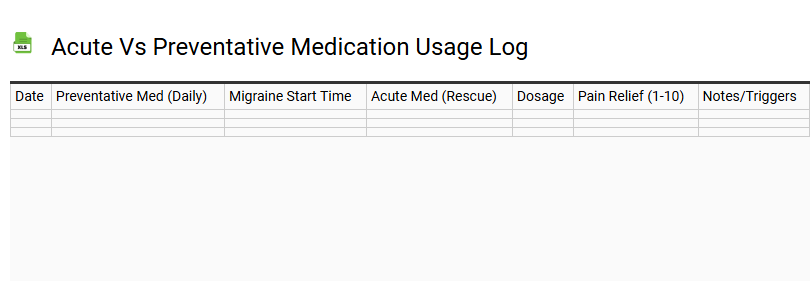
Maintaining a comprehensive Acute vs Preventative Medication Usage Log is essential for effective chronic condition management. This dual-tracking system differentiates between prophylactic treatments, which are scheduled daily to maintain stability, and rescue medications, or abortive therapies, used for immediate symptom relief during flare-ups.
By consistently recording the dosage, administration time, and frequency, patients can demonstrate medication adherence and evaluate therapeutic efficacy. Monitoring these patterns allows your healthcare provider to identify specific triggers and potential side effects, facilitating data-driven adjustments to your pharmacological protocol.
A well-structured log captures:
- Maintenance drugs for long-term prevention.
- PRN interventions for breakthrough symptoms.
- The correlation between dosage timing and physiological response.
Utilizing this pill tracker optimizes patient outcomes by providing a clear visual representation of your treatment plan and overall health trajectory.
This chronic migraine frequency log serves as a vital diagnostic tool for tracking headache patterns and identifying neurological symptoms. By utilizing this structured diary, individuals can pinpoint specific migraine triggers and document pain intensity for comprehensive patient records.
Maintaining consistent data provides essential clinical insights to optimize preventive treatment and symptom management. Implementing this template ensures a more productive dialogue with healthcare providers, fostering personalized care strategies and improved long-term health outcomes.