
Chronic Pain Symptom Monitor Template: Essential Tools for Tracking and Management
Effectively managing long-term discomfort requires a systematic approach to health tracking. A specialized chronic pain symptom monitor serves as a comprehensive daily log, capturing vital data on pain intensity, localized triggers, and medication efficacy. By documenting these physiological patterns, individuals can provide clinicians with precise insights into flare-ups and treatment responses. This structured wellness journal streamlines symptom management, facilitating more accurate diagnoses and personalized care strategies. Enhance your patient records by selecting a layout that fits your routine. Please check already made variation of templates below.
Daily Pain Intensity Log
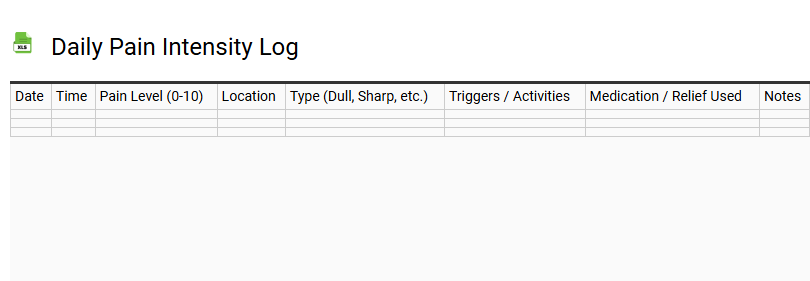
💾 Daily Pain Intensity Log .xls
A daily pain intensity log serves as a vital clinical tool for proactive chronic pain management. By utilizing a standardized pain scale from 0 to 10, patients can consistently document their baseline discomfort levels and identify specific triggers or environmental factors. This structured symptom tracking approach provides high-quality data for healthcare providers to evaluate medication efficacy and treatment progress over time.
- Monitor flare-ups and the duration of symptomatic episodes.
- Record qualitative descriptors such as aching, stabbing, or throbbing sensations.
- Track the impact of physical therapy and lifestyle adjustments on mobility.
- Enhance doctor communication through accurate trend analysis.
Incorporating this health journal into a daily routine ensures precise biometric monitoring. Detailed logs help correlate daily activities with overall well-being, facilitating more personalized and effective therapeutic interventions for long-term relief.
Symptom and Trigger Tracker
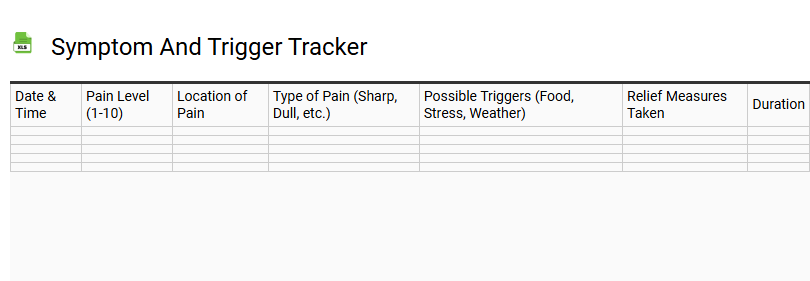
💾 Symptom and Trigger Tracker .xls
A comprehensive symptom and trigger tracker serves as a vital personal health record for monitoring chronic illness and identifying flare-up patterns. By maintaining a consistent medical log, users can document pain intensity, duration, and specific physical sensations. This data-driven health approach integrates lifestyle factors such as dietary habits, sleep quality, and environmental stressors.
Utilizing a wellness diary enables patients to visualize health trends and provide accurate clinical data during physician consultations. Tracking daily bio-markers and emotional well-being helps pinpoint allergic reactions or intolerances. This diagnostic tool empowers individuals to manage autoimmune conditions or migraines by correlating specific environmental triggers with physiological responses, ultimately facilitating more personalized treatment plans and improved health outcomes.
Pain Location Heat Map
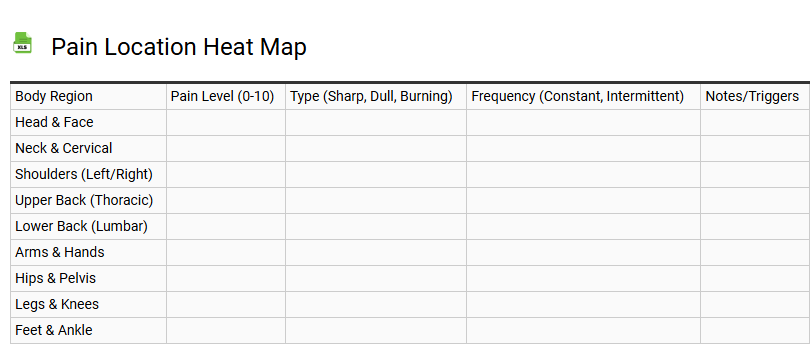
The Pain Location Heat Map template serves as a critical diagnostic tool for precise symptom tracking and clinical documentation. Utilizing an interactive anatomical diagram, patients can accurately pinpoint regions of musculoskeletal assessment and localized discomfort. This digital health interface enhances patient intake forms by visualizing pain intensity across specific dermatome maps and musculoskeletal structures.
Optimized for physical therapy and chronic pain management, the visual data helps identify neuropathic sensations, inflammation, or referred pain patterns. Integrating this sensory evaluation framework into electronic health records (EHR) improves orthopedic evaluation and rehabilitation planning. This structured medical visualization facilitates clearer communication during clinical consultations, ensuring a holistic overview of somatic symptoms and pathological markers for more effective patient-centered care.
Medication Effectiveness Journal
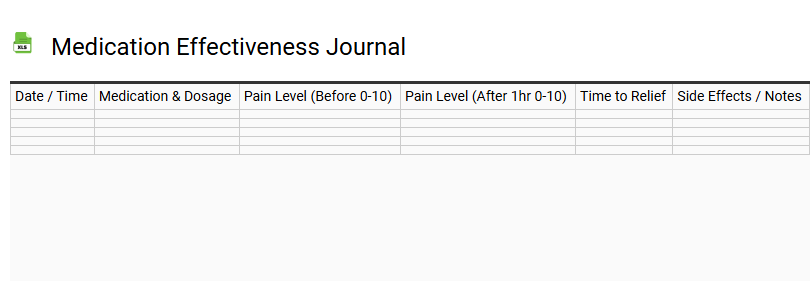
💾 Medication Effectiveness Journal .xls
A medication effectiveness journal serves as a vital tool for pharmacological tracking and therapeutic monitoring. By utilizing a structured template, patients can accurately document dosage logging, administration times, and specific symptom management trends. This medical diary captures essential data regarding drug interactions and potential side effects, enabling healthcare providers to evaluate clinical outcomes with greater precision.
Consistently recording recovery progress and prescription compliance fosters improved communication during clinical consultations. Each entry should detail the therapeutic response to pharmacological interventions, highlighting fluctuations in health status. This systematic approach to a patient health record ensures that treatment adjustments remain evidence-based. By maintaining a comprehensive log of medication efficacy, individuals optimize their personalized treatment plans and enhance long-term wellness through proactive health monitoring and data-driven insights into their recovery journey.
Sleep Quality and Pain Correlation Sheet
💾 Sleep Quality and Pain Correlation Sheet .xls
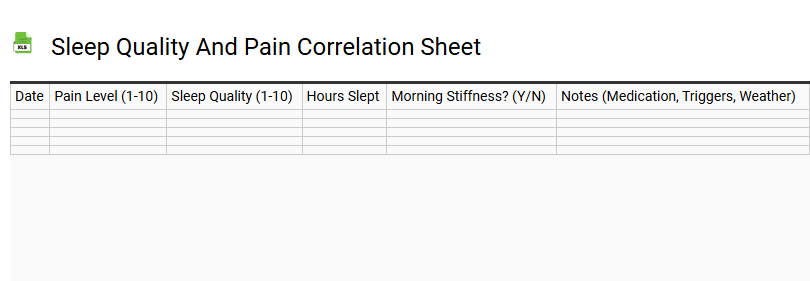
A Sleep Quality and Pain Correlation Sheet serves as a vital clinical tool for monitoring the bidirectional relationship between nocturnal rest and physical discomfort. By utilizing a comprehensive daily log, patients can track pain intensity levels alongside critical variables such as sleep latency, sleep duration, and the frequency of nocturnal awakenings. This systematic documentation identifies patterns within the pain-sleep cycle, offering evidence-based insights into how inadequate restorative sleep exacerbates central sensitization and lowers pain thresholds. Integrating these metrics into a wellness diary allows healthcare providers to refine pain management strategies and optimize circadian rhythms. Whether addressing chronic pain, fibromyalgia, or recovery, this longitudinal data facilitates precise symptom tracking and biopsychosocial analysis, ultimately improving patient outcomes through data-driven adjustments to therapeutic interventions and lifestyle habits.
Activity Level and Flare-up Monitor
💾 Activity Level and Flare-up Monitor .xls
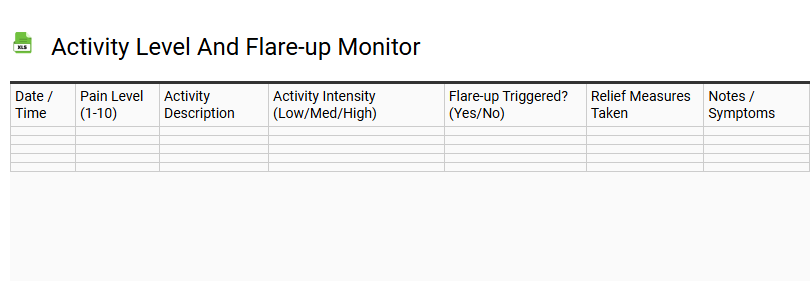
The Activity Level and Flare-up Monitor serves as a sophisticated symptom tracker designed for proactive chronic pain management. By meticulously documenting daily physical exertion and pain intensity, this template empowers users to identify environmental triggers and physiological stressors. Utilizing pacing strategies within this health log helps mitigate the "boom and bust" cycle, fostering sustainable energy conservation and improved functional capacity.
This wellness dashboard facilitates baseline monitoring, allowing for a clear visualization of symptom variability relative to activity duration. Integrating a pain journal into daily routines assists in flare-up prevention and enhances communication with healthcare providers. By balancing rest periods with therapeutic exercise, users can optimize their recovery trajectory. This data-driven approach is essential for chronic illness management, providing the insights necessary to calibrate rehabilitation goals and maintain long-term health stability.
Monthly Pain Trend Dashboard
💾 Monthly Pain Trend Dashboard .xls
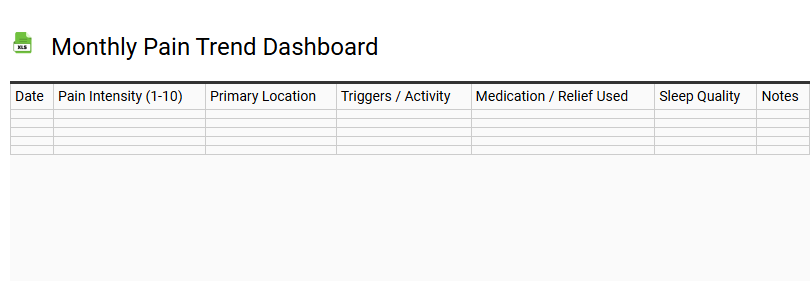
This Monthly Pain Trend Dashboard serves as a sophisticated analytical framework for tracking chronic pain intensity and symptom fluctuations over time. By leveraging longitudinal data, users can visualize discomfort levels using standardized pain scales, facilitating a deeper understanding of patient outcomes.
The template prioritizes health informatics, allowing for the correlation between medication efficacy, physical therapy progress, and environmental triggers. Key features include:
- Data-driven insights into daily symptom management.
- Visual trend analysis for identifying flare-up patterns.
- Comprehensive wellness reporting for clinical consultations.
Optimizing rehabilitation protocols requires precise health metrics. This dashboard transforms raw subjective data into actionable clinical intelligence, improving therapeutic alignment and quality of life monitoring for individuals navigating pain recovery journeys.
Physical Therapy Progress Tracker
💾 Physical Therapy Progress Tracker .xls
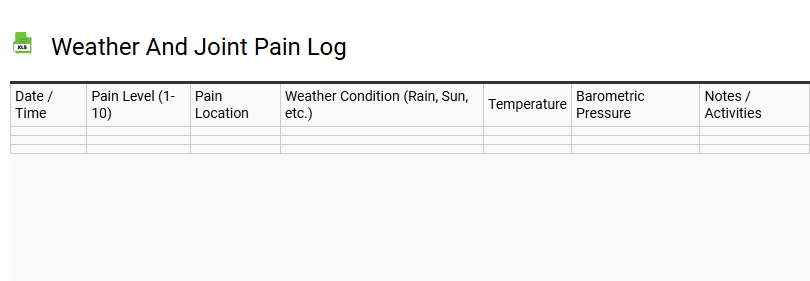
Weather and Joint Pain Log
💾 Weather and Joint Pain Log .xls
A Weather and Joint Pain Log serves as a sophisticated diagnostic tool for individuals monitoring the correlation between atmospheric conditions and musculoskeletal discomfort. This template facilitates the systematic tracking of barometric pressure, humidity levels, and temperature fluctuations alongside daily arthritis flare-ups.
By maintaining a detailed symptom diary, users can identify specific environmental triggers, such as meteoropathy or increased inflammation during damp, rainy days. Essential data points for effective chronic pain management include:
- Atmospheric pressure shifts and seasonal changes.
- Daily pain intensity scales for targeted joint areas.
- Local precipitation levels and dew point.
Utilizing this structured format helps correlate rheumatological symptoms with meteorological patterns, providing actionable insights for healthcare consultations and more personalized treatment adjustments for long-term relief.
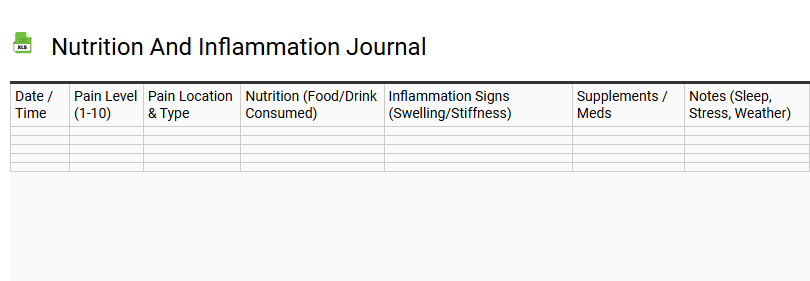
Nutrition and Inflammation Journal
💾 Nutrition and Inflammation Journal .xls
The Nutrition and Inflammation Journal provides a comprehensive platform for peer-reviewed research exploring the synergy between dietary patterns and systemic inflammation. Our focus encompasses the molecular mechanisms by which bioactive compounds and essential nutrients modulate the immune response and cellular signaling. We prioritize high-impact studies investigating pro-inflammatory cytokines, C-reactive protein (CRP), and the physiological impact of oxidative stress on metabolic health. By examining the gut microbiome, fatty acid profiles, and phytonutrients, our contributors elucidate how nutritional interventions can mitigate chronic disease progression. This repository serves clinicians and researchers seeking evidence-based insights into anti-inflammatory diets and nutritional immunology. Through rigorous analysis of inflammatory markers and metabolic pathways, we advance the understanding of how precise dietary strategies optimize long-term health outcomes and suppress pathological inflammatory cascades.
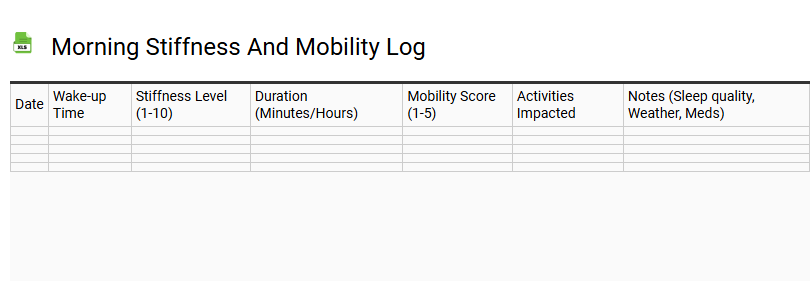
Morning Stiffness and Mobility Log
💾 Morning Stiffness and Mobility Log .xls
This log provides a structured framework for monitoring daily physical patterns upon waking. By recording the duration and severity of joint tightness, you can gain valuable insights into your functional health and physical trends over time.
Each entry focuses on three primary metrics to ensure comprehensive tracking:
- Stiffness Duration: Note the exact time it takes for your joints to feel loose after getting out of bed.
- Mobility Score: Use a simple scale to rate your ease of movement during your initial daily tasks.
- Functional Impact: Document how much discomfort restricts your morning routine or specific activities.
Consistently documenting these observations helps identify environmental triggers and evaluate the success of various lifestyle adjustments. This data serves as a vital bridge for clinical discussions, ensuring accurate reporting of symptoms during health consultations.
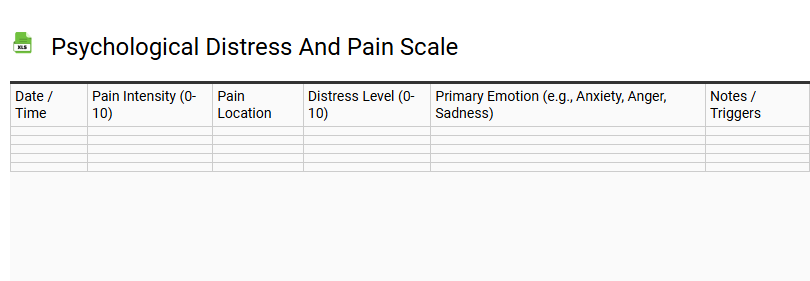
Psychological Distress and Pain Scale
💾 Psychological Distress and Pain Scale .xls
This psychological distress and pain scale template serves as a comprehensive clinical tool for evaluating the intersection of physical discomfort and emotional health. By utilizing a biopsychosocial framework, practitioners can quantify subjective experiences of chronic pain alongside indicators of anxiety and depression.
This multidimensional assessment incorporates Likert-scale metrics to measure pain intensity, frequency of somatic symptoms, and the impact on daily functioning. Integrating such standardized instruments into mental health screenings facilitates evidence-based interventions and personalized treatment plans. Monitoring psychological markers alongside physical stressors helps identify functional impairment and promotes holistic recovery. This structured format ensures consistent data collection, enhancing the diagnostic accuracy of patient-reported outcomes during clinical consultations or longitudinal research studies, ultimately improving the quality of patient care and therapeutic monitoring.
Nerve Pain Frequency Monitor
💾 Nerve Pain Frequency Monitor .xls
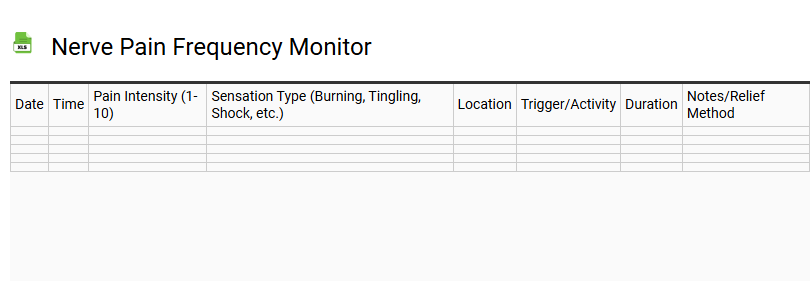
This nerve pain frequency monitor template serves as a comprehensive symptom tracking tool for individuals managing neuropathy and chronic pain. By utilizing digital medical logs, users can meticulously record neuralgic sensations, intensity levels, and the duration of flare-ups. This health monitoring framework is optimized for identifying pain patterns related to peripheral neuropathy, sciatica, and nerve damage.
Systematic data visualization helps pinpoint specific environmental triggers, facilitating better communication with healthcare providers. Implementing a structured neuropathic pain diary ensures accurate longitudinal analysis, allowing for precise adjustments in treatment protocols. This template streamlines patient-reported outcomes, ensuring that every burning sensation, numbness, or sharp shock is documented for clinical review, ultimately enhancing pain management strategies and improving quality of life through actionable biometric insights.
Chronic Fatigue and Pain Matrix
💾 Chronic Fatigue and Pain Matrix .xls
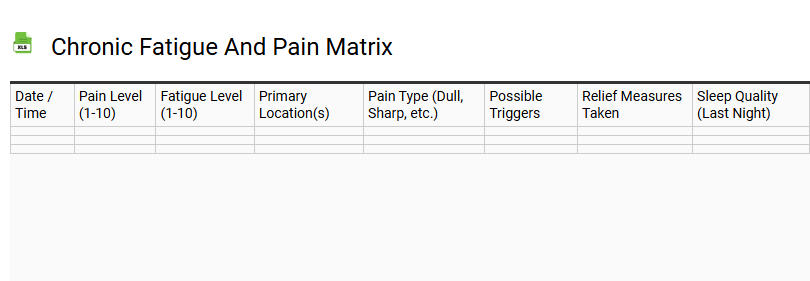
A Chronic Fatigue and Pain Matrix template serves as a comprehensive diagnostic and management framework for navigating the complexities of Myalgic Encephalomyelitis (ME/CFS) and fibromyalgia. This clinical tool utilizes a systematic approach to track central sensitization, neuroinflammation, and post-exertional malaise (PEM). By documenting daily fluctuations in energy reserves and musculoskeletal discomfort, patients can implement effective pacing strategies to avoid systemic crashes. The matrix facilitates a multimodal treatment plan, integrating data on sleep hygiene, cognitive dysfunction, and systemic exertion intolerance disease (SEID) markers. Utilizing this structured format improves communication with healthcare providers, ensuring a holistic management strategy that addresses the physiological drivers of persistent exhaustion. Ultimately, this data-driven template empowers individuals to identify specific triggers, optimize functional capacity, and improve long-term outcomes for comorbid chronic pain and fatigue syndromes.
Treatment and Side Effect Log
💾 Treatment and Side Effect Log .xls
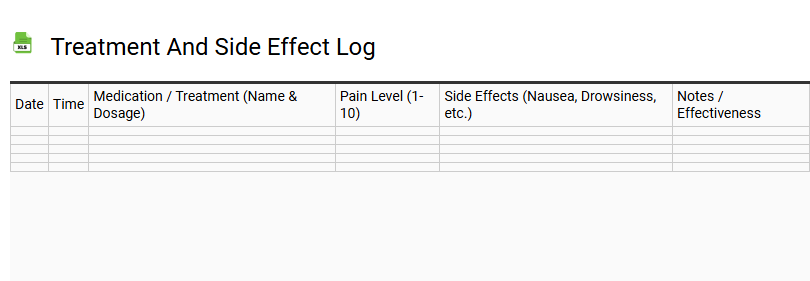
A comprehensive treatment and side effect log serves as an essential tool for managing personal health data and tracking recovery progress. This structured template enables patients to meticulously document medication dosages, therapy sessions, and specific treatment protocols. By recording adverse reactions and daily symptom severity, individuals provide healthcare providers with precise clinical data to optimize therapeutic outcomes.
Utilizing a systematic monitoring approach helps identify patterns in medication efficacy and potential drug interactions. Key components of an effective log include:
- Daily tracking of physical and emotional symptoms.
- Detailed notes on dosage timing and administration methods.
- Observations on lifestyle factors impacting wellness.
Maintaining this detailed patient record facilitates clear communication during medical consultations, ensuring that adjustments to healthcare plans are based on empirical evidence. This proactive strategy is vital for chronic illness management and long-term health monitoring.
Implementing a Chronic Pain Symptom Monitor serves as a vital bridge between patients and clinicians. This structured template simplifies tracking pain intensity, localized flare-ups, and lifestyle triggers. By recording daily symptom fluctuations and medication responses, you generate actionable health insights for better disease management. Utilizing this pain log ensures no detail is overlooked during consultations. Embrace this tool to optimize your recovery journey, improve functional mobility, and foster a proactive approach to managing chronic health conditions effectively.