
Dairy-Free Elimination Diet Template and Tracking Guide
Starting an elimination diet requires precision to identify specific food sensitivities. A dairy-free elimination sheet serves as a vital diagnostic tool, helping you track lactose intake and potential allergic reactions. By documenting daily meals and symptoms, you can pinpoint dietary triggers affecting your gut health and inflammation levels.
This structured food diary simplifies monitoring hidden ingredients while transitioning to non-dairy alternatives. Use this resource to streamline your wellness journey and achieve digestive clarity. Check the already made variation of templates below.
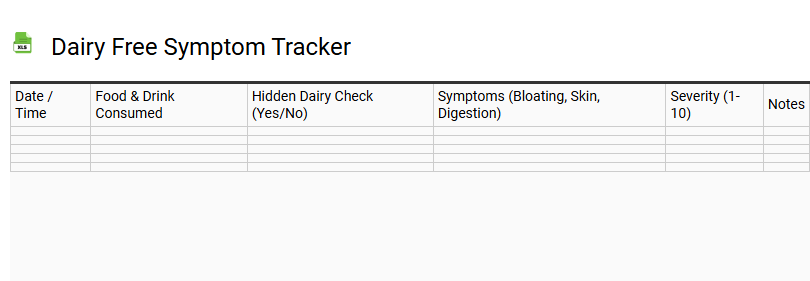
Dairy Free Symptom Tracker
💾 Dairy Free Symptom Tracker .xls
Navigating a dairy-free lifestyle requires a systematic approach to monitoring how casein and lactose impact your digestive health. This dairy-free symptom tracker serves as a specialized food diary designed to identify food sensitivities and allergic reactions. By documenting daily intake and physical symptoms like bloating, inflammation, or skin flare-ups, you can effectively manage an elimination diet.
The template emphasizes gut wellness by correlating non-dairy alternatives with energy levels and gastrointestinal comfort. Consistent symptom logging helps pinpoint hidden allergens and food triggers often found in processed goods. Whether managing lactose intolerance or a milk allergy, this nutritional journal provides the data needed to optimize your plant-based transition. Use this wellness tool to track digestive distress patterns and achieve long-term dietary health through precise, actionable insights.
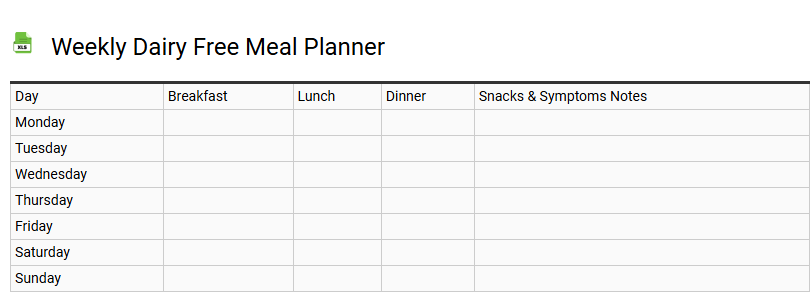
Weekly Dairy Free Meal Planner
💾 Weekly Dairy Free Meal Planner .xls
Organizing a weekly dairy-free menu streamlines your kitchen routine while ensuring a balanced intake of plant-based nutrients. This template provides a structured approach to mapping out meals from Monday through Sunday, focusing on lactose-free alternatives and calcium-rich whole foods.
- Daily Meal Slots: Dedicated spaces for breakfast, lunch, and dinner to prevent last-minute stress and decision fatigue.
- Snack Tracking: Areas to include nut-based yogurts, seasonal fruits, or protein-rich seeds to maintain energy levels.
- Integrated Grocery List: A functional space to list essential substitutes such as oat milk, nutritional yeast, or coconut-based spreads.
Using this systematic guide helps you avoid accidental dairy consumption and simplifies shopping trips. By pre-selecting recipes that utilize leafy greens, legumes, and fortified grains, you maintain a healthy lifestyle without sacrificing flavor. This framework makes your transition to a dairy-free diet efficient and sustainable.
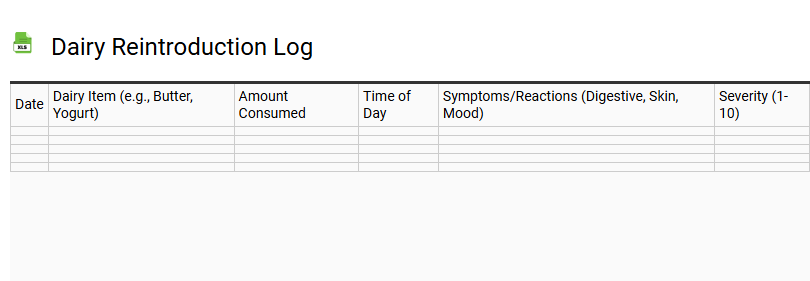
Dairy Reintroduction Log
💾 Dairy Reintroduction Log .xls
A dairy reintroduction log is a precise diagnostic tool used during the final phase of an elimination diet. This template systematically tracks the biological response to specific proteins like casein and whey, as well as the carbohydrate lactose. By documenting the gradual re-entry of various dairy categories-such as fermented yogurt, aged cheeses, and fluid milk-users can identify unique food sensitivities or lactose intolerance triggers.
- Portion Sizes: Record exact measurements to determine tolerance levels.
- Symptom Tracking: Note digestive discomfort, skin flare-ups, or energy shifts.
- Time Intervals: Monitor gastrointestinal health reactions over a 72-hour window.
Maintaining this food diary ensures data-driven dietary adjustments, helping differentiate between generalized inflammation and specific dairy-induced digestive symptoms. This structured approach optimizes gut health and supports long-term nutritional planning with healthcare providers.
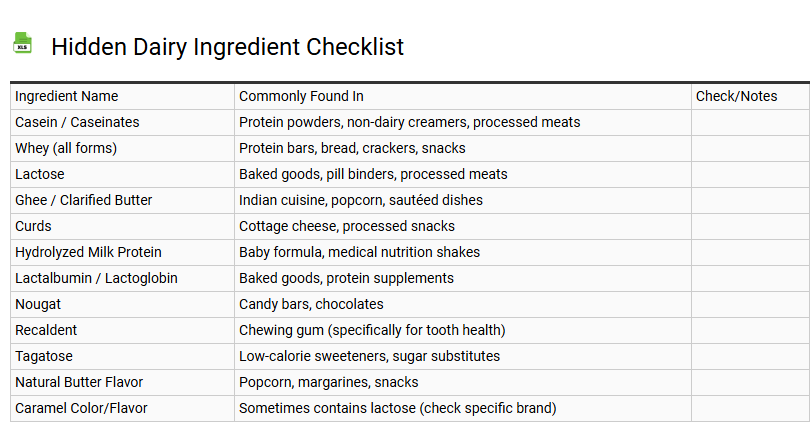
Hidden Dairy Ingredient Checklist
💾 Hidden Dairy Ingredient Checklist .xls
This organized resource serves as a vital tool for identifying milk derivatives often concealed within processed food labels. It categorizes technical terms and scientific names that signal the presence of dairy proteins or fats, ensuring comprehensive dietary safety for those managing allergies or intolerances.
By documenting components such as casein, whey, ghee, and various curd derivatives, the checklist streamlines the screening process for consumer goods. Users can systematically verify products against specific markers like lactalbumin or milk solids, reducing the risk of accidental exposure. This framework is essential for maintaining strict dietary standards, offering a clear reference for scrutinizing complex ingredient lists in sauces, snacks, and baked goods. It transforms dense nutritional data into an actionable verification guide for everyday use.
Plant Based Calcium Source Tracker
💾 Plant Based Calcium Source Tracker .xls
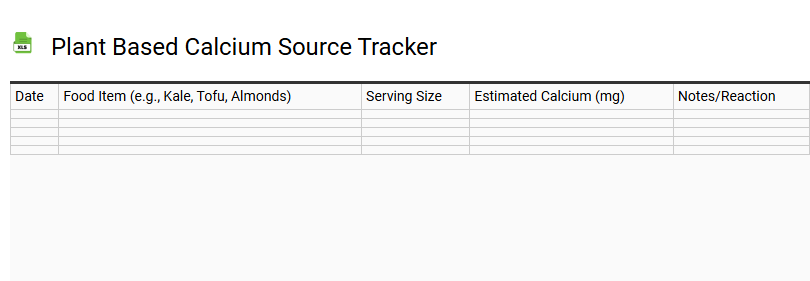
Optimizing bone health on a vegan diet requires strategic monitoring of bioavailable calcium sources. This comprehensive tracker facilitates the logging of nutrient-dense plant foods, ensuring users meet their Recommended Daily Allowance (RDA) for essential minerals. By documenting daily intake from cruciferous vegetables like bok choy, fortified plant milks, and calcium-set tofu, individuals can effectively manage their micronutrient profile.
The template accounts for oxalate content, which significantly influences mineral absorption rates in leafy greens. Incorporating seeds, legumes, and nuts into this dietary log helps visualize nutrient density while supporting skeletal integrity. Whether tracking fortified cereals or natural mineral-rich legumes, this tool serves as a vital resource for preventing deficiencies and maintaining a balanced, whole-food plant-based lifestyle through precise, data-driven nutritional monitoring.
Dairy Free Grocery Shopping List
💾 Dairy Free Grocery Shopping List .xls
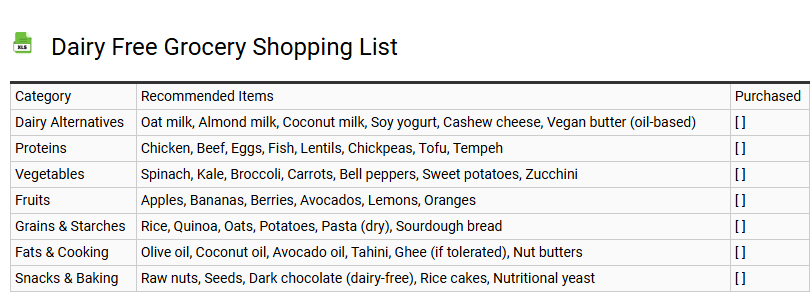
Navigating the aisles with a dairy-free grocery shopping list ensures a seamless transition to a plant-based or lactose-free lifestyle. Focus on vegan alternatives that provide similar textures and nutritional profiles to traditional dairy. Prioritize calcium-fortified nut milks, such as almond, soy, or creamy oat milk, to replace cow's milk in recipes and beverages.
Essential staples for your allergen-friendly cart include:
- Coconut yogurt and probiotic-rich fermented nut creams.
- Cashew cheese and nutritional yeast for savory, umami flavors.
- Plant-based butter or extra virgin olive oil for sautéing and baking.
- Soy-based proteins and tofu as versatile meal bases.
By organizing your list by department-produce, refrigerated non-dairy, and dry goods-you streamline meal planning. This strategic approach ensures your kitchen remains stocked with lactose-free essentials, making dairy-free living both delicious and sustainable.
Elimination Diet Compliance Journal
💾 Elimination Diet Compliance Journal .xls
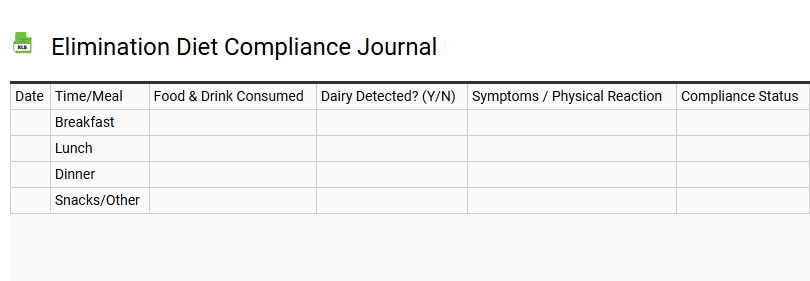
An elimination diet compliance journal serves as a critical tool for identifying food sensitivities and improving digestive wellness. By meticulously documenting daily intake within a structured template, users can track symptomatic responses to specific ingredients. This systematic approach facilitates the identification of inflammatory triggers during the initial removal phase and monitors physiological reactions throughout the strategic reintroduction process.
A comprehensive log captures essential data points, including:
- Daily nutrient tracking and ingredient transparency.
- Monitoring gut health and energy fluctuations.
- Recording allergic reactions or skin clarity changes.
- Ensuring strict adherence to dietary protocols.
Utilizing a dedicated journal enhances accountability, providing precise data that supports long-term nutritional adjustments. Effective monitoring through this template bridges the gap between dietary habits and wellness optimization, empowering individuals to achieve an allergen-free lifestyle tailored to their unique biology.
Dairy Substitute Comparison Sheet
💾 Dairy Substitute Comparison Sheet .xls
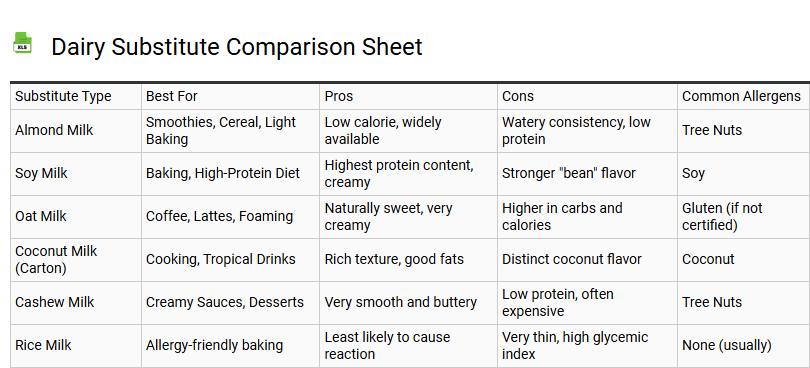
Selecting the ideal plant-based milk requires evaluating various lactose-free alternatives against traditional bovine dairy. A comprehensive dairy substitute comparison sheet analyzes the nutritional profile of popular options like almond milk, soy beverages, oat milk, and cashew milk. Key metrics include protein content, calcium fortification, and essential Vitamin D levels.
Consumers must consider saturated fat levels and caloric density to meet specific dietary restrictions or vegan lifestyle goals. Beyond nutrition, the texture and flavor profile dictate culinary applications, from frothability in coffee to consistency in baking. Utilizing a structured non-dairy matrix helps individuals identify the best fortified drinks based on allergen safety and sustainability factors. This resource simplifies navigating the evolving landscape of milk alternatives, ensuring informed choices for optimal health and taste.
Food Sensitivity Reaction Chart
💾 Food Sensitivity Reaction Chart .xls
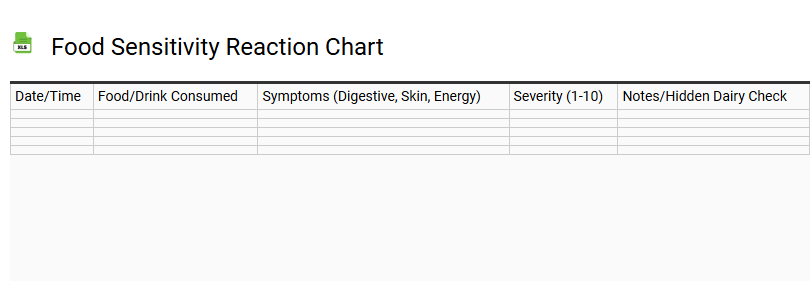
A food sensitivity reaction chart serves as a vital clinical tool for identifying hidden dietary triggers and managing food intolerance. By utilizing a comprehensive symptom tracker, individuals can document delayed inflammatory responses that often manifest as gastrointestinal distress, migraines, or skin irritations. This template facilitates a structured elimination diet, allowing users to monitor adverse reactions in correlation with specific ingredients.
Tracking these patterns helps pinpoint substances causing chronic inflammation or impaired nutrient absorption. Maintaining a detailed food diary is essential for optimizing gut health and understanding biochemical individuality. Whether monitoring IgG antibodies or metabolic sensitivities, this data-driven approach empowers users to refine their personalized nutrition. Implementing a structured log is the first step toward resolving digestive issues and enhancing overall systemic wellness through targeted dietary adjustments.
Dairy Free Recipe Index
💾 Dairy Free Recipe Index .xls
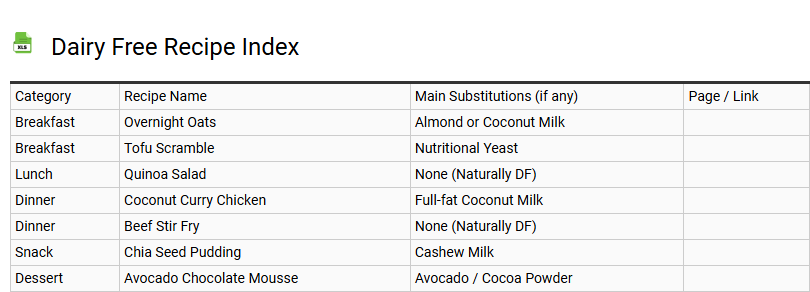
Explore our comprehensive dairy-free recipe index, a curated collection of nutritious, plant-based meals designed for those navigating lactose intolerance or specific dietary restrictions. This digital library features a diverse array of lactose-free appetizers, hearty main courses, and decadent desserts crafted entirely without traditional butter, heavy cream, or animal milk.
Each entry highlights vegan alternatives such as silky almond milk, rich coconut cream, and savory cashew-based sauces to ensure a satisfying culinary experience. Whether you are searching for allergen-friendly baking tips or wholesome, anti-inflammatory dinners, our categorized layout simplifies your meal planning process.
- Innovative non-dairy substitutes for everyday cooking.
- Wholesome ingredients supporting a clean eating lifestyle.
- Organized database of milk-free creations for every skill level.
Navigate through our plant-forward resources to find flavor-packed dishes that prioritize health without sacrificing texture or taste.
Daily Nutrient Intake Log
💾 Daily Nutrient Intake Log .xls
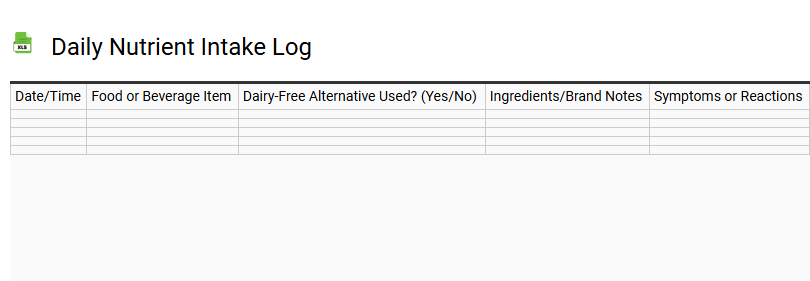
Utilizing a daily nutrient intake log is a fundamental strategy for precise dietary monitoring and achieving long-term wellness goals. This structured template enables users to record caloric consumption while balancing essential macronutrients, including proteins, carbohydrates, and lipids. By maintaining a detailed food journal, individuals can track micronutrients such as vitamins and minerals to prevent nutritional deficiencies.
Effective logging incorporates portion control, fiber intake, and hydration levels to optimize metabolic health. Whether the objective is a caloric deficit for weight management or a surplus for muscle hypertrophy, this tool provides the data necessary for informed meal planning. Consistent documentation fosters accountability and allows for the identification of dietary patterns, ensuring a nutritional balance that supports peak physical performance and overall health optimization through evidence-based tracking.
Inflammation and Bloating Tracker
💾 Inflammation and Bloating Tracker .xls
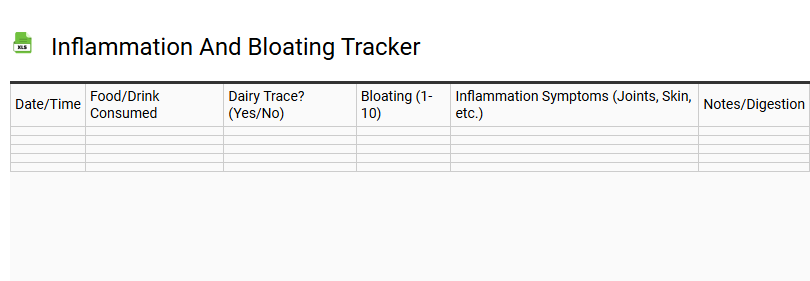
This Inflammation and Bloating Tracker serves as a comprehensive daily log to help you monitor physiological responses to diet and lifestyle habits. By recording specific food choices, hydration levels, and stress triggers, you can pinpoint the exact catalysts behind digestive discomfort and internal swelling.
Consistency is vital for identifying long-term patterns. Use this template to document the following variables:
- Meal Timing: Observe how the frequency and timing of eating affects your gut health.
- Symptom Severity: Rate bloating, lethargy, and pain levels on a numerical scale to track improvements.
- Environmental Factors: Note sleep quality and physical activity levels that influence your body's natural immune response.
By maintaining this detailed diary, you empower yourself with actionable data. These insights facilitate more productive conversations with healthcare professionals, allowing for a personalized approach to reducing systemic inflammation and restoring digestive balance.
Dairy Free Meal Prep Schedule
💾 Dairy Free Meal Prep Schedule .xls
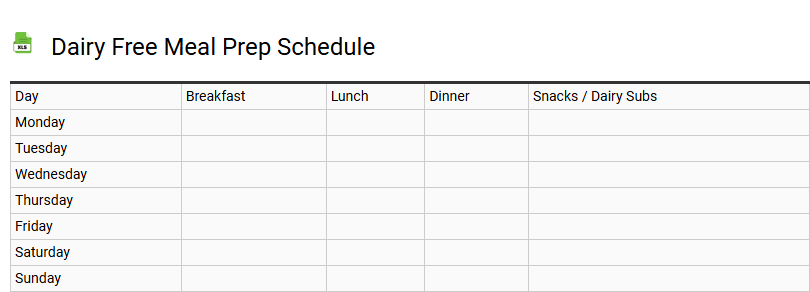
Streamlining your dairy-free lifestyle requires a structured approach to weekly food prep. A comprehensive dairy-free meal prep schedule focuses on incorporating nutrient-dense, plant-based ingredients while avoiding hidden allergens. Start by curating a grocery list rich in calcium-fortified milks, raw cashews for creamy sauces, and leafy greens.
Utilize batch cooking techniques for complex carbohydrates and prepare versatile protein sources like lentils or marinated tofu. Organizing your lactose-free recipes into airtight meal containers ensures peak freshness and portion control. This systematic routine eliminates the stress of sourcing vegan alternatives during busy weekdays. By prioritizing whole foods and allergen-free substitutes, your meal plan remains nutritionally balanced. A consistent preparation strategy simplifies your kitchen workflow, supporting long-term healthy eating habits and dietary wellness without sacrificing flavor or variety.
Restaurant Safety Checklist for Dairy Allergies
💾 Restaurant Safety Checklist for Dairy Allergies .xls
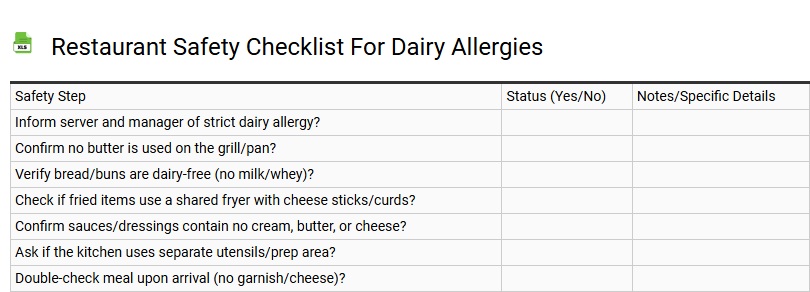
Implementing a comprehensive restaurant safety checklist for dairy allergies is essential for ensuring guest safety and operational excellence. Effective allergen management begins with rigorous ingredient labeling and meticulous cross-contamination prevention strategies. Kitchen staff must prioritize sanitation protocols, utilizing dedicated utensils and separate preparation zones to eliminate traces of milk proteins, casein, or whey.
- Detailed staff training on identifying hidden dairy in stocks, dressings, and breading.
- Clear front-of-house communication protocols to distinguish between lactose intolerance and life-threatening allergies.
- Verified storage for non-dairy alternatives to prevent accidental substitutions.
- Standardized emergency procedures for anaphylaxis prevention.
By maintaining menu transparency and strict food safety protocols, establishments mitigate liability risks and build diner trust. This template facilitates consistent allergen-free service, ensuring every meal meets high-quality safety standards and regulatory compliance.
This dairy-free elimination sheet serves as a vital food diary for identifying lactose intolerance or milk protein allergies. By systematically tracking milk alternatives, hidden casein, and whey intake, you can effectively monitor digestive health and symptom triggers. Utilizing this structured elimination diet template simplifies nutrient management while transitioning to non-dairy substitutes. Download this resource to streamline your sensitivity testing, ensuring a clear path toward optimal wellness and gut health through precise dietary monitoring.