
Daily Diabetes Insulin Schedule and Tracking Template
Effective diabetes management hinges on precise blood glucose monitoring and consistent medication tracking. Utilizing a dedicated diabetes insulin schedule template allows individuals to record vital data, including basal rates, bolus doses, and daily glycemic control patterns. These tools are essential for both type 1 and type 2 patients to coordinate mealtime insulin and prevent dangerous fluctuations. Maintaining an accurate medical log simplifies communication with healthcare providers. Please explore the various expertly crafted template variations provided below.
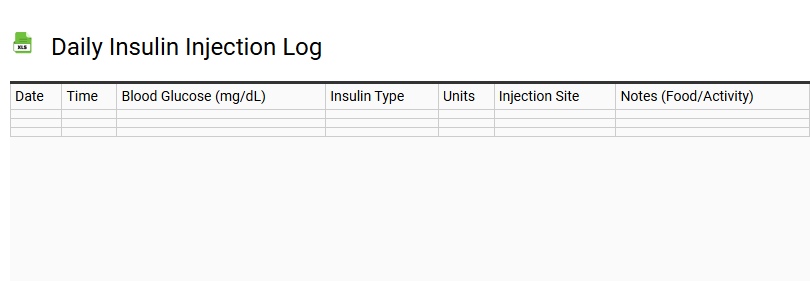
Daily Insulin Injection Log
💾 Daily Insulin Injection Log .xls
A daily insulin injection log serves as an essential instrument for proactive diabetes management. By meticulously recording glucose levels and blood sugar monitoring data, individuals can optimize their glycemic control. This tracking log typically captures basal insulin rates, bolus dosage requirements, and specific injection sites to ensure proper tissue rotation. Integrating details such as carbohydrate intake and physical activity helps correlate insulin sensitivity with daily routines, significantly improving medication adherence. A well-structured template facilitates productive discussions with healthcare providers, enabling precise adjustments to therapy. Whether managing type 1 or type 2 diabetes, documenting pre-meal readings and insulin units administered provides the necessary insights to maintain stable metabolic health and prevent long-term complications through accurate, consistent data visualization.
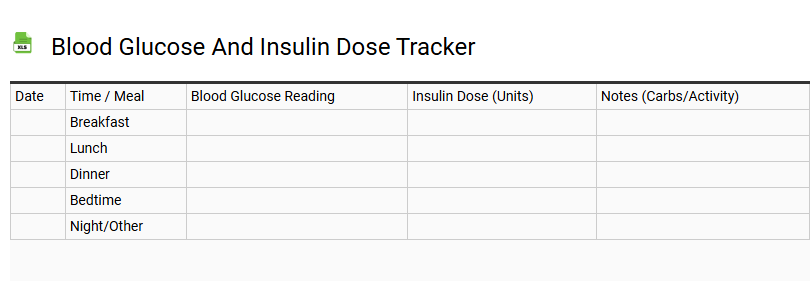
Blood Glucose and Insulin Dose Tracker
💾 Blood Glucose and Insulin Dose Tracker .xls
This comprehensive Blood Glucose and Insulin Dose Tracker is a vital tool for effective diabetes management and maintaining optimal glycemic control. By consistently recording blood sugar levels alongside insulin dosages, users can identify critical patterns in glucose fluctuations. This template facilitates the tracking of fasting glucose, postprandial readings, and carbohydrate intake, which are essential for adjusting basal-bolus regimens.
Utilizing a structured logbook helps prevent hyperglycemia and hypoglycemia while providing healthcare providers with accurate medical records to refine insulin sensitivity ratios. Regular self-monitoring through this tracker supports improved HbA1c outcomes for both Type 1 and Type 2 diabetes patients. By documenting every injection and glucose meter reading, individuals can make informed decisions regarding correction factors and lifestyle adjustments to ensure long-term metabolic health.
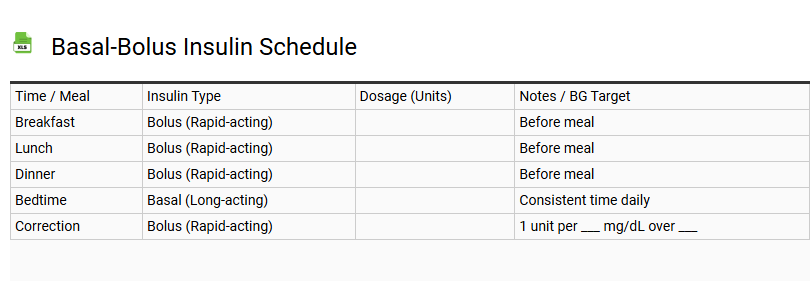
Basal-Bolus Insulin Schedule
💾 Basal-Bolus Insulin Schedule .xls
A basal-bolus insulin schedule is an intensive insulin therapy regimen designed to mimic the natural physiological rhythm of the pancreas. This management template utilizes long-acting insulin (basal) to provide a steady background of glucose control during fasting or sleep, alongside rapid-acting insulin (bolus) administered at mealtimes. This dual-action approach is essential for maintaining stable blood glucose levels and preventing postprandial spikes.
To optimize glycemic control, patients often track the following variables:
- Carbohydrate counting: Calculating bolus units based on nutritional intake.
- Correction factors: Adjusting dosages for unexpected hyperglycemia.
- Glucose monitoring: Tracking patterns via fingersticks or continuous monitors.
This flexible delivery framework allows individuals with Type 1 or Type 2 diabetes to achieve better A1c results and metabolic stability by tailoring insulin delivery to their specific lifestyle, exercise habits, and dietary needs.
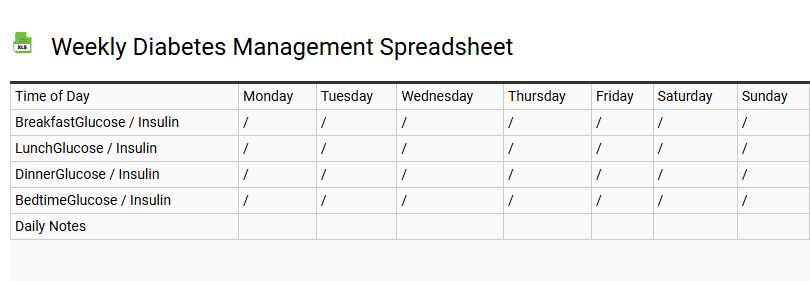
Weekly Diabetes Management Spreadsheet
💾 Weekly Diabetes Management Spreadsheet .xls
A weekly diabetes management spreadsheet serves as a comprehensive digital logbook for maintaining optimal glycemic control. By consistently recording blood sugar levels, users can identify patterns and track trends within their health data. This template facilitates precise carbohydrate counting and monitoring of insulin dosage relative to daily physical activity and meal planning. Whether managing type 1 or type 2 diabetes, documenting pre-meal and post-meal glucose monitoring results helps mitigate the risks of hyperglycemic or hypoglycemic events. Integrating these metrics into a structured format allows for seamless sharing with healthcare providers, supporting data-driven adjustments to treatment plans. Utilizing a spreadsheet ensures that A1C targets remain achievable through diligent observation of medication adherence and lifestyle factors, ultimately fostering improved long-term wellness and proactive metabolic health management.
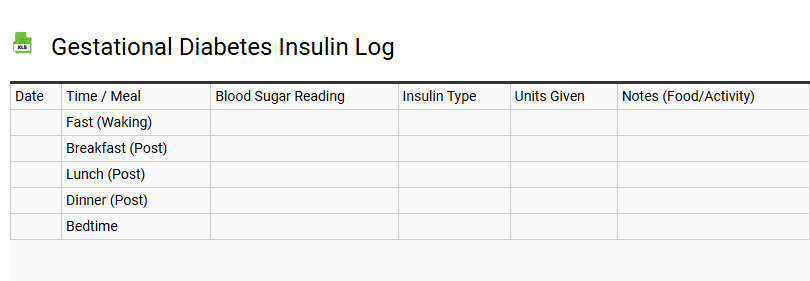
Gestational Diabetes Insulin Log
💾 Gestational Diabetes Insulin Log .xls
Managing gestational diabetes requires meticulous blood glucose monitoring to ensure optimal maternal health and fetal development. A comprehensive insulin log template serves as a vital tool for tracking daily blood sugar levels and subcutaneous insulin injections. This structured record helps expectant mothers document fasting glucose and postprandial readings with precision. By recording specific units of rapid-acting or basal insulin dosage, patients can achieve tighter glycemic control and mitigate hyperglycemia risks. Monitoring these metrics allows endocrine care specialists to adjust treatment plans based on carbohydrate counting and metabolic responses. Consistent data entry facilitates proactive diabetes management, reducing the likelihood of macrosomia or neonatal complications. Utilizing a detailed log ensures a healthier pregnancy journey through stabilized glucose trends and informed medical oversight.
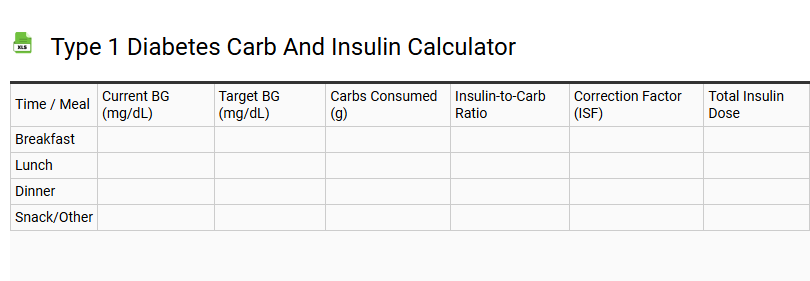
Type 1 Diabetes Carb and Insulin Calculator
💾 Type 1 Diabetes Carb and Insulin Calculator .xls
Managing Type 1 Diabetes requires precise bolus calculations to maintain stable blood glucose levels. This interface simplifies the process by integrating carbohydrate intake with personal insulin sensitivity factors. By inputting total grams of carbohydrates and your specific insulin-to-carb ratio, the tool determines the necessary dose for food consumption.
The calculator also accounts for correction doses. It evaluates the variance between current and target glucose levels, dividing the difference by your insulin sensitivity factor. This combined calculation ensures accurate dosing for both meals and glucose corrections, supporting better long-term glycemic control.
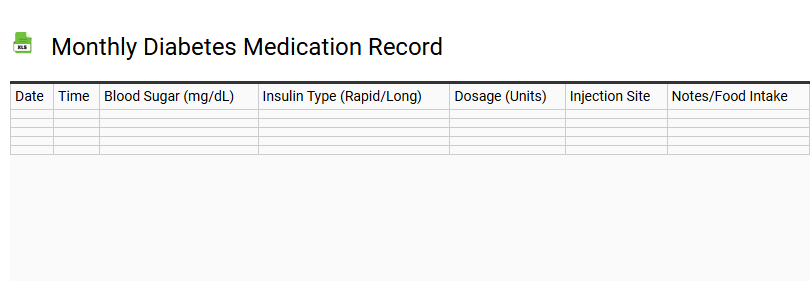
Monthly Diabetes Medication Record
💾 Monthly Diabetes Medication Record .xls
A monthly diabetes medication record serves as a critical instrument for effective glycemic control and comprehensive chronic disease management. This structured template facilitates the precise tracking of insulin dosages, oral hypoglycemic agents, and supplementary prescriptions. By maintaining a diligent log of blood glucose readings alongside pharmaceutical intake, patients can identify vital correlations between dosage timing and metabolic response.
Utilizing this medication adherence tool helps prevent dangerous instances of hyperglycemia or hypoglycemia. Key elements integrated into the log include:
- Daily timestamps for insulin injections and oral tablets like Metformin.
- Quantifiable dosage units to monitor therapeutic compliance.
- Space for recording HbA1c trends and fasting glucose levels.
- Notes for documenting side effects or dietary triggers.
Consistent documentation empowers endocrinologists to refine diabetes treatment plans, ensuring optimal health outcomes and long-term stability through data-driven clinical adjustments.
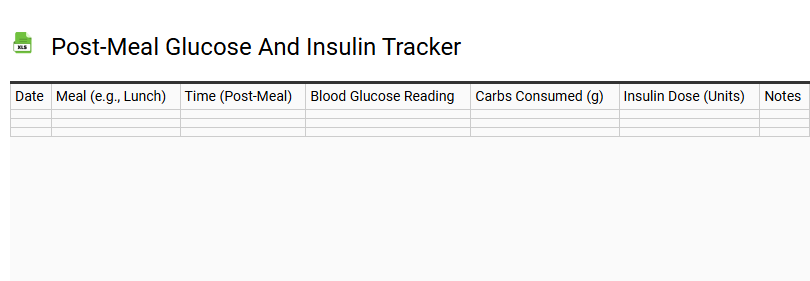
Post-Meal Glucose and Insulin Tracker
💾 Post-Meal Glucose and Insulin Tracker .xls
This specialized template facilitates precise monitoring of post-meal glucose fluctuations and insulin sensitivity. By recording pre-meal baseline readings alongside postprandial glucose levels, users can visualize their unique glycemic response to specific food groups.
The log includes dedicated fields for carbohydrate intake, insulin dosage, and physical activity, providing a holistic view of metabolic health. Consistent blood sugar monitoring is essential for effective diabetes management, allowing individuals to identify patterns in glucose spikes and optimize their therapeutic regimen.
Integrating this data-driven approach enhances nutritional tracking, ensuring better control over hyperglycemia and improving long-term health outcomes. This structured format simplifies the complexity of tracking blood sugar levels, making it an invaluable tool for maintaining stable energy and hormonal balance throughout the day.
Insulin Sensitivity Factor Log
💾 Insulin Sensitivity Factor Log .xls
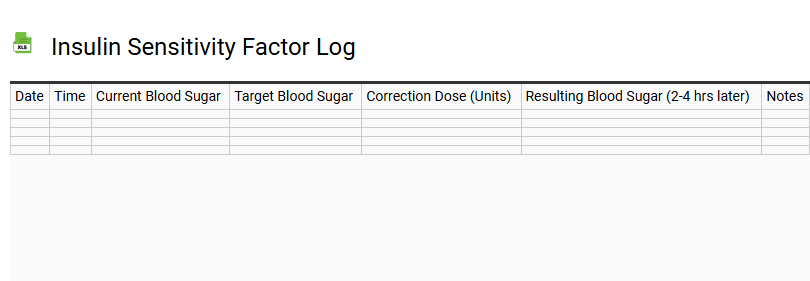
An Insulin Sensitivity Factor (ISF) Log is an essential instrument for precision diabetes management. Often referred to as a correction factor, the ISF quantifies how many milligrams per deciliter (mg/dL) or millimoles per liter (mmol/L) your blood glucose level drops following the administration of one unit of rapid-acting insulin. Maintaining a detailed log assists individuals with Type 1 or Type 2 diabetes in achieving superior glycemic control while preventing hyperglycemia.
By documenting pre-meal glucose, insulin dosages, and postprandial results, users can fine-tune their bolus calculator settings. This structured template identifies patterns in insulin response, ensuring blood sugar monitoring remains within the target range. Utilizing these data points allows healthcare providers to optimize your carbohydrate-to-insulin ratio, ultimately reducing glycemic variability and improving long-term metabolic health through data-driven adjustments.
Sliding Scale Insulin Chart
💾 Sliding Scale Insulin Chart .xls
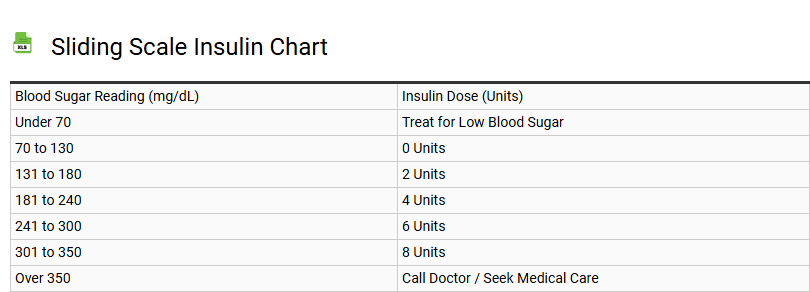
A sliding scale insulin chart serves as a vital clinical tool for personalized diabetes management. This template outlines specific rapid-acting insulin dosages based on real-time blood glucose levels. By utilizing glucometer readings, patients can determine the precise correction dose required to treat hyperglycemia effectively. Unlike fixed-dose regimens, sliding scale insulin therapy adjusts the bolus insulin amount in response to pre-meal or bedtime sugar elevations.
This reactive approach ensures glycemic control by categorizing blood sugar ranges into actionable steps. Healthcare providers use these charts to simplify insulin sensitivity adjustments, helping to prevent long-term complications. Implementing a well-structured insulin dosage table facilitates accurate medication administration, allowing for immediate response to metabolic fluctuations and ensuring stable physiological glucose levels throughout the day. This method remains a cornerstone for inpatient care and intensive insulin therapy protocols.
Diabetes Injection Site Rotation Tracker
💾 Diabetes Injection Site Rotation Tracker .xls
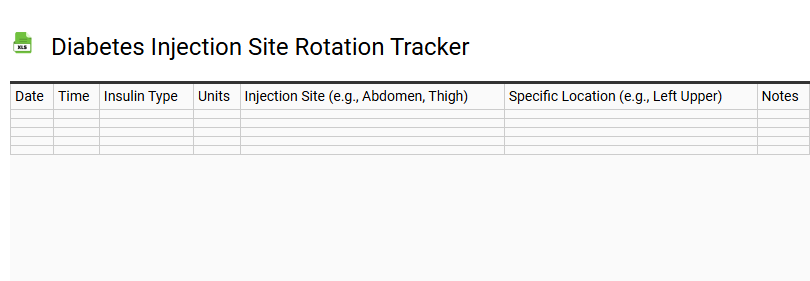
A Diabetes Injection Site Rotation Tracker is an essential tool for optimizing insulin therapy and maintaining skin integrity. By systematically documenting delivery locations across the subcutaneous tissue of the abdomen, thighs, upper arms, and buttocks, patients can effectively prevent lipohypertrophy. This hardened fatty tissue often results from repeated injections in the same area, leading to erratic insulin absorption and compromised glycemic control.
Utilizing a structured rotation map ensures consistent blood glucose management and promotes long-term tissue health. This template helps track daily patterns, reducing the risk of site soreness and scarring. Implementing a disciplined rotation strategy allows for better predictability in metabolic response, making it a cornerstone of effective diabetes self-management. Consistent site variation is vital for maximizing the efficacy of every dose and stabilizing overall health outcomes through precise glucose monitoring.
Carbohydrate Counting and Insulin Log
💾 Carbohydrate Counting and Insulin Log .xls
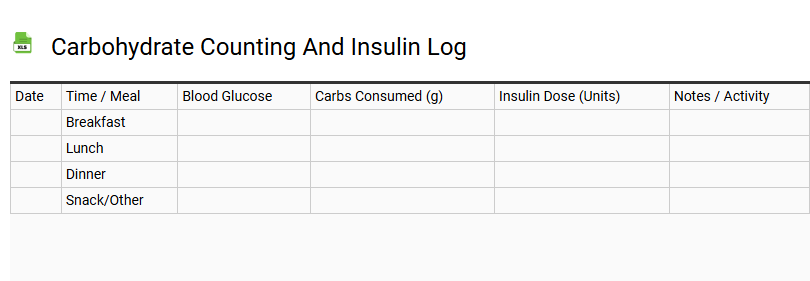
A Carbohydrate Counting and Insulin Log serves as a vital instrument for precise diabetes management and optimal glycemic control. This structured template allows users to meticulously track their nutritional intake, specifically focusing on net carbohydrate grams, alongside corresponding bolus doses and basal insulin administration. By documenting blood glucose levels before and after meals, individuals can accurately calculate their insulin-to-carb ratio and assess insulin sensitivity. Maintaining a consistent diabetes diary helps identify trends in postprandial glucose responses, effectively reducing the risk of hyperglycemia and hypoglycemia. Utilizing this log facilitates data-driven adjustments to treatment plans, ensuring metabolic stability. Whether tracking macronutrients for type 1 or type 2 diabetes, this comprehensive monitoring tool empowers patients to achieve better health outcomes through disciplined glucose monitoring and informed insulin dosing strategies.
Intensive Insulin Therapy Worksheet
💾 Intensive Insulin Therapy Worksheet .xls
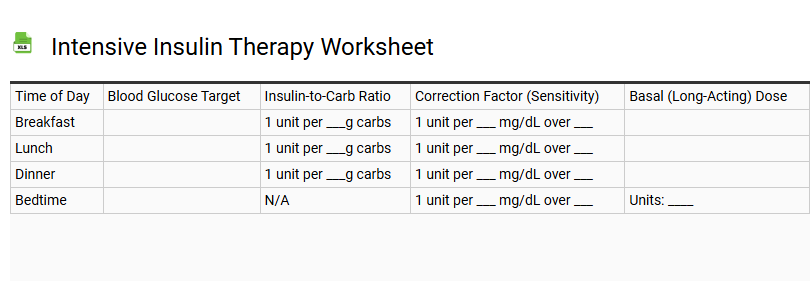
An Intensive Insulin Therapy Worksheet serves as a precise management tool for individuals utilizing multiple daily injections or insulin pump therapy. This structured document organizes vital data points to help calculate the exact dosage required to maintain blood glucose within a specific target range.
The template typically includes the following critical elements:
- Insulin-to-Carbohydrate Ratios: Guidelines for determining mealtime bolus doses based on grams of carbohydrates consumed.
- Correction Factors: Specific calculations used to lower high blood glucose levels back to the desired objective.
- Daily Logs: Dedicated space for recording glucose readings, physical activity, and nutritional intake.
By utilizing this systematic approach, patients and healthcare providers can identify patterns, refine treatment variables, and improve overall glycemic control. This structured format ensures that every adjustment is based on documented clinical evidence and individual metabolic responses.
Diabetes Wellness and Medication Monitor
💾 Diabetes Wellness and Medication Monitor .xls
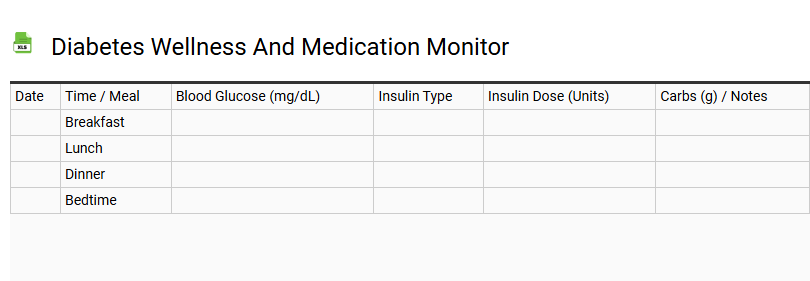
Maintaining optimal blood glucose levels requires a disciplined approach to metabolic health. This digital template functions as a comprehensive medication monitor, enabling precise tracking of insulin dosages and oral hypoglycemic agents. By documenting daily glycemic data, users can effectively manage their hemoglobin A1c levels and improve overall insulin sensitivity.
Our wellness tracker integrates essential chronic condition management tools, such as carbohydrate counting and activity logs, alongside pharmacological interventions. This proactive self-care regimen helps identify blood sugar fluctuations, facilitating better communication with healthcare providers. Utilize this structured glucose monitoring tool to support preventive healthcare goals and ensure long-term glycemic control through accurate documentation of therapeutic adherence and vital health markers.
Correction Dose Insulin Record
💾 Correction Dose Insulin Record .xls
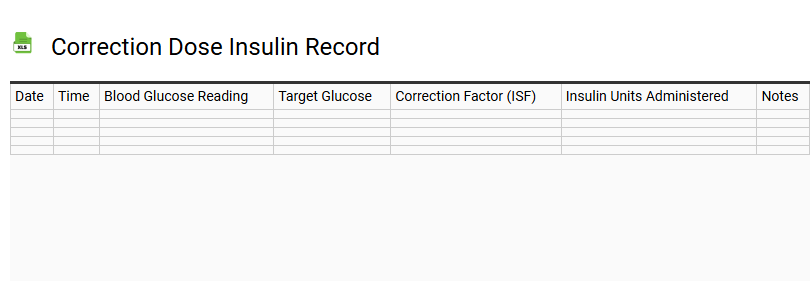
A Correction Dose Insulin Record serves as a critical diagnostic tool for effective diabetes management. This template tracks supplemental rapid-acting insulin administered to address hyperglycemia and return blood sugar levels to a predefined target range.
By documenting precise blood glucose monitoring results alongside the Insulin Sensitivity Factor (ISF), patients can calculate accurate bolus doses. Key components of this log include:
- Current glucose readings and metabolic trends.
- Adjustments based on a sliding scale protocol.
- Timing of subcutaneous injections.
- Total carbohydrate intake correlations.
Maintaining a detailed blood sugar log enhances glycemic control and provides healthcare providers with essential data to refine insulin therapy. Consistent recording prevents glucose fluctuations, ensuring long-term health and optimized metabolic stability through data-driven bolus calculation.
Implementing a structured template for a diabetes insulin schedule is essential for maintaining precise glycemic control. By consistently logging blood glucose levels, insulin dosages, and meal times, individuals with type 1 or type 2 diabetes can effectively identify patterns. This medication log empowers patients and healthcare providers to make informed adjustments to treatment plans. Utilizing a comprehensive insulin tracking sheet ensures better blood sugar monitoring and long-term health outcomes. Download our resource to simplify your daily routine and master your diabetes management today.