
Eczema Flare and Allergen Map Template: A Guide to Tracking Triggers
Effectively managing atopic dermatitis requires a strategic approach to identifying hidden environmental triggers. A dedicated eczema flare and allergen map serves as a visual diagnostic tool, correlating skin inflammation with specific irritants and contact dermatitis stressors. By tracking symptom progression and mapping localized inflammatory responses, individuals can better protect their skin barrier and identify patterns in flare-up cycles. This data-driven method enhances clinical discussions regarding long-term relief. Please check already made variation of templates below.
Daily Eczema Symptom Log
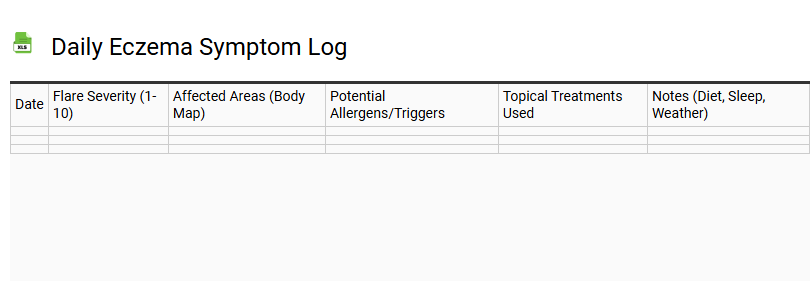
💾 Daily Eczema Symptom Log .xls
A daily eczema symptom log serves as a vital diagnostic tool for managing atopic dermatitis and identifying specific environmental triggers. By systematically tracking flare-up intensity, skin redness, and nocturnal itch levels, patients can provide dermatologists with precise data to refine personalized clinical treatment plans.
This comprehensive monitoring approach focuses on several key skin health metrics:
- Symptom Severity: Assessing inflammation, localized dryness, and skin barrier integrity.
- Trigger Identification: Documenting exposure to potential allergens, stress levels, and fluctuations in humidity.
- Treatment Efficacy: Recording the application of topical corticosteroids, emollients, and moisturizing routines.
Consistent documentation empowers individuals to recognize patterns in chronic skin irritation, facilitating proactive care and long-term relief. Utilizing a structured tracking template ensures critical details regarding hydration and irritants are captured for medical review.
Food and Trigger Diary
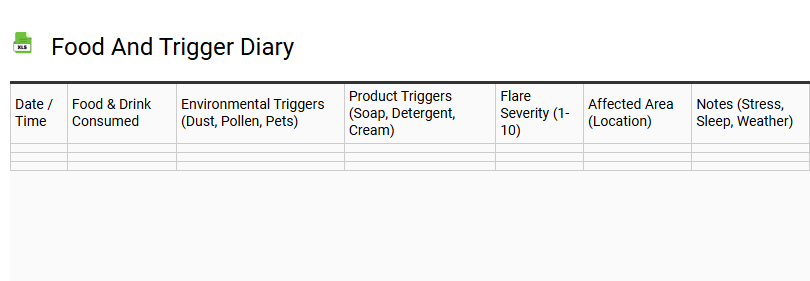
Utilizing a comprehensive food and trigger diary is a pivotal strategy for monitoring nutritional intake and identifying specific dietary patterns linked to gastrointestinal distress. This structured template facilitates the precise logging of meals, snacks, and hydration levels alongside a detailed record of physical symptoms and mood fluctuations. By documenting potential food sensitivities or allergic reactions in real-time, individuals can uncover hidden correlations between ingredient consumption and digestive health. This data-driven approach supports effective symptom tracking, empowering users to navigate an elimination diet or manage chronic conditions like IBS. Consistent entries regarding lifestyle factors, such as stress and sleep, further refine the search for environmental triggers, ultimately leading to personalized health optimization and informed consultations with medical professionals or registered dietitians.
Topical Medication Tracker
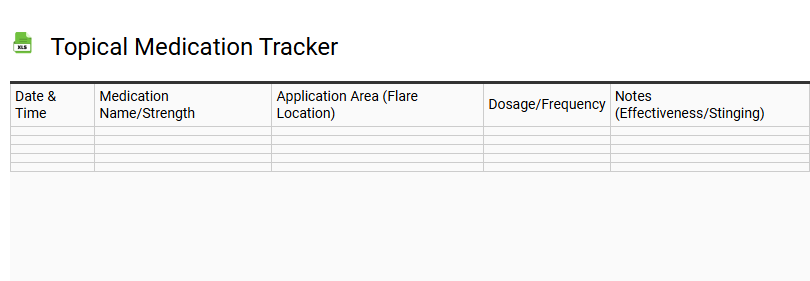
💾 Topical Medication Tracker .xls
Efficiently managing a dermatological treatment plan requires consistent monitoring and precise documentation. A topical medication tracker serves as an essential tool for ensuring treatment adherence during complex cutaneous therapies. By utilizing this template, patients can log each ointment application, cream usage, and the specific dosage frequency required for their skin care regimen.
Detailed entries regarding the application site and healing progress allow for better symptom monitoring and the early identification of side effects. Whether you are tracking prescribed steroids or a daily moisturizer schedule, maintaining a clear medication log enhances patient compliance. This systematic approach to topical administration provides invaluable data for healthcare providers to optimize therapeutic outcomes and ensure the safety and efficacy of long-term skin health management.
Environmental Allergen Map
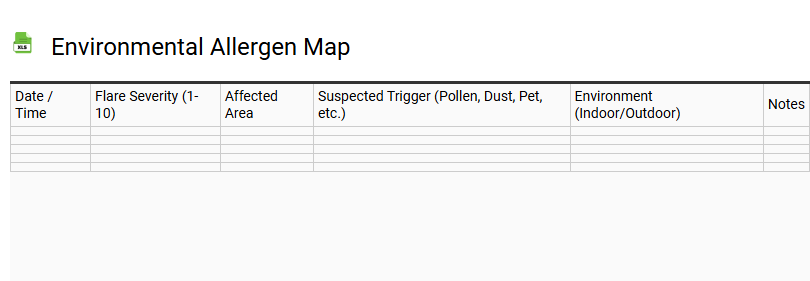
💾 Environmental Allergen Map .xls
Skin Flare Heat Map
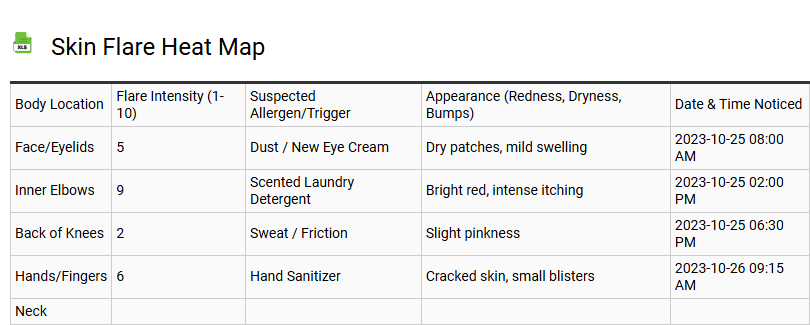
A Skin Flare Heat Map serves as a sophisticated visual analytics tool for tracking dermal inflammation and symptom distribution. This template facilitates the precise monitoring of erythema, localized heat, and irritation patterns associated with chronic conditions like eczema, psoriasis, or rosacea. By utilizing color-coded intensity scales, patients can log flare-up frequency and severity across specific anatomical zones over time.
This systematic approach helps identify environmental triggers and assess therapeutic response to various treatments. Key benefits include:
- Visual representation of skin sensitivity and irritation clusters.
- Chronological logging of inflammation markers for clinical review.
- Enhanced patient self-management through data-driven insights.
Integrating this mapping strategy into a dermatological routine provides clinicians with actionable data to optimize treatment protocols, evaluate medication efficacy, and improve long-term skin health outcomes through accurate symptom visualization.
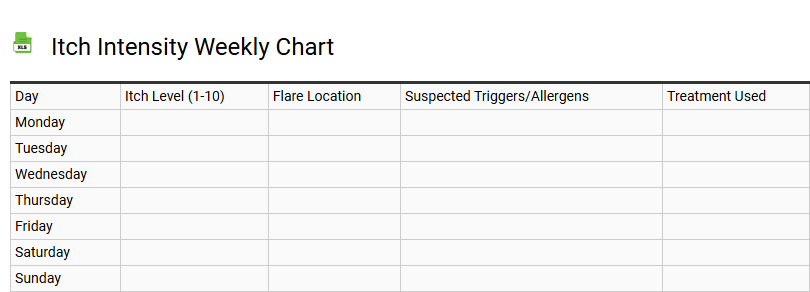
Itch Intensity Weekly Chart
💾 Itch Intensity Weekly Chart .xls
An Itch Intensity Weekly Chart serves as a vital pruritus tracking tool for individuals managing chronic skin conditions. By utilizing a standardized symptom diary, patients can record daily fluctuations in skin irritation levels, typically using a 0-10 numeric rating scale or visual analog system. This structured dermatological log helps identify specific triggers, nocturnal scratching patterns, and the effectiveness of topical treatments or antihistamines.
Consistent use of this itch severity tracker provides healthcare providers with the longitudinal data necessary for diagnosing conditions like eczema, psoriasis, or chronic urticaria. By monitoring pruritic episodes over a seven-day period, users can visualize recovery trends and correlate flare-ups with environmental factors. This data-driven approach optimizes clinical evaluations and empowers patients to manage their skin health through precise, evidence-based symptom documentation and regular self-assessment.
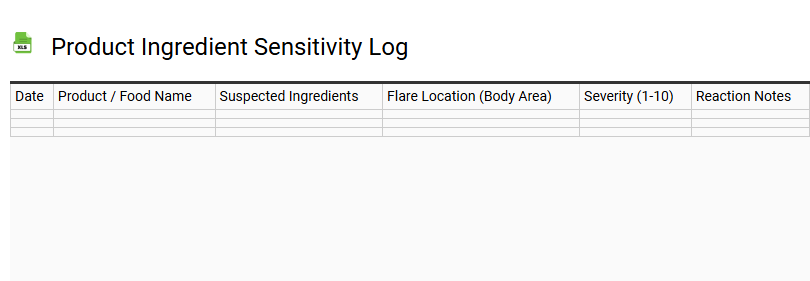
Product Ingredient Sensitivity Log
💾 Product Ingredient Sensitivity Log .xls
A Product Ingredient Sensitivity Log serves as a vital diagnostic tool for identifying adverse reactions and managing skin health. By utilizing a structured template, users can systematically document cosmetic formulations, potential allergens, and irritants that trigger contact dermatitis or flare-ups.
Effective logging involves tracking several key data points to facilitate ingredient analysis:
- Product name and brand for precise cross-referencing.
- Full ingredient lists to isolate specific chemical sensitivities.
- Results from patch testing and duration of use.
- Detailed symptom descriptions, including redness, itching, or inflammation.
This allergy tracker empowers consumers to discover patterns in skincare intolerance, streamlining communication with dermatologists. Maintaining a diligent reaction journal ensures long-term formulation transparency, helping individuals curate a safe, personalized regimen while avoiding problematic active ingredients.
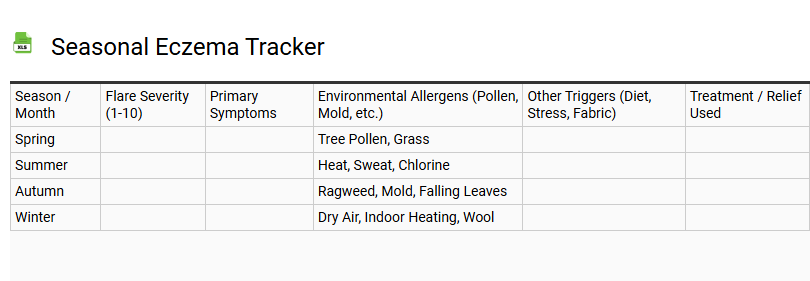
Seasonal Eczema Tracker
💾 Seasonal Eczema Tracker .xls
A Seasonal Eczema Tracker serves as a vital tool for managing atopic dermatitis by identifying specific environmental triggers. This template enables precise logging of skin flare-ups, itch intensity, and local weather patterns like humidity levels or pollen counts. By maintaining a detailed dermatological diary, users can monitor their skin barrier health during significant temperature fluctuations.
Key features of this tracking template include:
- Correlating allergen exposure with symptomatic outbreaks.
- Documenting topical treatment efficacy and daily hydration routines.
- Analyzing how seasonal shifts affect sensitive skin conditions.
- Monitoring the impact of indoor heating and cooling on inflammation.
Utilizing this data-driven approach helps patients preemptively adjust their skincare regimen. Recording daily observations facilitates better communication with healthcare providers, ensuring more effective management of chronic inflammation and improved dermal comfort across all seasons.
Sleep and Flare Correlation Sheet
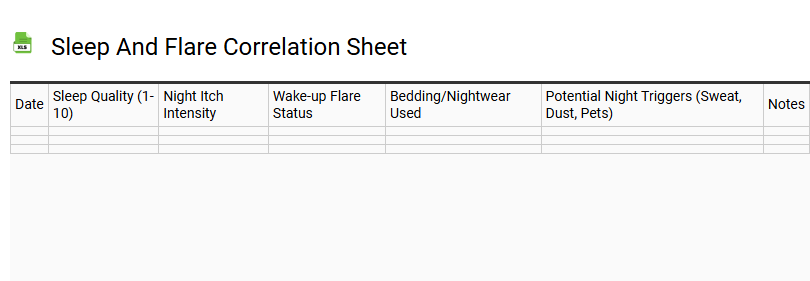
💾 Sleep and Flare Correlation Sheet .xls
A Sleep and Flare Correlation Sheet serves as a specialized health diary designed for individuals managing chronic pain or autoimmune flare-ups. By meticulously logging sleep quality, rest patterns, and daily symptom intensity, users can perform insightful data analysis to uncover hidden triggers. This template facilitates symptom tracking by correlating restorative sleep with levels of inflammation and fatigue.
Utilizing this tool enhances pain management strategies through the identification of physiological trends. Recording nightly disturbances and bedtime consistency provides a comprehensive medical history for healthcare providers, supporting holistic wellness goals. Maintaining a structured record of these variables empowers patients to optimize their environment and lifestyle, ultimately reducing the frequency of flares and improving overall quality of life through precise data-driven health insights.
Stress Level Impact Log
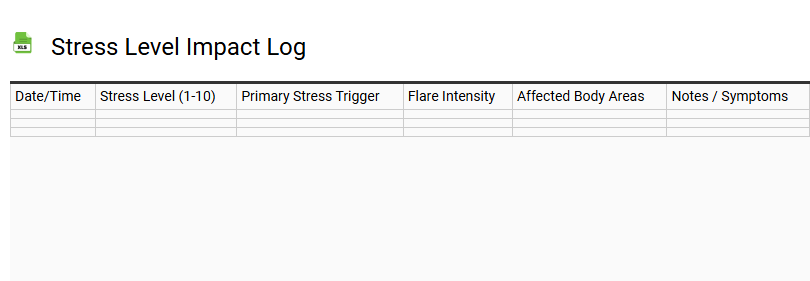
💾 Stress Level Impact Log .xls
A stress level impact log serves as a vital instrument for monitoring mental health and overall psychological wellbeing. By systematically documenting daily stressors and physiological responses, individuals can proactively engage in burnout prevention and improve emotional regulation. This comprehensive symptom diary tracks how fluctuating cortisol levels influence both cognitive performance and physical health.
Integrating biofeedback data and mindfulness practices into your tracking routine enhances stress management strategies. Key metrics typically analyzed include:
- Triggers: Identifying external pressures and internal anxieties.
- Physiological Markers: Monitoring heart rate variability and sleep quality.
- Productivity Metrics: Assessing how tension affects focus and output.
Maintaining this log provides actionable insights into your nervous system's resilience, fostering long-term holistic wellness and informed lifestyle adjustments to mitigate chronic fatigue.
Bath and Skincare Routine Journal
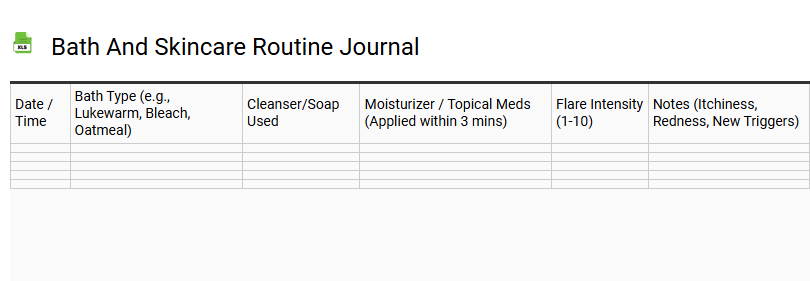
💾 Bath and Skincare Routine Journal .xls
Elevate your self-care practice with a comprehensive bath and skincare routine journal. This dedicated template helps track daily regimens, from morning cleansers to evening serums, ensuring optimal skin health. Use a detailed log to monitor hydration levels, active ingredients, and exfoliation frequency.
By documenting your pampering sessions, you can identify patterns that lead to a glowing complexion. Key elements to record include:
- Product efficacy and skin sensitivity reactions.
- Application of bath salts, essential oils, and moisturizing balms.
- Environmental triggers affecting the skin barrier.
- Weekly treatments like sheet masks and chemical peels.
Consistency is vital for a radiant appearance. Tracking your toners, SPF, and night creams provides a clear roadmap for your beauty journey, transforming simple hygiene into a mindful wellness ritual for rejuvenated, healthy skin.
Dietary Restriction Impact Tracker
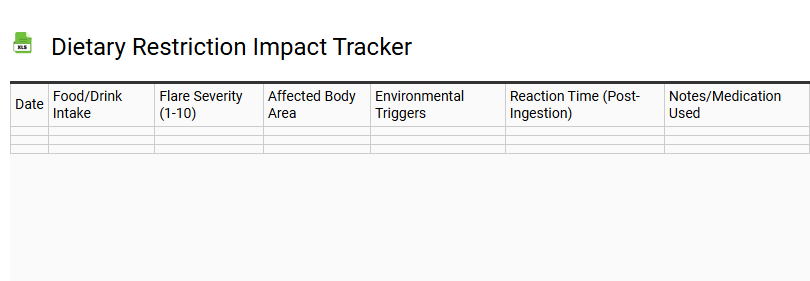
💾 Dietary Restriction Impact Tracker .xls
A Dietary Restriction Impact Tracker serves as an essential resource for managing food sensitivities and complex allergen tracking. By maintaining a detailed log of nutritional intake and symptom logging, individuals can pinpoint specific trigger identification patterns and adverse reactions. This template supports a systematic elimination diet, fostering better gut health and overall wellness monitoring. Tracking daily meals alongside physical responses helps correlate digestive wellness with dietary compliance. Use these health insights to optimize meal planning and ensure the body receives proper nourishment while avoiding inflammatory triggers. Whether addressing food intolerances, celiac requirements, or chronic sensitivities, this structured approach provides the data necessary for informed lifestyle adjustments and long-term health management through precise nutrient monitoring and bio-individual feedback.
Clothing Fabric Reaction Log
💾 Clothing Fabric Reaction Log .xls
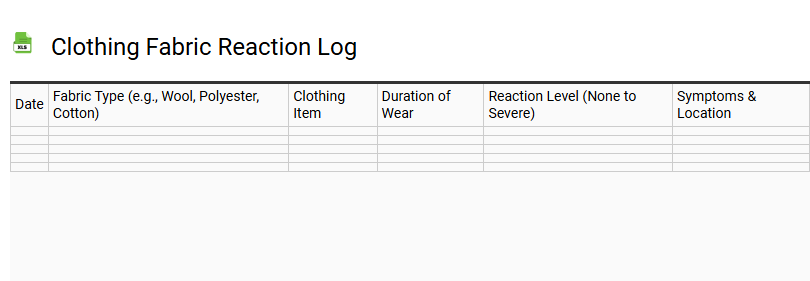
This clothing fabric reaction log serves as a vital dermatology tracking tool for individuals managing sensitive skin or contact dermatitis. By systematically documenting textile sensitivities, users can pinpoint specific irritation triggers linked to fiber composition. Whether monitoring synthetic fibers like polyester or natural materials such as wool, this garment diary facilitates the identification of allergic reactions and skin inflammation.
Essential data points within this template include garment brand, textile dyes, and laundry detergent usage to eliminate confounding variables. Utilizing this hypoallergenic textile guide helps correlate symptom severity with specific fabric weaves or chemical finishes. Maintaining a consistent clothing journal empowers users to provide clinical data to specialists, ensuring more accurate dermatological assessments and personalized wardrobe management for long-term epidermal health and comfort.
Weather and Humidity Flare Tracker
💾 Weather and Humidity Flare Tracker .xls
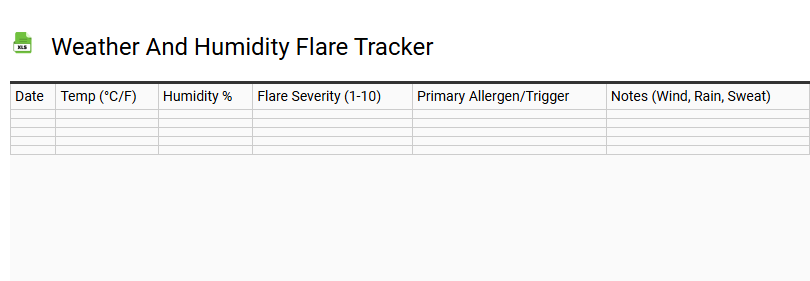
This Weather and Humidity Flare Tracker serves as a vital diagnostic instrument for individuals managing chronic conditions influenced by environmental triggers. By meticulously logging barometric pressure shifts, dew point fluctuations, and atmospheric moisture, users can identify direct correlations between localized climate changes and physiological symptoms.
Effective symptom management requires tracking key variables such as:
- Ambient humidity levels and precipitation patterns.
- Barometric trends impacting joint sensitivity or migraine frequency.
- Temperature variants and pollen counts affecting respiratory health.
Utilizing this data-driven approach allows for predictive health monitoring, enabling patients to anticipate flare-ups before they occur. By documenting environmental stressors alongside daily pain levels, you create a comprehensive health correlation report. This tracking template empowers users to optimize their wellbeing through precise meteorological insights and proactive lifestyle adjustments.
Monthly Eczema Summary Dashboard
💾 Monthly Eczema Summary Dashboard .xls
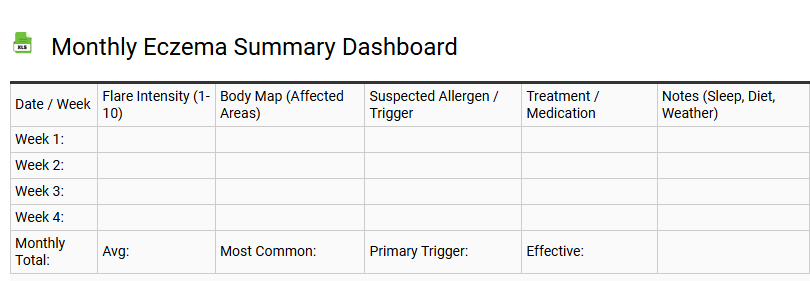
The Monthly Eczema Summary Dashboard serves as a sophisticated analytical tool for monitoring skin health and managing atopic dermatitis symptoms effectively. This template enables users to visualize flare-up frequency, itch intensity, and inflammation levels over a structured thirty-day period. By documenting topical treatments, emollient application, and corticosteroid usage, patients can assess therapeutic efficacy and skin barrier integrity.
Strategic data fields capture environmental triggers, such as humidity and allergens, alongside lifestyle variables like sleep quality and dietary habits. This longitudinal symptom tracking facilitates the identification of underlying patterns, helping to refine personalized skincare routines. Utilizing a data-driven dashboard empowers individuals to provide dermatologists with precise clinical insights, optimizing the management of chronic skin conditions and improving long-term healing outcomes through proactive health monitoring.
Utilizing a comprehensive Eczema Flare and Allergen Map empowers patients to identify specific atopic dermatitis triggers and seasonal environmental allergens. This strategic tracking journal documents inflammatory responses, helping users visualize patterns between contact irritants and skin flare-ups. By maintaining precise data, individuals enhance their symptom management and provide dermatologists with actionable insights. Download our template today to master your dermatological health and regain control over chronic irritation through consistent, proactive monitoring and personalized care strategies.