
Endometriosis Cycle Pain Map Template: A Guide to Tracking Monthly Symptoms
Navigating the complexities of endometriosis requires a detailed approach to monitoring chronic pelvic pain and menstrual cycle fluctuations. Utilizing a dedicated cycle pain map serves as an essential symptom tracker, helping individuals pinpoint dysmenorrhea, ovulation discomfort, and unpredictable flare-ups. By maintaining a precise health journal, you can provide medical specialists with clear data regarding your reproductive health and pelvic floor sensations. This organized method simplifies tracking inflammatory responses and hormonal shifts. Please explore our curated variation of templates below.
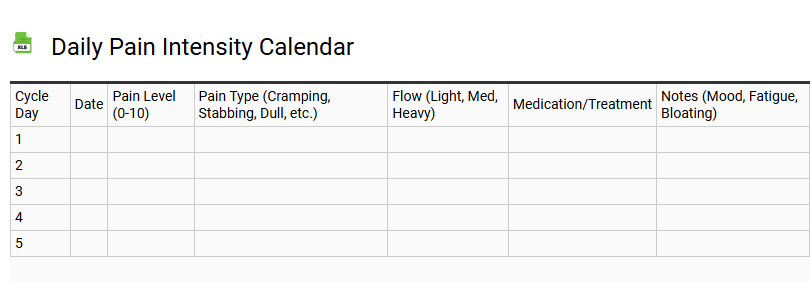
Daily Pain Intensity Calendar
💾 Daily Pain Intensity Calendar .xls
A daily pain intensity calendar serves as a vital tool for effective chronic pain management. By utilizing a standardized numerical pain scale, individuals can accurately document symptom severity and identify specific environmental triggers or lifestyle factors affecting their well-being.
Maintaining a consistent health journal helps visualize pain patterns over time, providing invaluable data for medical consultations and physical therapy adjustments. This systematic symptom tracking allows patients to:
- Monitor flare-ups and recovery trends.
- Evaluate the efficacy of medication and holistic treatments.
- Record discomfort levels during routine activities.
This comprehensive symptom diary bridges the communication gap with healthcare providers, ensuring a more precise diagnosis and a personalized care plan. Utilizing a structured monitoring template empowers patients to take control of their long-term health and improve their overall quality of life through data-driven insights.
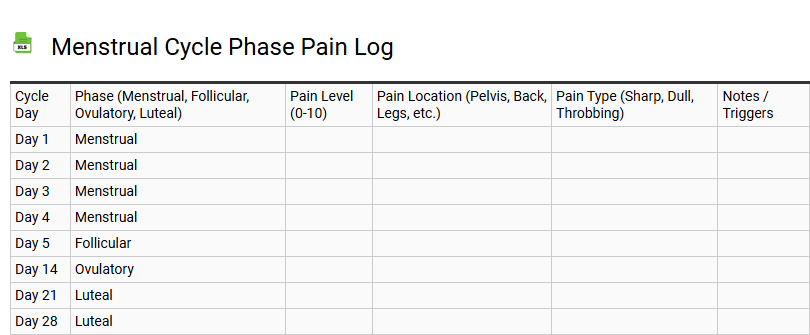
Menstrual Cycle Phase Pain Log
💾 Menstrual Cycle Phase Pain Log .xls
A comprehensive menstrual cycle phase pain log serves as an essential tool for monitoring reproductive health and identifying physiological patterns. By systematically documenting pelvic discomfort across the follicular phase, ovulation, and luteal phase, users can correlate period cramps with specific hormonal fluctuations. This template functions as a detailed symptom diary, utilizing a numerical intensity scale to quantify dysmenorrhea and localized aches.
Effective cycle tracking facilitates proactive wellness monitoring, offering deep insights into menstruation trends and chronic triggers. Maintaining a structured record ensures that data regarding pelvic pain is organized for medical consultations, aiding in the diagnosis of underlying conditions. Precise documentation of your menstrual health empowers informed self-care and personalized treatment strategies, ensuring better management of physical symptoms throughout every stage of the monthly hormonal journey.
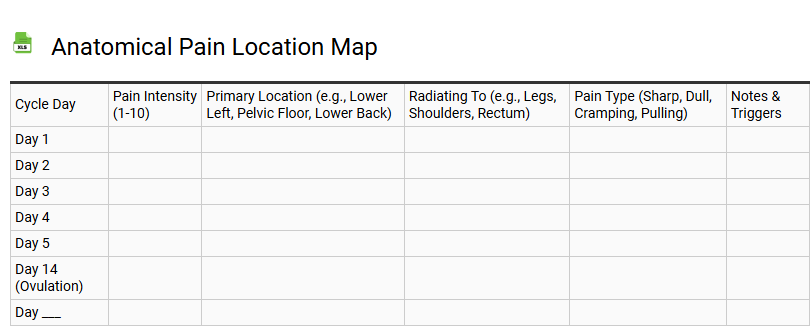
Anatomical Pain Location Map
💾 Anatomical Pain Location Map .xls
An anatomical pain location map serves as a critical diagnostic tool for precise musculoskeletal assessment and clinical documentation. This template features comprehensive anterior and posterior views of the human body, allowing patients to visualize and pinpoint localized discomfort, radiating sensations, or chronic somatic symptoms.
By utilizing this medical illustration during the patient intake process, healthcare providers can accurately track:
- Specific dermatomes and neurological mapping.
- Myofascial trigger points and referred pain patterns.
- Joint inflammation and physiological distress zones.
This standardized pain management resource enhances communication between clinicians and patients, facilitating a more effective diagnostic workflow. Incorporating these diagrams into electronic health records ensures a detailed history of physical trauma, optimizing treatment efficacy and long-term recovery monitoring for diverse orthopedic or neurological conditions.
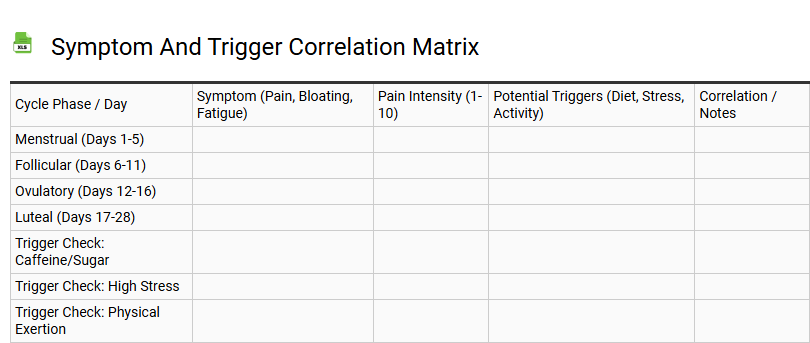
Symptom and Trigger Correlation Matrix
💾 Symptom and Trigger Correlation Matrix .xls
A Symptom and Trigger Correlation Matrix is a sophisticated health monitoring tool designed to identify hidden links between physiological responses and external causal factors. By utilizing this data visualization framework, patients and clinicians can perform a detailed clinical analysis of how environmental stressors, dietary influences, and lifestyle habits impact symptom frequency.
This systematic approach to health logging enables the identification of specific diagnostic patterns through statistical correlation. By mapping variables-such as sleep quality, allergen exposure, or physical exertion-against recurring physical manifestations, users can uncover significant health trends. This matrix serves as an essential component of personalized medicine, facilitating evidence-based interventions by pinpointing the exact trigger-symptom relationship for improved long-term wellness outcomes and precise patient health tracking.
Medication and Relief Effectiveness Tracker
💾 Medication and Relief Effectiveness Tracker .xls
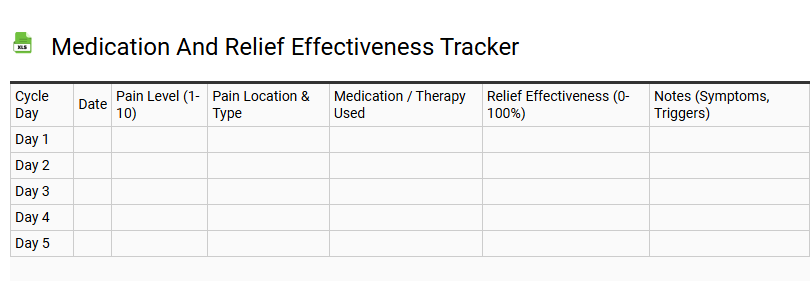
This Medication and Relief Effectiveness Tracker serves as a professional resource for monitoring pharmacological outcomes and patient adherence. By maintaining precise dosage logs and administration times, users can accurately evaluate the therapeutic response of specific prescriptions.
The structured symptom diary enables the tracking of pain levels, adverse side effects, and recovery progress over time. Utilizing this wellness journal format helps identify trends in symptom management and potential drug interactions. Sharing these detailed health records with a healthcare provider facilitates data-driven adjustments to treatment plans.
Whether managing chronic conditions or post-operative care, this template ensures a meticulous approach to monitoring physiological improvements and medication efficacy, bridging the gap between clinical intent and real-world health results.
Anti-Inflammatory Diet and Pain Log
💾 Anti-Inflammatory Diet and Pain Log .xls
Physical Activity Impact Sheet
💾 Physical Activity Impact Sheet .xls
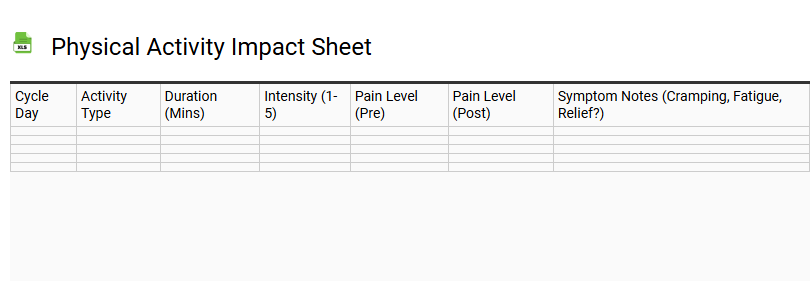
This Physical Activity Impact Sheet serves as a robust framework for monitoring the direct correlation between exercise consistency and physiological health outcomes. By systematically documenting workout intensity, duration, and modality, individuals can analyze critical shifts in metabolic rate and aerobic capacity. The template prioritizes data-driven insights, focusing on biometric feedback such as resting heart rate, caloric expenditure, and recovery intervals to evaluate cardiovascular efficiency.
Utilizing this structured approach helps mitigate sedentary behavior while optimizing muscular endurance and body composition. Integrating these metrics into a wellness assessment facilitates better programming for functional longevity and peak performance. Whether tracking strength training or flexibility routines, this tool ensures every movement contributes to long-term vitality and improved biometric markers, providing a comprehensive overview of one's fitness journey and holistic well-being.
Sleep Quality and Pain Interference Log
💾 Sleep Quality and Pain Interference Log .xls
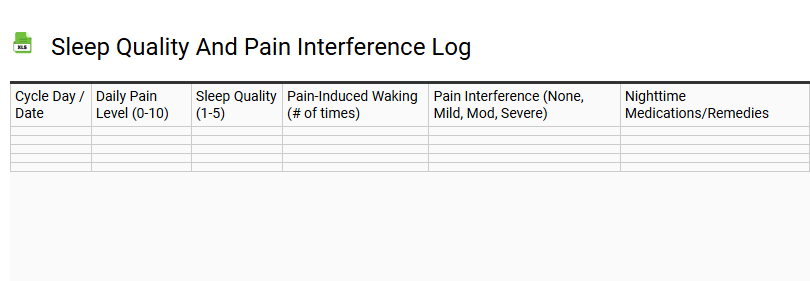
A Sleep Quality and Pain Interference Log serves as a vital diagnostic tool for monitoring the bidirectional relationship between nocturnal rest and physical discomfort. By meticulously documenting sleep latency, total duration, and pain intensity levels, individuals can visualize how chronic symptoms disrupt their circadian rhythm. This template facilitates the collection of longitudinal data, allowing healthcare providers to assess how pain interference affects daily functioning and restorative sleep phases.
Utilizing this diary helps identify specific triggers for sleep disturbances and evaluate the efficacy of pain management strategies. Key metrics often tracked include:
- Symptom severity upon waking and before bed.
- Impact of sleep hygiene on pain thresholds.
- Correlation between sleep efficiency and daytime cognitive function.
Consistent tracking empowers patients toward holistic recovery by uncovering actionable health trends within their personalized wellness journey.
Hormonal Mood and Symptom Diary
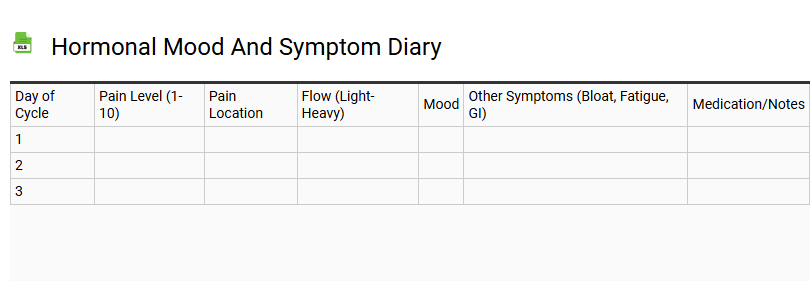
💾 Hormonal Mood and Symptom Diary .xls
A comprehensive hormonal mood and symptom diary serves as a vital tool for monitoring endocrine balance and emotional well-being throughout the menstrual cycle. By utilizing this template, individuals can meticulously track estrogen and progesterone fluctuations, gaining insights into the transitions between the follicular phase and luteal phase.
Recording daily observations of PMS symptoms, basal body temperature, and energy levels facilitates effective cycle mapping. This data-driven approach is essential for identifying patterns related to PMDD management, ovulation, and overall reproductive health. Integrating a structured log helps correlate hormone fluctuations with specific psychological shifts, empowering users to advocate for their health during clinical consultations. Consistent use of a period tracker ensures a clearer understanding of the physiological drivers behind mood swings and physical discomfort, ultimately fostering long-term hormonal harmony and informed self-care.
Bowel and Bladder Dysfunction Map
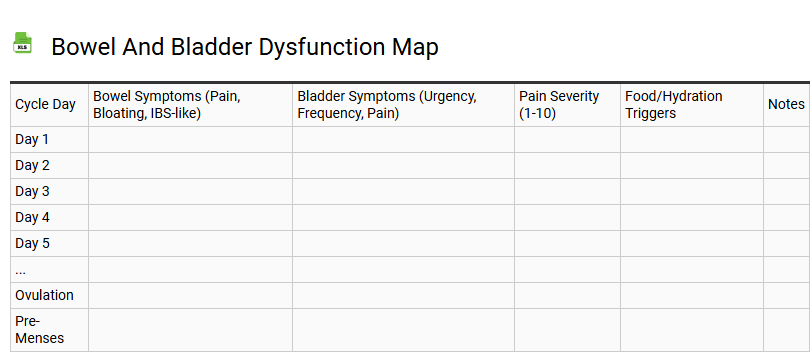
💾 Bowel and Bladder Dysfunction Map .xls
A comprehensive Bowel and Bladder Dysfunction Map serves as a vital clinical assessment tool for identifying the complex interplay between lower urinary tract symptoms (LUTS) and gastrointestinal motility. This diagnostic template facilitates the systematic tracking of urinary frequency, fecal incontinence, and nocturnal enuresis using standardized metrics like the Bristol Stool Scale. By documenting voiding patterns and bowel movements, healthcare providers can pinpoint pelvic floor dyssynergia or vesicoureteral reflux triggers. Implementing this structured map streamlines pediatric urology evaluations, aiding in the management of overactive bladder and dysfunctional voiding. It supports behavioral therapy planning and uroflowmetry interpretation, ensuring a holistic approach to uro-gastrointestinal health. Utilizing this data-driven framework helps monitor urinary tract infections (UTIs) and optimizes biofeedback interventions to improve patient outcomes and bladder capacity.
Basal Body Temperature Pain Chart
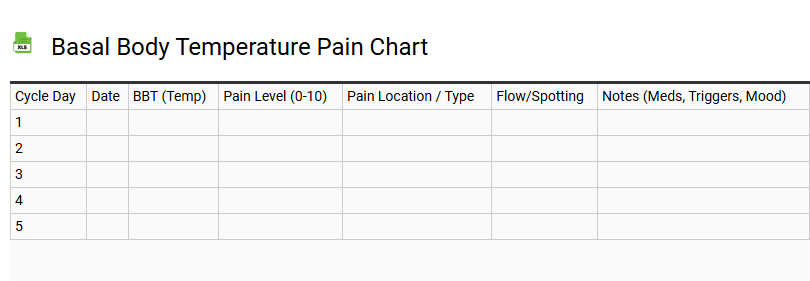
💾 Basal Body Temperature Pain Chart .xls
Utilizing a basal body temperature (BBT) pain chart template is essential for comprehensive fertility monitoring and cycle mapping. This specialized symptom log allows users to correlate daily thermal shifts with specific pelvic pain or dysmenorrhea episodes. By recording hormonal fluctuations throughout the follicular phase and luteal phase, individuals can accurately identify the biphasic shift indicative of ovulation.
Tracking these biomarkers helps pinpoint the timing of menstrual cramps or chronic discomfort often associated with conditions like endometriosis. A well-maintained menstrual cycle record provides data-driven insights into hormonal balance and reproductive health. Integrating thermometry with pain intensity levels ensures a holistic view of ovulatory patterns, facilitating more productive clinical consultations regarding menstrual health and long-term wellness.
Post-Operative Recovery Symptom Log
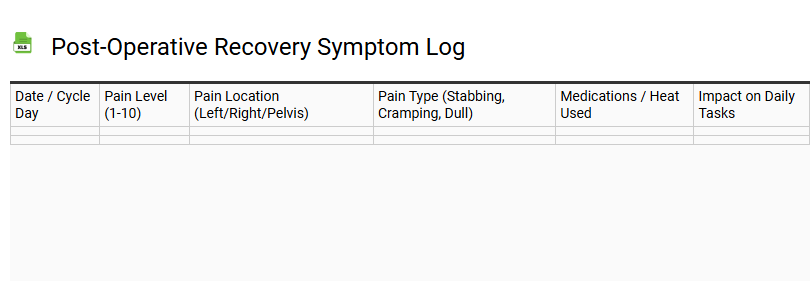
💾 Post-Operative Recovery Symptom Log .xls
A post-operative recovery symptom log is an essential medical tracking tool designed to optimize surgical aftercare and patient outcomes. This structured health journal facilitates the daily monitoring of recovery progress, focusing on vital signs, pain management efficacy, and wound healing at the incision site. By documenting specific clinical markers such as swelling, inflammatory responses, and medication side effects, patients can provide healthcare providers with objective data for follow-up consultations. Utilizing a standardized template ensures that critical post-op milestones are met while identifying potential complications like infections or adverse reactions to anesthesia. Precise documentation of mobility levels and physiological changes empowers patients during the recuperation phase, bridging the gap between hospital discharge and full rehabilitation. Integrating this systematic approach into your recovery routine enhances communication with surgical teams and promotes a safer, more efficient healing trajectory.
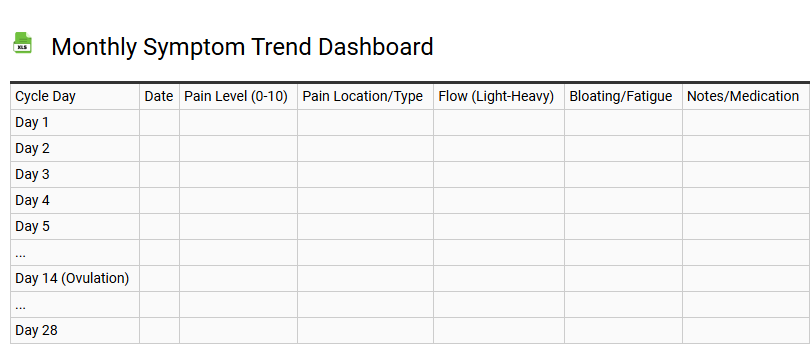
Monthly Symptom Trend Dashboard
💾 Monthly Symptom Trend Dashboard .xls
The Monthly Symptom Trend Dashboard serves as a comprehensive tool for visualizing health patterns over a thirty-day cycle. This interface consolidates daily health entries into clear, actionable data, allowing individuals to identify recurring triggers and fluctuations in their well-being. By transforming raw observations into visual trends, users can easily recognize the correlation between lifestyle factors and physical or emotional states.
The layout prioritizes clarity through the following components:
- Severity Charts: Line graphs that track the intensity of specific indicators over time.
- Frequency Logs: Displays showing how often specific incidents occur within the month.
- Health Summaries: Brief overviews that highlight improvements or areas requiring medical attention.
Utilizing this dashboard facilitates more accurate discussions with healthcare providers, ensuring that subtle shifts in health are documented and addressed through evidence-based observation.
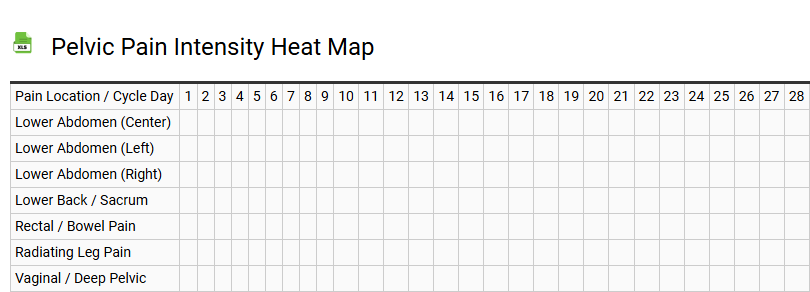
Pelvic Pain Intensity Heat Map
💾 Pelvic Pain Intensity Heat Map .xls
A pelvic pain intensity heat map serves as a vital diagnostic visualization tool for tracking localized discomfort and symptom severity. This digital template allows patients to accurately document the distribution of chronic pelvic pain, identifying specific triggers related to endometriosis, pelvic floor dysfunction, or interstitial cystitis. By utilizing a spatial mapping approach, users can highlight fluctuations in pain levels across the abdominal, sacral, and inguinal regions.
Integrating this data into a clinical assessment helps healthcare providers differentiate between cyclic dysmenorrhea and non-cyclical inflammatory conditions. The color-coded interface facilitates the identification of myofascial trigger points and nerve entrapment patterns. Using this symptom tracking system improves communication during medical consultations, ensuring a comprehensive overview of pelvic health. This data-driven approach supports personalized treatment plans for managing multifaceted pelvic congestion and neurogenic sensations effectively through precise anatomical mapping.
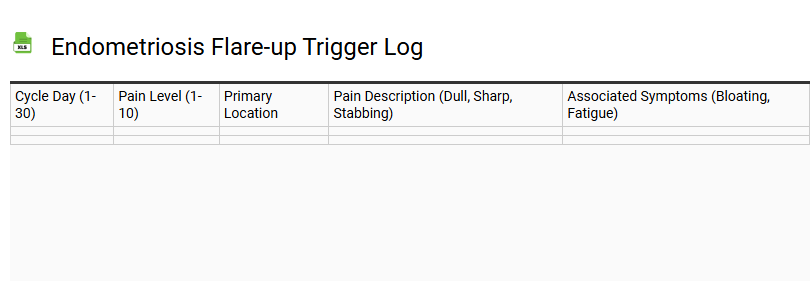
Endometriosis Flare-up Trigger Log
💾 Endometriosis Flare-up Trigger Log .xls
An endometriosis flare-up trigger log is an essential tool for managing chronic pelvic pain and identifying personal correlations between lifestyle and symptoms. By systematically documenting daily habits, individuals can pinpoint specific inflammatory foods, hormonal fluctuations, or stress levels that exacerbate discomfort. This data-driven approach facilitates better communication with healthcare providers regarding pain intensity and duration. Effective logs track menstrual cycle phases, digestive health, sleep quality, and environmental factors to uncover hidden patterns. Monitoring pelvic floor dysfunction and physical exertion helps in tailoring a personalized symptom management plan. Utilizing this template empowers patients to gain control over their reproductive health, enabling proactive adjustments to diet and activity. Through consistent tracking, you can distinguish between routine discomfort and acute flares, optimizing holistic health outcomes and improving overall quality of life while navigating the complexities of this condition.
Utilizing an Endometriosis Cycle Pain Map template is essential for documenting chronic pelvic pain and menstrual symptoms. This tracking tool helps visualize flare-ups and localized inflammation throughout your cycle, aiding in the clinical management of dysmenorrhea. By providing a clear, data-driven log for your gynecologist, you can refine your pain management strategy and identify specific triggers. Ultimately, this comprehensive charting resource empowers patients to take control of their reproductive health and navigate the complexities of this condition with greater confidence and clinical clarity.