
Endurance Runner Pace Log Template for Training and Performance Tracking
Mastering endurance running demands precise oversight of marathon training progress and stamina development. Utilizing a comprehensive pace log allows athletes to meticulously record split times, distance tracking, and heart rate zones. This systematic approach to monitoring athletic performance helps refine your race strategy and manage training volume for peak results. Consistent documentation is essential for reaching your aerobic threshold goals and ensuring long-term progression. Please check the already made variation of templates below to find the perfect layout for your routine.
Weekly Running Log
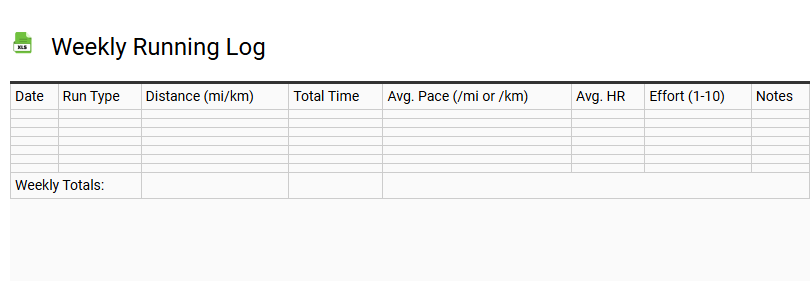
A comprehensive weekly running log serves as a vital analytical tool for athletes aiming to optimize their training volume and performance metrics. By utilizing a structured template, runners can meticulously document daily mileage, average pace, and elevation gain to ensure steady progression toward specific fitness goals. Incorporating data such as resting heart rate, perceived exertion, and recovery intervals helps prevent overtraining while strengthening your aerobic base.
Effective templates facilitate high-level marathon preparation through precise tracking of:
- Workout specificity: Distinguishing between long runs, tempo sessions, and interval workouts.
- Gear management: Monitoring shoe mileage to mitigate injury risks.
- Biometrics: Assessing the correlation between sleep quality and running economy.
Consistent use of a running diary enables data-driven periodization, allowing for strategic adjustments to your training plan to enhance long-term endurance and speed.
Marathon Training Pace Calculator
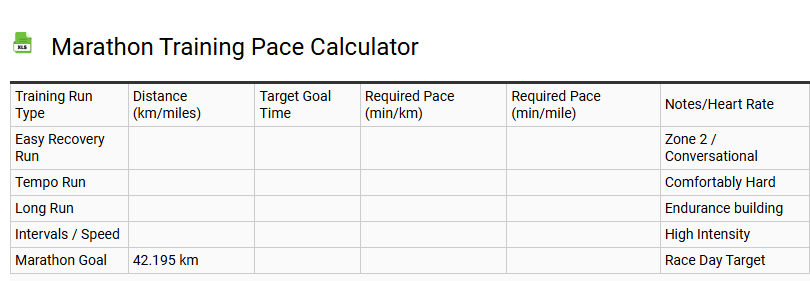
💾 Marathon Training Pace Calculator .xls
Our marathon training pace calculator is a vital tool for runners designing a precise race day strategy. By analyzing your target finish time, this tool generates optimal running velocity metrics, including detailed mile splits and kilometer intervals. These calculations are essential for balancing your aerobic capacity during high-intensity speedwork and essential long runs.
Whether aiming for a personal best or tackling the 26.2-mile distance for the first time, understanding your specific heart rate zones and recovery pace ensures effective endurance training. Use these data-driven insights to structure your training cycles, manage your tapering phase, and prevent burnout. By mastering your pacing strategy, you can maintain consistent effort from the starting line to the final sprint, maximizing athletic performance and hitting your specific time goals with confidence.
Distance and Pace Tracker
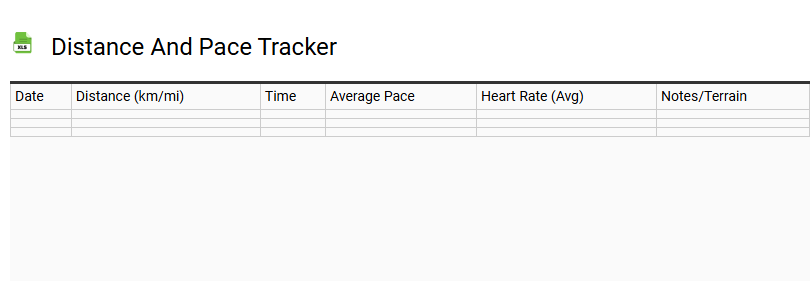
💾 Distance and Pace Tracker .xls
A professional Distance and Pace Tracker template serves as an essential tool for athletes and fitness enthusiasts aiming to monitor cardiovascular performance. By utilizing a structured running log, users can efficiently record mileage, duration, and average speed to visualize training progress. This digital activity dashboard facilitates the analysis of mile splits and endurance levels, ensuring that specific fitness goals remain measurable and attainable.
Integrating performance analytics into your daily routine allows for precise time management and the identification of athletic metrics trends. Whether you are focused on marathon preparation or general health monitoring, this template provides a central hub for workout data. By tracking velocity and stamina, individuals can optimize their aerobic capacity and maintain consistent physical conditioning through data-driven insights.
Daily Run Summary
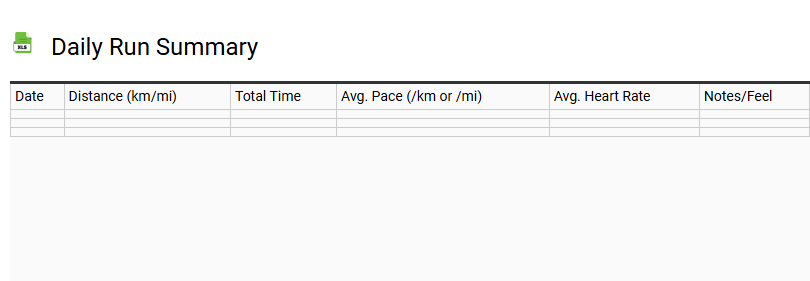
A comprehensive Daily Run Summary serves as a vital component of a high-level training log. This template is designed to capture essential run data, enabling athletes to monitor their mileage tracking and pace analysis with precision. By documenting workout intensity and heart rate zones, runners can better understand their cardiovascular health and overall athletic performance.
- Distance & Duration: Essential for maintaining consistency and volume.
- Recovery Metrics: Tracking perceived exertion and fatigue to prevent injury.
- Environmental Factors: Noting terrain and weather impact on fitness goals.
Systematically recording these details facilitates a data-driven approach to endurance building. Whether preparing for a race or focusing on general wellness, this structured summary ensures every session aligns with your long-term performance benchmarks and physiological recovery needs.
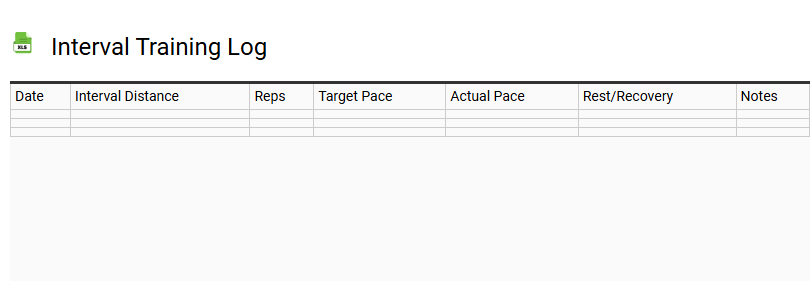
Interval Training Log
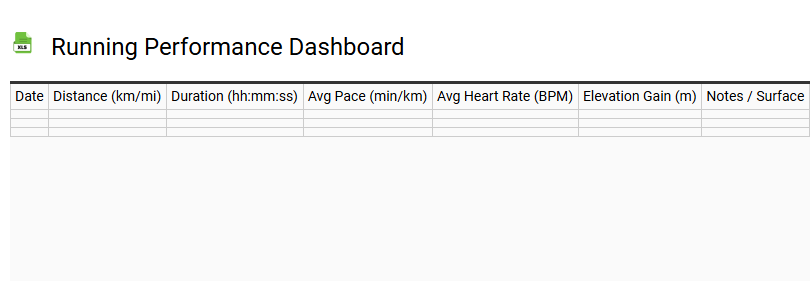
Running Performance Dashboard
💾 Running Performance Dashboard .xls
This running performance dashboard template offers a comprehensive framework for athlete monitoring and training optimization. By centralizing biometric data, users can visualize critical fitness trends such as aerobic capacity and heart rate zones. The interface simplifies tracking mileage progression while evaluating training load to mitigate injury risks. Key performance indicators, including average pace, cadence, and gait analysis, provide granular insights into running economy. Additionally, the integration of recovery metrics ensures a data-driven balance between high-intensity intervals and physiological restoration. This data-driven visualization tool allows for precise adjustments to workout regimens, fostering improvements in endurance and cardiovascular health. Whether managing personal goals or coaching a team, the dashboard transforms raw metrics into actionable intelligence for peak athletic achievement.
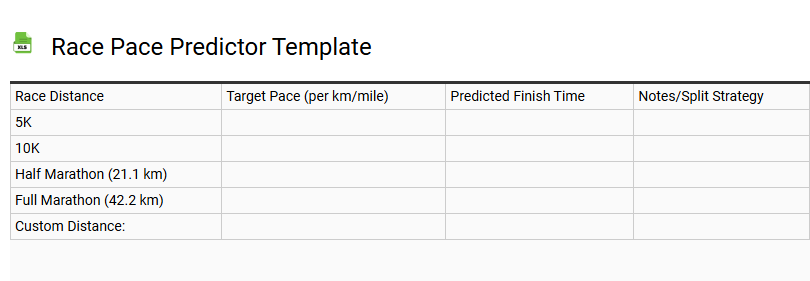
Race Pace Predictor Template
💾 Race Pace Predictor Template .xls
A race pace predictor template serves as a vital analytical tool for runners seeking to quantify their athletic potential. By leveraging historical performance data and current running metrics, this calculator generates precise estimates for various distances, including marathons and half-marathons. Utilizing physiological indicators such as VO2 max and aerobic threshold, the template facilitates data-driven performance forecasting. Athletes can establish realistic finishing times, calculate sustainable split strategies, and refine their training intensity levels. This systematic approach allows for the optimization of interval training and taper periods, ensuring peak physical readiness on race day. By integrating these endurance coaching insights, runners can transition from generic plans to a personalized race day strategy, effectively bridging the gap between training volume and competitive velocity to achieve a new personal record.
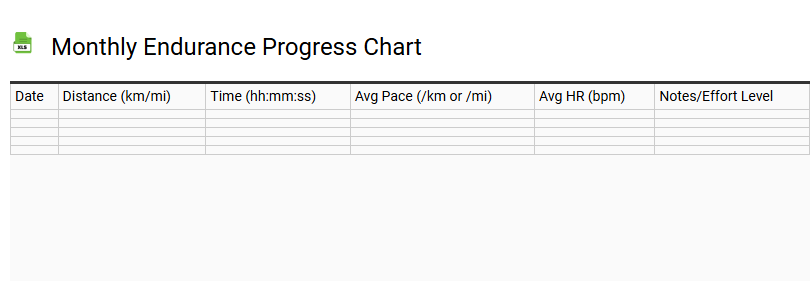
Monthly Endurance Progress Chart
💾 Monthly Endurance Progress Chart .xls
A Monthly Endurance Progress Chart serves as a vital instrument for athletes dedicated to improving aerobic capacity and cardiovascular health. This template enables precise stamina tracking by documenting essential fitness metrics, including VO2 max, resting heart rate, and cumulative training volume.
By leveraging structured workout logs, users can analyze performance trends and monitor physical conditioning milestones. This data-driven strategy for athletic development ensures training intensity remains optimized for long-term endurance goals.
- Monitor aerobic thresholds and recovery phases.
- Identify performance plateaus through visual data analysis.
- Enhance athletic performance with systematic stamina evaluation.
Integrating these insights fosters a sustainable approach to endurance training, transforming raw statistics into actionable strategies for achieving peak fitness levels.
Heart Rate and Pace Sync Log
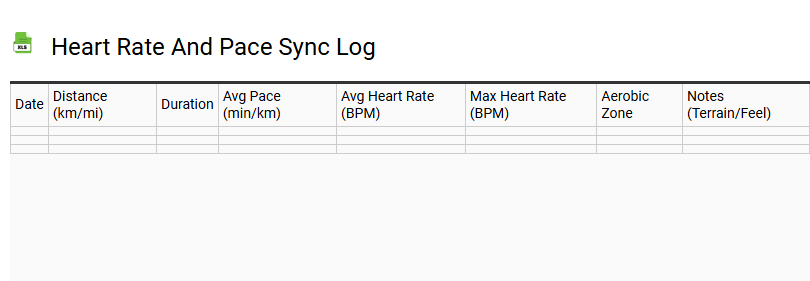
💾 Heart Rate and Pace Sync Log .xls
This specialized Heart Rate and Pace Sync Log is designed for precision cardiovascular monitoring and athletic performance analysis. By correlating BPM (beats per minute) with specific running velocity, athletes can effectively measure aerobic efficiency and identify cardiac drift patterns.
The template integrates biometric data with endurance benchmarks, allowing for a data-driven approach to Zone 2 training and VO2 max optimization. Recording these fitness telemetry metrics helps establish a clear relationship between exertion levels and metabolic conditioning.
Utilizing this log facilitates better recovery tracking and ensures that workouts remain within targeted physiological zones. Whether you are focused on marathon preparation or stamina development, syncing these critical variables provides the insights necessary to refine training intensity and maximize long-term cardiorespiratory health.
Split Time Tracker
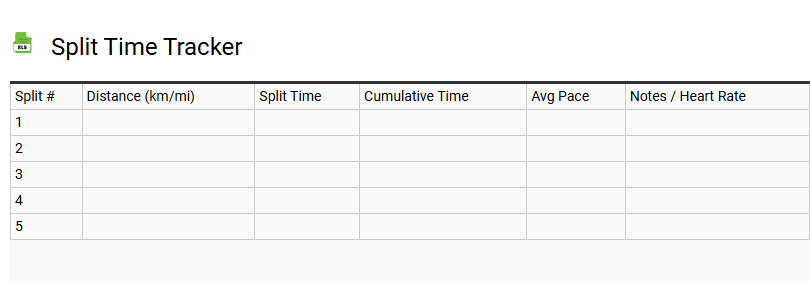
This Split Time Tracker template provides a streamlined framework for monitoring sequential intervals and individual segment durations. Engineered for precision, this digital chronometer facilitates seamless lap recording and incremental data logging, serving as an essential productivity tool for performance analysis.
Users can efficiently capture precise timestamps, calculate elapsed durations between milestones, and evaluate workflow efficiency through systematic timing. By utilizing this interval logging interface, you can manage complex tasks, track athletic progress, or optimize professional workflows with granular accuracy. The intuitive layout supports real-time performance metrics, ensuring every second is accounted for during intensive sessions. Whether conducting speed trials or managing billable hours, this versatile tracking solution provides the structural foundation needed for high-level time management and comprehensive data visualization within your digital environment.
Trail Running Log with Elevation
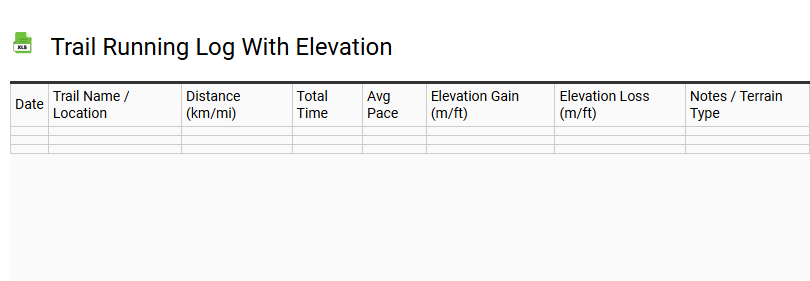
💾 Trail Running Log with Elevation .xls
A comprehensive trail running log focusing on elevation metrics is essential for mastering mountain endurance. By meticulously tracking vertical gain and loss, athletes can analyze performance across varying trail grades and technical terrain. This data-driven approach captures critical running metrics necessary for peak performance.
- Monitor total ascent and descent to calculate cumulative training load.
- Record footing conditions and weather impact on overall pace.
- Log heart rate zones relative to steepness for improved aerobic efficiency.
- Evaluate gear performance, specifically trail shoe traction and hydration needs.
Integrating these variables into a structured template helps optimize pacing strategies for high-altitude environments. Tracking climb gradients and recovery times is crucial for ultra-marathon preparation, ensuring physical adaptation to rugged mountainous landscapes while minimizing injury risks during steep descents.
Annual Running Mileage Tracker
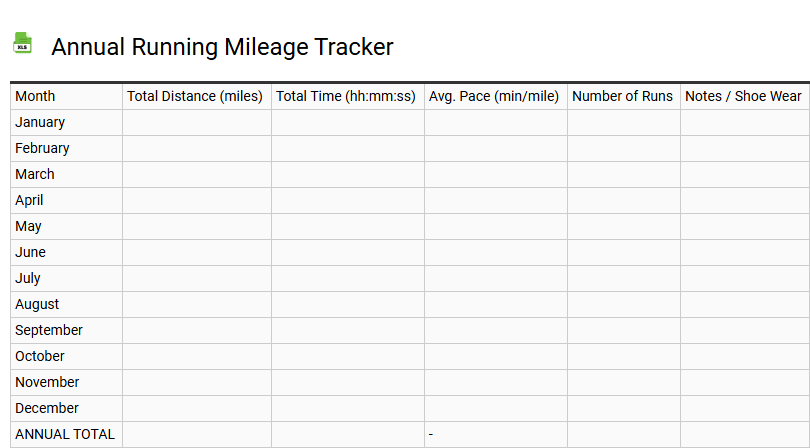
💾 Annual Running Mileage Tracker .xls
An annual running mileage tracker is an essential training log designed for athletes dedicated to consistency and performance optimization. This comprehensive spreadsheet or digital dashboard allows runners to meticulously document daily distance, monitor weekly volume, and visualize long-term progress toward yearly endurance goals. By recording key metrics such as average pace, elevation gain, and shoe wear-and-tear, you gain data-driven insights into your fitness journey.
Utilizing a structured mileage chart aids in injury prevention by highlighting potential overtraining patterns while fostering the discipline required for marathon preparation or base building. Whether tracking kilometers or miles, this tool provides a visual representation of your aggregate growth and cardiovascular health. Enhance your running consistency and stay motivated by analyzing performance trends and celebrating every milestone achieved throughout the calendar year. This template serves as a roadmap for peak physical conditioning and personal record breakthroughs.
This endurance runner pace log serves as a vital tool for distance athletes aiming to refine their performance. By tracking specific split times and heart rate data, runners can effectively analyze their aerobic capacity and stamina growth. This data-driven approach simplifies marathon training, allowing for precise adjustments to intensity and recovery. Utilizing a structured logbook ensures consistent progress monitoring throughout any training cycle. Start optimizing your running metrics today by downloading our comprehensive template to achieve peak athletic potential and master long-distance consistency.