
Free Fetal Kick Counter Template and Movement Log
Monitoring your baby's movements during the third trimester is a vital aspect of prenatal care. Utilizing a dedicated fetal kick counter template allows expectant parents to systematically track daily activity and ensure consistent fetal well-being. By maintaining a detailed kick count log, you can easily identify patterns in your baby's rhythms and provide accurate data to your healthcare provider. This proactive approach to maternal health simplifies the process of recording sessions. Please explore our diverse collection of professionally designed template variations provided below.
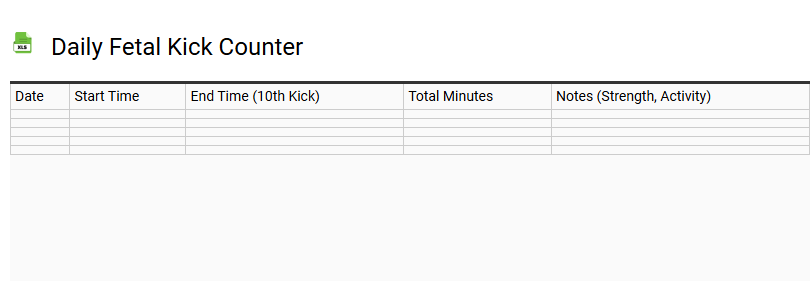
Daily Fetal Kick Counter
💾 Daily Fetal Kick Counter .xls
A daily fetal kick counter is an essential tool for monitoring prenatal health and ensuring your baby's well-being during the third trimester. By tracking fetal movement patterns, such as kicks, rolls, and flutters, expectant parents can establish a baseline for their infant's activity levels. Consistent use of a movement log is often recommended by obstetricians as a proactive measure for stillbirth prevention and identifying potential gestational concerns.
This structured template allows you to record the time it takes to reach ten distinct movements each day. Monitoring these movement patterns helps detect sudden changes in frequency or intensity. If you notice a significant decrease in baby kicks or a deviation from established trends, contact your healthcare provider immediately. Utilizing a pregnancy tracking method fosters a deeper connection with your baby while providing vital data for your medical team.
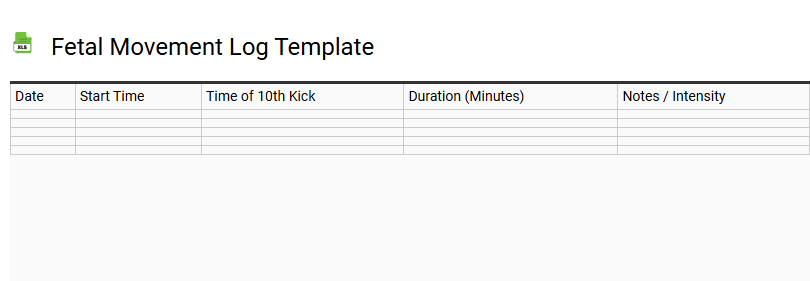
Fetal Movement Log Template
💾 Fetal Movement Log Template .xls
A fetal movement log template serves as a vital tool for prenatal monitoring, particularly as expectant parents reach the third trimester. Utilizing a kick counter allows for the consistent tracking of baby's movements, helping to establish a baseline for healthy movement patterns. This systematic approach to pregnancy tracking enhances maternal awareness and provides critical data regarding fetal well-being.
By engaging in daily monitoring, parents can identify deviations in fetal kick counts, which is essential for stillbirth prevention and overall prenatal health. When using the log, consider these factors:
- Track activity during the baby's most active periods, often after meals.
- Record the duration required to reach ten distinct movements at your current gestational age.
- Document observations to share during your next OB-GYN consultation.
Maintaining a structured log ensures proactive observation and peace of mind throughout the final stages of gestation.
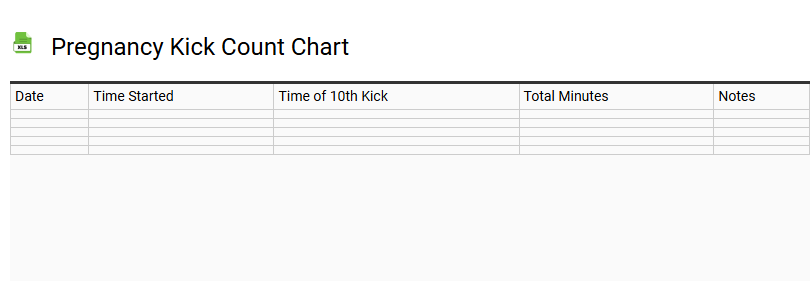
Pregnancy Kick Count Chart
💾 Pregnancy Kick Count Chart .xls
A pregnancy kick count chart is an essential tool for monitoring fetal movement during the third trimester, typically starting around 28 weeks gestation. By tracking daily fetal activity, expectant parents can establish a baseline for their baby's unique movement patterns, ensuring proactive prenatal health monitoring. Using a structured kick counter template helps identify shifts in vigor or frequency, providing vital data for your healthcare provider.
To effectively use a daily log, choose a quiet time when the baby is most active. Record the duration it takes to feel ten distinct sensations, such as:
- Strong baby kicks or jabs
- Subtle rolls or turns
- Fluttering movements
Consistent prenatal monitoring via a movement tracker fosters maternal-fetal bonding and offers peace of mind. Significant deviations from established patterns should be reported immediately to ensure optimal infant vitality and pregnancy safety.
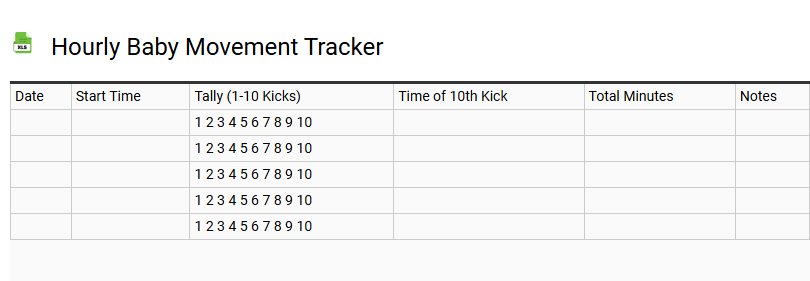
Hourly Baby Movement Tracker
💾 Hourly Baby Movement Tracker .xls
An hourly baby movement tracker serves as an essential fetal kick counter for expectant mothers navigating the third trimester. By utilizing this structured template, you can effectively monitor prenatal health and ensure fetal wellbeing through consistent observation of daily activity patterns. This approach allows parents to log kicks, rolls, and flutters, providing a comprehensive kick chart to identify peak activity times and rhythmic cycles.
Monitoring these fetal movements is a standard practice in proactive prenatal care, often encouraged through "count the kicks" sessions. Tracking these signals during the gestation period helps maintain a clear record of maternal-fetal bonding and infant vitality. Whether used for medical consultations or personal peace of mind, this log simplifies documenting fetal activity, ensuring you stay attuned to your baby's development and movement frequency throughout the day.
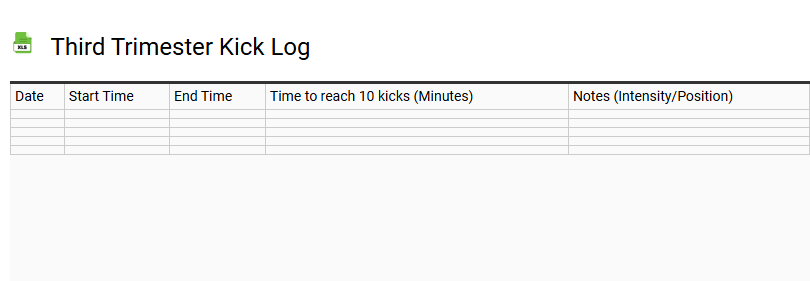
Third Trimester Kick Log
💾 Third Trimester Kick Log .xls
A third trimester kick log is an essential prenatal monitoring tool designed to track fetal movement and ensure fetal well-being. By documenting your baby's activity, you establish a vital baseline for their unique patterns during the final stages of pregnancy.
To use this template effectively, expectant parents should follow these steps:
- Record the time taken to reach ten distinct fetal kicks, flutters, or rolls.
- Identify peak active periods to enhance maternal health awareness.
- Monitor gestational development daily to detect any significant deviations in movement.
Consistent counting kicks serves as a proactive measure for stillbirth prevention. If you notice a decrease in frequency or potential fetal distress, consult your OB-GYN or midwife immediately. This structured pregnancy tracking provides peace of mind and objective data for clinical evaluations.
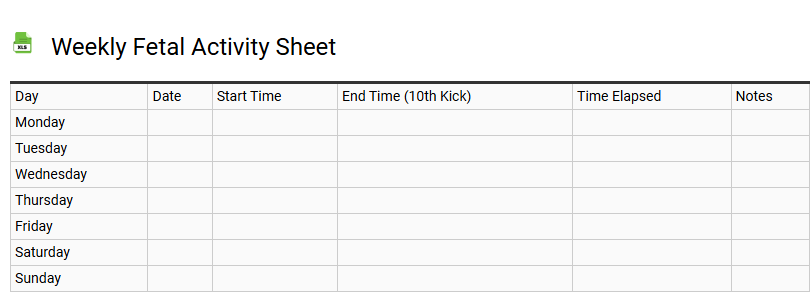
Weekly Fetal Activity Sheet
💾 Weekly Fetal Activity Sheet .xls
A weekly fetal activity sheet serves as a vital prenatal monitoring tool designed to track kick counts and movement patterns effectively. Typically introduced during the third trimester, this template helps expectant parents document their baby's well-being and identify consistent daily rhythms. By recording fetal kicks, rolls, and flutters at similar times each day, mothers establish a reliable baseline for gestational development.
Utilizing a structured movement log is a proactive step in stillbirth prevention and maternal health management. This data provides obstetricians with clear insights into the infant's neurological health and oxygenation. If a significant decrease in fetal perception occurs, the activity chart facilitates timely communication with healthcare providers. Consistent tracking ensures that any deviations from established movement milestones are addressed promptly, offering peace of mind throughout the final stages of pregnancy.
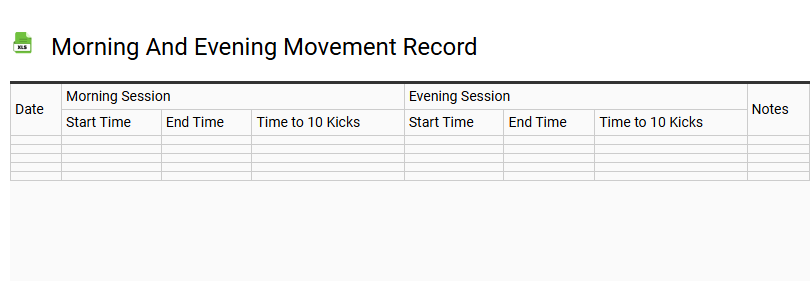
Morning and Evening Movement Record
💾 Morning and Evening Movement Record .xls
Utilizing a Morning and Evening Movement Record is a vital practice for monitoring prenatal health and daily physical activity. This structured activity log helps individuals track fetal kick counts and general gestational well-being during specific time intervals. By documenting movement patterns twice daily, users can identify subtle shifts in vigor or mobility, ensuring consistent wellness monitoring and maternal safety.
- Morning Log: Capture initial fetal activity or early stretching routines to establish a baseline of physical vitality.
- Evening Record: Document cumulative movement frequency and kick strength as the body settles after daily exertion.
Consistent use of this tracking template fosters health awareness and provides essential biofeedback for healthcare providers. This systematic approach to habit tracking ensures that any deviation from normal activity levels is noted for informed clinical discussion.
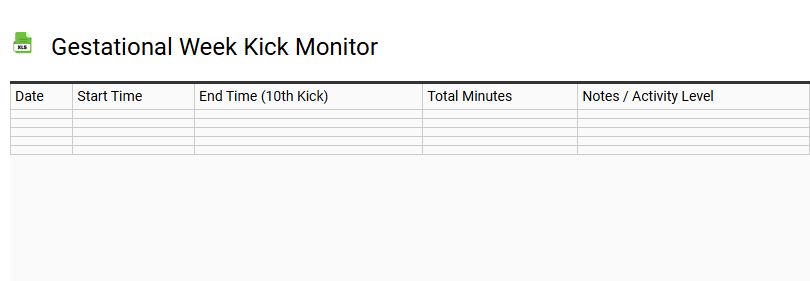
Gestational Week Kick Monitor
💾 Gestational Week Kick Monitor .xls
A gestational week kick monitor is an essential prenatal tool designed for tracking fetal movement patterns. Utilizing a standardized kick counter template, expectant mothers can systematically record daily activity, typically starting in the third trimester around 28 weeks. Monitoring these "count-to-ten" episodes helps assess fetal well-being and identifies potential shifts in uterine activity or developmental progress.
This maternal health resource encourages consistent observation of the baby's movements, providing vital data for prenatal care consultations. By documenting active periods, parents establish a baseline for neonatal vitality. Key features often include:
- Daily movement logs for consistency.
- Hourly frequency tracking to identify patterns.
- Comparative weekly analysis of fetal health.
Integrating a fetal movement tracker enhances pregnancy monitoring, offering peace of mind through structured observation and proactive communication with healthcare providers regarding intrauterine health.
Baby Kick Count Summary
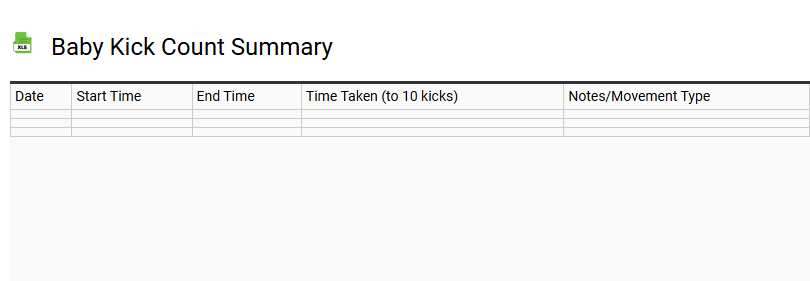
💾 Baby Kick Count Summary .xls
A baby kick count summary is an essential prenatal tool designed for tracking fetal movement during the third trimester. This fetal kick chart helps expectant parents monitor movement patterns and assess fetal well-being from the comfort of home. By utilizing a structured kick log, you can accurately record active periods, ensuring your baby meets recommended milestones, such as the "count to ten" method.
Regularly documenting gestational activity assists in identifying a baseline for your baby's health. This pregnancy monitoring template simplifies counting kicks, providing a clear visual record for healthcare providers. Consistent prenatal tracking alerts you to significant deviations in fetal activity levels, offering peace of mind. Use this summary to stay attuned to your infant's development and maintain a proactive approach to maternal health throughout your pregnancy journey.
Digital Fetal Kick Diary
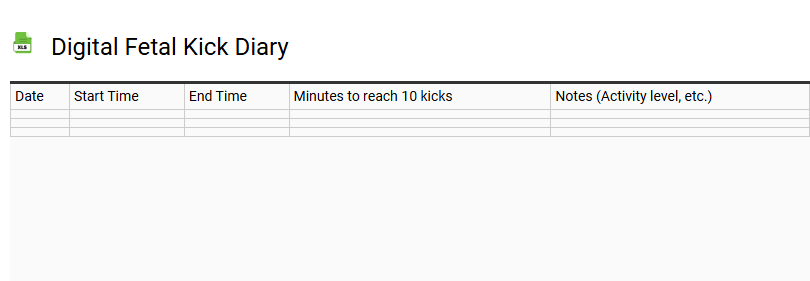
💾 Digital Fetal Kick Diary .xls
A digital fetal kick diary is an essential tool for proactive prenatal health monitoring. This template allows expectant parents to systematically record baby movements, ensuring consistent fetal activity tracking throughout the third trimester. By documenting daily logs and movement patterns, users establish a vital baseline for maternal wellness and infant safety.
Utilizing the count-to-ten method, this digital log simplifies the identification of significant deviations in gestational progress. Key features include:
- Real-time kick counter functionality for accurate data entry.
- Historical trends of fetal movement to share during an obstetrician consultation.
- Time-stamped entries to monitor circadian rhythms of the fetus.
Maintaining a structured pregnancy monitoring habit provides peace of mind and ensures timely medical intervention if fetal distress is suspected. This user-friendly interface transforms daily flutters into actionable health insights.
Fetal Movement Frequency Chart
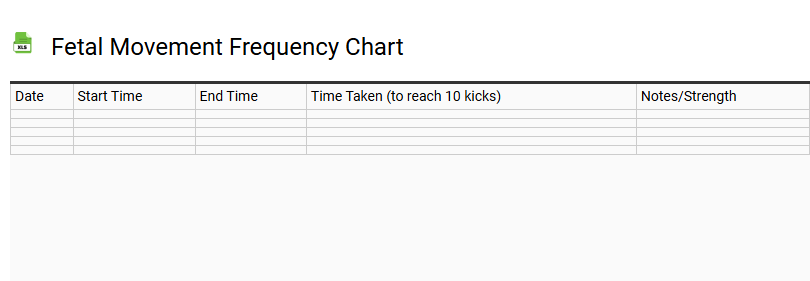
💾 Fetal Movement Frequency Chart .xls
A fetal movement frequency chart serves as a vital prenatal monitoring tool for assessing baby's well-being throughout the third trimester. Utilizing this kick count template allows expectant parents to establish a baseline for normal fetal activity patterns. By consistently logging daily movements, mothers increase maternal awareness and can quickly identify potential fetal distress or significant deviations in gestational behavior.
Most obstetricians recommend tracking the time it takes to feel ten distinct movements, such as rolls, kicks, or flutters. This proactive prenatal care practice is instrumental in stillbirth prevention and ensures timely medical intervention if movement patterns decrease. Maintaining an accurate fetal movement log provides essential data for healthcare providers to evaluate fetal health during routine checkups. Always report sudden changes in kick frequency or intensity to your midwife or physician immediately.
Daily Kick Log with Time Stamps
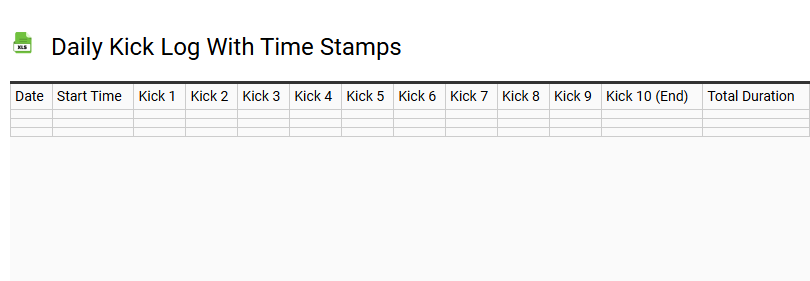
💾 Daily Kick Log with Time Stamps .xls
A daily kick log is a vital prenatal tool designed to monitor fetal movement and ensure maternal-fetal wellness during the third trimester. Utilizing a template with precise time stamps allows expectant parents to track the frequency and duration of a baby's activity, establishing a reliable baseline for gestational development.
- Record the start time and the moment the tenth movement is felt.
- Identify patterns in baby's activity, such as rolls, flutters, or strong kicks.
- Monitor prenatal health indicators to share with your OBGYN or midwife.
Consistent use of this structured log helps detect potential changes in fetal vigor. By documenting these kick counts daily, you maintain a proactive approach to pregnancy tracking, providing peace of mind and essential data for your healthcare provider throughout the final weeks of gestation.
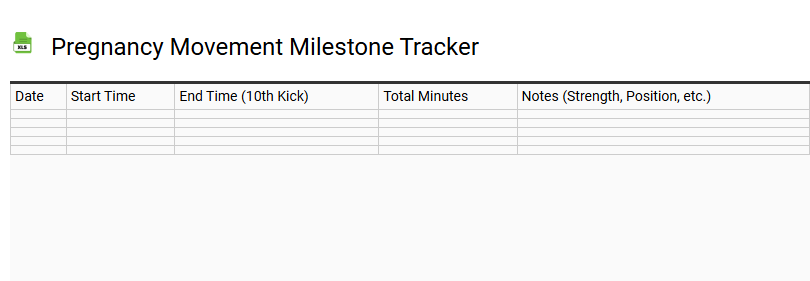
Pregnancy Movement Milestone Tracker
💾 Pregnancy Movement Milestone Tracker .xls
A pregnancy movement milestone tracker serves as an essential diagnostic tool for monitoring fetal well-being throughout the second and third trimesters. Utilizing this template allows expectant parents to document the initial sensations of quickening and establish a baseline for their baby's activity patterns. By performing regular kick counts, users can systematically record fetal movement, ensuring the baby reaches critical developmental benchmarks. This proactive approach to prenatal health helps identify subtle changes in frequency or intensity, providing valuable data to share with an obstetrician or midwife. Tracking these rhythmic nudges and rolls fosters a deeper maternal bond while offering peace of mind. Comprehensive monitoring of gestational milestones and maternal health indicators ensures that any deviations in fetal vigor are documented, supporting informed clinical decisions and a healthy pregnancy journey.
Baby Activity Logbook
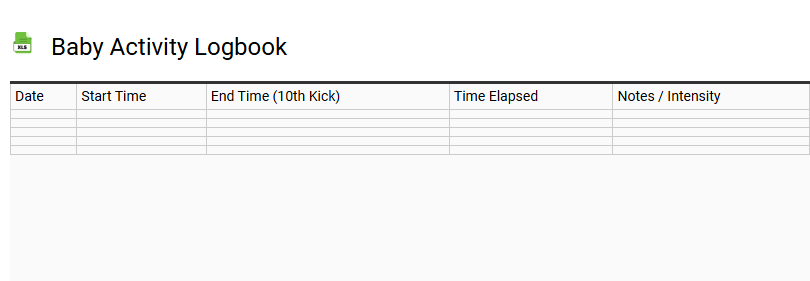
This baby activity logbook template serves as a comprehensive infant daily tracker for new parents and caregivers. Utilizing a structured newborn care journal simplifies monitoring feeding schedules, including nursing sessions, bottle intake, and formula measurements. Detailed columns for diaper changes help track hydration and digestive health, while sleep patterns and nap durations capture the infant's daily routine.
Parents can document developmental milestones, tummy time, and growth chart metrics essential for pediatric visits. This childcare record functions as a vital health log, facilitating seamless communication between parents and nannies. By maintaining accurate nursing logs and medication records, you ensure consistent wellness monitoring. This printable or digital organizer is the ultimate tool for streamlining newborn management and preserving developmental data during the critical first year.
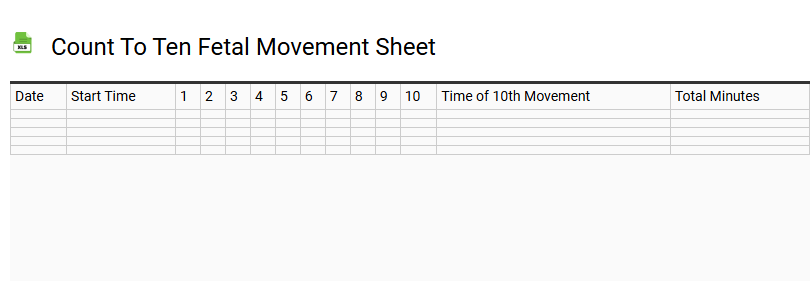
Count to Ten Fetal Movement Sheet
💾 Count to Ten Fetal Movement Sheet .xls
A Count to Ten Fetal Movement Sheet serves as a vital prenatal tool for monitoring baby kicks and ensuring fetal well-being during the third trimester. This tracking sheet allows expectant mothers to record daily activity, helping to establish a baseline for normal movement patterns. By documenting the time it takes to reach ten distinct sensations-such as rolls, jabs, or flutters-parents can proactively manage maternal health and detect potential concerns in late gestation.
Consistent use of this kick counter provides valuable data for healthcare providers. If you observe a significant decrease in frequency or a deviation from typical fetal activity, immediate medical consultation is recommended. Utilizing this pregnancy monitoring method fosters peace of mind and ensures a proactive approach to prenatal care, helping to ensure the baby remains healthy until delivery.
Monitoring baby movements is a vital prenatal health practice. Utilizing a structured fetal kick counter template helps expectant parents track daily activity patterns during the third trimester. This simple tracking log ensures consistent monitoring of fetal well-being and provides peace of mind. By documenting these pregnancy milestones, users can easily share accurate data with healthcare providers. Implementing this routine enhances maternal health awareness, ensuring every flutter and nudge is accounted for throughout the final stages of gestation.