
Food Sensitivity Correlation Sheet Template: Mapping Dietary Triggers and Symptoms
Identifying adverse reactions to specific ingredients is essential for long-term digestive wellness. Utilizing a comprehensive food sensitivity correlation sheet serves as a vital diagnostic tool, allowing you to map physical symptoms against daily nutritional intake. By meticulously recording meals, energy levels, and potential inflammatory triggers, you can pinpoint problematic items during an elimination diet. This systematic approach to tracking dietary patterns empowers better gut health management and improved nutritional clarity. Please check our already made variation of templates below.
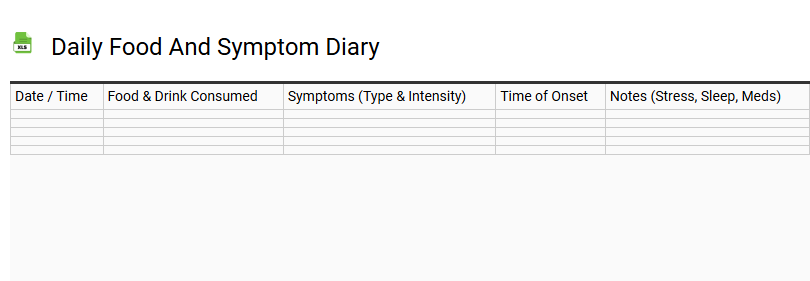
Daily Food and Symptom Diary
💾 Daily Food and Symptom Diary .xls
A daily food and symptom diary is an essential tool for optimizing digestive health and identifying specific food triggers. By meticulously documenting nutritional intake alongside physical reactions like bloating, lethargy, or discomfort, you create a high-quality sensitivity log. This detailed meal tracking process facilitates dietary pattern analysis, which is crucial for IBS management and navigating an effective elimination diet.
Using a structured template allows you to monitor the gut-brain axis by recording mood, energy levels, and nutrient absorption. Consistently logging every ingredient helps pinpoint hidden intolerances that disrupt your internal balance. This wellness tracking approach empowers users to bridge the gap between consumption and physical well-being, fostering long-term gut health through data-driven insights and informed lifestyle adjustments.
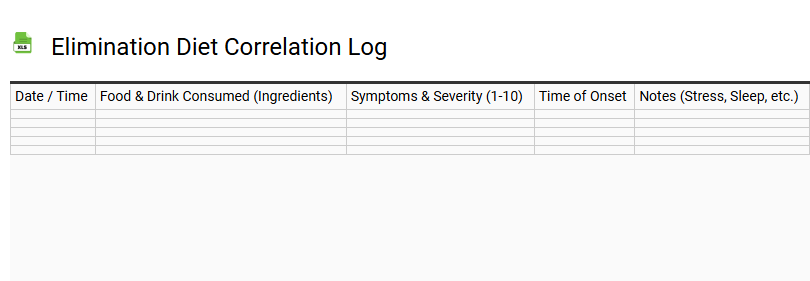
Elimination Diet Correlation Log
💾 Elimination Diet Correlation Log .xls
An elimination diet correlation log serves as a precise food diary designed to identify specific food sensitivities and nutritional triggers. By maintaining a detailed symptom tracker, individuals can monitor the relationship between dietary intake and inflammatory responses. This systematic approach is essential for mapping gut health and digestive wellness during the reintroduction phase.
Utilizing a structured template allows for the recording of biological feedback, such as energy fluctuations, skin reactions, and bloating. Documenting every meal alongside symptom severity helps isolate hidden intolerances that standard testing might overlook. This data-driven dietary journal empowers users to curate a personalized nutrition plan, ensuring long-term wellness goals are met by eliminating problematic ingredients and fostering a balanced internal microbiome through disciplined tracking and analysis.
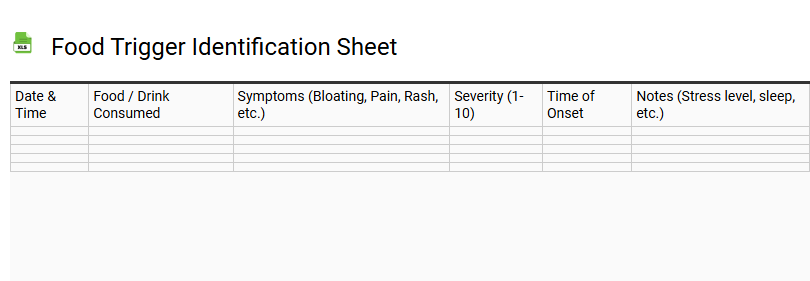
Food Trigger Identification Sheet
💾 Food Trigger Identification Sheet .xls
A food trigger identification sheet is an essential dietary log designed to uncover food sensitivities and gastrointestinal intolerances. By utilizing this symptom diary, individuals can systematically track their nutritional habits alongside physical flare-ups, such as bloating or lethargy. This structured approach facilitates an effective elimination diet, helping to isolate specific digestive triggers and allergic reactions.
The template prioritizes data collection on meal timing, ingredient composition, and gut health markers. Consistent documentation empowers users to recognize patterns in their metabolic response, supporting long-term nutritional therapy and digestive wellness. By bridging the gap between daily intake and systemic inflammation, this tool provides actionable insights for optimizing gut microbiome health and overall well-being. This precise monitoring is vital for anyone seeking to resolve chronic digestive issues through evidence-based lifestyle adjustments.
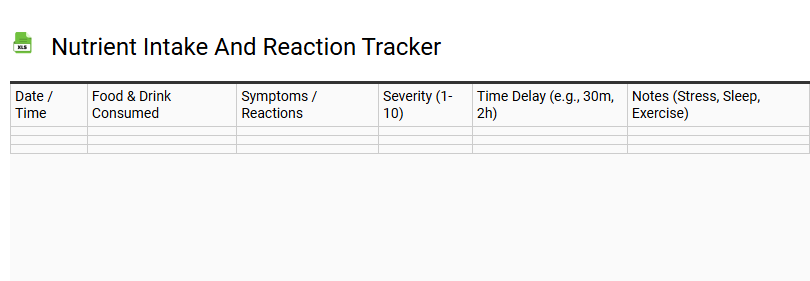
Nutrient Intake and Reaction Tracker
💾 Nutrient Intake and Reaction Tracker .xls
This Nutrient Intake and Reaction Tracker serves as a comprehensive digital log for monitoring dietary patterns and physiological responses. By documenting macronutrient distribution and micronutrient density alongside specific physical symptoms, users can identify potential food sensitivities and gastrointestinal triggers. This systematic approach to nutritional tracking facilitates the discovery of bio-individual requirements, helping to correlate caloric density with energy fluctuations and digestive health.
Utilizing this template allows for the precise mapping of adverse reactions, such as bloating or lethargy, back to specific ingredients or food groups. Whether managing chronic inflammation or optimizing metabolic health, recording quantitative data on vitamins and minerals alongside qualitative observations of wellbeing provides actionable insights. Enhancing your wellness journey through rigorous data collection ensures a balanced diet tailored to your unique biological needs, ultimately improving gut biome diversity and overall systemic vitality.
Symptom Severity and Meal Mapper
💾 Symptom Severity and Meal Mapper .xls
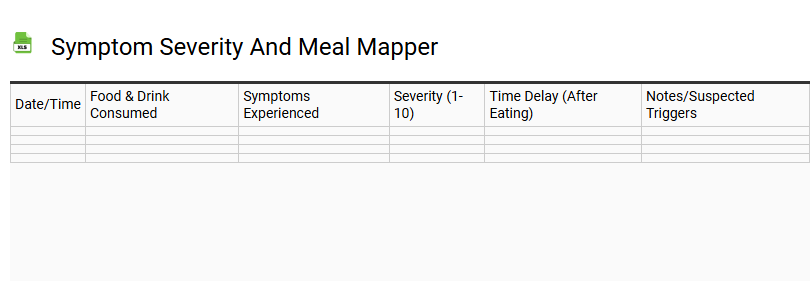
This Symptom Severity and Meal Mapper template provides a robust framework for documenting the direct correlation between nutritional intake and physiological responses. By integrating a food diary with precise intensity scales, users can identify specific dietary triggers and gastrointestinal stressors that exacerbate chronic conditions. This health logging system facilitates pattern recognition, allowing for the isolation of food sensitivities and the monitoring of flare-up frequency.
- Track macronutrient distribution and ingredient transparency.
- Quantify pain thresholds and symptom duration.
- Analyze digestive wellness through longitudinal data visualization.
- Correlate meal timing with energy fluctuations and systemic inflammation.
Utilizing this holistic wellness tool empowers individuals to transform raw dietary data into actionable personalized insights, optimizing gut health and overall physical well-being through evidence-based elimination protocols and lifestyle adjustments.
Digestive Wellness Correlation Table
💾 Digestive Wellness Correlation Table .xls
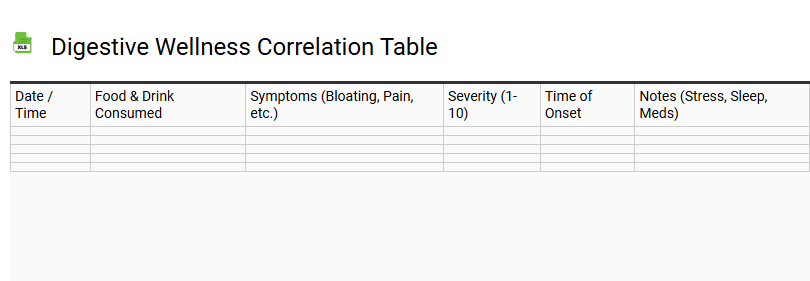
This digestive wellness correlation table serves as a strategic analytical tool for mapping the intricate relationship between dietary triggers and gastrointestinal health. By documenting specific intake patterns-including fiber consumption, fermented solids, and hydration levels-users can identify direct links to gut microbiome fluctuations and symptomatic responses like bloating or gastric motility issues. Utilizing this template facilitates a deeper understanding of nutrient absorption and the efficacy of digestive enzymes or probiotics within the metabolic process.
Tracking these variables helps isolate food sensitivities and imbalances in intestinal flora, providing actionable data for holistic wellness adjustments. This structured framework empowers individuals to decode biometric feedback, optimizing their digestive tract function through evidence-based dietary modifications. Use this correlation matrix to bridge the gap between nutritional habits and long-term metabolic vitality and comfort.
Allergy and Intolerance Journal
💾 Allergy and Intolerance Journal .xls
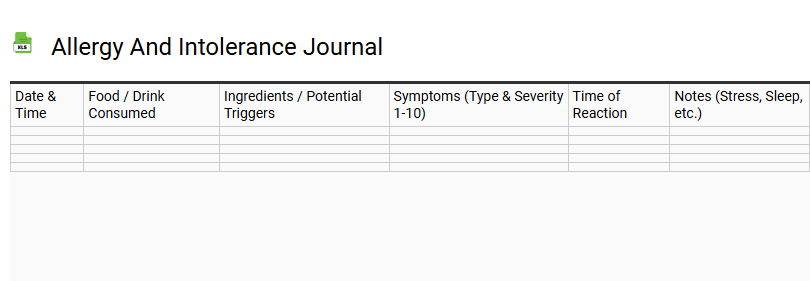
Managing dietary sensitivities and adverse reactions requires meticulous documentation of nutritional intake and physiological responses. An allergy and intolerance journal serves as a critical diagnostic tool, enabling the identification of specific food triggers, environmental allergens, and symptomatic patterns over time. By utilizing a structured template, individuals can track IgE-mediated immune responses versus non-allergic food hypersensitivities, such as lactose malabsorption or histamine intolerance.
Effective longitudinal tracking facilitates the discovery of cross-reactivity and chronic inflammation markers, providing healthcare providers with actionable clinical insights. This systematic approach supports the implementation of an elimination diet, ensuring accurate nutritional management while monitoring gut health and systemic inflammation. Consistent logging of ingredient exposure, symptom severity, and recovery duration empowers patients to mitigate anaphylaxis risks and optimize their overall wellness through evidence-based data collection and specialized dietary adjustments.
Food Sensitivity Matrix Template
💾 Food Sensitivity Matrix Template .xls
Macro and Micro Reaction Log
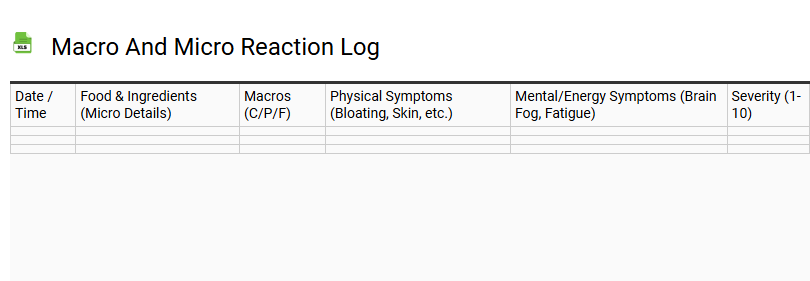
💾 Macro and Micro Reaction Log .xls
This structured Macro and Micro Reaction Log serves as a vital tool for enhancing emotional intelligence and self-awareness. By documenting behavioral patterns, users can distinguish between overt macro reactions-such as visible actions or verbal responses-and subtle micro reactions, including physiological signals, fleeting facial expressions, and internal cognitive shifts.
Utilizing this reflective journaling template facilitates metacognition, allowing individuals to identify specific emotional triggers and subconscious impulses. This approach, deeply rooted in Cognitive Behavioral Therapy (CBT) principles, encourages self-regulation and habit modification. By tracking these somatic and psychological fluctuations, you gain data-driven insights into your stressors and interpersonal dynamics. Consistently logging these discrepancies between internal feelings and external behaviors fosters long-term psychological resilience, improved mindfulness, and more intentional decision-making in both personal and professional environments.
Ingredient Sensitivity Cross-Reference
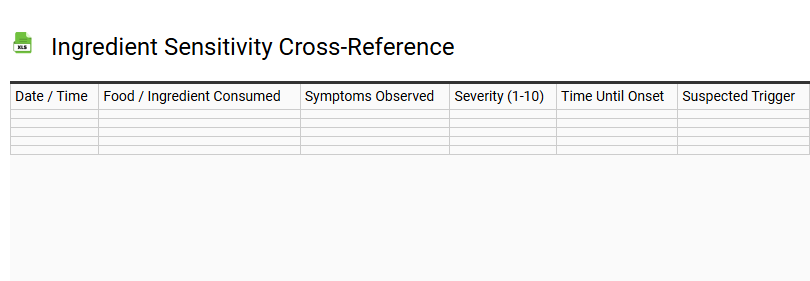
💾 Ingredient Sensitivity Cross-Reference .xls
An ingredient sensitivity cross-reference template is an essential tool for managing complex dietary restrictions and food intolerances. By utilizing a structured allergen matrix, this system allows for precise ingredient profiling across various recipes to identify potential hypersensitivities. Through rigorous recipe analysis, users can detect hidden allergens and mitigate risks associated with cross-contamination.
Implementing this framework enhances clinical nutrition accuracy and streamlines menu planning for individuals with specific adverse reactions. Key benefits include:
- Improved food safety protocols and risk mitigation.
- Transparent tracking of ingredient interactions.
- Simplified identification of triggers like gluten, dairy, or nuts.
This systematic mapping process ensures high standards in meal preparation, providing a reliable database for documenting allergen exposure and supporting comprehensive wellness management strategies.
Gastrointestinal Distress Log
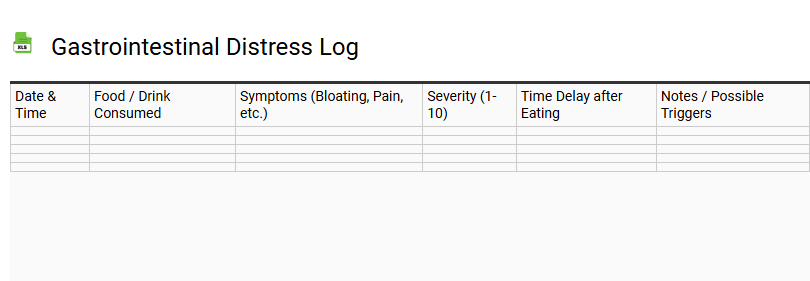
💾 Gastrointestinal Distress Log .xls
Utilizing a gastrointestinal distress log is a foundational strategy for managing digestive health and identifying specific food triggers. This symptoms tracker allows individuals to record dietary intake alongside bowel movements, providing clinical insights into abdominal pain, bloating, and stool consistency using the Bristol Stool Scale.
By documenting flare-ups and gut microbiome responses, patients can assist healthcare providers in diagnosing conditions like irritable bowel syndrome (IBS), gastritis, or malabsorption. A well-maintained GI diary correlates intestinal transit time with lifestyle factors, helping to isolate sensitivities and improve nutrient absorption. This systematic approach transforms subjective discomfort into actionable data, facilitating a personalized wellness plan to restore gut motility and overall metabolic health.
Inflammation and Diet Correlation Sheet
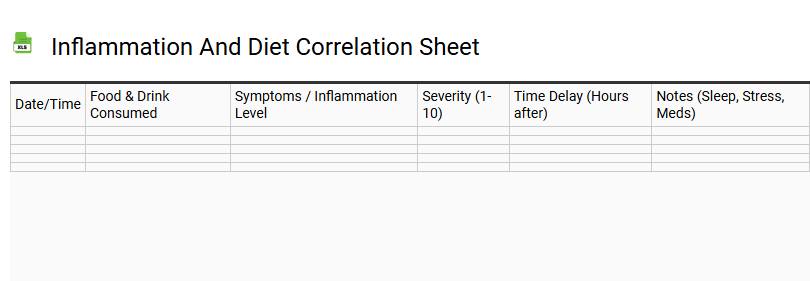
💾 Inflammation and Diet Correlation Sheet .xls
Understanding the physiological link between dietary intake and systemic inflammation is essential for managing chronic wellness. This correlation sheet serves as a diagnostic framework to monitor how specific pro-inflammatory triggers, such as refined sugars and trans fats, influence the body's immune response and cytokine production. By tracking nutrient density through a Mediterranean diet lens, individuals can identify patterns affecting oxidative stress and gut microbiome health.
Prioritizing antioxidants, phytonutrients, and omega-3 fatty acids helps mitigate C-reactive protein levels and joint discomfort. This data-driven approach facilitates the identification of food sensitivities that exacerbate autoimmune symptoms. Consistent documentation allows for a personalized strategy to balance metabolic health while reducing the inflammatory load caused by nutritional stressors, ultimately promoting cellular repair and long-term homeostatic balance within the body's various biological systems.
Meal-by-Meal Symptom Tracker
💾 Meal-by-Meal Symptom Tracker .xls
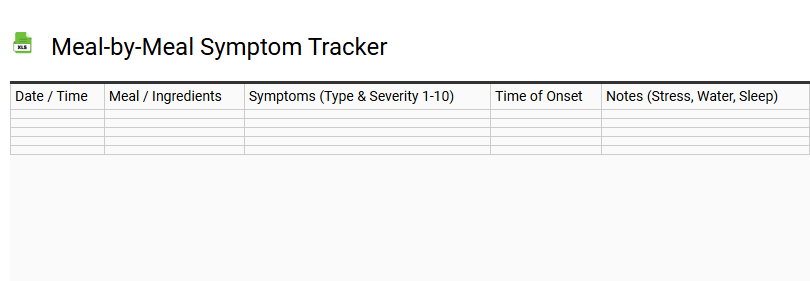
A meal-by-meal symptom tracker serves as a vital diagnostic tool for optimizing digestive health and identifying specific food sensitivities. By documenting dietary patterns alongside immediate physical reactions, users can isolate triggers linked to IBS, bloating, or systemic lethargy. This structured food diary approach monitors:
- Nutrient intake and ingredient transparency for every meal.
- Gastrointestinal reaction monitoring and transit time.
- Impact on the gut microbiome and metabolic energy levels.
Utilizing this template during an elimination diet provides empirical data to correlate wellness logging with chronic inflammation or gastrointestinal distress. Precise tracking of every snack and beverage empowers individuals to refine their personalized nutrition, facilitating informed discussions with healthcare providers regarding long-term gut health and nutrient absorption efficiency.
Chronic Pain and Food Diary
💾 Chronic Pain and Food Diary .xls
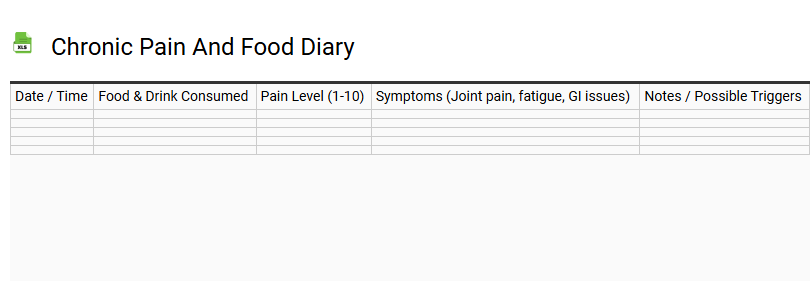
A chronic pain and food diary serves as a vital bridge between daily habits and physical well-being. By consistently recording nutritional intake alongside pain intensity, individuals can uncover specific correlations between certain ingredients and inflammatory responses.
An effective tracking template should include specific data points to ensure clarity for healthcare providers:
- Daily Intake: Detailed lists of meals, snacks, and beverages.
- Pain Metrics: Intensity ratings, location, and the timing of flare-ups.
- Symptom Context: Notes on sleep quality, stress levels, and weather conditions.
- Digestive Health: Observations on bloating or discomfort following specific food groups.
Maintaining these records transforms subjective experiences into actionable data. This organized approach facilitates more accurate diagnoses and helps in tailoring personalized dietary interventions to improve long-term quality of life.
Skin Condition and Diet Correlation Log
💾 Skin Condition and Diet Correlation Log .xls
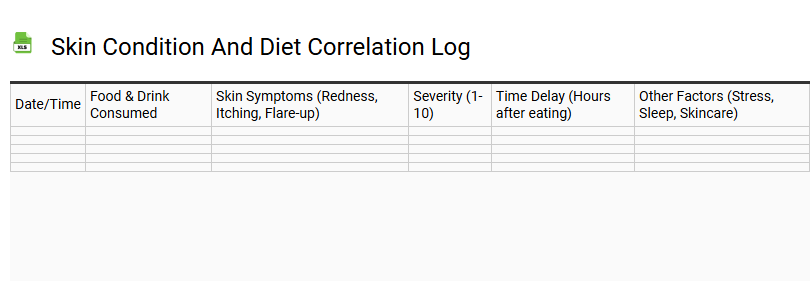
A skin condition and diet correlation log serves as an essential analytical tool for identifying dietary triggers linked to dermatological flare-ups. By maintaining a detailed food diary alongside a symptom tracker, individuals can monitor how nutritional intake influences chronic issues like acne, eczema, or psoriasis. This systematic approach allows users to record inflammation levels and skin barrier changes, facilitating a personalized elimination diet. Tracking gut health, hydration, and the consumption of processed foods, sugar, or dairy helps pinpoint allergens affecting the complexion. Utilizing a severity scale ensures objective data collection, bridging the gap between holistic wellness and clinical dermatology. Ultimately, this logbook empowers users to optimize their microbiome and achieve clearer skin through data-driven lifestyle adjustments and targeted nutritional therapy.
A food sensitivity correlation sheet is an essential resource for identifying dietary triggers and managing chronic inflammation. By systematically recording meals and physical symptoms, this template empowers users to pinpoint specific intolerances and digestive disturbances. Utilizing this comprehensive food diary facilitates a structured elimination diet, leading to improved gastrointestinal health. Download our professional log to begin tracking your reaction patterns today. This proactive approach to nutritional wellness ensures clarity on your unique bio-individuality, fostering a symptom-free lifestyle through informed dietary choices.