
Glucose Level Monitoring Template: Daily Blood Sugar Log Sheet
Effective diabetes management relies on accurate blood sugar tracking and consistent data logging. Utilizing a specialized glucose level monitor template enables individuals to record daily glycemic readings, insulin intake, and carbohydrate consumption with precision. These digital health tools facilitate better communication with medical professionals by visualizing metabolic trends and glucose fluctuations. By streamlining health data entry, you can maintain optimal glycemic control and improve long-term wellness. Please check our already made variation of templates below.
Daily Blood Sugar Log
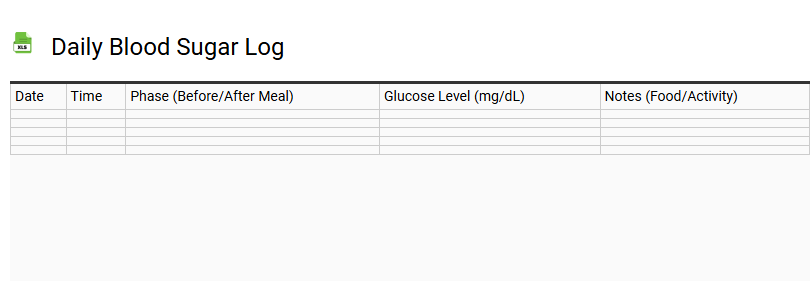
Maintaining a daily blood sugar log is a cornerstone of proactive diabetes management. This template facilitates precise glucose monitoring, allowing users to record fasting glucose levels, pre-meal benchmarks, and postprandial readings. By documenting carbohydrate intake alongside insulin dosage and physical activity, individuals can identify significant blood sugar trends that influence long-term A1C levels.
Consistent health tracking within a structured medical diary empowers patients to achieve optimal glycemic control. Monitoring these metrics helps recognize the impact of lifestyle choices on metabolic health, providing healthcare providers with actionable data for treatment adjustments. Utilizing this glucose tracking sheet ensures all vital statistics-including medication timing and stress factors-are organized, reducing the risk of hypoglycemia and supporting overall wellness through detailed diabetes documentation and routine blood sugar analysis.
Weekly Glucose Monitoring Sheet
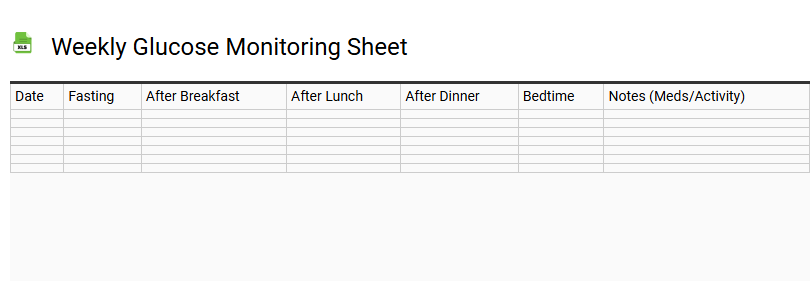
💾 Weekly Glucose Monitoring Sheet .xls
HbA1c Tracking Spreadsheet
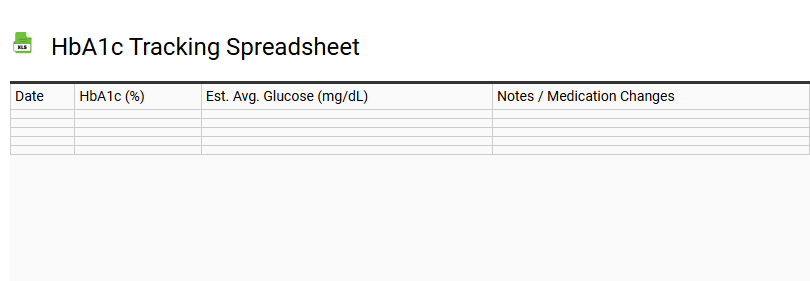
💾 HbA1c Tracking Spreadsheet .xls
A HbA1c tracking spreadsheet serves as a fundamental tool for proactive diabetes management. By recording glycated hemoglobin percentages over time, users can visualize long-term blood sugar trends and assess overall glycemic control. This digital health log converts periodic lab results into actionable longitudinal data, helping patients and clinicians evaluate the effectiveness of medication, diet, and exercise routines.
Utilizing a structured glucose monitoring template simplifies the process of identifying fluctuations in average blood glucose levels. Key features often include:
- Data visualization through automated charts and graphs.
- Calculations for estimated Average Glucose (eAG).
- Fields for tracking insulin sensitivity and lifestyle notes.
Maintaining an organized diabetic logbook ensures precise metabolic health tracking, empowering individuals to make informed decisions and improve their therapeutic outcomes through consistent health metrics documentation.
Insulin Dosage and Glucose Log
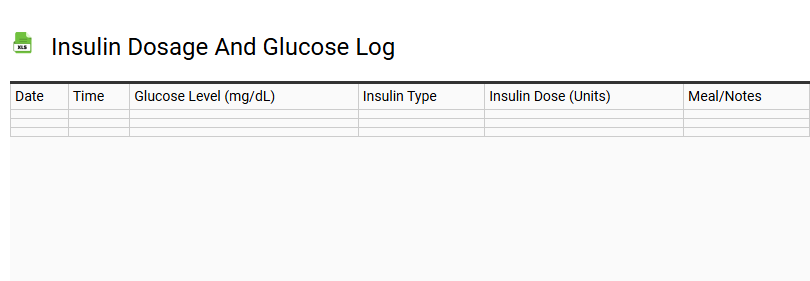
💾 Insulin Dosage and Glucose Log .xls
Efficient diabetes management requires a comprehensive insulin dosage and glucose log to monitor blood sugar levels accurately. By tracking daily glucometer readings alongside bolus and basal insulin units, individuals can achieve superior glycemic control. This structured template facilitates recording pre-meal glucose, post-prandial spikes, and carbohydrate intake to refine insulin-to-carb ratios.
Consistent blood glucose monitoring helps identify patterns of hyperglycemia or hypoglycemia, enabling proactive adjustments to rapid-acting or long-acting insulin regimens. Maintaining a detailed diabetes diary supports endocrine health and provides essential data for healthcare providers to optimize HbA1c levels. Key metrics to include in your log are:
- Time of day and corresponding mg/dL or mmol/L readings.
- Units of insulin administered per sliding scale or fixed dose.
- Notes on physical activity, ketone levels, and meal composition.
Diabetes Management Dashboard
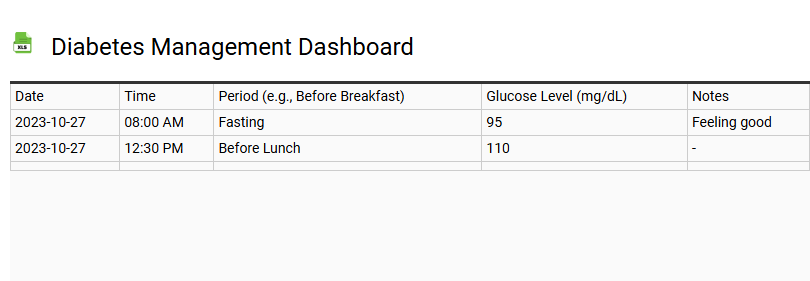
💾 Diabetes Management Dashboard .xls
This interface provides a centralized overview of vital health metrics to support consistent glucose regulation. It integrates tracking for blood sugar levels, insulin dosages, and carbohydrate intake into a cohesive visual layout. Users can observe daily fluctuations through interactive trends, while summaries highlight time-in-range percentages and estimated HbA1c values.
The design focuses on accessibility and clarity, featuring:
- Real-time monitoring of glycemic data.
- Automated logs for medication and physical activity.
- Visual indicators for hypo- and hyperglycemia alerts.
By correlating lifestyle factors with physiological responses, this tool assists in identifying patterns and optimizing treatment plans. It serves as a bridge between patients and clinical teams, fostering proactive adjustments to enhance metabolic health and long-term wellness.
Pre and Post Meal Glucose Tracker
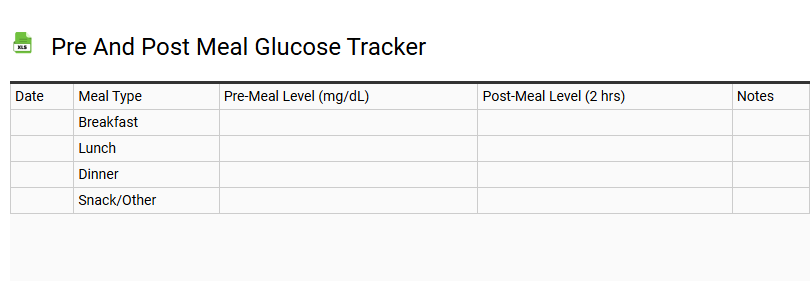
💾 Pre and Post Meal Glucose Tracker .xls
Optimizing metabolic health requires precise blood sugar monitoring. A comprehensive pre and post meal glucose tracker serves as a vital diabetic diary, capturing critical data points before and after food consumption. By recording pre-prandial levels and postprandial glucose spikes, users gain deep insights into their insulin sensitivity and glycemic variability.
- Fasting glucose assessment to establish a baseline.
- Carbohydrate intake analysis to identify specific dietary triggers.
- Hyperglycemia prevention through consistent data logging.
- Monitoring A1C levels trends via daily biometric tracking.
This digital logbook empowers individuals to refine diabetes management strategies, ensuring stable energy levels and improved clinical outcomes through structured self-monitoring of blood glucose levels and insulin response patterns.
Monthly Blood Sugar Trend Report
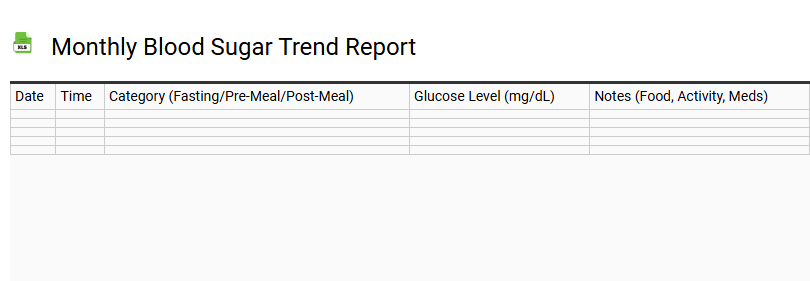
💾 Monthly Blood Sugar Trend Report .xls
A monthly blood sugar trend report is a critical instrument for effective diabetes management and maintaining glycemic control. By systematically documenting daily glucose fluctuations, this template helps identify significant patterns in fasting blood sugar and postprandial readings. Tracking these metrics over a 30-day period provides a comprehensive overview of metabolic health, highlighting recurring instances of hyperglycemia or hypoglycemia.
Consistent glucose monitoring through this report allows for the analysis of average glucose levels and estimated HbA1c. Key data points often include:
- Insulin sensitivity relative to carbohydrate intake.
- Glucose variability markers and standard deviation.
- Impact of physical activity on blood sugar spikes.
- Correlation between medication adherence and blood glucose concentration.
Utilizing health tracking data empowers clinicians to refine insulin therapy and lifestyle interventions, optimizing long-term therapeutic outcomes and patient wellness.
Gestational Diabetes Monitoring Log
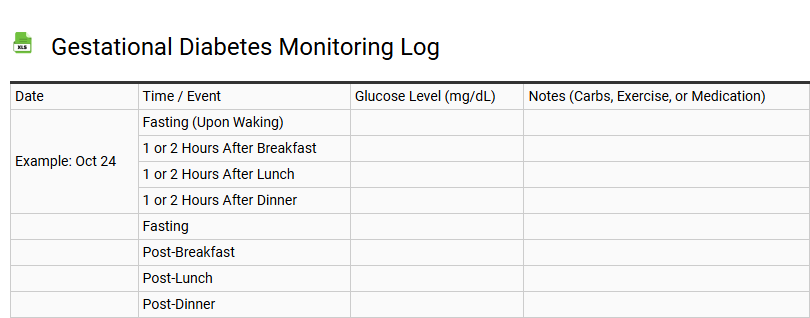
💾 Gestational Diabetes Monitoring Log .xls
A comprehensive Gestational Diabetes Monitoring Log serves as an essential resource for managing blood glucose levels during a high-risk pregnancy. This structured template allows expectant mothers to systematically record fasting blood sugar and postprandial glucose readings after breakfast, lunch, and dinner. By integrating carbohydrate counting and physical activity notes, the log identifies critical trends in glycemic control.
Consistent tracking assists healthcare providers in refining prenatal care strategies, including dietary management or insulin therapy adjustments. Monitoring daily blood sugar spikes and maintaining a detailed glucose tracker helps mitigate risks like hyperglycemia and macrosomia. Utilizing this log ensures that A1C levels remain within a healthy range, fostering better maternal health and fetal development. Effective diabetes self-management through diligent documentation is the cornerstone of a healthy pregnancy journey for those navigating a gestational diabetes diagnosis.
Glucose and Carbohydrate Intake Tracker
💾 Glucose and Carbohydrate Intake Tracker .xls
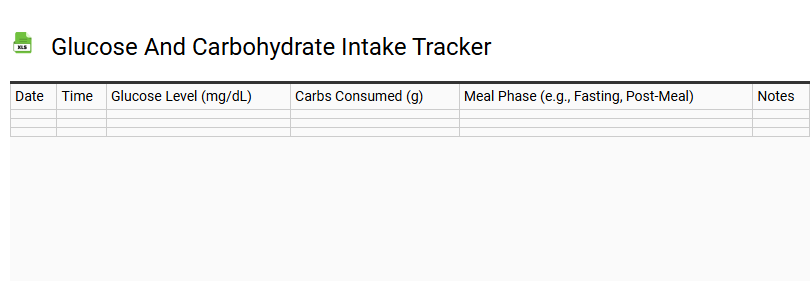
This comprehensive glucose and carbohydrate intake tracker serves as a vital tool for optimizing metabolic health and maintaining stable blood sugar levels. By utilizing this digital logbook, users can meticulously record macronutrient balance alongside real-time glucose readings to identify specific patterns in glycemic response. Precise nutritional logging assists in calculating insulin-to-carb ratios and managing postprandial spikes effectively. Monitoring the fiber content and glycemic index of every meal ensures sustained energy and improved A1C results. This template facilitates data-driven meal planning, helping individuals reduce glucose variability. Whether managing insulin sensitivity or tracking net carbs, consistent documentation of sugar fluctuations is essential for diabetes management. Gain actionable insights into your endocrine health by correlating dietary habits with blood glucose monitoring, ensuring tighter glycemic control and enhanced long-term wellness through disciplined carbohydrate counting.
Hypoglycemia and Hyperglycemia Incident Log
💾 Hypoglycemia and Hyperglycemia Incident Log .xls
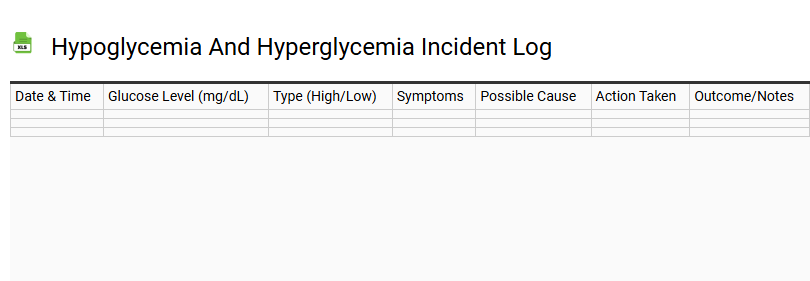
This glucose monitoring log serves as a comprehensive tool for effective diabetes management, enabling precise tracking of fluctuating blood sugar levels. By systematically documenting every hypoglycemic event and hyperglycemic episode, patients can identify critical patterns related to insulin sensitivity, carbohydrate intake, and physical exertion.
Utilizing this diabetes journal facilitates data-driven discussions with a healthcare provider regarding medication adjustments and glycemic control. Key features of the template include:
- Timestamped readings for fasting and postprandial glucose.
- Symptom checklists for identifying low blood sugar or diabetic ketoacidosis risks.
- Corrective insulin dosages and fast-acting carbohydrate intake records.
- Trend analysis sections to help lower HbA1c results.
Maintaining an accurate medical record of glucose variability is essential for preventing long-term complications and optimizing metabolic health through consistent self-monitoring.
Continuous Glucose Monitor Data Summary
💾 Continuous Glucose Monitor Data Summary .xls
Yearly HbA1c Progress Chart
💾 Yearly HbA1c Progress Chart .xls
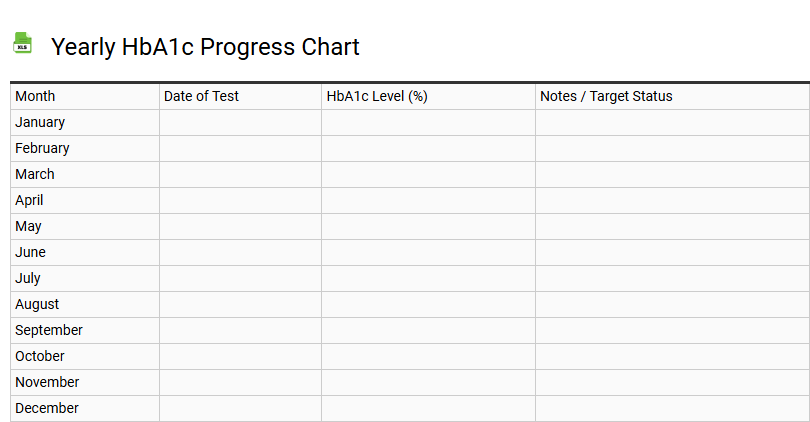
A Yearly HbA1c Progress Chart serves as a vital instrument for proactive diabetes management and sustained glycemic control. This specialized template enables patients and clinicians to visualize fluctuations in glycated hemoglobin over a twelve-month period, highlighting critical trends in blood sugar regulation. By systematically documenting laboratory results, individuals can correlate average blood glucose levels with lifestyle modifications, medication efficacy, and dietary habits. Utilizing this structured format transforms raw health data into actionable insights, fostering more productive consultations with healthcare providers. Monitoring these glucose patterns is essential for identifying risks early and adjusting diabetes treatment plans accordingly. Consistent data entry helps maintain target ranges, supports preventative care, and encourages long-term metabolic health. Ultimately, this visual tracking tool empowers users to achieve better wellness outcomes through data-driven personal health monitoring.
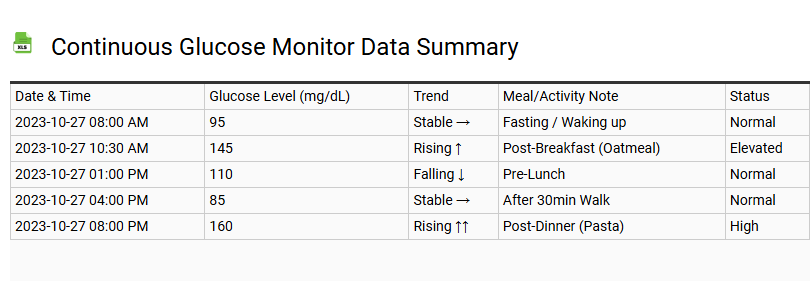
This glucose level monitor template streamlines diabetes management by providing a structured framework for blood sugar tracking. Users can efficiently record glycemic trends and analyze metabolic health metrics alongside daily insulin sensitivity data. By integrating CGM sensor readings into this data logging tool, individuals gain actionable insights into postprandial glucose responses.
Utilizing this standardized format ensures precise communication with healthcare providers, fostering proactive wellness through consistent blood glucose monitoring and informed lifestyle adjustments for optimal glycemic control.