
Heart Rate Variability (HRV) Tracking Log Template for Health and Recovery Monitoring.
Optimizing your physical health requires precise monitoring of the autonomic nervous system through a dedicated heart rate variability tracking log. By documenting daily HRV scores, you gain actionable insights into your parasympathetic activity and physiological stress levels. This biofeedback tool helps enthusiasts analyze recovery metrics and refine wellness data for peak performance. Consistent tracking of these biometric trends is essential for managing vagus nerve tone and long-term cardiovascular resilience. Please check our already made variation of templates below.
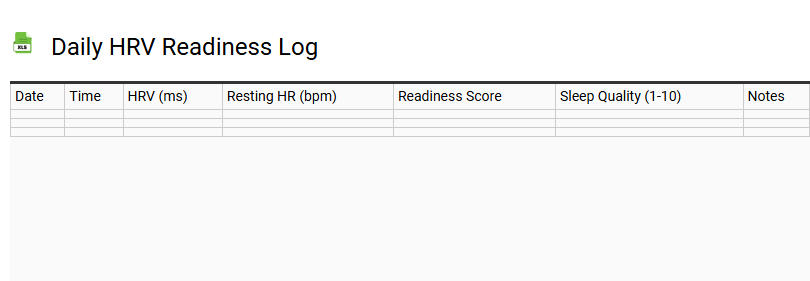
Daily HRV Readiness Log
💾 Daily HRV Readiness Log .xls
A daily HRV readiness log serves as a vital instrument for monitoring heart rate variability and assessing the state of the autonomic nervous system. By consistently tracking RMSSD values and vagal tone, individuals can quantify their parasympathetic activity and overall recovery score. This systematic approach to biometric data collection helps identify physiological stress and prevents overtraining by aligning training load with actual physical readiness.
Logging these metrics alongside sleep quality and resting heart rate establishes a reliable baseline. Monitoring shifts in autonomic balance-balancing sympathetic activation with rest-allows for precise adjustments in exercise intensity. Utilizing this wellness tracker ensures metabolic health optimization and peak athletic performance. Through detailed trend analysis of cardiovascular health, users gain actionable insights into how lifestyle factors influence their internal homeostasis and daily vitality.
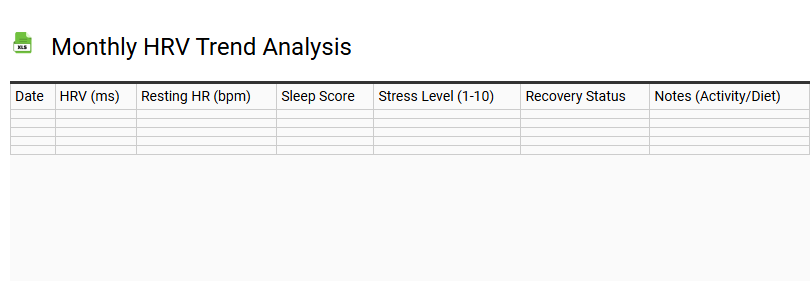
Monthly HRV Trend Analysis
💾 Monthly HRV Trend Analysis .xls
The Monthly HRV Trend Analysis template is a sophisticated tool designed to track autonomic nervous system balance over time. By monitoring Heart Rate Variability metrics, specifically rMSSD values, users can gain deep insights into their parasympathetic activity and overall recovery status. This longitudinal view helps establish a personalized physiological baseline, making it easier to detect significant deviations caused by physical stress, sleep quality, or training load.
Integrating these biometric data points into a monthly review facilitates better stress management and cardiovascular health optimization. A rising trend often correlates with improved aerobic fitness and resilience, while a downward trajectory may signal overtraining syndrome or systemic fatigue. Utilizing this data-driven approach ensures precise adjustments to lifestyle habits, fostering homeostatic balance and peak athletic performance through consistent wellness monitoring.
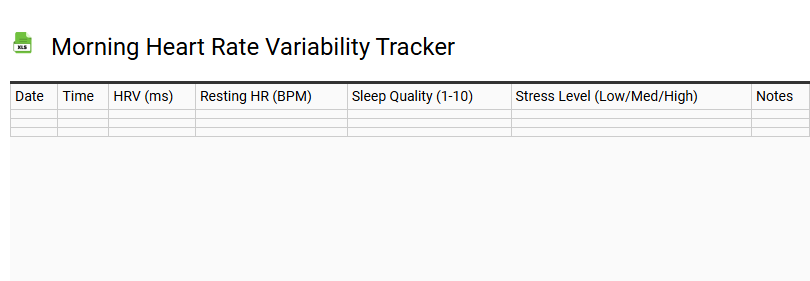
Morning Heart Rate Variability Tracker
💾 Morning Heart Rate Variability Tracker .xls
A Morning Heart Rate Variability Tracker is a sophisticated tool for monitoring the autonomic nervous system and determining your daily recovery score. By measuring the millisecond variations between heartbeats upon waking, this template quantifies parasympathetic activity and vagal tone, offering a snapshot of your internal homeostasis.
Consistently logging this biometric data helps establish a physiological baseline, making it easier to identify deviations caused by sympathetic nervous system dominance or chronic stress. Key features of this tracking approach include:
- Assessment of stress resilience and circadian rhythm alignment.
- Optimization of training loads to prevent overtraining.
- Monitoring readiness for high-intensity physical or cognitive tasks.
Utilizing these insights allows for precise adjustments to lifestyle habits, ensuring peak performance by aligning daily exertion with your body's actual recovery status and nervous system health.
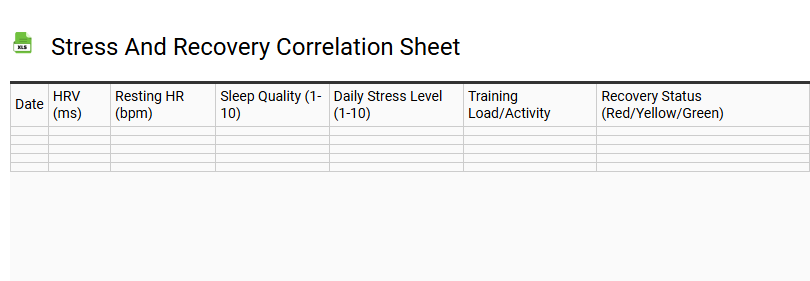
Stress and Recovery Correlation Sheet
💾 Stress and Recovery Correlation Sheet .xls
A Stress and Recovery Correlation Sheet serves as a vital diagnostic tool for monitoring the autonomic nervous system's equilibrium. By documenting daily physical exertion and mental fatigue alongside physiological data like Heart Rate Variability (HRV), users can visualize the direct impact of allostatic load on overall health.
This tracking template highlights the essential interplay between the sympathetic nervous system and the parasympathetic drive for repair. Analyzing these trends facilitates burnout prevention by identifying when elevated cortisol levels hinder restorative sleep.
Implementing this structured log allows for precise adjustments in workload, ensuring the body maintains homeostasis. Through consistent monitoring of physiological markers, individuals can optimize their recovery windows, balancing high-intensity demands with adequate rest to sustain peak long-term performance and metabolic well-being.
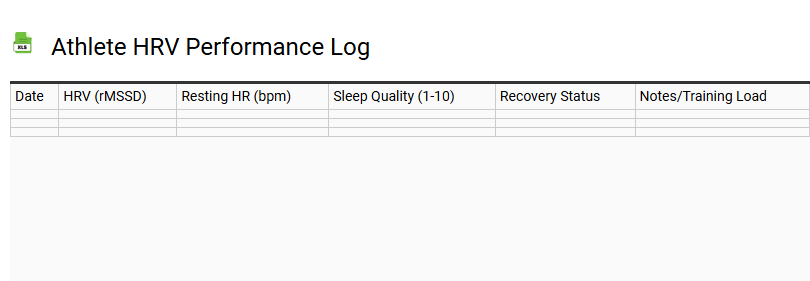
Athlete HRV Performance Log
💾 Athlete HRV Performance Log .xls
An Athlete HRV Performance Log serves as a vital diagnostic tool for monitoring autonomic nervous system balance. By tracking Heart Rate Variability (HRV), competitors can quantify recovery status and physiological readiness for high-intensity sessions. This template facilitates the systematic logging of daily biometrics, including resting heart rate, sleep quality, and subjective stress levels.
Consistent data entry helps identify shifts between parasympathetic dominance and sympathetic activation, allowing for precise adjustments to training volume and intensity. Utilizing this log prevents overtraining syndrome by establishing a personal baseline and correlating RPE (Rate of Perceived Exertion) with objective cardiovascular data. Integrating these metrics ensures an optimized periodization strategy, maximizing athletic performance while minimizing injury risk through data-driven load management and recovery protocols.
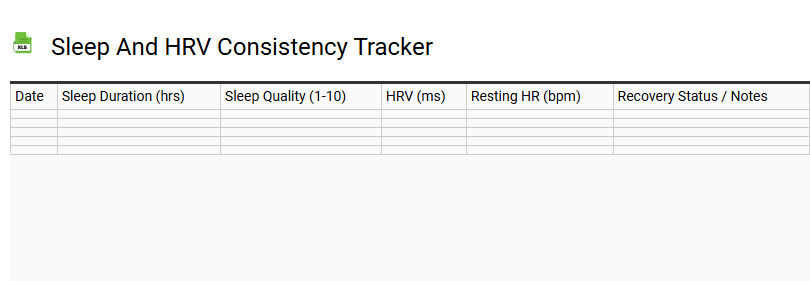
Sleep and HRV Consistency Tracker
💾 Sleep and HRV Consistency Tracker .xls
Optimizing your circadian rhythm requires precise biometric data. This Sleep and HRV Consistency Tracker serves as a comprehensive tool for monitoring nightly recovery and physiological stress levels. By recording Heart Rate Variability (HRV) alongside specific sleep cycles, users can gain insights into their autonomic nervous system health and parasympathetic activity. Tracking REM and deep sleep stages allows for the identification of baseline trends essential for wellness monitoring and health optimization. This template facilitates a deeper understanding of how lifestyle factors influence recovery metrics and sleep hygiene. By analyzing resting heart rate and sleep quality, you can adjust daily habits to enhance long-term vitality. Use this structured log to maintain consistency, ensuring your body recovers effectively from daily physical and mental demands.
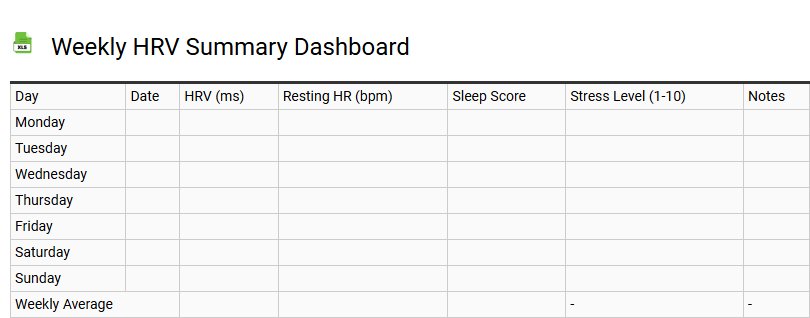
Weekly HRV Summary Dashboard
💾 Weekly HRV Summary Dashboard .xls
A Weekly HRV Summary Dashboard serves as a vital analytical tool for monitoring heart rate variability trends and autonomic nervous system balance. By synthesizing daily RMSSD values and SDNN metrics, this template visualizes your recovery status and physiological stress levels over a seven-day rolling period. Users can track fluctuations in parasympathetic activity, identifying how sleep quality, training load, and lifestyle factors influence their readiness score.
This comprehensive overview highlights deviations from your baseline, offering actionable insights into cardiovascular health and homeostasis. Integrating these biometric data points facilitates informed decisions regarding workout intensity and stress management. By evaluating vagal tone and circadian rhythms, the dashboard empowers athletes and wellness enthusiasts to optimize performance while preventing overtraining through precise health informatics and trend analysis.
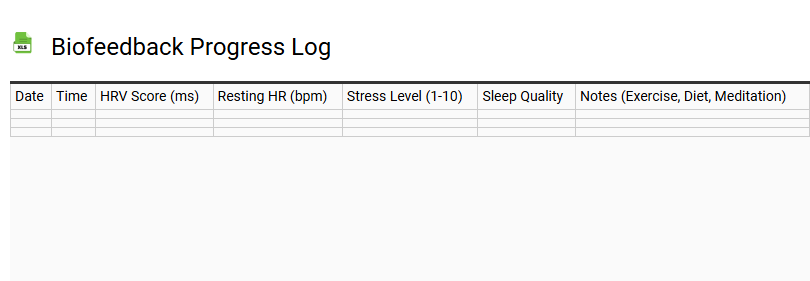
Biofeedback Progress Log
💾 Biofeedback Progress Log .xls
A biofeedback progress log serves as a vital instrument for tracking physiological data and enhancing self-regulation skills. This structured template facilitates the meticulous recording of heart rate variability (HRV), skin conductance, and respiratory patterns to monitor the autonomic nervous system. By documenting baseline measurements alongside post-session results, users can visualize trends in stress management and physiological reactivity.
Incorporating metrics like muscle tension (EMG) and neurofeedback scores helps refine relaxation techniques and mindfulness practices. This data-driven approach optimizes therapeutic outcomes by identifying triggers and successes in real-time. Whether utilized for clinical assessment or personal wellness, a comprehensive log ensures consistent monitoring of biometric feedback, empowering individuals to achieve better emotional balance and somatic awareness through longitudinal analysis and disciplined data tracking.
HRV and Resting Heart Rate Comparison
💾 HRV and Resting Heart Rate Comparison .xls
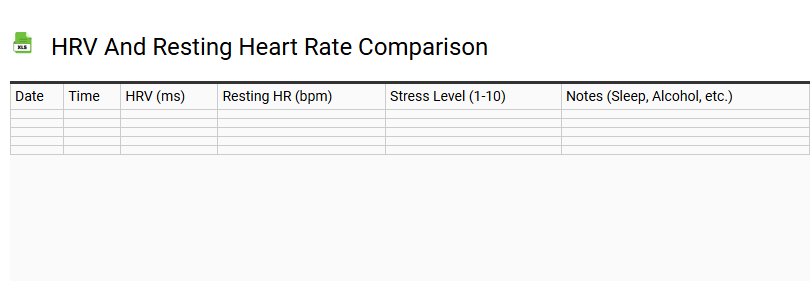
This comparison template evaluates the critical correlation between Heart Rate Variability (HRV) and Resting Heart Rate (RHR) to provide actionable insights into physiological recovery. While RHR measures the beats per minute, HRV tracks the fluctuation between those heartbeats, serving as a vital window into autonomic nervous system (ANS) balance.
By integrating these biometric data points, users can monitor the interplay between parasympathetic activity and sympathetic nervous system triggers. A high HRV combined with a stable, low RHR typically indicates optimal cardiovascular health and stress resilience. Conversely, identifying deviations from a personalized baseline helps detect physical strain, illness, or overtraining. Utilizing these recovery metrics within a structured dashboard enhances athletic performance and overall wellness tracking for more informed health decisions.
Circadian Rhythm HRV Log
💾 Circadian Rhythm HRV Log .xls
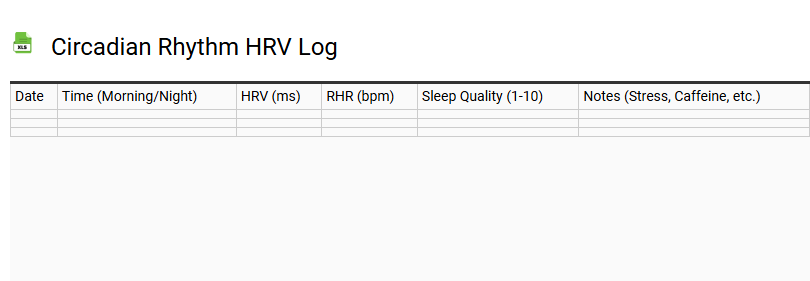
A Circadian Rhythm HRV Log serves as a sophisticated framework for monitoring the delicate synergy between the autonomic nervous system (ANS) and the body's internal biological clock. By systematically tracking Heart Rate Variability metrics alongside sleep-wake cycles, users can visualize fluctuations in parasympathetic activity and vagal tone. This biometric data is essential for assessing physiological recovery, stress resilience, and homeostasis.
Integrating variables such as light exposure, sleep hygiene, and meal timing into the template helps identify patterns in cortisol levels and nervous system balance. Monitoring these daily rhythms allows for precise biometric monitoring, ensuring that physical exertion aligns with natural recovery capacity. Ultimately, a well-maintained log facilitates optimized stress management and peak performance by synchronizing lifestyle habits with the body's innate circadian fluctuations, leading to improved sleep quality and long-term health outcomes.
Post-Exercise Recovery Tracker
💾 Post-Exercise Recovery Tracker .xls
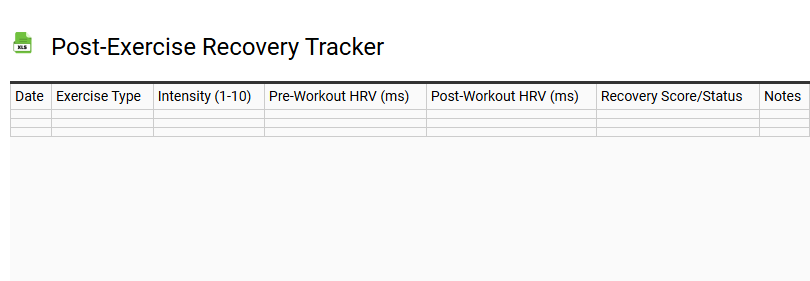
Utilizing a Post-Exercise Recovery Tracker is essential for optimizing athletic performance and ensuring long-term physical wellness. This specialized template monitors critical bio-indicators such as muscle soreness (DOMS), resting heart rate, and sleep quality to gauge physiological readiness. By systematically logging hydration levels and nutritional intake, athletes can effectively manage training loads and mitigate the risk of overtraining injuries.
Effective recovery protocols often include active recovery sessions and mobility work. Tracking these metrics provides a holistic view of fatigue management and parasympathetic nervous system regulation. Whether monitoring Heart Rate Variability (HRV) or subjective perceived exertion, this data-driven approach facilitates superior muscle repair and metabolic restoration. Use this framework to balance high-intensity stimulus with necessary restorative sleep, ensuring every workout yields maximum physiological adaptations and improved fitness outcomes.
Meditation and HRV Impact Sheet
💾 Meditation and HRV Impact Sheet .xls
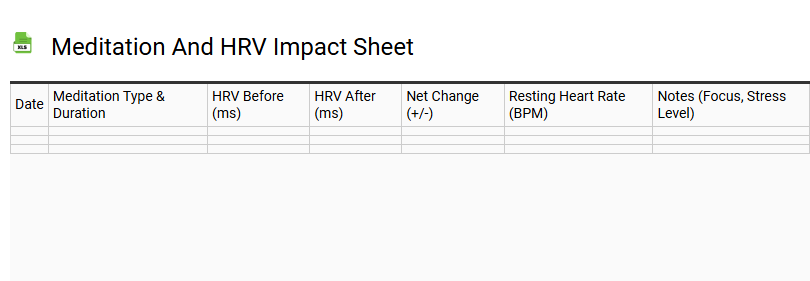
This Meditation and HRV Impact Sheet serves as a comprehensive tool for tracking the physiological shifts induced by mindfulness practices. By monitoring Heart Rate Variability (HRV), users can quantify how specific techniques influence the parasympathetic nervous system and improve vagus nerve tone. This template facilitates the recording of daily sessions, focusing on cardiac coherence and respiratory sinus arrhythmia to visualize stress resilience.
Utilizing this biofeedback data helps identify the correlation between meditative states and autonomic nervous system balance. Tracking these wellness metrics empowers individuals to transition from a sympathetic "fight or flight" response to a restorative "rest and digest" state. Regular use of this log optimizes emotional regulation and provides data-driven insights into long-term mental health and circadian rhythm alignment.
Yearly HRV Baseline Log
💾 Yearly HRV Baseline Log .xls
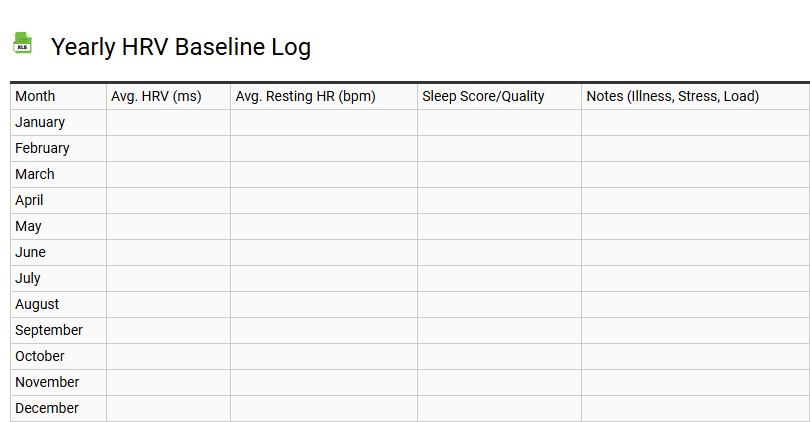
A Yearly HRV Baseline Log serves as a vital instrument for monitoring long-term autonomic nervous system health and cardiovascular resilience. By systematically recording daily rMSSD values and calculating monthly averages, individuals can establish a precise physiological benchmark. This longitudinal data tracking is essential for identifying subtle shifts in parasympathetic activity and overall recovery capacity.
Utilizing a structured template allows for the seamless integration of biometric data, helping to distinguish between acute stressors and chronic fatigue. Monitoring these heart rate variability trends over twelve months reveals seasonal patterns, impacts of lifestyle adjustments, and the effectiveness of stress management protocols. Maintaining this consistent health log facilitates data-driven insights into training readiness and vagal tone, ensuring that your wellness journey is backed by historical physiological evidence. This comprehensive approach transforms raw numbers into actionable intelligence for optimized physical and mental performance.
Nutrition and HRV Correlation Template
💾 Nutrition and HRV Correlation Template .xls
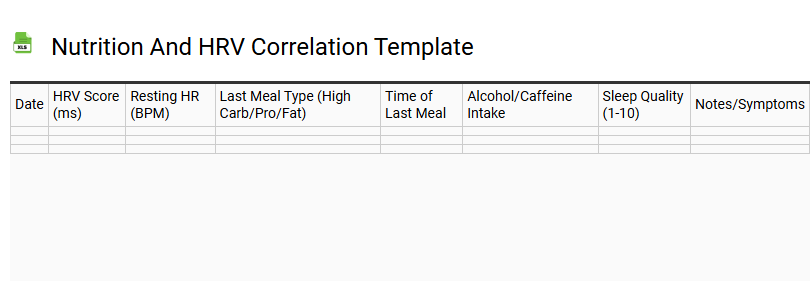
This template facilitates a deep analysis of the relationship between nutritional intake and Heart Rate Variability (HRV), a primary indicator of autonomic nervous system equilibrium. By documenting macronutrient distribution and micronutrient density, users can observe how dietary patterns modulate vagal tone and parasympathetic nervous system activity. High-glycemic meals and processed ingredients often correlate with increased oxidative stress and reduced HRV, signaling physiological strain.
In contrast, prioritizing omega-3 fatty acids, fiber-rich plants, and anti-inflammatory nutrients promotes cardiovascular resilience. Tracking these variables alongside sleep quality and metabolic health markers reveals how the gut-brain axis influences recovery. Leveraging this biofeedback allows for precision adjustments to meal timing and hydration, ultimately optimizing homeostasis and long-term wellness outcomes through data-driven nutritional choices.
Advanced HRV Data Visualization Tool
💾 Advanced HRV Data Visualization Tool .xls
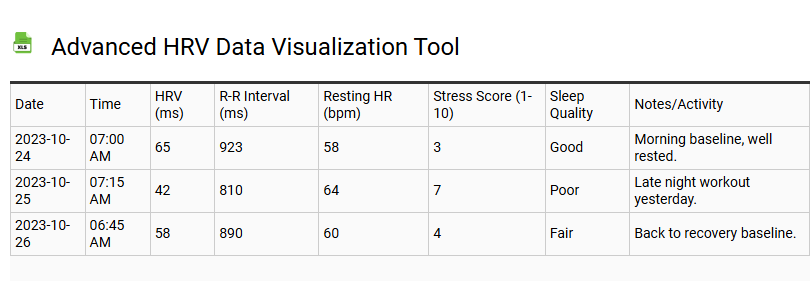
This Advanced HRV Data Visualization Tool provides a sophisticated interface for interpreting complex Heart Rate Variability patterns. By leveraging high-resolution time-series data, the template offers deep insights into the autonomic nervous system (ANS), tracking the delicate balance between sympathetic and parasympathetic branches. Users can monitor key biomarkers such as RMSSD, SDNN, and PNN50 through interactive, real-time dashboards.
The framework supports frequency domain analysis, highlighting spectral power distributions and LF/HF ratios crucial for assessing physiological stress and recovery states. Integrated with wearable sensor API protocols, this tool simplifies data aggregation from diverse biometric sources. Optimized for biofeedback loops and clinical-grade precision, the visualization engine transforms raw R-R intervals into actionable health narratives, facilitating superior trend analysis and long-term wellness monitoring within a seamless, responsive environment.
Utilizing a comprehensive Heart Rate Variability (HRV) tracking log empowers individuals to monitor their autonomic nervous system health effectively. By recording daily recovery metrics and parasympathetic activity, this template facilitates precise stress management and trend analysis.
Consistent documentation of these biofeedback signals helps establish a personalized baseline, essential for optimizing physical performance. Leverage this structured log to transform raw health data into actionable insights, ensuring long-term cardiac health and improved well-being through data-driven lifestyle adjustments.