
Mood Log Template for Highly Sensitive Persons (HSPs)
Navigating daily life as a High Sensitivity Person (HSP) requires acute awareness of your unique emotional landscape. Utilizing a dedicated mood log helps manage sensory processing sensitivity by identifying specific environmental triggers and patterns of overstimulation. This specialized daily journal allows individuals to track nervous system responses to various stimuli and internal shifts. By documenting emotional fluctuations and sensory input, you can cultivate greater emotional regulation and long-term well-being. Please check the already made variation of templates below.
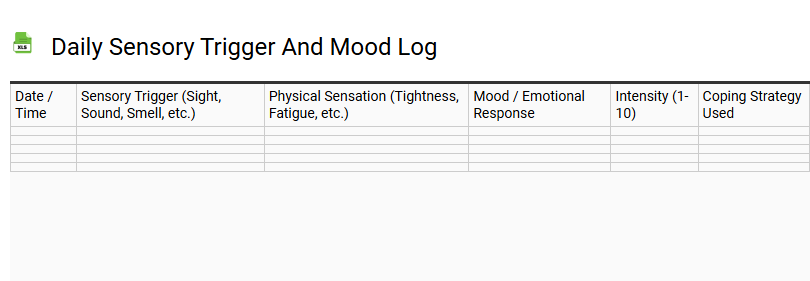
Daily Sensory Trigger and Mood Log
💾 Daily Sensory Trigger and Mood Log .xls
This Daily Sensory Trigger and Mood Log functions as a comprehensive framework for monitoring environmental stimuli and their influence on emotional regulation. By systematically documenting auditory, visual, and tactile inputs, individuals can pinpoint specific stressors that contribute to sensory overload or fatigue.
Utilizing this template facilitates a deeper understanding of the nervous system, helping to bridge the gap between external triggers and internal affective states. Key benefits include:
- Identification of recurrent patterns in sensory processing.
- Improved self-awareness regarding neurodivergent needs.
- Refinement of coping strategies and grounding techniques.
- Enhanced mental health tracking for better wellbeing.
Consistent use of this log empowers users to implement proactive symptom management, fostering resilience and emotional stability through data-driven insights into their daily lived experience.
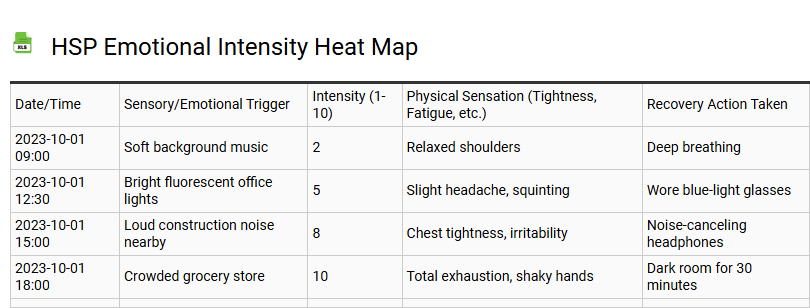
HSP Emotional Intensity Heat Map
💾 HSP Emotional Intensity Heat Map .xls
The HSP Emotional Intensity Heat Map functions as a sophisticated self-awareness tool designed for individuals with sensory processing sensitivity (SPS). This template allows users to visually track fluctuating internal states, moving from a calm baseline to peak overstimulation. By mapping daily emotional regulation, high-sensitivity individuals can identify specific environmental triggers and the resulting cognitive load on their nervous system.
- Visualizing Reactivity: Identify patterns in empathetic responses and physiological arousal levels.
- Stress Management: Anticipate periods of high emotional resonance to implement proactive self-care.
- Data-Driven Insights: Correlate sensory input with psychological equilibrium and deep processing tendencies.
Utilizing this heat map empowers highly sensitive persons to navigate their unique emotional landscapes with greater precision, fostering resilience through improved boundary setting and mindful regulation of their intense internal experiences.
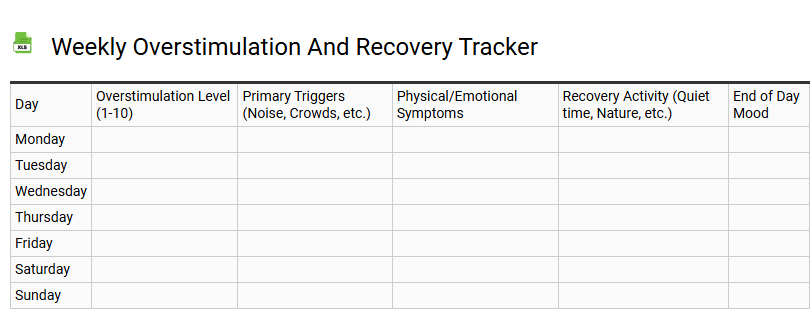
Weekly Overstimulation and Recovery Tracker
💾 Weekly Overstimulation and Recovery Tracker .xls
This Weekly Overstimulation and Recovery Tracker provides a structured framework for monitoring sensory input and nervous system health. By documenting daily energy fluctuations, you can pinpoint specific triggers that lead to burnout and identify which restorative practices offer the most effective relief.
- Daily Intensity Logs: Record peak moments of sensory overwhelm to recognize recurring environmental stressors and physiological signals.
- Recovery Methods: Track activities such as deep pressure therapy, silence, or low-light rest to evaluate their success in resetting your baseline.
- Pattern Recognition: Use aggregated weekly data to adjust your upcoming schedule, ensuring a sustainable balance between high-demand tasks and essential downtime.
Maintaining this log fosters greater self-awareness, allowing for proactive adjustments before exhaustion occurs. This methodical approach empowers you to manage your environment and protect your mental well-being throughout the week.
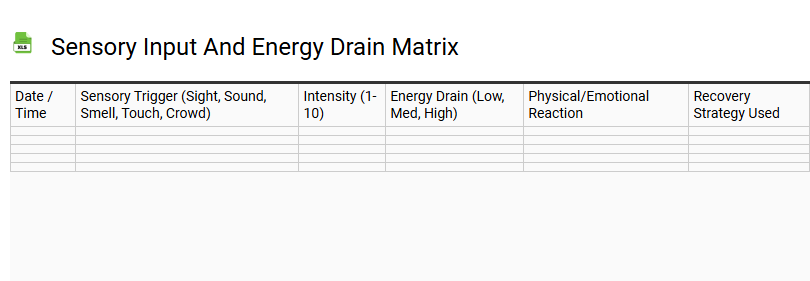
Sensory Input and Energy Drain Matrix
💾 Sensory Input and Energy Drain Matrix .xls
A Sensory Input and Energy Drain Matrix serves as a vital neuro-affirming tool for mapping how environmental stimuli impact cognitive load and executive function. By systematically tracking auditory, visual, tactile, and olfactory triggers, individuals can identify patterns of sensory overload and subsequent energy depletion. This matrix categorizes inputs into sensory seeking or avoidance behaviors, allowing for precise burnout prevention and proactive self-regulation.
Utilizing this template helps visualize the relationship between external stressors and internal "spoon" levels. It facilitates better energy management by highlighting specific triggers that cause allostatic load. Through this structured assessment, users can implement tailored coping mechanisms, optimize their surroundings, and achieve sustainable sensory regulation. Integrating this matrix into daily routines empowers neurodivergent individuals to navigate high-stimulus environments while maintaining emotional and physical equilibrium.
Monthly Emotional Baseline Journal
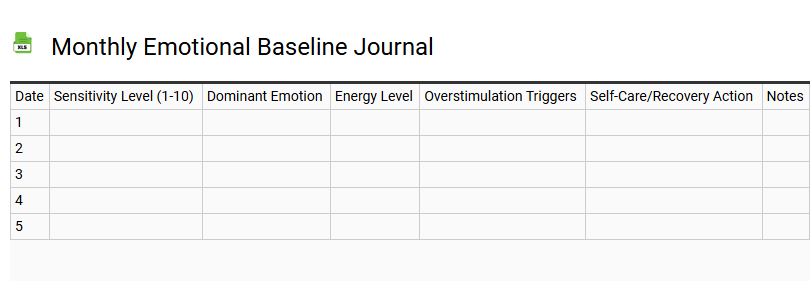
💾 Monthly Emotional Baseline Journal .xls
A monthly emotional baseline journal serves as a vital tool for monitoring mental well-being and identifying long-term psychological trends. By utilizing a structured template for daily check-ins, individuals can quantify their affective states and establish a clear internal equilibrium. This systematic approach to mood tracking allows for deeper insight into one's temperament, fostering mindfulness and proactive mental health management.
- Identify recurring emotional patterns and triggers.
- Track mood fluctuations against external environmental factors.
- Enhance emotional intelligence through consistent self-reflection.
- Correlate holistic health variables like sleep and stress.
By observing data across a thirty-day cycle, you can recognize subtle shifts in your emotional baseline. Analyzing these psychological metrics facilitates informed lifestyle adjustments, promoting sustained psychological stability and improved overall resilience throughout the year.
Environmental Sensitivity and Mood Chart
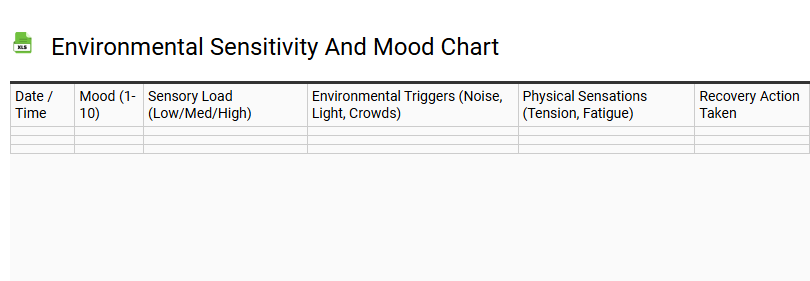
💾 Environmental Sensitivity and Mood Chart .xls
An Environmental Sensitivity and Mood Chart serves as a vital tool for tracking the intersection between sensory processing and emotional regulation. By logging daily external triggers-such as ambient noise levels, artificial lighting, and temperature fluctuations-users can identify specific environmental stressors impacting their mental well-being.
This template facilitates the discovery of subtle correlations between sensory input and mood fluctuations, helping establish a clear psychological baseline. Utilizing this data-driven approach supports:
- Identification of overstimulation patterns and sensory overload.
- Enhanced self-awareness regarding physical surroundings.
- Development of proactive coping mechanisms for high sensitivity.
- Improved behavioral health monitoring and symptom management.
Consistent tracking empowers individuals to modify their immediate environment, ultimately fostering a more stable, resilient, and balanced internal state.
HSP Self-Care Compliance Tracker
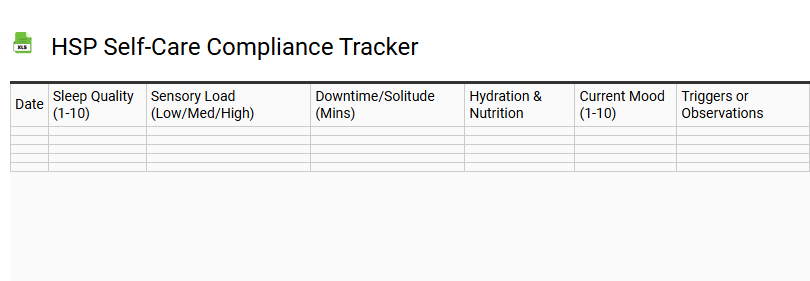
💾 HSP Self-Care Compliance Tracker .xls
This specialized tracker provides a structured framework for individuals with high sensory processing sensitivity to monitor their daily well-being. By focusing on restorative habits, users can maintain a balanced nervous system and prevent emotional exhaustion. The template encourages consistent observation of environmental triggers, sleep quality, and downtime requirements, which are vital for managing intense stimuli.
Utilizing this tool helps bridge the gap between recognizing sensory needs and taking actionable steps toward recovery. It serves as a visual record of progress, highlighting the connection between regular self-care rituals and overall energy levels. Through disciplined documentation, individuals can identify specific patterns that lead to burnout, allowing for proactive adjustments to their daily schedule. This approach ensures that personal boundaries are respected and that the physical and mental demands of high sensitivity are met with intentional, nurturing routines.
Daily Gratitude and Overwhelm Log
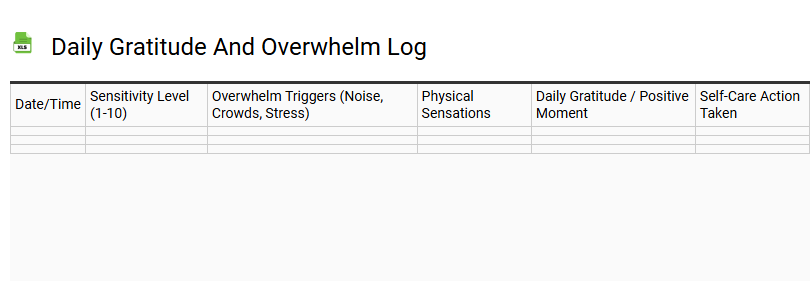
💾 Daily Gratitude and Overwhelm Log .xls
A Daily Gratitude and Overwhelm Log serves as a vital mindfulness tool designed to enhance mental well-being and foster emotional resilience. By integrating principles of positive psychology, this structured journaling template encourages users to document daily appreciation while simultaneously managing cognitive load.
The dual-purpose framework facilitates a productive brain dump, allowing for effective stress management and improved emotional regulation. By identifying specific stressors alongside moments of thankfulness, individuals can achieve greater mental clarity and reduce anxiety. This holistic self-care practice supports task prioritization and helps mitigate feelings of burnout.
Implementing this wellness toolkit regularly promotes a growth mindset, ensuring a balanced approach to habit tracking and personal reflection. Ultimately, navigating complex emotions through a consistent log provides a sustainable roadmap for maintaining long-term psychological health and productivity.
Sensory Processing Sensitivity Audit
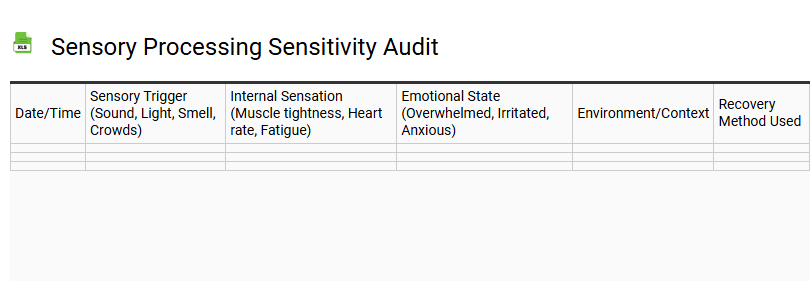
💾 Sensory Processing Sensitivity Audit .xls
This sensory processing sensitivity audit template serves as a comprehensive tool for identifying environmental stressors that impact individuals with the neurological trait of high sensitivity. By evaluating sensory gating mechanisms and potential triggers for overstimulation, this framework facilitates effective workspace optimization and stimulus regulation.
Key assessment areas include:
- Auditory triggers and ambient noise levels.
- Visual clutter and lighting intensity.
- Spatial ergonomics and tactile comfort.
- Olfactory inputs and air quality.
Implementing this audit supports neurodivergent needs, reducing cognitive load and preventing sensory burnout. By systematically addressing environmental stimuli, organizations can foster inclusive design that enhances focus, psychological safety, and overall well-being for sensory-sensitive individuals. This data-driven approach ensures that physical environments are calibrated to minimize physiological arousal and maximize productivity.
Morning and Evening Emotional Check-in
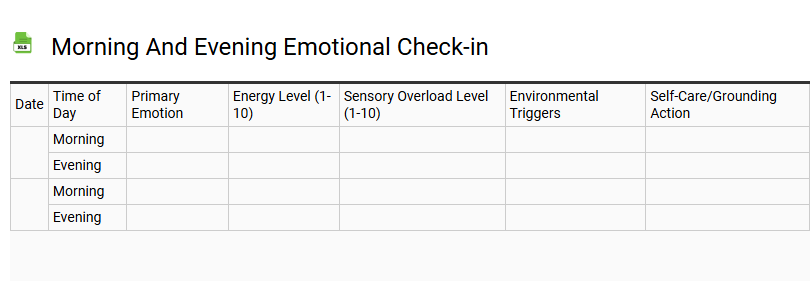
💾 Morning and Evening Emotional Check-in .xls
Utilizing a structured morning and evening emotional check-in template is a powerful mindfulness practice designed to enhance self-awareness and mental health. The morning component focuses on intentional living, allowing individuals to assess energy levels and set a proactive tone for stress management. By identifying current emotional states early, you foster greater emotional intelligence and resilience throughout the day.
The evening phase emphasizes self-reflection and mood tracking, providing a vital space for processing daily events and practicing gratitude. This dual-layered approach supports psychological well-being by integrating grounding exercises into a consistent daily routine. Documenting these shifts facilitates emotional regulation and long-term habit formation, ensuring a holistic perspective on one's internal landscape and overall wellness journey. Consistent tracking builds a bridge between daily experiences and sustainable mental clarity.
Coping Mechanism Effectiveness Journal
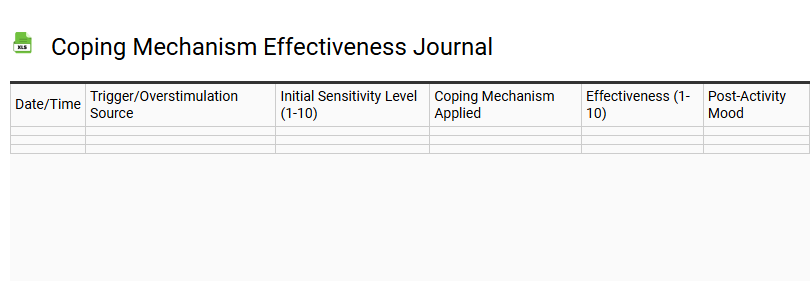
💾 Coping Mechanism Effectiveness Journal .xls
This Coping Mechanism Effectiveness Journal serves as a strategic framework for emotional regulation and proactive mental health monitoring. By documenting specific stress management techniques, users can analyze which therapeutic interventions foster the greatest psychological resilience. This template facilitates the tracking of environmental triggers, immediate physiological responses, and the subsequent success of various mindfulness or grounding exercises.
- Symptom Monitoring: Identify recurring behavioral patterns and cognitive shifts during periods of high cortisol or anxiety.
- Adaptive Strategy Log: Record the implementation of deep breathing, cognitive restructuring, or physical outlets.
- Efficacy Rating: Quantify the impact of each response to refine your personal wellness routine.
Utilizing this structured approach to self-reflection transforms subjective experiences into actionable data. Consistent logging helps bridge the gap between reactive habits and proactive recovery, ensuring long-term mental clarity and improved emotional stability through evidence-based self-care.
Sleep Quality and Sensory Sensitivity Log
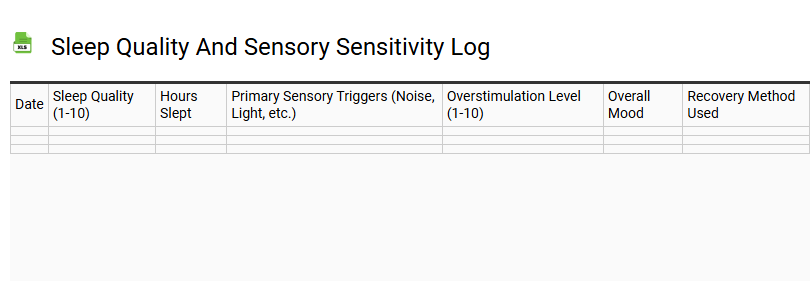
💾 Sleep Quality and Sensory Sensitivity Log .xls
Utilizing a Sleep Quality and Sensory Sensitivity Log is a strategic approach to identifying the intricate correlations between environmental stimuli and restorative rest. This tracking tool monitors circadian rhythms, sleep latency, and nocturnal awakenings alongside specific sensory processing variables. By documenting reactions to auditory triggers, light intensity, and tactile input, individuals can pinpoint sensory overstimulation that fragments sleep architecture.
- Sleep Hygiene: Record evening routines and blue light exposure.
- Environmental Stressors: Note ambient noise levels and thermal comfort.
- Physiological Markers: Track hyperarousal and morning grogginess.
Consistent data collection facilitates the discovery of sleep-wake cycle patterns, allowing for targeted interventions to mitigate insomnia or sensory-related disturbances. Analyzing these biometric data points empowers users to optimize their sleep environment, enhancing sleep efficiency and promoting overall neurological regulation and wellness.
Social Interaction Energy Expenditure Tracker
💾 Social Interaction Energy Expenditure Tracker .xls
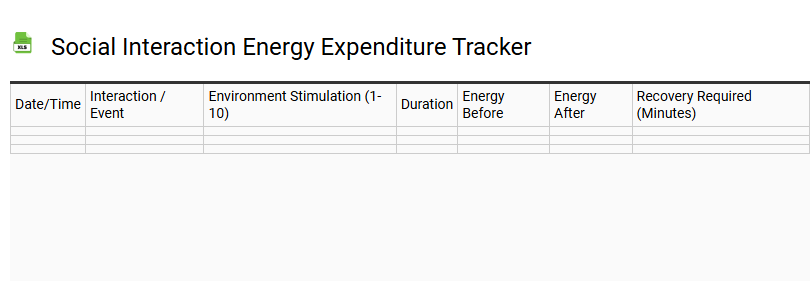
This tracking framework quantifies the mental and emotional resources consumed during interpersonal engagements. By documenting specific variables, users can visualize patterns in their social stamina and identify activities that lead to fatigue.
- Interaction Duration: Records the total time spent in active communication.
- Engagement Intensity: Gauges the depth of connection, ranging from casual small talk to high-stakes networking.
- Environment Impact: Notes how background noise and crowd density influence individual exhaustion levels.
- Recovery Requirement: Estimates the duration of solitude necessary to restore personal equilibrium after an event.
Utilizing this template facilitates a balanced lifestyle by highlighting when to prioritize rest. It serves as a personal diagnostic tool for maintaining psychological well-being across diverse social landscapes, ensuring sustainable energy management without sacrificing meaningful connections or professional responsibilities.
Food and Mood Sensitivity Log
💾 Food and Mood Sensitivity Log .xls
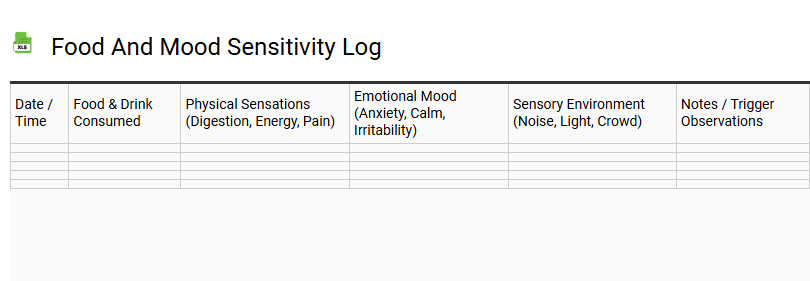
A food and mood sensitivity log serves as a vital diagnostic tool for uncovering the intricate connection between dietary intake and psychological well-being. By meticulously tracking daily meals, snacks, and beverage consumption alongside emotional states, individuals can identify specific nutritional triggers affecting the gut-brain axis. This comprehensive diary monitors physical symptoms such as bloating or lethargy, while simultaneously recording fluctuations in energy levels, irritability, and mental clarity.
Utilizing a structured template helps pinpoint potential food intolerances or allergens that may provoke an inflammatory response. Key elements to document include:
- Specific ingredients and macronutrient balance.
- Timing of meals and subsequent digestive reactions.
- Sleep quality, hydration, and daily stress levels.
Consistent data entry facilitates a successful elimination diet, empowering users to optimize their digestive health and holistic wellness through evidence-based lifestyle adjustments and personalized nutrition tracking.
HSP Wellness and Balance Dashboard
💾 HSP Wellness and Balance Dashboard .xls
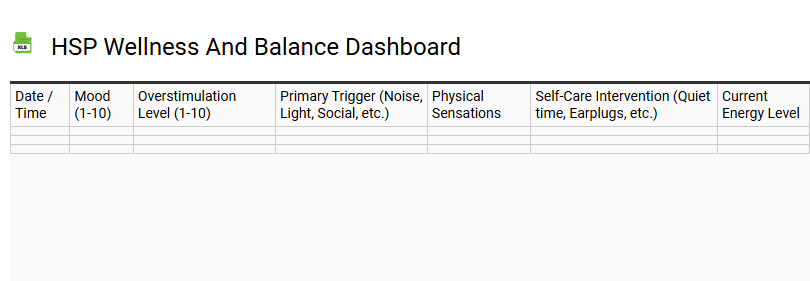
This HSP Wellness and Balance Dashboard serves as a specialized digital sanctuary for individuals navigating sensory processing sensitivity. Designed to prioritize nervous system regulation, the template facilitates proactive energy management to mitigate chronic overstimulation. By integrating tools for emotional regulation and mindfulness, users can establish a sustainable self-care routine that honors their unique temperament.
The layout emphasizes holistic well-being through mood monitoring and daily habit trackers, promoting gentle productivity without burnout. Key features include dedicated modules for setting healthy boundaries and identifying effective coping strategies for high-stimuli environments. This dashboard empowers highly sensitive persons to maintain equilibrium, ensuring their internal resources are consistently replenished. Navigate your daily life with intentionality using a framework built for sensory harmony and long-term emotional resilience.
Daily Stimuli and Response Journal
💾 Daily Stimuli and Response Journal .xls
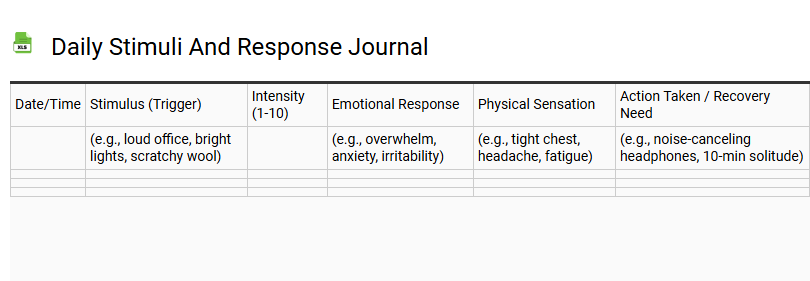
A Daily Stimuli and Response Journal serves as a vital cognitive tool for enhancing emotional intelligence and personal self-regulation. By systematically documenting external triggers and internal reactions, this template facilitates profound self-awareness through a structured reflection process. It leverages principles from cognitive behavioral therapy (CBT) to help users identify behavioral patterns associated with specific environmental cues or interpersonal stressors.
Utilizing this mental health framework allows for the tracking of immediate psychological triggers and the subsequent emotional or physical response. Consistent documentation empowers individuals to bridge the gap between impulse and action, fostering better emotional regulation and the development of healthy coping mechanisms. By analyzing these stimulus-response sequences, practitioners can transform reactive habits into intentional choices, ultimately improving long-term psychological well-being and mindfulness in daily life.
Weekly Emotional Regulation Planner
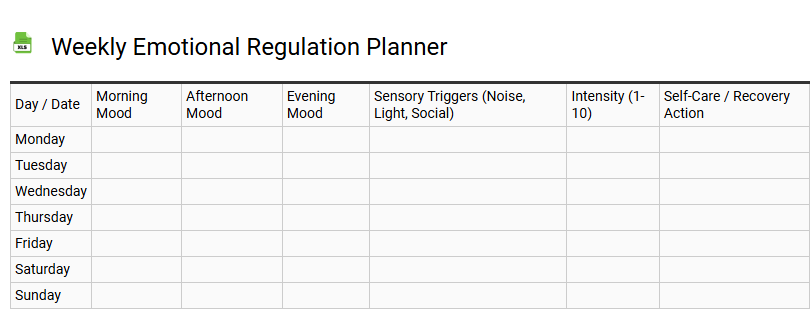
💾 Weekly Emotional Regulation Planner .xls
A Weekly Emotional Regulation Planner serves as a strategic mental health framework designed to enhance emotional intelligence and build long-term resilience. By utilizing structured layouts for mood tracking and stress management, individuals can proactively identify triggers and implement coping strategies. This template integrates core principles of Dialectical Behavior Therapy (DBT), focusing on mindfulness, distress tolerance, and emotional balance.
- Daily Check-ins: Monitor fluctuations in affect and identify physiological cues.
- Skill Application: Schedule specific grounding techniques and breathing exercises to manage nervous system arousal.
- Reflective Analysis: Evaluate the efficacy of self-regulation interventions to refine personalized wellness routines.
Consistent engagement with this planner fosters deep self-awareness, transforming abstract feelings into actionable data. By prioritizing psychological stability and interpersonal effectiveness, users develop a robust toolkit for navigating life's challenges through intentional, evidence-based self-care practices and cognitive reframing.
HSP Mindfulness and Mood Log
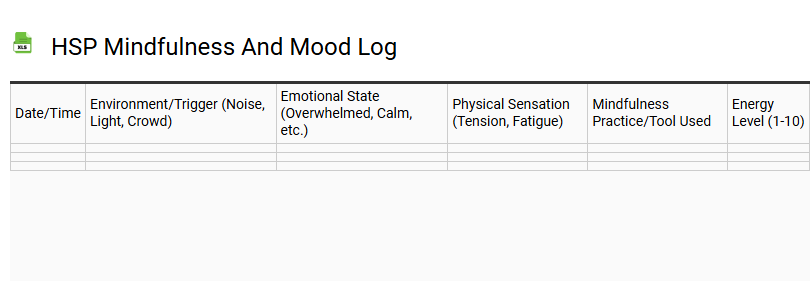
💾 HSP Mindfulness and Mood Log .xls
This specialized HSP Mindfulness and Mood Log serves as a vital tool for navigating sensory processing sensitivity. By integrating consistent mood tracking with intentional mindfulness practice, highly sensitive individuals can monitor emotional fluctuations and identify specific triggers for overstimulation. This structured daily journal facilitates nervous system regulation, allowing users to document environmental stressors and internal responses for enhanced self-awareness.
Utilizing grounding techniques and cognitive reframing within this template promotes emotional regulation and long-term mental well-being. By recording energy levels and sensory input, the log helps mitigate sensory overload and fosters self-compassion. This comprehensive tracking method provides a clear visual map of the connection between external stimuli and internal states, empowering users to cultivate a balanced, mindful lifestyle while building psychological resilience. It is an essential resource for those seeking to harmonize their sensitivity with daily life demands.
Energy Level and Sensory Load Chart
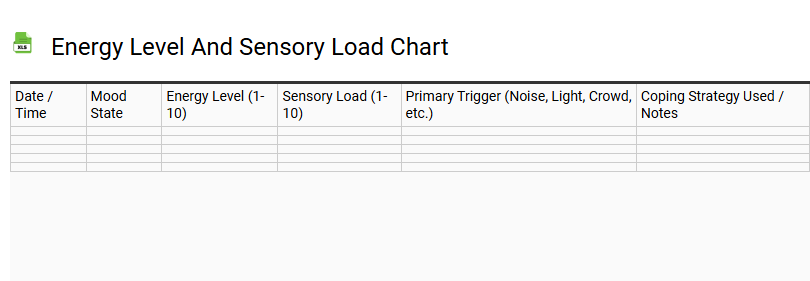
💾 Energy Level and Sensory Load Chart .xls
This Energy Level and Sensory Load Chart serves as a vital self-regulation tool for neurodivergent individuals, including those navigating ADHD and Autism Spectrum Disorder. By systematically tracking fluctuating internal resources and environmental triggers, users can visualize the intersection between executive function and sensory processing.
Utilizing concepts like Spoon Theory, this template monitors auditory, visual, and tactile inputs to preemptively identify sensory overload and prevent burnout. Mapping daily stimulation helps manage the nervous system, allowing for better emotional regulation and intentional recovery periods.
By logging physiological responses to specific stressors, you can optimize your schedule, balancing high-demand tasks with restorative downtime. This data-driven approach enhances self-awareness, supporting neuro-affirming strategies for sustainable productivity and improved mental well-being through personalized sensory integration and proactive energy management.
Physical Symptom and Emotional State Tracker
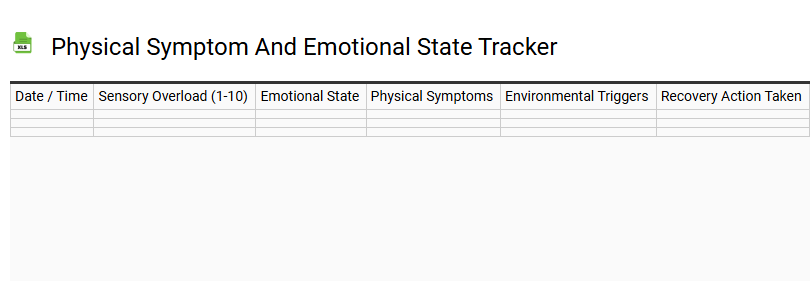
💾 Physical Symptom and Emotional State Tracker .xls
This integrated physical symptom and emotional state tracker provides a comprehensive framework for monitoring the mind-body connection. By documenting daily physiological signals alongside mood fluctuations, users can identify critical correlations between somatic symptoms and psychological well-being.
The template facilitates detailed health logging, capturing symptom intensity, frequency, and potential environmental triggers. Monitoring stress levels, anxiety, and mental fatigue in tandem with chronic pain or biometric data empowers individuals to recognize patterns that influence holistic health.
Utilizing this wellness journal supports proactive self-care and enhances clinical consultations by providing objective longitudinal data. Whether managing autoimmune flare-ups or practicing mindfulness, this structured approach aids in stress management and recovery progress, transforming raw observations into actionable therapeutic insights for optimized vitality and emotional regulation.
Utilizing a High Sensitivity Person (HSP) Mood Log template empowers individuals with sensory processing sensitivity to navigate daily emotional landscapes effectively. By documenting specific triggers and levels of overstimulation, this tool aids in nervous system regulation and enhances mindfulness. Consistent tracking fosters proactive self-care, allowing for better management of environmental stimuli and internal shifts. This structured reflection is essential for maintaining mental well-being and achieving emotional balance. Implementing this specialized log ensures that unique sensory needs are met with clarity and compassion.