
Hunger Level Assessment Template: A Tool for Mindful Eating
A hunger level assessment template serves as a vital tool for cultivating mindful eating habits and identifying authentic physical cues. By utilizing a structured hunger scale, individuals can effectively monitor satiety levels and distinguish between physiological need and emotional triggers. This practice enhances nutritional awareness and supports intuitive eating patterns by tracking daily appetite fluctuations. Implementing these evaluative frameworks helps refine dietary choices and promotes long-term metabolic wellness. Please check the already made variation of templates below.
Daily Hunger Scale Log
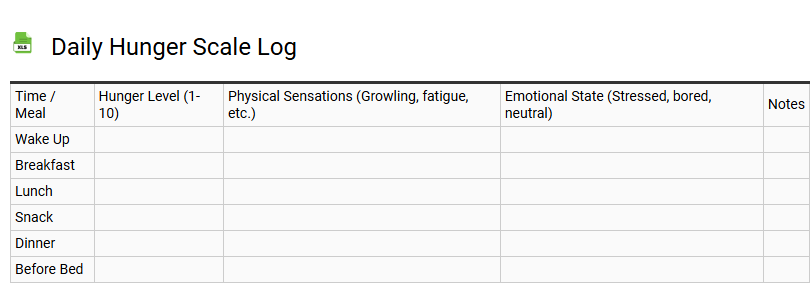
A daily hunger scale log serves as a vital tool for mindful eating and improving body awareness. By tracking hunger cues and satiety levels on a numerical spectrum-typically from 1 to 10-individuals can better identify physical hunger versus emotional eating triggers. Monitoring these dietary patterns helps optimize nutrient timing and manage energy fluctuations throughout the day.
This template facilitates a deeper understanding of metabolic health by recording appetite awareness before and after meals. Consistent use of this log encourages intuitive eating habits, allowing users to recognize subtle hunger sensations and achieve optimal fullness. By documenting nutritional intake alongside satiety cues, you can refine meal planning strategies and foster a healthier relationship with food consumption. This systematic approach to self-monitoring supports long-term wellness goals through informed, conscious choices.
Pre-and-Post Meal Satiety Tracker
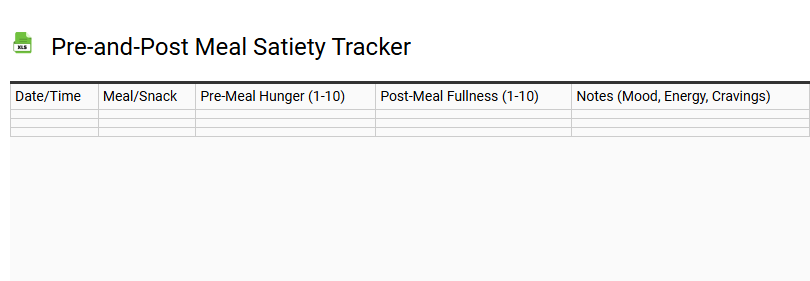
💾 Pre-and-Post Meal Satiety Tracker .xls
A pre-and-post meal satiety tracker is an essential tool for practicing mindful eating and enhancing appetite awareness. By recording physiological hunger cues before dining and evaluating fullness levels afterward, individuals can better manage portion control and recognize emotional eating triggers. This template leverages a satiety scale to help stabilize metabolic health, effectively balancing key hormones like ghrelin and leptin.
Consistently monitoring post-prandial satisfaction encourages digestive wellness and the selection of nutrient-dense foods. This data-driven approach allows users to align caloric intake with genuine energy needs, preventing overconsumption. By fostering a healthier relationship with food, this tracking system supports long-term weight management and nutritional mindfulness, ensuring every meal serves the body's specific requirements for optimal performance and metabolic balance.
Hourly Hunger Intensity Chart
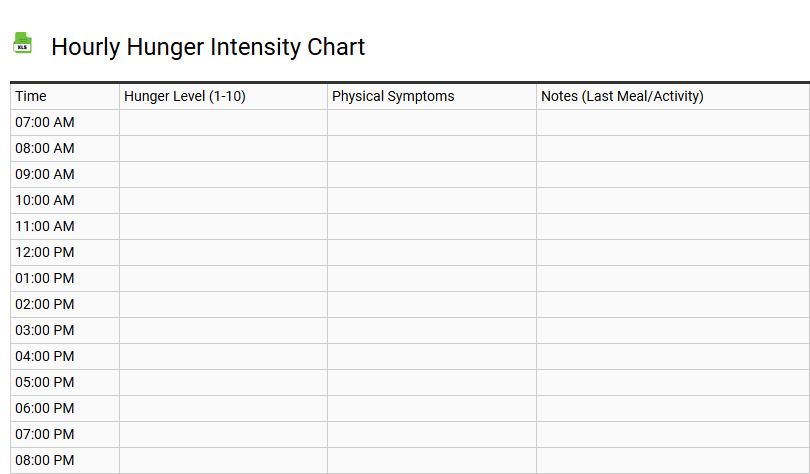
💾 Hourly Hunger Intensity Chart .xls
The Hourly Hunger Intensity Chart serves as a functional log for monitoring physiological cues throughout the day. This template enables users to document fluctuations in appetite at regular intervals, providing a clear overview of metabolic patterns and energy requirements.
By utilizing a numerical scale, typically ranging from one to ten, individuals can effectively distinguish between various internal signals:
- Physical necessity: Identifying when the body requires genuine fuel.
- Satiety levels: Recognizing the optimal point to stop eating to avoid discomfort.
- Environmental triggers: Differentiating between habit and biological hunger.
Maintaining this record helps in restructuring meal timing to prevent energy crashes and overeating. It acts as a foundational resource for developing mindful eating habits and achieving better digestive balance through consistent self-awareness.
Hunger vs. Emotional Cravings Journal
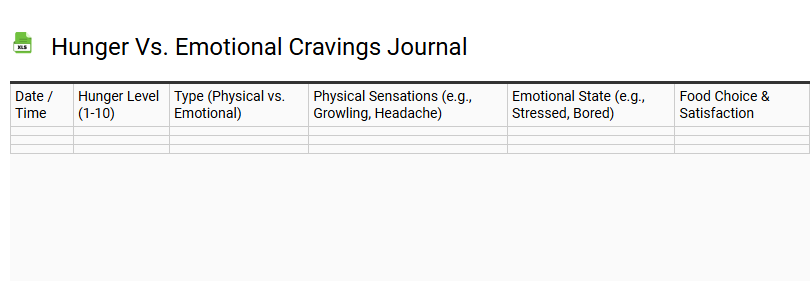
💾 Hunger vs. Emotional Cravings Journal .xls
A Hunger vs. Emotional Cravings Journal serves as a vital diagnostic tool for mindful eating, helping individuals distinguish between physiological hunger and psychological triggers. By utilizing this template, users can track appetite cues and satiety levels to identify patterns of stress eating or boredom-induced snacking. This structured approach to food logging emphasizes the HALT method (Hungry, Angry, Lonely, Tired) to pinpoint the root cause of nutritional urges.
Monitoring biological signals versus sudden cravings fosters self-awareness and aids in binge prevention. Consistent entries regarding environmental triggers and fullness cues allow for better weight management and metabolic health. By aligning consumption with genuine energy requirements rather than emotional responses, practitioners can reclaim control over their dietary habits and develop a sustainable, healthy relationship with food.
Fasting Window Hunger Monitor
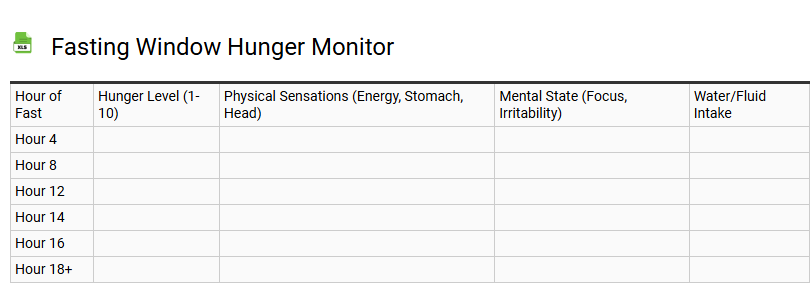
💾 Fasting Window Hunger Monitor .xls
A fasting window hunger monitor serves as a sophisticated tracking tool for individuals practicing intermittent fasting. By logging periodic satiety levels, users can effectively distinguish between physiological ghrelin surges and psychological cravings. This template facilitates the observation of metabolic health patterns, ensuring blood sugar stability throughout the designated fasting duration.
Utilizing this data-driven approach enhances insulin sensitivity and promotes metabolic flexibility. The monitor encourages mindful eating habits by documenting appetite fluctuations alongside hydration and electrolyte balance metrics. By identifying energy level dips, practitioners can adjust their eating windows to better align with their circadian rhythms, ultimately optimizing the autophagy process and overall wellness outcomes. Consistent monitoring reduces the risk of overeating during the refeeding phase, supporting sustainable weight management and cellular repair.
Weekly Hunger Trend Analysis
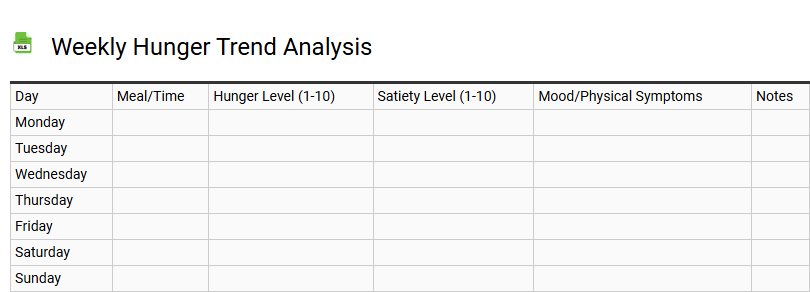
💾 Weekly Hunger Trend Analysis .xls
This Weekly Hunger Trend Analysis template provides a robust framework for tracking food insecurity levels and shifting nutritional data. By synthesizing information from household surveys and local market price indices, the report identifies seasonal fluctuations in food demand. This data-driven strategy monitors caloric intake and food price volatility, facilitating targeted interventions for vulnerable populations.
The analysis incorporates supply chain disruptions and socio-economic indicators to offer a holistic perspective on regional hunger trends. Through integrated data visualization, the template optimizes monitoring and evaluation for humanitarian aid initiatives. By documenting real-time insights into dietary diversity and affordability, stakeholders can preemptively address food crises. This structured approach ensures evidence-based decision-making for sustainable food security outcomes and effective resource allocation across diverse geographical zones.
1-10 Hunger Rating Spreadsheet
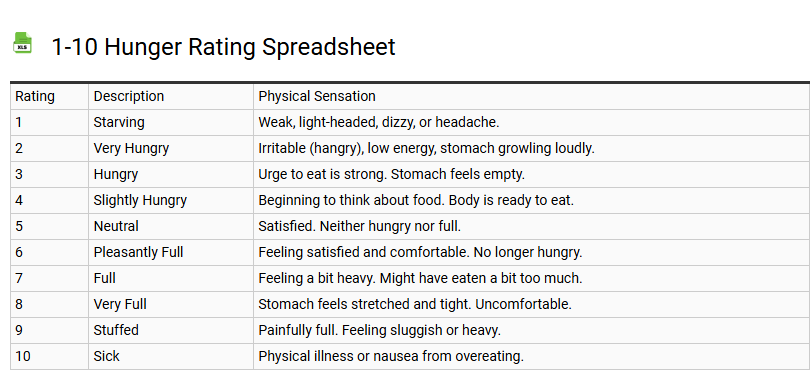
💾 1-10 Hunger Rating Spreadsheet .xls
A 1-10 hunger rating spreadsheet is an essential tool for mastering intuitive eating and improving metabolic health. By consistently tracking satiety levels and appetite cues, users can identify significant patterns in their daily nutritional habits. This digital log allows for precise data entry regarding physical sensations, ranging from "painfully hungry" to "uncomfortably stuffed."
Utilizing a structured template in Google Sheets or Excel helps monitor:
- Pre-meal hunger to prevent overeating.
- Post-meal fullness for better portion control.
- Emotional eating triggers versus physiological hunger.
- Energy levels and blood sugar stability.
By fostering mindfulness and body awareness, this satiety scale helps individuals stay within the optimal "comfortable" range, promoting better digestion and long-term weight management without restrictive dieting.
Bio-Feedback Hunger Log
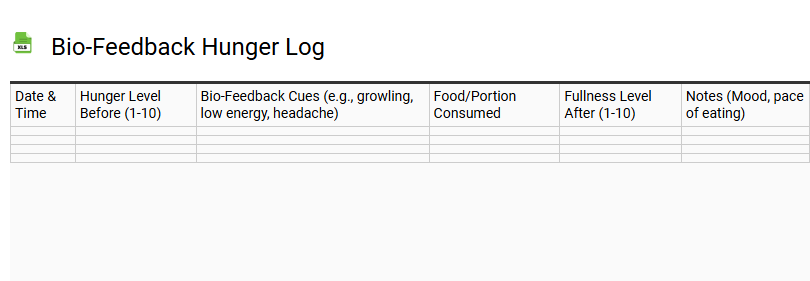
💾 Bio-Feedback Hunger Log .xls
A bio-feedback hunger log serves as a vital instrument for cultivating intuitive eating habits and enhancing metabolic awareness. This structured template facilitates the tracking of somatic signals, allowing individuals to document physical hunger cues and post-meal satiety levels on a standardized numerical scale. By recording pre-meal energy and emotional states, users can effectively differentiate between physiological necessity and psychological triggers or emotional eating.
Consistent utilization of this log optimizes nutritional intake by identifying personal hunger patterns and digestive responses. It promotes mindful consumption, reducing the likelihood of overeating while strengthening the mind-body connection. Integrating these bio-feedback metrics into a daily routine supports sustainable weight management and metabolic health by honoring internal biological signals, such as ghrelin and leptin fluctuations, rather than adhering to rigid external dietary constraints.
Mindful Eating Hunger Checklist
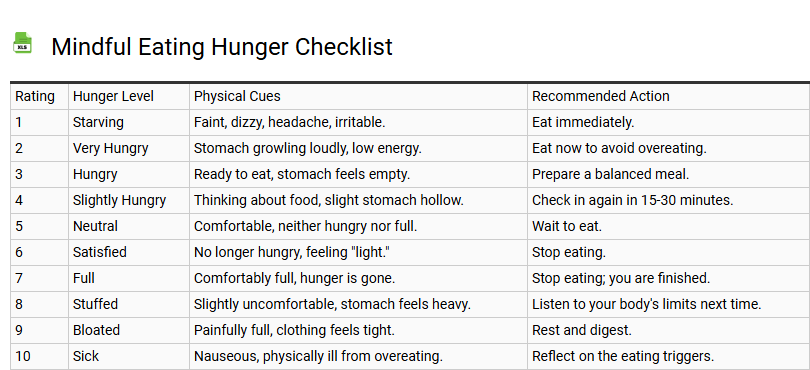
💾 Mindful Eating Hunger Checklist .xls
A mindful eating hunger checklist serves as a vital diagnostic tool for cultivating body awareness and distinguishing between physical hunger and emotional eating. By utilizing a numerical hunger scale, individuals can objectively monitor satiety levels, ensuring they provide optimal nourishment without compromising digestive health. This intuitive eating template encourages practitioners to pause and identify specific biological hunger cues, such as stomach growling or low energy, rather than reacting to environmental cravings. Implementing this hunger-fullness manual promotes sustainable portion control and fosters a balanced relationship with food. By tracking satiety cues before, during, and after meals, you achieve conscious consumption and prevent the discomfort of overeating. Integrating this mindfulness practice transforms daily nutrition into a deliberate act of self-care, enhancing long-term metabolic wellness and psychological satisfaction.
Physical vs. Mental Hunger Tally
💾 Physical vs. Mental Hunger Tally .xls
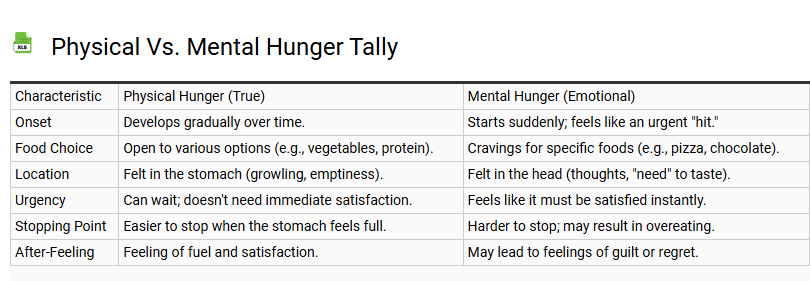
Distinguishing between biological requirements and psychological impulses is essential for mindful nutrition. This tally system categorizes hunger into two distinct experiences to help you recognize your body's true signals versus emotional or environmental triggers.
- Physical Hunger: This sensation develops gradually and is often accompanied by stomach growling, low energy, or lightheadedness. It represents a genuine need for nutrients and is typically satisfied by any balanced meal.
- Mental Hunger: These urges strike suddenly and focus on specific cravings, textures, or flavors. They are frequently driven by stress, boredom, or habit rather than a physiological need for fuel.
By recording each instance, you can identify recurring patterns and gain clarity on what drives your eating habits. Consistently tracking these sensations supports more intentional decision-making and fosters a healthier relationship with food.
Ghrelin Spike Tracking Sheet
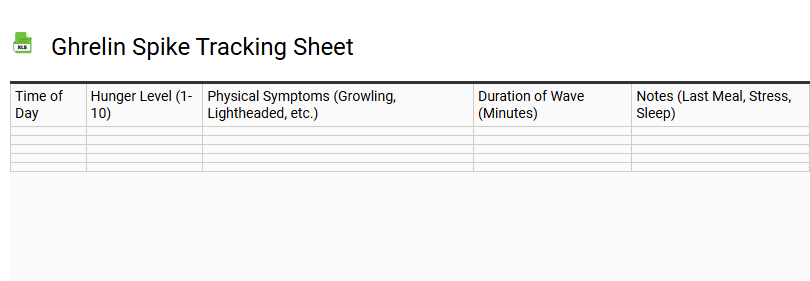
💾 Ghrelin Spike Tracking Sheet .xls
Hunger Cravings Heat Map
💾 Hunger Cravings Heat Map .xls
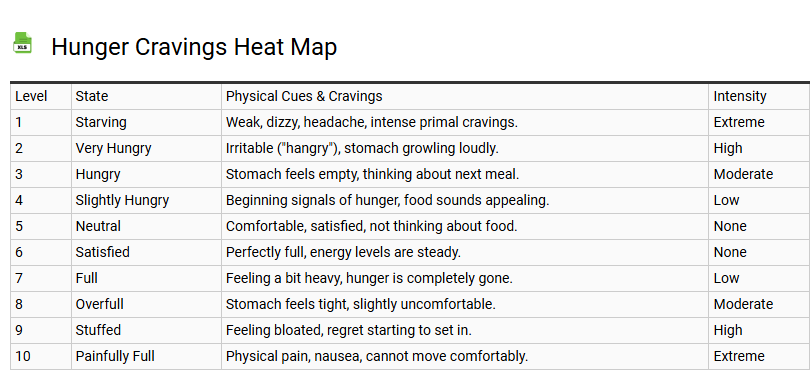
A Hunger Cravings Heat Map serves as a visual diagnostic tool to identify peak intensity periods for dietary urges throughout your daily routine. By documenting the frequency and strength of appetite spikes, you can pinpoint specific environments or timeframes where physiological or emotional vulnerability increases.
Utilizing this structured template allows for a clearer understanding of personal consumption patterns:
- Temporal Tracking: Log precise moments when urges manifest to uncover cyclical trends.
- Intensity Grading: Rate the power of each craving to differentiate between genuine physical need and external triggers.
- Contextual Analysis: Note locations or social settings that consistently prompt specific snack desires.
This data-driven approach transforms abstract feelings into actionable insights, facilitating better meal planning and proactive stress management. By recognizing these behavioral clusters, you gain the clarity needed to implement effective coping strategies before cravings reach their highest point.
Post-Fast Satiety Assessment
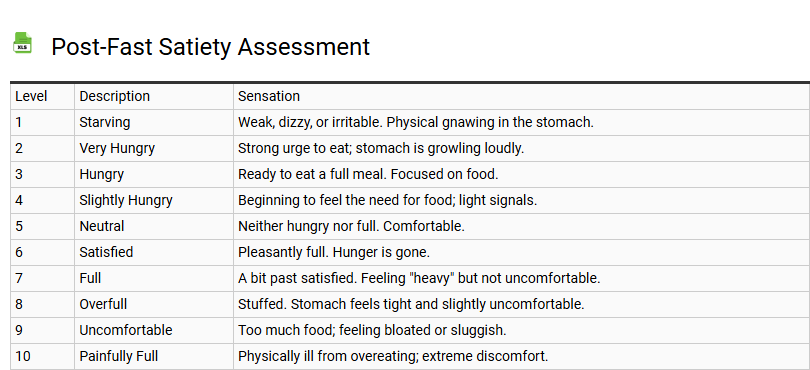
💾 Post-Fast Satiety Assessment .xls
A post-fast satiety assessment serves as a vital diagnostic tool for evaluating metabolic health and appetite regulation following an intermittent fasting window. This template helps practitioners track the body's post-prandial response and the transition from a fasted state to nutrient absorption. By monitoring hunger hormones like ghrelin and leptin, individuals can better understand their biological fullness scale and optimize their refeeding phase.
Key metrics within this assessment include:
- Digestive comfort and insulin sensitivity markers.
- The impact of macronutrient balance on caloric density and long-term satiety.
- Psychological mindful eating cues versus physiological metabolic flexibility.
Utilizing a structured assessment ensures that nutritional intake aligns with energy expenditure, preventing overconsumption while supporting blood glucose stability and sustainable weight management goals during the critical window after breaking a fast.
Appetite Awareness Log
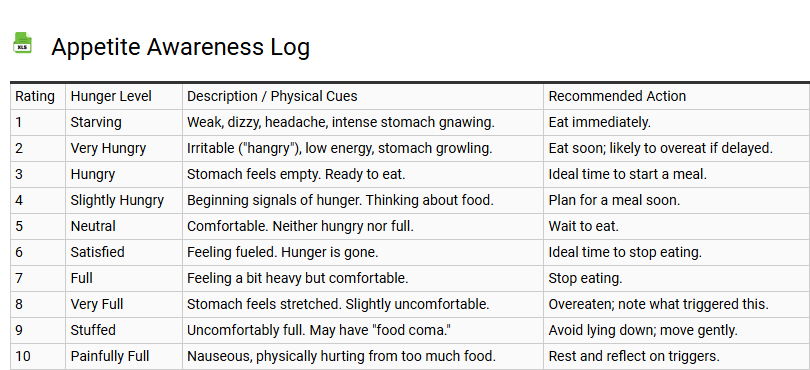
An Appetite Awareness Log is a strategic tool designed to enhance mindful eating and refine body awareness. By systematically documenting hunger cues and satiety levels, individuals learn to distinguish between physiological necessity and emotional eating triggers. This template utilizes a numerical hunger scale to monitor gastric signals before and after food consumption, providing insight into metabolic health.
Key benefits of this nutritional tracking approach include:
- Identifying biological hunger versus environmental cravings.
- Monitoring fullness to prevent overeating and digestive discomfort.
- Analyzing behavioral patterns linked to dietary habits.
- Improving interoceptive awareness for better weight management.
Utilizing this self-monitoring system transforms standard meal logging into a proactive practice of self-regulation. By focusing on internal sensory feedback, users cultivate a sustainable relationship with food rooted in physical sensation rather than restrictive dieting.
Somatic Hunger Sensation Tracker
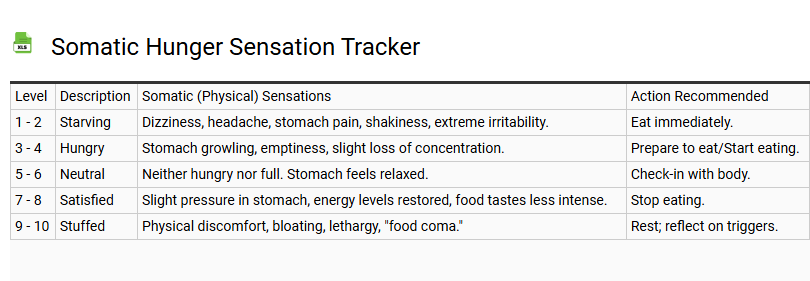
💾 Somatic Hunger Sensation Tracker .xls
This Somatic Hunger Sensation Tracker serves as a vital tool for enhancing interoceptive awareness and mastering intuitive eating. By systematically documenting internal biofeedback, individuals can distinguish between genuine physiological requirements and emotional triggers. This template focuses on identifying specific physical sensations-such as stomach contractions, energy fluctuations, and cognitive clarity-to map the body's unique hunger cues.
Utilizing a nuanced hunger-fullness scale helps recalibrate the mind-body connection, moving beyond restrictive patterns toward metabolic harmony. Tracking these visceral cues allows for better regulation of hunger hormones like ghrelin and leptin. Consistent use of this tracker fosters somatic intelligence, ensuring nutritional intake aligns with actual caloric needs. By recognizing subtle signals before they reach extreme intensity, users promote long-term digestive health, improved satiety, and sustainable emotional regulation.
A hunger level assessment template empowers individuals to master mindful eating by tracking internal satiety signals. Utilizing a structured hunger scale helps distinguish between physical necessity and emotional cravings.
By monitoring biological cues, you can refine dietary patterns and honor natural fullness. This approach fosters a healthier relationship with food and supports appetite regulation. Implement this tool to align nutritional intake with physiological needs, ensuring intuitive nourishment and balanced well-being through consistent self-awareness.