
Hyperglycemia Symptom Tracking Template for Diabetes Management
Managing elevated blood glucose levels requires consistent observation and precise documentation. Utilizing a Hyperglycemia Symptom Tracking Template empowers individuals to monitor glycemic variability and identify early warning signs of hyperglycemic episodes. By logging daily insulin sensitivity, dietary intake, and glucose spikes, patients enhance their diabetes management strategy. This systematic approach to recording health data is essential for preventing complications like ketoacidosis. Discover our comprehensive selection of professionally curated hyperglycemia symptom tracking template variations below to optimize your health monitoring today.
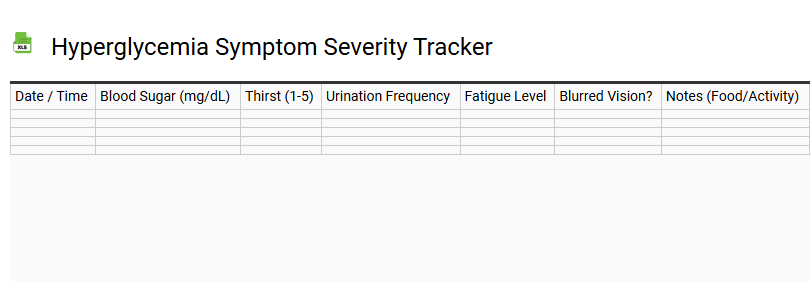
Hyperglycemia Symptom Severity Tracker
💾 Hyperglycemia Symptom Severity Tracker .xls
A Hyperglycemia Symptom Severity Tracker is an essential tool for proactive diabetes management and maintaining optimal glycemic control. By documenting fluctuations in blood glucose levels, patients can identify early warning signs of high blood sugar, such as polydipsia (excessive thirst), polyuria (frequent urination), and persistent fatigue. This template facilitates the correlation between carbohydrate intake and postprandial spikes, helping to prevent complications like diabetic ketoacidosis (DKA).
- Monitor fasting blood sugar and insulin resistance patterns.
- Log secondary symptoms including blurred vision and slow-healing wounds.
- Evaluate the efficacy of a diabetes management plan over time.
Using this log ensures precise data for healthcare consultations, allowing for informed adjustments to medication or lifestyle. Consistent tracking promotes metabolic stability and mitigates the long-term risks associated with chronic hyperglycemia.
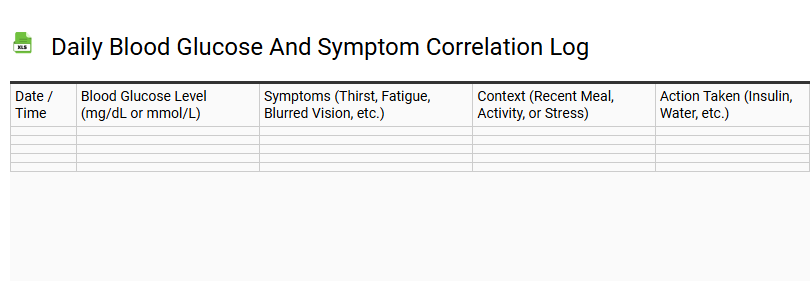
Daily Blood Glucose and Symptom Correlation Log
💾 Daily Blood Glucose and Symptom Correlation Log .xls
Utilizing a Daily Blood Glucose and Symptom Correlation Log is a fundamental practice for proactive diabetes management and long-term metabolic health. This systematic record-keeping tracks fasting glucose and postprandial levels, allowing users to visualize the direct impact of nutrition and activity on glycemic control.
By pairing biometric data with symptom logging, individuals can identify specific lifestyle triggers associated with hyperglycemia or hypoglycemia. Documenting glucose fluctuations alongside feelings of fatigue or cognitive fog provides critical context for insulin sensitivity.
This holistic health tracking approach reduces glucose variability by uncovering patterns that standard testing might miss. Maintaining a detailed blood sugar monitoring template empowers patients to share precise data with healthcare providers, ensuring personalized adjustments to treatment plans for optimized physiological wellness and stable energy levels.
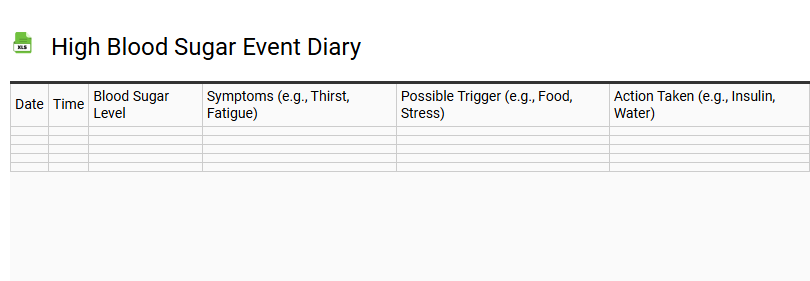
High Blood Sugar Event Diary
💾 High Blood Sugar Event Diary .xls
A comprehensive high blood sugar event diary serves as a vital instrument for proactive diabetes management and enhanced glycemic control. This specialized tracking log enables patients to pinpoint the root causes of hyperglycemia by documenting precise glucose monitoring data alongside lifestyle variables. To achieve optimal metabolic stability, users should record the exact timing of blood sugar spikes, specific physical symptoms, and recent carbohydrate intake.
Integrating details such as insulin dosage, physical activity intensity, and stress levels provides a holistic view of your health patterns. These recorded clinical insights allow your medical provider to make informed adjustments to your treatment plan, ultimately improving HbA1c levels. By consistently tracking fasting levels and postprandial results, you can identify trends that lead to glucose fluctuations. Utilizing this template ensures that every data point contributes to a clearer understanding of your body's unique response to various environmental and physiological triggers.
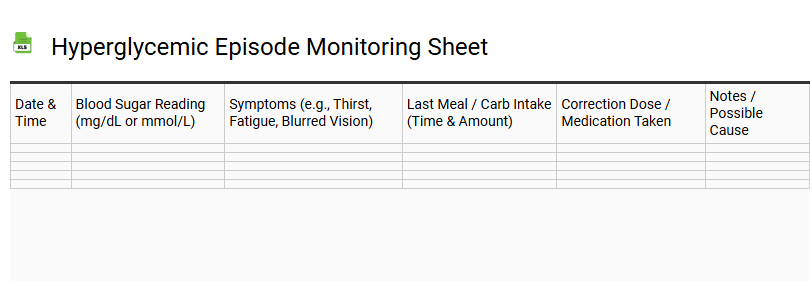
Hyperglycemic Episode Monitoring Sheet
💾 Hyperglycemic Episode Monitoring Sheet .xls
A hyperglycemic episode monitoring sheet serves as a vital clinical tool for maintaining glycemic control and ensuring patient safety during acute blood sugar spikes. This glucose monitoring log facilitates the precise tracking of blood glucose levels, allowing healthcare providers to implement timely interventions within a diabetes management plan. By documenting insulin administration, fingerstick testing results, and carbohydrate intake, the template helps clinicians identify patterns that may lead to diabetic ketoacidosis (DKA) or hyperosmolar hyperglycemic state.
Effective clinical documentation on this bedside form includes tracking hyperglycemia symptoms, such as polyuria or blurred vision, to support metabolic stability. This structured data entry ensures that capillary blood glucose fluctuations are monitored alongside ketone testing and hydration status. Utilizing this template streamlines communication between nursing staff and physicians, optimizing therapeutic outcomes and preventing long-term diabetic complications through rigorous bedside monitoring.
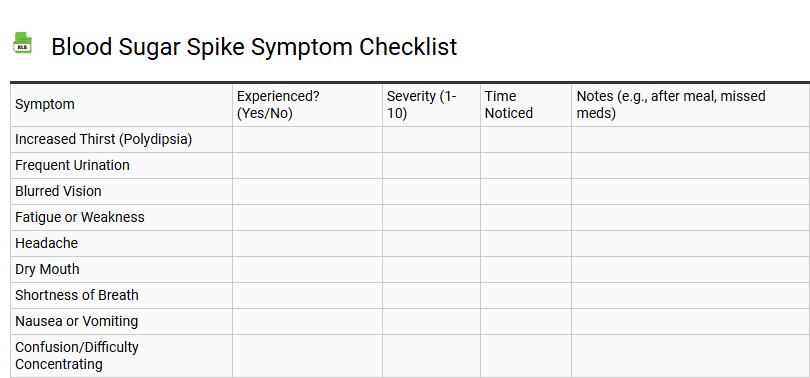
Blood Sugar Spike Symptom Checklist
💾 Blood Sugar Spike Symptom Checklist .xls
Managing hyperglycemia requires proactive monitoring of physiological signals. This blood sugar spike symptom checklist serves as a vital tool for identifying elevated glucose levels after meals or during periods of insulin resistance. Common clinical indicators included in this tracking template feature:
- Increased thirst (polydipsia) and persistent dry mouth.
- Frequent urination (polyuria) especially during the night.
- Postprandial fatigue, lethargy, or a "brain fog" sensation.
- Blurred vision and sudden, unexplained headaches.
By documenting these glycemic fluctuations, individuals can improve their metabolic health and provide healthcare providers with actionable data for diabetes management. Consistent tracking assists in recognizing patterns of glucose intolerance and optimizing insulin sensitivity. Use this structured format to maintain stable blood glucose levels and prevent complications associated with chronic high blood sugar.
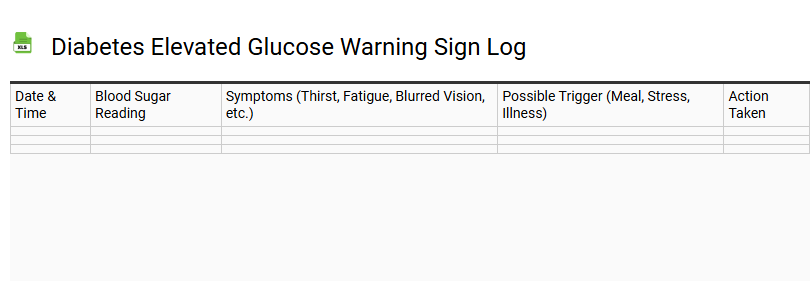
Diabetes Elevated Glucose Warning Sign Log
💾 Diabetes Elevated Glucose Warning Sign Log .xls
A Diabetes Elevated Glucose Warning Sign Log serves as a vital diagnostic tool for managing hyperglycemia and maintaining long-term glycemic control. This specialized tracking template enables individuals to document recurring high blood sugar levels alongside physical indicators like extreme thirst, frequent urination, and blurred vision. By correlating glucose spikes with variables such as carbohydrate intake, stress, or insulin sensitivity, patients can pinpoint specific triggers for metabolic instability.
Consistent blood glucose monitoring through this log helps identify early warnings of diabetic ketoacidosis (DKA), prompting timely ketone testing and medical intervention. This proactive diabetes management strategy provides healthcare providers with actionable data to adjust insulin dosages or medication protocols. Utilizing a structured logbook ensures comprehensive oversight of blood sugar fluctuations, fostering better health outcomes and preventing chronic complications associated with poorly managed diabetes mellitus.
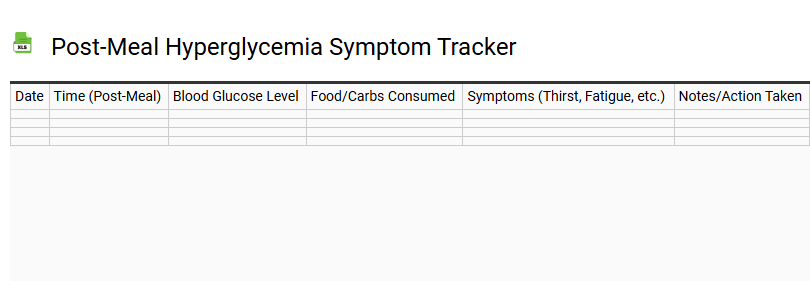
Post-Meal Hyperglycemia Symptom Tracker
💾 Post-Meal Hyperglycemia Symptom Tracker .xls
Utilizing a post-meal hyperglycemia symptom tracker is essential for managing glycemic variability and identifying significant blood sugar spikes after eating. This specialized log focuses on post-prandial glucose levels, helping individuals recognize the physiological impact of specific carbohydrate intakes. By recording data points such as lethargy, increased thirst, and blurred vision, users can map their insulin sensitivity and metabolic response to various food groups.
Consistent monitoring through a structured template facilitates better diabetes management by highlighting patterns of prandial hyperglycemia. Integrating this data with a food diary allows for precise adjustments in meal planning and medication timing. Tracking these glucose excursions is a proactive strategy to stabilize plasma glucose, reduce oxidative stress, and improve long-term A1c results. This comprehensive approach ensures that every metabolic fluctuation is documented for clinical review and personal health optimization.
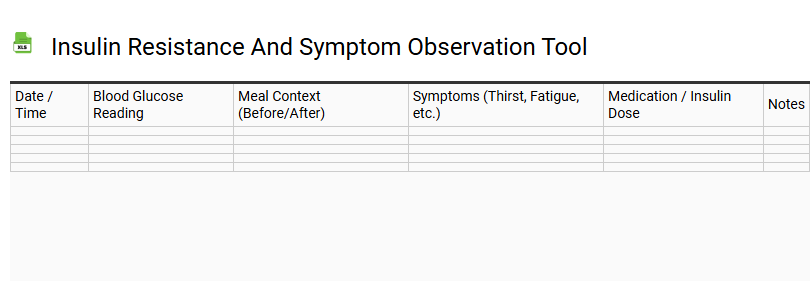
Insulin Resistance and Symptom Observation Tool
💾 Insulin Resistance and Symptom Observation Tool .xls
Utilizing a comprehensive Insulin Resistance and Symptom Observation Tool is essential for monitoring metabolic health and blood sugar regulation. This structured template facilitates the tracking of hyperinsulinemia markers and fluctuations in glucose levels through consistent lifestyle assessment and data logging.
Key physiological data captured within this observation log includes:
- Visible physical markers such as acanthosis nigricans or skin tags.
- Subjective indicators like postprandial fatigue and intensive sugar cravings.
- Metrics regarding weight management and hormonal balance.
This diagnostic screening resource empowers individuals to provide clinicians with precise biometric data, streamlining the identification of metabolic syndrome. By documenting these clinical observations, users can better understand the direct relationship between dietary habits and insulin sensitivity to achieve long-term wellness and prevent type 2 diabetes progression.
Weekly High Blood Sugar Pattern Tracker
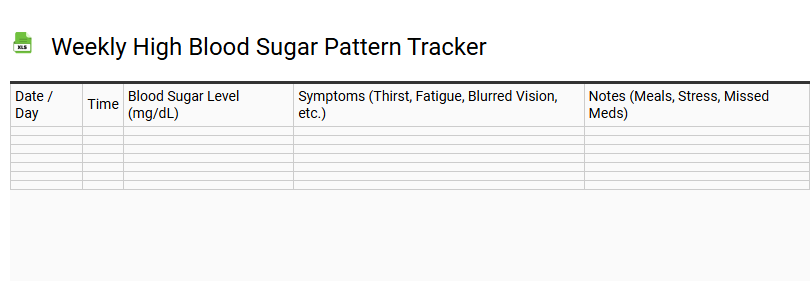
💾 Weekly High Blood Sugar Pattern Tracker .xls
Utilizing a weekly high blood sugar pattern tracker is a proactive strategy for managing hyperglycemia and identifying underlying glycemic trends. This template allows individuals to record essential data points, including fasting glucose levels, postprandial readings, and daily insulin dosages. By consistently logging carbohydrate intake and physical activity, users can pinpoint specific triggers that cause elevated blood glucose spikes.
- Identify recurring patterns in glucose fluctuations throughout the week.
- Analyze the relationship between medication timing and glycemic control.
- Improve HbA1c levels by addressing persistent metabolic stressors.
Maintaining a detailed glucose log facilitates informed clinical decisions, helping healthcare providers adjust treatment plans based on insulin sensitivity and lifestyle factors. Monitoring these metrics reduces the risk of long-term diabetes complications through improved glycemic variability management.
Glucose Level and Physical Symptom Journal
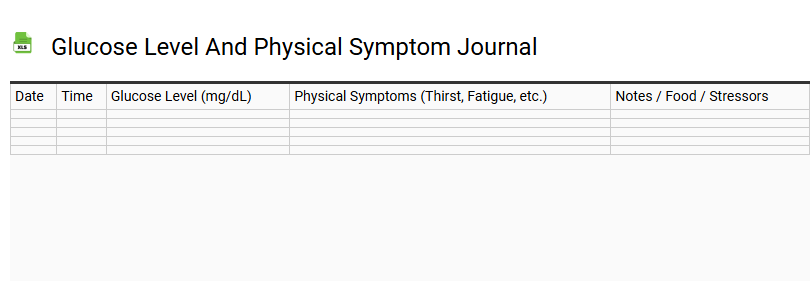
💾 Glucose Level and Physical Symptom Journal .xls
A comprehensive glucose level and physical symptom journal serves as a vital tool for proactive health management. By meticulously recording blood sugar fluctuations alongside specific physical symptoms like fatigue, blurred vision, or dizziness, individuals gain deeper insights into their metabolic health and glycemic variability.
This structured tracking template facilitates the identification of critical correlations between:
- Dietary intake and postprandial glucose spikes.
- Insulin sensitivity and daily physical activity.
- Fasting blood sugar levels and sleep quality.
- Physiological triggers for hyperglycemia or hypoglycemia.
Utilizing a data-driven health log empowers users to manage diabetes or pre-diabetic conditions more effectively. By documenting these biological markers, patients can provide healthcare providers with actionable data, leading to optimized treatment plans and improved long-term wellness outcomes through precise lifestyle adjustments.
Hyperglycemia Trigger and Symptom Spreadsheet
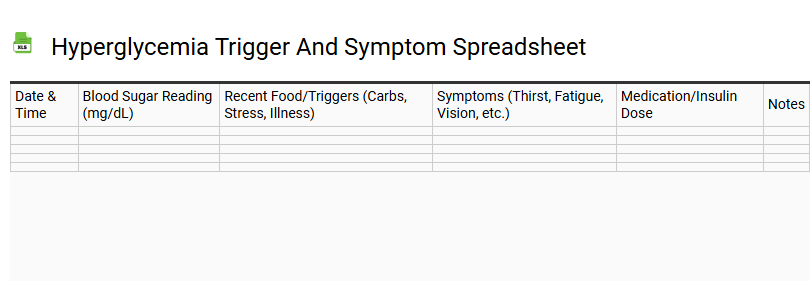
💾 Hyperglycemia Trigger and Symptom Spreadsheet .xls
A hyperglycemia trigger and symptom spreadsheet is an essential tool for proactive diabetes management. By meticulously tracking blood glucose levels alongside daily variables, users can pinpoint the exact causes of hyperglycemic episodes. This digital logbook should categorize potential triggers such as carbohydrate intake, physical inactivity, emotional stress, and illness.
- Glucose Monitoring: Record pre-meal and post-meal readings to identify patterns.
- Symptom Tracking: Log instances of polyuria, polydipsia, and fatigue to correlate physical sensations with glycemic spikes.
- Medication Correlation: Note insulin dosages and timing to evaluate therapy effectiveness.
Utilizing this data assists in trend analysis, allowing for precise adjustments in glycemic control. Consistent documentation helps healthcare providers optimize treatment plans, significantly reducing the long-term risk of diabetic ketoacidosis and other metabolic complications through actionable health insights.
Chronic High Blood Sugar Symptom Monitor
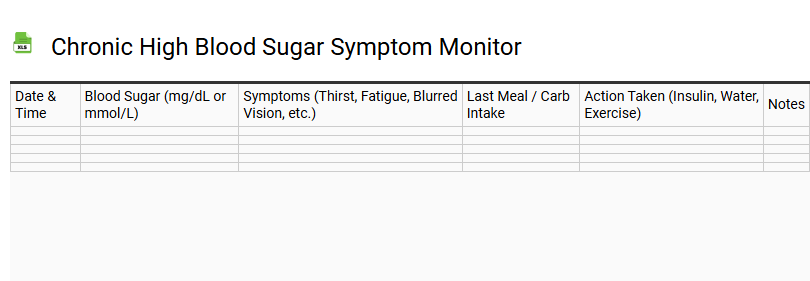
💾 Chronic High Blood Sugar Symptom Monitor .xls
Monitoring persistent elevated glucose levels is essential for effective long-term health management. This tracking framework allows individuals to document daily physical changes alongside blood glucose readings to identify trends that may require medical intervention. By maintaining a detailed record, you create a valuable resource for healthcare providers to refine treatment strategies and improve glycemic stability.
Primary indicators to observe and record include:
- Hydration and Urination: Note increased thirst and the frequency of bathroom visits, especially during the night.
- Energy Fluctuations: Document periods of profound fatigue or lethargy occurring after meals.
- Visual Changes: Track any instances of blurred vision or sudden difficulty focusing.
- Healing Progress: Monitor the time required for minor cuts, bruises, or infections to resolve.
- Sensory Feedback: Record any tingling or numbness in the hands and feet.
Consistent use of this monitor helps bridge the gap between daily symptoms and clinical data.
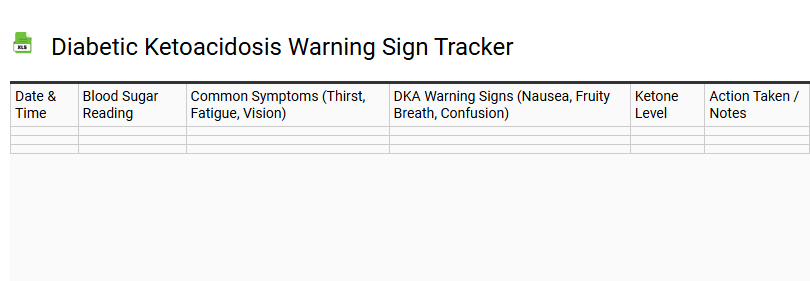
Diabetic Ketoacidosis Warning Sign Tracker
💾 Diabetic Ketoacidosis Warning Sign Tracker .xls
A Diabetic Ketoacidosis (DKA) Warning Sign Tracker serves as a critical diagnostic tool for proactive Type 1 diabetes management. This log empowers patients to monitor escalating blood glucose levels and detect ketones before they trigger life-threatening metabolic acidosis. By systematically recording indicators of hyperglycemia, such as extreme thirst and frequent urination, users can identify the early stages of insulin deficiency.
This tracking template focuses on identifying key clinical markers, including:
- Ketonuria presence detected via reagent strips.
- Physical symptoms like nausea, abdominal pain, or fruity-smelling breath (acetone breath).
- Early onset of fatigue or mental confusion.
Consistent documentation facilitates rapid intervention, preventing severe dehydration and electrolyte imbalances. By maintaining this record, individuals can provide healthcare providers with precise data, ensuring timely adjustments to insulin therapy and reducing the risk of emergency hospitalization during periods of illness or physiological stress.
Blood Sugar Flare-up Symptom Record
💾 Blood Sugar Flare-up Symptom Record .xls
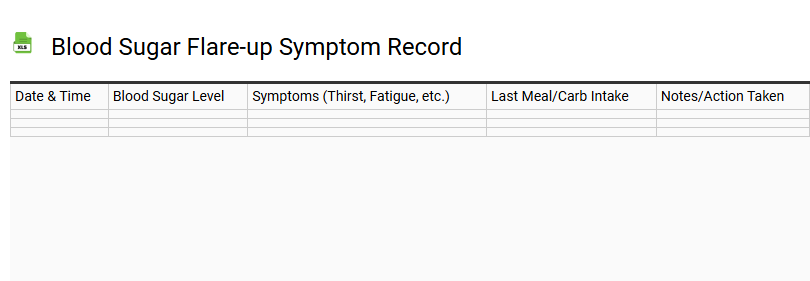
This blood sugar flare-up symptom record serves as a vital clinical tool for managing hyperglycemia and maintaining optimal glycemic control. By meticulously documenting unexpected glucose spikes, patients can identify critical correlations between insulin sensitivity, dietary triggers, and postprandial glucose levels.
This comprehensive diabetes tracking log monitors essential health markers, including:
- Elevated blood glucose readings and timestamps.
- Physical manifestations like polyuria, blurred vision, and extreme fatigue.
- Potential insulin resistance factors such as stress or illness.
- Diabetic ketoacidosis (DKA) early warning signs.
Consistently recording these biometric data points empowers healthcare providers to refine medication dosages and lifestyle interventions. Effective glucose monitoring through organized documentation is indispensable for stabilizing metabolic health and preventing long-term diabetic complications.
Daily Glucose and Neuropathy Symptom Log
💾 Daily Glucose and Neuropathy Symptom Log .xls
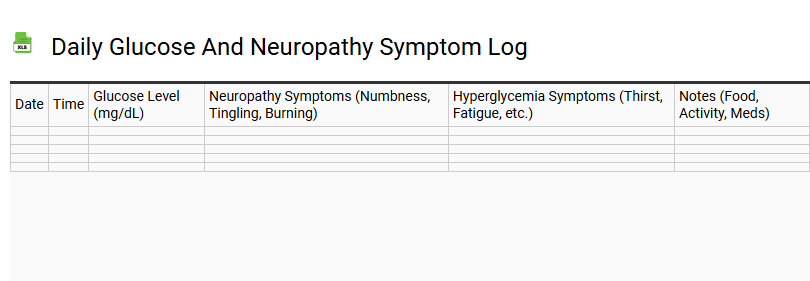
This comprehensive tracking tool facilitates precise blood glucose monitoring and the documentation of peripheral neuropathy progression. By recording fasting blood sugar levels and postprandial readings, individuals can achieve superior glycemic control while identifying correlations between insulin sensitivity and nerve pain. The log integrates specific metrics for neurological symptoms, such as tingling, numbness, or burning sensations in the extremities, which are critical for assessing nerve health. Consistent data entry supports chronic pain management strategies and assists healthcare providers in adjusting diabetes treatment plans. Utilizing this glucose logbook helps detect metabolic fluctuations that trigger diabetic neuropathy flare-ups. Through diligent tracking of dietary intake and hemoglobin A1c trends, patients can proactively manage foot health and prevent long-term complications associated with chronic hyperglycemia, ensuring a data-driven approach to metabolic wellness.
Hyperglycemia Fatigue and Thirst Tracker
💾 Hyperglycemia Fatigue and Thirst Tracker .xls
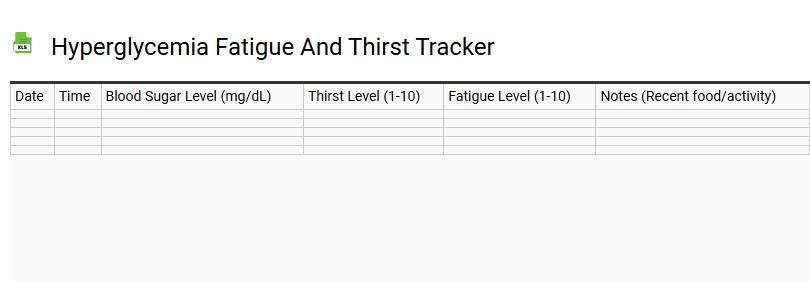
This specialized hyperglycemia tracking tool is designed to monitor the critical relationship between elevated blood glucose levels, persistent fatigue, and excessive thirst (polydipsia). By utilizing this diabetes management template, users can document daily glucose readings alongside symptoms of lethargy and dehydration. Tracking these metabolic indicators helps identify patterns related to insulin resistance, postprandial spikes, and overall glycemic control.
Maintaining a comprehensive symptom log is vital for managing type 1 or type 2 diabetes. This health monitoring data assists healthcare providers in adjusting medication dosages or dietary plans. Consistent use of this glucose journal empowers patients to stabilize blood sugar fluctuations, mitigate chronic exhaustion, and prevent long-term complications. This digital logbook ensures precise documentation of hyperglycemic episodes for optimized wellness and improved energy levels.
Rapid Blood Sugar Rise Symptom Log
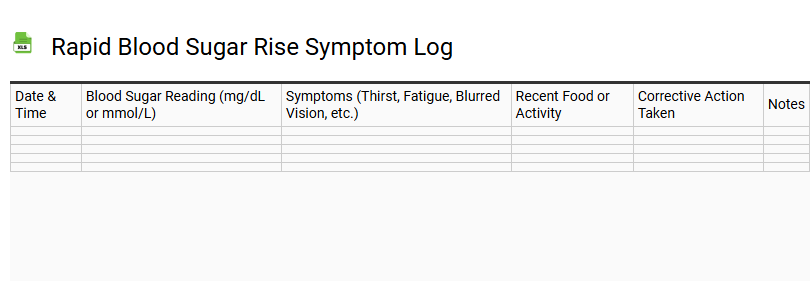
💾 Rapid Blood Sugar Rise Symptom Log .xls
Effective diabetes management requires precise tracking of postprandial glucose levels to identify hyperglycemia patterns. A comprehensive rapid blood sugar rise symptom log serves as a vital tool for monitoring glycemic variability and insulin sensitivity. By documenting blood sugar spikes alongside carbohydrate intake and physical sensations, individuals can pinpoint specific triggers affecting their metabolic health.
This template facilitates the recording of biometric data, such as:
- Glucose fluctuations following high-glycemic index meals.
- Physical indicators like increased thirst, fatigue, or blurred vision.
- The correlation between insulin response and physical activity levels.
Utilizing this glucose monitoring strategy empowers patients to provide healthcare providers with actionable insights, leading to optimized therapeutic interventions and improved long-term glycemic control. Consistent documentation is essential for navigating the complexities of insulin-dependent or type 2 diabetes.
Morning Hyperglycemia Symptom Diary
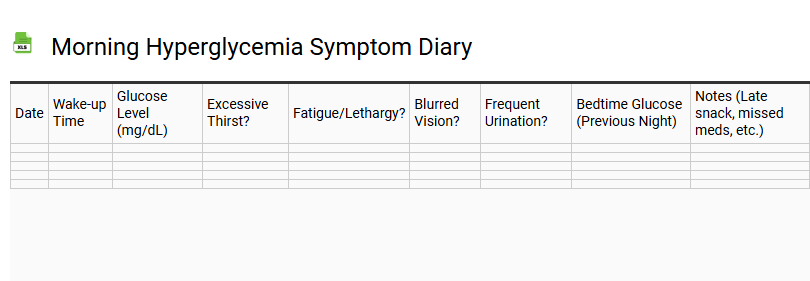
💾 Morning Hyperglycemia Symptom Diary .xls
A structured morning hyperglycemia symptom diary is an essential clinical tool for tracking elevated fasting blood glucose levels and identifying patterns like the dawn phenomenon or Somogyi effect. By documenting bedtime glucose readings, nocturnal checks, and waking values, patients provide vital data for managing insulin resistance and hormonal surges.
This monitoring template should record variables such as carbohydrate intake, late-night snacks, physical activity, and sleep quality. Correlating these factors with symptoms like excessive thirst, fatigue, or blurred vision helps healthcare providers adjust medication timing or dosages. Consistent logging of glucose spikes and ketone levels facilitates better glycemic control and helps lower long-term HbA1c results. Utilizing a comprehensive log empowers individuals to stabilize metabolic health through data-driven insights and informed lifestyle modifications, ensuring a proactive approach to diabetes management and preventing chronic complications.
Exercise-Induced Hyperglycemia Symptom Tracker
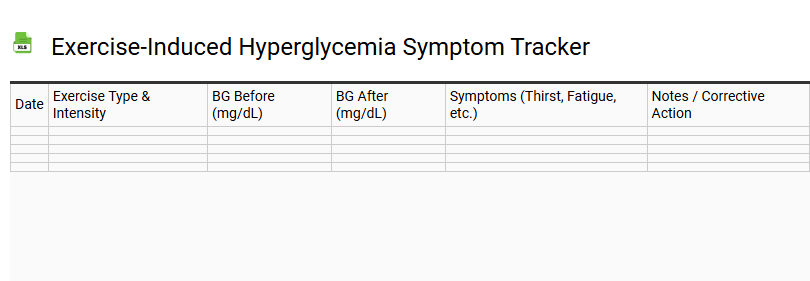
💾 Exercise-Induced Hyperglycemia Symptom Tracker .xls
An exercise-induced hyperglycemia symptom tracker is a vital tool for managing blood glucose spikes triggered by high-intensity workouts or anaerobic exertion. Unlike steady-state aerobic activity, vigorous exercise can stimulate the release of stress hormones like adrenaline and cortisol, prompting hepatic glucose production that exceeds muscle uptake. Using a structured log helps identify patterns in post-workout glycemia and individual physiological triggers.
Effective tracking should monitor these critical metabolic variables:
- Glucose levels recorded via a CGM or finger-stick before and after physical exertion.
- The specific intensity of HIIT or strength training sessions.
- Physical symptoms such as extreme thirst, nausea, or unexpected fatigue.
- Hydration status and insulin-on-board (IOB) levels.
By documenting these data points, individuals can optimize their glycemic control, refine carbohydrate timing, and mitigate the risk of performance-limiting hyperglycemic episodes during fitness routines.
Bedtime Glucose and Symptom Monitor
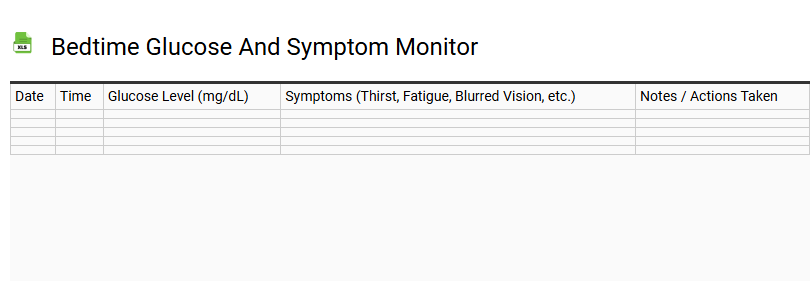
💾 Bedtime Glucose and Symptom Monitor .xls
Monitoring blood sugar levels alongside physical sensations before sleep provides a detailed overview of nighttime metabolic health. This specialized tracking format captures glucose readings, the timing of the final meal, and specific physical indicators such as perspiration, tremors, or fatigue. By documenting these variables, individuals can identify trends like nocturnal dips or elevated morning values.
Maintaining a consistent record helps clarify the relationship between evening activities and resting glucose stability. This structured approach ensures that subtle physical changes are not overlooked, offering a clear history for review. By utilizing this framework, users can gain better control over their evening routines, leading to improved rest and more informed health adjustments. Accurate documentation transforms daily observations into a reliable resource for managing long-term wellness and safety throughout the night.
This Hyperglycemia Symptom Tracking Template serves as a vital resource for proactive diabetes management. By consistently documenting glucose levels and physical warning signs, users can pinpoint fluctuations in insulin sensitivity. Utilizing a detailed monitoring log facilitates informed lifestyle adjustments, ensuring superior glycemic control over time. This structured approach empowers patients to provide healthcare providers with precise health data, effectively mitigating risks like diabetic ketoacidosis. Implementing this tracking system is a crucial step toward stabilizing blood sugar and enhancing overall metabolic wellness.