
Hypoglycemia Recovery Incident Log Template
Managing low blood sugar effectively requires precise documentation. A comprehensive Hypoglycemia Recovery Incident Log serves as a vital medical record for tracking glucose levels, specific symptoms, and treatment responses. By consistently recording each diabetic emergency, patients and healthcare providers can analyze patterns in glucose monitoring to refine long-term diabetes management strategies. This structured approach ensures a safer recovery process and better preparation for future episodes. Please explore our diverse range of professionally designed template variations provided below.
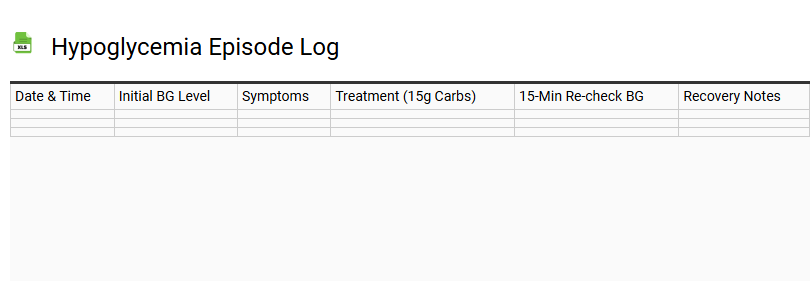
Hypoglycemia Episode Log
💾 Hypoglycemia Episode Log .xls
A hypoglycemia episode log is an essential instrument for proactive diabetes management and achieving stable glycemic control. By systematically documenting instances of low blood sugar, individuals can identify recurring triggers and adjust insulin sensitivity factors. This template captures critical data points, including precise blood glucose levels, the onset of hypoglycemic symptoms-such as dizziness or diaphoresis-and the specific carbohydrate intake used for glucose recovery.
Utilizing a structured log assists healthcare providers in evaluating metabolic responses and refining basal-bolus regimens. Effective tracking should include:
- Exact date and time of the hypoglycemic event.
- Correlation between CGM (Continuous Glucose Monitor) trends and finger-stick verification.
- Preceding triggers like physical exertion or delayed meals.
- Effectiveness of fast-acting glucose treatments.
Consistent monitoring reduces the risk of hypoglycemia unawareness and enhances long-term therapeutic outcomes for optimal endocrine health.
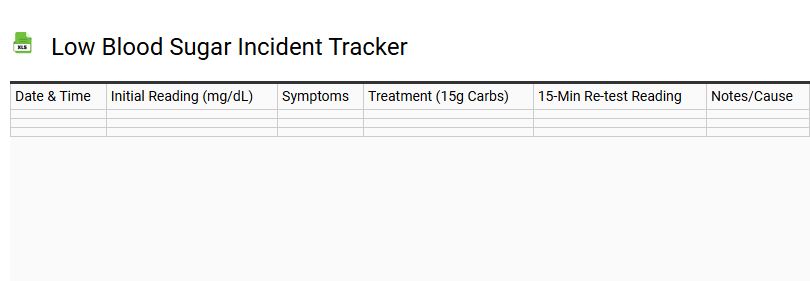
Low Blood Sugar Incident Tracker
💾 Low Blood Sugar Incident Tracker .xls
A comprehensive low blood sugar incident tracker is an essential medical tool for effective diabetes management. By documenting episodes of hypoglycemia, individuals can precisely monitor blood glucose levels and identify recurring triggers. This template facilitates recording critical data points, including:
- Exact time of the hypoglycemic event and current glucose readings.
- Recognizable symptoms such as tremors, sweating, or cognitive confusion.
- Quantity of fast-acting carbohydrates administered for treatment.
- Total recovery time and post-treatment glycemic control stabilization.
Integrating these insights into a digital health diary or glucose logbook improves communication with healthcare providers regarding insulin sensitivity and medication adjustments. Consistent tracking enhances metabolic health, reduces the risk of severe reactions, and supports long-term therapeutic monitoring for better clinical outcomes and personal safety.
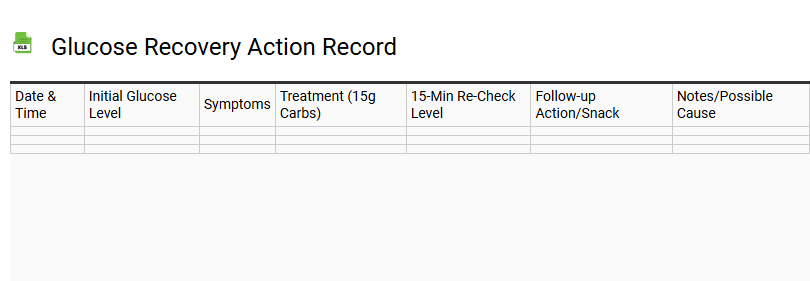
Glucose Recovery Action Record
💾 Glucose Recovery Action Record .xls
A Glucose Recovery Action Record serves as a vital tool for comprehensive diabetes management, enabling precise tracking of blood sugar fluctuations. This template facilitates the detailed documentation of hypoglycemic or hyperglycemic events, ensuring a clear history of a patient's metabolic response. By recording specific corrective actions-such as targeted carbohydrate intake or insulin adjustments-individuals can identify recurring recovery patterns and optimize glycemic control.
Monitoring glucose levels alongside symptoms and timestamps provides healthcare providers with actionable data to refine personalized treatment plans. Consistent logging supports improved insulin sensitivity awareness and long-term health outcomes. This structured format enhances clinical communication, fostering proactive intervention strategies. Each entry captures essential metrics like peak levels, stabilization times, and dietary triggers, making it an indispensable asset for maintaining physiological balance and effective blood glucose monitoring.
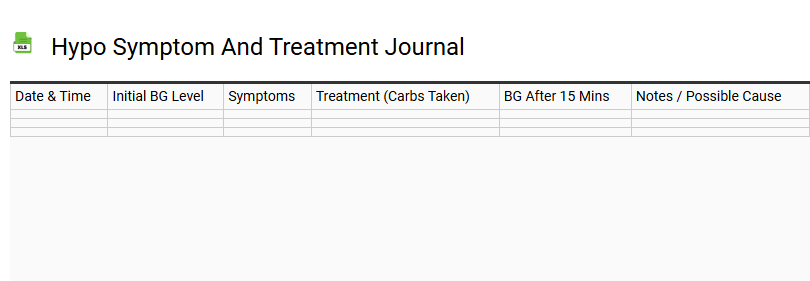
Hypo Symptom and Treatment Journal
💾 Hypo Symptom and Treatment Journal .xls
A Hypo Symptom and Treatment Journal is an essential instrument for proactive diabetes management. By systematically documenting low blood sugar episodes, individuals can identify recurring triggers such as insulin sensitivity, strenuous physical activity, or delayed meals. A robust template should record precise glucose levels, the specific onset of hypoglycemic symptoms-including tremors, diaphoresis, or cognitive fog-and the exact rescue carbohydrates administered for correction.
Detailed logging of rapid-acting glucose intake and subsequent recovery times provides invaluable data for endocrinologists to refine basal rates and insulin-to-carb ratios. Consistent blood glucose monitoring through a structured log helps minimize glycemic variability and prevents severe neuroglycopenic events. Integrating these manual entries with CGM data fosters better metabolic control, allowing for personalized adjustments to treatment protocols and enhancing overall patient safety and long-term endocrine health.
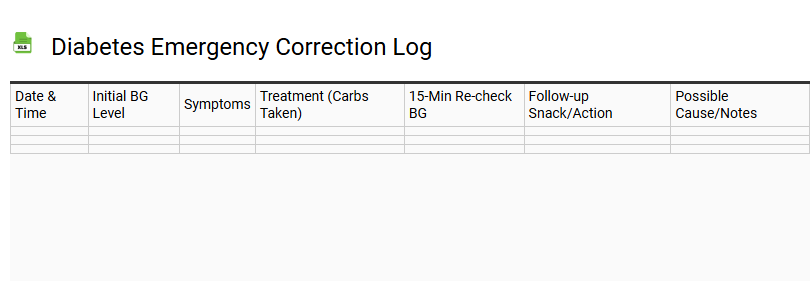
Diabetes Emergency Correction Log
💾 Diabetes Emergency Correction Log .xls
A Diabetes Emergency Correction Log is a vital tool for managing acute hyperglycemia and stabilizing blood glucose levels. This template systematically tracks rapid-acting insulin dosages, blood sugar monitoring frequency, and the specific insulin sensitivity factor (ISF) applied during a corrective event.
To ensure optimal glycemic control and patient safety, the log should document:
- Current glucose reading versus the target range.
- Calculated corrective dose and timestamp.
- Presence of ketones to monitor for diabetic ketoacidosis (DKA) risk.
- Active insulin on board (IOB) to prevent dangerous insulin stacking.
Maintaining a precise medical record allows your endocrinologist to refine carb ratios and basal rates. This structured approach facilitates rapid intervention during metabolic emergencies, promoting long-term health and effective diabetes management.
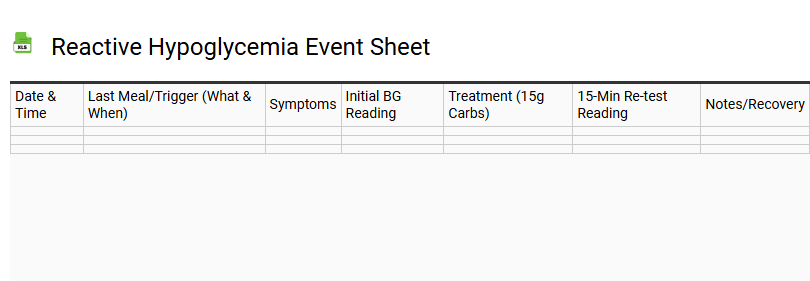
Reactive Hypoglycemia Event Sheet
💾 Reactive Hypoglycemia Event Sheet .xls
A Reactive Hypoglycemia Event Sheet serves as a critical diagnostic tool for monitoring postprandial glucose fluctuations. This specialized template allows individuals to document the rapid drop in blood sugar levels that typically occurs two to five hours after consuming high-glycemic carbohydrates. By tracking insulin response, meal composition, and physical symptoms-such as tremors, diaphoresis, or cognitive fog-patients can pinpoint specific triggers within their diet.
Effective management requires recording:
- Precise blood glucose readings via a CGM or glucometer.
- Macro-nutrient intake and meal timing.
- Severity and duration of hypoglycemic episodes.
Utilizing this data assists healthcare providers in distinguishing between idiopathic postprandial syndrome and clinical hypoglycemia. Maintaining this detailed log facilitates personalized nutritional interventions to stabilize metabolic function and prevent future low blood sugar events.
Low Glucose Recovery Timeline
💾 Low Glucose Recovery Timeline .xls
Hypoglycemia Cause and Correction Log
💾 Hypoglycemia Cause and Correction Log .xls
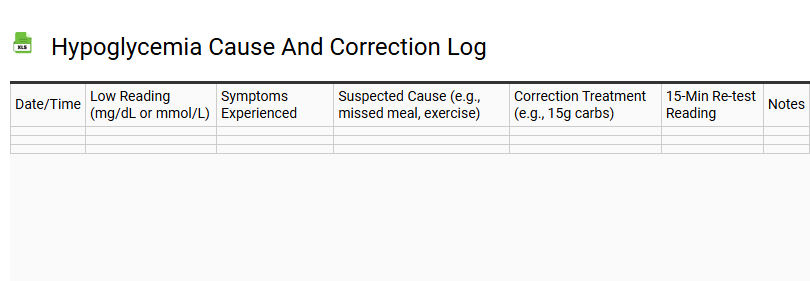
Efficiently managing low blood sugar episodes requires meticulous documentation of glucose levels and metabolic triggers. A Hypoglycemia Cause and Correction Log serves as a vital tool for diabetes management, allowing patients to track insulin reactions and identify specific causes such as strenuous physical activity or delayed meals. By recording symptoms like dizziness or diaphoresis alongside precise blood glucose readings, individuals can evaluate the effectiveness of their fast-acting carbohydrate intake, such as glucose tablets or juice.
This structured template facilitates the analysis of glycemic trends, helping healthcare providers refine insulin sensitivity factors and prevent rebound hyperglycemia. Consistent monitoring of hypoglycemic events assists in identifying patterns of nocturnal hypoglycemia and optimizing overall glycemic control. Utilizing this log ensures informed clinical adjustments, enhancing long-term health outcomes and reducing the frequency of severe insulin-induced fluctuations through proactive data-driven insights.
Post-Hypo Recovery Analysis Template
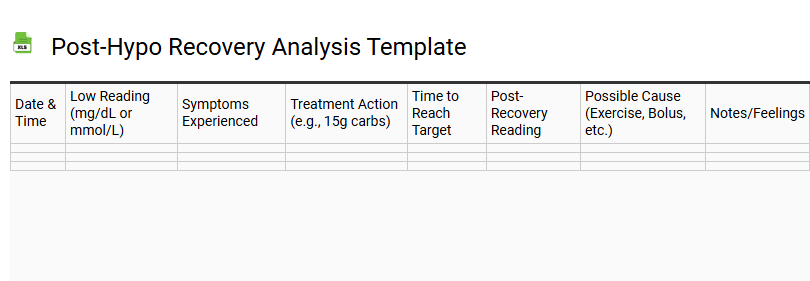
💾 Post-Hypo Recovery Analysis Template .xls
A Post-Hypo Recovery Analysis Template serves as a critical diagnostic tool for optimizing diabetes management. This structured documentation tracks low blood sugar episodes, recording specific hypoglycemia symptoms and the corrective actions applied, such as rapid carbohydrate intake or glucose tablets.
By evaluating glucose monitoring data before and after an event, users can identify patterns related to:
- Insulin sensitivity and dosage timing.
- Physical exertion and metabolic fluctuations.
- The efficacy of established emergency protocols.
Analyzing these data points helps prevent rebound hyperglycemia and stabilizes glycemic control. Integrating these insights into glucose logs enables healthcare providers to refine treatment plans and address glycemic variability. This proactive approach ensures better long-term safety, improves metabolic health, and minimizes the risk of recurrent hypoglycemic events through empirical evidence and lifestyle adjustments.
Blood Sugar Rescue Log
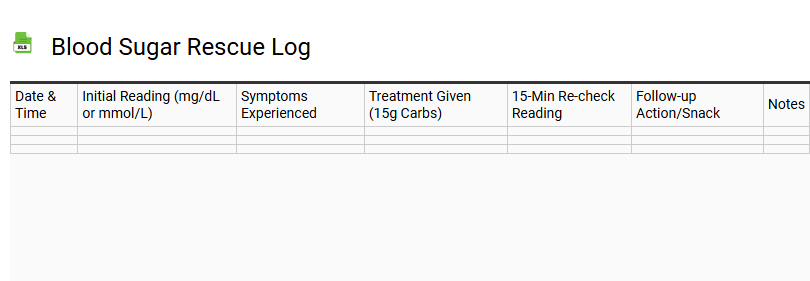
Managing metabolic health requires precise glucose monitoring and consistent documentation. This blood sugar rescue log template serves as a comprehensive daily logbook for tracking fasting blood sugar and postprandial readings. By recording carbohydrate intake, medication dosages, and physical activity, users can identify patterns affecting insulin sensitivity and prevent dangerous glucose spikes.
Optimizing your glycemic index awareness through detailed health tracking is vital for improving HbA1c levels and overall diabetic management. This structured format allows for the easy entry of data points, helping you and your healthcare provider analyze trends in blood glucose levels. Utilizing this digital tracker ensures a proactive approach to glycemic control, providing a clear overview of your biometric data and lifestyle impacts on your endocrine system health.
15-15 Rule Tracking Sheet
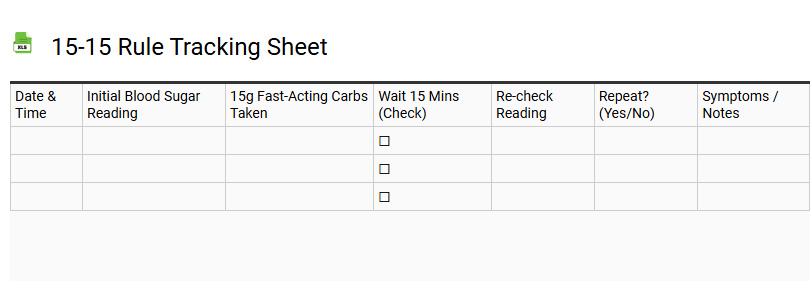
💾 15-15 Rule Tracking Sheet .xls
A 15-15-15 Rule Tracking Sheet serves as a strategic financial planning tool designed to visualize the power of compound interest. By committing to a monthly investment of 15,000 at an estimated 15% annual return over a 15-year investment horizon, investors aim to achieve a wealth accumulation goal of approximately 1 crore. This template facilitates disciplined portfolio monitoring, helping users track their systematic investment plan (SIP) progress toward significant capital gains.
Utilizing this tracking mechanism ensures consistency in savings rates and provides a clear roadmap for long-term growth. By documenting monthly contributions and accrued interest, the sheet highlights the synergy between time and wealth creation. This structured approach is essential for financial independence, allowing for precise corpus building and effective retirement planning through optimized asset allocation and data-driven financial management.
Severe Hypoglycemia Incident Report
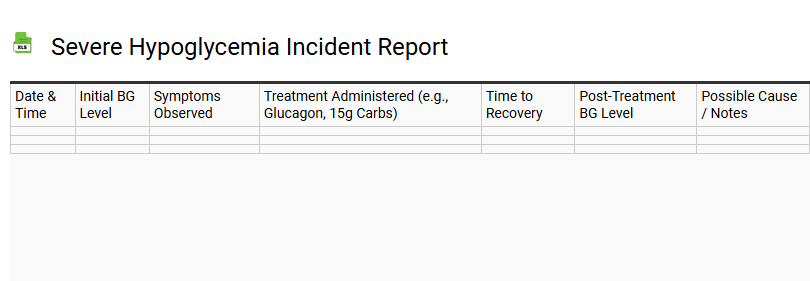
💾 Severe Hypoglycemia Incident Report .xls
A severe hypoglycemia incident report serves as a vital clinical tool for documenting diabetic emergencies where blood glucose levels drop to critical thresholds. This template captures the precise timing of an insulin reaction, specific neurological symptoms, and the emergency response protocols followed, such as glucagon administration or the intake of fast-acting carbohydrates.
Utilizing a standardized form ensures accurate medical documentation of the hypoglycemic episode, including:
- Preceding triggers like missed meals or excessive physical activity.
- Methods used for blood sugar stabilization and recovery time.
- Post-event status for healthcare provider review and medication adjustment.
By tracking these low blood sugar events, patients and clinical teams can refine glycemic control strategies and adjust insulin therapy to mitigate future risks. Detailed incident reporting is essential for long-term patient safety and proactive diabetes management.
Nocturnal Hypoglycemia Tracker
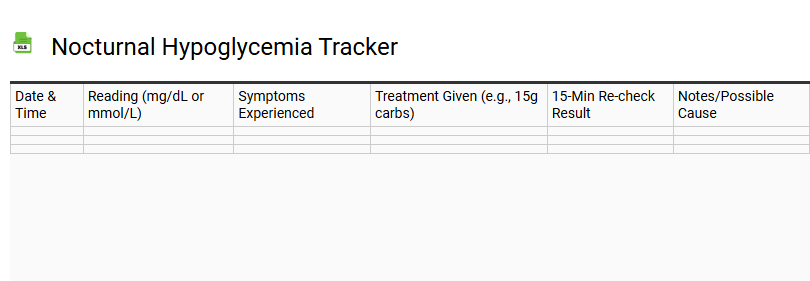
💾 Nocturnal Hypoglycemia Tracker .xls
A nocturnal hypoglycemia tracker is an essential tool for managing nighttime low blood sugar and ensuring patient safety during sleep. By consistently logging blood glucose levels before bed and during the night, individuals can identify dangerous glucose trends. This template helps track variables such as basal insulin dosages, carbohydrate intake from a bedtime snack, and physical activity levels that influence metabolic stability.
Using this log facilitates better communication with an endocrinologist to prevent hypoglycemic unawareness. Key features include spaces for Continuous Glucose Monitor (CGM) alerts, night sweats, and morning fasting results. Monitoring these patterns is crucial for distinguishing between the Somogyi effect and the dawn phenomenon. Effective diabetes management relies on accurate data to adjust medication and prevent life-threatening hypoglycemic episodes while resting, ultimately improving overall glycemic control and sleep quality.
Fast-Acting Carb Treatment Log
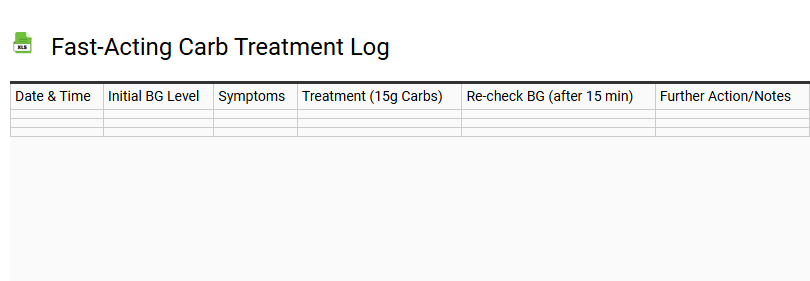
💾 Fast-Acting Carb Treatment Log .xls
A fast-acting carb treatment log is an essential tool for effective diabetes management, specifically designed to track recovery from hypoglycemia. Utilizing this template allows individuals to monitor their blood glucose levels during low sugar episodes and document the efficacy of rapid-acting carbohydrates.
To optimize the 15-15 rule, users should record:
- Initial blood sugar tracking data before treatment.
- The specific simple carbohydrates consumed, such as glucose tablets or fruit juice.
- The subsequent glycemic response measured fifteen minutes post-ingestion.
Consistent documentation helps identify patterns in insulin sensitivity and ensures a faster hypoglycemia recovery. This structured data assists healthcare providers in adjusting treatment plans to prevent recurring low blood sugar events while maintaining long-term metabolic stability and precise glycemic control.
Hypoglycemic Awareness Journal
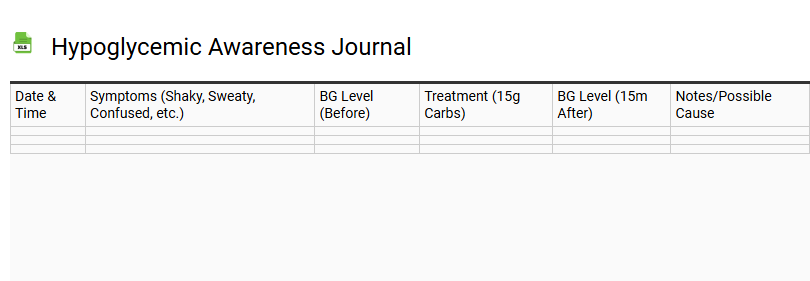
💾 Hypoglycemic Awareness Journal .xls
This specialized Hypoglycemic Awareness Journal functions as a critical instrument for advanced diabetes management. By systematically documenting blood glucose levels, individuals can effectively recognize subtle low blood sugar symptoms and address the risks of hypoglycemia unawareness. The template enables precise tracking of insulin dosages, carbohydrate intake, and physical activity to uncover recurring glycemic patterns. Monitoring postprandial levels and potential nocturnal hypoglycemia triggers is essential for maintaining metabolic health and stabilizing glucose fluctuations. Correlating CGM data with physical sensations like tremors or cognitive fog provides a comprehensive overview of insulin sensitivity. Utilizing this diabetic logbook fosters improved glycemic control, allowing for data-driven adjustments to therapeutic regimens. Ultimately, consistent logging minimizes hypoglycemic episodes and enhances overall safety through proactive, preventative care.
This comprehensive hypoglycemia recovery incident log template empowers individuals managing diabetes to meticulously document low blood sugar episodes. By tracking blood glucose levels, specific symptoms, and the effectiveness of corrective actions like glucose tablets or fast-acting carbohydrates, patients can refine their emergency action plans. Consistent logging facilitates informed discussions with healthcare providers, ensuring personalized adjustments to insulin therapy. Use this structured tool to monitor recovery duration and identify triggers, ultimately enhancing long-term glycemic control and safety through proactive, data-driven diabetes management.