
IBS Food Trigger Journal Template for Tracking Diet and Digestive Symptoms
Managing irritable bowel syndrome requires precision and consistency. Utilizing a comprehensive IBS food trigger journal template allows you to identify critical correlations between dietary intake and gastrointestinal distress. By systematically logging meals, stress levels, and digestive symptoms, you can pinpoint specific sensitivities like FODMAPs or inflammatory ingredients. This proactive approach to symptom tracking empowers you to optimize gut health and minimize chronic bloating or discomfort. Explore our diverse layouts and check the already made variation of templates below.
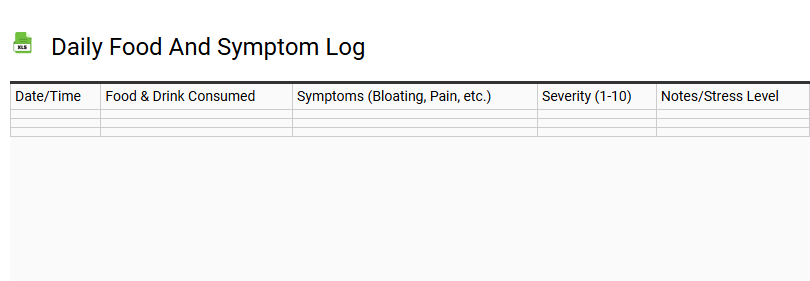
Daily Food and Symptom Log
💾 Daily Food and Symptom Log .xls
A Daily Food and Symptom Log serves as a critical diagnostic tool for uncovering food sensitivities and optimizing digestive health. By utilizing a structured template to track nutritional intake, individuals can establish clear correlations between dietary habits and physical reactions. This holistic wellness journal facilitates the identification of specific triggers for gastrointestinal distress, skin irritations, or energy fluctuations.
- Detailed recording of meal timing and ingredient composition.
- Monitoring symptom severity and duration post-consumption.
- Tracking hydration levels and stress factors influencing metabolic response.
Implementing this health tracking method is essential during an elimination diet or when managing chronic conditions like IBS. Precise nutrient tracking and consistent logging empower users to provide healthcare providers with actionable data, ultimately leading to personalized dietary interventions, improved gut microbiome balance, and enhanced long-term vitality.
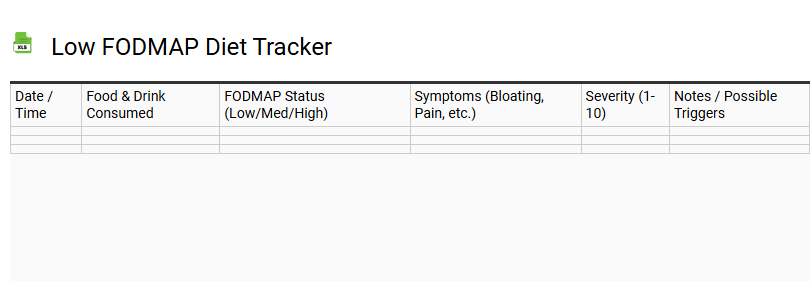
Low FODMAP Diet Tracker
💾 Low FODMAP Diet Tracker .xls
Utilizing a comprehensive Low FODMAP Diet Tracker is an essential strategy for managing Irritable Bowel Syndrome (IBS) and identifying specific dietary triggers. This structured template facilitates the systematic monitoring of fermentable oligosaccharides, disaccharides, monosaccharides, and polyols to alleviate gastrointestinal distress such as bloating, gas, and abdominal pain. By maintaining a detailed food diary, users can navigate the critical elimination phase and reintroduction phase with clinical precision.
The tracker allows for real-time symptom logging, correlating specific meals and portion sizes with gut reactions. This data-driven approach helps isolate sensitivities to fructose, lactose, and polyols, empowering individuals to create a personalized nutrition plan. Whether tracking malabsorption issues or seeking digestive health optimization, a robust log provides the empirical evidence necessary for long-term relief and effective gut health management through informed dietary choices and caloric monitoring.
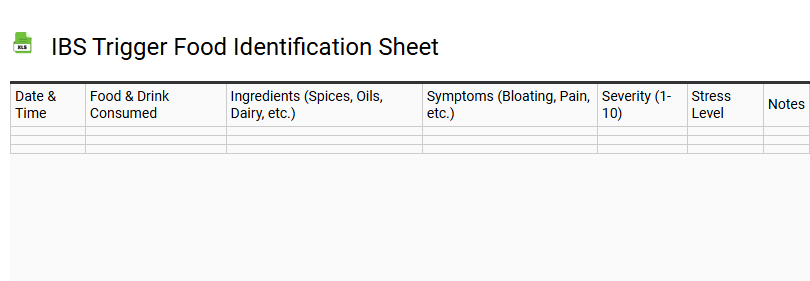
IBS Trigger Food Identification Sheet
💾 IBS Trigger Food Identification Sheet .xls
Utilizing an IBS Trigger Food Identification Sheet is a foundational strategy for managing Irritable Bowel Syndrome through personalized data. This comprehensive dietary log functions as a detailed symptom tracker, allowing individuals to correlate specific meals with gastrointestinal distress such as bloating, gas, and abdominal pain. By meticulously recording high FODMAP intake and monitoring gut motility, users can identify patterns during an elimination diet or the subsequent reintroduction phase. This food diary template captures essential variables, including portion sizes and digestive health responses, to pinpoint sensitivities. Implementing such a systematic gut health tool facilitates better nutrient absorption and reduces flare-ups. By documenting bowel movements and dietary habits, patients gain the clinical insights necessary to optimize their gastrointestinal wellness and establish a sustainable, symptom-free lifestyle.
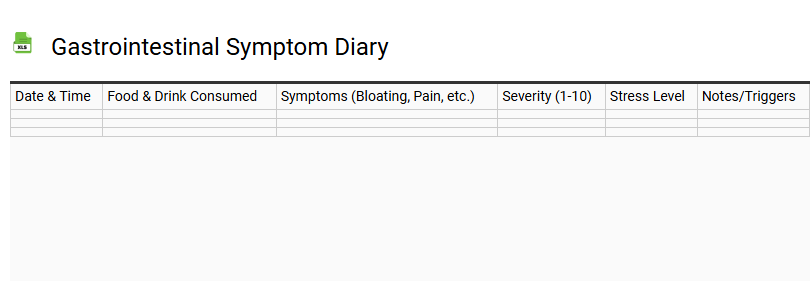
Gastrointestinal Symptom Diary
💾 Gastrointestinal Symptom Diary .xls
A gastrointestinal symptom diary serves as a critical diagnostic tool for monitoring digestive health and pinpointing specific food triggers. By maintaining a comprehensive food log alongside physiological responses, individuals can track patterns related to abdominal bloating, gas, and intestinal cramping. This template streamlines the documentation of bowel movements using the Bristol Stool Scale, providing essential data for clinicians managing IBS, IBD, or celiac disease.
Effective tracking includes several key metrics:
- Dietary intake, including fiber and hydration levels.
- The severity and frequency of flare-ups.
- Lifestyle factors influencing the gut-brain axis, such as stress.
- Correlation between food sensitivities and gut motility.
Utilizing this systematic record assists in identifying malabsorption issues and refining elimination diets, ultimately fostering improved digestive wellness and more accurate medical assessments.
Meal and Stool Consistency Log
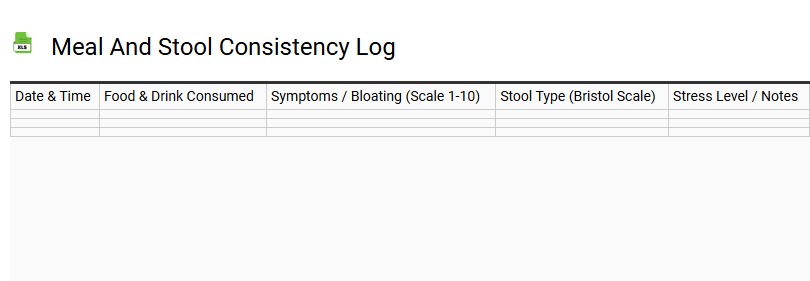
💾 Meal and Stool Consistency Log .xls
A meal and stool consistency log serves as a vital diagnostic tool for monitoring digestive health and identifying gastrointestinal patterns. By meticulously documenting daily food intake alongside bowel movements, individuals can correlate specific ingredients with gut health symptoms. Utilizing the Bristol Stool Scale allows for precise categorization of fecal texture, offering insights into hydration levels and fiber intake.
Tracking nutrient absorption and stool frequency helps pinpoint trigger foods that may cause bloating or irregular transit time. This food diary approach facilitates data-driven discussions with healthcare providers regarding intestinal function. Consistent monitoring of meal timing and excretion characteristics is essential for managing conditions like IBS or food intolerances, ensuring a holistic view of the body's metabolic waste processing and overall digestive wellness.
Bristol Stool Scale Tracker
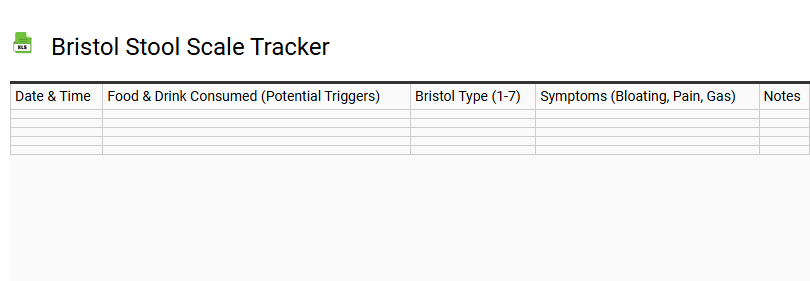
💾 Bristol Stool Scale Tracker .xls
Utilizing a Bristol Stool Scale Tracker is a fundamental practice for monitoring gastrointestinal health and maintaining a precise record of bowel movement consistency. This clinical diagnostic tool categorizes excrement into seven distinct types, ranging from Type 1 (constipation) to Type 7 (diarrhea), providing an objective framework to assess digestive transit time.
By consistently logging stool form and texture, individuals can identify patterns related to gut microbiome balance, fiber intake efficacy, and hydration levels. This template serves as an essential health diary for managing conditions like irritable bowel syndrome (IBS) or food sensitivities. Recording these physiological markers facilitates data-driven discussions with healthcare providers, ensuring more accurate assessments of metabolic function and colon health. Implementing this tracking system empowers users to optimize their digestive wellness through proactive, longitudinal observation of their internal well-being.
Digestion and Bloating Spreadsheet
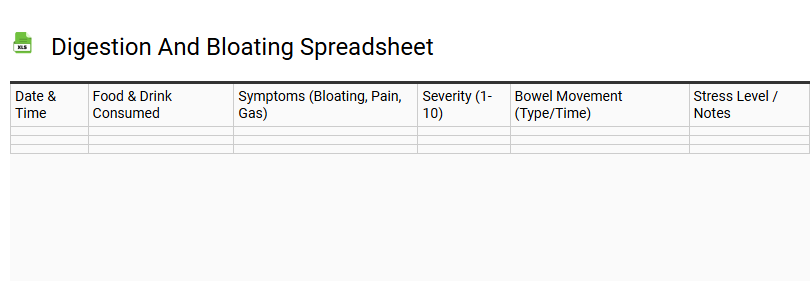
💾 Digestion and Bloating Spreadsheet .xls
Optimizing gut health requires precise data collection. This digestion and bloating spreadsheet template serves as a comprehensive symptom tracker for identifying specific food triggers. By systematically recording meal logs, daily fiber intake, and hydration levels, users can uncover direct correlations between dietary habits and gastrointestinal distress.
This digital tool facilitates the monitoring of several key health metrics:
- Stool consistency using the Bristol Stool Scale.
- Severity and frequency of abdominal bloating and flatulence.
- Effectiveness of probiotics or digestive enzymes.
- Progress during an elimination diet for IBS management.
By analyzing microbiome balance and transit times, this template highlights patterns contributing to food intolerances. Consistent documentation empowers individuals to provide medical professionals with accurate data, fostering personalized strategies for digestive wellness and improved nutrient absorption.
Elimination Diet Progress Journal
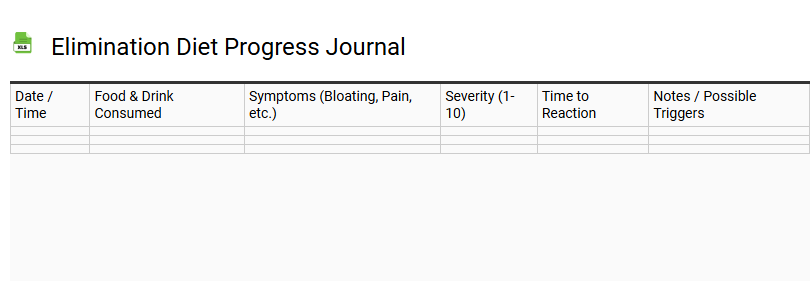
💾 Elimination Diet Progress Journal .xls
An effective elimination diet progress journal serves as a vital clinical tool for identifying food sensitivities and optimizing gut health. By meticulously tracking daily nutrient intake alongside physical symptoms, individuals can pinpoint specific trigger foods that cause systemic inflammation or digestive distress.
This comprehensive food diary should document the initial elimination phase, noting improvements in energy levels, skin clarity, and bowel movements. During the critical reintroduction phase, it is essential to record physiological reactions to potential allergens such as gluten, dairy, or soy. Consistent documentation supports nutritional therapy goals, helping to restore microbiome balance. Using a structured log facilitates intolerance identification, allowing for a data-driven approach to holistic healing and long-term digestive wellness through personalized dietary intervention and symptom correlation.
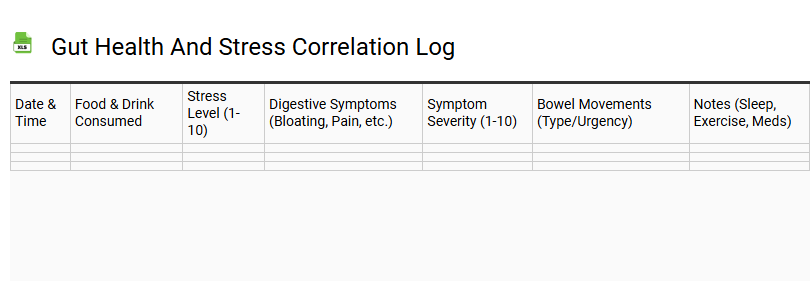
Gut Health and Stress Correlation Log
💾 Gut Health and Stress Correlation Log .xls
Tracking the intricate link between psychological pressure and digestive wellness is a powerful step toward better health. This log allows users to document daily dietary intake, emotional fluctuations, and physical symptoms in one centralized place. By observing these factors simultaneously, it becomes easier to pinpoint how elevated tension or high-pressure situations directly affect stomach comfort and nutrient absorption.
- Record specific meals and the timing of digestive issues.
- Assign a numerical value to daily anxiety or peace of mind.
- Identify recurring patterns between mental strain and physical flare-ups.
Consistent use of this template provides a clear data set for healthcare professionals to review. It transforms subjective feelings into objective observations, helping to bridge the gap between mental state and physical vitality. Ultimately, this tool supports a more balanced lifestyle by highlighting the vital connection between the mind and the body's core functions.
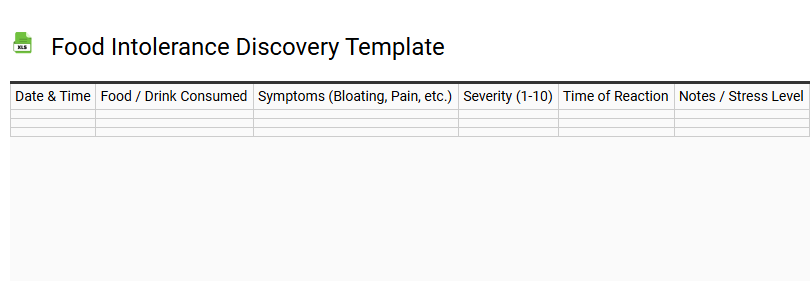
Food Intolerance Discovery Template
💾 Food Intolerance Discovery Template .xls
Navigating digestive health challenges requires a systematic approach to identifying adverse food reactions. Utilizing a comprehensive food intolerance discovery template empowers individuals to track dietary triggers and manage gastrointestinal discomfort effectively. This structured symptom tracker facilitates a strategic elimination diet, allowing you to log daily intake alongside physical responses such as bloating, inflammation, or lethargy.
By documenting specific nutritional patterns, you can distinguish between enzymatic deficiencies and food sensitivities. Key features of an optimized food diary include:
- Detailed meal logging for accurate allergen identification.
- Severity scales for consistent gut health monitoring.
- Correlation analysis between processed ingredients and immune responses.
Implementing this wellness framework simplifies the journey toward personalized nutrition, helping you reclaim metabolic vitality and eliminate hidden dietary stressors for long-term abdominal comfort and improved nutrient absorption.
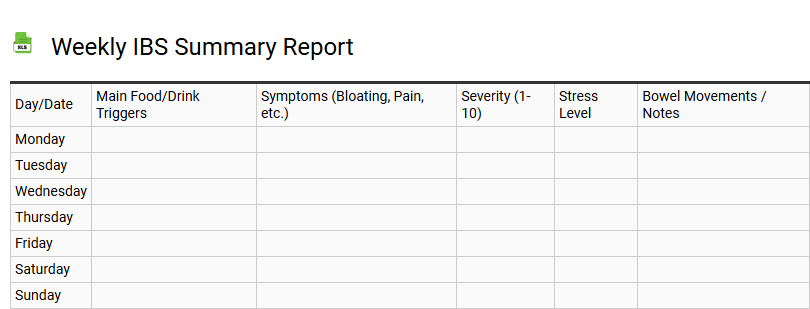
Weekly IBS Summary Report
💾 Weekly IBS Summary Report .xls
A Weekly IBS Summary Report serves as a vital clinical tool for monitoring gastrointestinal health and identifying digestive patterns. This structured template facilitates the precise tracking of symptom severity, including abdominal bloating, visceral hypersensitivity, and stool consistency via the Bristol Stool Scale. By documenting daily dietary intake, specifically high-FODMAP triggers and fiber consumption, patients can correlate gut motility with specific nutritional choices.
The report also integrates psychological stressors and sleep quality, acknowledging the gut-brain axis impact on chronic digestive conditions. Utilizing this systematic flare-up analysis empowers healthcare providers to refine nutritional therapy and lifestyle interventions. Consistent data collection ensures diagnostic accuracy, leading to personalized symptom management strategies and improved long-term digestive wellness. This comprehensive overview is essential for anyone managing irritable bowel syndrome effectively.
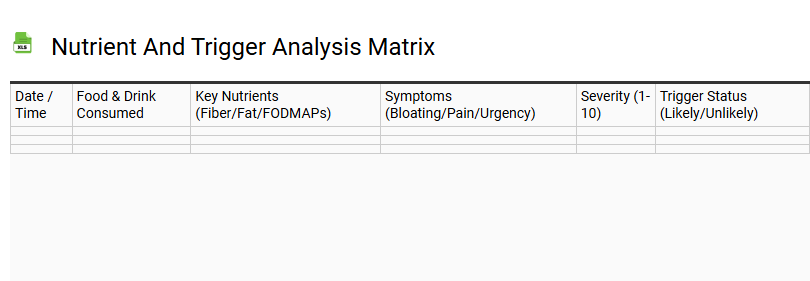
Nutrient and Trigger Analysis Matrix
💾 Nutrient and Trigger Analysis Matrix .xls
The Nutrient and Trigger Analysis Matrix serves as a comprehensive framework for mapping bio-individuality against specific dietary inputs. By integrating high-resolution micronutrient profiling with systematic symptom tracking, this template identifies key metabolic health drivers and underlying food sensitivities.
Users can cross-reference macronutrient balance with potential inflammatory markers to pinpoint physiological stressors. This analytical tool facilitates a structured approach to elimination diets, revealing how specific nutrient density levels or dietary triggers influence systemic function.
Leveraging this data-driven methodology transforms raw nutritional data into actionable insights, fostering enhanced gut health and improved metabolic efficiency. By documenting food-symptom correlations within this structured matrix, individuals can refine their dietary protocols to support long-term holistic wellness and targeted health outcomes through precise biochemical individuality assessment.
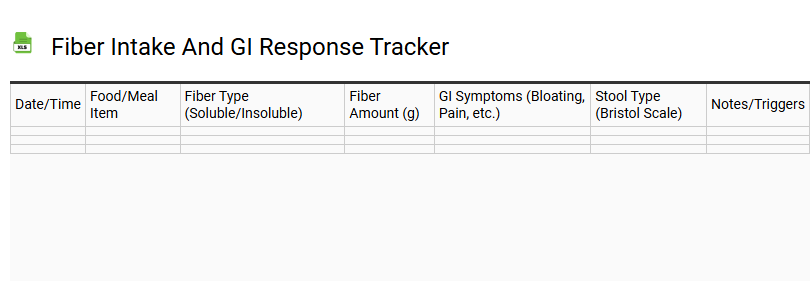
Fiber Intake and GI Response Tracker
💾 Fiber Intake and GI Response Tracker .xls
Utilizing a Fiber Intake and GI Response Tracker is essential for optimizing digestive health and identifying individual food sensitivities. This systematic dietary logging tool enables users to correlate soluble and insoluble fiber consumption with specific gastrointestinal symptoms, such as bloating, flatulence, and abdominal distension. By monitoring stool consistency and the frequency of bowel movements, individuals can pinpoint their ideal fiber threshold to support gut microbiome diversity.
Tracking key metrics provides insights into:
- Colonic transit time and regularity.
- The efficacy of prebiotic sources on gut motility.
- Hydration's role in nutrient absorption and waste elimination.
A data-driven approach to macronutrient monitoring ensures a balanced digestive system, reducing the risk of chronic constipation or IBS-related flare-ups. Consistent use of this tracker facilitates metabolic wellness by tailoring high-fiber diets to unique physiological tolerances.
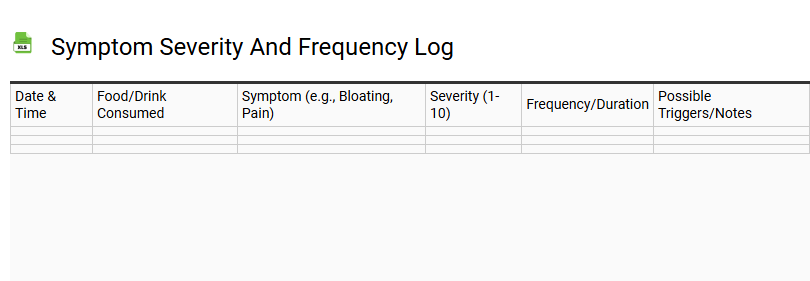
Symptom Severity and Frequency Log
💾 Symptom Severity and Frequency Log .xls
A comprehensive Symptom Severity and Frequency Log serves as a vital clinical assessment tool for proactive health tracking and illness management. Utilizing a structured template allows patients to meticulously record daily fluctuations in chronic pain, fatigue, or specific physiological reactions. By documenting intensity levels-ranging from mild to debilitating-alongside the precise recurrence of symptom flares, individuals can pinpoint environmental triggers and evaluate medication efficacy. This wellness journal facilitates data-driven communication with healthcare providers, significantly enhancing diagnostic accuracy and treatment adjustments. Incorporating standardized metrics for frequency and severity ensures consistent monitoring of long-term condition progression. Whether managing autoimmune disorders or recovery, maintaining a detailed medical diary empowers users to visualize patterns, optimize patient outcomes, and maintain an objective longitudinal health record for informed clinical decision-making.
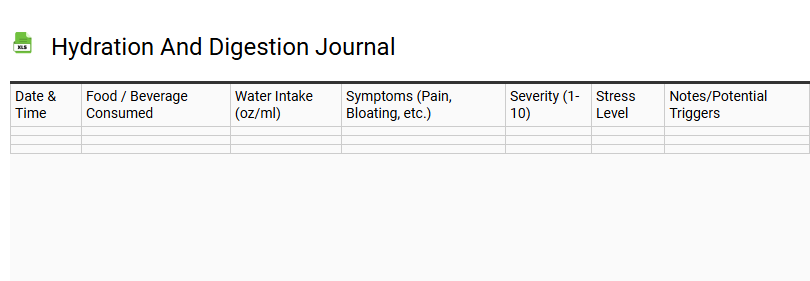
Hydration and Digestion Journal
💾 Hydration and Digestion Journal .xls
Maximize your wellness journey using a specialized hydration and digestion journal to monitor the synergy between fluid intake and gut health. This template facilitates precise tracking of water consumption, electrolytes, and nutrient absorption, which are critical for maintaining a high metabolic rate. By logging fiber levels, meal timing, and digestive symptoms like bloating or gas, you can identify specific food sensitivities and optimize your microbiome balance.
Detailed biometric tracking of stool consistency and urine color provides immediate feedback on cellular detoxification and enzyme efficiency. Use these daily entries to correlate hydration levels with energy fluctuations, ensuring your digestive tract functions at peak performance. This data-driven approach empowers you to refine your internal ecosystem, improve bowel regularity, and achieve sustainable metabolic health through consistent, mindful monitoring.
Utilizing a comprehensive IBS food trigger journal empowers individuals to pinpoint specific dietary culprits behind digestive distress. By meticulously tracking meal ingredients, symptom severity, and stool consistency, you uncover hidden patterns linked to FODMAP sensitivity or gut motility.
This symptom diary serves as a vital diagnostic tool for your gastroenterologist, streamlining the elimination diet process. Consistent monitoring of nutritional intake and stress levels ensures long-term management of irritable bowel syndrome, ultimately restoring gut health and gastrointestinal comfort.