
Insomnia Trigger Identification Diary Template for Tracking Sleep Disruptors
Utilizing a comprehensive Insomnia Trigger Identification Diary is essential for analyzing disrupted sleep patterns and circadian rhythm imbalances. By systematically logging nocturnal habits, caffeine intake, and stress levels, individuals can pinpoint environmental factors affecting restfulness. This data-driven approach aligns with cognitive behavioral therapy principles, helping to optimize sleep hygiene and reduce sleep onset latency. Monitoring these variables facilitates better stimulus control and restorative health outcomes. Please check already made variation of templates below.
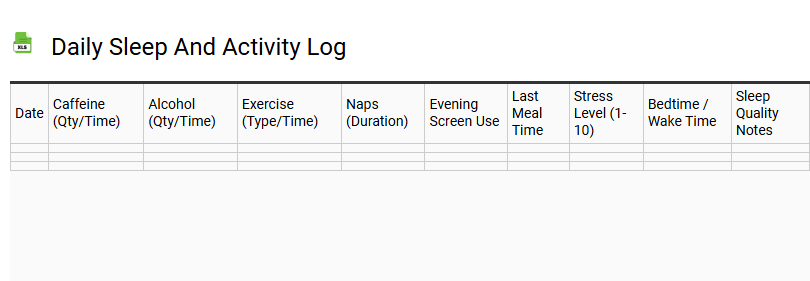
Daily Sleep and Activity Log
💾 Daily Sleep and Activity Log .xls
Utilizing a comprehensive Daily Sleep and Activity Log is essential for optimizing your circadian rhythm and enhancing overall well-being. This structured template allows individuals to track critical health metrics, including sleep duration, sleep quality, and nocturnal habits. By documenting physical activity levels alongside rest patterns, you can identify how daily exertion influences recovery and energy levels. Monitoring your bedtime routine and wakefulness helps refine sleep hygiene, leading to improved sleep-wake cycles. This health monitoring tool functions as a detailed fitness tracking resource, bridging the gap between lifestyle habits and restorative sleep. Consistent use of this log provides actionable insights into insomnia triggers or athletic performance needs, ensuring peak cognitive function and long-term wellness goals through precise, data-driven self-analysis.
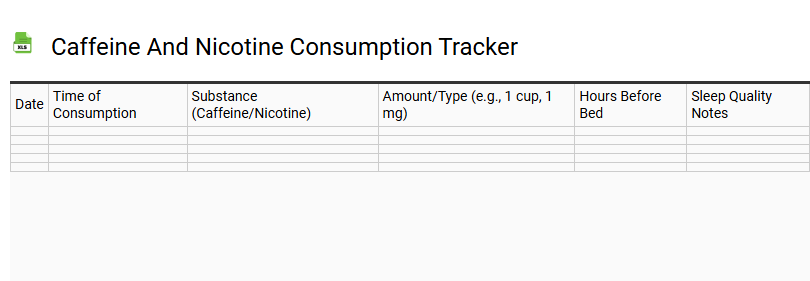
Caffeine and Nicotine Consumption Tracker
💾 Caffeine and Nicotine Consumption Tracker .xls
This tracking system provides a structured framework for monitoring daily stimulant intake to improve health awareness and habit management. By documenting every serving of caffeine and nicotine, users can visualize the relationship between consumption patterns and physiological responses.
- Timestamps: Record the exact hour of use to identify peaks in energy or cravings.
- Dosage metrics: Log milligrams of caffeine or nicotine levels to maintain a safe threshold.
- Source tracking: Categorize intake by coffee, energy drinks, vaping, or tobacco products.
- Symptom logging: Note impacts on sleep quality, heart rate, and focus levels.
Maintaining a consistent log facilitates the identification of environmental triggers and helps in establishing gradual reduction goals. This data-driven approach empowers individuals to optimize their daily performance while minimizing the side effects associated with excessive stimulant reliance.
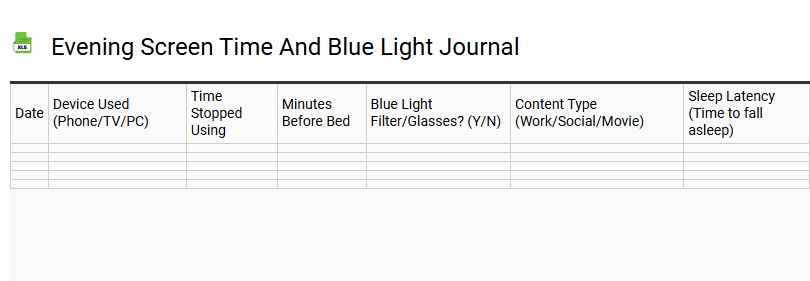
Evening Screen Time and Blue Light Journal
💾 Evening Screen Time and Blue Light Journal .xls
Utilizing an Evening Screen Time and Blue Light Journal is a transformative strategy for optimizing your circadian rhythm and enhancing sleep hygiene. This template facilitates a mindful digital detox, allowing users to quantify artificial light exposure from smartphones, tablets, and LED monitors. By monitoring specific screen exposure durations, you can observe direct correlations between blue light wavelengths and the suppression of melatonin production, which is essential for restorative sleep.
Consistent logging identifies behavioral patterns that contribute to visual fatigue and disruptions in the sleep-wake cycle. Implementing a digital sunset through this tracking tool encourages the use of blue light filters and protective eyewear to safeguard the pineal gland's natural function. Ultimately, this journal serves as a data-driven approach to minimize digital eye strain while fostering a nighttime environment conducive to deep, uninterrupted rest.
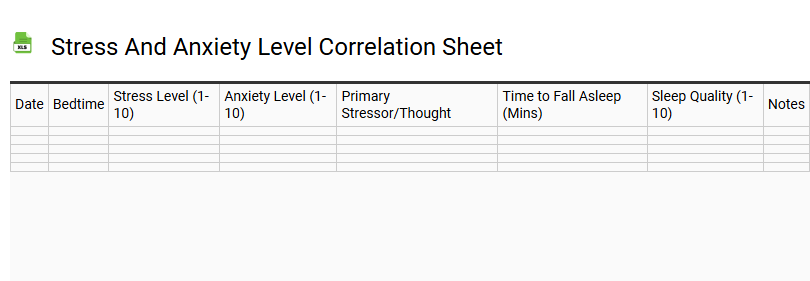
Stress and Anxiety Level Correlation Sheet
💾 Stress and Anxiety Level Correlation Sheet .xls
The Stress and Anxiety Level Correlation Sheet serves as a robust psychological assessment tool designed to map the intricate relationship between external pressures and internal emotional well-being. By utilizing this self-monitoring tool, individuals can track physiological responses alongside anxiety symptoms to identify recurring behavioral patterns.
This template facilitates precise mood tracking, offering valuable diagnostic insights through the analysis of mental health metrics. Key features include:
- Identification of environmental triggers and cortisol-driven stressors.
- Quantification of the correlation coefficient between daily strain and panic frequency.
- Evaluation of nervous system reactivity for improved psychological resilience.
By documenting these data-driven observations, users gain a clearer perspective on their mental health status, empowering more effective therapeutic interventions and proactive coping strategies for long-term stability.
Dietary Habit and Late-Night Snack Diary
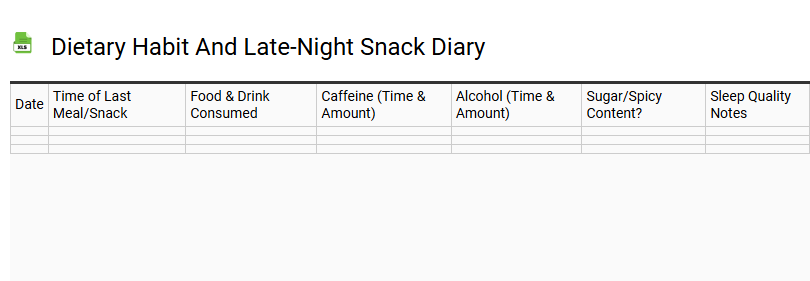
💾 Dietary Habit and Late-Night Snack Diary .xls
A comprehensive dietary habit and late-night snack diary serves as a vital tool for auditing nutritional intake and identifying eating patterns. By consistently logging midnight cravings and nocturnal consumption, users can analyze the critical correlation between meal timing and sleep quality.
- Monitor caloric density and macronutrient balance throughout the day.
- Identify psychological triggers for emotional eating and physiological hunger cues.
- Assess blood sugar stability and its impact on metabolic health.
- Track portion control and the selection of nutrient-dense whole foods.
Utilizing this structured food journal encourages mindful eating practices while highlighting specific digestive health trends. Detailed snack logging provides the necessary behavioral data to refine dietary protocols and eliminate disruptive late-night grazing habits, ultimately optimizing your long-term wellness journey and body composition goals.
Bedroom Environment Variable Tracker
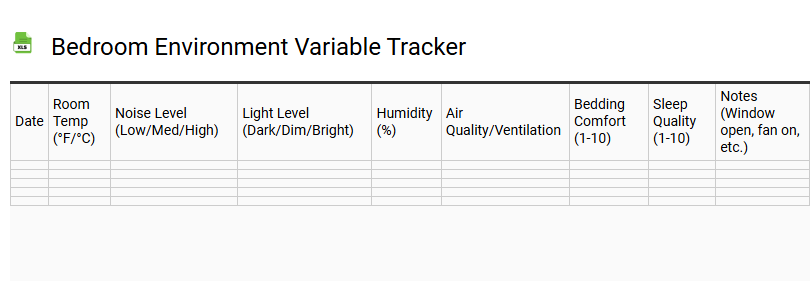
💾 Bedroom Environment Variable Tracker .xls
Optimize your nocturnal recovery using a comprehensive bedroom environment variable tracker designed for peak sleep hygiene. This data-driven template monitors critical indoor climate metrics, including ambient temperature, relative humidity levels, and particulate matter. By logging fluctuations in carbon dioxide (CO2) and volatile organic compounds (VOCs), users can identify environmental triggers affecting respiratory health and sleep architecture.
Integrated tracking of light intensity (lux) and sound decibels ensures a sanctuary conducive to natural circadian rhythms. Analyzing these biometric correlations empowers individuals to fine-tune their smart home ecosystem for restorative rest. Utilize this log to audit thermal comfort, minimize nocturnal disruptions, and enhance overall wellness through precise atmospheric monitoring. This systematic approach transforms sleeping quarters into a controlled space for health optimization, ensuring every sleep cycle is supported by ideal physiological conditions and superior air quality.
Physical Activity and Exercise Timing Log
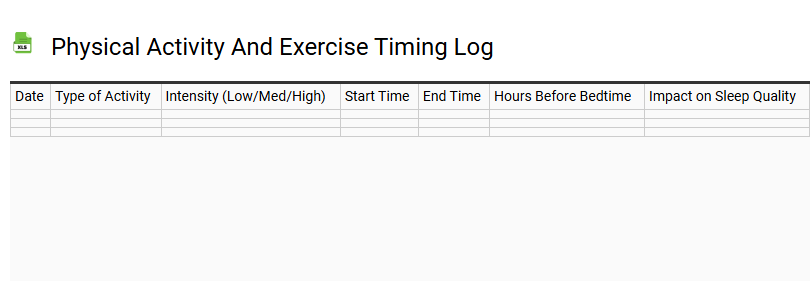
💾 Physical Activity and Exercise Timing Log .xls
A physical activity and exercise timing log serves as a precise record for monitoring daily movement and physiological responses. This structured template captures essential data points including the specific mode of exertion, the duration of the session, and the perceived intensity level. By documenting the exact time of day for each session, individuals can identify correlations between their workout schedule and natural energy fluctuations.
Effective tracking involves recording several core components:
- Timestamp: The start and end times to analyze peak performance windows.
- Activity Category: Distinguishing between aerobic, resistance, or flexibility training.
- Biofeedback: Noting energy levels and recovery quality post-exercise.
Consistent use of this log facilitates the optimization of routines based on biological rhythms and personal lifestyle demands. This approach ensures all vital metrics are organized systematically to support long-term health objectives.
Medication and Supplement Influence Record
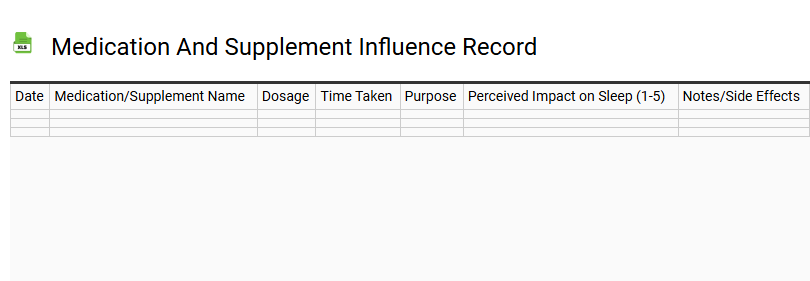
💾 Medication and Supplement Influence Record .xls
A Medication and Supplement Influence Record serves as a comprehensive health journal designed to track the correlation between pharmacological intake and physiological responses. By documenting precise dosage, frequency, and administration timing, users can identify significant patterns in therapeutic outcomes and adverse reactions.
This systematic log monitors potential nutrient interactions and contraindications, ensuring optimal safety for complex regimens. Detailed entries regarding symptom fluctuations and side effects provide essential data for healthcare providers to refine treatment plans and adjust prescriptions. Utilizing this template enhances regimen adherence and clarifies the efficacy of vitamins, minerals, and herbal extracts. Maintaining an accurate health log empowers patients to manage their wellness journey through evidence-based observation of how various substances influence their metabolic health and overall vitality.
Daily Nap Frequency and Duration Tracker
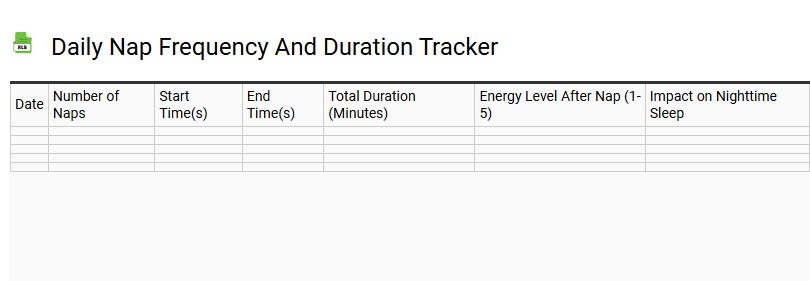
💾 Daily Nap Frequency and Duration Tracker .xls
A Daily Nap Frequency and Duration Tracker is a vital tool for optimizing sleep hygiene and enhancing daytime productivity. By systematically logging every rest interval, individuals can align their biphasic sleep patterns with their natural circadian rhythm. This template focuses on capturing key data points to improve alertness and manage sleep debt effectively.
- Frequency Tracking: Monitor how many times you engage in daytime rest to identify fatigue triggers.
- Duration Logging: Record total minutes to differentiate between a restorative power nap and deep sleep stages.
- Recovery Analysis: Evaluate how napping habits impact your nocturnal sleep quality and overall mental performance.
Consistent habit tracking through this structured format ensures that recovery sessions support your wellness routine without causing sleep inertia or disrupting your evening schedule.
Bedtime Routine Consistency Checklist
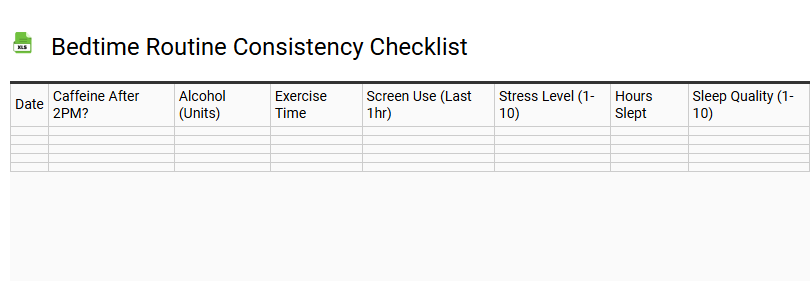
💾 Bedtime Routine Consistency Checklist .xls
Implementing a bedtime routine consistency checklist is a foundational step in stabilizing your circadian rhythm and maximizing sleep quality. By formalizing evening rituals, you create a neurological trigger that primes the body for restorative rest. This template prioritizes essential sleep hygiene practices, such as a digital detox to mitigate blue light interference and optimizing the sleep environment for total darkness and temperature control.
Tracking nocturnal habits-from consistent sleep-wake cycles to melatonin-friendly activities like journaling or meditation-reduces sleep latency and mental clutter. Utilizing a structured habit tracker ensures your pre-sleep sequence remains disciplined, fostering long-term physiological health. Whether focusing on winding down techniques or environmental adjustments, this nighttime protocol serves as a strategic roadmap to overcome restlessness and achieve deeper, more refreshing slumber every single night.
Pre-Sleep Thought and Ruminating Journal
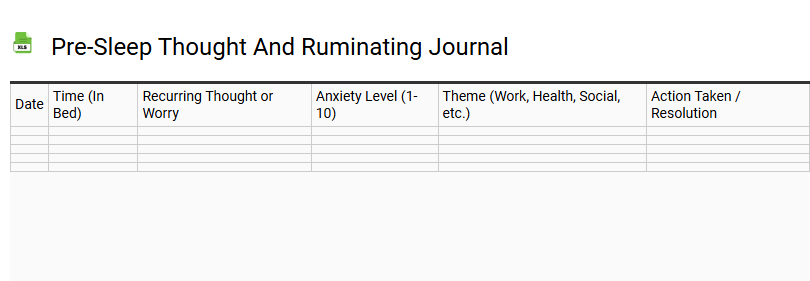
💾 Pre-Sleep Thought and Ruminating Journal .xls
A pre-sleep thought and ruminating journal serves as a vital tool for cognitive offloading, helping individuals manage nighttime anxiety and persistent intrusive thoughts. By implementing a consistent bedtime routine, users can engage in a structured brain dump to clear mental clutter before rest. This practice supports better sleep hygiene and enhances emotional regulation by externalizing internal stressors. Utilizing a dedicated template for a worry dump allows the nervous system to transition into a parasympathetic state, facilitating faster sleep onset and deeper restorative rest. Integrating this mindfulness habit into your evening improves your circadian rhythm and overall mental well-being, ensuring a peaceful transition from daily pressures to quiet recovery. This simple journaling technique acts as an essential bridge to tranquility, effectively silencing the inner critic for a more profound slumber.
Alcohol Intake and Sleep Quality Matrix
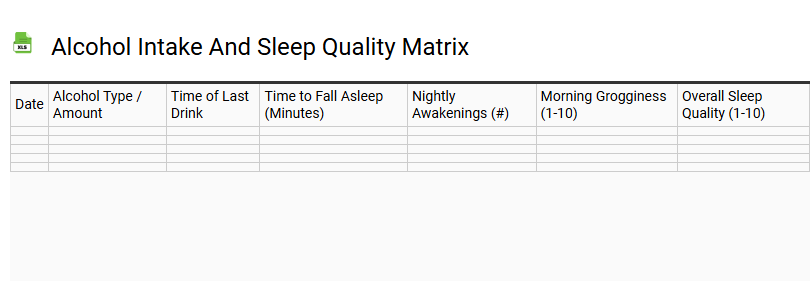
💾 Alcohol Intake and Sleep Quality Matrix .xls
The Alcohol Intake and Sleep Quality Matrix is a specialized analytical tool designed to quantify the physiological relationship between ethanol consumption and nocturnal recovery. By documenting sleep latency and REM sleep suppression, individuals can monitor how substance use disrupts the natural circadian rhythm. Although alcohol may initially act as a sedative, its metabolism often triggers sleep fragmentation and diminished restorative sleep quality.
This template facilitates the tracking of key sleep hygiene indicators, including:
- Blood Alcohol Content (BAC) levels prior to rest.
- Frequency of nocturnal awakenings and sleep architecture shifts.
- Subjective ratings of morning grogginess and hangover symptoms.
Consistent data entry allows for a clear visualization of how adenosine levels and metabolic rebounds influence long-term sleep efficiency and overall wellness.
Daily Sunlight and Outdoor Exposure Log
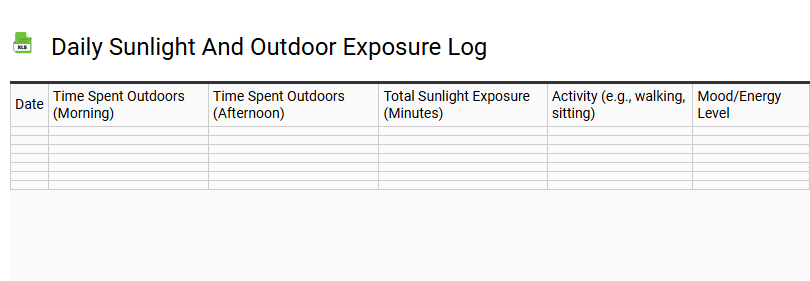
💾 Daily Sunlight and Outdoor Exposure Log .xls
Utilizing a Daily Sunlight and Outdoor Exposure Log is a proactive strategy for optimizing your circadian rhythm and hormonal health. Consistent monitoring of natural light exposure helps regulate serotonin levels, which are vital for mood enhancement and stabilizing your biological clock. By tracking time spent under ultraviolet rays, individuals can better manage vitamin D synthesis and improve nocturnal sleep quality.
An effective tracking template should focus on these biophilic metrics:
- Duration of morning light to trigger cortisol release.
- Frequency of nature immersion and its impact on stress reduction.
- Weather conditions and spectral composition of the environment.
- Mitigation of Seasonal Affective Disorder (SAD) through consistent outdoor activity.
Prioritizing environmental interaction helps counteract the negative effects of sedentary indoor lifestyles and excessive blue light exposure from digital screens.
Middle-of-the-Night Awakening Trigger Sheet
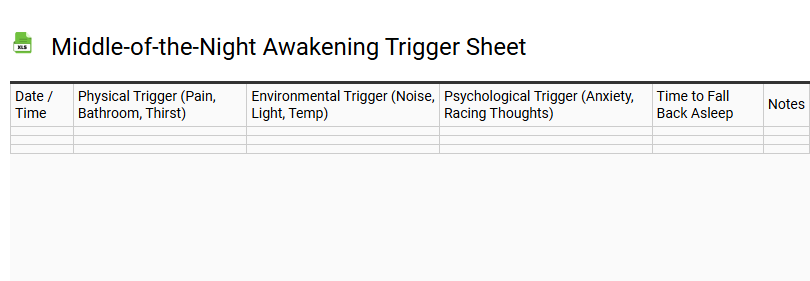
💾 Middle-of-the-Night Awakening Trigger Sheet .xls
A Middle-of-the-Night Awakening Trigger Sheet serves as a strategic sleep diary tool designed to decode nocturnal awakenings and persistent insomnia patterns. By documenting specific sleep disturbances, individuals can pinpoint environmental, physiological, or psychological catalysts disrupting their natural circadian rhythm. This template focuses on behavioral tracking to identify spikes in cortisol or lapses in sleep hygiene that prevent deep, restorative sleep.
- Environmental Factors: Tracking room temperature, ambient noise, or blue light exposure.
- Physiological Triggers: Monitoring digestion, caffeine metabolism, and sleep apnea symptoms.
- Psychological Stressors: Logging hyperarousal, racing thoughts, or anxiety levels.
- Timing: Recording precise logs of sleep maintenance challenges.
Utilizing this data-driven resource empowers users to optimize melatonin production and eliminate fragmented sleep by isolating recurring triggers that compromise long-term sleep quality.
Weekly Sleep Efficiency Calculator
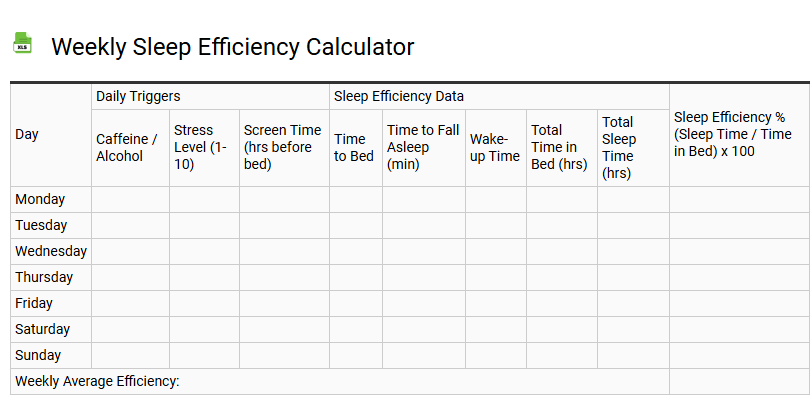
💾 Weekly Sleep Efficiency Calculator .xls
A Weekly Sleep Efficiency Calculator is an essential tool for quantifying sleep quality and optimizing your circadian rhythm. By analyzing the ratio between total sleep time and the total duration spent in bed, this template identifies patterns affecting restorative rest. It accounts for critical variables like sleep onset latency and wake after sleep onset (WASO) to provide a comprehensive overview of your sleep hygiene.
Tracking these wellness metrics over a seven-day period allows for a deeper understanding of your sleep architecture and nocturnal recovery. Consistent monitoring helps users refine their sleep cycles, ensuring that time spent in bed translates into actual rejuvenation. Utilizing this data-driven approach supports optimal recovery, enhances daytime alertness, and helps maintain a healthy balance between sleep duration and environmental factors for long-term physiological health.
Room Temperature and Comfort Level Log
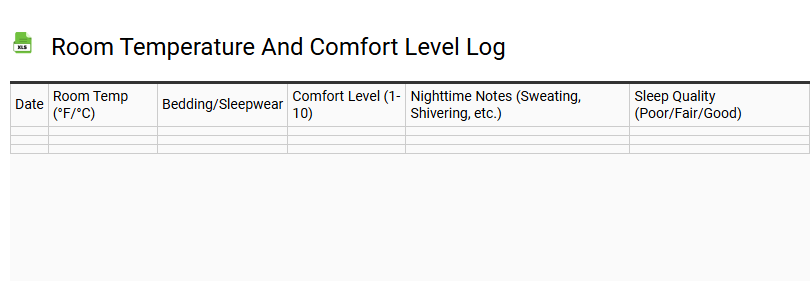
💾 Room Temperature and Comfort Level Log .xls
A Room Temperature and Comfort Level Log is an essential tool for monitoring indoor environmental quality and HVAC system efficiency. By systematically tracking ambient temperatures alongside relative humidity and subjective thermal comfort indices, users can optimize climate control settings to enhance occupant satisfaction. This structured approach to data logging allows for precise trend analysis of the indoor climate, identifying fluctuations that affect thermal neutrality.
Utilizing this template helps maintain ideal atmospheric conditions by recording dry-bulb temperature and perceived warmth levels. Consistent monitoring ensures compliance with building wellness standards while reducing energy waste through informed thermostat adjustments. This proactive environmental tracking identifies heat stress or drafty conditions, ensuring a balanced microclimate. Effective air quality management and thermal sensing data empower facility managers to maintain peak operational efficiency and human comfort levels throughout varying seasonal cycles.
Daily Mood and Energy Level Assessment
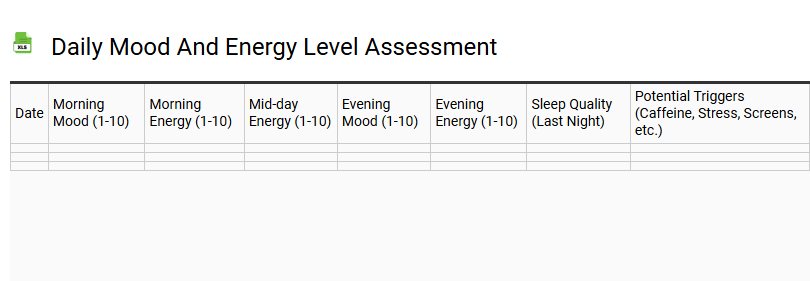
💾 Daily Mood and Energy Level Assessment .xls
A daily mood and energy level assessment serves as a vital instrument for monitoring emotional well-being and physical vitality. By consistently tracking psychological states and vigor, individuals can identify critical correlations between lifestyle habits and mental health. This proactive approach to self-awareness helps pinpoint fluctuations caused by stress triggers, sleep quality, and environmental factors.
Implementing this systematic evaluation facilitates:
- Burnout prevention through early detection of chronic fatigue.
- Enhanced mental clarity by recognizing cognitive patterns.
- Optimized circadian rhythm alignment for peak productivity.
Utilizing these metrics provides actionable biometric feedback, empowering users to adjust their routines for improved emotional resilience and long-term stability. This structured habit tracking transforms subjective feelings into objective data, fostering a holistic understanding of one's internal landscape and overall quality of life.
Circadian Rhythm Alignment Tracker
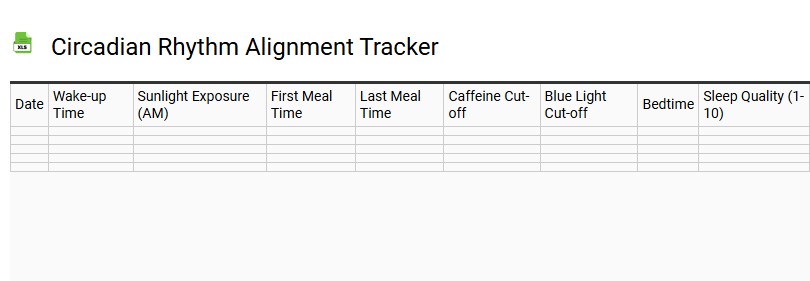
💾 Circadian Rhythm Alignment Tracker .xls
A Circadian Rhythm Alignment Tracker serves as a comprehensive tool for synchronizing your internal biological clock with the natural 24-hour cycle. By meticulously monitoring variables such as blue light exposure, sleep-wake consistency, and caloric intake timing, users can effectively regulate melatonin production and cortisol fluctuations. This template facilitates a deeper understanding of your specific chronotype, allowing for optimized peak productivity and improved metabolic health.
Utilizing this framework helps mitigate circadian disruption, often caused by irregular shifts or poor sleep hygiene. By tracking the following metrics, you can stabilize the suprachiasmatic nucleus:
- Daily sunlight absorption and timing
- Restorative sleep duration and quality
- Core body temperature shifts
- Caffeine and stimulant consumption windows
Consistent alignment ensures restorative rest, hormonal balance, and peak cognitive performance through precise homeostatic regulation of your body's natural rhythms.
Allergy and Respiratory Symptom Log
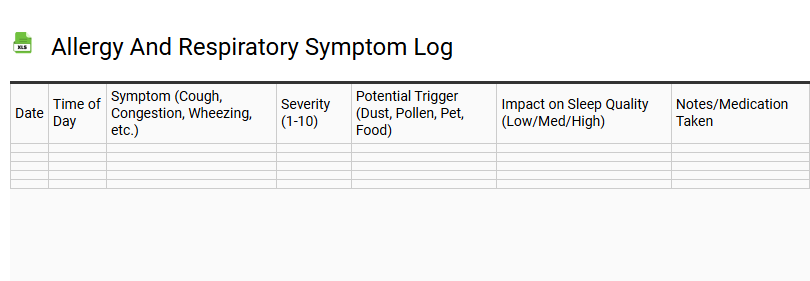
💾 Allergy and Respiratory Symptom Log .xls
An Allergy and Respiratory Symptom Log serves as a critical diagnostic tool for managing allergic rhinitis, asthma flares, and chronic sinusitis. By systematically recording daily reactions to environmental triggers-such as high pollen counts, mold spores, and pet dander-users can identify patterns in their respiratory wellness. This structured template tracks symptom severity, including wheezing, nasal congestion, and shortness of breath, alongside peak flow readings for precise pulmonary health monitoring.
Documenting antihistamine efficacy and inhaler usage provides healthcare providers with data-driven insights into treatment success. Integrating factors like air quality index and nocturnal cough episodes helps pinpoint specific allergens, facilitating a proactive approach to immune system stability. Whether monitoring seasonal hay fever or persistent bronchial sensitivity, this comprehensive diary optimizes asthma control and minimizes the risk of acute respiratory distress through meticulous observation of physiological trends.
Work-Related Stress and Overtime Journal
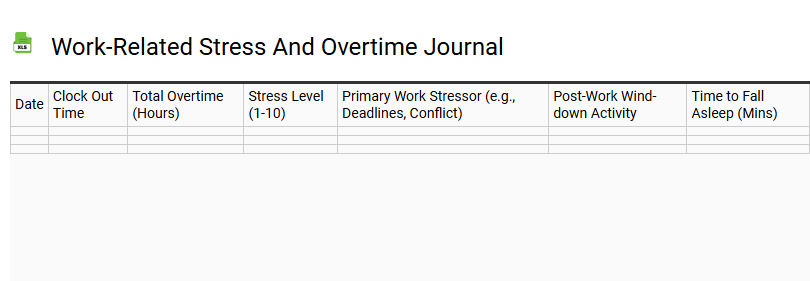
💾 Work-Related Stress and Overtime Journal .xls
A Work-Related Stress and Overtime Journal serves as a vital instrument for documenting occupational burnout and the cumulative impact of excessive job demands on mental health. By systematically recording specific stress triggers and additional labor hours, employees can maintain a clear record of their work-life balance. This documentation is essential for identifying patterns of workplace anxiety and emotional exhaustion, providing objective data for discussions regarding labor rights and employment law compliance.
Utilizing this template fosters psychological well-being by highlighting the correlation between unpaid overtime and chronic stress. Tracking these metrics supports workplace wellness initiatives and assists in securing reasonable adjustments from management. A structured log ensures that professional stressors are accurately captured, empowering workers to advocate for fair compensation and improved time management while safeguarding their long-term health and job satisfaction.
Utilizing a structured insomnia trigger identification diary empowers individuals to pinpoint specific nocturnal disturbances affecting their circadian rhythm. By monitoring sleep latency, caffeine intake, and environmental stressors, you can establish healthier sleep hygiene habits. This template serves as a vital tool in cognitive behavioral therapy for insomnia, helping decode complex sleep patterns. Consistently logging data reveals hidden correlations between daily behavior and rest quality. Download our guide today to begin your journey toward restorative, uninterrupted slumber and long-term wellness.