
Intermittent Fasting Glucose Monitoring Template: Tracking Blood Sugar Levels
Optimizing your metabolic health necessitates precise tracking of blood sugar levels throughout specific fasting windows. A comprehensive Intermittent Fasting Glucose Monitor template provides the essential structure to log daily glucose data and observe insulin sensitivity patterns over time. By documenting these physiological responses in a consistent health log, you can better manage diabetes risks and analyze long-term monitoring trends for peak physical performance. This systematic approach ensures your data remains organized, actionable, and visually accessible. Please check the already made variation of templates below.
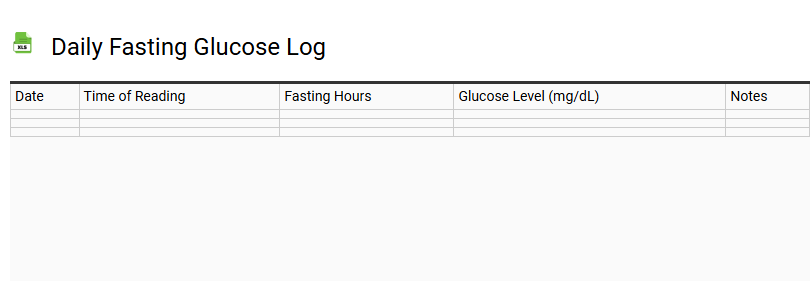
Daily Fasting Glucose Log
💾 Daily Fasting Glucose Log .xls
Maintaining a daily fasting glucose log is a cornerstone of effective diabetes management and metabolic health surveillance. By documenting your blood sugar tracking results immediately upon waking, you capture a critical snapshot of your body's glycemic control and insulin sensitivity after an overnight fast.
Utilizing a structured template for glucose monitoring allows you to:
- Identify health trends and fluctuations in morning readings.
- Monitor the efficacy of medications or lifestyle interventions.
- Detect early signs of hyperglycemia or hypoglycemia.
- Provide accurate data from your glucose meter for clinical consultations.
Consistent use of a logbook aids in stabilizing pre-meal levels and optimizing overall physiological function. This systematic approach to tracking type 2 diabetes indicators empowers users to make data-driven decisions regarding diet and activity to improve long-term wellness.
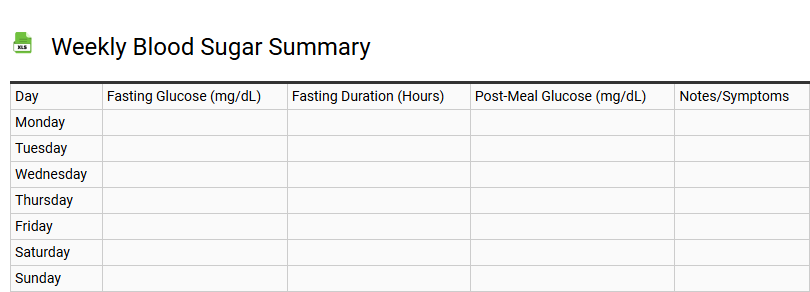
Weekly Blood Sugar Summary
💾 Weekly Blood Sugar Summary .xls
A weekly blood sugar summary serves as a vital instrument for effective diabetes management and enhanced glycemic control. By utilizing a structured template, individuals can systematically document glucose monitoring data, including fasting levels, pre-meal checks, and postprandial readings. This comprehensive log facilitates the identification of significant metabolic trends and patterns influenced by dietary intake, physical activity, and insulin dosage.
Effective templates often incorporate data points such as:
- Daily blood glucose fluctuations and averages.
- Carbohydrate counts and medication adjustments.
- Notes on physical symptoms or stress levels.
Providing this organized health data to a medical professional allows for precise adjustments to treatment plans, ultimately improving long-term HbA1c outcomes. Consistently tracking these metrics empowers patients to maintain stable ranges and proactively manage their diabetic wellness through clear, actionable insights.
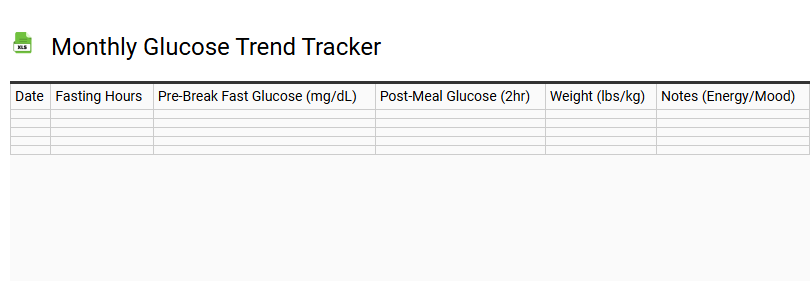
Monthly Glucose Trend Tracker
💾 Monthly Glucose Trend Tracker .xls
This monthly glucose trend tracker provides a structured framework to document daily blood sugar readings over a four-week period. By consistently logging pre-meal and post-meal values, individuals can visualize fluctuations and identify how specific lifestyle choices influence their metabolic health.
The layout focuses on several critical data points to ensure comprehensive monitoring:
- Daily entry slots for fasting, afternoon, and bedtime measurements.
- Dedicated space for noting carbohydrate intake and physical activity levels.
- Sections to record insulin dosages or medication timing relative to spikes.
- Visual indicators to highlight readings that fall outside of personalized target ranges.
Utilizing this organized log empowers users to have more informed discussions with healthcare providers. It transforms raw data into clear insights, making it easier to maintain stability and improve long-term wellness through accurate, consistent record-keeping.
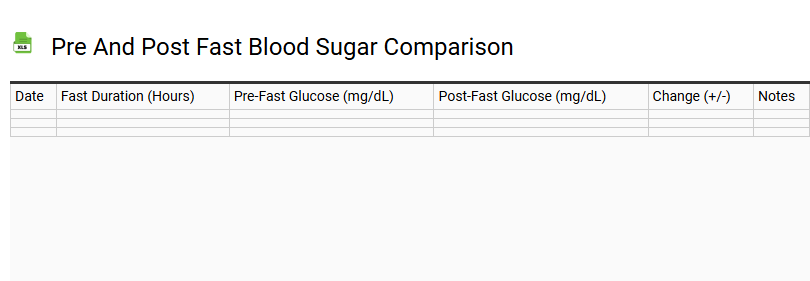
Pre and Post Fast Blood Sugar Comparison
💾 Pre and Post Fast Blood Sugar Comparison .xls
This structured template facilitates accurate tracking of glycemic variability by comparing baseline glucose readings with post-fasting results. Monitoring blood sugar levels before and after a period of caloric restriction provides critical insights into metabolic health and insulin sensitivity. By documenting these fluctuations, individuals can identify patterns in glucose disposal and overall endocrine function.
This systematic approach to diabetes management ensures precise data collection for healthcare providers evaluating fasting plasma glucose and potential hyperglycemia. Utilizing a structured comparison log helps in understanding how dietary habits influence systemic glucose homeostasis. Consistent tracking of pre-fasting baselines versus post-fasting measurements is essential for optimizing therapeutic interventions, improving A1C outcomes, and maintaining stable blood glucose levels. Integrating this protocol into daily health monitoring supports long-term wellness and metabolic stability.
Intermittent Fasting Insulin and Glucose Record
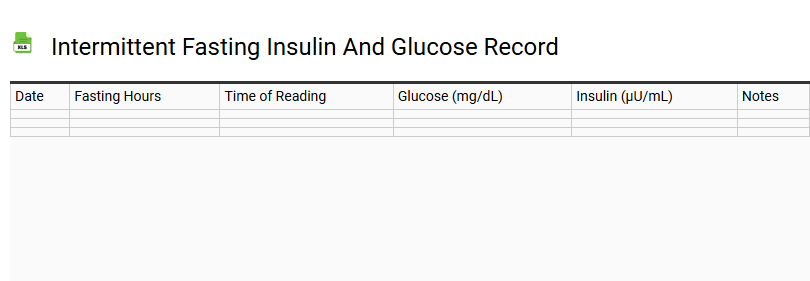
💾 Intermittent Fasting Insulin and Glucose Record .xls
24 Hour Glucose Monitoring Sheet
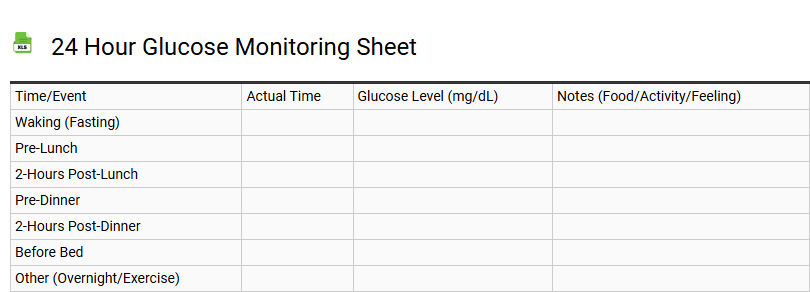
💾 24 Hour Glucose Monitoring Sheet .xls
A 24-hour glucose monitoring sheet serves as a vital tool for precise diabetes management and metabolic health tracking. By documenting blood sugar levels over a full circadian cycle, this logbook captures essential data points from fingerstick tests or continuous glucose monitor (CGM) readings. Users can effectively correlate insulin dosage and carbohydrate intake with glycemic fluctuations. This template facilitates the identification of critical trends, such as nocturnal hypoglycemia or postprandial spikes, by recording physical activity and meal timing. Consistent use of a monitoring log empowers patients to achieve better glycemic control and provides healthcare providers with actionable insights. Highlighting glucose variability through detailed tracking ensures that treatment adjustments are data-driven. Utilizing this structured approach simplifies the observation of how lifestyle factors influence blood glucose concentrations, leading to improved long-term health outcomes and more effective medical consultations.
Ketone and Glucose Dual Tracker
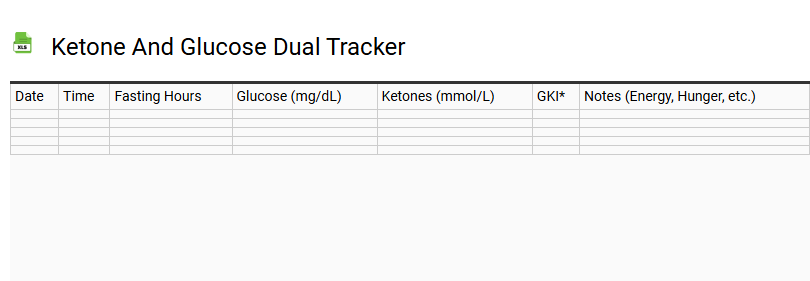
💾 Ketone and Glucose Dual Tracker .xls
Optimizing your metabolic health requires precise data, and a Ketone and Glucose Dual Tracker serves as the ultimate tool for monitoring physiological trends. By documenting both blood sugar levels and ketone readings, users can accurately calculate their GKI (Glucose Ketone Index), a critical metric for assessing therapeutic nutritional ketosis and insulin sensitivity.
This template facilitates the systematic logging of biomarkers, helping biohackers and those managing diabetes identify how diet, exercise, and sleep influence glucose volatility. Consistent tracking enables:
- Identification of postprandial spikes and recovery rates.
- Monitoring of fat oxidation and metabolic flexibility.
- Prevention of diabetic ketoacidosis through proactive oversight.
Utilizing a structured log empowers individuals to fine-tune their ketogenic lifestyle, ensuring sustained energy and long-term wellness through data-driven health optimization.
Morning Fasting Glucose Baseline Sheet
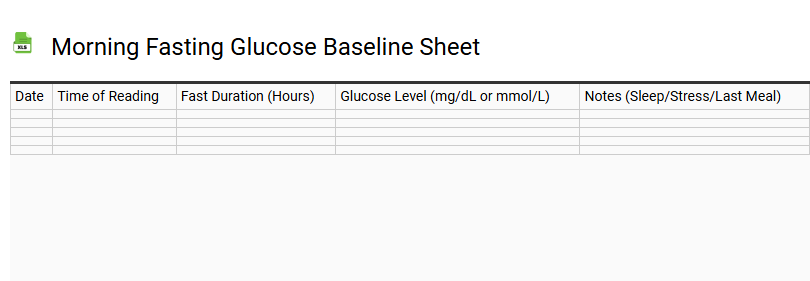
💾 Morning Fasting Glucose Baseline Sheet .xls
Utilizing a morning fasting glucose baseline sheet is essential for precise glycemic control and long-term metabolic health monitoring. This structured blood glucose log records plasma glucose levels immediately upon waking, offering a clear snapshot of insulin sensitivity and hepatic glucose output without the influence of recent meals. By tracking these morning baselines, individuals can identify significant glucose variability and patterns related to type 2 diabetes or prediabetes management.
This data-driven wellness tool facilitates better communication with healthcare providers regarding therapeutic interventions. Key data points often include:
- Glucometer readings in mg/dL or mmol/L.
- Sleep duration and quality impact.
- Notes on dawn phenomenon occurrences.
Consistently documenting capillary blood samples helps stabilize pre-meal levels and optimizes nutritional strategies for improved metabolic flexibility and overall blood sugar regulation.
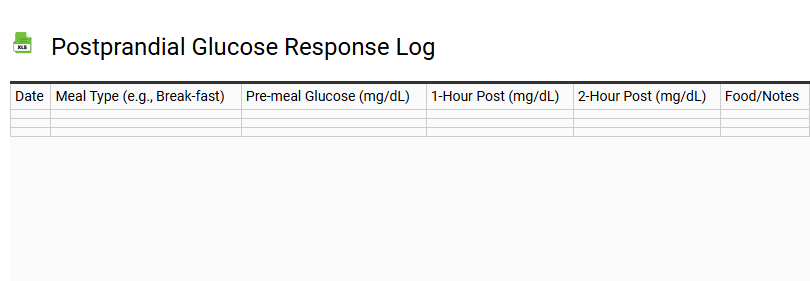
Postprandial Glucose Response Log
💾 Postprandial Glucose Response Log .xls
A postprandial glucose response log is a fundamental tool for monitoring blood sugar fluctuations following food consumption. By documenting glycemic variability, individuals can gain deep insights into their metabolic health and insulin sensitivity. This template prioritizes meal tracking accuracy, allowing users to correlate carbohydrate intake with physiological outcomes.
Key components of an effective log include:
- Pre-meal glucose levels to establish a physiological baseline.
- Timed two-hour post-meal tests to identify potential glucose spikes.
- Detailed notes on food composition to manage reactive hypoglycemia.
Consistent data patterns derived from this log empower better diabetes management and lifestyle adjustments. By analyzing these metrics, users can optimize their glycemic control, reduce oxidative stress, and stabilize daily energy levels through informed, data-driven nutritional choices.
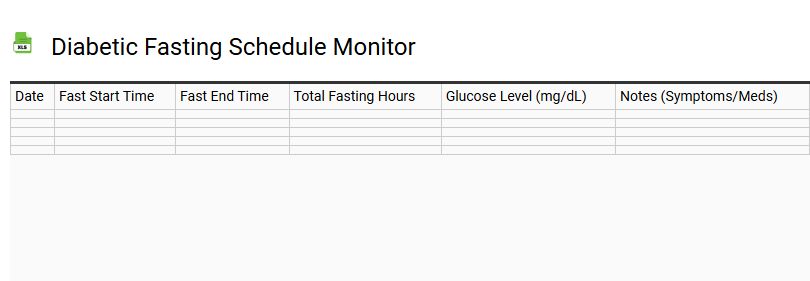
Diabetic Fasting Schedule Monitor
💾 Diabetic Fasting Schedule Monitor .xls
Utilizing a diabetic fasting schedule monitor is a proactive approach to mastering glycemic control and enhancing insulin sensitivity. This structured template allows individuals to meticulously track blood sugar levels across specific fasting windows and feeding intervals, providing critical data on glucose fluctuations.
- Metric Tracking: Log daily fasting plasma glucose and postprandial levels to identify patterns.
- Metabolic Health: Monitor how intermittent fasting impacts your HbA1c and overall metabolic rate.
- Meal Timing: Record the synergy between nutrient density, caloric intake, and insulin response.
- Diabetes Management: Facilitate informed adjustments to medication dosages or lifestyle interventions.
Consistent use of this monitor supports effective Type 2 diabetes management, helping users maintain homeostasis while minimizing the risk of hypoglycemia or hyperglycemia through precise biometric data collection.
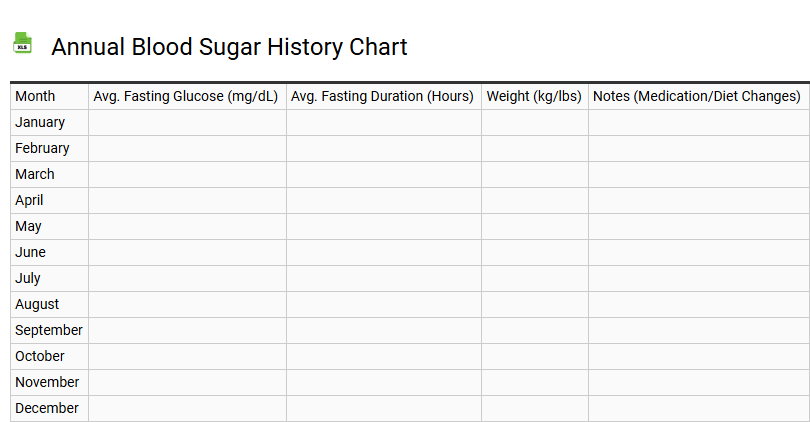
Annual Blood Sugar History Chart
💾 Annual Blood Sugar History Chart .xls
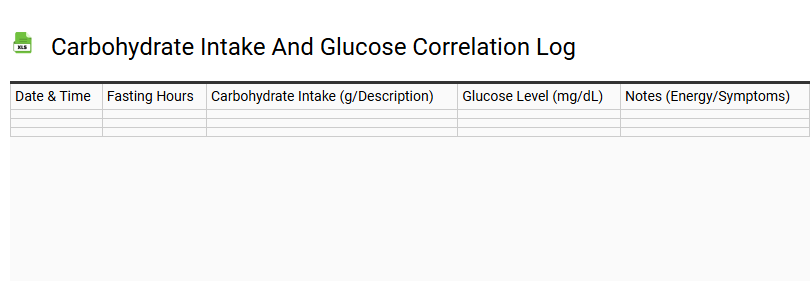
Carbohydrate Intake and Glucose Correlation Log
💾 Carbohydrate Intake and Glucose Correlation Log .xls
Monitoring the relationship between carbohydrate intake and blood glucose levels is essential for effective diabetes management and metabolic health. This structured log facilitates a precise correlation analysis, helping individuals identify how specific macronutrients and glycemic index values trigger a postprandial glucose response. By documenting net carbs, dietary fiber, and meal timing, users can visualize patterns leading to blood sugar spikes or insulin sensitivity fluctuations.
- Record pre-meal glucose to establish a baseline.
- Track total carbohydrates and fiber for accurate nutritional data.
- Log post-meal readings at one and two-hour intervals.
- Note physical activity and medication dosages for context.
Consistently utilizing this glucose monitoring template empowers users to refine their medical nutrition therapy, optimize glycemic control, and make data-driven dietary adjustments to maintain long-term homeostasis.
HbA1c Estimation and Tracker
💾 HbA1c Estimation and Tracker .xls
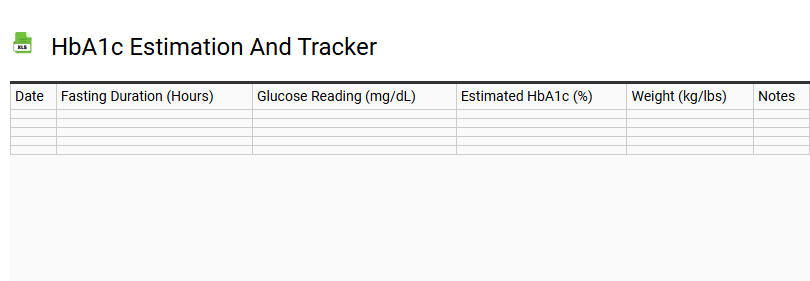
Efficiently monitor glycemic control using this comprehensive HbA1c Estimation and Tracker template. This digital tool simplifies the management of glycated hemoglobin levels, providing a clear longitudinal view of average blood glucose concentrations over the preceding three months. By recording periodic lab results alongside glucose fluctuations, users can identify critical trends in insulin sensitivity and overall metabolic health.
The structured layout is optimized for diabetes management, allowing for seamless data entry of vital health metrics and biomarkers. Utilizing a dedicated blood sugar log assists in evaluating the effectiveness of therapeutic interventions and lifestyle adjustments. Precise HbA1c tracking is essential for mitigating long-term complications, offering data-driven insights into glycemic variability. This template ensures all diagnostic data remains organized, empowering proactive preventative care and informed consultations with healthcare professionals regarding your blood sugar profiles.
Weight and Glucose Fasting Diary
💾 Weight and Glucose Fasting Diary .xls
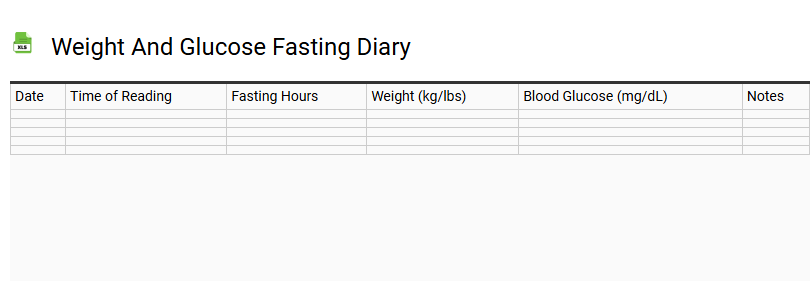
A comprehensive Weight and Glucose Fasting Diary serves as an essential instrument for monitoring metabolic health and achieving long-term wellness goals. By systematically recording fasting plasma glucose levels alongside daily body mass measurements, individuals can identify critical correlations between weight fluctuations and glycemic control.
Utilizing a structured template facilitates the consistent tracking of biometric data, which is vital for enhancing insulin sensitivity and managing caloric intake effectively. This longitudinal approach allows for detailed trend analysis, providing actionable insights for diabetes management and preventative healthcare.
- Monitor blood sugar stability through precise morning readings.
- Track body composition changes to evaluate metabolic efficiency.
- Provide healthcare professionals with accurate data for personalized treatment adjustments.
Maintaining this log fosters accountability, helping users visualize the direct impact of lifestyle interventions on their overall physiological profile and blood sugar regulation.
Hypoglycemia Risk Tracking Sheet
💾 Hypoglycemia Risk Tracking Sheet .xls
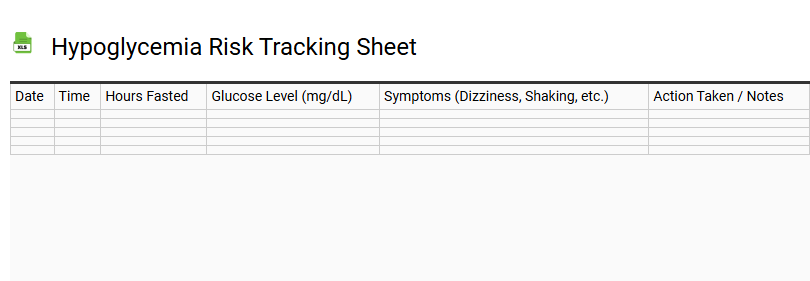
An intermittent fasting glucose monitor template provides a structured framework for tracking blood sugar fluctuations. By documenting levels during fasted states and postprandial windows, users gain deep insights into metabolic flexibility and insulin sensitivity.
This data-driven approach simplifies monitoring glycemic variability, ensuring informed adjustments to meal timing. Utilizing such logs empowers individuals to optimize their metabolic health. Consistency in recording these biometric markers remains essential for identifying patterns and mastering long-term physiological balance through precise, actionable oversight.