
Light Exposure Impact Diary Template for Circadian Health Tracking
Managing your circadian rhythm begins with understanding how illumination affects your body. A light exposure impact diary serves as a specialized tracking tool for monitoring sunlight exposure and artificial blue light intake. By logging brightness intensity, you can identify patterns influencing melatonin levels, sleep hygiene, and mood regulation. This data-driven approach is essential for wellness optimization and phototherapy management. Use our structured layouts to document daily habits and improve your biological clock. Please check our selection of already made variation of templates below.
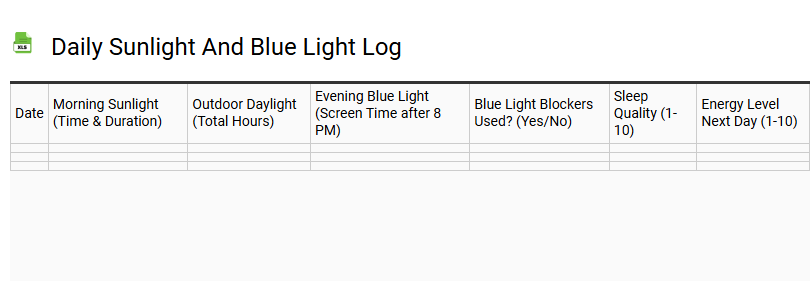
Daily Sunlight and Blue Light Log
💾 Daily Sunlight and Blue Light Log .xls
Optimizing your circadian rhythm requires a precise balance of natural light exposure and artificial blue light management. This daily log template allows users to track morning sunlight to stimulate cortisol production and reset the internal biological clock. By documenting screen time and high-energy visible (HEV) light intake from digital devices, you can identify patterns that inhibit melatonin secretion and disrupt the sleep-wake cycle.
- Outdoor Intervals: Records vitamin D synthesis and mood regulation metrics.
- Digital Habits: Monitors electronic emissions to reduce digital eye strain.
- Evening Routine: Highlights photobiomodulation opportunities for better sleep quality.
Utilizing this wellness tracker promotes optical health and ensures your biological system remains synchronized with natural solar cycles. Monitoring these biophysical variables is essential for maintaining consistent energy levels and peak cognitive performance throughout the day.
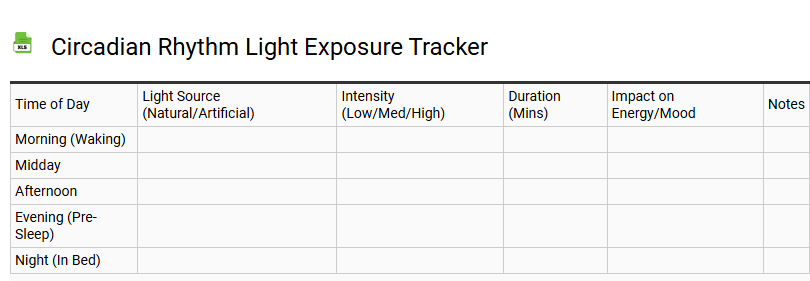
Circadian Rhythm Light Exposure Tracker
💾 Circadian Rhythm Light Exposure Tracker .xls
Optimize your internal biological clock using this comprehensive Circadian Rhythm Light Exposure Tracker. This tool monitors daily photic input and lux levels to align your sleep-wake cycle with natural solar cycles. By logging morning sunlight, you stimulate healthy cortisol production, while tracking evening blue light exposure helps prevent melatonin suppression.
This chronobiology template serves as a digital zeitgeber, allowing users to analyze diurnal patterns and improve sleep hygiene. Documenting artificial lighting and natural illuminance helps stabilize the suprachiasmatic nucleus, the body's master pacemaker. Consistent monitoring of these environmental cues enhances metabolic health and cognitive performance, providing an evidence-based approach to light hygiene and restorative rest.
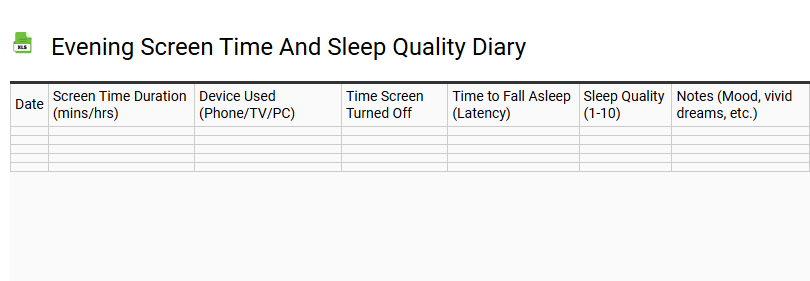
Evening Screen Time and Sleep Quality Diary
💾 Evening Screen Time and Sleep Quality Diary .xls
Utilizing an evening screen time and sleep quality diary is a sophisticated strategy for enhancing sleep hygiene. By meticulously tracking blue light exposure from electronic devices, users can identify direct correlations between digital habits and melatonin production. This data-driven approach highlights how late-night scrolling disrupts the circadian rhythm and extends sleep latency.
This template monitors essential variables to optimize your sleep architecture, including:
- Digital detox duration before bed.
- Impact of backlighting on REM cycles and deep sleep.
- Subjective restorative sleep scores.
- Consistency of the sleep-wake cycle.
Implementing a structured bedtime routine through this log helps mitigate the physiological stimulation caused by screens. By analyzing these patterns, you can make informed adjustments to reduce daytime fatigue, stabilize your biological clock, and achieve higher quality nocturnal rest for improved overall wellness.
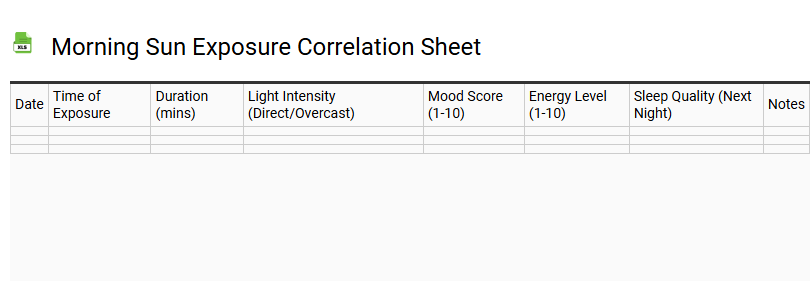
Morning Sun Exposure Correlation Sheet
💾 Morning Sun Exposure Correlation Sheet .xls
The Morning Sun Exposure Correlation Sheet is a strategic tracking tool designed to analyze the direct relationship between early daylight and your circadian rhythm. By documenting daily outdoor light duration, individuals can monitor the synchronization of their internal biological clock and hormonal health. This template focuses on the cortisol awakening response, which triggers morning alertness and sets the internal timer for evening melatonin production.
Utilizing this log helps visualize how ocular light reception influences sleep latency and mood regulation. Monitoring the specific blue light spectrum of the rising sun is essential for optimizing the sleep-wake cycle and metabolic function. By recording these environmental variables, users can identify patterns in their energy levels and sleep hygiene. This evidence-based correlation sheet ensures that physiological markers align with natural light-dark cycles, fostering improved cognitive function and long-term wellness.
Total Daily Lux Exposure Calculator
💾 Total Daily Lux Exposure Calculator .xls
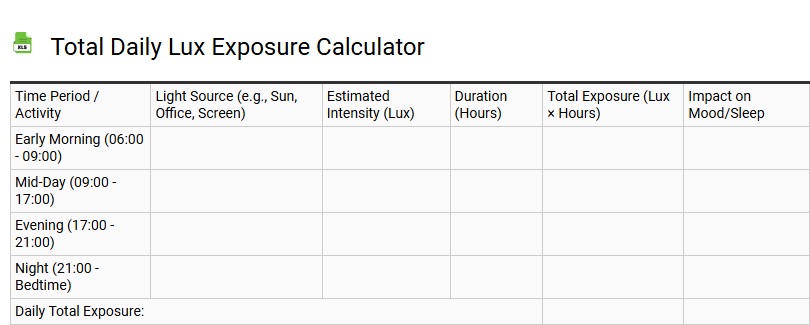
The Total Daily Lux Exposure Calculator is an essential tool for monitoring cumulative light intensity to optimize your circadian rhythm. By tracking illuminance levels across various environments-from bright natural sunlight to artificial office glow-users can calculate their total lux hours. This data is critical for understanding photobiology and its impact on the sleep-wake cycle.
Properly managing your biological clock requires balancing luminous flux to prevent daytime fatigue or nighttime melatonin suppression. High-quality light tracking helps mitigate seasonal affective disorder and boosts metabolic health. This template allows you to input specific durations of exposure, providing a comprehensive overview of your photic stimulation. Whether you are prioritizing visual health or peak cognitive performance, calculating your daily light dosage ensures your environment supports your physiological needs and long-term well-being.
Artificial Light vs. Sleep Latency Log
💾 Artificial Light vs. Sleep Latency Log .xls
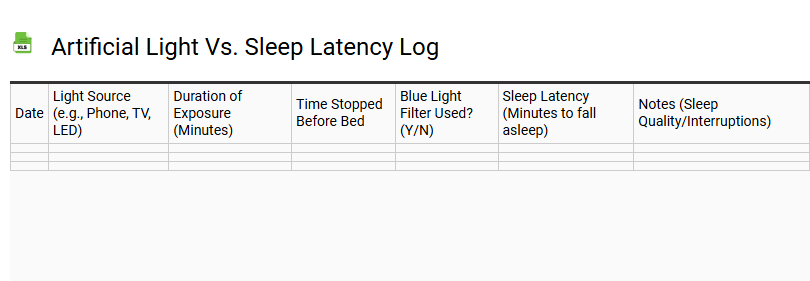
Monitoring the correlation between artificial light exposure and sleep latency is essential for optimizing your circadian rhythm. This log tracks how high-intensity blue light from digital screens and overhead fixtures triggers melatonin suppression, delaying the body's natural transition into rest. By recording daily sleep onset duration alongside evening light intensity, users can identify patterns of circadian disruption that impair sleep quality and sleep architecture.
- Documenting photopic vision triggers before bedtime.
- Analyzing the impact of screen time on REM cycles.
- Refining sleep hygiene through empirical data.
Utilizing this template helps mitigate the physiological effects of short-wavelength light, fostering quicker transitions to deep sleep and reducing nocturnal wakefulness. Consistent tracking empowers individuals to reclaim their internal biological clock by adjusting their photoreceptor stimulation for better recovery and health.
Outdoor Activity and Natural Light Journal
💾 Outdoor Activity and Natural Light Journal .xls
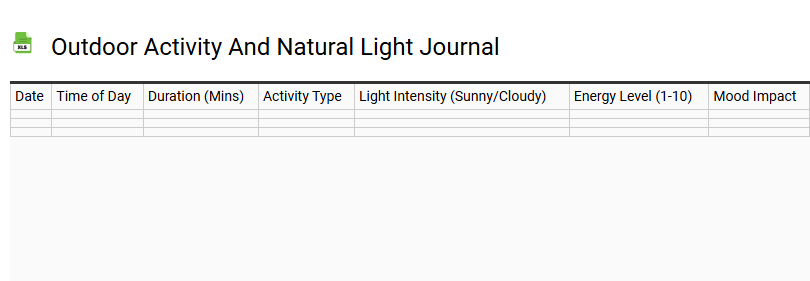
This specialized Outdoor Activity and Natural Light Journal template serves as a comprehensive digital tool for documenting outdoor adventures and tracking natural light exposure. Designed for hikers, photographers, and wellness enthusiasts, the layout captures essential environmental data such as UV index, golden hour timing, and localized weather conditions.
By logging daily sunlight duration, users can better monitor their circadian rhythm and optimize vitamin D synthesis. Each entry encourages mindful exploration through detailed observations of flora, fauna, and scenic landscapes. Whether you are analyzing atmospheric conditions for landscape photography or monitoring seasonal shifts, this structured log enhances your connection to the natural world. Integrate this template into your wellness routine to quantify the interplay between environmental factors and personal well-being during every wilderness excursion.
Blue Light Filter Usage and Melatonin Prep Tracker
💾 Blue Light Filter Usage and Melatonin Prep Tracker .xls
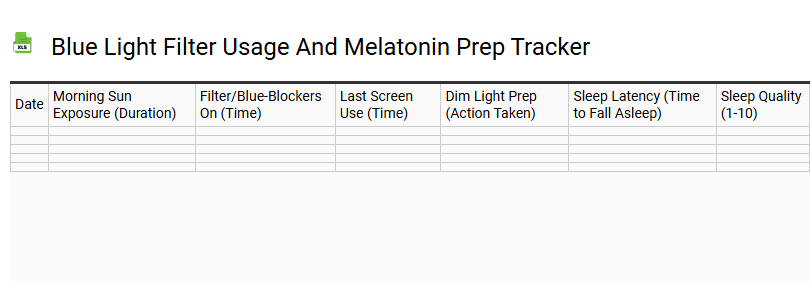
This digital log serves as a dedicated resource for managing evening screen habits and optimizing your body's natural sleep-wake cycle. By recording daily exposure to artificial illumination, you can identify patterns that may interfere with restful recovery.
- Filter Activation: Note the exact time blue light software or night modes are enabled on smartphones and computers.
- Screen-Free Buffer: Track the duration of total device avoidance prior to your intended sleep time.
- Environmental Adjustments: Document the use of amber-tinted eyewear or dimmed ambient lighting in your living space.
- Restorative Progress: Log morning alertness levels to correlate sleep quality with your evening light reduction efforts.
Consistent use of this tracking system helps align your internal clock, supporting the natural production of sleep-regulating hormones for deeper, more consistent nighttime rest.
Seasonal Daylight Exposure Variation Log
💾 Seasonal Daylight Exposure Variation Log .xls
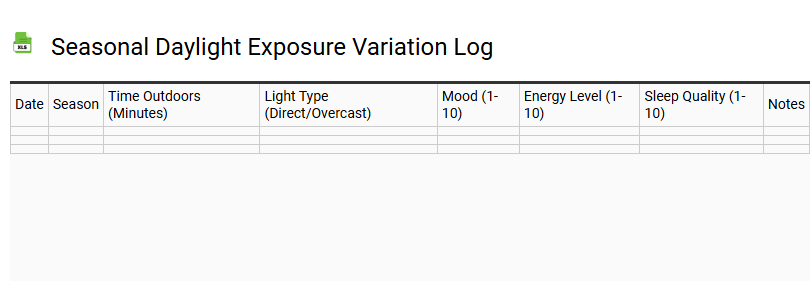
A Seasonal Daylight Exposure Variation Log serves as a vital instrument for monitoring circadian rhythm alignment and biological clock health. By tracking daily photoperiodism and solar cycles, individuals can observe how fluctuating lux levels during solstices and equinoxes influence melatonin regulation and vitamin D synthesis.
This tracking template records total outdoor duration, weather patterns, and the UV index to help mitigate the effects of Seasonal Affective Disorder (SAD). Documenting natural light absorption versus supplemental light therapy provides data-driven insights into the sleep-wake cycle. Consistently logging these environmental variables assists in optimizing mood, hormonal balance, and energy levels as daylight availability shifts. Use this log to maintain physiological synchronization with seasonal transitions and improve overall wellness through informed light hygiene practices.
Smart Lighting Adjustment and Wakefulness Diary
💾 Smart Lighting Adjustment and Wakefulness Diary .xls
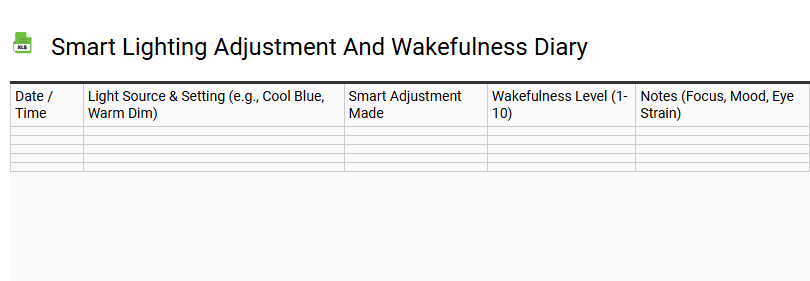
This integrated tracking system bridges the gap between home automation and personal well-being. By recording daily alertness levels alongside ambient light settings, you can identify how specific brightness levels and color temperatures influence your biological clock. Use the following parameters to refine your environmental control:
- Log color temperature transitions from cool blue mornings to warm amber evening hues.
- Monitor subjective wakefulness scores at scheduled intervals throughout the day.
- Identify optimal lighting triggers that facilitate deep focus or physical relaxation.
- Correlate sleep quality with the duration of artificial light exposure before bed.
Utilizing this log allows for precise adjustments to automated routines. Aligning your smart bulbs with your natural energy cycles promotes better sleep hygiene and sustained productivity. Consistency in documentation reveals the direct impact of artificial illumination on your recovery and cognitive performance.
Red Light Therapy and Evening Wind-down Log
💾 Red Light Therapy and Evening Wind-down Log .xls
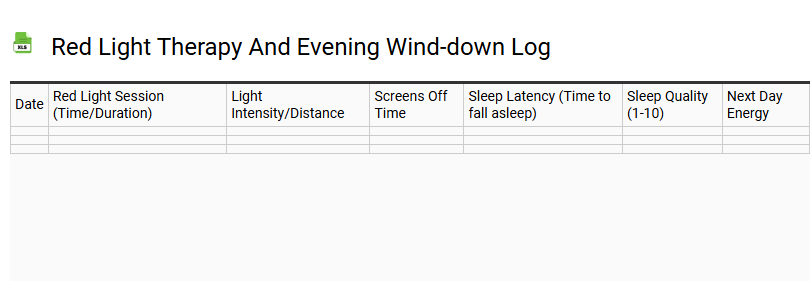
Utilizing a Red Light Therapy and Evening Wind-down Log is a pivotal strategy for mastering your circadian rhythm and enhancing photobiomodulation benefits. By tracking daily exposure to specific wavelengths, such as 660nm red light and 850nm near-infrared, you can quantify improvements in mitochondrial health and ATP production. This structured record-keeping allows biohackers to monitor sleep hygiene, melatonin secretion, and cellular recovery efficiency.
Documenting variables like session duration, irradiance levels, and proximity to the LED device ensures consistent results for skin rejuvenation and inflammation reduction. Integrating these metrics into a nightly wellness routine helps correlate light exposure with deep sleep cycles and reduced oxidative stress. A detailed log transforms a simple habit into a data-driven recovery protocol, optimizing your body's natural healing response during the nocturnal wind-down phase for peak longevity.
Sunlight Absorption and Energy Level Sheet
💾 Sunlight Absorption and Energy Level Sheet .xls
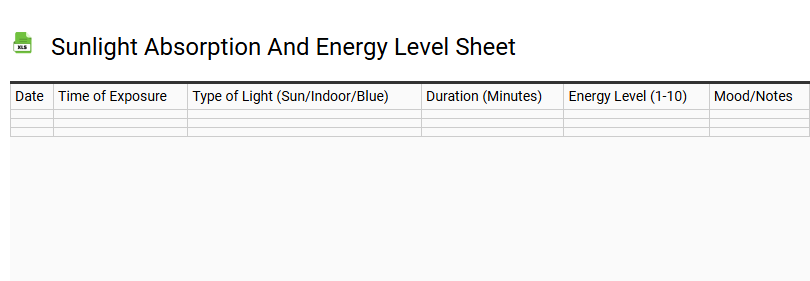
The Sunlight Absorption and Energy Level Sheet is a specialized tracking tool designed to monitor the correlation between solar irradiance and metabolic vitality. By documenting peak exposure times and luminosity levels, this template helps users analyze how ultraviolet radiation influences circadian rhythms and vitamin D synthesis.
Integrating this data allows for a precise evaluation of energy fluctuations linked to environmental illumination. Key metrics within the sheet focus on:
- Solar radiation intensity and duration.
- Hormonal balance, specifically serotonin and melatonin production.
- Photovoltaic efficiency for technical solar applications or biological bio-rhythms.
Using this structured approach to wellness tracking, individuals can optimize their sleep-wake cycles and cognitive performance by aligning daily activities with the light spectrum, ensuring peak biological efficiency through data-driven insights.
Workplace Lighting and Eye Strain Tracker
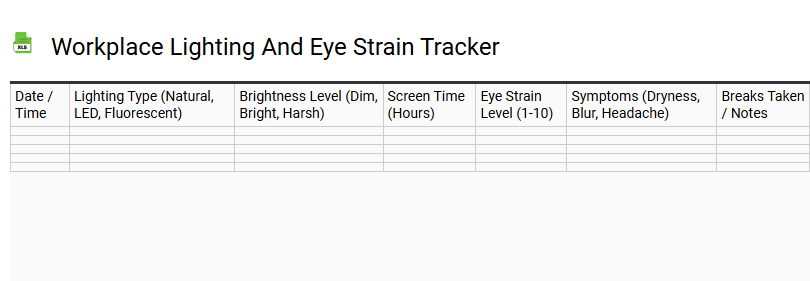
💾 Workplace Lighting and Eye Strain Tracker .xls
This workplace lighting and eye strain tracker serves as a vital ergonomic tool for enhancing digital wellness and long-term ocular health. By meticulously monitoring ambient light levels and display brightness settings, users can effectively mitigate visual fatigue and the symptoms of Computer Vision Syndrome (CVS).
Integrating this log into your daily routine facilitates glare reduction and optimal color temperature adjustments to support a natural circadian rhythm. Monitoring lux levels and blue light exposure within your office environment is essential for productivity optimization and preventing chronic eye discomfort. This data-driven approach allows for precise ergonomic assessments, ensuring your workspace supports sustained focus while reducing the risk of headaches and blurred vision. Utilizing a tracking template empowers professionals to maintain a balanced visual environment, fostering a healthier, more efficient work-life experience through proactive light management.
Bedroom Darkening and Sleep Depth Journal
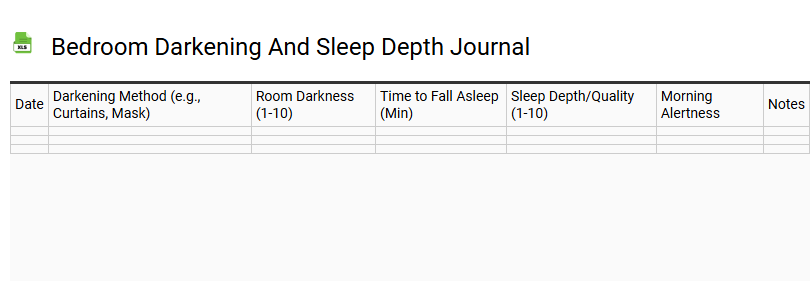
💾 Bedroom Darkening and Sleep Depth Journal .xls
This Bedroom Darkening and Sleep Depth Journal serves as a strategic tool for optimizing your circadian rhythm and enhancing restorative rest. By meticulously tracking the correlation between ambient light exposure and nocturnal recovery, users can pinpoint environmental disruptors that inhibit natural melatonin production.
The template focuses on essential sleep hygiene variables, including the effectiveness of blackout curtains, the impact of blue light from electronics, and the duration of REM cycles. Documenting these factors allows for a data-driven approach to improving sleep efficiency and stabilizing the internal sleep-wake cycle.
Utilizing this journal helps mitigate ocular light sensitivity, ensuring deeper transitions into slow-wave sleep. By maintaining a dark sleep environment and logging nightly outcomes, you empower your body to achieve peak physical recovery and cognitive clarity through consistent, high-quality slumber.
Ultraviolet Index and Outdoor Duration Log
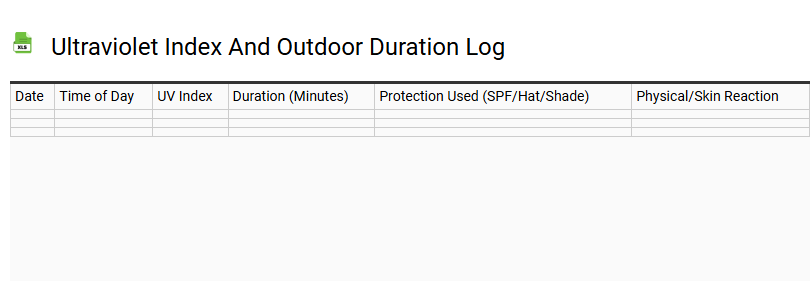
💾 Ultraviolet Index and Outdoor Duration Log .xls
Monitoring daily sun exposure is essential for maintaining long-term dermatological health and preventing cellular damage. This Ultraviolet Index (UVI) and Outdoor Duration Log provides a structured framework for tracking solar radiation levels alongside cumulative time spent outdoors. By documenting UV intensity, users can better calibrate skin protection measures, such as applying broad-spectrum SPF or utilizing protective clothing during peak hours.
The template facilitates health tracking by correlating meteorological data with personal exposure limits, which is vital for balancing Vitamin D synthesis against melanoma prevention. Recording these metrics helps identify patterns in UV radiation absorption, ensuring stay-times remain within safe thresholds for specific skin types. Use this log to optimize sun safety, minimize the risk of erythema, and make informed decisions regarding sunscreen reapplication and shade-seeking behaviors during high-intensity periods.
Utilizing a light exposure impact diary template empowers you to monitor how your circadian rhythm fluctuates based on environmental cues. This systematic approach tracks natural sunlight versus artificial blue light intake, directly influencing melatonin production and overall sleep hygiene. By maintaining this wellness tracker, you gain insights into mood regulation and the sleep-wake cycle. Implementing a digital log ensures long-term data for optimizing your biological clock and enhancing restorative rest through precise environmental adjustments.