
Low FODMAP Food Diary and Symptom Tracker Template for Digestive Health.
Navigating an elimination diet requires precision, making a structured template for a Low FODMAP Digestive Journal an essential tool for identifying IBS triggers. By consistently logging food intake, symptom severity, and bowel habits, you can pinpoint specific carbohydrates causing gastrointestinal distress. This systematic approach to gut health tracking simplifies the reintroduction phase, ensuring you maintain a balanced, symptom-free lifestyle while monitoring bloating and digestive patterns. Please check the already made variation of templates below.
Low FODMAP Daily Food and Symptom Tracker
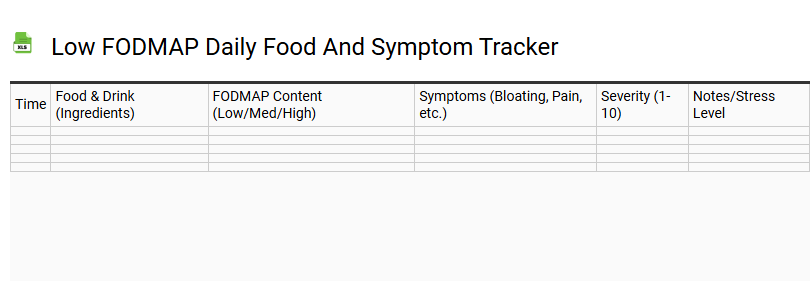
💾 Low FODMAP Daily Food and Symptom Tracker .xls
A Low FODMAP daily food and symptom tracker is an essential clinical tool for individuals managing Irritable Bowel Syndrome (IBS) and functional gastrointestinal distress. By meticulously documenting meal composition, this food diary helps identify specific trigger foods containing fermentable carbohydrates that lead to gas, bloating, or malabsorption. Utilizing a structured template allows users to correlate dietary patterns with physiological responses across the elimination phase and subsequent reintroduction phase.
Effective tracking includes monitoring stool consistency via the Bristol Stool Scale, hydration levels, and stress markers to account for the gut-brain axis. This data-driven approach enables precise identification of sensitivities to fructans, polyols, or lactose. Ultimately, consistent logging facilitates a personalized nutrition strategy that optimizes digestive health, supports a diverse gut microbiome, and ensures adequate nutrient intake while achieving long-term symptomatic relief.
FODMAP Phase-Based Meal Planner
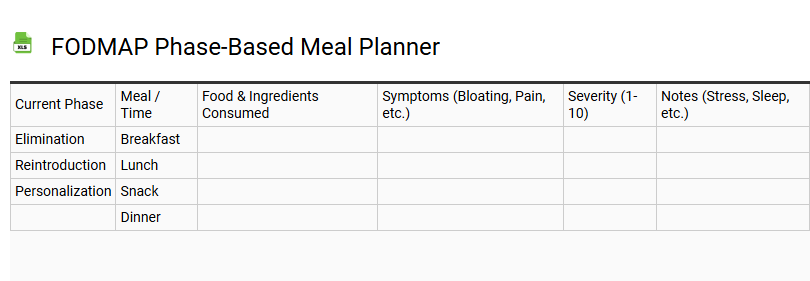
💾 FODMAP Phase-Based Meal Planner .xls
A FODMAP phase-based meal planner serves as a strategic framework for managing Irritable Bowel Syndrome (IBS) and improving overall gut health. This structured template guides users through the critical elimination phase, where high-fermentable carbohydrates are restricted to reduce gastrointestinal distress and bloating. By utilizing a systematic layout, individuals can transition seamlessly into the reintroduction process, identifying specific dietary triggers and tolerance levels for various short-chain carbohydrates.
Incorporating low-FODMAP recipes and symptom tracking ensures nutritional balance while moving toward the final maintenance stage. This personalized dietary protocol focuses on long-term digestive relief and microbial diversity. By documenting food intake and physiological responses, the planner provides a data-driven roadmap to achieve a sustainable, symptom-free lifestyle tailored to unique sensitive gut requirements.
IBS Trigger and Symptom Correlation Log
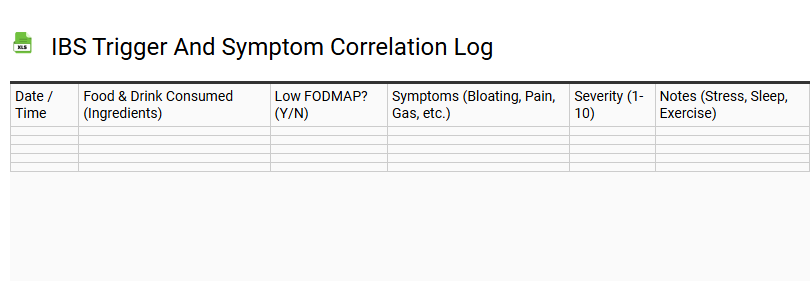
💾 IBS Trigger and Symptom Correlation Log .xls
An IBS Trigger and Symptom Correlation Log serves as a vital diagnostic tool for managing irritable bowel syndrome and improving digestive health. This comprehensive food diary enables patients to identify specific dietary triggers and high-FODMAP ingredients that contribute to GI distress. By documenting meal timing, stress levels, and gut motility, users can visualize patterns between nutritional intake and gastrointestinal symptoms like bloating or abdominal pain.
- Food and Drink: Record all ingredients and portion sizes.
- Symptom Severity: Note cramping, gas, and flare-up duration.
- Bowel Habits: Utilize the Bristol Stool Scale for consistency tracking.
- Lifestyle Factors: Monitor sleep quality and physical activity.
Maintaining this correlation log facilitates data-driven discussions with gastroenterologists, helping to pinpoint food sensitivities and refine a personalized IBS management plan for long-term gut health.
Low FODMAP Elimination Phase Journal
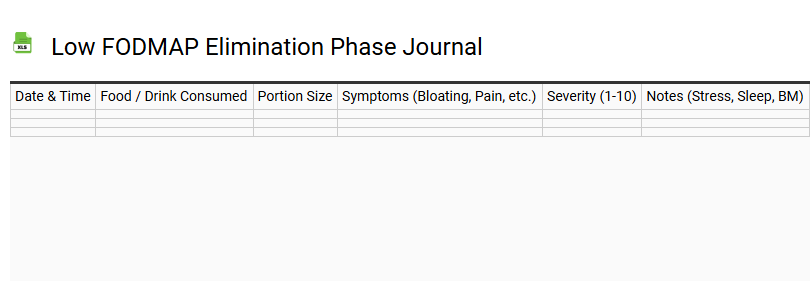
💾 Low FODMAP Elimination Phase Journal .xls
A Low FODMAP elimination phase journal serves as a vital diagnostic tool for managing irritable bowel syndrome (IBS) and identifying specific dietary triggers. By meticulously tracking daily intake of fermentable carbohydrates-including oligosaccharides, disaccharides, monosaccharides, and polyols-users can correlate specific meals with digestive symptoms such as bloating, gas, and abdominal distress.
Effective symptom tracking involves logging the following data points:
- Portion sizes and specific food ingredients.
- Timing of meals versus onset of gastrointestinal reactions.
- Stool consistency and frequency.
- Secondary factors like stress levels and hydration.
Utilizing a structured food diary based on Monash University guidelines facilitates a smoother transition to the reintroduction phase. This data-driven approach empowers individuals to uncover food sensitivities, optimize their gut microbiome, and develop a personalized nutrition plan for long-term digestive wellness.
FODMAP Reintroduction Challenge Tracker
💾 FODMAP Reintroduction Challenge Tracker .xls
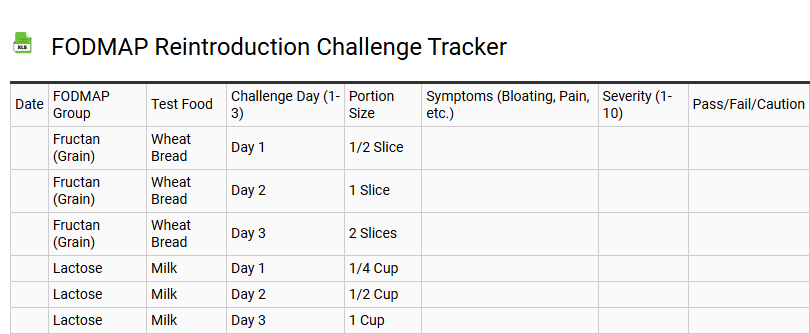
This FODMAP Reintroduction Challenge Tracker serves as a vital tool for transitioning from the strict elimination phase to long-term IBS management. By systematically documenting gastrointestinal symptoms, users can identify specific food triggers across various high-FODMAP groups, including fructans, polyols, lactose, fructose, and galactans.
Utilizing a detailed symptom diary allows for precise monitoring of gut health and individual tolerance levels. Following Monash University guidelines, this template tracks dosage increases and reaction times to determine digestive sensitivity. This data-driven approach to digestive wellness helps expand your diet while minimizing bloating and discomfort. By recording daily intake and physiological responses, you create a personalized roadmap for long-term relief and improved nutrient diversity without compromising intestinal comfort.
Digestive Health and Stool Consistency Log
💾 Digestive Health and Stool Consistency Log .xls
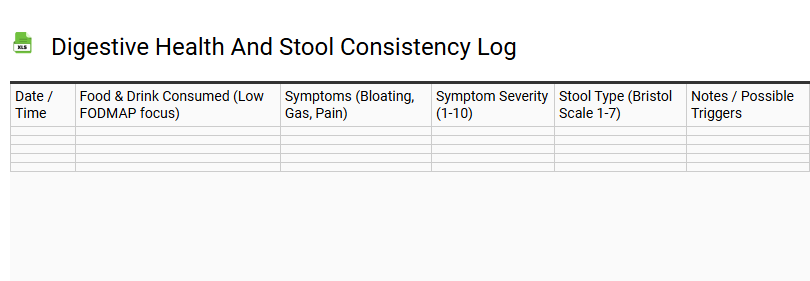
A digestive health and stool consistency log serves as a vital instrument for monitoring gastrointestinal wellness. By documenting daily nutritional intake alongside bowel movement patterns, individuals can pinpoint specific dietary triggers that lead to discomfort. This template typically tracks the date, time, and stool consistency using the Bristol Stool Scale, ranging from separate hard lumps to liquid.
Furthermore, recording supplementary data such as bloating, abdominal pain, or energy levels provides a comprehensive overview of internal balance. Maintaining this record consistently allows healthcare providers to identify potential sensitivities, such as gluten or lactose intolerance, more accurately. Using structured columns for fiber intake and hydration levels further enhances the utility of the log. This systematic approach empowers users to make informed adjustments to their lifestyle, fostering long-term gut health and improved physical comfort through precise, data-driven observations.
Low FODMAP Grocery List and Pantry Audit
💾 Low FODMAP Grocery List and Pantry Audit .xls
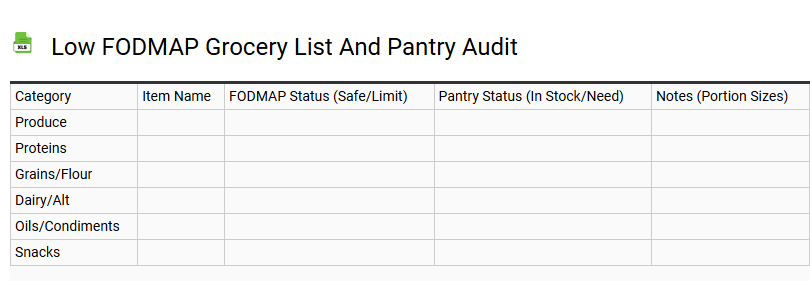
Navigating the elimination phase of a Low FODMAP diet requires precision. This template streamlines your pantry audit by identifying high-trigger fermentable carbohydrates like garlic, onions, and wheat. By clearing out high FODMAP irritants, you create a safe environment for digestive health and IBS management.
Your gut-friendly grocery list focuses on IBS-safe staples, including firm tofu, common vegetables, and Monash University certified fruits. Essential components of this audit include:
- Label reading for hidden fructans, GOS, and polyols.
- Identifying lactose-free dairy and gluten-free grain alternatives.
- Stocking IBS-friendly proteins and low-fermentation snacks.
- Organizing spices to avoid gastrointestinal distress triggers.
Using a structured meal planning tool ensures symptom relief through consistent dietary adherence. This comprehensive approach simplifies gut-healthy shopping while supporting microbiome balance and long-term wellness.
Weekly IBS-Friendly Meal Prep Scheduler
💾 Weekly IBS-Friendly Meal Prep Scheduler .xls
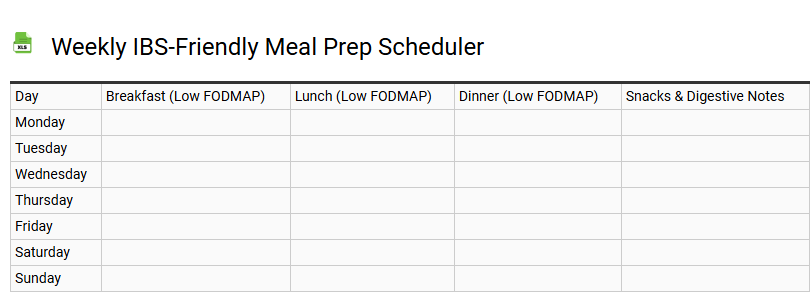
Optimizing your Weekly IBS-Friendly Meal Prep Scheduler is a vital step toward achieving long-term digestive wellness and managing irritable bowel syndrome symptoms. This template focuses on low FODMAP principles, helping you identify trigger foods while prioritizing gut health through balanced nutrition.
- Elimination Phase Support: Track compliant ingredients to reduce bloating and gastrointestinal distress.
- Soluble Fiber Integration: Plan meals around soothing digestible proteins and gentle carbohydrates.
- Portion Control: Manage intake of fermentable oligosaccharides to prevent flare-ups.
- Meal Consistency: Reduce stress with pre-planned, stomach-friendly recipes.
By utilizing this dietary management tool, you can streamline your meal planning process, ensure consistent fiber intake, and foster a healthier microbiome. This structured approach empowers users to maintain a symptom-free lifestyle through organized nutrition tracking and mindful preparation.
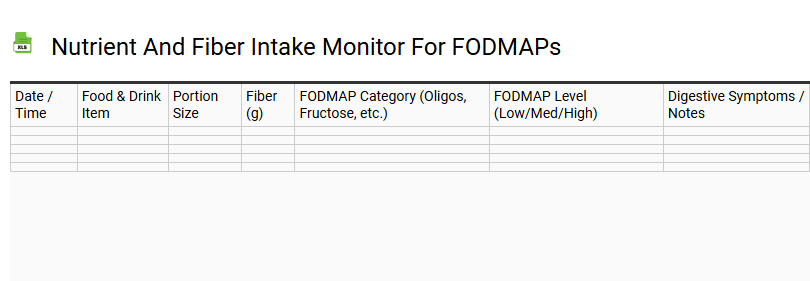
Nutrient and Fiber Intake Monitor for FODMAPs
💾 Nutrient and Fiber Intake Monitor for FODMAPs .xls
This specialized Nutrient and Fiber Intake Monitor is an essential tool for individuals managing Irritable Bowel Syndrome (IBS) through a low-FODMAP diet. By meticulously tracking fermentable carbohydrates, this template helps identify specific dietary triggers while maintaining a healthy micronutrient balance.
Since the elimination phase often reduces soluble fiber consumption, this monitor prioritizes gut health by highlighting compliant, high-fiber alternatives. Use this resource to optimize your digestive wellness through:
- Detailed logs for symptom correlation and food sensitivity.
- Precise macronutrient distribution to prevent nutritional deficiencies.
- Strategic tracking of the reintroduction phase.
- Monitoring prebiotic intake to support microbiome diversity.
Implementing this digital food diary ensures a data-driven approach to gastrointestinal health, bridging the gap between clinical protocols and sustainable lifestyle management.
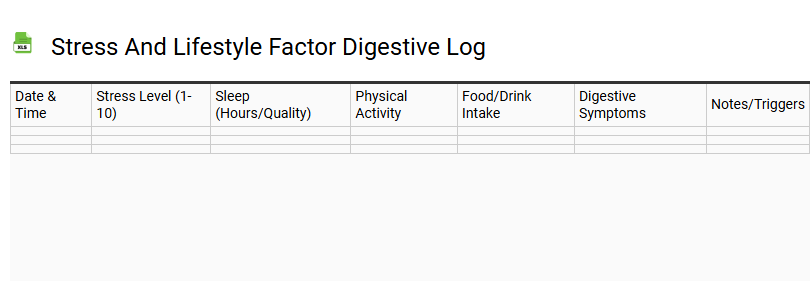
Stress and Lifestyle Factor Digestive Log
💾 Stress and Lifestyle Factor Digestive Log .xls
This tracking tool serves as a comprehensive resource for identifying the intricate connections between daily habits and gastrointestinal comfort. By documenting meal patterns alongside emotional states, sleep quality, and physical activity, you can pinpoint specific environmental triggers that influence gut health.
Utilizing this log helps bridge the gap between lifestyle choices and physical reactions. Key areas for observation include:
- Stress Levels: Monitoring how high-pressure situations affect digestion.
- Sleep Hygiene: Recording rest duration and its impact on metabolic regularity.
- Hydration and Movement: Tracking fluid intake and exercise frequency to support intestinal motility.
Consistent data entry provides a clear overview of how the nervous system interacts with the digestive tract. This evidence-based approach allows for targeted adjustments to daily routines, fostering long-term wellness and improved systemic balance through diligent self-observation.
Utilizing a comprehensive low FODMAP digestive journal template is a pivotal step toward managing IBS symptoms and identifying personal food triggers. By meticulously tracking daily intake and gastrointestinal responses, you can navigate the elimination phase with greater clarity. This systematic approach to gut health monitoring empowers individuals to uncover dietary sensitivities and improve overall well-being. Implementing a consistent symptom tracker ensures data-driven insights, paving the way for lasting relief and a more balanced, comfortable lifestyle through informed nutritional choices.