
Luteal Phase Symptom Diary Template: A Guide to Tracking Hormonal Health
Understanding your menstrual cycle requires precise symptom tracking during the specific window following ovulation. A luteal phase symptom diary helps document hormone fluctuations, specifically the rise and fall of progesterone. By monitoring mood swings, physical discomfort, and energy levels, you can identify patterns related to PMDD or PMS. This focused cycle tracking provides essential data for optimizing your hormonal health and overall well-being. Please check the already made variation of templates below.
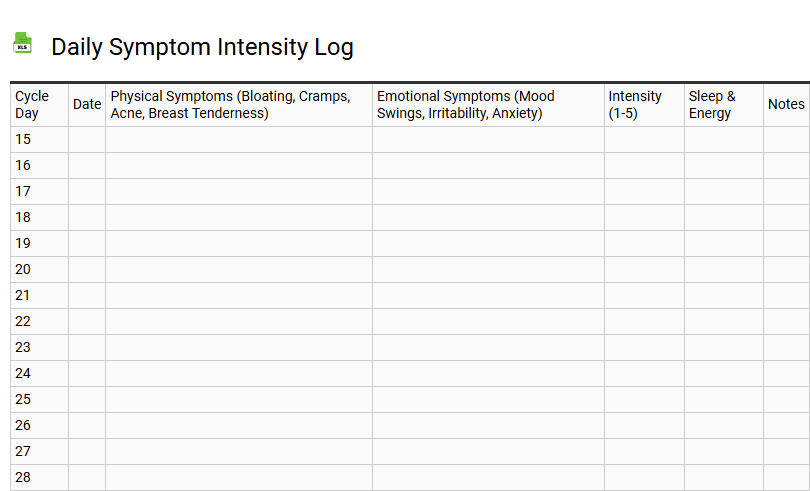
Daily Symptom Intensity Log
💾 Daily Symptom Intensity Log .xls
A daily symptom intensity log serves as a critical diagnostic tool for tracking health patterns and managing chronic conditions. By employing a standardized pain scale or severity rating (0-10), individuals can transform subjective experiences into quantifiable longitudinal data. This structured health diary helps identify specific flare-up triggers, environmental factors, and the physiological impact of medications.
Key components of an effective tracking template include:
- Symptom Frequency: Documenting how often discomfort occurs throughout the 24-hour cycle.
- Intensity Metrics: Recording peak and baseline levels to assist with clinical diagnosis.
- Qualitative Notes: Describing sensations such as aching, burning, or fatigue.
- Intervention Efficacy: Monitoring how rest or treatment influences wellness trends.
Consistently updating this log empowers patients with actionable health insights, facilitating more accurate communication with healthcare providers during medical consultations and improving overall treatment protocols.
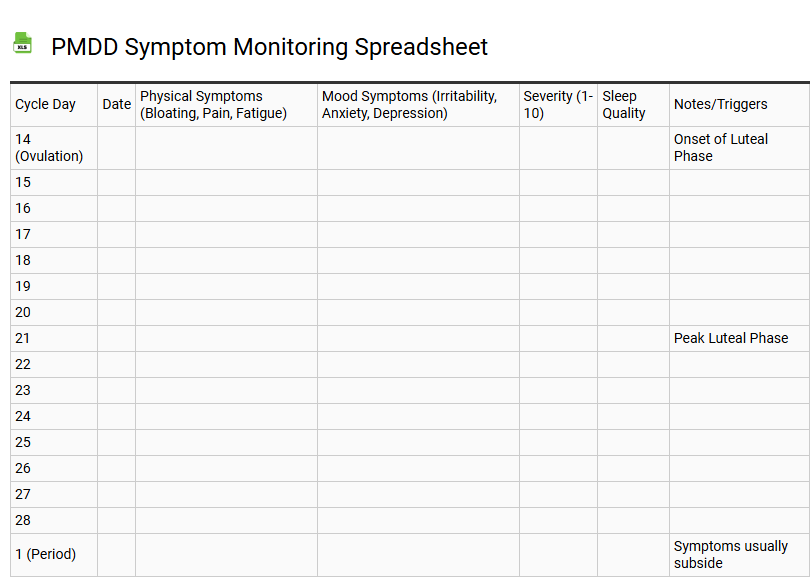
PMDD Symptom Monitoring Spreadsheet
💾 PMDD Symptom Monitoring Spreadsheet .xls
A PMDD symptom monitoring spreadsheet serves as a vital diagnostic tool for documenting the physiological and psychological impacts of hormonal fluctuations throughout the menstrual cycle. By utilizing a structured digital template, individuals can meticulously track luteal phase changes, recording the intensity of mood swings, anxiety, and physical exhaustion. This systematic approach to symptom tracking is essential for differentiating Premenstrual Dysphoric Disorder from standard PMS.
- Daily Rating: Quantify symptom severity to identify recurring patterns.
- Cycle Correlation: Monitor the onset and cessation of symptoms relative to the follicular phase.
- Clinical Insight: Provide healthcare professionals with organized data to improve reproductive health outcomes.
Implementing a period tracker spreadsheet facilitates better self-awareness and empowers patients to manage their emotional well-being through evidence-based observation of their unique biological rhythms.
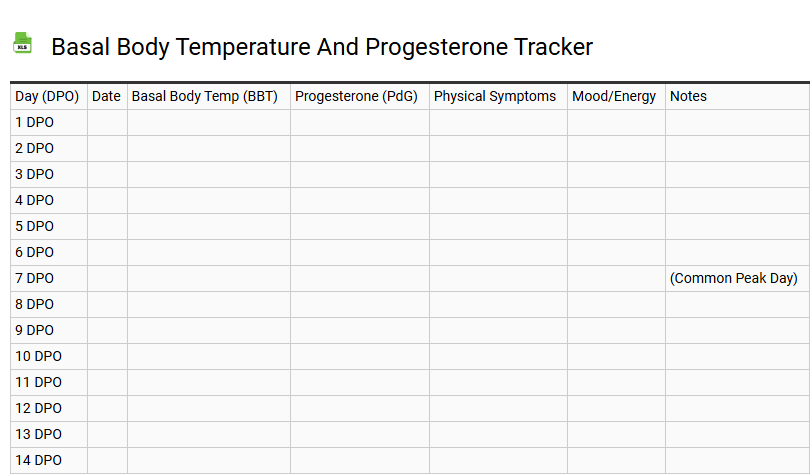
Basal Body Temperature and Progesterone Tracker
💾 Basal Body Temperature and Progesterone Tracker .xls
Utilizing a comprehensive Basal Body Temperature (BBT) and Progesterone Tracker is a vital component of the fertility awareness method (FAM). This digital template allows users to monitor their menstrual cycle by recording daily resting temperatures to identify a distinct biphasic pattern. A significant thermal shift typically signifies ovulation, confirming the transition into the luteal phase.
By correlating temperature data with progesterone levels (PdG), women can gain insights into their hormonal balance and reproductive health. Tracking these metrics helps in pinpointing the fertile window, optimizing the timing for conception, and identifying potential ovulatory dysfunction. Key features of this tracking system include:
- Daily waking temperature logs.
- Cervical mucus observations.
- Luteinizing hormone (LH) test integration.
- Cycle length and period tracking.
Consistent cycle charting empowers individuals with data-driven insights into their ovulatory patterns and overall wellness.
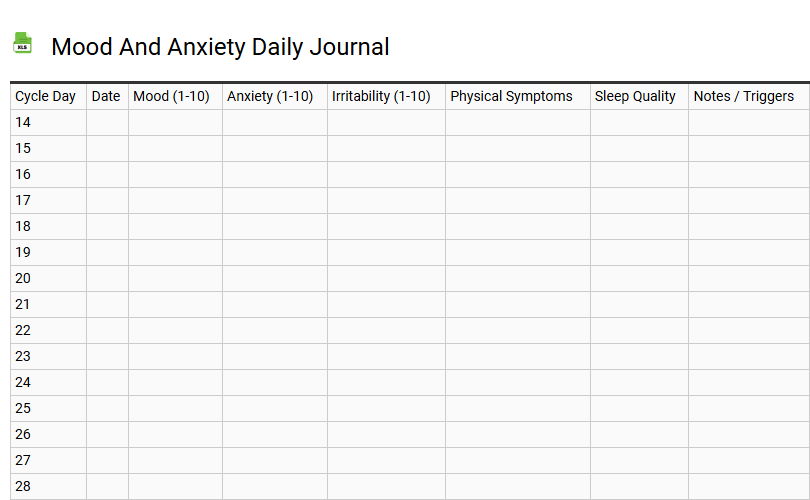
Mood and Anxiety Daily Journal
💾 Mood and Anxiety Daily Journal .xls
A mood and anxiety daily journal serves as a vital instrument for emotional regulation and proactive mental health tracking. By documenting daily fluctuations, users can pinpoint specific triggers and evaluate the efficacy of various coping mechanisms. This structured approach to symptom monitoring facilitates better stress management and deep self-reflection.
Integrating this practice into a wellness routine encourages mindfulness and aligns with cognitive behavioral therapy (CBT) principles. Consistently recording emotional patterns provides actionable insights for anxiety relief and long-term psychological resilience. Tracking variables such as sleep quality, energy levels, and physical sensations helps bridge the gap between environmental factors and internal states. Ultimately, this data-driven self-care tool empowers individuals to foster mental clarity and emotional stability through disciplined, intentional observation of their affective health.
Bloating and Digestive Symptom Record
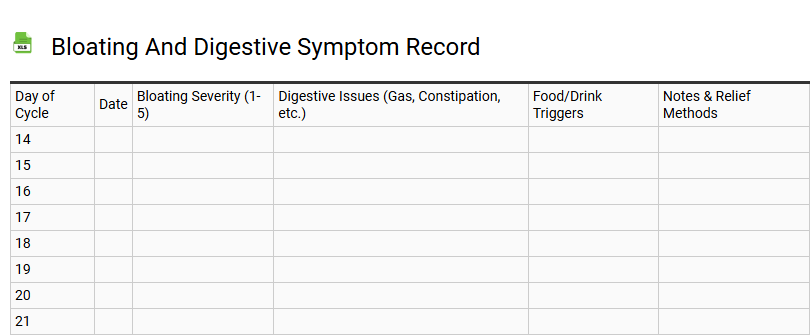
💾 Bloating and Digestive Symptom Record .xls
A comprehensive bloating and digestive symptom record serves as a vital tool for identifying personal trigger foods and managing gastrointestinal health. By consistently documenting daily food intake, meal timing, and subsequent abdominal discomfort, individuals can pinpoint patterns related to excessive gas, distension, and bowel movements. This symptom log facilitates data-driven discussions with healthcare providers regarding food intolerances, irritable bowel syndrome (IBS), or gut microbiome imbalances. Effective tracking includes monitoring stool consistency and noting lifestyle factors like stress or hydration. Utilizing a structured nutrition diary helps correlate specific fermentable carbohydrates with digestive tract responses. Ultimately, this detailed digestive health tracker empowers users to optimize dietary habits, reduce intestinal pressure, and improve overall metabolic wellness through precise, evidence-based monitoring of their unique physiological reactions to various nutrients and lifestyle variables.
Sleep and Fatigue Analysis Sheet
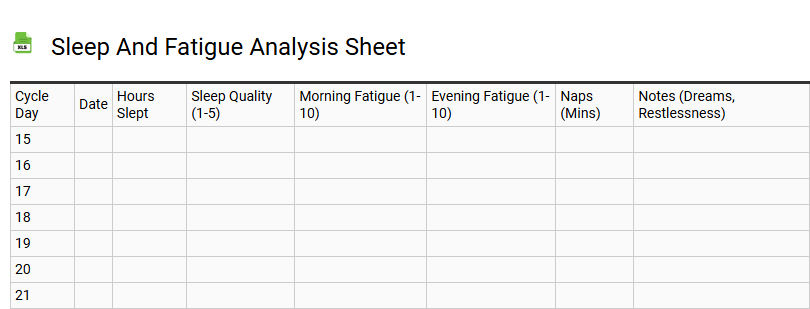
💾 Sleep and Fatigue Analysis Sheet .xls
A Sleep and Fatigue Analysis Sheet serves as a systematic log for monitoring rest cycles and daily energy expenditure. This structured document enables individuals to track specific metrics such as total hours of slumber, sleep onset latency, and perceived restfulness upon waking. By documenting daytime drowsiness alongside physical or mental exertion, the sheet highlights patterns that contribute to chronic exhaustion or peak performance.
Effective templates typically include sections for:
- Rest Duration: Precise tracking of bedtime and wake-up times.
- Quality Assessments: Rating the depth of sleep and frequency of interruptions.
- Fatigue Indicators: Measuring alertness levels at various intervals throughout the day.
- External Variables: Recording caffeine intake, screen time, and stress levels.
Analyzing this data facilitates informed adjustments to lifestyle habits, helping to restore natural circadian rhythms and improve overall vitality.
Physical Activity and Energy Level Planner
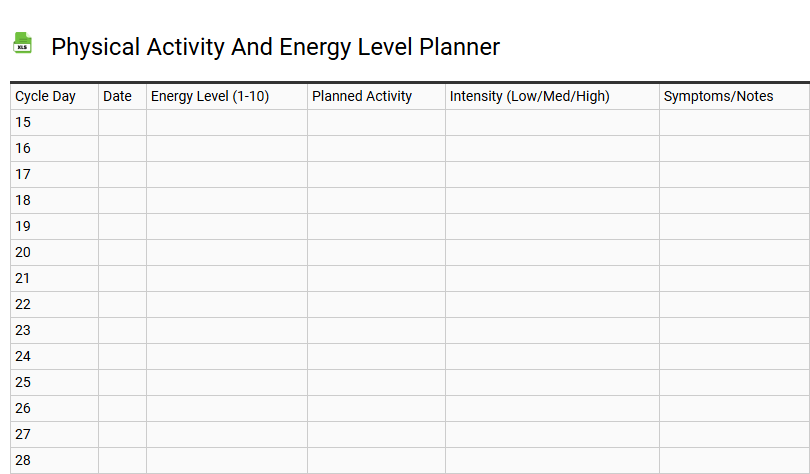
💾 Physical Activity and Energy Level Planner .xls
A comprehensive physical activity and energy level planner serves as a strategic tool for optimizing metabolic health and daily vitality. By documenting fitness routines, users can effectively synchronize high-intensity training or strength conditioning with their natural diurnal rhythms. This tracking template prioritizes fatigue management and recovery protocols, ensuring consistent performance peaks while minimizing sedentary behavior.
- Biometric Data: Monitor heart rate variability and caloric expenditure.
- Movement Logs: Track aerobic capacity and muscle recovery phases.
- Stamina Mapping: Align demanding tasks with peak metabolic efficiency.
Integrating periodization and movement tracking facilitates better stamina and long-term wellness. By analyzing the correlation between physical exertion and energy fluctuations, individuals can refine their wellness programming, balance macronutrient timing, and achieve sustainable athletic performance through data-driven habit formation.
Appetite and Food Craving Log
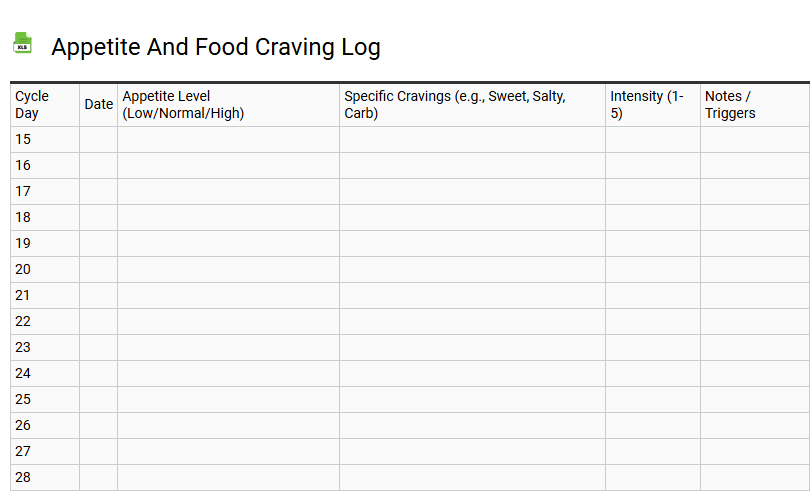
💾 Appetite and Food Craving Log .xls
An appetite and food craving log serves as a vital behavioral tool for identifying nutritional deficiencies and emotional eating patterns. By tracking hunger cues and satiety levels within a daily food diary, individuals can distinguish between physiological necessity and psychological triggers. This self-monitoring template helps pinpoint dietary intake trends, such as sugar addiction or sodium cravings, which are often linked to cortisol spikes or sleep deprivation.
Utilizing a habit tracker approach encourages mindful eating, allowing you to observe blood glucose fluctuations and metabolic responses to specific macronutrients. Consistency in meal logging aids in binge prevention and supports sustainable weight management. By documenting hydration, mood, and fullness scales, users gain actionable insights into their eating behaviors, fostering a healthier relationship with nourishment and long-term wellness goals.
Skin and Acne Monthly Tracker
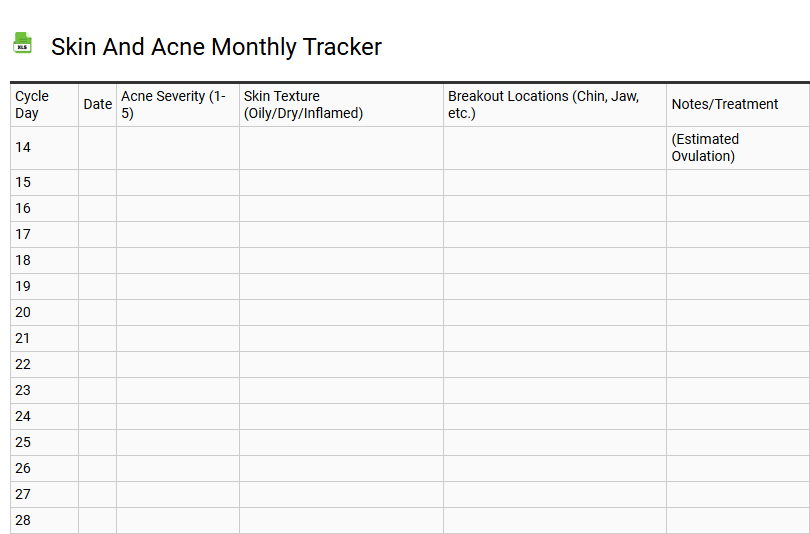
💾 Skin and Acne Monthly Tracker .xls
Utilizing a Skin and Acne Monthly Tracker is essential for identifying patterns in dermal health and breakout triggers. This comprehensive log allows individuals to monitor sebum production, inflammation levels, and the frequency of cystic acne or closed comedones. By documenting daily skincare routines alongside external factors like dietary intake, stress, and hormonal fluctuations, users gain insight into their skin barrier function. Tracking the menstrual cycle provides clarity on hormonal acne cycles, while noting topical treatments helps evaluate product efficacy. Persistent recording aids in identifying post-inflammatory hyperpigmentation (PIH) fading and overall skin texture improvements. This data-driven approach empowers users to refine their dermatological care, optimize hydration, and manage flare-ups effectively, ensuring a proactive strategy for achieving a clear, radiant complexion through consistent self-monitoring.
Breast Tenderness and Physical Pain Diary
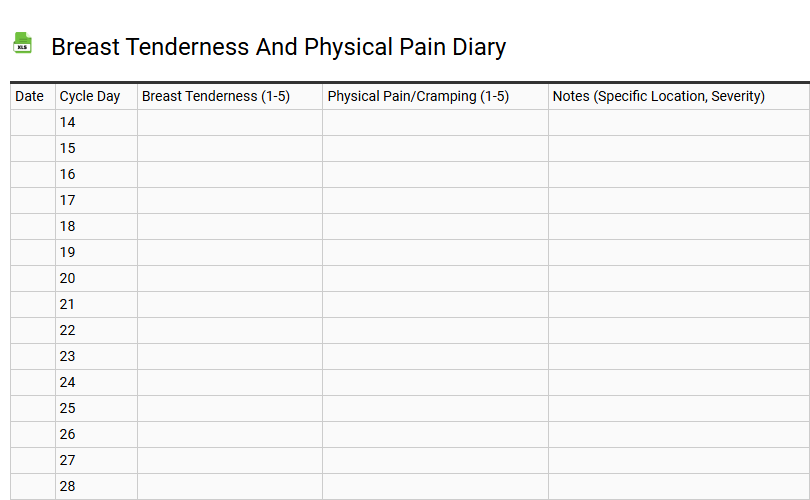
💾 Breast Tenderness and Physical Pain Diary .xls
Utilizing a specialized breast tenderness and physical pain diary serves as a vital diagnostic tool for monitoring hormonal fluctuations throughout the menstrual cycle. This systematic log allows individuals to record mastalgia intensity using a standardized numerical scale, helping to distinguish between cyclical and non-cyclical breast pain.
By documenting symptom duration, localized swelling, and specific triggers like caffeine intake or stress levels, users can identify patterns linked to estrogen and progesterone shifts. Tracking these physical sensations alongside ovulation and premenstrual phases provides healthcare providers with actionable data for managing PMS symptoms or fibrocystic changes. Consistent entries facilitate a comprehensive overview of reproductive wellness trends, ensuring accurate communication during clinical evaluations and assisting in the development of personalized pain management strategies for long-term hormonal health and comfort.
Headache and Migraine Frequency Chart
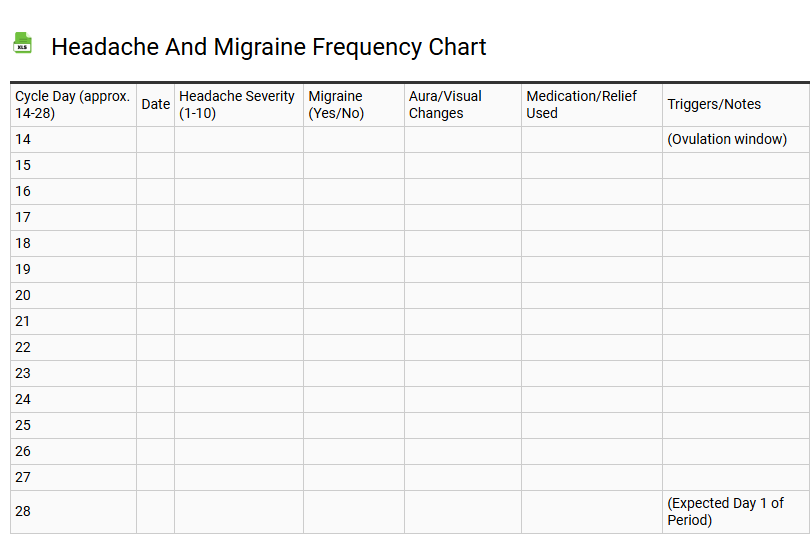
💾 Headache and Migraine Frequency Chart .xls
A headache and migraine frequency chart serves as a vital diagnostic tool for tracking recurring neurological episodes. By maintaining a comprehensive migraine diary, patients can systematically record specific environmental triggers, pain intensity levels, and the duration of each attack. Utilizing a structured headache log assists in identifying aura symptoms, prodrome phases, and the efficacy of various abortive medications.
This symptom tracking template enables healthcare providers to discern chronic pain patterns and differentiate between tension headaches and vestibular migraine episodes. Consistently logging frequency and associated symptoms-such as photophobia or nausea-provides clinical data essential for personalized preventative treatment plans. Whether managing cluster headaches or hormonal triggers, a detailed digital tracker or printable journal empowers individuals to communicate effectively with their neurologist to achieve long-term migraine relief and improved quality of life.
Stress and Cortisol Management Log
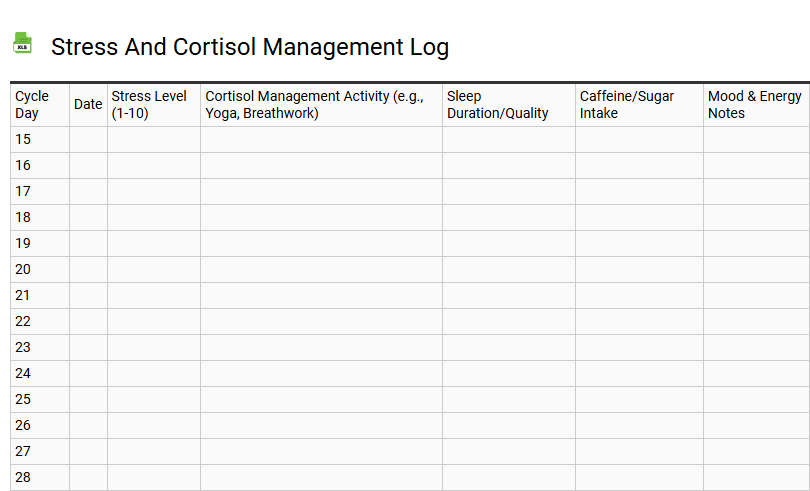
💾 Stress and Cortisol Management Log .xls
A Stress and Cortisol Management Log serves as a vital instrument for optimizing adrenal health and maintaining systemic hormone balance. By documenting daily physiological responses and identifying environmental triggers, this template helps users visualize their diurnal rhythm. Monitoring chronic stress levels alongside sleep patterns and nutrition provides actionable data-driven insights into how lifestyle affects cortisol production.
This wellness tracking tool encourages the integration of mindfulness and recovery strategies to recalibrate the body's biological clock. Utilizing a consistent logging system empowers individuals to identify fluctuations in energy and mood, facilitating targeted interventions for better mental clarity. By focusing on hormonal regulation and proactive stress reduction, users can foster long-term resilience and physical well-being through precise, longitudinal self-observation and habit adjustment.
Cognitive Function and Brain Fog Tracker
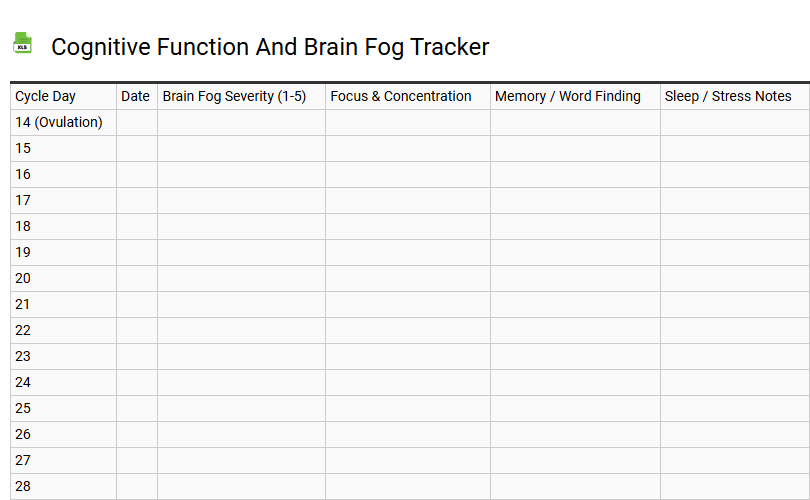
💾 Cognitive Function and Brain Fog Tracker .xls
Maximize your mental clarity and executive function using this comprehensive tracking template. By implementing consistent daily logging, you can identify underlying patterns in cognitive fatigue and fluctuating focus levels. This tool integrates symptom management strategies with data visualization to highlight long-term health trends.
Users can monitor circadian rhythm, nutritional impact, and memory retention to understand how external stressors influence neuroplasticity. Whether you are navigating neurodivergence or seeking productivity optimization, this tracker provides the structural framework needed to mitigate brain fog. Gain actionable insights into your mental performance and stabilize your daily energy by analyzing the direct correlation between lifestyle choices and overall cognitive health.
Luteal Phase Length and Consistency Table
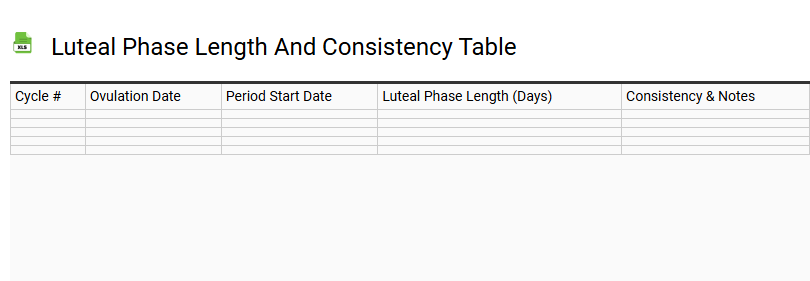
💾 Luteal Phase Length and Consistency Table .xls
The luteal phase represents the interval between ovulation and the onset of menstruation. Monitoring this timeframe is essential for understanding reproductive health and hormonal stability. This template organizes cycle data by tracking the duration of the phase across consecutive months to identify patterns.
A consistent length, typically ranging from eleven to seventeen days, signifies healthy progesterone production and a stable uterine environment. By logging the date of ovulation and the first day of the subsequent period, users can calculate variances or identify significant shifts.
Fluctuations in these values may reflect environmental stressors, nutritional changes, or shifts in fertility status. Using a structured table facilitates a clear visualization of trends, helping individuals and practitioners assess regularity with precision. This format ensures that critical biological markers remain organized for long-term health comparisons.
Medication and Supplement Effectiveness Log
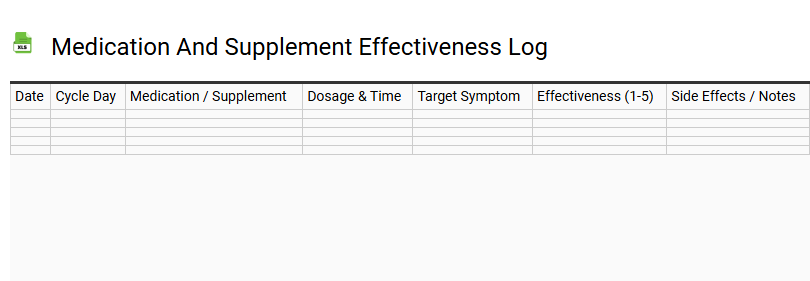
💾 Medication and Supplement Effectiveness Log .xls
A medication and supplement effectiveness log serves as a vital health journal for monitoring treatment efficacy and daily wellness. By utilizing this structured template, patients can meticulously track dosage timing, nutritional intake, and specific therapeutic responses.
Recording consistent data regarding symptom relief and potential side effects establishes a clear pharmacological baseline. This systematic approach improves patient outcomes by identifying patterns in medication adherence and potential drug-supplement interactions.
Whether managing chronic conditions or optimizing a vitamin regimen, this supplement tracker provides essential health data for clinical consultations. Integrating this pill organizer methodology ensures precise pharmacovigilance and personalized therapeutic oversight, empowering users to make informed decisions about their long-term recovery and biological performance.
This comprehensive guide provides a structured template for a Luteal Phase Symptom Diary, an essential tool for tracking hormonal fluctuations. By meticulously logging daily mood changes, physical discomfort, and energy levels, you can identify patterns linked to PMDD or PMS. Utilizing this cycle monitoring approach empowers you to share precise data with healthcare providers, optimizing progesterone management. Start your menstrual health journey today by using this health logging framework to gain clinical insights and improve your overall emotional well-being.