
Marathon Walk Training Tracker Template and Schedule
Embarking on a long-distance endurance event requires meticulous progress monitoring and discipline. A specialized marathon walk training tracker serves as a vital tool for documenting mileage, pacing, and daily step count. By following a structured training schedule, walkers can effectively manage physical exertion while steadily increasing their aerobic capacity to reach specific fitness goals. This template simplifies your preparation, ensuring every mile logged contributes to peak performance on race day. Explore our selection and check the already made variation of templates below.
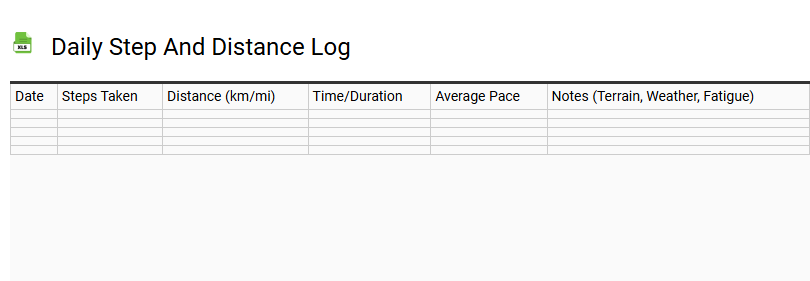
Daily Step and Distance Log
💾 Daily Step and Distance Log .xls
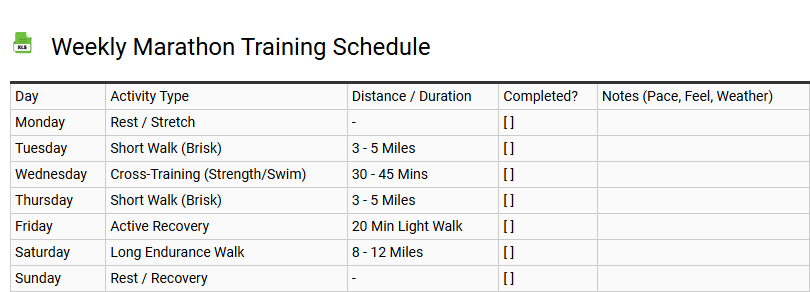
Weekly Marathon Training Schedule
💾 Weekly Marathon Training Schedule .xls
A structured weekly marathon training schedule organizes physical preparation into manageable daily blocks. This framework balances high-intensity speed work with low-impact recovery sessions to build cardiovascular endurance safely. By alternating between aerobic base-building runs and specialized interval training, athletes enhance oxygen efficiency while minimizing the risk of overuse injuries.
The template typically prioritizes a long-distance run once per week to prepare the body for the physiological demands of race day. Incorporating dedicated rest periods ensures muscular repair and prevents burnout. Following this routine allows for a gradual increase in mileage, helping you reach peak performance capacity. Whether aiming for a personal best or completing a first race, this organized approach provides the discipline necessary for long-term athletic success and metabolic adaptation.
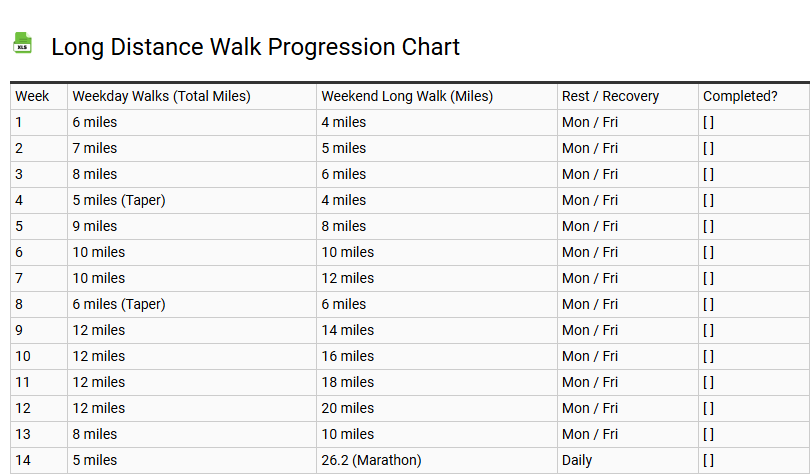
Long Distance Walk Progression Chart
💾 Long Distance Walk Progression Chart .xls
A long distance walk progression chart serves as a vital framework for building endurance and stamina safely. This structured training schedule monitors daily mileage and step count, utilizing gradual distance increments to enhance cardiovascular fitness. By documenting progress in a training log, walkers can analyze their pacing and aerobic capacity while ensuring adequate recovery periods to prevent overuse injuries. This template is designed for physical conditioning, focusing on biomechanics and periodization for upcoming trekking or hiking challenges. Integrating intensity adjustments based on heart rate and perceived exertion ensures a safe transition from base building to peak performance. Utilizing this data-driven approach fosters accountability, allowing participants to visualize their fitness trajectory and achieve long-range goals with optimal efficiency and muscular adaptation.
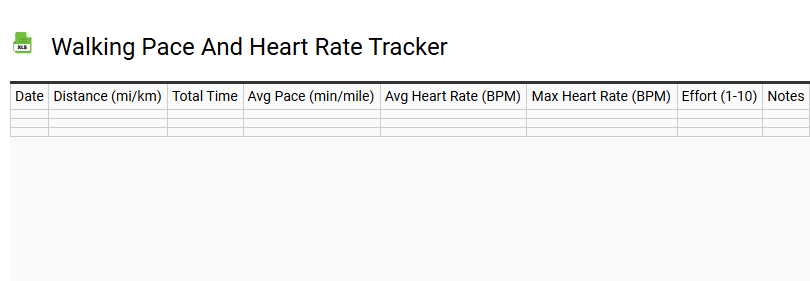
Walking Pace and Heart Rate Tracker
💾 Walking Pace and Heart Rate Tracker .xls
This walking pace and heart rate tracker serves as a comprehensive tool for monitoring daily physical activity and cardiovascular health. By recording gait speed, pulse rate, and distance covered, fitness enthusiasts can accurately gauge their exertion levels during various walking intensities.
Monitoring your beats per minute (BPM) alongside your average velocity ensures you remain within optimal aerobic zones for weight management and endurance building. Use this template to log step count, duration, and elevation changes, transforming raw data into actionable insights for cardiorespiratory fitness.
Whether you are focused on brisk walking or steady-state recovery, tracking these biometric metrics helps identify performance trends and improves overall metabolic health. This structured activity log is essential for optimizing your fitness regime and achieving long-term wellness goals through consistent, data-driven progress.
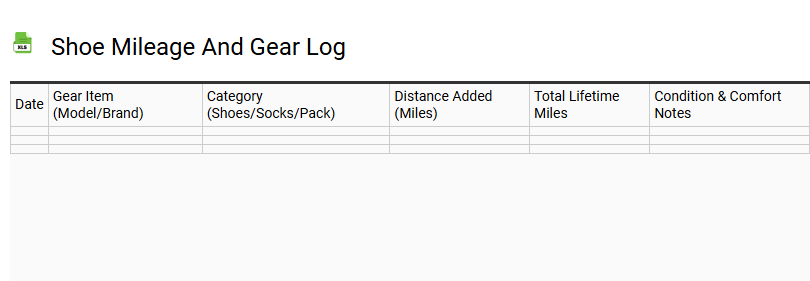
Shoe Mileage and Gear Log
💾 Shoe Mileage and Gear Log .xls
A comprehensive shoe mileage and gear log is a vital tool for optimizing athletic performance and ensuring injury prevention. By systematically tracking the distance accumulated on specific running shoes, athletes can monitor midsole degradation and outsole wear patterns. Utilizing a structured footwear rotation strategy extends the lifespan of your gear while maintaining consistent cushioning and energy return.
- Monitor cumulative mileage to trigger timely replacements.
- Track gear durability across various terrains and weather conditions.
- Analyze gait mechanics relative to footwear lifespan.
- Maintain a maintenance schedule for technical apparel and hydration systems.
Implementing this odometer for gear helps identify the precise moment shock absorption diminishes, protecting your joints and improving overall running economy through data-driven equipment management. Logging these variables ensures you retire worn-out trainers before they compromise your biomechanics.
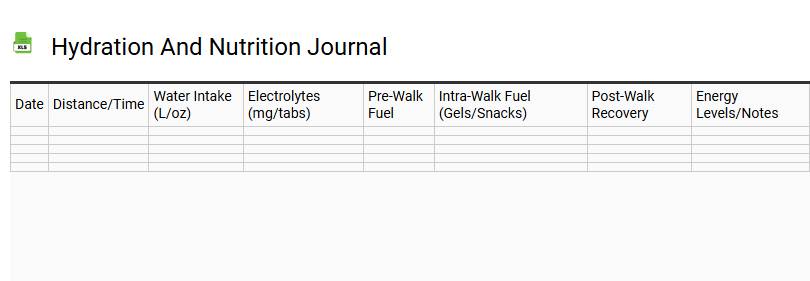
Hydration and Nutrition Journal
💾 Hydration and Nutrition Journal .xls
Utilizing a comprehensive hydration and nutrition journal template is essential for achieving precise dietary tracking and metabolic optimization. This structured tool allows individuals to monitor macronutrient distribution-balancing proteins, healthy fats, and carbohydrates-while ensuring adequate micronutrient density. By maintaining a consistent food diary, users can analyze the correlation between caloric intake and daily energy expenditure.
Effective templates prioritize fluid intake monitoring to maintain electrolyte balance and support cellular detoxification. Key features often include:
- Tracking daily water consumption and hydration requirements.
- Logging bio-individual responses to specific food groups.
- Assessing nutrient-dense meal patterns and satiety.
- Monitoring progress toward specific wellness goals.
This systematic approach to wellness logging fosters accountability, helping users fine-tune their nutritional strategies for long-term health, weight management, and peak physical performance through data-driven insights.
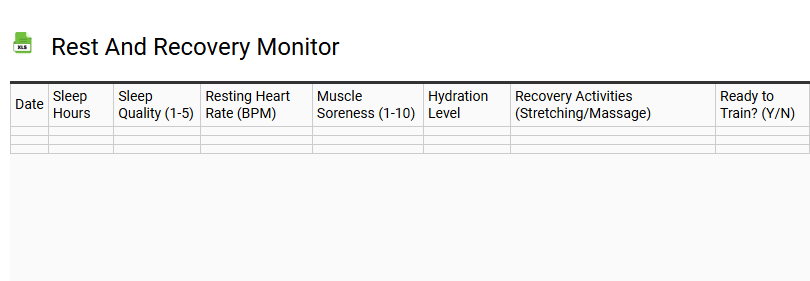
Rest and Recovery Monitor
💾 Rest and Recovery Monitor .xls
A Rest and Recovery Monitor serves as a vital diagnostic tool for balancing physical exertion with physiological restoration. This template leverages biometric data, such as heart rate variability (HRV) and sleep quality, to calculate a precise recovery score. By meticulously tracking training load and muscle soreness, users can effectively mitigate physiological stress and prioritize burnout prevention.
Integrating this framework into a daily routine facilitates performance optimization through evidence-based wellness tracking. Key metrics included in the template often feature:
- Resting heart rate fluctuations.
- Subjective perceived exertion levels.
- Hydration and nutritional metabolic recovery.
Utilizing these insights ensures that athletes and fitness enthusiasts synchronize their intensity with their body's actual readiness, fostering long-term health and peak functional capacity.
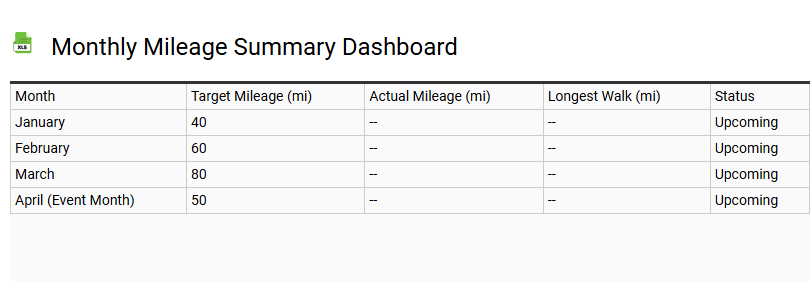
Monthly Mileage Summary Dashboard
💾 Monthly Mileage Summary Dashboard .xls
This Monthly Mileage Summary Dashboard provides a comprehensive solution for fleet management and vehicle tracking. By centralizing odometer readings and trip logs, users gain actionable insights into fuel consumption and travel expenses. This template is engineered for tax compliance and mileage reimbursement, ensuring every business mile is accurately recorded for IRS audits.
- Data Visualization: Analyze fuel efficiency and driver performance through interactive charts and key performance indicators.
- Expense Tracking: Monitor operational costs and tax-deductible expenses effortlessly within a unified interface.
- Automated Summaries: Generate monthly reports for distance tracking and logbook maintenance to streamline administrative tasks.
Optimize your transportation logistics by identifying trends in vehicle maintenance and route efficiency. This dashboard transforms raw telematics data into a strategic asset for reducing overhead costs and improving fleet productivity.
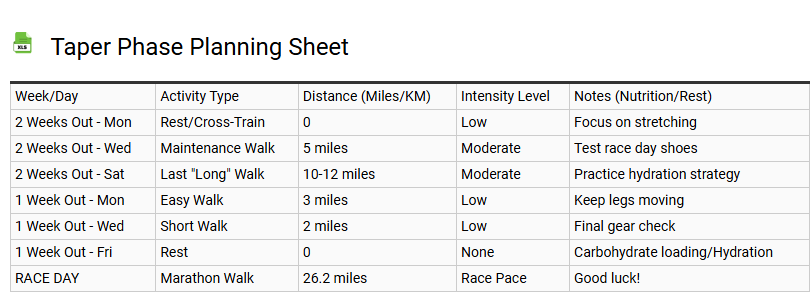
Taper Phase Planning Sheet
💾 Taper Phase Planning Sheet .xls
A Taper Phase Planning Sheet is a critical strategic tool designed to facilitate peak athletic performance by systematically reducing training volume. This template focuses on physiological recovery, allowing glycogen stores to replenish while mitigating neuromuscular fatigue accumulated during high-intensity blocks. By utilizing a structured deloading protocol, athletes maintain specific training intensity to preserve aerobic capacity and muscular power.
Key components of an effective tapering cycle include:
- Volume Reduction: A gradual decrease in mileage or repetitions to ensure fresh legs.
- Intensity Maintenance: Keeping high-effort sessions to prevent detraining effects.
- Supercompensation: Timing the physiological peak for race day or competition.
- Psychological Readiness: Enhancing confidence and reducing perceived exertion.
Whether preparing for a marathon or a strength event, this planning sheet optimizes cardiorespiratory efficiency and ensures the body reaches its maximal output potential through precise tapering duration adjustments.
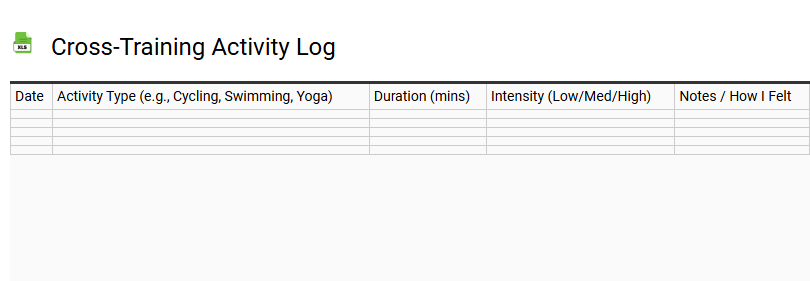
Cross-Training Activity Log
💾 Cross-Training Activity Log .xls
A cross-training activity log serves as a vital tool for athletes aiming to optimize their physical conditioning and athletic performance. By documenting diverse workouts-such as cycling, swimming, or strength training-this template facilitates comprehensive fitness tracking beyond a primary sport. Utilizing a structured log helps maintain muscular balance and enhances aerobic capacity while ensuring routine variability to prevent plateaus.
This systematic record allows for precise monitoring of training volume and intensity, which is essential for effective injury prevention and managing recovery phases. Incorporating a multi-disciplinary approach through this data-driven resource ensures that performance metrics are consistently analyzed. Ultimately, maintaining a detailed activity log supports long-term progression and helps individuals achieve a well-rounded physiological foundation, making it an indispensable asset for a holistic and sustainable fitness journey.
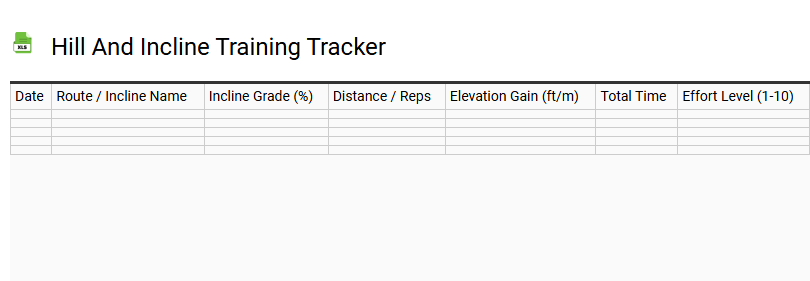
Hill and Incline Training Tracker
💾 Hill and Incline Training Tracker .xls
Optimize your vertical gains with this comprehensive Hill and Incline Training Tracker. Designed for trail runners and endurance athletes, this template monitors essential performance metrics including elevation gain, gradient percentage, and vertical ascent. By logging specific climbing intervals and recovery sets, users can systematically improve cardiovascular endurance and posterior chain leg strength. Tracking metabolic demand through steep repetitions enhances aerobic capacity and muscular stamina.
Use this workout log to analyze progress across varying terrains or treadmill incline settings, ensuring progressive overload in every session. Whether focusing on short power bursts or long-distance mountain simulation, this structured digital log simplifies data entry for heart rate zones and pace adjustments. Mastering gravity requires precision; document your ascent, monitor recovery heart rate, and accelerate your peak performance through strategic incline programming and consistent intensity modulation.
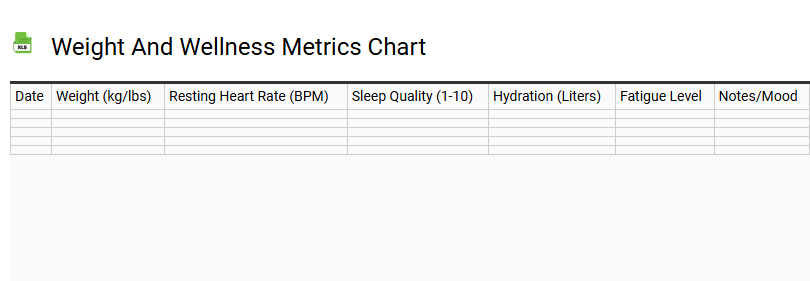
Weight and Wellness Metrics Chart
💾 Weight and Wellness Metrics Chart .xls
Utilizing a comprehensive Weight and Wellness Metrics Chart is essential for data-driven health monitoring. This specialized template facilitates the precise tracking of body composition variables, including body mass index (BMI), body fat percentage, and lean muscle mass. By consistently logging these physiological markers, individuals gain actionable insights into their fitness journey and metabolic health. Beyond simple weight fluctuations, the chart captures critical data such as hydration levels, visceral fat, and basal metabolic rate (BMR). Integrating these metrics allows for a holistic assessment of physical progress, enabling users to adjust nutrition and exercise routines effectively. Monitoring waist-to-hip ratios and daily activity levels through structured documentation fosters accountability and long-term wellness. This analytical approach ensures that every lifestyle modification is backed by quantifiable evidence, optimizing the path toward peak physical performance and sustainable vitality.
Step Count to Mileage Converter
💾 Step Count to Mileage Converter .xls
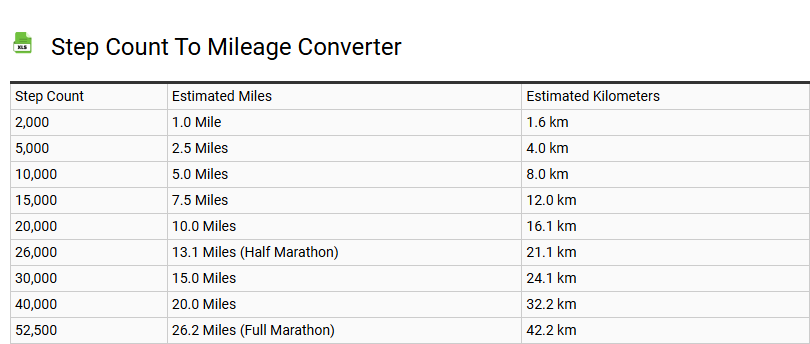
Efficiently monitor your physical activity by transforming daily totals into actionable data using a step count to mileage converter. Whether you utilize a pedometer, smartwatch, or mobile fitness app, understanding the relationship between stride length and total walking distance is vital for achieving your health goals.
Our tool streamlines the conversion formula, typically based on an average step length of 2.1 to 2.5 feet. By calculating the precise mileage from your step count, you can accurately track cardiovascular progress and calorie expenditure. Key benefits of this conversion include:
- Tracking activity levels across different terrains.
- Quantifying aerobic exercise for weight management.
- Translating pedometer data into tangible distance metrics.
Optimize your fitness routine by converting every movement into measurable miles, ensuring you stay consistent with your long-term wellness objectives and daily movement targets.
Marathon Countdown Calendar
💾 Marathon Countdown Calendar .xls
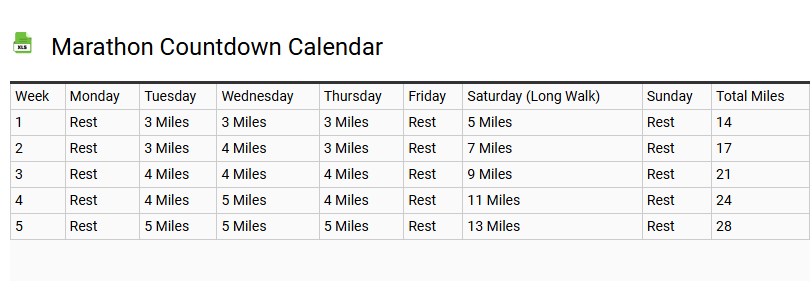
A marathon countdown calendar template serves as a vital blueprint for runners targeting the iconic 26.2-mile distance. This structured training plan helps athletes visualize their progression throughout a multi-week running schedule. By tracking daily mileage, long runs, and essential cross-training sessions, users ensure peak physical conditioning for race day.
Effective templates incorporate tapering periods to optimize muscle recovery and prevent injury before reaching the starting line. These digital or printable tools facilitate performance monitoring, allowing marathoners to log pace targets and rest days meticulously. Utilizing a visual countdown fosters mental toughness and sustained motivation, keeping your fitness goals aligned with your endurance strategy. Whether you are a novice or an elite athlete, a dedicated event tracker simplifies the complexities of marathon preparation, turning a daunting training block into achievable daily milestones.
Recovery and Injury Prevention Log
💾 Recovery and Injury Prevention Log .xls
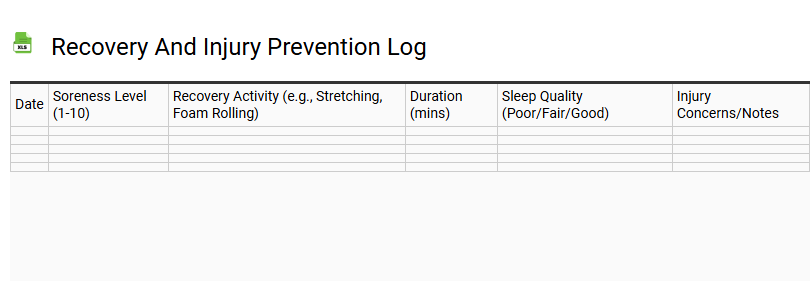
A structured recovery and injury prevention log is a vital tool for performance optimization and long-term musculoskeletal health. By systematically tracking training load and physiological stressors, athletes can identify early warning signs of overtraining. This template focuses on monitoring muscle soreness (DOMS), sleep quality, and hydration levels to ensure peak systemic readiness.
- Mobility Drills: Record daily range of motion exercises and dynamic stretching routines to maintain joint integrity.
- Tissue Health: Document foam rolling, myofascial release, or other soft tissue interventions utilized.
- Wellness Metrics: Log perceived exertion, fatigue levels, and specific localized pain points.
- Active Recovery: Track low-intensity movements designed to promote blood flow and metabolic clearance.
Consistent documentation facilitates injury mitigation and informs necessary adjustments to training volume. Using this data-driven approach enhances physical therapy outcomes and promotes sustainable athletic longevity through proactive wellness management.
This Marathon Walk Training Tracker offers a comprehensive framework for athletes to monitor their endurance walking progress. By documenting daily mileage logs, pacing strategies, and recovery phases, users can effectively optimize their physical preparation for long-distance events. This tool simplifies goal setting while ensuring consistent hydration tracking and injury prevention.
Integrating this structured training schedule guarantees measurable fitness gains. Download our template today to master your stamina and successfully navigate your upcoming 26.2-mile journey with total confidence.