
Medication Side Effect Tracking Template: A Practical Guide for Patients
Effective healthcare management demands precise documentation. A dedicated medication side effect log acts as a vital symptom journal for tracking adverse reactions, dosage timing, and potential drug interactions. By maintaining a detailed health diary, patients can improve pharmacovigilance and enhance communication with providers regarding treatment efficacy. This structured approach ensures patient safety while monitoring prescription drugs and therapeutic responses. Please check our professionally designed variations of this template below.
Daily Side Effect Diary
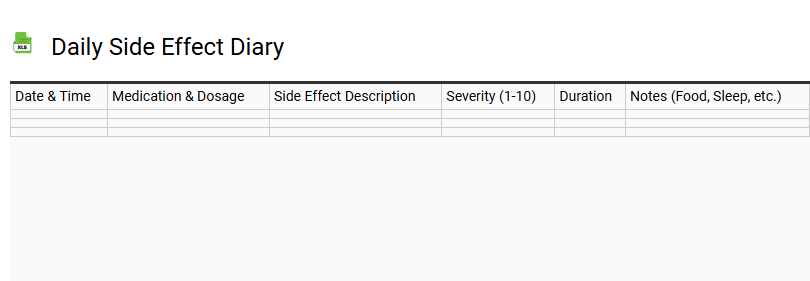
💾 Daily Side Effect Diary .xls
A daily side effect diary serves as a vital clinical tool for systematic health monitoring and medication management. By utilizing this structured template, patients can document adverse reactions, symptom severity, and dosage timing with precision. This organized approach enhances physician communication, allowing healthcare providers to evaluate treatment efficacy and identify potential drug interactions.
Incorporating a severity scale and onset frequency helps maintain an accurate patient health record. Whether managing chronic conditions or starting new pharmacological interventions, these clinical logs ensure rigorous pharmacovigilance and improved therapeutic outcomes. Consistent tracking of physiological responses facilitates data-driven adjustments to care plans, optimizing overall safety. This comprehensive log acts as an essential bridge between subjective patient experiences and objective medical assessment, ensuring every nuanced symptom is captured for professional symptom management.
Symptom and Medication Correlation Tracker
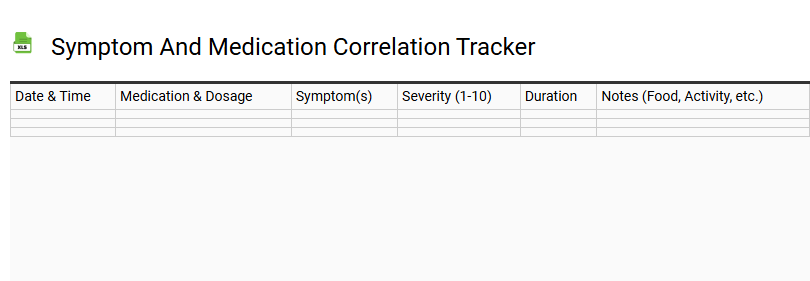
💾 Symptom and Medication Correlation Tracker .xls
A Symptom and Medication Correlation Tracker serves as a comprehensive health diary for monitoring the direct relationship between pharmacological interventions and physiological responses. This systematic tracking log enables patients to document dosage patterns alongside symptom intensity, helping to identify medication efficacy or potential adverse reactions in real-time.
Utilizing this template facilitates improved clinical outcomes by organizing patient data into a chronological medical history. Key advantages of this tool include:
- Mapping pharmacological responses to specific treatments.
- Identifying triggers and trends for chronic conditions.
- Enhancing health monitoring for precise adjustments by a healthcare provider.
- Streamlining the wellness journey through data-driven insights.
By maintaining an accurate record of health metrics, individuals can visualize correlations, ensure patient safety, and optimize their treatment plans for better long-term health management.
Medication Tolerance Log
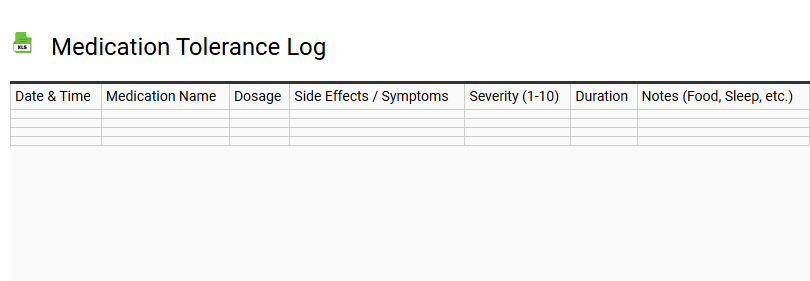
💾 Medication Tolerance Log .xls
A medication tolerance log serves as a vital clinical instrument for documenting individual pharmacological responses to prescribed treatments. This structured template facilitates systematic dosage tracking and the monitoring of potential adverse reactions, ensuring enhanced patient safety. By recording specific side effects, symptom severity, and drug efficacy, healthcare providers can make informed treatment adjustments during the titration process.
Utilizing a comprehensive log improves medication management by capturing real-time clinical observations and physiological trends. Key data points include administration frequency, therapeutic outcomes, and any pharmacological interactions encountered. This proactive approach to health record maintenance empowers patients to communicate effectively with medical professionals, optimizing therapeutic protocols based on precise symptom monitoring. Consistent documentation of your body's unique drug tolerance is essential for achieving long-term wellness and minimizing risks associated with complex pharmaceutical regimens.
Weekly Adverse Reaction Journal
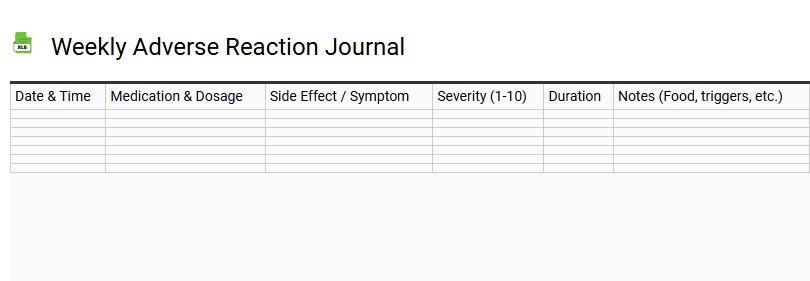
💾 Weekly Adverse Reaction Journal .xls
A Weekly Adverse Reaction Journal serves as a vital medication tracking tool designed to document adverse drug events and potential side effects with precision. This specialized health diary enables patients to monitor their therapeutic response and drug safety over a consistent seven-day interval.
By utilizing this template for symptom logging, individuals can record clinical observations, including symptom severity, duration, and dosage adjustments. This systematic approach to health monitoring enhances pharmacovigilance, providing healthcare providers with actionable data for treatment optimization. Maintaining a detailed medication log ensures that allergic reactions or sensitivities are identified early, facilitating informed medical consultations. This patient reporting framework is essential for managing chronic conditions and ensuring long-term wellness through diligent symptom tracking and data-driven health management.
Side Effect Intensity and Frequency Chart
💾 Side Effect Intensity and Frequency Chart .xls
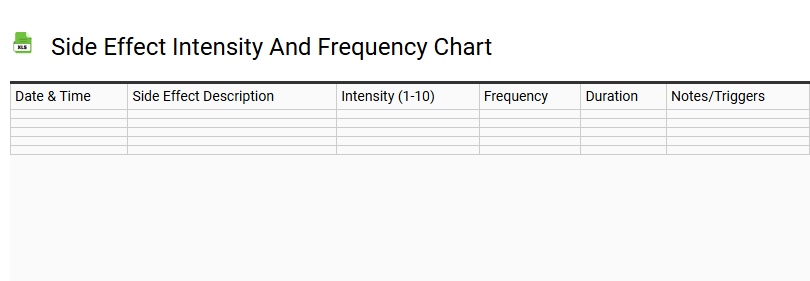
A Side Effect Intensity and Frequency Chart serves as a vital instrument for systematic clinical monitoring and enhancing patient safety. This template facilitates the precise documentation of adverse reactions, allowing healthcare providers to evaluate drug tolerability through a structured symptom severity scale. By tracking the occurrence rate of specific health changes, clinicians can differentiate between common side effects and rare complications.
Utilizing this data-driven approach supports effective medication management and informs necessary dosage adjustments. Key benefits of this tracking log include:
- Improved pharmacovigilance protocols.
- Enhanced therapeutic outcomes via longitudinal observation.
- Clear visualization of symptom duration and intensity.
Implementing this pharmacological response tool ensures a comprehensive overview of a patient's well-being, fostering proactive intervention and optimized treatment strategies.
Long-term Medication Response Log
💾 Long-term Medication Response Log .xls
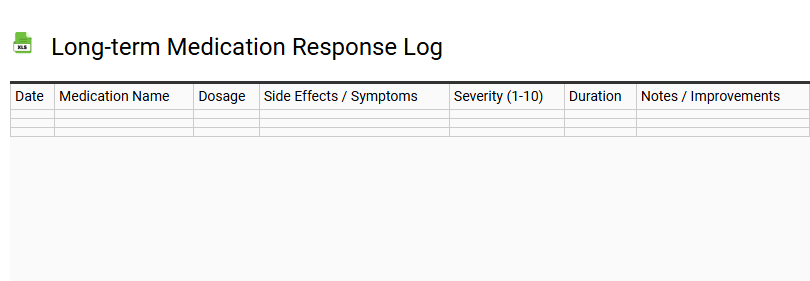
A long-term medication response log functions as a structured history of how a body interacts with a specific treatment plan over weeks or months. This tool captures the relationship between dosage adjustments and physical or emotional changes, providing a clear narrative for healthcare consultations.
To maximize the utility of the log, consistently record the following data points:
- Dosage and Timing: The exact amount taken and the precise time of administration.
- Symptom Tracking: Measurable changes in the severity or frequency of the condition being treated.
- Side Effects: Any new or unusual physiological reactions experienced after intake.
- External Factors: Diet, sleep quality, or stress levels that may influence the efficacy of the treatment.
Organizing this information chronologically assists medical providers in identifying trends, refining prescriptions, and achieving optimal therapeutic results through evidence-based adjustments.
Medication Adjustment Symptom Tracker
💾 Medication Adjustment Symptom Tracker .xls
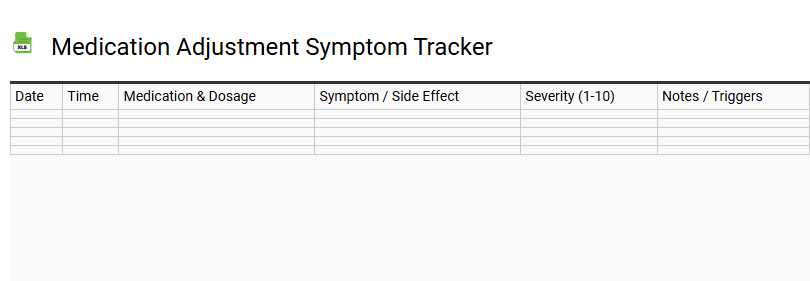
A Medication Adjustment Symptom Tracker serves as a vital instrument for monitoring the titration process and overall treatment efficacy. When transitioning to new prescriptions or modifying current doses, maintaining a detailed health log allows patients to capture real-time clinical observations. This template facilitates the systematic recording of symptom severity, potential side effects, and mood fluctuations relative to dosage timing.
- Identify adverse reactions early for proactive side effect management.
- Track wellness trends and therapeutic responses over specific durations.
- Provide healthcare providers with accurate biometric data for informed decision-making.
By documenting baseline health metrics and daily physiological changes, users can differentiate between temporary adjustment periods and long-term medication intolerance. Using a patient diary approach ensures a safer, data-driven path toward optimal wellness outcomes and pharmaceutical stability during any dosage modification phase.
Drug Interaction and Side Effect Monitor
💾 Drug Interaction and Side Effect Monitor .xls
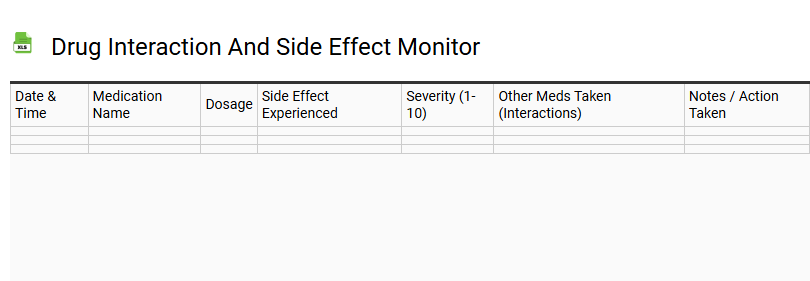
This Drug Interaction and Side Effect Monitor serves as a sophisticated clinical decision support tool designed to enhance medication safety and pharmacovigilance. By analyzing complex pharmacology profiles, the template identifies potential drug-to-drug interactions and contraindications that could jeopardize patient safety. It is engineered to track adverse drug reactions (ADRs) and monitor therapeutic efficacy in real-time.
Key functional capabilities include:
- Evaluation of polypharmacy risks and pharmacokinetics.
- Detection of synergistic effects and drug-food interactions.
- Streamlining prescription management to prevent medication errors.
Optimizing this workflow ensures rigorous dosage oversight and improves clinical outcomes. By maintaining a centralized medication reconciliation log, healthcare providers can proactively manage toxicity levels and ensure patient compliance within any healthcare informatics ecosystem.
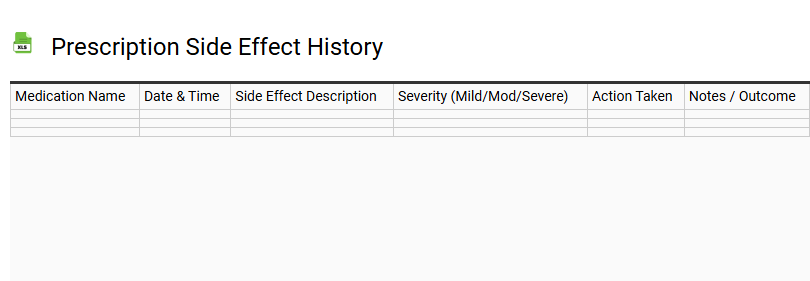
Prescription Side Effect History
💾 Prescription Side Effect History .xls
This Prescription Side Effect History template provides a structured framework for documenting adverse drug reactions (ADRs) and patient sensitivities. By maintaining a detailed pharmaceutical history, healthcare providers can enhance medication safety and identify patterns of drug intolerance or allergic hypersensitivity. This clinical tool captures essential data points, including symptom onset, severity, and duration, which are critical for informed therapeutic monitoring and precise dosage adjustments.
Integrating these patient records into routine practice helps mitigate risks associated with contraindications and improves healthcare compliance. Using a standardized format for medication management ensures that idiosyncratic responses are distinguished from expected pharmacological effects. Ultimately, this documentation supports long-term pharmacovigilance and optimizes treatment outcomes by ensuring a comprehensive overview of a patient's unique pharmacological profile and historical medication efficacy.
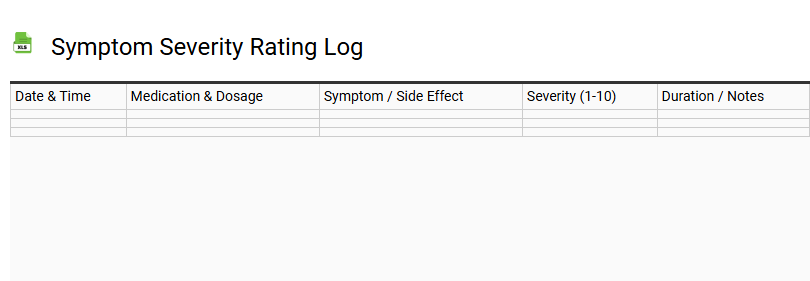
Symptom Severity Rating Log
💾 Symptom Severity Rating Log .xls
A symptom severity rating log serves as a vital health tracking tool for individuals managing chronic conditions or recovering from acute illness. By utilizing a standardized numerical scale or pain intensity metrics, patients can record daily fluctuations in their physical and mental well-being. This structured medical journal captures essential data points, including symptom frequency, duration, and potential environmental triggers.
Effective clinical documentation through this log assists healthcare providers in forming accurate diagnostic assessments. Key benefits include:
- Monitoring flare-up patterns and recovery progress.
- Evaluating the efficacy of treatment protocols and medications.
- Providing objective data for patient-provider consultations.
- Identifying lifestyle correlations affecting health status.
This subjective assessment tool empowers patients to visualize their wellness journey, ensuring that subtle physiological changes are quantified for better disease management and improved health outcomes.
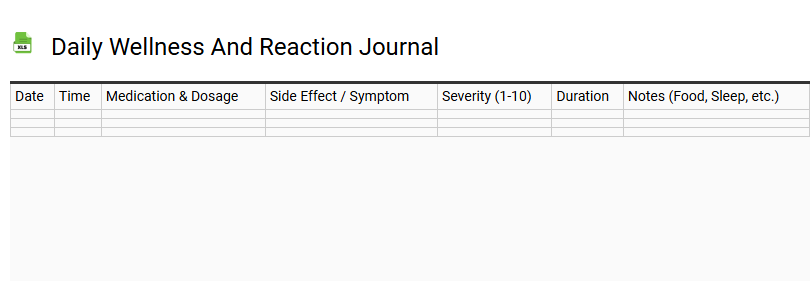
Daily Wellness and Reaction Journal
💾 Daily Wellness and Reaction Journal .xls
A daily wellness and reaction journal serves as a comprehensive tool for emotional regulation and holistic health tracking. By utilizing a structured template, individuals can engage in consistent self-reflection and mindfulness practice, which are essential for long-term mental health support. Key components typically include mood monitoring, symptom logging, and the identification of specific emotional triggers that impact daily performance.
Integrating this practice into your routine enhances stress management and provides valuable insights into behavioral patterns, often mirroring cognitive behavioral therapy principles. Effective templates facilitate the recording of various data points, such as:
- Physical symptoms and energy fluctuations
- Daily gratitude and positive affirmations
- Habit tracking and sleep quality metrics
Documenting these wellbeing metrics fosters resilience and empowers proactive self-care, turning a simple log into a transformative roadmap for personal growth and psychological balance.
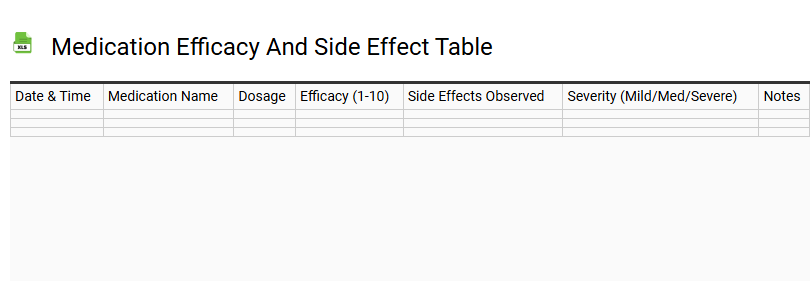
Medication Efficacy and Side Effect Table
💾 Medication Efficacy and Side Effect Table .xls
Organizing pharmacological data requires a structured approach to ensure clarity and accessibility. Use a <table> element to categorize drug performance and safety profiles effectively. The <thead> section should contain <th> tags defining columns for the medication name, therapeutic efficacy, and reported side effects. This layout allows for direct comparison across different treatments.
Within the <tbody>, use <tr> for each individual medication entry. Assigning a scope="row" attribute to the leading cell helps maintain a clear relationship between the drug and its specific outcomes. Utilizing <td> for data points ensures that information is presented in a logical sequence. This clean markup improves how browsers and assistive tools interpret clinical information, making complex medical details easier to navigate, search, and understand for both healthcare professionals and patients.
Monthly Side Effect Summary Log
💾 Monthly Side Effect Summary Log .xls
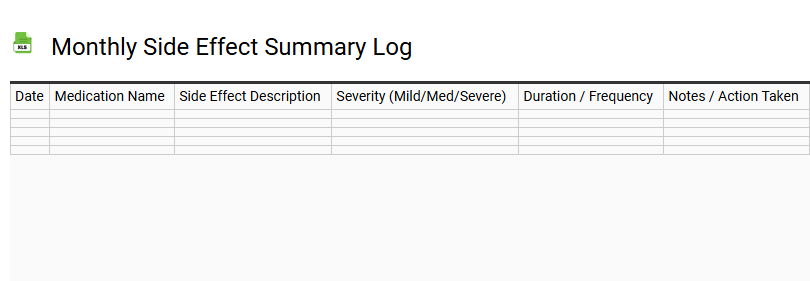
A Monthly Side Effect Summary Log serves as a critical instrument for medication tracking and proactive patient safety. This structured template facilitates the systematic documentation of adverse reactions, providing essential pharmacological oversight and enhancing symptom management. By meticulously recording the frequency, intensity, and duration of secondary effects alongside dosage details, users generate valuable longitudinal data to evaluate treatment efficacy. This health journal approach assists healthcare providers in identifying drug interactions or potential toxicity. Streamlining clinical documentation ensures that patient monitoring remains accurate, fostering informed dialogue during medical consultations. Ultimately, leveraging this log optimizes therapeutic outcomes by enabling data-driven dosage adjustments and refined pharmacotherapy strategies, ensuring a comprehensive overview of wellness trends and physiological responses throughout the treatment lifecycle.
New Medication Trial Tracker
💾 New Medication Trial Tracker .xls
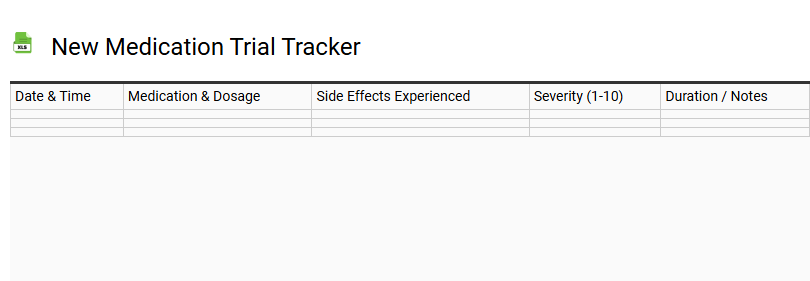
A new medication trial tracker serves as a vital clinical tool for monitoring pharmacological treatments and ensuring patient safety. This structured health journal allows users to document their precise dosage schedule, administration frequency, and overall therapy adherence.
By utilizing this template, patients can meticulously record drug efficacy and any emerging adverse reactions or side effects. This framework facilitates better communication with healthcare providers by capturing:
- Daily symptom intensity and physiological changes.
- A comprehensive clinical record of treatment duration.
- Insights for optimized prescription management.
- Data-driven evaluations of the therapeutic response.
This pharmaceutical monitoring system bridges the gap between doctor visits, providing a clear patient health record that supports informed decisions regarding long-term treatment plans and medicinal adjustments.
Allergic Reaction and Sensitivity Log
💾 Allergic Reaction and Sensitivity Log .xls
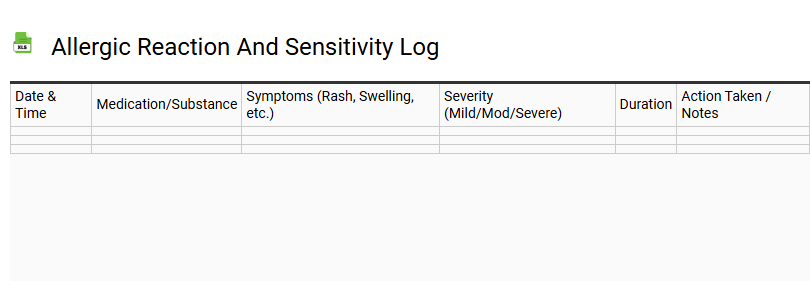
A comprehensive allergic reaction and sensitivity log serves as a vital diagnostic tool for identifying hidden triggers and monitoring immune system responses. By meticulously tracking daily exposure to potential allergens, food additives, and environmental irritants, individuals can pinpoint the precise cause of hypersensitivity. This systematic symptom diary records the onset, duration, and severity of clinical manifestations like urticaria, respiratory distress, or gastrointestinal discomfort.
Utilizing a structured template ensures the capture of critical data points, including:
- Detailed dietary intake and cross-reactivity analysis.
- Environmental factors such as pollen counts or chemical exposure.
- Categorized symptom severity and duration.
- Effectiveness of antihistamines or prescribed epinephrine.
Maintaining this medical history log facilitates productive consultations with immunologists, assisting in the development of targeted elimination diets and personalized management plans to prevent anaphylaxis and reduce chronic inflammation.
Utilizing a medication side effect log is essential for systematic health tracking. By documenting adverse effects and specific drug reactions within a dedicated symptom diary, patients improve patient safety and dosage monitoring.
This template bridges the communication gap with your healthcare provider, ensuring accurate medical records during your wellness journey. Start tracking today to gain better control over your recovery and optimize therapeutic outcomes through precise, data-driven observations.