
Mental Health Medication Tracker Templates: Practical Tools for Daily Management
Prioritizing your emotional well-being requires consistent medication management and precise documentation. A professional mental health med tracker acts as a dedicated wellness journal, allowing you to log daily dosages, track therapeutic progress, and monitor potential side effects. By maintaining an organized prescription record, you enhance treatment adherence and provide healthcare providers with accurate data regarding symptom fluctuations. Streamline your recovery journey and ensure stability with a structured digital log. Please explore our carefully curated selection of pre-made template variations below.
Daily Medication and Mood Log
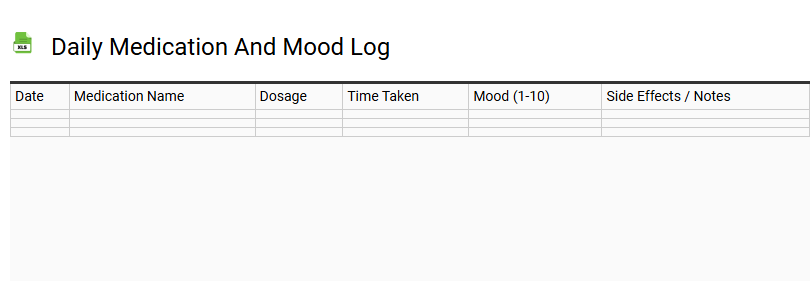
💾 Daily Medication and Mood Log .xls
A daily medication and mood log serves as a vital tool for comprehensive health tracking and emotional well-being. By documenting exact dosage times alongside subjective mood ratings, users can identify significant correlations between their pharmacological treatment and daily psychological states. This wellness journal facilitates better prescription adherence while monitoring potential side effects or symptom fluctuations.
Utilizing a structured template streamlines data collection for your healthcare provider, ensuring informed adjustments to therapeutic protocols. Essential components include:
- Time of administration and medication name.
- Mood intensity scales and emotional triggers.
- Notes on sleep quality and stress levels.
- Observations on physical reactions or efficacy.
Maintaining this biometric record empowers patients to visualize mental health trends and achieve improved clinical outcomes through consistent self-monitoring.
Side Effect Severity Tracker
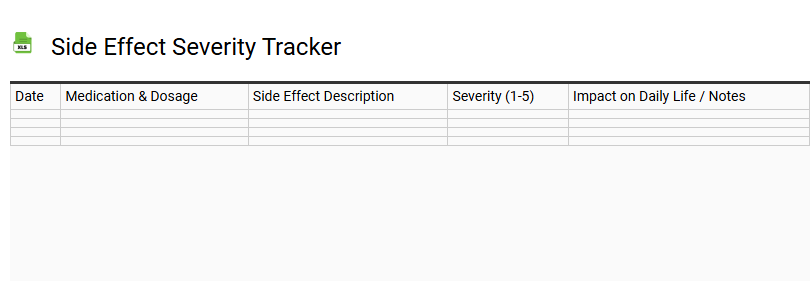
💾 Side Effect Severity Tracker .xls
A Side Effect Severity Tracker serves as a vital clinical tool for monitoring how a patient responds to specific medications or treatments. By recording the intensity of adverse reactions on a standardized scale, individuals can provide healthcare providers with precise data rather than relying on memory alone. This structured approach helps distinguish between manageable discomfort and serious risks that may necessitate a change in dosage or therapy.
Effective tracking involves documenting several critical data points to ensure a comprehensive health overview:
- Intensity Levels: A numerical or qualitative rating of the symptom.
- Temporal Patterns: The exact time the reaction occurred and its total duration.
- Functional Impact: How the symptom affects daily activities and quality of life.
Consistently using this template empowers patients to advocate for their well-being and enables medical teams to make informed, data-driven decisions to improve safety.
Weekly Medication Adherence Chart
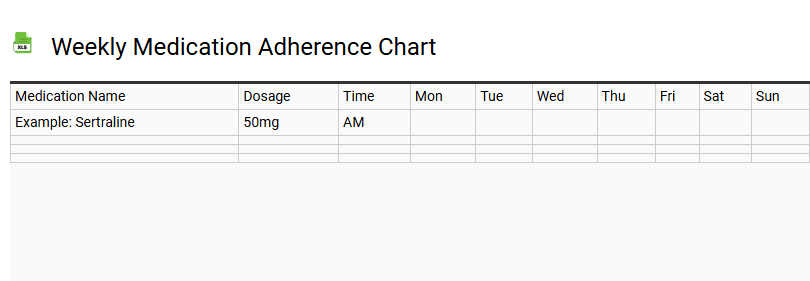
💾 Weekly Medication Adherence Chart .xls
A weekly medication adherence chart serves as an essential resource for effective healthcare management and patient safety. This structured template facilitates precise prescription compliance by providing a clear dosing schedule for various pharmacological regimens. By utilizing a medication log, individuals can track daily dosages, timing, and specific instructions, significantly reducing the risk of missed doses or polypharmacy errors.
Optimizing medication synchronization through a visual pill organizer format enhances treatment efficacy and long-term health outcomes. These charts typically include columns for drug names, dosage strengths, and administration times, acting as a reliable daily reminder. Consistent monitoring via this health tracker empowers patients to maintain control over chronic disease management while providing healthcare providers with accurate data during clinical consultations. Using a medication tracker is a proactive step toward therapeutic success and improved well-being.
Psychiatric Prescription History
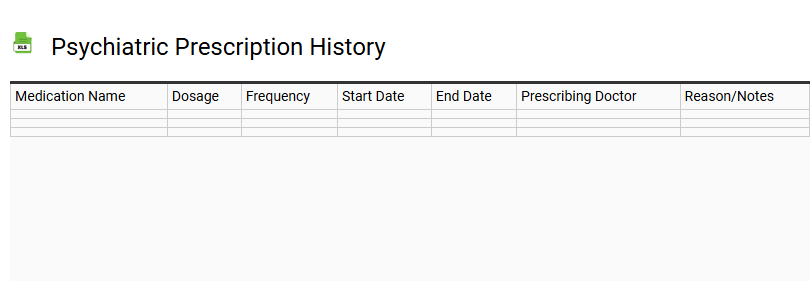
💾 Psychiatric Prescription History .xls
A psychiatric prescription history serves as a comprehensive chronological record of pharmacological interventions used to manage mental health conditions. This documentation is a critical clinical tool for evaluating treatment efficacy and identifying patterns in medication response over time.
The template typically captures essential data points including:
- Medication Identity: Specific psychotropic agents and therapeutic classes prescribed.
- Dosage Parameters: Maintenance levels, titration schedules, and frequency of administration.
- Trial Duration: Precise timelines for each pharmacological trial.
- Clinical Outcomes: Documented symptom reduction and any observed adverse effects.
- Discontinuation Logic: Reasons for stopping therapy, such as intolerance or lack of therapeutic benefit.
Accurate maintenance of this history facilitates informed decision-making, minimizes the risk of polypharmacy, and ensures patient safety during transitions in care. By centralizing previous therapeutic attempts, clinicians can better tailor future interventions to individual patient needs.
Medication Dosage Change Log
💾 Medication Dosage Change Log .xls
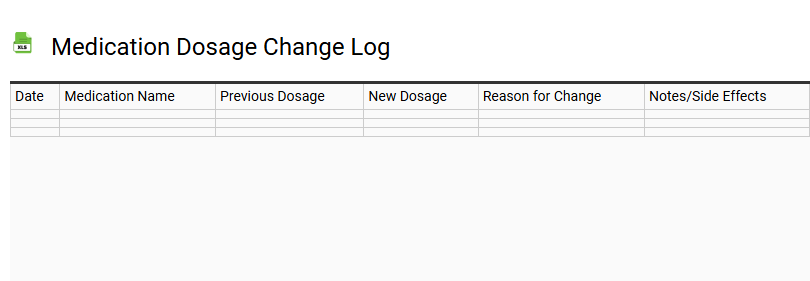
A medication dosage change log serves as a vital clinical document for tracking prescription adjustments and dosage titration over time. Utilizing this template ensures precise medication reconciliation, enhancing patient safety by maintaining detailed drug administration records. Each entry meticulously captures pharmacological changes, including the specific date of modification, previous strength, and the updated dosage frequency.
This systematic approach assists healthcare providers in monitoring treatment efficacy and identifying potential adverse reactions early. By documenting the rationale behind every prescription modification, patients and caregivers can streamline communication with medical professionals. Effective clinical tracking minimizes the risk of medication errors, ensuring seamless transitions during complex therapeutic regimens. Implementing a structured log is essential for maintaining an accurate medication history and optimizing long-term health outcomes through organized pharmacotherapy management.
Refill and Pharmacy Reminder
💾 Refill and Pharmacy Reminder .xls
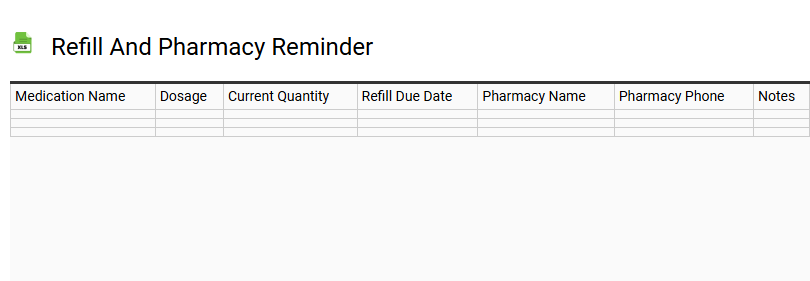
Implementing an automated medication adherence strategy is vital for modern pharmacy operations. A robust prescription refill template streamlines patient communication by sending timely SMS notifications and email alerts. These digital prompts ensure that individuals stay consistent with their maintenance drugs, significantly reducing the risk of missed doses or prescription abandonment.
- Enhance patient engagement through personalized clinical outreach.
- Optimize pharmacy workflow by automating recurring refill requests.
- Improve health outcomes via consistent medication management protocols.
- Facilitate seamless prescription renewals between providers and patients.
By leveraging healthcare communication software, pharmacies can synchronize digital health records with automated messaging systems. This proactive approach to medication synchronization simplifies the pickup process and strengthens the pharmacist-patient relationship. Utilizing data-driven refill reminders ensures a high level of therapeutic compliance while maximizing operational efficiency within the pharmacy ecosystem.
Symptom vs Medication Correlation Sheet
💾 Symptom vs Medication Correlation Sheet .xls
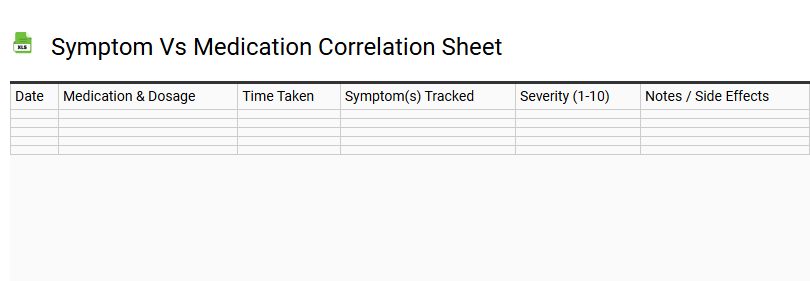
A Symptom vs Medication Correlation Sheet serves as a vital patient log for comprehensive healthcare tracking. This template enables individuals to monitor the direct relationship between specific pharmaceutical interventions and their clinical symptoms. By meticulously documenting dosage, administration frequency, and timing alongside subjective wellness indicators, users can identify clear patterns in drug efficacy and potential side effects.
Utilizing this medical diary facilitates data-driven wellness by highlighting therapeutic responses or adverse reactions over time. Integrating this tool into a daily routine offers several advantages:
- Improved medication management for chronic illness.
- Objective data for dosage adjustments during consultations.
- Enhanced clinical observations for a refined treatment plan.
This diagnostic aid bridges the gap between daily experience and pharmacological impact, ensuring more accurate health monitoring and safer recovery outcomes.
Medication Routine Checklist
💾 Medication Routine Checklist .xls
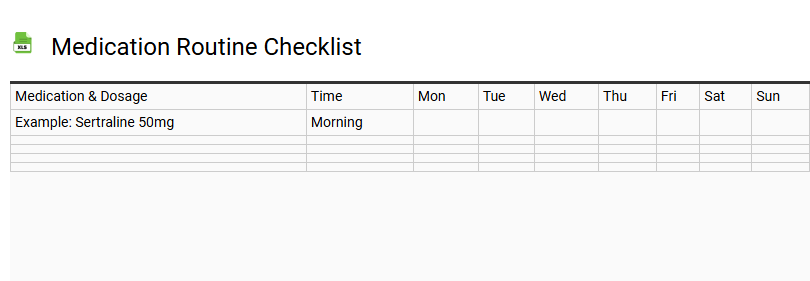
A medication routine checklist is a vital instrument for maintaining medication adherence and proactive health management. Utilizing a daily log ensures patients follow precise dosage instructions and timing for all prescriptions, significantly reducing risks of missed doses or adverse drug interactions. This structured template organizes medication names, frequency, and administration times, fostering a safer patient care environment.
Integrating a pill organizer with this tracking system enhances consistency and provides caregivers with essential peace of mind. By monitoring pharmacy refills and documenting potential side effects, users can facilitate better communication with their healthcare provider. Implementing a systematic medication schedule prevents errors and supports long-term wellness. This checklist serves as a reliable reminder system to ensure every pharmaceutical is taken exactly as directed, optimizing your overall treatment plan.
PRN Usage and Trigger Tracker
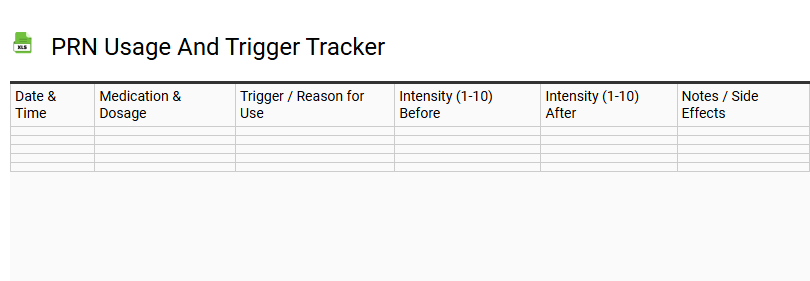
💾 PRN Usage and Trigger Tracker .xls
A PRN Usage and Trigger Tracker serves as an essential medical log for managing pro re nata (as-needed) medication administration. This template facilitates precise symptom management by documenting the exact timing, dosage, and environmental factors preceding a flare-up. By systematically recording health data, patients can identify specific behavioral or environmental triggers that necessitate pharmaceutical intervention.
- Medication Adherence: Ensures safety by tracking frequency and preventing over-dosage.
- Efficacy Monitoring: Evaluates how effectively the treatment alleviates acute symptoms.
- Clinical Insights: Provides healthcare providers with actionable data to refine long-term treatment plans.
- Pattern Recognition: Correlates external stressors with physiological responses.
Utilizing this structured dosage log enhances patient safety and optimizes therapeutic outcomes. It transforms subjective experiences into objective documentation, bridging the communication gap between patients and clinicians for improved chronic condition management.
Medication Cost Calculator
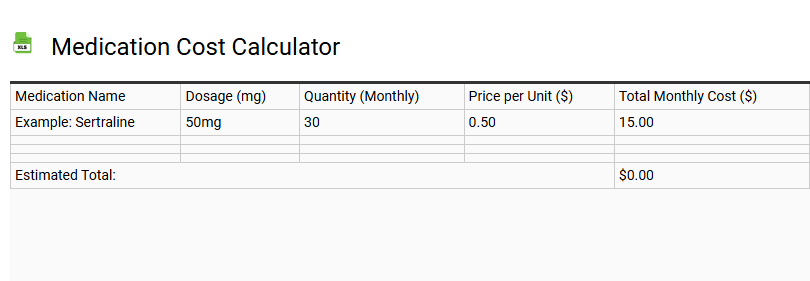
💾 Medication Cost Calculator .xls
This Medication Cost Calculator template provides a streamlined interface for estimating prescription drug prices and managing monthly healthcare expenses. By inputting specific dosage details and frequency, users can accurately project out-of-pocket costs and compare the financial impact of generic vs. brand-name alternatives.
Optimized for pharmacy savings, this tool integrates drug formulary data to help patients navigate insurance coverage tiers and copayments. Whether planning for a health savings account (HSA) or calculating annual medical spend, this interface improves pharmacy benefits transparency. Key features include:
- Real-time therapeutic class price comparisons.
- Estimation of deductible thresholds and coverage gaps.
- Integration of manufacturer coupons and assistance programs.
Empower users to make informed decisions regarding their clinical treatment costs through precise health insurance modeling and budget forecasting.
Medication Interaction Journal
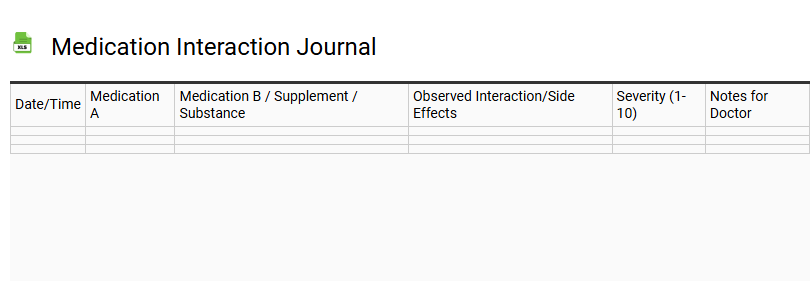
💾 Medication Interaction Journal .xls
A Medication Interaction Journal serves as a vital clinical tool for managing complex pharmacological regimens. Utilizing a structured template facilitates the precise tracking of drug-drug interactions, side effects, and adverse reactions. By documenting dosage timing, prescription medications, and over-the-counter supplements, patients can identify potential contraindications that may impact therapeutic efficacy.
This log captures essential data points to improve patient safety, including:
- Onset of symptoms and physiological severity.
- Drug-food interactions affecting metabolic absorption.
- Individual responses to new pharmaceutical treatments.
Maintaining this record streamlines communication with healthcare providers and pharmacists. Consistent medication monitoring reduces the risk of polypharmacy complications, ensuring a safer approach to long-term health management through detailed clinical observation and symptom tracking.
Discontinuation and Tapering Schedule
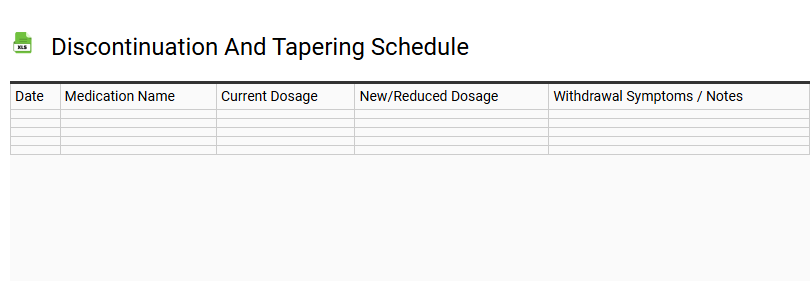
💾 Discontinuation and Tapering Schedule .xls
A discontinuation and tapering schedule is a vital clinical framework designed to facilitate the safe cessation of medications. By utilizing a structured step-down protocol, healthcare providers can effectively mitigate withdrawal symptoms and prevent rebound effects associated with abrupt termination. This template focuses on precise titration, ensuring dosage adjustments are aligned with the drug's half-life and individual patient response.
Implementing a formal cessation plan enhances patient safety during the transition period. It is crucial to adhere to clinical guidelines and maintain consistent therapeutic monitoring under the supervision of a prescribing physician. This systematic approach to withdrawal management minimizes pharmacological distress while supporting long-term health objectives. By documenting each reduction phase, clinicians can optimize the tapering process, ensuring a seamless transition toward medication-free status or alternative therapeutic interventions.
Provider Contact and Med Update List
💾 Provider Contact and Med Update List .xls
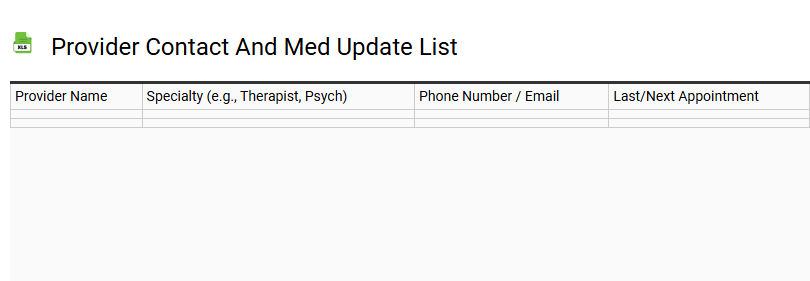
This comprehensive healthcare management template serves as a vital patient health record (PHR) for seamless medical coordination. By maintaining an organized provider contact list, patients and caregivers can instantly access primary care physicians, specialists, and emergency services. The integrated medication update section facilitates precise medication reconciliation, tracking prescription history, dosage instructions, and pharmaceutical changes to improve overall health outcomes.
Designed for clinical documentation accuracy, this resource streamlines information sharing during specialist consultations or urgent care visits. Including pharmacy details and insurance information within this centralized directory ensures all stakeholders have the necessary data for effective chronic disease management. Utilizing this structured format enhances communication across your healthcare network, providing a reliable reference for healthcare practitioners and ensuring that your medical history remains current, accessible, and actionable for optimal therapeutic safety.
Bipolar Medication and Episode Tracker
💾 Bipolar Medication and Episode Tracker .xls
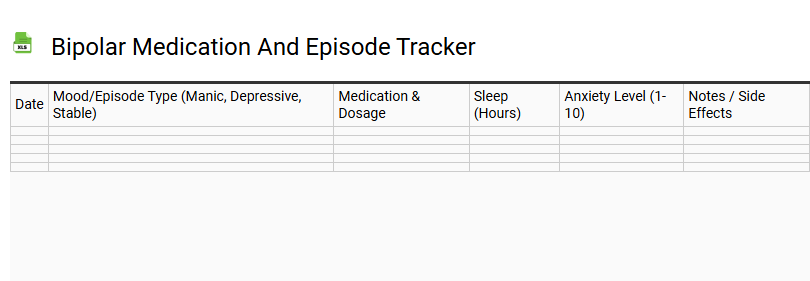
A comprehensive bipolar medication and episode tracker is a vital tool for achieving long-term mood stabilization. By meticulously documenting daily pharmacological interventions and medication adherence, individuals can identify direct correlations between treatment and symptom management. This template facilitates the monitoring of manic episodes, hypomania, and depressive symptoms, providing a clear visual representation of mood shifts over time.
- Identify early warning signs for relapse prevention.
- Log sleep patterns and environmental triggers.
- Monitor side effects of psychotropic medications.
- Enhance psychiatric care communication with data-driven insights.
Utilizing this mental health monitoring system ensures a proactive approach to emotional regulation. Consistent symptom logging empowers patients and clinicians to refine psychiatric treatment plans, ensuring better outcomes in the management of bipolar disorder.
Anxiety Med Effectiveness Log
💾 Anxiety Med Effectiveness Log .xls
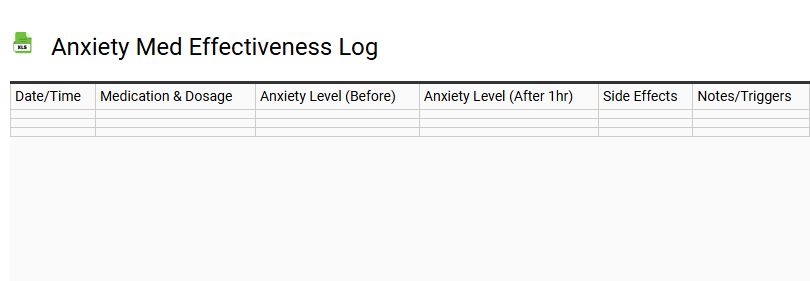
An anxiety med effectiveness log is an essential instrument for optimizing mental health treatment. By utilizing a structured medication journal, patients can accurately monitor their therapeutic response and identify patterns in symptom relief. This template prioritizes the tracking of dosage frequency, pharmacological onset, and potential side effects to ensure patient safety.
To maximize the utility of your log, consider documenting the following variables:
- Daily dosage and administration timing.
- Intensity of anxiety symptoms on a standardized scale.
- Emergence of physiological triggers or adverse reactions.
- Observations on mood stability and cognitive clarity.
Maintaining this longitudinal data provides healthcare providers with the clinical insights necessary for precise psychiatric evaluations. Consistent documentation facilitates informed adjustments to treatment protocols, ensuring that your path toward emotional regulation is data-driven and highly personalized.
Depression Medication Response Chart
💾 Depression Medication Response Chart .xls
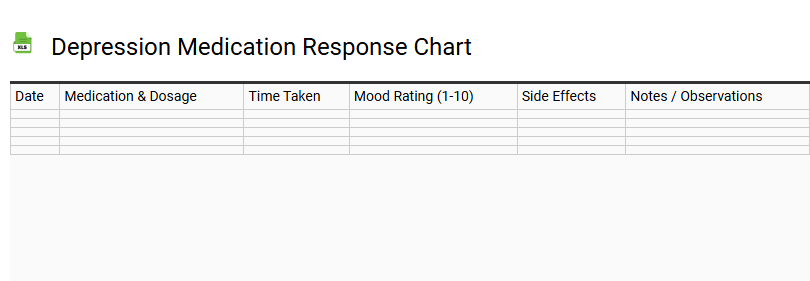
A depression medication response chart serves as an essential clinical tool for monitoring the efficacy of pharmacological interventions. This structured template allows patients and healthcare providers to track the progress of antidepressants, such as SSRIs or SNRIs, by documenting daily mood fluctuations and symptom severity.
By recording data on energy levels, sleep patterns, and potential side effects, clinicians can make informed decisions regarding dosage adjustments or treatment modifications. This systematic approach to psychiatric care ensures that therapeutic benefits are maximized while minimizing adverse reactions.
Utilizing a longitudinal log improves clinical outcomes by identifying patterns in emotional stability and medication adherence. This data-driven strategy fosters a personalized mental health treatment plan, facilitating a more effective recovery journey through precise observation of patient wellness and medication tolerance over time.
Sleep Quality and Medication Monitor
💾 Sleep Quality and Medication Monitor .xls
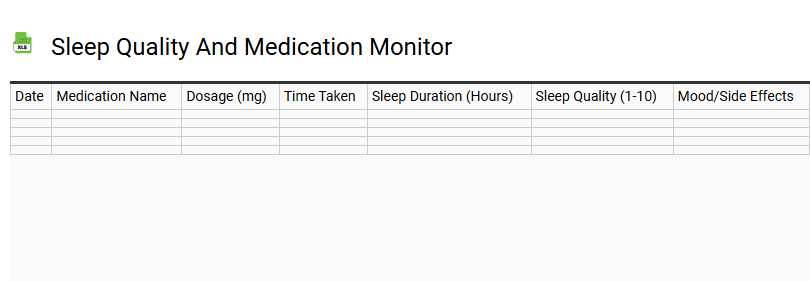
This comprehensive sleep quality and medication monitor serves as a vital tool for optimizing restorative rest and analyzing pharmacological impact. By integrating a detailed sleep diary with precise dosage logs, users can identify critical correlations between specific prescriptions and their circadian rhythm.
Documenting variables such as sleep latency, nocturnal disturbances, and REM cycle duration provides a holistic view of individual sleep architecture. Furthermore, monitoring pharmaceutical interventions helps evaluate the efficacy of sedatives or supplements like melatonin while highlighting potential side effects that disrupt nocturnal wellness.
This data-driven approach supports effective insomnia management and enhances sleep hygiene by correlating daytime habits with overnight recovery. Maintaining consistent tracking ensures that therapeutic protocols align with natural biological clocks, ultimately improving health outcomes through informed adjustments to nighttime routines and medication schedules.
Vitamins and Supplements Integration Log
💾 Vitamins and Supplements Integration Log .xls
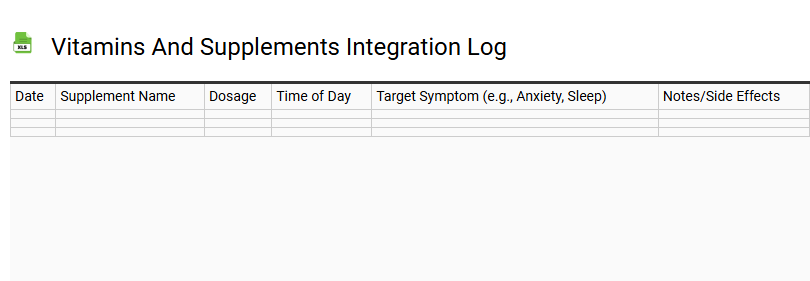
This Vitamins and Supplements Integration Log provides a structured framework for monitoring your micronutrient profile and dietary intake. By maintaining a detailed dosage regimen, users can track bio-availability and evaluate how specific nutritional supplements affect their metabolic response and health markers.
Utilizing this wellness tracker ensures consistency within your daily routine while identifying potential supplement interactions or contraindications. To maximize efficacy, it is essential to document:
- Potency and dosage frequency.
- Optimal timing for nutrient absorption.
- Observations on bio-individuality and wellness goals.
Regularly updating this log facilitates stack optimization, allowing for precise adjustments to your holistic health strategy. Whether tracking herbal extracts, minerals, or fat-soluble vitamins, this data-driven approach supports long-term vitality and nutritional balance.
Monthly Med Compliance Summary
💾 Monthly Med Compliance Summary .xls
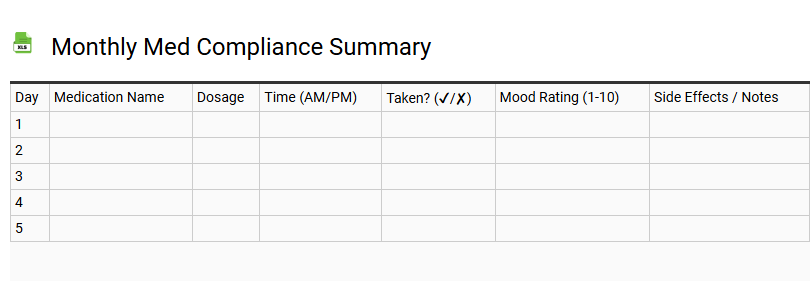
The Monthly Med Compliance Summary serves as a vital clinical tool for monitoring medication adherence and therapeutic efficacy. This structured template facilitates the systematic tracking of a patient's pharmacological regimen, ensuring alignment with prescribed protocols to improve longitudinal health outcomes.
- Dosage Accuracy: Cross-referencing MAR (Medication Administration Record) entries with pharmacy fulfillment data to verify intake.
- Risk Mitigation: Identifying potential drug-drug interactions and contraindications through consistent monthly reviews.
- Regulatory Documentation: Maintaining a clear audit trail for healthcare providers to monitor refill consistency and patient safety.
By utilizing this reporting framework, caregivers can identify non-compliance patterns, optimize clinical oversight, and ensure accurate patient health information management. This streamlined approach supports pharmacotherapy management and simplifies the reconciliation process for complex treatment plans.
Medication Reaction Emergency Info Sheet
💾 Medication Reaction Emergency Info Sheet .xls
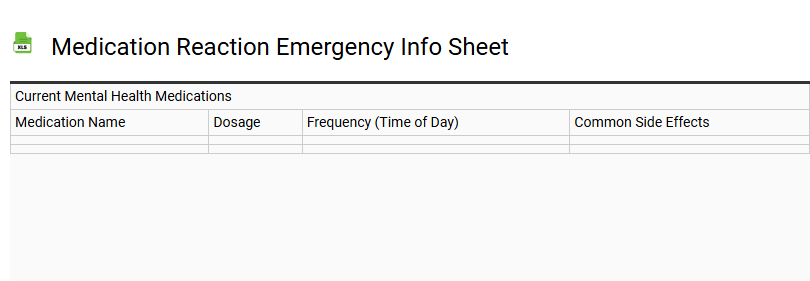
A medication reaction emergency info sheet serves as a vital clinical resource for managing adverse drug events and anaphylaxis. This structured template facilitates rapid communication with emergency medical services by documenting known drug allergies, hypersensitivity triggers, and previous side effects.
By listing current prescriptions, precise dosages, and contraindications, the sheet helps prevent dangerous drug interactions during urgent care. Optimized for patient safety, it includes healthcare provider contact details and medical history essentials.
Quick access to this allergy alert ensures that first responders can accurately identify symptoms of pharmacological toxicity or histamine release. Integrating this documentation into your first aid protocol reduces diagnostic delays, guiding the timely administration of life-saving interventions like epinephrine. Maintaining an updated record is a critical safeguard for individuals with complex medication regimens and chronic sensitivities.
A comprehensive mental health med tracker simplifies medication management by centralizing dosage logs and psychiatric symptom observations. Utilizing this digital template ensures treatment adherence and provides valuable insights into mood stability and potential side effects. By documenting daily consistency, patients enhance their wellness journey and facilitate clearer communication with healthcare providers. This systematic approach transforms recovery into a measurable process, empowering individuals to take control of their pharmacological treatment plan effectively. Streamline your routine today for improved long-term clinical outcomes and emotional balance.