
Night Shift Circadian Rhythm Log Template
Managing your internal biological clock while working non-traditional hours requires precise tracking. Utilizing a night shift circadian rhythm log helps identify patterns in your sleep-wake cycle, mitigating risks of shift work disorder. By monitoring core body temperature, alertness levels, and melatonin cycles, shift workers can optimize their physiological adjustment to nocturnal schedules. This data-driven approach enhances sleep hygiene and overall well-being during irregular rotations. Explore our comprehensive collection to find a tailored variation of templates below.
Sleep and Wakefulness Cycle Log
💾 Sleep and Wakefulness Cycle Log .xls
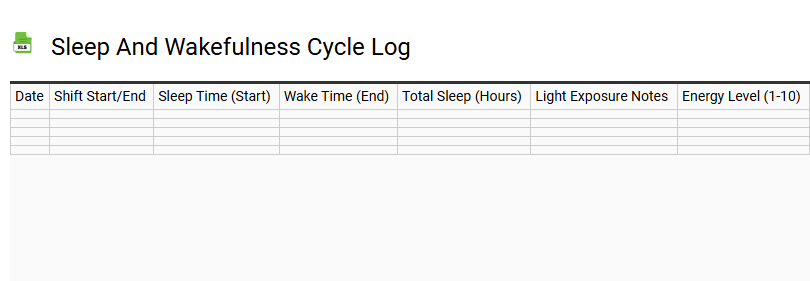
A sleep and wakefulness cycle log serves as a vital diagnostic tool for monitoring your circadian rhythm and overall sleep hygiene. By systematically recording sleep onset latency, total duration, and nocturnal awakenings, individuals can gain deep insights into their unique biological clock. This structured sleep diary tracks transitions between REM cycles and deep restorative rest, highlighting patterns that may contribute to chronic sleep debt or excessive daytime fatigue.
Utilizing this template allows for the precise measurement of wakefulness patterns and cognitive alertness levels. Monitoring external variables like light exposure and melatonin production helps identify triggers for insomnia or disrupted sleep-wake syndromes. Consistent documentation fosters improved sleep quality by aligning behavioral habits with natural physiological needs, ensuring optimal recovery and metabolic health through a stabilized sleep architecture and disciplined routine.
Shift Work Alertness Tracker
💾 Shift Work Alertness Tracker .xls
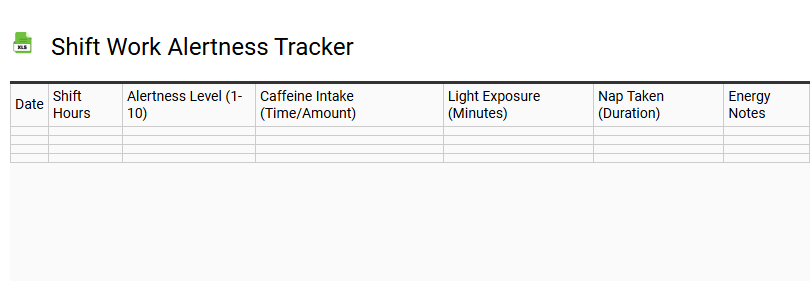
A Shift Work Alertness Tracker serves as a vital tool for professionals navigating irregular schedules and rotating shifts. By meticulously logging circadian rhythm patterns and daily energy levels, this template facilitates proactive fatigue management. Users can monitor their sleep-wake cycle, identifying critical sleep debt that impacts cognitive performance and occupational health.
- Optimizing sleep hygiene tailored to a specific chronotype.
- Reducing risks associated with night shift transitions and graveyard hours.
- Enhancing productivity levels through data-driven recovery strategies.
- Protecting metabolic health by aligning rest with physiological needs.
Implementing this tracker ensures that alertness monitoring becomes a seamless habit, empowering workers to mitigate the physiological strain of non-traditional hours. This systematic approach to restorative sleep is essential for maintaining long-term wellness and operational safety in demanding environments.
Blue Light Exposure Log
💾 Blue Light Exposure Log .xls
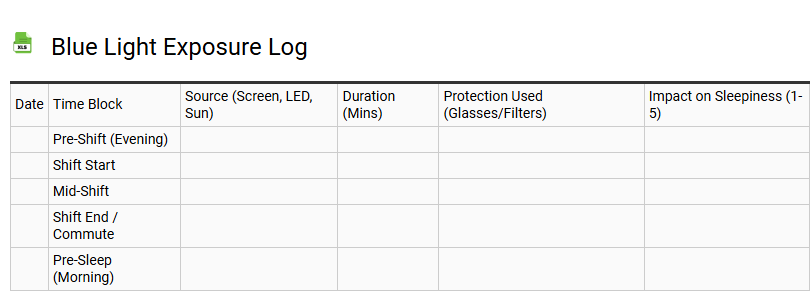
Utilizing a blue light exposure log is an essential strategy for managing High-Energy Visible (HEV) light intake and protecting your circadian rhythm. This template allows users to systematically track daily screen time across smartphones, tablets, and LED monitors, providing vital insights into potential melatonin production interference. By documenting artificial lighting duration, you can identify specific triggers for digital eye strain and visual fatigue.
- Monitor phototoxicity risks from prolonged evening device usage.
- Assess the effectiveness of blue light filters and amber-tinted eyewear.
- Improve sleep hygiene by reducing late-night luminance.
- Track retinal health patterns and ocular comfort levels.
This data-driven approach empowers individuals to implement healthier display settings and scheduled breaks, ensuring optimal sleep quality and neurological recovery in an increasingly digital environment.
Melatonin and Supplement Timing Sheet
💾 Melatonin and Supplement Timing Sheet .xls
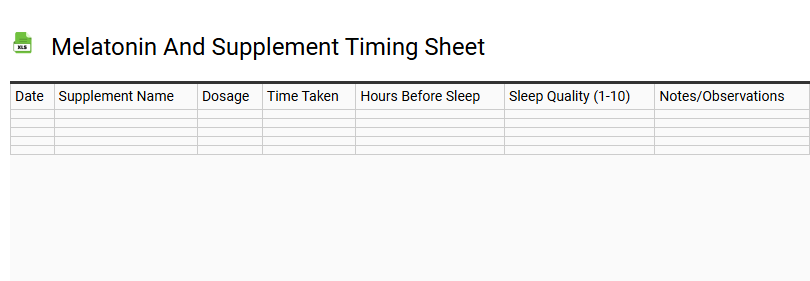
Optimizing your circadian rhythm requires precise supplement timing to enhance bioavailability and metabolic efficacy. This comprehensive tracking template facilitates the strategic administration of melatonin, aligning pharmacological onset with your natural sleep-wake cycle. By documenting dosage, peak plasma levels, and nutrient absorption windows, users can fine-tune their chronotherapy protocols for maximum restorative impact.
- Monitor pineal gland support and cortisol fluctuations.
- Track synergistic stacks, including magnesium and L-theanine.
- Analyze sleep latency and REM cycle quality.
- Adjust administration windows to mitigate morning grogginess.
Utilizing this data-driven approach ensures hormonal balance and improves overall sleep hygiene. By managing supplemental intake relative to dim-light melatonin onset (DLMO), you maximize therapeutic outcomes and maintain a consistent internal biological clock for peak daytime performance.
Core Body Temperature Daily Record
💾 Core Body Temperature Daily Record .xls
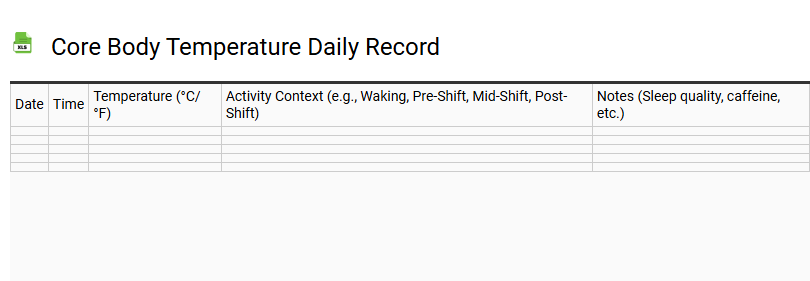
A core body temperature daily record serves as a vital tool for monitoring physiological homeostasis and circadian rhythm patterns. By utilizing a high-precision digital thermometer, individuals can document subtle thermal fluctuations influenced by the metabolic rate, sleep-wake cycles, and hormonal shifts. This structured template is particularly effective for basal body temperature (BBT) tracking, helping users identify ovulation windows and reproductive health trends.
- Consistency: Record readings at the same time each morning for clinical accuracy.
- Variables: Note external factors like physical exertion, illness, or ambient environment.
- Analysis: Visualize data points to detect fever patterns or deviations from your baseline temperature.
Maintaining a detailed health log facilitates proactive wellness management, providing actionable insights for medical consultations and personalized health optimization. Whether tracking fertility cycles or recovery, a standardized temperature diary ensures data integrity and long-term health oversight.
Meal and Digestion Timing Journal
💾 Meal and Digestion Timing Journal .xls
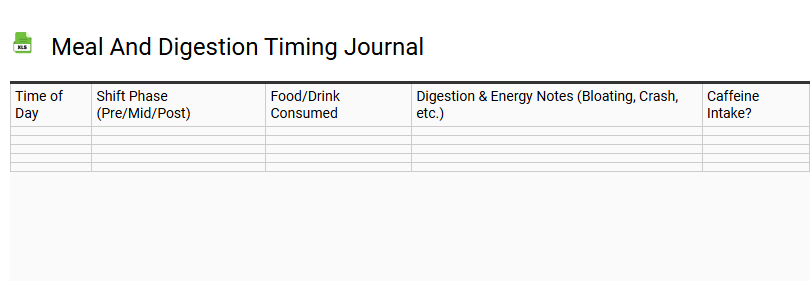
A comprehensive meal and digestion timing journal serves as a vital tool for optimizing metabolic health and gastrointestinal wellness. By documenting nutrient intake alongside specific timestamps, individuals can identify precise correlations between dietary habits and post-prandial responses. This data-driven approach monitors gastrointestinal transit time, helping to pinpoint food sensitivities or triggers for bloating and discomfort.
Tracking the intervals between meals supports circadian rhythm alignment and metabolic flexibility, ensuring peak nutrient absorption and stable energy levels. Utilizing this food log facilitates mindful eating practices, allowing you to correlate hunger cues with actual physiological needs. Whether managing blood glucose levels or improving gut microbiome diversity, recording these bio-individual metrics provides actionable insights into your body's unique digestive efficiency. Maintaining consistent documentation transforms a simple diary into a robust framework for long-term holistic wellness and effective digestive recovery.
Caffeine Consumption and Half-Life Tracker
💾 Caffeine Consumption and Half-Life Tracker .xls
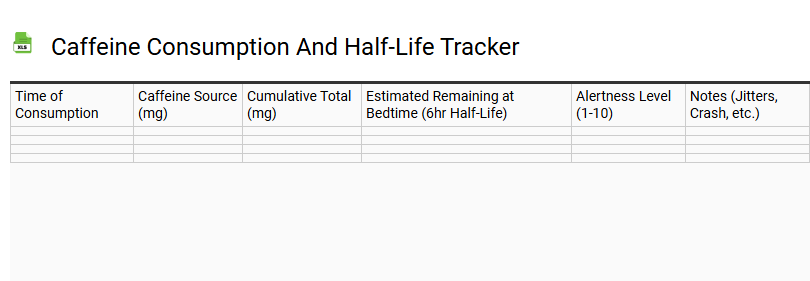
Monitoring your caffeine consumption is essential for optimizing metabolic health and ensuring restorative sleep. A half-life tracker calculates the duration stimulants remain active within your central nervous system. On average, caffeine possesses a biological half-life of five to six hours, meaning significant concentrations persist long after your final cup.
Utilizing this tool helps analyze peak plasma levels and bioavailability, preventing the blockage of adenosine receptors late in the evening. By logging your daily intake, you can account for individual metabolic rates and substance clearance. Effective tracking assists in:
- Maintaining consistent alertness without jittery side effects.
- Mitigating caffeine withdrawal symptoms.
- Improving circadian rhythm alignment for deeper REM cycles.
- Identifying hidden sources in soft drinks or supplements.
Optimize your energy levels and long-term wellness by understanding exactly how your body processes this common psychoactive compound.
Sleep Debt and Recovery Calculator
💾 Sleep Debt and Recovery Calculator .xls
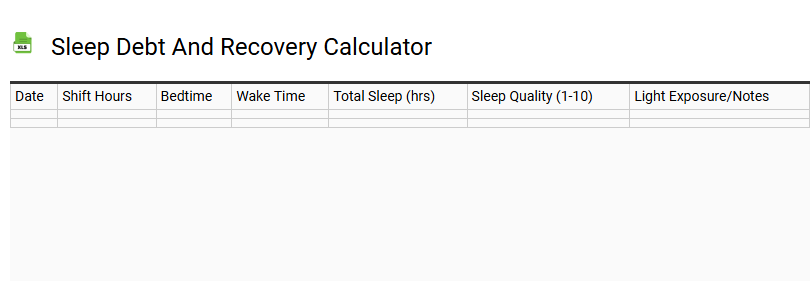
The Sleep Debt and Recovery Calculator serves as a sophisticated diagnostic tool designed to quantify the cumulative impact of sleep deprivation on your circadian rhythm. By analyzing the discrepancy between your required physiological rest and actual nightly slumber cycles, this utility identifies critical sleep deficiency levels that impair cognitive function and overall metabolic health.
To achieve optimal wellness, it is essential to manage your biological clock through strategic catch-up sleep and enhanced sleep hygiene. This calculator provides actionable insights into your sleep architecture, emphasizing the necessity of restorative rest and uninterrupted REM (rapid eye movement) stages. By monitoring these metrics, you can systematically reduce fatigue, stabilize your internal chronotype, and implement a sustainable recovery plan to mitigate the long-term physiological costs of modern lifestyle-induced exhaustion.
Nap Duration and Frequency Log
💾 Nap Duration and Frequency Log .xls
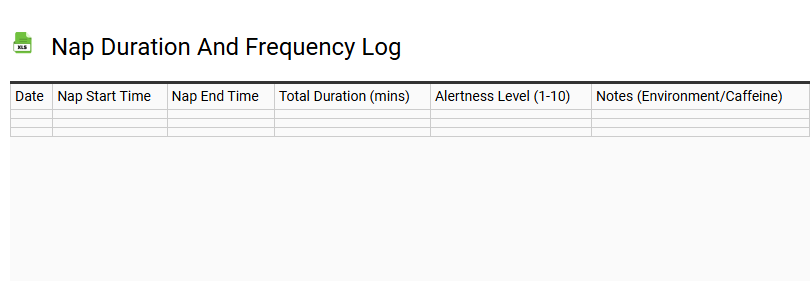
A Nap Duration and Frequency Log serves as a vital tool for optimizing restorative sleep and monitoring daily rest patterns. By consistently tracking daytime sleep cycles, users can identify critical correlations between nap length and overall sleep hygiene. This template facilitates the precise recording of start times and intervals, helping individuals distinguish between a brief power nap and deeper recovery phases.
Understanding nap frequency is essential for aligning rest with the natural circadian rhythm, ensuring that daytime slumber does not interfere with nocturnal rest. Whether utilized for infant sleep tracking, athletic recovery, or managing sleep disorders, this structured sleep diary provides actionable data to refine behavioral habits. Maintaining a detailed record promotes sleep quality and long-term wellness by offering a clear overview of energy management and daily recovery metrics.
Daily Sunlight Exposure Monitor
💾 Daily Sunlight Exposure Monitor .xls
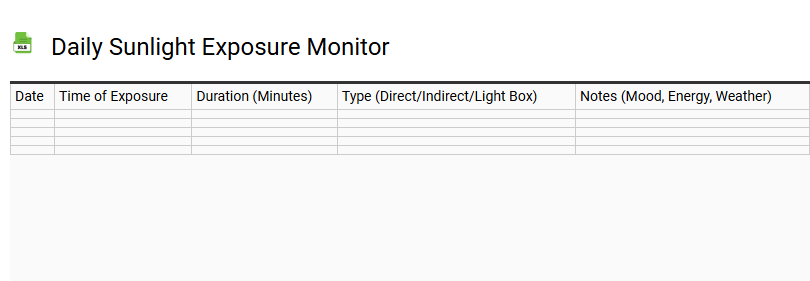
Utilize this specialized template to monitor daily solar radiation and optimize Vitamin D synthesis. Tracking consistent sunlight exposure is vital for regulating the human circadian rhythm and enhancing sleep architecture through natural melatonin production. This digital log empowers users to record the UV index, duration of outdoor activity, and luminous intensity to maintain safe levels of phototherapy.
By maintaining a detailed record of heliotherapy sessions, you can effectively balance skin health with the systemic benefits of natural light. This monitoring tool functions as a biological clock synchronizer, helping you align internal physiological processes with environmental cues. It is an essential resource for those aiming to boost mood and energy levels while mitigating the risks associated with excessive ultraviolet ray exposure.
Fatigue and Mental Clarity Scale
💾 Fatigue and Mental Clarity Scale .xls
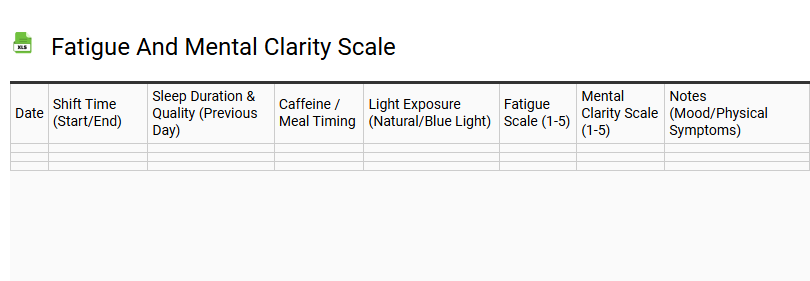
Utilizing a Fatigue and Mental Clarity Scale provides a structured framework for assessing subjective energy levels and cognitive function. This assessment tool helps individuals monitor brain fog, physical exhaustion, and mental alertness over specific intervals. By quantifying lethargy versus acuity, users can identify patterns related to burnout, sleep quality, and metabolic health.
The template typically measures several key dimensions of well-being:
- Sustained concentration and focus capacity.
- Degree of physical depletion or vigor.
- Cognitive endurance during demanding tasks.
- Recovery rates following stressors.
Integrating this diagnostic aid into daily routines enables better symptom management and optimizes productivity. Tracking these biomarkers of wellness facilitates data-driven decisions regarding workload adjustments and lifestyle interventions to restore peak performance and vitality.
Night Shift Energy Level Chart
💾 Night Shift Energy Level Chart .xls
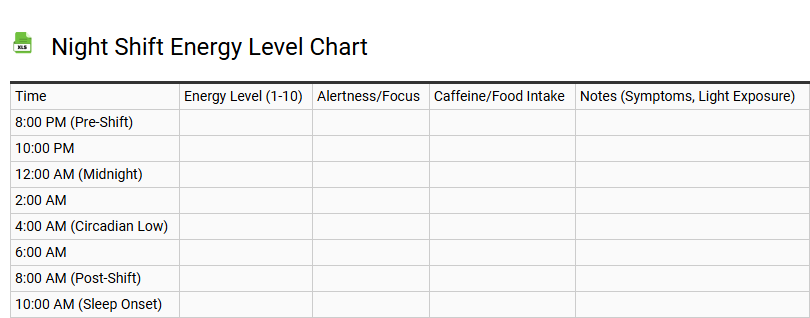
A Night Shift Energy Level Chart serves as a strategic tool for professionals navigating irregular circadian rhythms. This template tracks fluctuations in alertness and fatigue management throughout nocturnal hours, identifying critical dips in the biological clock, often occurring during the "graveyard" transition. By logging metabolic rates and cognitive performance, shift workers can pinpoint their peak alertness windows and schedule complex tasks accordingly.
- Monitoring melatonin production and blue light exposure.
- Identifying post-midnight slumps for better break scheduling.
- Optimizing sleep-wake cycles to prevent shift work disorder.
- Tracking the impact of pre-shift restorative sleep on productivity.
Utilizing this data-driven approach enhances occupational health, ensuring late-night staff maintain high cognitive function while minimizing the physiological stressors associated with non-traditional work hours and disrupted chronotypes.
Circadian Phase Alignment Tracker
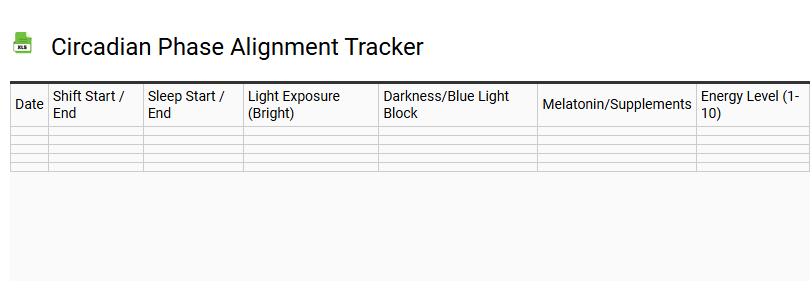
💾 Circadian Phase Alignment Tracker .xls
A Circadian Phase Alignment Tracker serves as a sophisticated digital tool for synchronizing your internal biological clock with external environmental cues. By monitoring your sleep-wake cycle and daily light exposure, this template facilitates optimal melatonin production and cortisol regulation. Users can log critical biometric data, such as basal body temperature and sleep latency, to identify their unique chronotype and peak productivity windows.
- Track photic stimuli to trigger circadian entrainment.
- Optimize sleep hygiene protocols for enhanced restorative rest.
- Monitor alertness levels to mitigate the effects of social jetlag.
Utilizing this structured approach helps stabilize the suprachiasmatic nucleus, ensuring a seamless phase shift for improved metabolic health and cognitive performance. Consistent data entry promotes long-term sleep quality and homeostasis through precise biological rhythm alignment and environmental adjustment.
Sleep Environment Quality Checklist
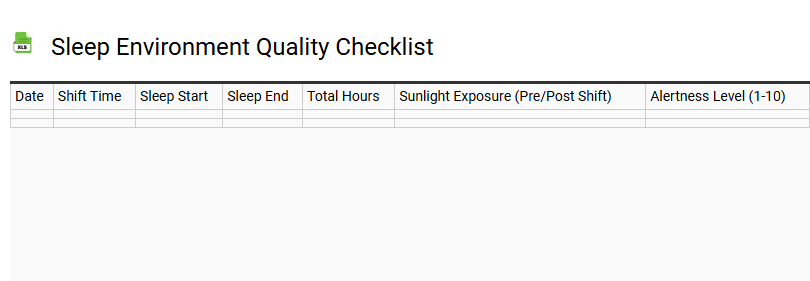
💾 Sleep Environment Quality Checklist .xls
Optimizing your sleep environment quality is essential for maintaining a healthy circadian rhythm and achieving deep, restorative sleep. A comprehensive sleep hygiene checklist prioritizes ambient temperature control, ideally keeping the bedroom cool to facilitate nocturnal recovery. Utilizing blackout curtains helps eliminate intrusive light pollution, while white noise machines mask disruptive environmental sounds.
- Evaluate mattress firmness and pillow ergonomics to ensure proper spinal alignment.
- Monitor indoor air quality and humidity levels to prevent respiratory irritation during the night.
- Minimize blue light exposure from electronic devices to support natural melatonin production.
By systematically addressing these environmental variables, you transform your bedroom into a dedicated sleep sanctuary. This template focuses on sleep efficiency, ensuring that bedding materials and acoustic insulation work together for uninterrupted, high-quality slumber.
Mood and Irritability Shift Log
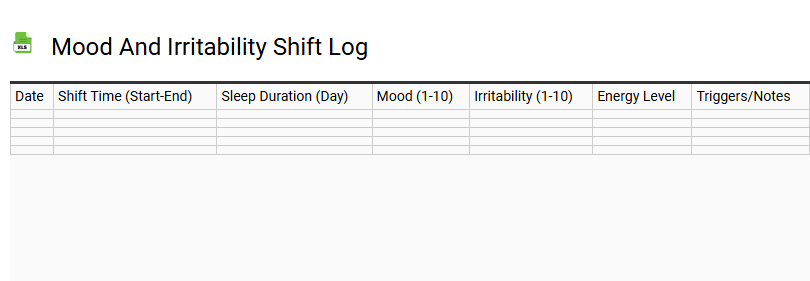
💾 Mood and Irritability Shift Log .xls
This tracking log serves as a structured tool for monitoring emotional fluctuations and sudden behavioral changes. By documenting specific instances of agitation or low spirits, individuals can identify recurring patterns that influence their daily stability and mental clarity.
- Timestamp: Record the exact date and time the shift occurred.
- Intensity: Rate the severity of the feeling on a scale from one to ten.
- Context: Note potential environmental triggers or social interactions preceding the shift.
- Duration: Track how long the state persisted before returning to baseline.
- Observations: Detail any physical sensations or intrusive thoughts experienced.
Consistent use of this template facilitates clearer communication with healthcare professionals. It transforms subjective experiences into actionable data, allowing for more precise assessments and the development of effective personal coping strategies over time.
Physical Activity and Workout Timing Sheet
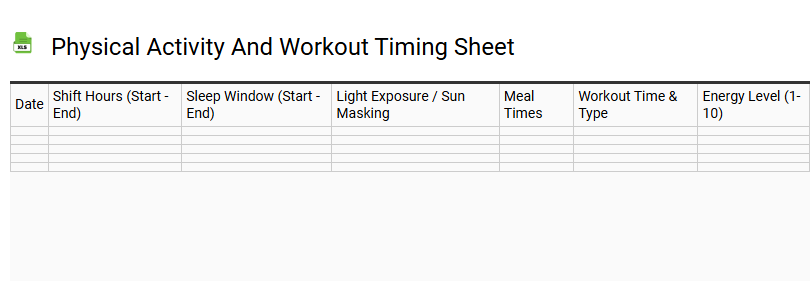
💾 Physical Activity and Workout Timing Sheet .xls
This physical activity and workout timing sheet serves as a strategic blueprint for optimizing athletic performance and metabolic health. By synchronizing training sessions with your natural circadian rhythm, you can maximize energy expenditure and facilitate superior muscle recovery. The template allows for precise tracking of exercise duration, training intensity, and specific movement patterns within your daily routine.
- Peak Performance: Identify optimal windows for strength training and cardiovascular drills.
- Metabolic Efficiency: Align high-intensity intervals with biological readiness.
- Recovery Cycles: Document rest intervals to prevent overtraining and burnout.
- Progress Tracking: Maintain a consistent exercise log for long-term physiological adaptation.
Utilizing a structured workout schedule ensures that every session contributes to your fitness goals. This data-driven approach to body conditioning bridges the gap between effort and results, enhancing both aerobic capacity and anaerobic power through disciplined documentation.
Work Shift Transition Log
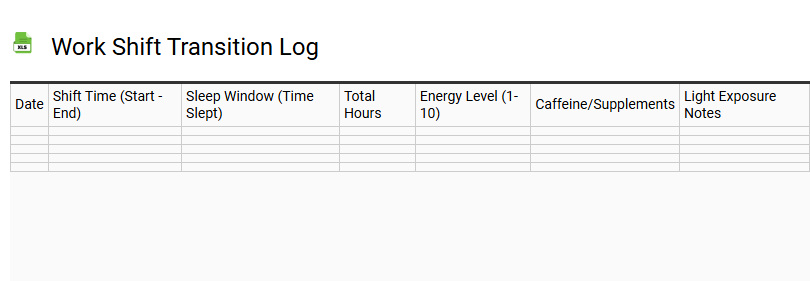
💾 Work Shift Transition Log .xls
A work shift transition log is a vital communication tool designed to maintain operational continuity during personnel changes. Utilizing a standardized handover report template ensures that incoming staff receive comprehensive status updates regarding ongoing projects, pending tasks, and critical safety incidents.
Effective shift documentation minimizes the communication gap by tracking:
- Task completion status and pending assignments.
- Equipment maintenance and operational readiness.
- Workplace safety observations and hazard reports.
- Key performance indicators and production goals.
By implementing a structured shift change checklist, organizations enhance accountability and workflow efficiency. This professional handover document is essential for high-stakes environments like healthcare, manufacturing, and hospitality, ensuring that vital information is preserved across the 24-hour cycle to prevent procedural errors and maximize productivity.
Resting Heart Rate and HRV Tracker
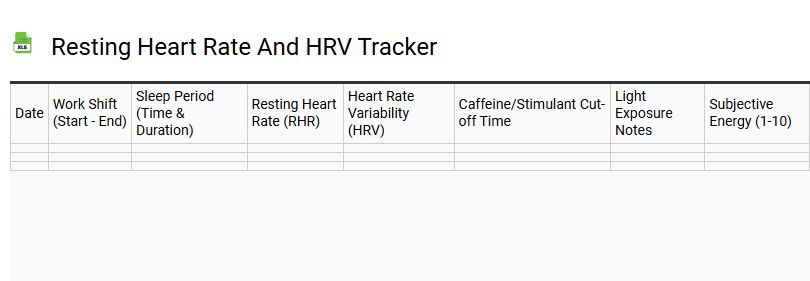
💾 Resting Heart Rate and HRV Tracker .xls
This comprehensive Resting Heart Rate (RHR) and Heart Rate Variability (HRV) tracker is an essential tool for precise health monitoring and fitness optimization. By systematically logging daily biometric data, users gain deep insights into their autonomic nervous system balance and overall cardiovascular health.
Monitoring RHR trends helps identify recovery status and potential overtraining, while HRV serves as a critical marker for stress management and parasympathetic activity. This digital template facilitates the analysis of cardiac rhythms, allowing for data-driven adjustments to workout intensity and lifestyle habits.
- Track physiological baselines for peak physical performance.
- Identify correlations between sleep quality and circadian rhythms.
- Optimize aerobic capacity through consistent health metric documentation and trend visualization.
Sleep Latency and Interruption Log
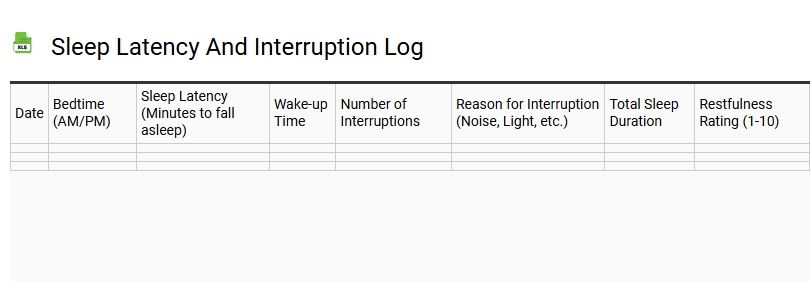
💾 Sleep Latency and Interruption Log .xls
A sleep latency and interruption log serves as a vital analytical tool for monitoring circadian rhythm stability and sleep architecture. By recording the precise duration of sleep onset, individuals can identify patterns of insomnia or delayed restfulness. This logbook meticulously tracks nocturnal awakenings and periods of wakefulness, providing a comprehensive overview of sleep efficiency. Monitoring these behavioral patterns helps in refining sleep hygiene practices and understanding sleep cycle disruptions. Consistent data collection regarding rapid eye movement (REM) stages and total sleep duration aids in identifying environmental triggers or physiological stressors. Utilizing this template facilitates clinical assessments of restorative sleep, allowing for targeted interventions to minimize sleep fragmentation. Ultimately, documenting sleep latency and the frequency of interruptions empowers users to optimize their nocturnal recovery and enhance overall daytime alertness.
Post-Shift Wind Down Routine Tracker
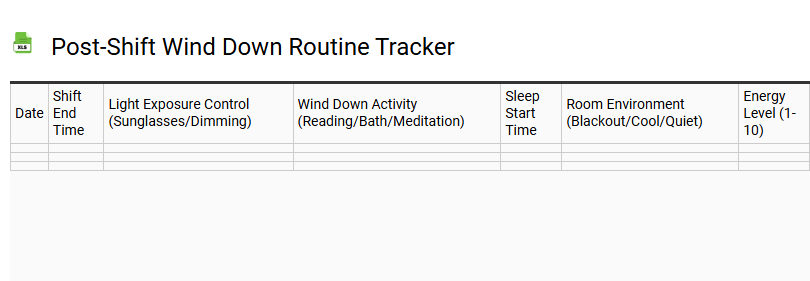
💾 Post-Shift Wind Down Routine Tracker .xls
A post-shift wind down routine tracker is an essential instrument for achieving optimal work-life balance and mitigating occupational burnout. By documenting specific transition rituals, individuals can effectively lower cortisol levels and mentally detach from professional responsibilities. This template facilitates the monitoring of self-care practices such as mindfulness, deep breathing, and digital detox periods to signal the end of the workday.
Consistent use of a recovery log enhances sleep hygiene and supports emotional regulation. Key benefits of tracking your decompression include:
- Improved stress management through structured reflection.
- Enhanced mental health via intentional mindfulness.
- Better circadian rhythm alignment for restorative rest.
- Development of sustainable well-being habits.
Utilizing this tracker helps bridge the gap between high-pressure environments and personal relaxation, ensuring long-term productivity and psychological resilience through documented decompression strategies.
Utilizing a night shift circadian rhythm log empowers shift workers to master their sleep-wake cycle. This template tracks essential data points like melatonin timing, light exposure, and daily alertness levels to mitigate shift work disorder. By monitoring your internal biological clock, you can implement better sleep hygiene strategies. Recording these patterns in a dedicated logbook ensures restorative rest and long-term wellness. Consistently documenting your routine helps synchronize physiological processes, providing a clear roadmap for health in a demanding environment.