
Pain Management Diary Template: Tracking Daily Symptoms and Triggers
Effectively managing chronic pain requires consistent observation and precise documentation. A structured pain management diary serves as a vital clinical tool for tracking symptom intensity, identifying flare-up triggers, and monitoring medication efficacy. By maintaining a detailed daily log, patients enhance communication with healthcare providers, ensuring more personalized treatment strategies. This proactive approach to health tracking helps correlate lifestyle habits with physical discomfort, ultimately improving long-term wellness outcomes. Please check our already made variation of templates below.
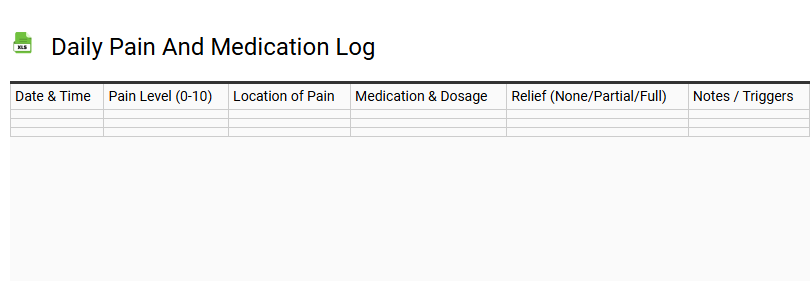
Daily Pain and Medication Log
💾 Daily Pain and Medication Log .xls
A daily pain and medication log is an essential instrument for proactive chronic pain management and systematic symptom tracking. This structured template facilitates the recording of pain intensity levels-typically on a numerical scale-alongside meticulous medication adherence data. By documenting specific dosage, timing, and the occurrence of breakthrough pain, users create a comprehensive health journal that evaluates treatment efficacy over time.
Utilizing this log helps identify environmental triggers and the frequency of symptom flare-ups, providing longitudinal data that is invaluable for physician communication. Key benefits include:
- Monitoring pharmacological responses and potential side effects.
- Correlating lifestyle factors with physical discomfort.
- Assisting healthcare providers in optimizing clinical protocols.
Ultimately, consistent data entry empowers patients to transform subjective experiences into actionable insights for improved therapeutic outcomes.
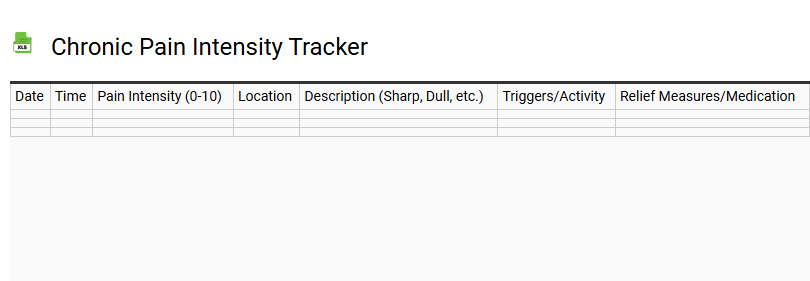
Chronic Pain Intensity Tracker
💾 Chronic Pain Intensity Tracker .xls
This chronic pain intensity tracker serves as a sophisticated longitudinal data resource for proactive pain management. By utilizing a standardized numerical rating scale, users can document daily discomfort levels to identify specific flare-ups and symptom triggers. This symptom log captures essential details regarding localized discomfort and duration, providing a comprehensive overview for physician consultations.
Tracking fluctuations in intensity helps assess medication efficacy and the impact of therapeutic interventions. This structured approach to health monitoring empowers patients with chronic conditions to visualize patterns over time. Whether managing fibromyalgia, arthritis, or neuropathy, maintaining a consistent pain assessment tool facilitates informed clinical decisions and personalized treatment adjustments. Use this template to bridge the communication gap with healthcare providers and enhance your patient empowerment journey toward improved quality of life.
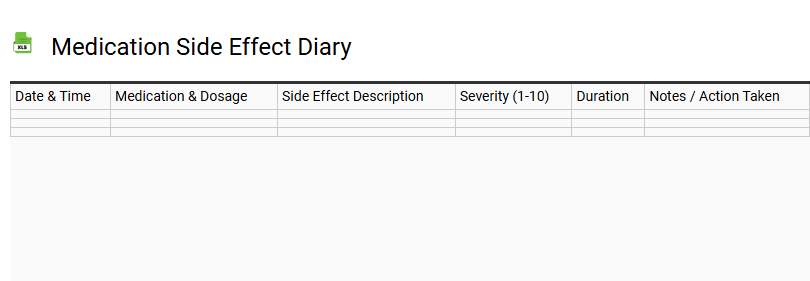
Medication Side Effect Diary
💾 Medication Side Effect Diary .xls
A medication side effect diary serves as an essential symptom tracking tool for enhancing patient safety and monitoring pharmacological responses. By maintaining a structured dosage log, individuals can accurately document adverse reactions and potential drug interactions in real-time.
Effective health monitoring involves recording specific data points to improve treatment efficacy, including:
- Exact dosage timing and administration frequency.
- Detailed descriptions of physical symptoms and severity.
- Observed therapeutic outcomes and behavioral changes.
- Contextual wellness indicators like sleep and diet.
These clinical records provide healthcare professionals with actionable insights for optimizing prescription management. Consistently updating your health journal ensures that medical consultations are informed by precise data, facilitating safer dosage adjustments and comprehensive chronic condition management strategies.
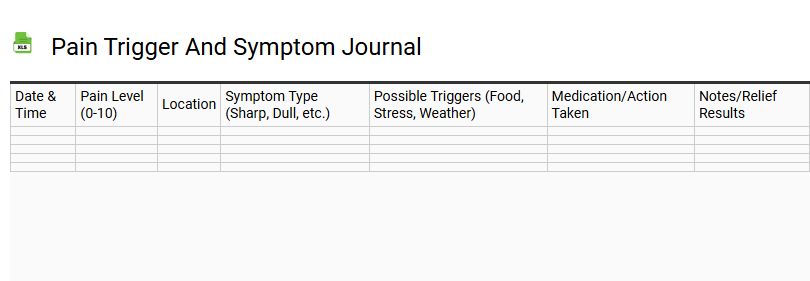
Pain Trigger and Symptom Journal
💾 Pain Trigger and Symptom Journal .xls
A comprehensive pain trigger and symptom journal serves as a vital tool for managing chronic pain and identifying underlying causes of flare-ups. By maintaining detailed daily logs, individuals can record symptom intensity, localized discomfort, and specific environmental factors like weather or stress levels. Utilizing this health data enables patients to uncover correlations between dietary triggers, sleep quality, and physical activity.
This wellness diary streamlines communication with medical providers, offering objective insights into medication efficacy and the progress of physical therapy. Tracking these biometric patterns facilitates personalized treatment adjustments, helping to mitigate recurring episodes. Whether monitoring migraines, fibromyalgia, or musculoskeletal issues, a structured symptom tracker empowers users to reclaim control over their health journey through precise, actionable documentation of their physiological responses.
Weekly Pain Management Summary
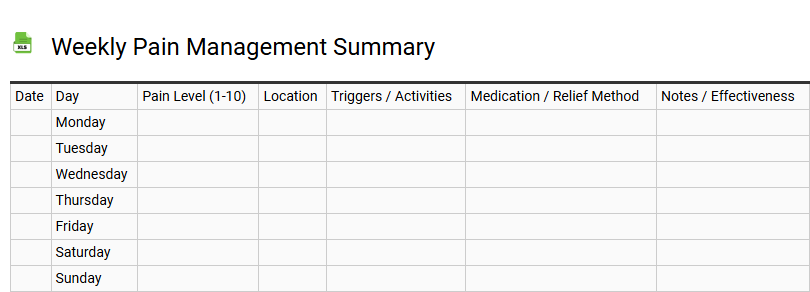
💾 Weekly Pain Management Summary .xls
A Weekly Pain Management Summary serves as a vital clinical tool for monitoring chronic pain trends and symptom progression. This structured template facilitates the systematic tracking of pain intensity levels, identifying specific flare-up triggers, and evaluating medication efficacy over a seven-day period. By documenting physical therapy progress and mobility assessments, patients and healthcare providers can visualize health trends to optimize multimodal treatment plans.
Effective summaries integrate key metrics such as:
- Daily discomfort logs and localized anatomical mapping.
- Evaluation of quality of life indicators, including sleep hygiene and emotional well-being.
- Assessment of analgesic interventions and potential side effects.
Utilizing this patient-reported outcome framework enhances clinical documentation and fosters clear communication. This data-driven approach ensures precise adjustments to pain relief strategies, ultimately improving long-term patient outcomes and functional recovery.
Physical Activity and Pain Level Tracker
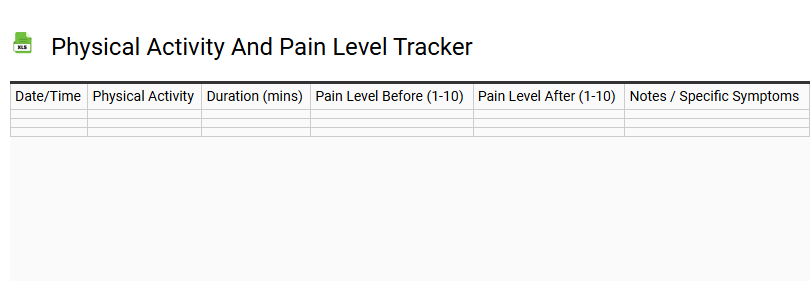
💾 Physical Activity and Pain Level Tracker .xls
Utilizing a comprehensive physical activity and pain level tracker is essential for effective symptom management and rehabilitation. This log enables users to document daily exercise routines, capturing specific movement patterns, intensity levels, and duration. By integrating a numerical pain scale alongside activity data, individuals can identify correlations between physical exertion and discomfort triggers.
Tracking these variables fosters better communication with healthcare providers, aiding in the adjustment of recovery protocols or physical therapy sessions. Consistent monitoring of mobility drills, strength training, and cardiovascular health provides a longitudinal view of progress. This data-driven approach allows for the optimization of wellness strategies, ensuring that fitness goals are met without exacerbating chronic pain symptoms. Ultimately, this template serves as a vital tool for balancing active lifestyles with injury prevention and long-term musculoskeletal health.
Joint Pain and Flare-up Log
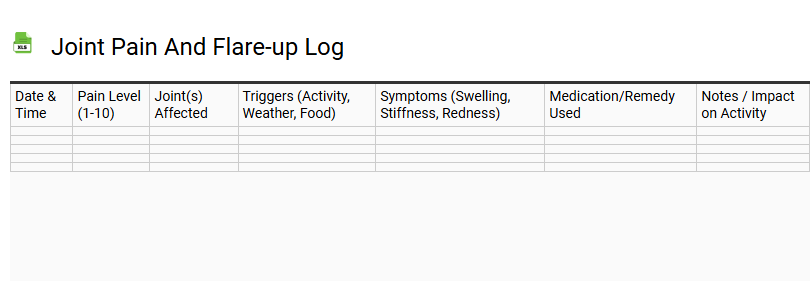
💾 Joint Pain and Flare-up Log .xls
Utilizing a comprehensive joint pain and flare-up log is a foundational strategy for effective chronic pain management. This clinical documentation tool allows individuals managing arthritis or systemic inflammation to record daily fluctuations in discomfort and functional mobility. By meticulously tracking symptom monitoring data, such as pain intensity scales, localized swelling, and the duration of morning stiffness, patients can identify specific environmental or lifestyle triggers.
Consistent use of a structured template facilitates better communication with a rheumatologist or physical therapist. Key metrics often include:
- Pain Intensity: Quantitative assessment of discomfort levels (1–10 scale).
- Flare-up Triggers: Correlations with weather changes, dietary habits, or physical exertion.
- Medication Efficacy: Monitoring the impact of analgesics, NSAIDs, or biologics.
Integrating these insights into your medical history empowers proactive healthcare adjustments, optimizing long-term joint health and improving overall quality of life through data-driven treatment plans.
Migraine and Headache Frequency Tracker
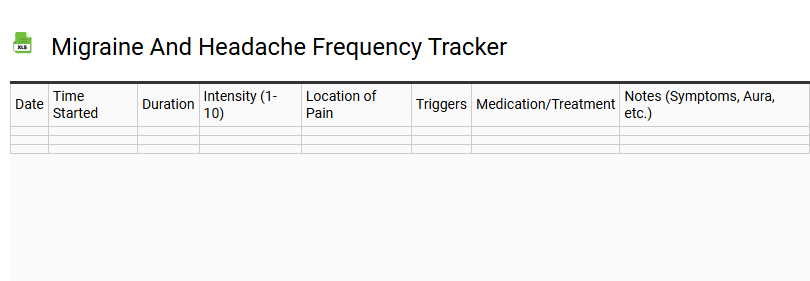
💾 Migraine and Headache Frequency Tracker .xls
Monitoring the recurring patterns of neurological pain is essential for effective health management. This log provides a structured format to document every episode, capturing specific dates, durations, and intensity levels on a standardized scale. By recording these details, individuals can identify subtle trends that might otherwise go unnoticed during daily life.
Using this tracker consistently helps in noting associated symptoms and potential environmental influences. A detailed history serves as a vital tool during medical consultations, offering a clear overview of episode regularity and the impact of various interventions. Key data points to record include:
- Onset and Duration: Precise timing of when symptoms begin and conclude.
- Pain Severity: A numeric rating to categorize the impact of the episode.
- Prodrome Symptoms: Early warning signs experienced before the main event.
- Relief Efficacy: The outcomes of specific treatments or rest periods.
Post-Operative Recovery Pain Log
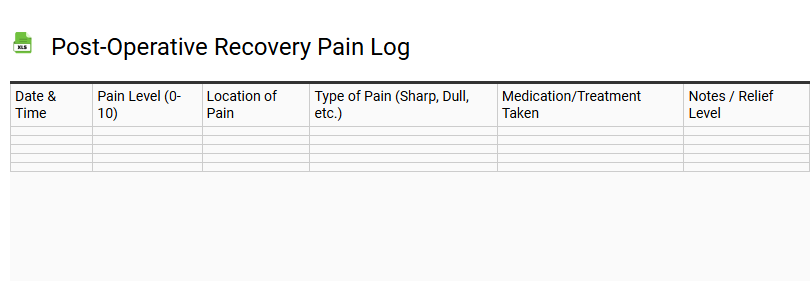
💾 Post-Operative Recovery Pain Log .xls
A post-operative recovery pain log is an essential tool for effective surgical aftercare and pain management. By systematically tracking discomfort levels using a standardized numerical pain scale, patients provide healthcare providers with accurate data for clinical assessment. This recovery journal should document the following key metrics:
- Frequency and intensity of sensations throughout the healing process.
- Specific medication dosages, analgesic timing, and effectiveness.
- Presence of breakthrough pain or localized inflammatory responses.
- Observations regarding the surgical incision site and physical mobility.
Consistently recording these physiological trends ensures a personalized recovery timeline, optimizing the transition from clinical care to home wellness. Utilizing a structured log facilitates clear communication with the surgical team, ensuring that adjustments to rehabilitation protocols are evidence-based. This proactive approach to patient monitoring enhances safety and promotes a predictable healing journey.
Pain Management Treatment History
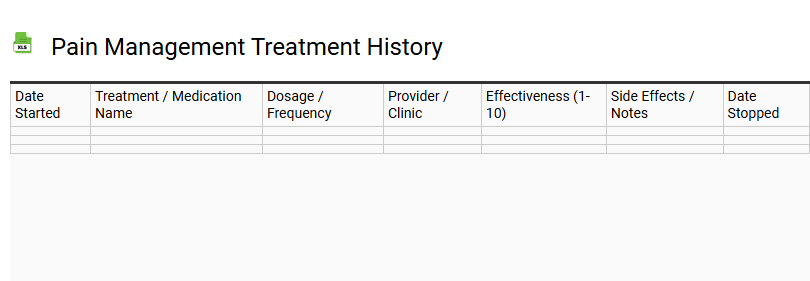
💾 Pain Management Treatment History .xls
An effective pain management treatment history template serves as a critical component of comprehensive clinical documentation. It systematically captures a patient's journey through various therapeutic interventions and pharmacological management strategies. By recording detailed medical records, including diagnostic imaging results and previous interventional procedures, healthcare providers can establish a clear baseline assessment of chronic pain levels and functional limitations.
- Surgical History: Documenting past operations impacting musculoskeletal or neurological health.
- Rehabilitation Modalities: Tracking physical therapy sessions and specific patient outcomes.
- Medication Efficacy: Analyzing responses to prior analgesic protocols and potential side effects.
Utilizing this structured format ensures that all multidisciplinary approaches are reviewed, minimizing treatment redundancy while optimizing long-term rehabilitative care and functional restoration. This data-driven approach facilitates personalized care plans tailored to improve quality of life and long-term recovery.
Visual Pain Scale and Medication Record
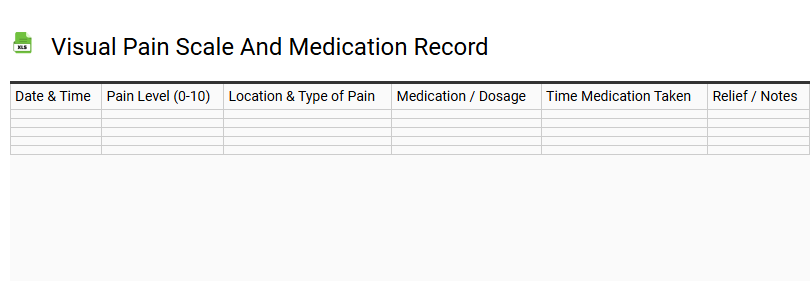
💾 Visual Pain Scale and Medication Record .xls
This integrated Visual Pain Scale and Medication Record serves as a vital clinical assessment tool for tracking physiological distress and treatment efficacy. By utilizing standardized metrics like the Wong-Baker FACES or a numeric rating scale, users can objectively quantify pain intensity levels. This systematic approach to pain management facilitates a clear correlation between subjective symptoms and pharmacological interventions. The accompanying medication administration log ensures precise dosage tracking, recording the timing and frequency of analgesics or other prescriptions. By documenting symptom monitoring alongside medication intake, caregivers and healthcare providers can analyze the patient's therapeutic response and adjust recovery protocols accordingly. This comprehensive healthcare documentation template optimizes patient care by streamlining communication and ensuring an organized history of pain levels and medication adherence for improved health outcomes.
Sleep and Pain Correlation Diary
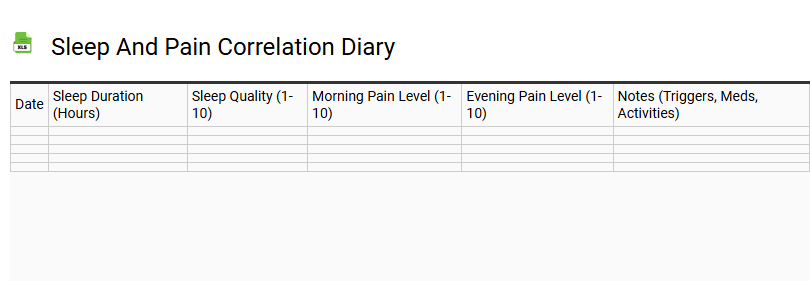
💾 Sleep and Pain Correlation Diary .xls
This structured template facilitates a comprehensive sleep and pain correlation diary, enabling users to monitor the complex bidirectional relationship between nocturnal rest and diurnal discomfort. By systematically logging sleep quality, duration, and pain intensity using a numeric scale, individuals can identify specific triggers for chronic pain flare-ups or insomnia.
- Symptom Tracking: Document inflammation levels and joint stiffness relative to restorative sleep cycles.
- Biometric Trends: Analyze how circadian rhythm disruptions impact pain thresholds and neuropathic symptoms.
- Clinical Utility: Generate a longitudinal analysis for healthcare providers to optimize multimodal analgesia and sleep hygiene protocols.
Consistent data logging within this health journal empowers patients to visualize the nexus between REM sleep and physical stressors. Utilizing this monitoring tool is essential for improving health outcomes and achieving sustainable pain management through evidence-based self-tracking.
Prescription Refill and Dosage Tracker
💾 Prescription Refill and Dosage Tracker .xls
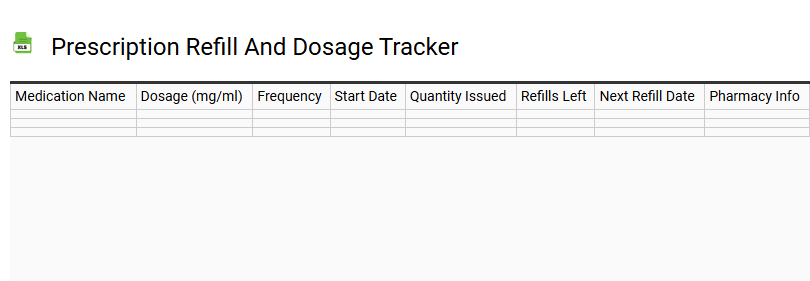
Managing personal healthcare requires a structured medication management system to ensure consistent medication adherence and patient safety. This Prescription Refill and Dosage Tracker template simplifies monitoring your daily dose schedule, tracking dosage frequency, and recording specific medication strength. By organizing your health records, you can effectively prevent missed doses and manage maintenance medications with precision.
The layout includes dedicated fields for pharmacy contact details, healthcare provider information, and automated refill alerts to ensure you never run out of essential supplies. Monitoring the quantity remaining and expiration dates helps mitigate risks of drug interactions and ensures treatment potency. Whether managing chronic conditions or temporary prescriptions, this digital log provides a comprehensive overview of your treatment plan, fostering better communication with your pharmacist and streamlining your overall wellness routine.
Holistic Pain Wellness Sheet
💾 Holistic Pain Wellness Sheet .xls
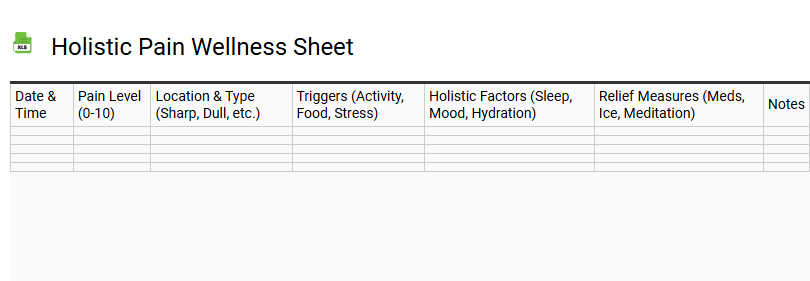
This Holistic Pain Wellness Sheet template facilitates a comprehensive, patient-centered approach to chronic pain management. By utilizing an integrative health framework, users can systematically track daily symptom patterns, pain intensity levels, and underlying emotional triggers. This structural tool incorporates critical bio-psycho-social markers, including sleep hygiene, nutritional intake, and stress fluctuations.
Designed for multi-modal recovery, the template encourages the documentation of non-pharmacological interventions such as mindfulness meditation, restorative movement, and targeted breathwork. By correlating physical sensations with psychological states, individuals identify lifestyle adjustments that influence their pain trajectory. This data-driven approach empowers patients to collaborate with practitioners on personalized treatment plans, focusing on functional mobility and anti-inflammatory habits. Use this holistic framework to bridge the gap between clinical medical advice and alternative healing modalities for sustainable, long-term wellness and symptom relief.
Chronic Illness Daily Log
💾 Chronic Illness Daily Log .xls
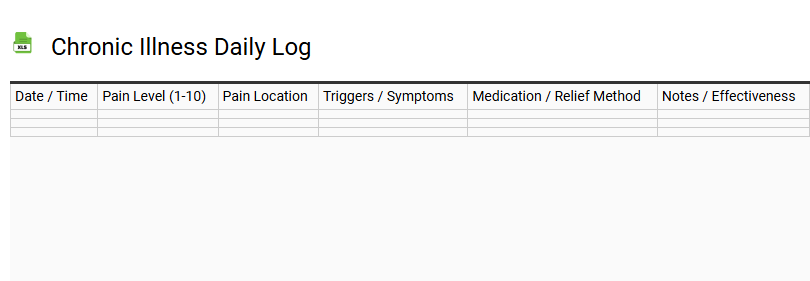
A chronic illness daily log serves as a vital health management tool for patients navigating long-term medical conditions. By utilizing a structured symptom tracker, individuals can document daily pain levels, fatigue, and flare-up triggers with precision. This comprehensive health journal facilitates better medication adherence and monitors vital signs alongside sleep quality and nutritional intake.
Tracking energy levels-often referenced in spoon theory-helps in pacing daily activities and managing physical exertion. Furthermore, maintaining a mood diary and recording physical activity provides holistic data for healthcare provider consultations. These documented insights enable data-driven adjustments to treatment plans, improving long-term wellness outcomes. Whether managing autoimmune disorders, fibromyalgia, or POTS, a systematic log identifies subtle patterns, empowers patient self-advocacy, and bridges the communication gap with clinical specialists for optimized therapeutic interventions and personalized care.
Nerve Pain Monitoring Template
💾 Nerve Pain Monitoring Template .xls
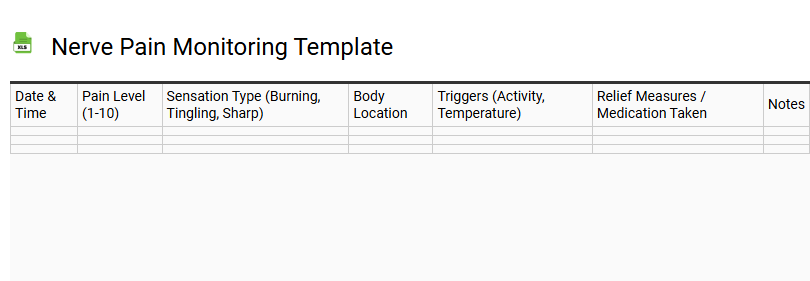
A nerve pain monitoring template serves as a vital diagnostic tool for individuals managing neuropathic symptoms. By utilizing a structured pain journal, patients can systematically track shooting sensations, burning, and tingling associated with peripheral neuropathy or sciatica. This symptom tracker captures pain intensity levels using the Visual Analogue Scale (VAS), allowing for precise data collection.
Documenting flare-up triggers, such as physical activity or sleep patterns, helps identify environmental stressors. Furthermore, recording medication efficacy and lifestyle adjustments provides healthcare providers with a clear neurological assessment. Monitoring numbness and radiating discomfort ensures that nerve damage progression is closely observed. Whether managing diabetic neuropathy or chronic pain, maintaining a detailed daily log facilitates better communication during clinical consultations, ultimately refining treatment plans and improving long-term pain management outcomes.
Back Pain and Mobility Tracker
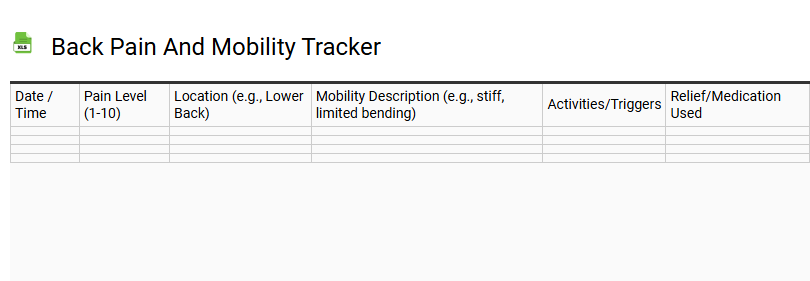
💾 Back Pain and Mobility Tracker .xls
Optimizing spinal health requires consistent monitoring of daily physical stressors and lumbar alignment. This Back Pain and Mobility Tracker functions as a comprehensive digital journal for logging chronic discomfort, sciatica flare-ups, and morning stiffness. By utilizing a quantified pain scale, users can identify specific triggers related to ergonomics or sedentary behavior.
Tracking your range of motion (ROM) and functional movement is essential for evaluating the efficacy of physical therapy exercises and core stability routines. Documenting flexibility milestones, inflammation levels, and vertebral wellness empowers individuals to visualize their recovery journey. This structured health template correlates activity levels with neuropathic symptoms, providing a data-driven approach to managing musculoskeletal health and restoring total body mobility through precise, actionable insights.
Arthritis Daily Management Sheet
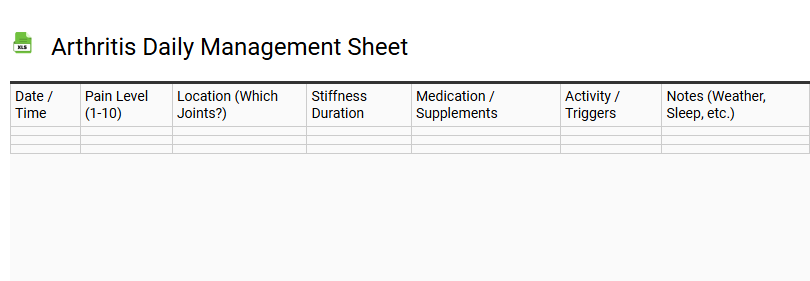
💾 Arthritis Daily Management Sheet .xls
Utilizing a comprehensive arthritis daily management sheet is a proactive strategy for tracking joint pain and systemic inflammation. This essential symptom tracker allows patients to document morning stiffness, the intensity of flare-ups, and overall mobility levels. By integrating a detailed medication log with records of physical therapy sessions, users can identify specific environmental or dietary triggers affecting their chronic condition.
Recording daily range of motion exercises and activity peaks aids in making necessary lifestyle adjustments. This structured data simplifies communication with healthcare providers, ensuring a holistic approach to treatment. Monitoring these variables helps maintain a clear overview of progress, facilitating better control over osteoarthritis or rheumatoid arthritis symptoms through consistent, evidence-based self-care and longitudinal observation of physical health trends.
Fibromyalgia Symptom and Med Tracker
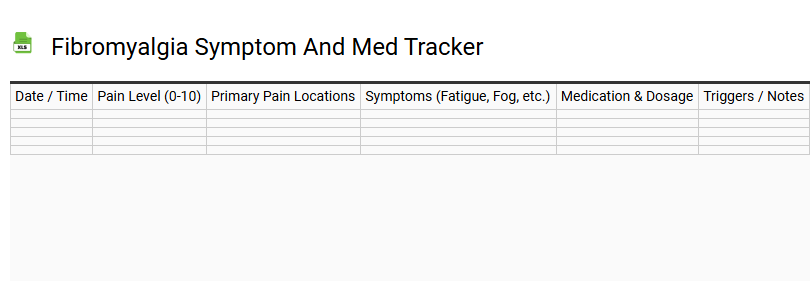
💾 Fibromyalgia Symptom and Med Tracker .xls
Effectively managing chronic pain requires a comprehensive fibromyalgia symptom and medication tracker. This structured template facilitates the monitoring of daily fatigue levels, sleep quality, and pain intensity on a standardized scale. By documenting flare-up triggers and prescription adherence, patients can identify critical patterns in their neuropathic pain and fibro fog. This health log serves as an essential tool for rheumatology appointments, providing data-driven insights into medication efficacy and lifestyle adjustments.
Utilizing a wellness diary to record physical activity and mood fluctuations empowers individuals to optimize their multimodal treatment plan. Consistently updating this digital health tracker ensures better communication with healthcare providers, leading to improved quality of life and targeted symptom management strategies for those navigating the complexities of fibromyalgia syndrome and central sensitization.
Pediatric Pain Management Journal
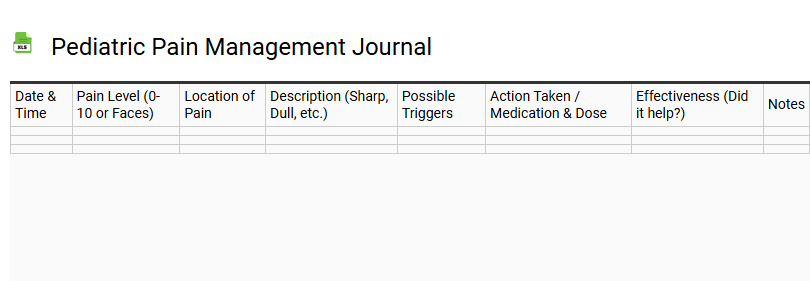
💾 Pediatric Pain Management Journal .xls
This specialized journal template streamlines the submission of high-quality research concerning pediatric pain management. It provides a structured framework for documenting analgesic efficacy, developmental pharmacokinetics, and non-pharmacological interventions tailored for neonatal through adolescent populations. Authors can effectively present data derived from validated pain assessment tools, such as the FLACC scale or Wong-Baker FACES, to ensure evidence-based practice.
The layout emphasizes a multidisciplinary approach, integrating insights from anesthesiology, nursing, and psychology to address acute postoperative pain and chronic pain syndromes. By utilizing this clinically optimized format, contributors enhance the visibility of their findings regarding patient outcomes and safety protocols in pediatric clinical trials. This resource is essential for disseminating breakthroughs in opioid-sparing techniques and holistic comfort measures, ultimately improving the standard of care in pediatric healthcare settings.
Utilizing a pain management diary is essential for identifying symptom patterns and evaluating medication effectiveness. This symptom log allows patients to:
- Quantify pain intensity and daily frequency.
- Track flare-ups and environmental triggers.
- Improve communication with healthcare providers.
In closing, adopting a pain scale template ensures your chronic pain journey is managed with precise, data-driven insights for better long-term clinical outcomes and personalized care.