
Pelvic Floor Exercise Log Template: Track Your Daily Progress
A pelvic floor exercise log is a vital tool for maintaining consistent pelvic health and bladder control. By utilizing a structured Kegel routine tracker, you can effectively monitor muscle strength progress and enhance core stability daily. Tracking your repetitions and duration ensures accountability while providing valuable data for your pelvic floor therapist. Consistent rehabilitation exercises are essential for long-term pelvic floor wellness and recovery. Find the perfect layout to support your physical therapy journey. Please check the already made variation of templates below.
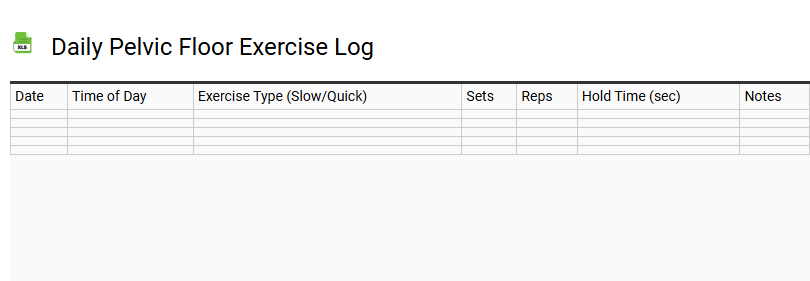
Daily Pelvic Floor Exercise Log
💾 Daily Pelvic Floor Exercise Log .xls
A Daily Pelvic Floor Exercise Log is a specialized training diary designed to monitor progress in muscle contractions and core stability. By documenting your Kegel routine, you ensure consistency in your physical therapy journey to improve bladder control and overall pelvic health.
Effective tracking should capture key metrics to maximize strengthening results and manage urinary incontinence:
- Repetitions: The total count of isolated muscle contractions.
- Hold Time: The duration of the active engagement phase.
- Relaxation Phase: Essential rest periods between sets to prevent muscle fatigue.
- Intensity: Subjective measurement of contraction strength.
Utilizing a structured fitness log supports postpartum recovery and long-term urology health. Maintaining a detailed record of therapeutic exercises encourages adherence, helping you achieve functional goals through disciplined, daily pelvic floor rehabilitation.
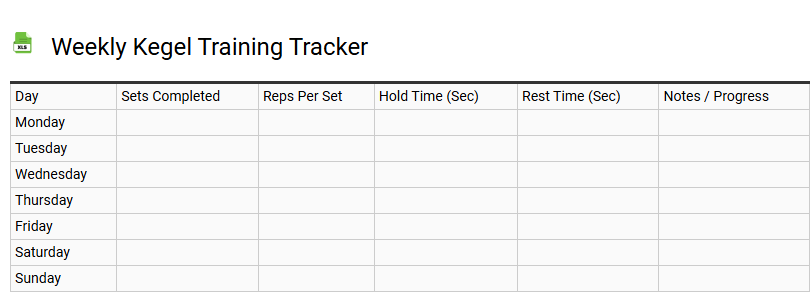
Weekly Kegel Training Tracker
💾 Weekly Kegel Training Tracker .xls
A Weekly Kegel Training Tracker is an essential tool for optimizing pelvic floor health and ensuring consistent muscle strengthening. By utilizing this template, individuals can document daily repetitive contractions, hold durations, and set frequencies to improve bladder control and address urinary incontinence. Monitoring your progress through a structured exercise log enhances core stability and supports postpartum recovery or general reproductive health.
This pelvic floor therapy resource focuses on the pubococcygeus muscles, allowing for precise muscle endurance analysis. Regular entries help identify patterns in muscle tone development and ensure progressive overload. Maintaining a disciplined routine with a dedicated tracker facilitates better pelvic support, improves physiological wellness, and provides tangible data to share with healthcare providers for personalized wellness goals.
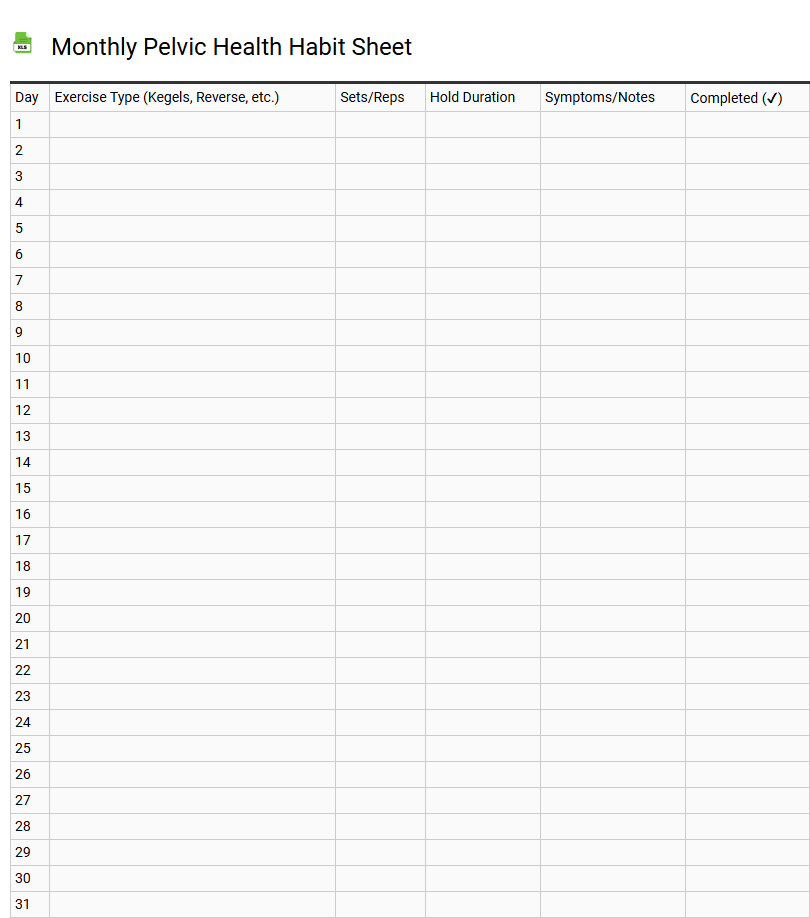
Monthly Pelvic Health Habit Sheet
💾 Monthly Pelvic Health Habit Sheet .xls
This monthly pelvic health habit sheet serves as a structured tool for monitoring daily physical well-being and progress. By utilizing a dedicated tracking system, individuals can document essential activities such as pelvic floor exercises, gentle stretching, and hydration levels. Consistent logging helps identify specific patterns related to bladder function, core stability, and comfort levels throughout the month.
The template encourages accountability by providing a clear visual representation of health commitments. Participants can record the frequency of movements and any recurring symptoms, facilitating more productive discussions with healthcare providers.
- Track daily strengthening and relaxation routines.
- Monitor fluid intake and dietary habits affecting pelvic comfort.
- Observe trends in functional movement and muscle recovery.
Integrating this sheet into a routine ensures that wellness remains a priority, leading to improved long-term functional outcomes and better quality of life.
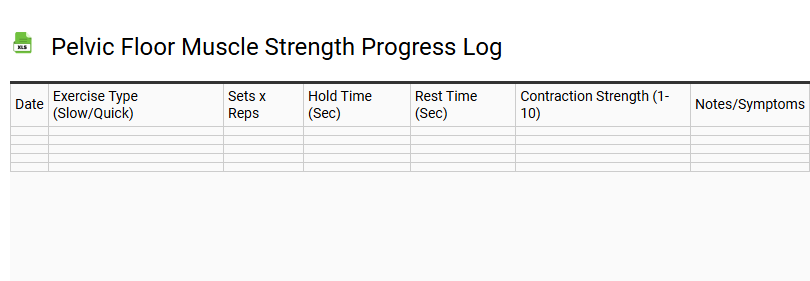
Pelvic Floor Muscle Strength Progress Log
💾 Pelvic Floor Muscle Strength Progress Log .xls
Maintaining a Pelvic Floor Muscle Strength Progress Log is essential for tracking improvements in pelvic health and bladder control. This structured template facilitates the monitoring of Kegel exercises, documenting the frequency, duration, and intensity of pelvic floor muscle contractions. By recording daily sessions, users can visualize gains in muscular endurance and core stability, addressing symptoms of pelvic floor dysfunction or stress incontinence. A comprehensive log should include metrics for fast twitch pulses and sustained holds to enhance neuromuscular control. Consistency in data entry ensures optimized hypertrophy of the pubococcygeus muscle group. This systematic approach to pelvic rehabilitation provides valuable feedback for healthcare providers, allowing for personalized adjustments to your physical therapy routine. Utilizing a digital or paper-based tracker promotes accountability and long-term physiological wellness through measurable strength training data.
Postpartum Pelvic Recovery Tracker
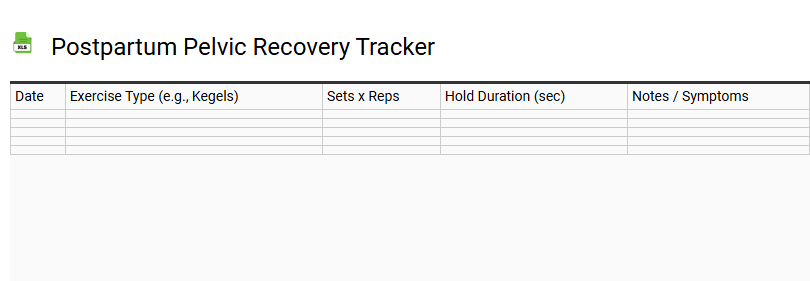
💾 Postpartum Pelvic Recovery Tracker .xls
A Postpartum Pelvic Recovery Tracker serves as a vital tool for monitoring physical restoration after childbirth. This structured log allows individuals to document daily progress regarding core stability, pelvic floor resilience, and overall comfort levels. By recording specific metrics such as diastasis recti healing, internal pressure sensations, and exercise tolerance, users can visualize their healing journey with clarity.
- Identify patterns in physical sensations during daily movement.
- Facilitate data-driven discussions with pelvic health specialists.
- Establish a gradual, safe timeline for returning to high-impact activities.
- Monitor milestones in bladder control and functional strength.
Utilizing this tracker ensures a mindful approach to rehabilitation, prioritizing long-term health over rapid results. It provides the necessary feedback to adjust recovery protocols based on individual needs, ensuring the transition back to fitness is sustainable and supportive of the body's unique requirements following delivery.
Pelvic Floor Consistency Calendar
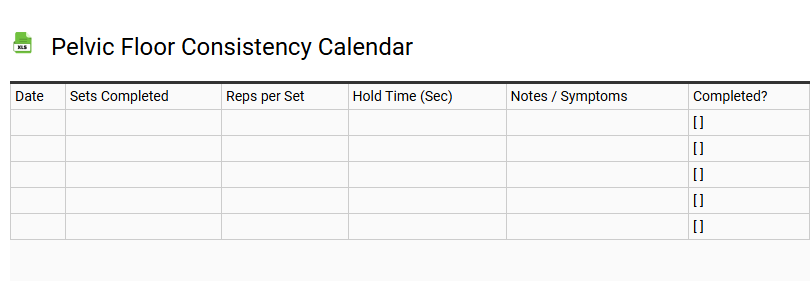
💾 Pelvic Floor Consistency Calendar .xls
A pelvic floor consistency calendar serves as a vital clinical tool for managing pelvic health and improving core stability. By utilizing this structured template, individuals can systematically track daily Kegel exercises and specialized pelvic floor muscle training (PFMT) sessions. Maintaining long-term consistency is essential for effectively addressing urinary incontinence, supporting postpartum recovery, and managing symptoms of pelvic organ prolapse.
This specialized tracking log encourages strict adherence to rehabilitation protocols, ensuring repetitive muscle engagement for enhanced bladder control and physiological wellness. Monitoring daily progress helps identify patterns in pelvic floor dysfunction while promoting mindfulness during physical therapy routines. Whether focused on muscle endurance or functional strength, a dedicated tracker fosters the habitual discipline necessary for successful rehabilitation and sustained pelvic integrity through measurable, daily progress.
Integrated Core and Pelvic Floor Routine Log
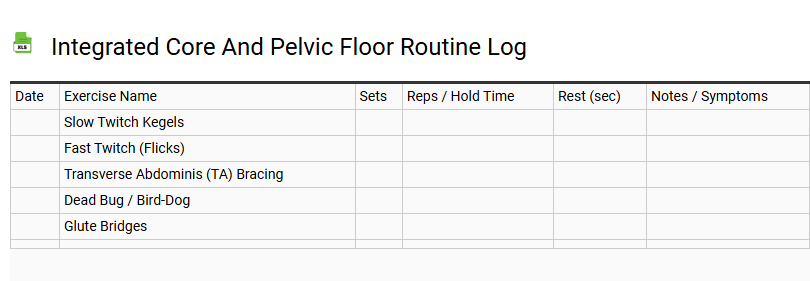
💾 Integrated Core and Pelvic Floor Routine Log .xls
This Integrated Core and Pelvic Floor Routine Log serves as a dedicated tool for tracking functional stability and internal strength. By documenting each session, you maintain a clear record of progress across diverse movements that synchronize the deep abdominals with the pelvic base.
Utilize this template to monitor essential metrics:
- Exercise Selection: List specific movements focusing on coordination and control.
- Volume: Record the number of sets and repetitions completed.
- Duration: Track the time spent on breathwork or isometric holds.
- Observations: Note any physical sensations or improvements in muscle engagement.
Regularly updating this log encourages consistency and helps identify patterns in your physical performance. This structured approach ensures every session contributes effectively to your long-term wellness goals and core resilience.
Pelvic Health Symptom and Exercise Diary
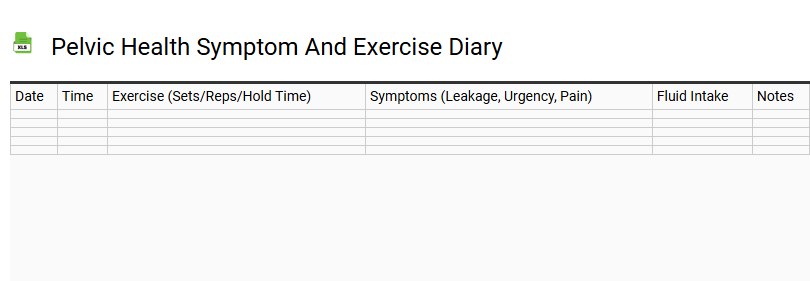
💾 Pelvic Health Symptom and Exercise Diary .xls
A pelvic health symptom and exercise diary serves as a vital diagnostic tool for individuals managing pelvic floor dysfunction or undergoing rehabilitation. By utilizing this structured template, patients can meticulously record urinary urgency, frequency, and incidents of incontinence alongside their daily pelvic floor muscle training (PFMT) or Kegel routines.
Monitoring fluid intake and dietary triggers helps identify patterns affecting bladder control and pelvic pain. This data-driven approach allows physical therapists to tailor treatment plans for improved core stability and muscle coordination. Key metrics often include:
- Daily exercise compliance and repetition counts.
- Symptom severity and duration.
- Fluid consumption and voiding habits.
Consistent tracking facilitates better communication with healthcare providers, ensuring effective recovery. Whether managing chronic pelvic pain or postnatal recovery, maintaining a detailed log empowers users to monitor their pelvic floor health and long-term progress effectively.
Daily Kegel Repetition Counter
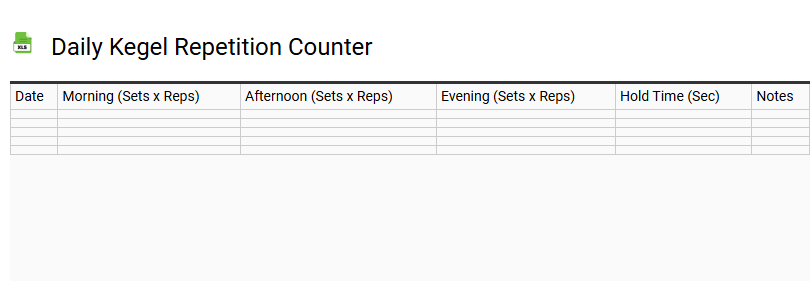
💾 Daily Kegel Repetition Counter .xls
This Daily Kegel Repetition Counter is an essential tool for anyone prioritizing pelvic floor health and core stability. Tracking consistent repetitions is vital for strengthening the pubococcygeus (PC) muscle, which directly improves bladder control and overall intimate wellness.
By utilizing this digital template, users can maintain a structured workout routine tailored to their specific physiological needs. Key benefits of monitoring your progress include:
- Enhanced muscle tone and endurance through progressive overload.
- Increased accountability for daily pelvic floor exercises.
- Better management of core stability and reproductive health.
Consistent activation of these muscle groups supports long-term wellness. Integrating this counter into your fitness tracking regimen ensures you meet your daily goals, fostering the discipline required for significant improvements in pelvic support and functional strength.
Intensive Pelvic Floor Rehabilitation Log
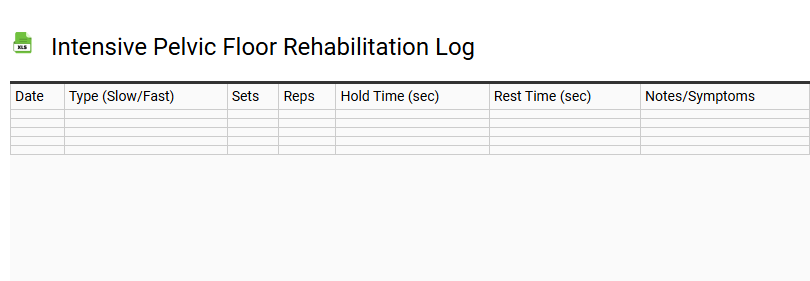
💾 Intensive Pelvic Floor Rehabilitation Log .xls
An intensive pelvic floor rehabilitation log serves as a vital clinical tool for tracking neuromuscular re-education and muscle strengthening. This structured template facilitates the precise monitoring of daily Kegel exercises, bladder control patterns, and core stability routines. By documenting contraction frequency, duration, and peak intensity, patients can visualize tangible progress in treating pelvic floor dysfunction, urinary incontinence, or pelvic organ prolapse.
Consistent data entry supports specific physical therapy goals by identifying behavioral triggers and assessing functional improvements in pelvic health. This comprehensive record integrates biofeedback insights and therapeutic exercise compliance, ensuring a data-driven approach to recovery. Utilizing a detailed rehabilitation diary empowers individuals to refine their technique, enhance muscle endurance, and achieve optimal physiological support. Tracking these physiological metrics is essential for tailoring interventions and ensuring long-term restorative success for the pelvic diaphragm and supporting ligaments.
Pelvic Floor Relaxation and Contraction Diary
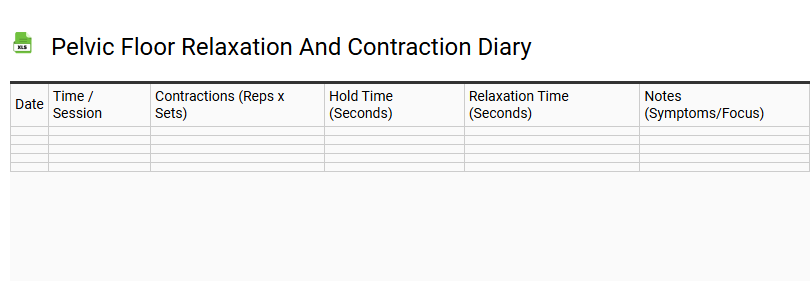
💾 Pelvic Floor Relaxation and Contraction Diary .xls
This Pelvic Floor Relaxation and Contraction Diary serves as a specialized tool for monitoring pelvic health and neuromuscular coordination. By documenting daily Kegel exercises, users can track the vital balance between active contractions and essential muscle relaxation phases. This template is particularly beneficial for individuals managing pelvic floor dysfunction, stress incontinence, or a hypertonic pelvic floor.
- Record pelvic diaphragm activity to improve muscle awareness.
- Identify triggers affecting bladder control and core stability.
- Monitor biofeedback data for more effective physical therapy outcomes.
- Track frequency and intensity to enhance pelvic rehabilitation.
Consistent use of this log facilitates better communication with urology or pelvic health specialists. By focusing on neuromuscular control and flexibility, this diary supports a data-driven approach to restoring intimate health and overall pelvic wellness.
Biofeedback Session Results Tracker
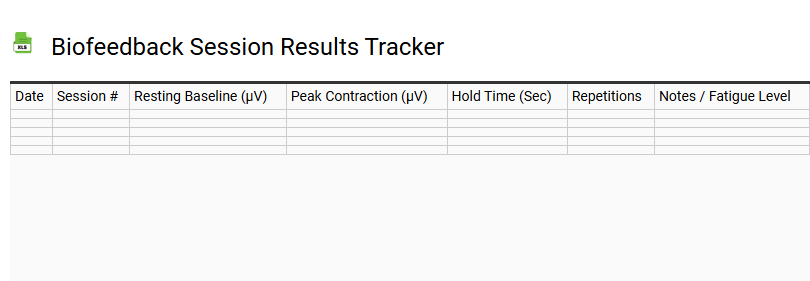
💾 Biofeedback Session Results Tracker .xls
A comprehensive biofeedback session results tracker serves as a sophisticated tool for monitoring physiological data and enhancing self-regulation skills. By utilizing a structured template, practitioners can meticulously record heart rate variability (HRV), skin conductance, and muscle tension (EMG). These metrics provide essential insights into the autonomic nervous system, allowing for precise stress management interventions and data-driven adjustments to therapy protocols.
Integrating baseline measurements and respiratory rates into each entry ensures longitudinal clinical progress tracking. This systematic approach facilitates neurofeedback analysis and improves patient engagement through clear data visualization of physiological responses. By documenting every biofeedback training session, users can identify patterns in emotional regulation and sympathetic nervous system activity, ultimately optimizing the path toward peak performance and holistic wellness via evidence-based physiological monitoring.
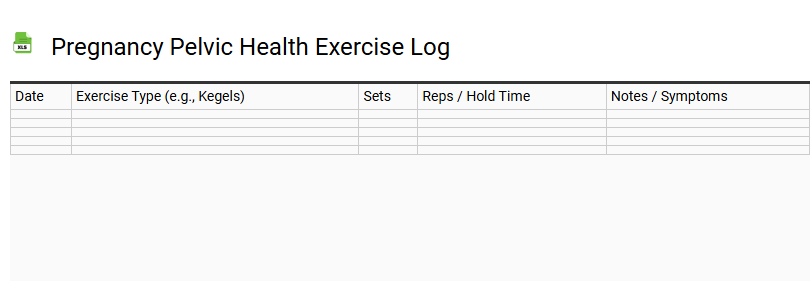
Pregnancy Pelvic Health Exercise Log
💾 Pregnancy Pelvic Health Exercise Log .xls
Utilizing a Pregnancy Pelvic Health Exercise Log is a vital strategy for maintaining prenatal wellness and monitoring pelvic floor strength. Consistent tracking of Kegel exercises and core stability routines helps mitigate common issues such as stress incontinence and pelvic girdle pain. By documenting daily sets of transverse abdominis activations and pelvic tilts, expectant mothers can improve muscle tone and prepare for the physical demands of labor.
This prenatal fitness tracker focuses on optimizing perineal health and managing intra-abdominal pressure. Key elements to record include:
- Frequency of pelvic floor contractions and relaxation cycles.
- Engagement in diaphragmatic breathing to support core functionality.
- Progress in hip mobility and low-impact stretches.
Systematic logging ensures a proactive approach to maternal health, fostering faster postpartum recovery and supporting long-term urogenital function throughout the gestational period.
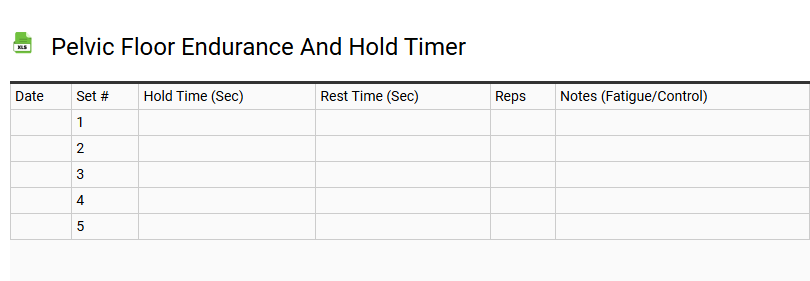
Pelvic Floor Endurance and Hold Timer
💾 Pelvic Floor Endurance and Hold Timer .xls
This pelvic floor endurance and hold timer serves as a specialized digital tool designed to enhance pelvic health through structured isometric contractions. By targeting the pubococcygeus (PC) muscle, the template helps users improve core stability and bladder control using precise interval training. This Kegel trainer interface balances active strengthening routines with necessary relaxation phases to prevent muscle fatigue.
Optimized for pelvic floor rehabilitation, the system supports muscle endurance by tracking specific metrics:
- Hold Durations: Sustained tension to recruit deep pelvic diaphragm fibers.
- Rest Intervals: Vital periods for neuromuscular recovery.
- Repetition Counting: Consistency for effective stress incontinence management.
Utilizing a digital timer ensures accuracy in your daily pelvic routine, promoting long-term urogenital wellness and improved pelvic organ support through progressive muscle fiber activation.
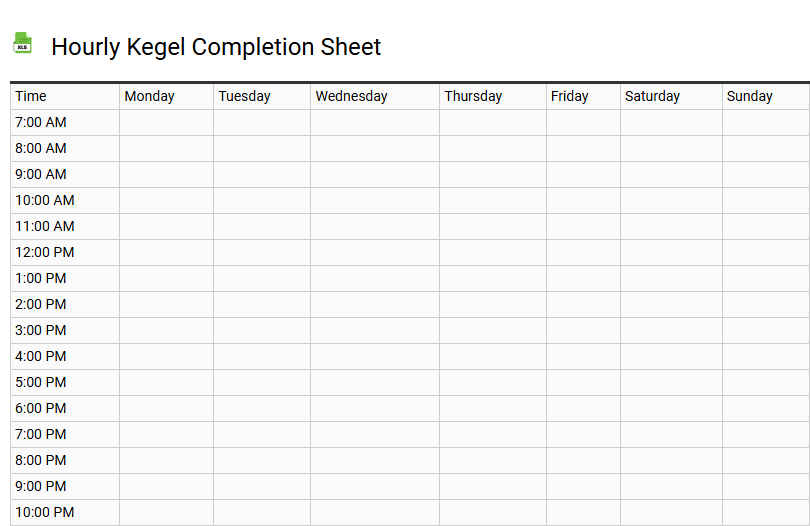
Hourly Kegel Completion Sheet
💾 Hourly Kegel Completion Sheet .xls
An Hourly Kegel Completion Sheet serves as a structured tracking log for individuals dedicated to pelvic floor muscle training. This template facilitates bladder control improvements and aids in managing urinary incontinence by ensuring consistent daily engagement. By recording each set of pelvic health exercises, users can monitor their progress in strengthening the pubococcygeus muscles and enhancing core stability.
Utilizing a systematic exercise record provides several benefits:
- Enhances muscle memory through high-frequency repetition.
- Supports postpartum recovery and reproductive health.
- Functions as a vital behavioral therapy tool for physical therapy adherence.
- Promotes accountability within a daily wellness routine.
Integrating this compliance chart into your lifestyle ensures that pelvic strengthening remains a priority, leading to better long-term urological health and functional strength.
This pelvic floor exercise log template serves as a definitive tool for tracking daily Kegel routines. By documenting repetitions, hold times, and sets, individuals can enhance bladder control and core stability effectively.
This log is essential for postpartum recovery, prenatal health, and targeted physical therapy progress monitoring. Maintaining a consistent daily tracker ensures measurable improvements in muscle strengthening. Utilizing this structured framework streamlines your wellness journey, ensuring lasting functional results through disciplined routine documentation.