
Personal Trainer Client Measurement Card Template
A professional personal trainer client measurement card serves as a vital tool for tracking fitness progress and ensuring long-term success. By meticulously documenting body composition, girth measurements, and body fat percentage, coaches provide tangible proof of physical transformations. Utilizing a structured fitness assessment template enhances accountability and allows for data-driven adjustments to training protocols. These records simplify monitoring key health metrics during periodic evaluations. Please check our curated collection of already made variation of templates below to streamline your client data management.
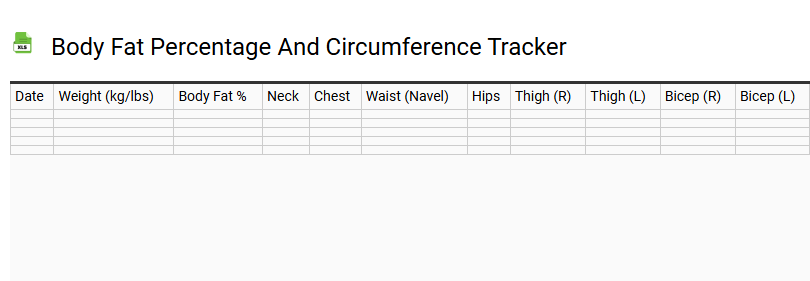
Body Fat Percentage and Circumference Tracker
💾 Body Fat Percentage and Circumference Tracker .xls
A body fat percentage and circumference tracker serves as a comprehensive tool for monitoring body composition and physical transformation. By recording anthropometric data such as waist, hip, and limb measurements, individuals can track adipose tissue distribution and lean mass trends more accurately than a standard scale. This template utilizes key health metrics, including the waist-to-hip ratio and US Navy formula, to provide a detailed analysis of metabolic health. Consistent progress monitoring through these metrics allows fitness enthusiasts to visualize fat loss and muscle definition. Whether using skinfold calipers or a measuring tape, documenting these variables facilitates body recomposition by identifying physiological changes over time. Integrating this data-driven approach ensures that nutritional and exercise protocols are effectively optimized for long-term wellness goals and fitness tracking accuracy.
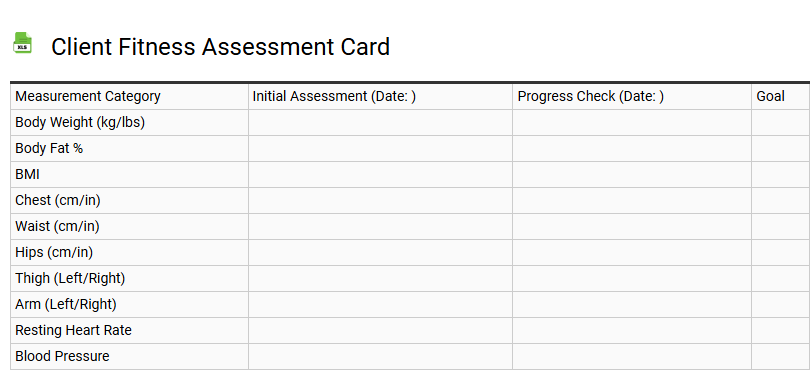
Client Fitness Assessment Card
💾 Client Fitness Assessment Card .xls
A professional Client Fitness Assessment Card serves as a vital intake form for establishing a baseline physical evaluation. This template systematically captures biometric data, such as body composition, body mass index (BMI), and resting heart rate, ensuring a data-driven approach to personal training. By documenting anthropometric measurements and conducting a postural analysis, trainers can identify muscular imbalances and design targeted corrective exercises.
The assessment card facilitates comprehensive performance metrics tracking, including:
- Cardiovascular endurance levels via submaximal testing.
- Muscular strength and flexibility benchmarks.
- Functional movement screening and joint mobility.
Utilizing this fitness profile enables precise progress tracking and objective re-evaluation. This structured documentation is essential for injury prevention, setting realistic fitness goals, and optimizing strength and conditioning protocols for long-term client retention and health success.
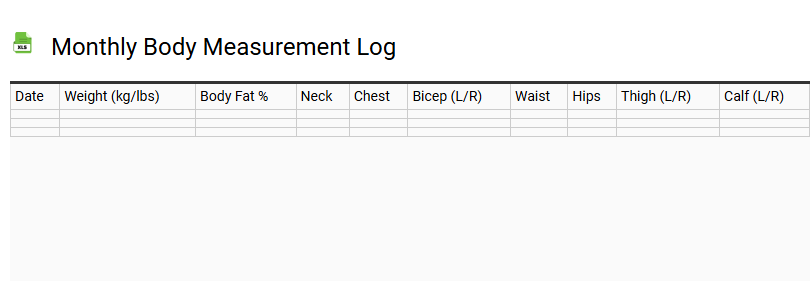
Monthly Body Measurement Log
💾 Monthly Body Measurement Log .xls
A monthly body measurement log serves as a vital instrument for tracking fitness progress and evaluating body composition changes. By consistently recording specific biometrics-including waist circumference, chest, and limb girth-using a flexible tape measure, individuals gain data-driven insights into their personal health journey. These tracking metrics often reveal muscle gain and fat loss that a standard scale may overlook, providing a clearer picture of physique changes.
Utilizing a structured template ensures consistency in data collection, which is essential for monitoring aesthetic goals and overall wellness. Regularly documenting these vital stats allows for the precise adjustment of nutrition and exercise protocols. This systematic approach to progress monitoring empowers users to stay motivated by visualizing their transformation through tangible evidence beyond body mass index or simple weight fluctuations.
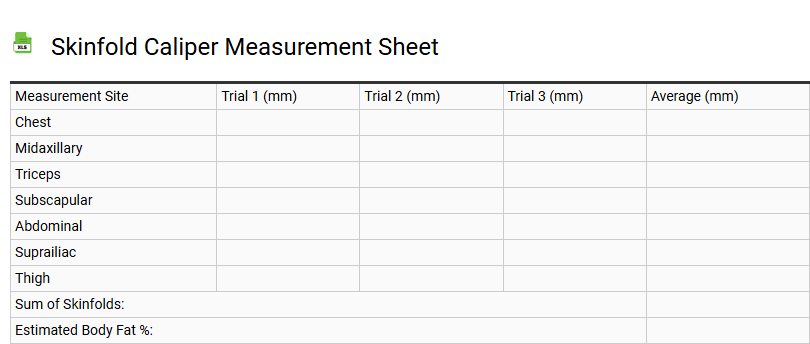
Skinfold Caliper Measurement Sheet
💾 Skinfold Caliper Measurement Sheet .xls
A skinfold caliper measurement sheet serves as a fundamental instrument for precise body composition analysis. This template streamlines the anthropometric assessment process by providing a structured layout to record subcutaneous fat thickness at validated anatomical sites. By documenting measurements from areas such as the triceps, suprailiac, and thigh, practitioners can apply the Jackson-Pollock formula to estimate body fat percentage accurately.
Utilizing a standardized tracking form ensures consistency across multiple testing sessions, which is vital for monitoring changes in fat-free mass and subcutaneous adipose tissue distribution. These templates often include sections for sum of skinfolds, age-adjusted calculations, and body density metrics. Implementing this professional clinical assessment tool allows fitness professionals and clinicians to deliver data-driven insights, facilitating personalized nutrition and training adjustments based on longitudinal fitness tracking data and objective physiological markers.
Body Composition Progress Chart
💾 Body Composition Progress Chart .xls
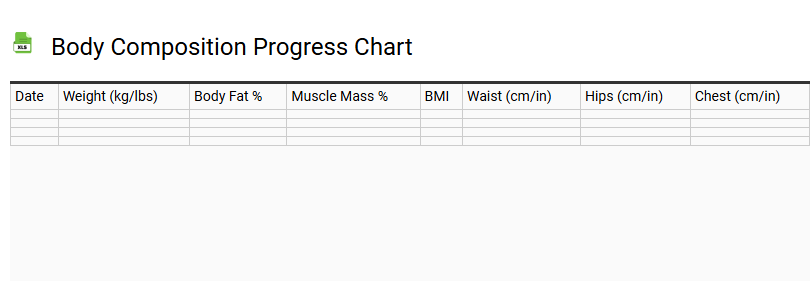
A body composition progress chart serves as a sophisticated tool for monitoring physical transformation beyond basic scale weight. This template facilitates precise biometric tracking, capturing essential data points such as body fat percentage, lean muscle mass, and visceral fat levels. By systematically recording anthropometric measurements-including skinfold thickness and waist-to-hip ratios-users can visualize shifts in their muscle-to-fat ratio over specific intervals.
Integrating these metrics provides a comprehensive overview of metabolic health and skeletal muscle development, offering deeper insights than BMI alone. The log also accounts for hydration levels and basal metabolic rate (BMR), ensuring a holistic approach to weight management. This data-driven dashboard is indispensable for athletes and fitness enthusiasts aiming to optimize nutritional strategies and training cycles through consistent, actionable health analytics and longitudinal progress visualization.
Comprehensive Client Transformation Record
💾 Comprehensive Client Transformation Record .xls
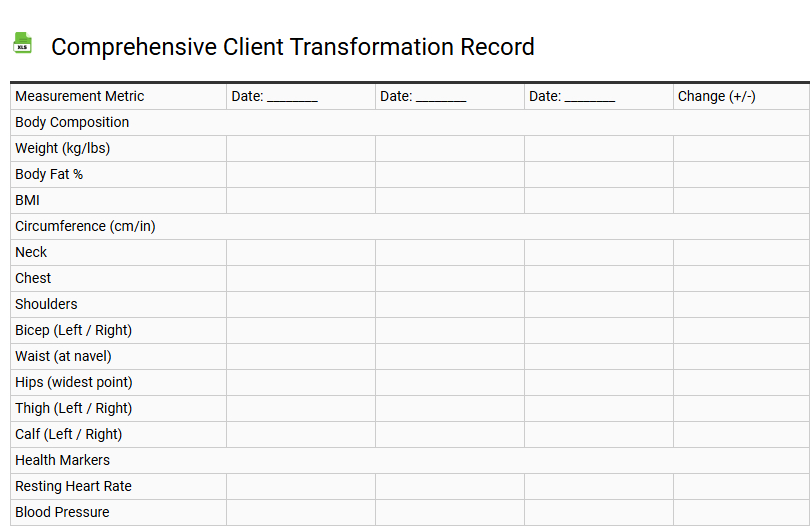
A Comprehensive Client Transformation Record serves as a vital framework for documenting a client's evolution. It captures baseline metrics and monitors ongoing progress tracking through a structured lens. By integrating longitudinal analysis and behavioral shifts, this case management tool provides data-driven insights into a participant's wellness journey. Professionals utilize these records for outcome measurement, ensuring every milestone monitoring phase aligns with overarching goals for personal growth.
The template prioritizes a holistic assessment of physical, emotional, and cognitive changes, fostering accountability and transparency. Utilizing such a rigorous documentation system allows for precise intervention adjustments based on real-time feedback and historical data. This strategic approach to record-keeping optimizes the efficacy of developmental programs and strengthens the client-practitioner relationship through evidence-based success stories and qualitative milestone mapping.
Waist-to-Hip Ratio Calculator
💾 Waist-to-Hip Ratio Calculator .xls
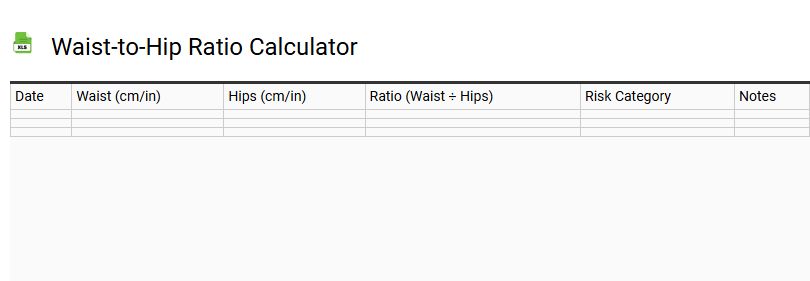
This Waist-to-Hip Ratio (WHR) Calculator provides a precise body composition analysis by evaluating body fat distribution. Unlike traditional metrics, this tool focuses on abdominal obesity, comparing your waist circumference to your hip measurement to determine potential health risks. By calculating this ratio, users can identify if they possess an "apple" or "pear" body shape, which serves as a critical health indicator for visceral fat levels.
High WHR values are often linked to increased cardiovascular risk, metabolic syndrome, and type 2 diabetes. Using this health assessment tool offers deeper insight into your metabolic health than body mass index (BMI) alone. Whether you are fitness tracking or managing weight, monitoring these proportions helps in achieving long-term wellness and identifying adipose tissue patterns essential for a comprehensive physical evaluation and proactive lifestyle management.
Personal Trainer Client Intake and Metrics Form
💾 Personal Trainer Client Intake and Metrics Form .xls
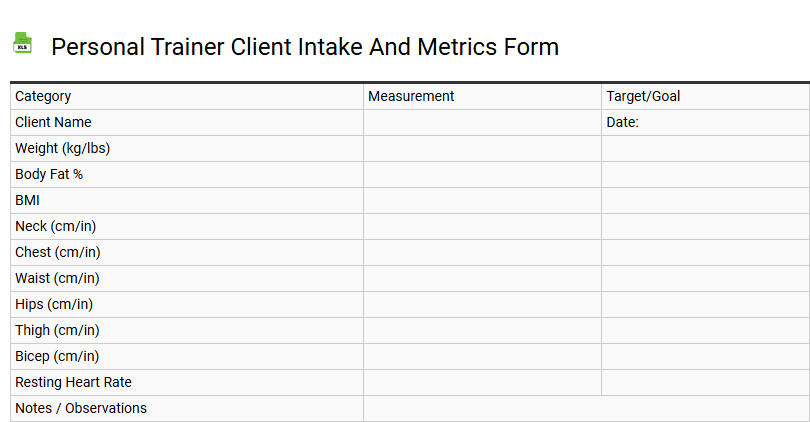
A comprehensive personal trainer client intake and metrics form serves as the foundational blueprint for professional fitness coaching. This essential document facilitates seamless client onboarding by capturing critical health history, medical clearances, and physical activity readiness. By documenting baseline measurements, such as body composition, anthropometric data, and body fat percentage, coaches establish accurate starting points for progress tracking.
Strategic data collection typically encompasses:
- Specific fitness goals and performance benchmarks.
- A detailed lifestyle analysis including nutritional habits and sleep quality.
- Previous injury records to ensure safe, customized workout programming.
Utilizing this standardized assessment tool allows fitness professionals to design periodized training plans tailored to individual needs. This data-driven approach optimizes hypertrophy, weight loss, and athletic performance while mitigating injury risks through informed movement screening and physiological insights.
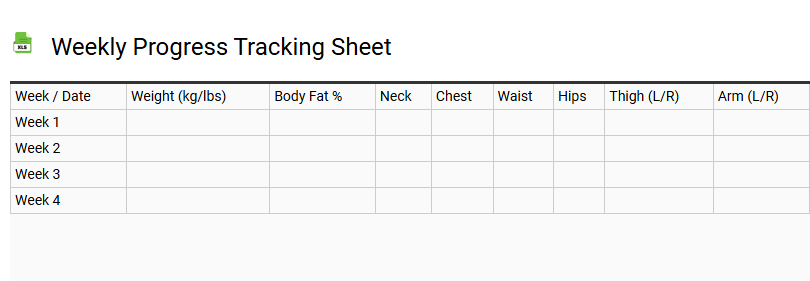
Weekly Progress Tracking Sheet
💾 Weekly Progress Tracking Sheet .xls
A weekly progress tracking sheet serves as a high-performance productivity tool designed for systematic goal setting and task management. By utilizing this template, professionals can monitor critical performance metrics and key performance indicators (KPIs) within a structured seven-day timeframe.
Effective tracking involves documenting several core components:
- Status updates on ongoing projects and individual assignments.
- Completion of specific milestones to ensure timeline adherence.
- Detailed action items for the upcoming week to maintain momentum.
- Reflection on workflow optimization to identify and remove bottlenecks.
Integrating this document into your routine fosters accountability and transparency across teams. It streamlines project management by providing a clear overview of achievements and challenges, allowing for data-driven adjustments. Ultimately, a well-maintained tracking sheet enhances operational efficiency and ensures long-term objectives remain consistently aligned with daily output.
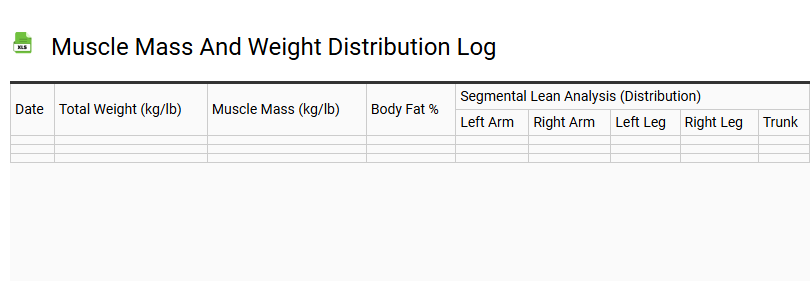
Muscle Mass and Weight Distribution Log
💾 Muscle Mass and Weight Distribution Log .xls
Maintaining a detailed muscle mass and weight distribution log is essential for optimizing body composition and tracking physiological progress. This template facilitates the precise monitoring of lean tissue development versus adipose tissue accumulation, ensuring that training protocols yield maximum hypertrophy. By recording skeletal muscle metrics and segmental analysis, users can identify physiological asymmetries and structural imbalances across various muscle groups.
Utilizing this log helps in evaluating fat-free mass trends and calculating metabolic rate fluctuations associated with increased biometric density. Consistent data entry regarding weight distribution across the trunk and limbs allows for a data-driven approach to progressive overload and nutritional adjustments. This systematic tracking of physical transformation ensures that lean mass gains are prioritized, fostering long-term metabolic health and achieving a balanced, symmetrical physique through informed, evidence-based adjustments to your fitness regimen.
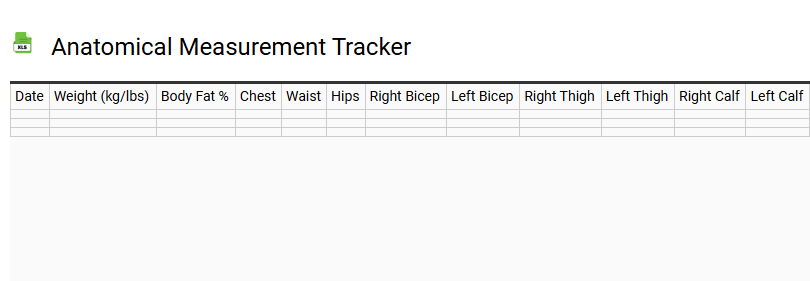
Anatomical Measurement Tracker
💾 Anatomical Measurement Tracker .xls
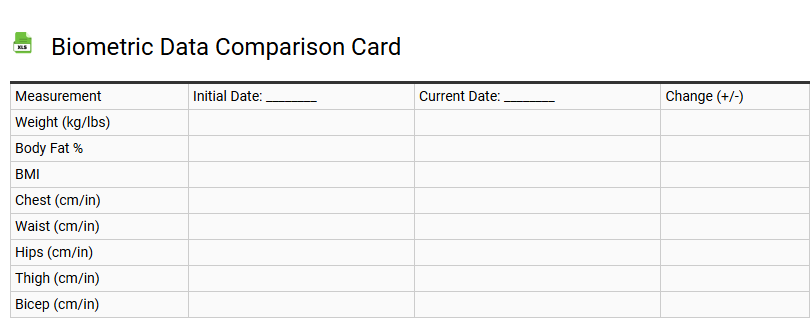
Biometric Data Comparison Card
💾 Biometric Data Comparison Card .xls
The Biometric Data Comparison Card serves as a critical interface component for modern identity verification systems. This specialized template facilitates the real-time analysis of live input against stored biometric templates, utilizing advanced matching algorithms to ensure precision. It effectively visualizes physiological characteristics such as fingerprint ridges, facial geometry, and iris patterns, alongside behavioral traits for multi-factor authentication.
By displaying matching scores relative to a defined security threshold, the component helps optimize false rejection rates (FRR) and false acceptance rates. Integrated data encryption ensures that sensitive digital identity information remains protected during the authentication protocol. This UI element is essential for access control environments, providing clear feedback on biometric sensor accuracy and verification status, thereby streamlining user authentication workflows and enhancing overall system security.
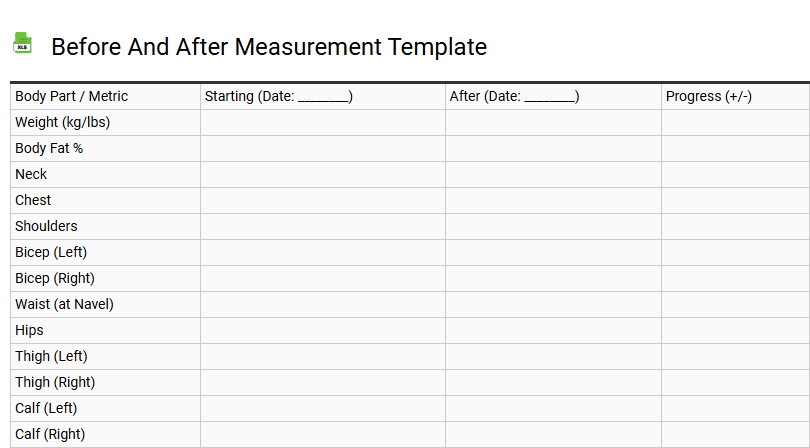
Before and After Measurement Template
💾 Before and After Measurement Template .xls
The Before and After Measurement Template serves as a strategic framework for conducting rigorous comparative analysis and outcome assessment. By documenting baseline data alongside post-intervention results, users can visualize clear transformations and quantify the impact evaluation of specific projects or treatments. This tool leverages performance metrics and Key Performance Indicators (KPIs) to ensure high-accuracy progress tracking. Utilizing standardized documentation facilitates consistent data collection, allowing stakeholders to interpret quantitative results effectively. Whether applied in clinical settings, business optimization, or fitness regimes, the template streamlines change management by providing a clear analytical bridge between initial states and final achievements. Use this data-driven resource to validate success, optimize workflows, and deliver compelling evidence-based reporting on all growth trajectories and process improvements through precise data visualization.
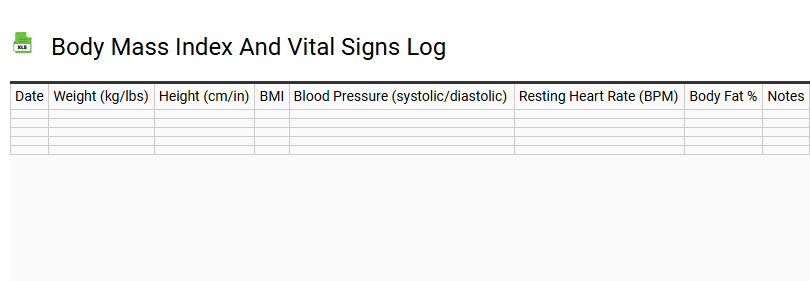
Body Mass Index and Vital Signs Log
💾 Body Mass Index and Vital Signs Log .xls
A comprehensive Body Mass Index (BMI) and Vital Signs Log serves as a critical tool for monitoring physiological health and long-term wellness trends. This systematic record allows individuals and healthcare providers to track metabolic markers such as body weight, height, and calculated BMI alongside essential clinical vitals for a holistic health assessment.
Key metrics integrated into this tracking template include:
- Blood Pressure: Monitoring systolic and diastolic levels for cardiovascular health.
- Heart Rate: Recording resting pulse frequency to assess cardiac efficiency.
- Respiratory Rate: Tracking breaths per minute for pulmonary function.
- Body Temperature: Identifying thermal fluctuations or signs of inflammation.
- Oxygen Saturation (SpO2): Measuring blood oxygen levels for respiratory stability.
Utilizing this data-driven approach facilitates weight management, early detection of hypertension, and the maintenance of accurate patient health records for informed medical consultations and personalized fitness adjustments.
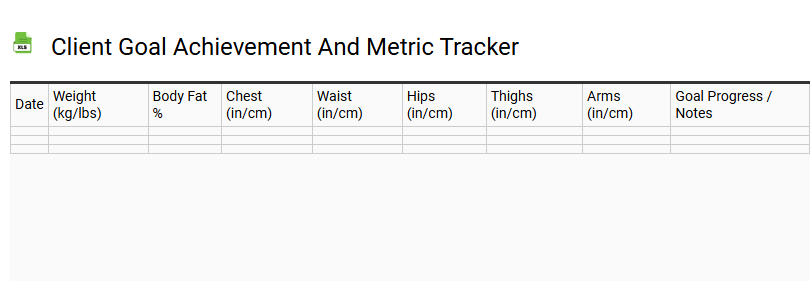
Client Goal Achievement and Metric Tracker
💾 Client Goal Achievement and Metric Tracker .xls
This Client Goal Achievement and Metric Tracker serves as a robust framework for documenting key performance indicators (KPIs) and milestone progress. By centralizing performance metrics, businesses can maintain strategic alignment and ensure accountability throughout the client lifecycle.
- Utilize data-driven insights to monitor conversion rates and ROI benchmarks.
- Enhance transparency through consistent progress reporting and outcome visualization.
- Optimize growth strategies by identifying performance trends and success metrics.
Designed for results-oriented teams, this template facilitates client success management by tracking short-term targets alongside long-term objectives. Integrating this dashboard into your workflow streamlines performance monitoring, allowing for agile adjustments to tactical execution and ensuring high-impact deliverables and client retention.
This professional personal trainer client measurement card template streamlines fitness assessments by tracking vital body composition data and girth measurements. Utilizing standardized biometric tracking allows for precise monitoring of physical transformation and body fat percentage changes over time. These data-driven coaching tools are essential for maintaining client accountability and demonstrating tangible results. Incorporating these performance metrics into your routine ensures objective progress reports, enhancing client retention and long-term success through structured, evidence-based fitness programming and consistent goal setting.