
PTSD Symptom Map Template: A Practical Guide for Tracking Recovery
Navigating trauma recovery requires structured mental health assessment tools to track complex psychological responses. A specialized Post-Traumatic Stress Disorder Symptom Map serves as a vital clinical resource, helping practitioners and patients visualize the relationship between triggers, hypervigilance, and emotional dysregulation. By utilizing this visual diagnostic aid, clinicians can streamline psychotherapy sessions and enhance behavioral health monitoring through precise symptom tracking and identification of intrusive thoughts. Please check the already made variation of templates below.
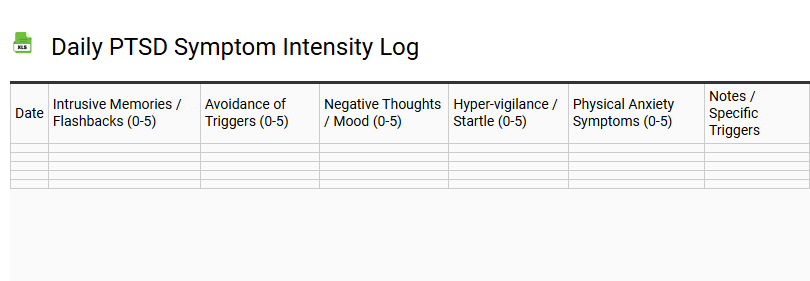
Daily PTSD Symptom Intensity Log
💾 Daily PTSD Symptom Intensity Log .xls
A Daily PTSD Symptom Intensity Log serves as a critical tool for trauma recovery and emotional regulation. By systematically tracking post-traumatic stress disorder manifestations, individuals can monitor fluctuations in hypervigilance, intrusive thoughts, and avoidance behaviors. Utilizing a scale for subjective units of distress (SUDs) allows for precise measurement of anxiety levels and physiological arousal throughout the day.
Documenting specific triggers alongside coping mechanisms provides actionable data for mental health professionals to refine treatment plans. This mental health tracking habit helps identify patterns in flashbacks or sleep disturbances, fostering greater self-awareness. Ultimately, maintaining a consistent symptom diary supports therapeutic progress, empowers survivors to manage complex trauma, and facilitates long-term psychological healing through data-driven self-care and resilience building.
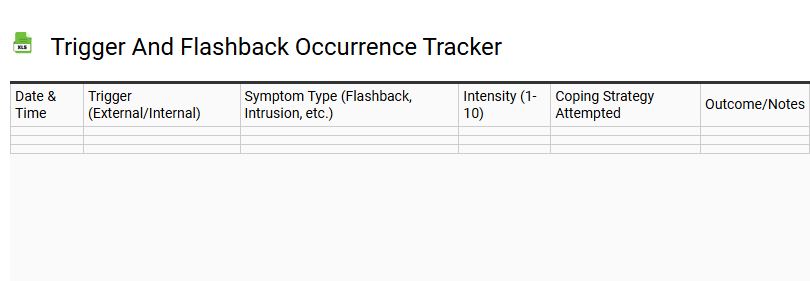
Trigger and Flashback Occurrence Tracker
💾 Trigger and Flashback Occurrence Tracker .xls
This Trigger and Flashback Occurrence Tracker serves as a vital therapeutic instrument for individuals navigating trauma recovery and PTSD management. By systematically documenting emotional triggers, sensory inputs, and physiological responses, users gain profound behavioral insights into their mental health landscape. This structured log facilitates the identification of recurring symptom patterns, enabling more effective emotional regulation and the timely application of grounding techniques during dissociative episodes. Designed to enhance self-awareness, the template captures flashback intensity and duration, providing essential data for therapy sessions. Utilizing this symptom monitoring tool empowers survivors to recognize environmental stressors, refine coping strategies, and track their healing journey milestones. Whether used for anxiety management or complex trauma support, this resource streamlines the path toward psychological stability and long-term resilience.
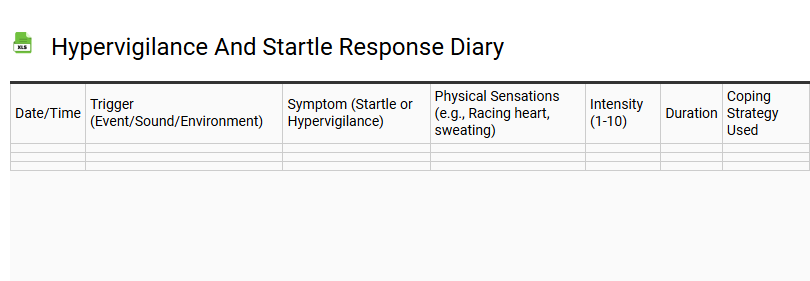
Hypervigilance and Startle Response Diary
💾 Hypervigilance and Startle Response Diary .xls
Utilizing a Hypervigilance and Startle Response Diary is a foundational step in trauma recovery and managing autonomic arousal. This structured tool allows individuals to track their nervous system activity by documenting specific triggers that activate a fight-or-flight reaction. By recording instances of an exaggerated startle response, users can identify patterns in their environmental stressors and physiological symptoms.
Regular symptom monitoring fosters emotional regulation and provides critical data for cognitive behavioral therapy. This mental health journal captures the intensity of anxiety, the duration of hyperarousal, and the effectiveness of grounding techniques. Documenting these psychological patterns helps bridge the gap between reactive PTSD symptoms and conscious awareness, empowering survivors to regain a sense of safety. Consistent logging facilitates a deeper understanding of one's sensory sensitivity, ultimately supporting long-term resilience and psychological well-being.
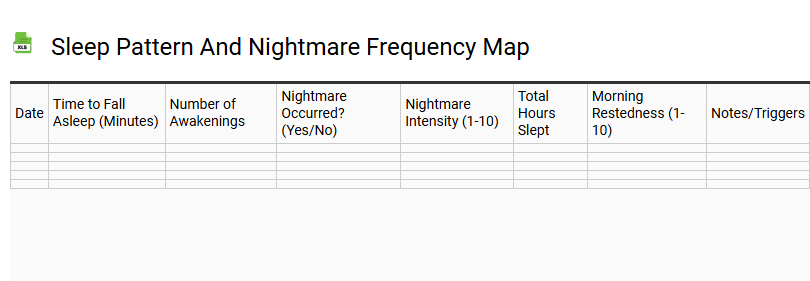
Sleep Pattern and Nightmare Frequency Map
💾 Sleep Pattern and Nightmare Frequency Map .xls
This comprehensive sleep pattern and nightmare frequency map serves as a vital diagnostic tool for monitoring circadian rhythms and nocturnal disturbances. By tracking sleep cycles alongside recurring parasomnia episodes, users can identify correlations between daily stress, sleep hygiene, and disrupted REM stages. This logging template facilitates meticulous data collection on sleep latency, nocturnal awakenings, and the intensity of vivid dreams. Utilizing this structured framework assists in recognizing trends in sleep quality and potential triggers for chronic nightmares or sleep paralysis. Professionals often recommend such sleep tracking logs to evaluate insomnia severity and the efficacy of relaxation techniques. Systematic monitoring of restfulness and sleep architecture empowers individuals to optimize their recovery periods, mitigate anxiety-induced terrors, and improve overall restorative rest through informed behavioral adjustments and data-driven insights into their nocturnal well-being.
Grounding Technique Success Log
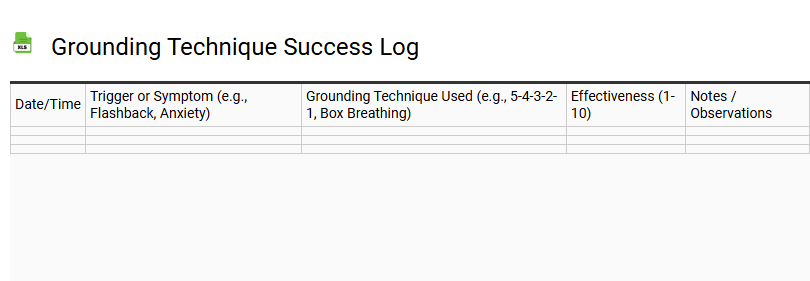
💾 Grounding Technique Success Log .xls
Avoidance Behavior and Social Withdrawal Monitor
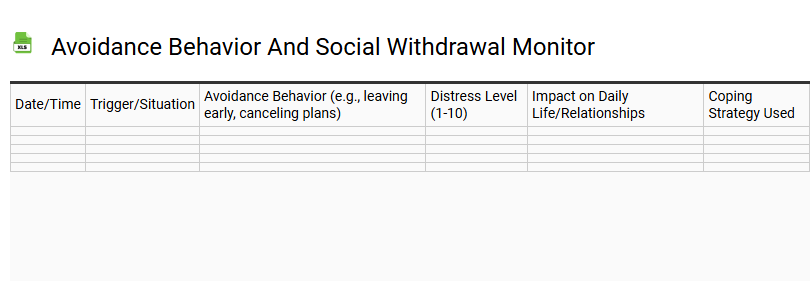
💾 Avoidance Behavior and Social Withdrawal Monitor .xls
The Avoidance Behavior and Social Withdrawal Monitor serves as a sophisticated tool for psychological assessment and behavioral tracking. By systematically documenting instances of social anxiety and maladaptive patterns, users can identify specific safety behaviors that hinder long-term emotional regulation. This template facilitates precise self-monitoring of coping mechanisms, offering a granular view of avoidance cycles across various environmental triggers.
Consistent utilization supports therapeutic intervention by highlighting the frequency of social engagement versus isolation. Through structured data, clinicians and individuals measure mental health progress, targeting the reduction of phobic stimuli responses. Implementing this monitor encourages proactive exposure therapy strategies, ultimately fostering resilience against anxiety disorders and promoting sustained behavioral activation and improved interpersonal functioning.
Intrusive Thought Frequency Chart
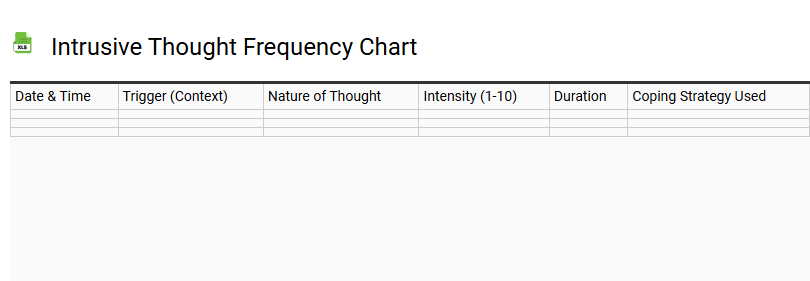
💾 Intrusive Thought Frequency Chart .xls
An intrusive thought frequency chart serves as a vital psychological instrument for monitoring unwanted mental imagery and persistent obsessions. By utilizing this systematic tracking template, individuals undergoing Cognitive Behavioral Therapy (CBT) can effectively document the recurrence of distressing cognitive patterns. This objective data visualization facilitates the identification of anxiety triggers and environmental stressors, fostering enhanced self-awareness and mindfulness.
Implementing this logging mechanism allows for precise behavioral analysis, helping users distinguish between transient thoughts and chronic ruminative cycles. Integrating such a monitoring tool into a daily wellness routine supports emotional regulation and provides clinicians with actionable insights into symptom severity. Consistent documentation promotes habituation and empowers users to manage their internal experiences with greater resilience, clarity, and therapeutic focus.
Somatic Symptom and Physical Tension Logger
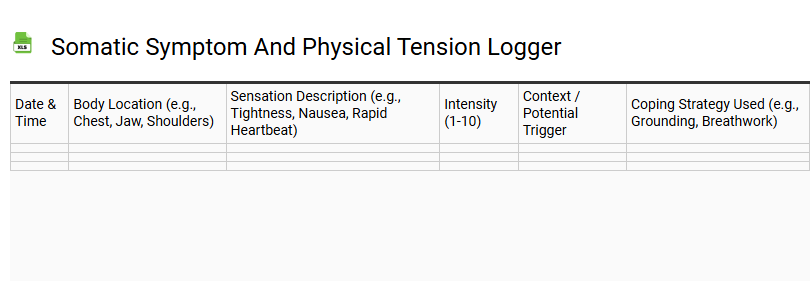
💾 Somatic Symptom and Physical Tension Logger .xls
This somatic symptom and physical tension logger serves as a comprehensive tool for tracking the mind-body connection. By documenting psychosomatic manifestations, users can identify patterns between emotional stressors and muscular bracing or autonomic nervous system responses. Utilizing this template facilitates consistent body scanning, allowing for the precise recording of sensory awareness and localized discomfort.
- Monitor chronic pain fluctuations and stress-induced tension.
- Identify environmental triggers affecting physiological arousal.
- Track biofeedback markers to enhance emotional regulation.
- Analyze the frequency of somatization during high-pressure intervals.
Integrating this symptom management strategy promotes holistic health by bridging the gap between mental health and physical sensations. Maintaining a detailed longitudinal record assists healthcare providers in developing targeted interventions for somatic relief and nervous system recalibration.
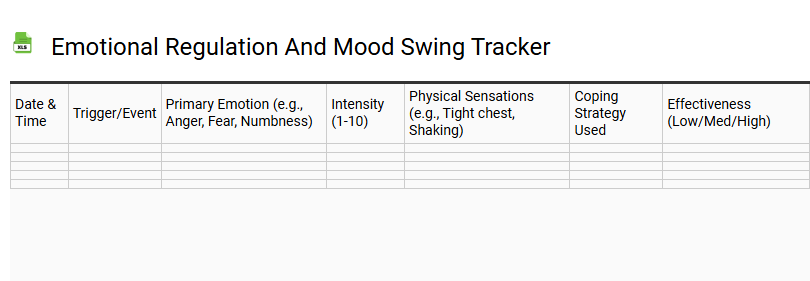
Emotional Regulation and Mood Swing Tracker
💾 Emotional Regulation and Mood Swing Tracker .xls
This comprehensive template facilitates effective emotional regulation by providing a structured framework to monitor mood swings and internal triggers. By maintaining a detailed mood swing tracker, users enhance their self-awareness and emotional intelligence, capturing fluctuations in their psychological well-being. This digital log allows for the systematic recording of affect, environmental stressors, and the efficacy of various coping strategies. Utilizing mindfulness-based data, individuals can identify recurring mood patterns and manage emotional volatility with greater precision. This mental health tool encourages proactive self-regulation, helping to stabilize daily shifts and improve overall resilience. By analyzing these insights, users can implement targeted interventions to maintain emotional balance, transforming raw data into actionable steps for long-term stability and improved affective health.
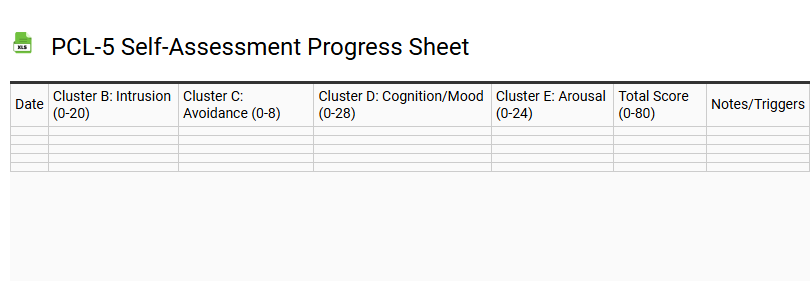
PCL-5 Self-Assessment Progress Sheet
💾 PCL-5 Self-Assessment Progress Sheet .xls
The PCL-5 Self-Assessment Progress Sheet is a specialized clinical tool designed for tracking posttraumatic stress disorder symptoms over time. This 20-item self-report measure aligns with the latest DSM-5 diagnostic criteria, providing a structured framework to quantify the severity of trauma-related distress. By documenting total severity scores, individuals can establish a baseline and visualize therapeutic progress through various recovery stages.
- Symptom Monitoring: Effectively tracks clusters including intrusion, avoidance, and negative alterations in cognition.
- Clinical Utility: Assists healthcare providers in making data-driven adjustments to mental health treatment plans.
- Evidence-Based Tracking: Utilizes standardized scoring to measure the efficacy of trauma recovery interventions.
Regular use of this psychological evaluation template ensures objective outcome measurement, facilitating better communication between patients and clinicians while supporting long-term behavioral health stability and improved clinical outcomes.
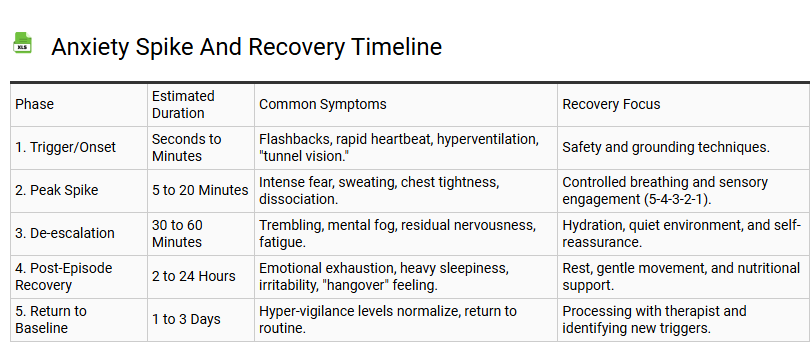
Anxiety Spike and Recovery Timeline
💾 Anxiety Spike and Recovery Timeline .xls
An anxiety spike typically begins with a sudden surge of adrenaline, triggering the sympathetic nervous system's fight-or-flight response. Within minutes, individuals reach peak intensity, characterized by an accelerated heart rate, shallow breathing, and elevated cortisol levels. This acute physiological phase generally lasts between 10 to 30 minutes before the body initiates the recovery timeline.
As the parasympathetic nervous system activates, the intense symptoms of a panic attack begin to subside, marking the start of the "cool down" period. Utilizing grounding exercises or diaphragmatic breathing can accelerate emotional regulation. While the initial surge is brief, total systemic recovery may take several hours as the body metabolizes stress hormones, often resulting in lingering post-anxiety fatigue. Understanding this biological cycle is essential for maintaining psychological homeostasis and managing high-stress episodes effectively.
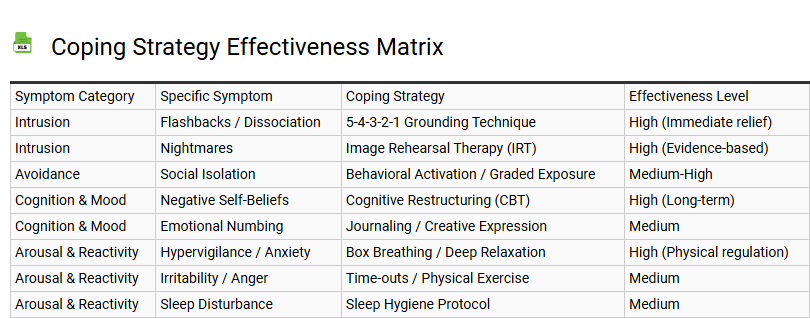
Coping Strategy Effectiveness Matrix
💾 Coping Strategy Effectiveness Matrix .xls
A Coping Strategy Effectiveness Matrix serves as a robust analytical framework for evaluating stress management techniques and emotional regulation outcomes. This structured template allows individuals to categorize adaptive behaviors-such as cognitive reappraisal and proactive problem-solving-against maladaptive responses that may hinder long-term recovery. By analyzing the correlation between specific triggers and mental health outcomes, the matrix facilitates greater psychological resilience and distress tolerance.
Integrating this tool into self-care interventions helps track the utility of behavioral activation and mindfulness practices. Key benefits of utilizing a systematic matrix include:
- Identification of high-impact clinical assessment markers.
- Enhanced emotional intelligence and situational self-awareness.
- Optimization of sustainable coping mechanisms over temporary avoidance.
Ultimately, this matrix transforms subjective experiences into actionable data, fostering long-term wellness through evidence-based psychological strategies and improved therapeutic efficacy.
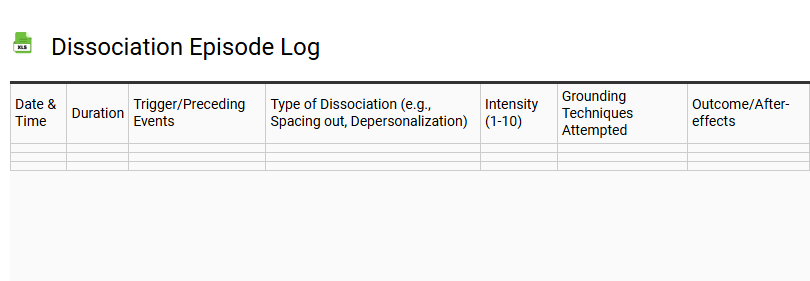
Dissociation Episode Log
💾 Dissociation Episode Log .xls
A dissociation episode log serves as a vital therapeutic tool for individuals navigating trauma recovery and dissociative disorders. By documenting occurrences of depersonalization and derealization, users can identify recurring environmental triggers and early warning signs of a dissociative state. This structured template enhances emotional regulation by tracking the frequency, duration, and intensity of symptoms in a systematic format.
Utilizing this log helps refine grounding techniques and sensory awareness strategies tailored to specific stressors. Key components of an effective tracker include:
- Identification of pre-episode stressors and cognitive shifts.
- Descriptions of physical sensations and feelings of detachment.
- Evaluation of coping mechanisms and their immediate efficacy.
- Analysis of recovery progress and post-episode mental fatigue.
Consistent use of a mental health log fosters mindfulness, providing clinicians with actionable data to improve treatment outcomes and long-term psychological resilience.
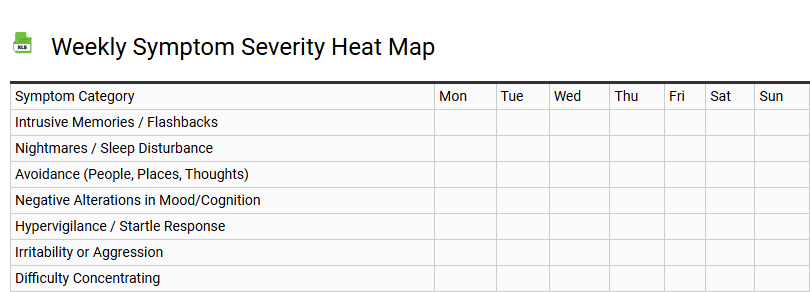
Weekly Symptom Severity Heat Map
💾 Weekly Symptom Severity Heat Map .xls
A Weekly Symptom Severity Heat Map serves as a sophisticated visual tracking tool designed for precise patient monitoring and data visualization. By utilizing color-coded indicators to represent various intensity levels, this template allows individuals to document daily assessments across a seven-day window. This method highlights wellness patterns and chronological progression, making it easier to identify specific flare-ups or recovery progress at a glance.
Incorporating a subjective scale into medical logs transforms raw data into actionable insights for pain management. Users can track multiple health fluctuations and physiological triggers, providing clinicians with a clear overview of symptom trends. This streamlined diagnostic record optimizes chronic condition management by correlating lifestyle factors with peak severity scores, ensuring a data-driven approach to long-term wellness and therapeutic efficacy.
This Post-Traumatic Stress Disorder symptom map template provides a comprehensive visual framework for tracking trauma-related manifestations. By categorizing intrusive memories, avoidance behaviors, and hyperarousal, users can identify specific triggers and monitor recovery progress. This systematic diagnostic tool facilitates personalized mental health interventions and strengthens emotional regulation strategies. Ultimately, mapping clinical assessments fosters a deeper understanding of behavioral patterns, serving as a vital resource for navigating the complexities of trauma recovery and sustaining psychological resilience through structured symptom management.