
Postpartum Cycle Recovery Guide Template
Navigating the fourth trimester requires a mindful approach to hormonal balance and physical healing. A structured postpartum cycle recovery guide serves as an essential roadmap for monitoring your body's return to its natural rhythm. By utilizing a dedicated template, mothers can track menstrual health milestones, nutritional needs, and energy shifts during various recovery phases. This systematic approach empowers women to prioritize postnatal wellness while managing the complexities of new motherhood. Please check the already made variation of templates below.
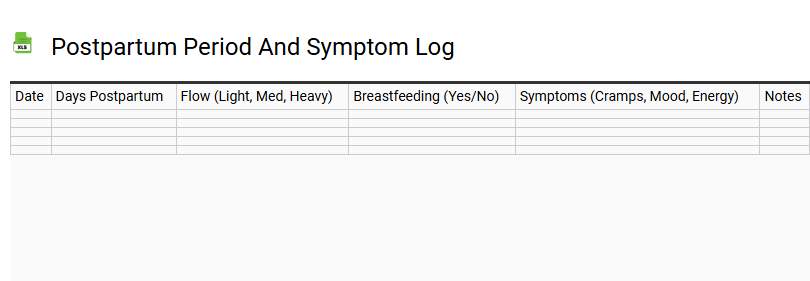
Postpartum Period and Symptom Log
💾 Postpartum Period and Symptom Log .xls
A postpartum period and symptom log serves as a vital diagnostic tool during the fourth trimester. By documenting the transition from lochia to the eventual return of menstruation, individuals can monitor their reproductive health and physical healing progress. This log tracks hormone fluctuations, energy levels, and mood swings, providing essential data for postnatal medical consultations.
Monitoring daily metrics like pelvic floor recovery, breastfeeding side effects, and flow intensity helps distinguish normal afterbirth recovery from warning signs like postpartum hemorrhage or infection. Utilizing a structured template ensures comprehensive oversight of ovulation tracking and menstrual cycle regularity as the body recalibrates after childbirth. Comprehensive logging supports maternal wellness, offering clarity on physical symptoms and emotional well-being during the critical weeks of the postpartum journey.
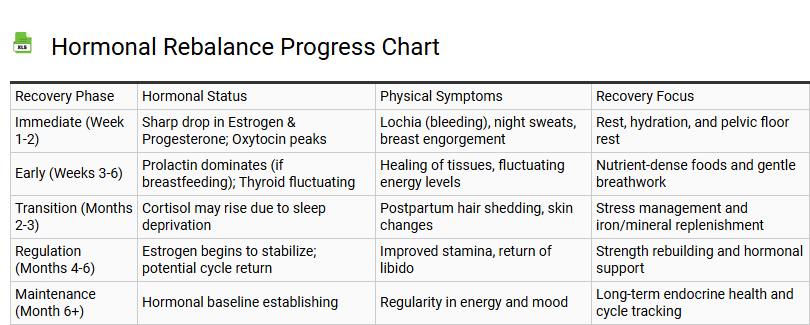
Hormonal Rebalance Progress Chart
💾 Hormonal Rebalance Progress Chart .xls
Utilizing a hormonal rebalance progress chart is a fundamental strategy for monitoring endocrine health and tracking physiological shifts. This comprehensive template facilitates the logging of daily metrics, including cortisol levels, thyroid function, and menstrual cycle phases. By documenting specific symptom monitoring data-such as sleep quality, mood stability, and energy fluctuations-users can identify underlying patterns related to estrogen dominance or insulin sensitivity.
This systematic biofeedback tool bridges the gap between clinical blood work and daily wellness tracking, promoting data-driven lifestyle interventions. Whether addressing PCOS, menopause, or adrenal fatigue, maintaining a longitudinal log visualizes hormonal fluctuations and supports metabolic health optimization. Precise recording of nutritional intake and stress triggers ensures a holistic approach to internal chemical equilibrium, empowering individuals to achieve sustainable hormonal harmony through actionable insights and informed health decisions.
Breastfeeding and Ovulation Return Tracker
💾 Breastfeeding and Ovulation Return Tracker .xls
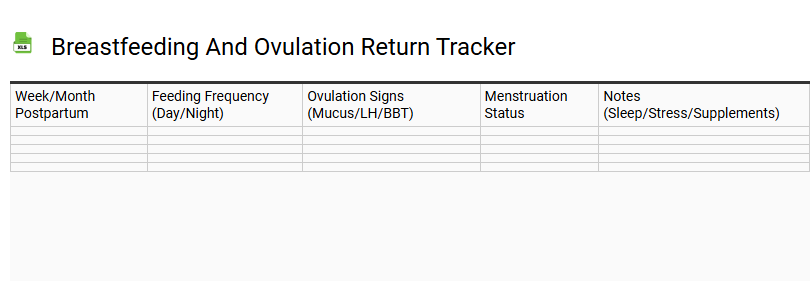
This breastfeeding and ovulation return tracker serves as a comprehensive tool for monitoring postpartum fertility and hormonal shifts. While lactational amenorrhea (LAM) often delays the menstrual cycle, high prolactin levels from frequent nursing sessions can fluctuate, eventually leading to the return of ovulation.
By logging daily feeding patterns, night nursing frequency, and biological fertility signals-such as changes in cervical mucus or basal body temperature-users can better predict their first fertile window. This template assists in tracking:
- Exclusive breastfeeding consistency and its impact on progesterone.
- Signs of luteinizing hormone surges during the postpartum period.
- The transition from lactational infertility to regular reproductive health cycles.
Utilizing a structured fertility awareness log ensures a precise understanding of your unique hormonal balance and metabolic signals throughout the nursing journey.
Basal Body Temperature Postpartum Chart
💾 Basal Body Temperature Postpartum Chart .xls
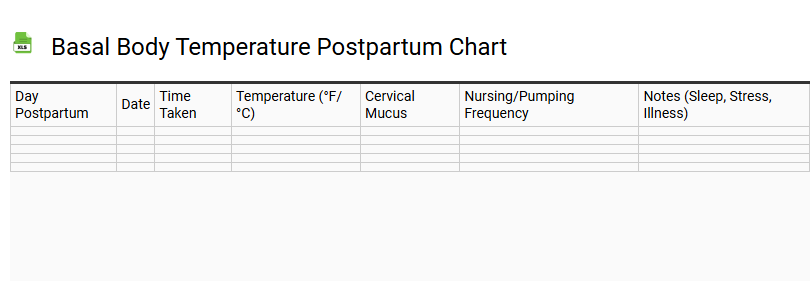
A specialized basal body temperature (BBT) postpartum chart serves as a vital instrument for monitoring reproductive health and hormonal transitions after childbirth. By documenting daily waking temperatures with a high-precision digital thermometer, individuals can effectively track the return of ovulation and the conclusion of lactation amenorrhea. This structured template facilitates the identification of the thermal shift, a key indicator of progesterone production and the onset of the luteal phase.
Consistent data entry helps visualize menstrual cycle recovery and fertility awareness milestones during the fourth trimester. Whether managing cycle irregularities or pinpointing the first biphasic pattern, these charts provide deep insights into metabolic recovery and hormonal balance. Utilizing a dedicated postpartum log ensures an accurate record for healthcare providers to evaluate reproductive milestones and the restoration of regular follicular phase activity following pregnancy.
Lochia to Menstruation Transition Diary
💾 Lochia to Menstruation Transition Diary .xls
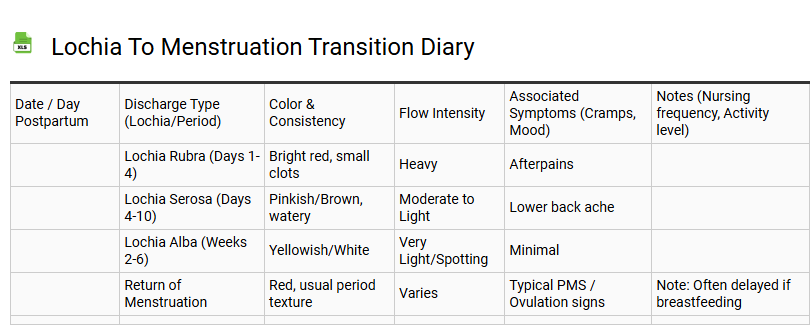
Tracking the physiological shift from lochia to your first postpartum period is essential for monitoring uterine involution and overall reproductive health. A dedicated transition diary documents the progression from lochia rubra (bright red) to serosa (pinkish-brown) and alba (yellowish-white). By recording daily vaginal discharge patterns, you can accurately distinguish between standard postnatal bleeding and the return of a functional menstrual cycle.
Key indicators to log include flow consistency, hormonal shifts, and signs of ovulation. Whether you are navigating lactational amenorrhea due to breastfeeding or an early return of menses, tracking these physical cues helps identify uterine healing milestones. Monitoring these changes helps detect potential complications, such as late postpartum hemorrhage or infections, ensuring a safe recovery as your body restores its natural rhythmic ovulatory cycle after childbirth.
Postpartum Cycle Regularity Analyzer
💾 Postpartum Cycle Regularity Analyzer .xls
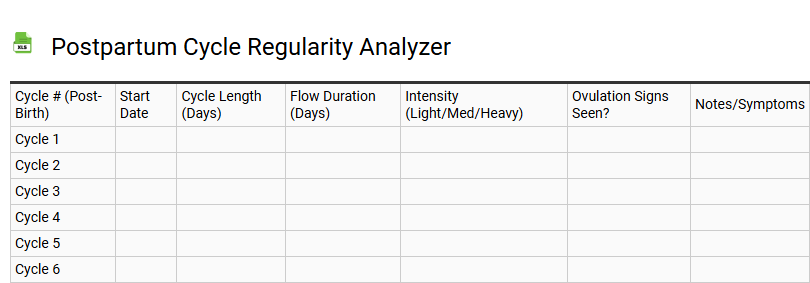
The Postpartum Cycle Regularity Analyzer serves as a vital tool for monitoring reproductive health during the fourth trimester and beyond. After childbirth, significant hormonal fluctuations-often influenced by prolactin levels and breastfeeding-can lead to postpartum amenorrhea or irregular menses. By tracking your first menstrual cycle, this analyzer evaluates the return of ovulation through markers like basal body temperature and cervical mucus consistency.
Understanding the transition from lochia to a standard follicular phase helps identify hormonal stabilization. This data provides insights into your luteal phase length and overall endocrine system recovery. Whether managing contraception or preparing for future conception, identifying these physiological patterns ensures better menstrual health. Use these detailed insights to facilitate informed discussions with healthcare providers regarding your reproductive wellness and hormonal equilibrium as your body recalibrates post-pregnancy.
Nutritional Support and Cycle Recovery Log
💾 Nutritional Support and Cycle Recovery Log .xls
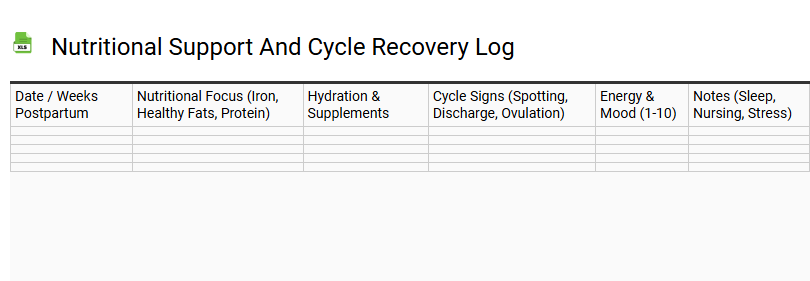
This integrated nutritional support and cycle recovery log serves as a comprehensive framework for maintaining physiological homeostasis. By meticulously documenting macronutrient ratios and micronutrient intake, users can optimize metabolic health during the critical recovery phase. This template prioritizes nutrient density and strategic supplement protocols to facilitate endocrine system restoration and hormonal balance.
Tracking daily caloric intake ensures the body remains in a supportive anabolic state, which is essential for muscle retention following intensive training periods. Furthermore, logging specific biomarkers allows for the evaluation of post-cycle therapy (PCT) efficacy. Detailed entries regarding hydration, sleep quality, and energy levels provide a holistic view of the body's healing process. Utilizing this structured data allows for precise adjustments to dietary strategies, ensuring a seamless transition back to baseline health while maximizing performance longevity.
Pelvic Floor and Core Recovery Calendar
💾 Pelvic Floor and Core Recovery Calendar .xls
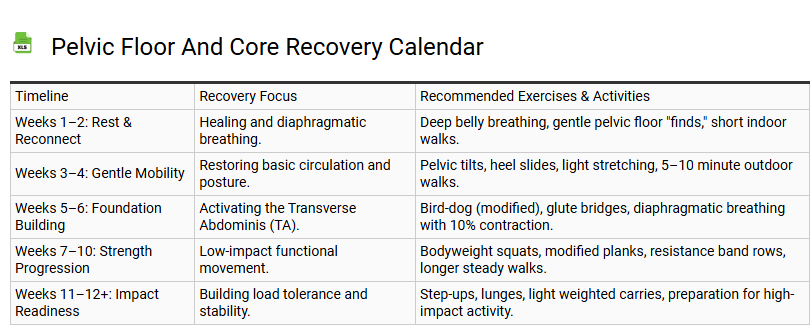
This Pelvic Floor and Core Recovery Calendar provides a structured framework for postpartum rehabilitation and functional wellness. Designed to address diastasis recti and pelvic organ prolapse, this template emphasizes transverse abdominis activation and pelvic floor muscle training through progressive milestones.
- Daily Tracking: Monitor progress with Kegel exercises and diaphragmatic breathing techniques to restore the mind-muscle connection.
- Restorative Movement: Implement low-impact physical therapy drills aimed at improving core stability and abdominal wall integrity.
- Functional Fitness: Safely transition toward higher-intensity activities while prioritizing pelvic health and body alignment.
By focusing on deep core stabilization and restorative exercises, this guide supports a sustainable healing journey. Use this calendar to manage urinary incontinence symptoms and ensure a safe, evidence-based recovery after childbirth or abdominal surgery.
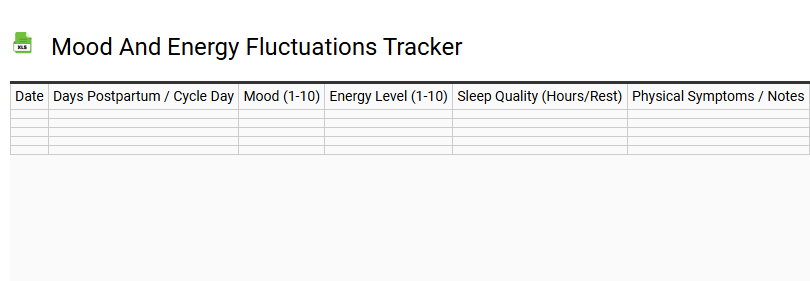
Mood and Energy Fluctuations Tracker
💾 Mood and Energy Fluctuations Tracker .xls
This Mood and Energy Fluctuations Tracker serves as a vital instrument for monitoring emotional well-being and physical vitality. By documenting daily patterns, users can identify specific triggers influencing fatigue, stress levels, and mental clarity. Utilizing this template facilitates the observation of circadian rhythms and hormonal cycles, allowing for better alignment between demanding tasks and natural energy peaks.
Consistent logging of mood swings, sleep quality, and alertness promotes enhanced self-awareness and holistic health. Recognizing these behavioral trends assists in proactive stress management and optimized productivity. This structured approach to mood mapping empowers individuals to understand the complex correlation between environmental stimuli and internal affective states, ultimately supporting long-term mental health maintenance and emotional stability through data-driven self-regulation.
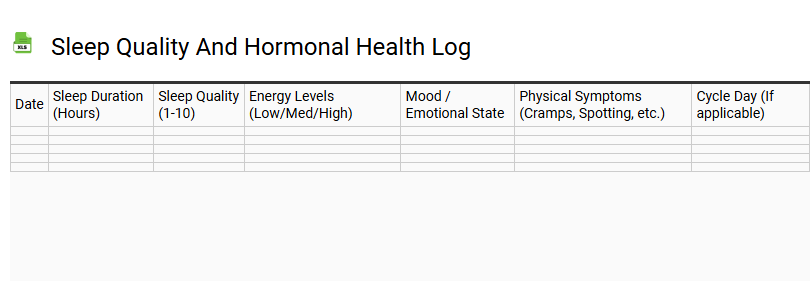
Sleep Quality and Hormonal Health Log
💾 Sleep Quality and Hormonal Health Log .xls
This integrated Sleep Quality and Hormonal Health Log serves as a vital tool for monitoring the synergy between restorative rest and endocrine system functionality. By consistently documenting sleep duration and nocturnal disturbances, individuals can analyze their circadian rhythm alignment and its impact on cortisol regulation and stress management.
Tracking these biometric markers facilitates a deeper understanding of how melatonin production and REM cycles influence metabolic health and insulin sensitivity. Detailed entries regarding sleep hygiene and perceived energy levels help identify fluctuations in hormonal balance, specifically regarding growth hormone secretion and appetite regulation. Utilizing this data-driven approach empowers users to optimize their physiological recovery, ensuring that lifestyle choices support long-term wellness and peak endocrine performance through improved sleep architecture and consistent recovery patterns.
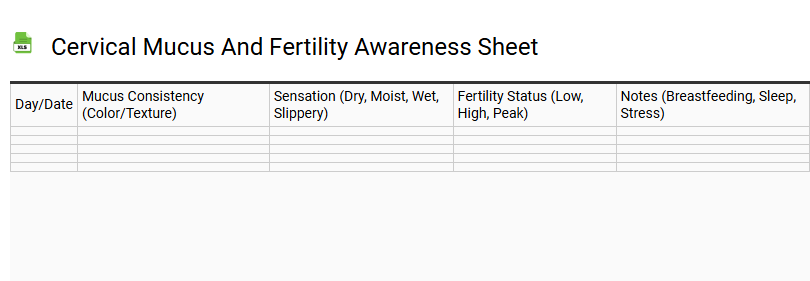
Cervical Mucus and Fertility Awareness Sheet
💾 Cervical Mucus and Fertility Awareness Sheet .xls
A specialized template for tracking cervical mucus and fertility awareness serves as a vital instrument for monitoring reproductive health. By documenting daily observations of cervical fluid-ranging from dry and sticky to peak egg white consistency-users can accurately identify their fertile window within the menstrual cycle. Integrating these observations with basal body temperature (BBT) readings enhances the precision of ovulation tracking.
This biological charting method reflects the hormonal interplay between estrogen and progesterone across the follicular and luteal phases. Utilizing a structured sheet aids in pinpointing the peak day, which is crucial for both natural family planning and optimizing conception efforts. By consistently recording these physiological biomarkers, individuals gain a deeper understanding of their unique rhythm, ensuring a data-driven approach to cycle health and fertility management.
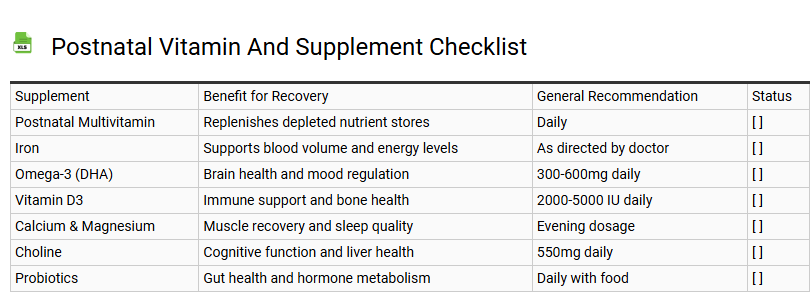
Postnatal Vitamin and Supplement Checklist
💾 Postnatal Vitamin and Supplement Checklist .xls
A comprehensive postnatal vitamin and supplement checklist is vital for optimizing postpartum recovery and addressing nutrient replenishment. During the fourth trimester, maternal wellness depends on combatting postnatal depletion through targeted supplementation. A high-quality postnatal multivitamin should prioritize iron for blood restoration, calcium for bone density, and Vitamin D for immune support.
For nursing mothers, breastfeeding support is enhanced by DHA and omega-3 fatty acids, which are crucial for infant cognitive development. Incorporating folic acid, choline, and iodine into a daily routine ensures superior lactation nutrition. This structured approach to postpartum health aids in hormonal regulation and sustains energy levels. Utilizing a checklist ensures consistent intake of essential micronutrients, providing a foundation for long-term vitality and physical healing after childbirth.
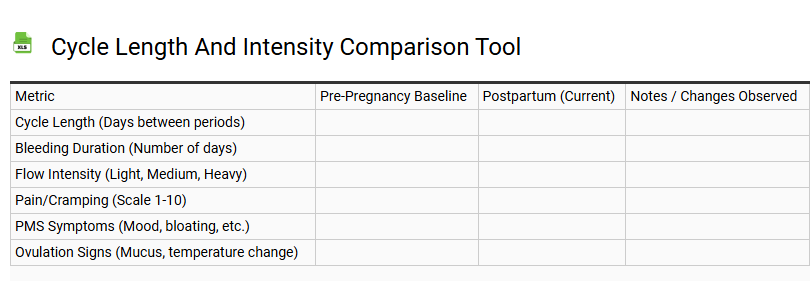
Cycle Length and Intensity Comparison Tool
💾 Cycle Length and Intensity Comparison Tool .xls
The Cycle Length and Intensity Comparison Tool provides a sophisticated framework for evaluating training periodization strategies. By analyzing the intricate relationship between microcycle duration and relative effort, athletes and coaches can optimize workload distribution to mitigate overtraining risks while maximizing gains.
This template facilitates precise tracking of training volume, peak intensity, and recovery intervals across diverse mesocycles. Utilizing this analytical approach ensures a balanced stimulus-to-fatigue ratio, enhancing athletic performance and metabolic conditioning.
Whether managing linear periodization or undulating loads, the tool allows for a data-driven comparison of prescribed intensity versus actual physiological output. Users can visualize how duration adjustments impact training stress scores, ensuring every workout block aligns with specific strength and conditioning objectives for optimal progressive overload and long-term physiological adaptation.
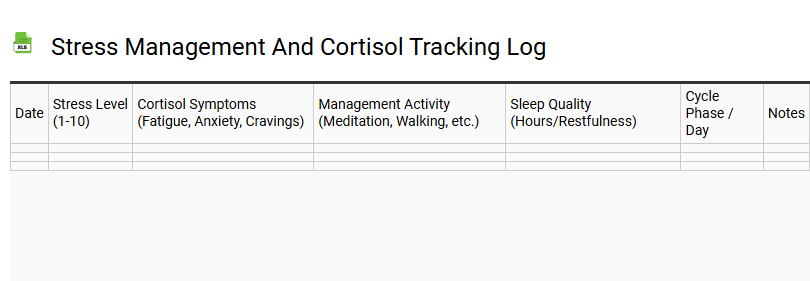
Stress Management and Cortisol Tracking Log
💾 Stress Management and Cortisol Tracking Log .xls
Utilizing a stress management and cortisol tracking log is essential for monitoring adrenal health and identifying physiological responses to daily pressures. This specialized template allows users to record fluctuating hormone levels alongside specific stress triggers and lifestyle interventions. By documenting sleep patterns, fatigue levels, and dietary habits, individuals gain valuable insights into their circadian rhythm and glucocorticoid regulation.
Consistent data entry facilitates biofeedback, helping you adjust mindfulness practices or physical activity to maintain hormone balance. Key metrics to track include:
- Heart rate variability (HRV) and subjective anxiety levels.
- Impact of environmental stressors on physical symptoms.
- Correlation between recovery protocols and energy restoration.
This structured approach to health monitoring empowers a proactive wellness journey, ensuring you can effectively manage chronic stress and optimize overall metabolic health.
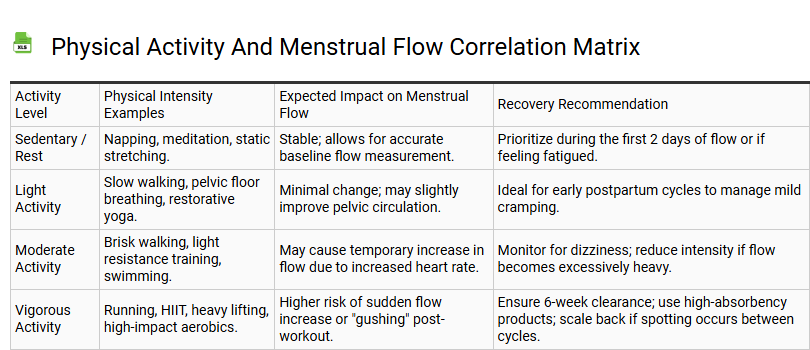
Physical Activity and Menstrual Flow Correlation Matrix
💾 Physical Activity and Menstrual Flow Correlation Matrix .xls
This guide provides a roadmap for restoring hormonal balance and navigating the return of the menstrual cycle after childbirth. It addresses postpartum depletion, the physiological shifts during ovulation, and how breastfeeding impacts fertility markers.
By prioritizing reproductive health and hormonal regulation, mothers can manage their postnatal recovery effectively. This summary highlights self-care strategies for the fourth trimester to ensure vitality. Reclaiming your natural rhythm is a vital step toward long-term maternal wellness and physiological restoration.