
Postpartum Emotional Log Template: Tracking Daily Mental Health Recovery
Navigating the fourth trimester requires mindful attention to maternal mental health. Utilizing a structured postpartum emotional log empowers new mothers to track mood swings, identify triggers for the baby blues, and monitor symptoms of postnatal depression. This essential mood tracker serves as a vital tool for self-care and professional consultations, ensuring sustained emotional well-being during the transition to parenthood. By documenting daily feelings, you foster a proactive approach to recovery and mental wellness. We invite you to check our already made variations of templates below.
Postpartum Daily Mood Tracker
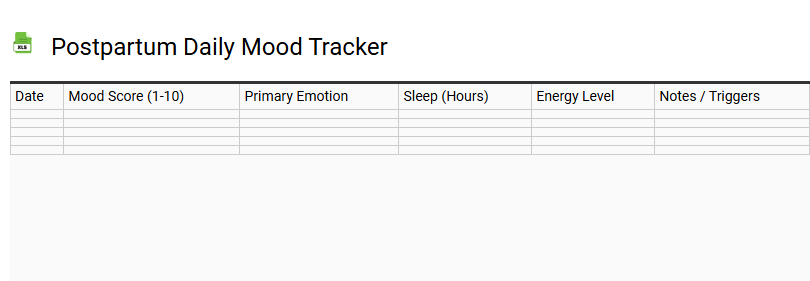
💾 Postpartum Daily Mood Tracker .xls
A Postpartum Daily Mood Tracker serves as a vital tool for new parents navigating the complex emotional landscape after childbirth. By recording daily feelings, this template helps identify patterns in mental health, energy levels, and overall well-being. It provides a structured space to document sleep quality, appetite changes, and social connections, which are essential indicators of physical and emotional recovery.
Regularly updating this log offers several benefits:
- Early Detection: Spotting trends in persistent sadness or anxiety can lead to proactive medical support.
- Improved Communication: Sharing documented data with healthcare providers ensures more accurate and productive clinical discussions.
- Enhanced Self-Awareness: Recognizing specific triggers helps in developing effective coping strategies during the transition into parenthood.
Consistency is fundamental. A brief daily entry empowers parents to prioritize their mental health during the fourth trimester, fostering a safer and more supported healing journey.
New Mom Emotional Wellness Log
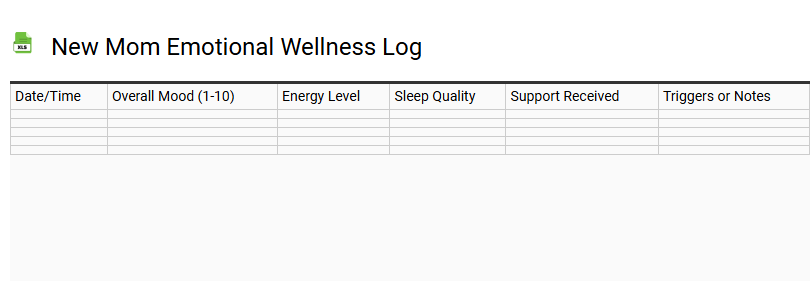
💾 New Mom Emotional Wellness Log .xls
A New Mom Emotional Wellness Log serves as a vital resource for navigating the complex postpartum period. By utilizing a structured mood tracker, mothers can monitor their maternal mental health, identifying fluctuations caused by hormonal shifts and sleep deprivation. This template encourages consistent self-care and mindful reflection during the critical fourth trimester.
- Daily Mood Assessment: Tracking feelings of joy, overwhelm, or irritability to preemptively address the "baby blues."
- Physical Recovery Indicators: Monitoring energy levels, nutrition, and postpartum healing progress alongside newborn care.
- Support System Engagement: Documenting interactions and boundaries that foster emotional resilience and community connection.
Integrating journaling prompts into daily routines helps detect early signs of postpartum anxiety or depression. This holistic approach ensures psychological well-being is prioritized, facilitating more effective communication with healthcare providers for a healthier transition into motherhood.
Postpartum Depression Recovery Spreadsheet
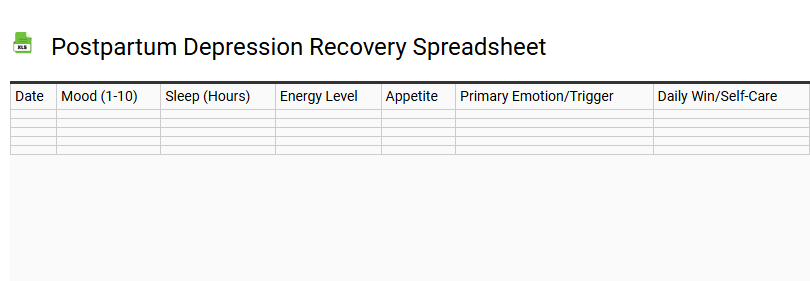
💾 Postpartum Depression Recovery Spreadsheet .xls
A postpartum depression recovery spreadsheet serves as a vital digital tool for systematically monitoring maternal mental health. By utilizing structured mood tracking and symptom logging, mothers can identify triggers related to perinatal anxiety and hormonal fluctuations. This specialized template often incorporates sections for sleep hygiene, medication adherence, and a daily self-care checklist to ensure holistic wellness.
Maintaining a data-driven record facilitates more productive consultations with healthcare providers or therapists. Essential features typically include:
- Visualizing emotional wellness trends and the duration of baby blues.
- Monitoring physical triggers such as nutritional intake and fatigue.
- Documenting therapy progress and the efficacy of coping strategies.
This organized approach empowers new parents to navigate the postpartum period with clarity, fostering a proactive path toward sustainable mental health recovery and emotional stability.
Fourth Trimester Mental Health Diary
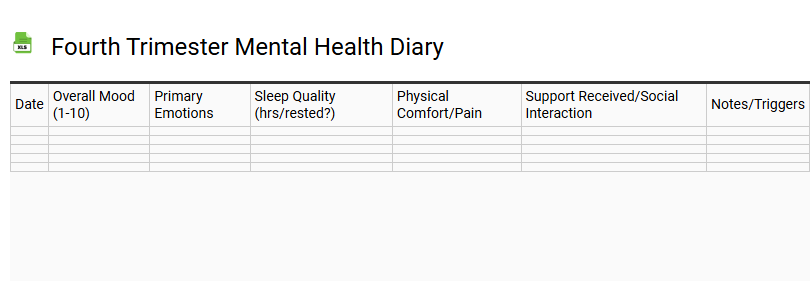
💾 Fourth Trimester Mental Health Diary .xls
A Fourth Trimester Mental Health Diary serves as a vital navigational tool for managing the complex postpartum period. By utilizing a structured template, new parents can effectively monitor hormonal shifts, sleep patterns, and emotional well-being during the critical months following childbirth. Integrating mood tracking into daily routines helps identify early signs of postpartum depression or anxiety, fostering proactive maternal wellness and self-awareness.
An optimized journal template should incorporate:
- Mindfulness prompts to anchor the present moment amidst sleep deprivation.
- Physical recovery logs to track healing milestones and energy levels.
- Self-care checklists to mitigate parental burnout.
- Space for gratitude to enhance emotional resilience and the parent-infant bond.
Consistent use of a postpartum journal empowers individuals to communicate more effectively with healthcare providers, ensuring a supported transition through early parenthood.
Postnatal Anxiety and Mood Journal
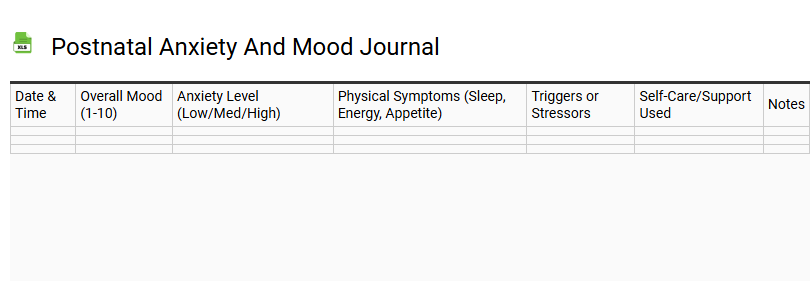
💾 Postnatal Anxiety and Mood Journal .xls
A postnatal anxiety and mood journal template serves as a vital resource for navigating the complex emotional landscape after childbirth. This structured wellness tracker helps mothers monitor maternal mental health symptoms, including postpartum depression and hormone-driven mood swings. By recording daily sleep patterns, emotional triggers, and anxiety levels, individuals can identify patterns in their postnatal recovery journey.
Utilizing cognitive behavioral techniques within the journal encourages mindfulness and the application of healthy coping strategies. Documenting feelings alongside physical energy levels provides essential data for healthcare providers, facilitating informed discussions about postnatal care. This therapeutic tool fosters self-care during the fourth trimester. Integrating a mood log into your daily routine supports proactive management of the "baby blues" and perinatal mood disorders, ensuring a holistic approach to maternal well-being and long-term emotional resilience.
Daily Emotional Symptom Tracker for New Mothers
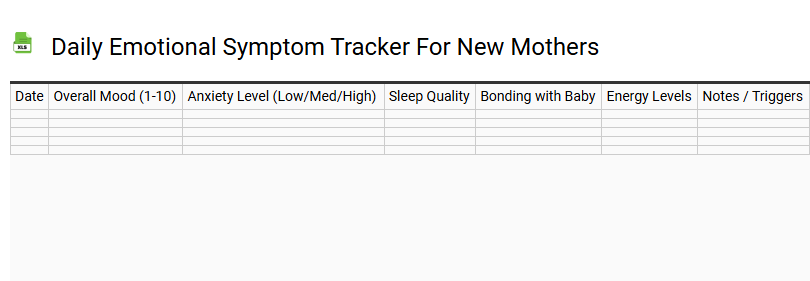
💾 Daily Emotional Symptom Tracker for New Mothers .xls
A Daily Emotional Symptom Tracker serves as a vital resource for navigating the postpartum period with clarity. This tool allows you to document fluctuations in mood, anxiety levels, and energy, providing a detailed record of your mental wellbeing during the first year of motherhood.
By recording daily observations, you can identify specific patterns and triggers that affect your emotional health. Monitoring these changes is essential for early intervention and ensures you have accurate information to share with your healthcare provider. Key areas for tracking include:
- Persistent feelings of sadness or being overwhelmed
- Changes in sleep quality and appetite
- Levels of irritability or intrusive thoughts
- Bonding experiences and moments of joy
Consistent use of this tracker empowers you to prioritize self-care and seek support when necessary, fostering a healthier transition into your new role.
Postpartum Hormonal Shift Log
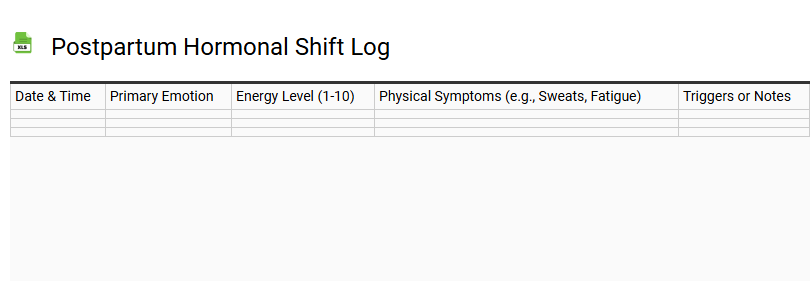
💾 Postpartum Hormonal Shift Log .xls
A postpartum hormonal shift log serves as a vital diagnostic tool for monitoring the physiological transitions occurring during the fourth trimester. Following childbirth, the precipitous drop in estrogen and progesterone levels significantly impacts the endocrine system, often manifesting as mood swings, anxiety, or the "baby blues."
Utilizing a structured template allows new mothers to document emotional regulation, sleep hygiene, and physical symptoms like night sweats or fatigue. Monitoring these fluctuations helps identify critical patterns related to lactation, cortisol spikes, and thyroid function. This proactive approach to postnatal recovery facilitates precise communication with healthcare providers, ensuring timely support for maternal mental health. By recording daily nuances in energy and temperament, parents can navigate the complex endocrine recalibration period with greater awareness, prioritizing long-term wellness and self-care during the sensitive transition into parenthood.
New Parent Sleep and Mood Correlation Sheet
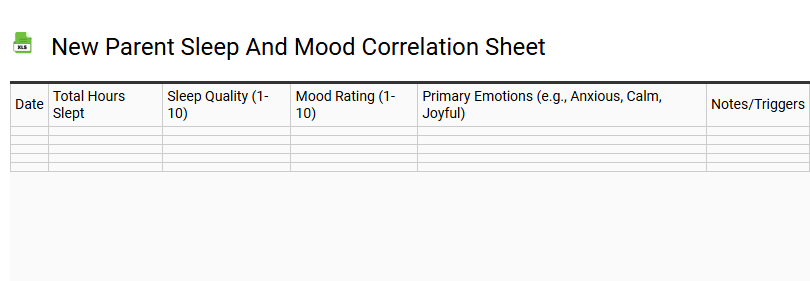
💾 New Parent Sleep and Mood Correlation Sheet .xls
Tracking the vital link between postpartum wellness and rest is essential for navigating early parenthood. This New Parent Sleep and Mood Correlation Sheet serves as a comprehensive tracking log to identify critical patterns between sleep deprivation and emotional stability.
By documenting circadian rhythms, total hours of restorative rest, and daily mood swings, caregivers can visualize how infant care demands directly impact their mental health. This data-driven approach assists in managing parental fatigue and optimizing cognitive function through structured daily routines.
Using this template fosters holistic health by highlighting the necessity of self-care. Consistent data analysis provides actionable insights for healthcare providers, ensuring proactive support for postpartum depression or anxiety. Prioritizing this correlation empowers parents to implement strategies for improved emotional health and sustainable family dynamics during the fourth trimester.
Postpartum Self-Care and Emotional Balance Tracker
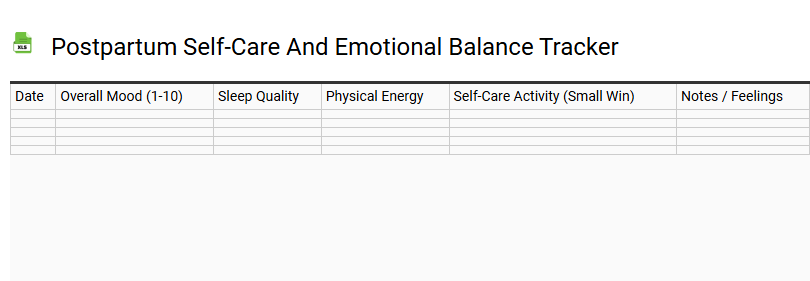
💾 Postpartum Self-Care and Emotional Balance Tracker .xls
A comprehensive postpartum self-care and emotional balance tracker serves as a vital resource for navigating the fourth trimester. This specialized tool prioritizes maternal mental health by documenting mood fluctuations, hormonal shifts, and physical recovery milestones daily. By utilizing a structured wellness journal, new mothers can effectively identify early indicators of the baby blues or postpartum depression (PPD).
Key components of an effective tracking template include:
- Sleep hygiene and restorative rest intervals.
- Hydration and balanced nutritional intake.
- Mindful parenting practices to manage stress.
- Connectivity with a primary support system.
Integrating an emotional balance tracker into a newborn care routine fosters psychological resilience. Prioritizing self-care routines through organized data helps bridge the gap between physical healing and long-term emotional well-being during the transition into motherhood.
Baby Blues vs Postpartum Depression Monitor
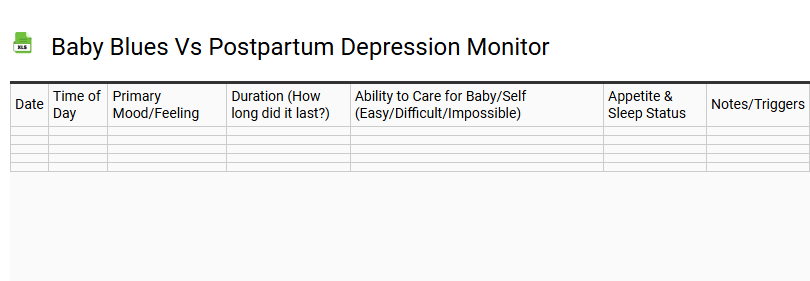
💾 Baby Blues vs Postpartum Depression Monitor .xls
Distinguishing between temporary emotional shifts and persistent clinical symptoms is vital for maternal recovery. The "Baby Blues" typically emerge within days of childbirth, characterized by mild irritability, tearfulness, or exhaustion that naturally resolves within two weeks as hormone levels stabilize.
- Duration: Monitoring whether symptoms persist beyond the initial fourteen-day window.
- Intensity: Tracking if feelings of sadness interfere with the ability to perform daily tasks.
- Bonding: Observing any consistent difficulty in connecting with the newborn.
In contrast, postpartum depression involves severe, prolonged anxiety or despair that requires professional intervention. This tracking tool provides a structured way to document daily fluctuations in mood and energy. By maintaining a clear record of these patterns, parents can provide healthcare providers with accurate data to differentiate between common hormonal adjustments and conditions necessitating specialized support.
Postpartum Wellbeing and Energy Log
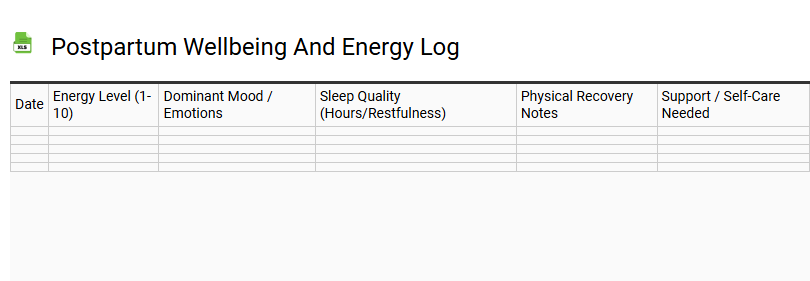
💾 Postpartum Wellbeing and Energy Log .xls
Optimizing postpartum recovery requires a structured approach to monitoring maternal health during the fourth trimester. Utilizing a Postpartum Wellbeing and Energy Log allows new mothers to track vital health indicators, such as mood fluctuations, physical healing, and fatigue levels. By documenting daily sleep patterns, nutritional intake, and hydration, you can identify triggers for exhaustion and manage hormonal shifts effectively.
This template serves as a comprehensive tool for self-care, capturing data on breastfeeding frequency, pelvic floor health, and emotional wellness. Consistently logging energy expenditures and postnatal symptoms assists in the early detection of postpartum depression or anxiety. Maintaining this record facilitates clearer communication with healthcare providers, ensuring a supportive transition into motherhood while prioritizing holistic wellness and restorative rest for long-term vitality.
Maternal Mental Health Daily Check-in
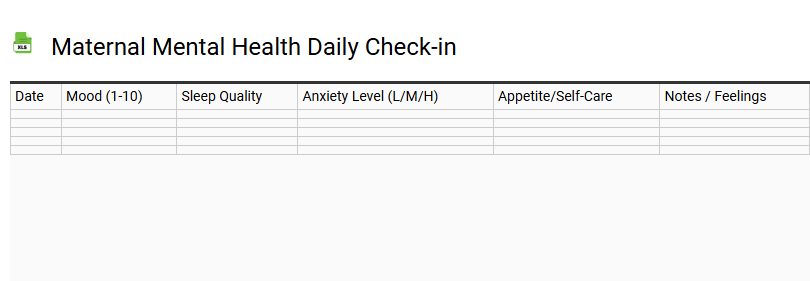
💾 Maternal Mental Health Daily Check-in .xls
A maternal mental health daily check-in serves as a vital tool for navigating the complexities of the postpartum period and early motherhood. By utilizing a structured template, mothers can engage in mindful self-reflection to track emotional fluctuations and identify early signs of postpartum depression or anxiety. This proactive routine fosters emotional resilience through intentional self-care, mood monitoring, and stress management. Integrating this practice into a daily schedule provides a safe space for prioritizing mental hygiene and strengthening the maternal-infant bond. Whether assessing sleep quality, nutritional intake, or social support, this holistic approach empowers parents to maintain equilibrium. Consistent use of a tracking tool ensures that psychological well-being remains a priority, serving as an essential bridge toward sustainable maternal wellness, improved coping strategies, and long-term emotional stability during the transformative journey of parenting.
Postpartum Stress Management Tracker
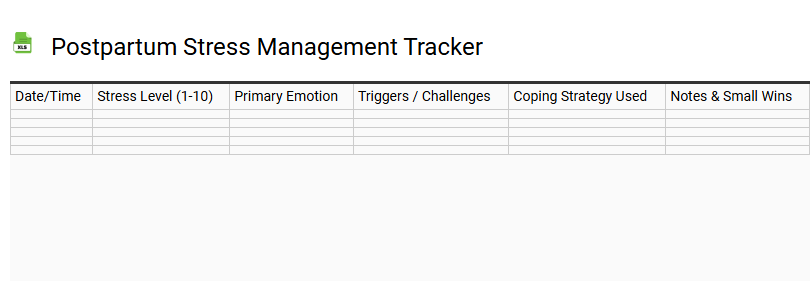
💾 Postpartum Stress Management Tracker .xls
A postpartum stress management tracker serves as a vital tool for navigating the fourth trimester. This specialized template prioritizes maternal mental health by allowing new mothers to monitor mood fluctuations, sleep quality, and hormonal changes. By consistently logging daily stressors and emotional well-being, users can distinguish between common baby blues and symptoms of postpartum depression or anxiety. The tracker encourages self-care routines, mindfulness practices, and the documentation of cortisol triggers. Utilizing this data-driven approach facilitates informed discussions with healthcare providers, ensuring a proactive recovery process. By recording support system interactions and energy levels, the log fosters maternal wellness and resilience. Integrating this wellness journal into daily life empowers parents to manage the physiological and psychological demands of motherhood, promoting long-term emotional balance and holistic healing during the delicate postnatal period.
Weekly Postnatal Emotional Trend Analysis
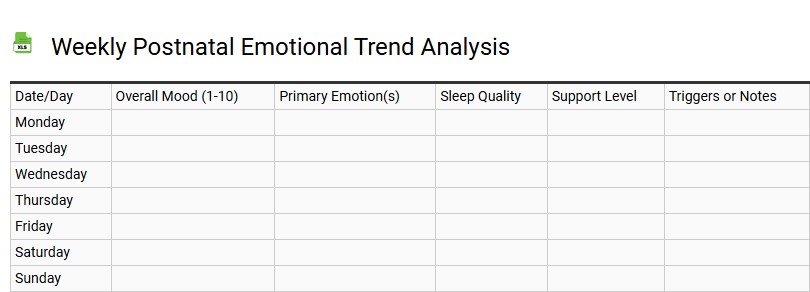
💾 Weekly Postnatal Emotional Trend Analysis .xls
This Weekly Postnatal Emotional Trend Analysis template provides a comprehensive framework for monitoring maternal mental health during the critical fourth trimester. By utilizing systematic mood tracking and symptom logging, new parents can identify subtle shifts in psychological well-being and hormonal balance. This proactive wellness assessment facilitates the early detection of postpartum depression or anxiety through consistent documentation of behavioral patterns.
Each module prioritizes maternal wellness by evaluating emotional fluctuations, sleep quality, and stress levels. Integrated data analysis helps healthcare providers understand the recovery trajectory, ensuring timely clinical interventions. This tool bridges the gap between appointments, empowering individuals to communicate their internal experiences with clarity. Monitoring these biopsychosocial metrics supports long-term emotional stability and fosters a healthier transition into parenthood, emphasizing holistic self-care and psychological resilience after childbirth.
Postpartum Support and Mood Logging Tool
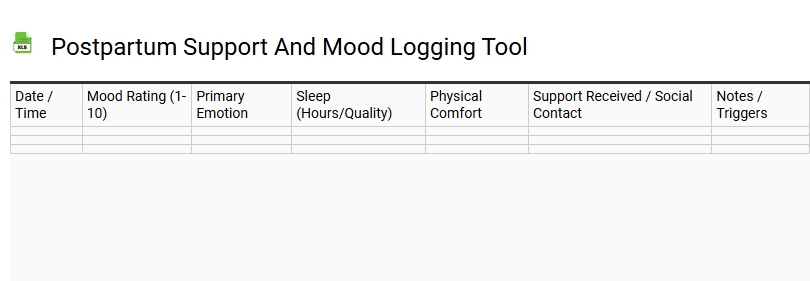
💾 Postpartum Support and Mood Logging Tool .xls
Navigating the fourth trimester requires dedicated attention to maternal mental health. This integrated postpartum mood logging tool empowers new parents to monitor emotional well-being and track postnatal recovery milestones. By documenting daily hormonal fluctuations, users can identify patterns associated with postpartum depression (PPD) or persistent baby blues.
- Record postpartum anxiety triggers and severity levels.
- Log sleep hygiene and nutritional intake for holistic recovery.
- Track self-care routines to maintain psychological balance.
- Identify symptom trends to share with healthcare providers.
Utilizing a structured wellness journal facilitates proactive symptom monitoring, ensuring early intervention when needed. This template serves as a vital emotional support resource, bridging the gap between daily experiences and professional maternal care. Prioritizing postpartum wellness through consistent data logging fosters a healthier transition into parenthood and strengthens the parent-infant bond.
Utilizing a postpartum emotional log provides new mothers with a structured way to monitor their mental health during the fourth trimester. This template helps track daily mood fluctuations, sleep quality, and anxiety triggers, offering clarity between typical baby blues and postpartum depression. By documenting these emotional shifts, you create a valuable record for healthcare providers to optimize your postpartum recovery. Prioritizing this level of self-awareness fosters maternal wellness and ensures timely support. Start your journey toward healing today by consistently journaling your experiences and prioritizing emotional balance.