
Postpartum Mood and Hormone Log Template: Daily Tracking Tool
Navigating the fourth trimester requires careful attention to your emotional well-being. A structured postpartum mood and hormone log serves as a vital tool for tracking significant hormonal fluctuations and identifying early signs of postpartum depression or anxiety. By documenting daily energy levels, sleep quality, and emotional shifts, you can facilitate informed discussions with healthcare providers during your recovery journey. This proactive approach to mental health monitoring empowers new parents to prioritize self-care. Please explore our diverse selection of pre-designed template variations below.
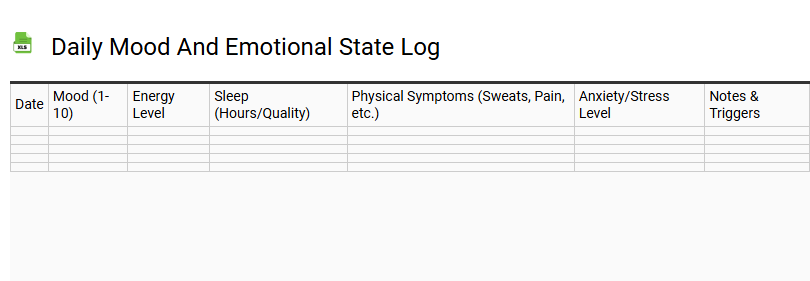
Daily Mood and Emotional State Log
💾 Daily Mood and Emotional State Log .xls
A daily mood and emotional state log serves as a vital instrument for monitoring psychological health and cultivating mindfulness. By utilizing a structured mood tracker, individuals can document fluctuating affective states, identify specific emotional triggers, and observe recurring behavioral trends over time.
This systematic approach to self-reflection facilitates a deeper understanding of mental well-being, allowing for the correlation between external stressors and internal responses. Capturing data points such as sleep quality, energy levels, and gratitude helps map mood patterns, providing actionable insights for therapeutic intervention or personal growth. Integrating this practice into a daily routine promotes emotional regulation and long-term wellness. Through consistent journaling of feelings and reactions, users gain clarity on their cognitive habits, ultimately fostering a more balanced and resilient psychological profile. This template streamlines the process of quantifying qualitative experiences for enhanced self-awareness.
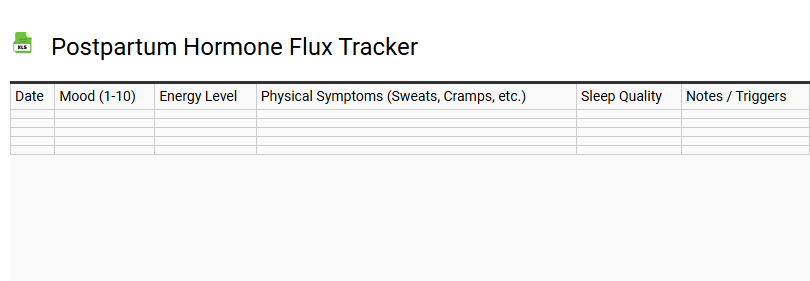
Postpartum Hormone Flux Tracker
💾 Postpartum Hormone Flux Tracker .xls
A postpartum hormone flux tracker serves as a vital tool for navigating the complex endocrine system transitions following childbirth. Immediately after delivery, estrogen and progesterone levels experience a significant decline, often contributing to mood swings, baby blues, or postpartum anxiety.
By utilizing a structured health log, new mothers can monitor physiological changes, fatigue levels, and emotional well-being during the fourth trimester. This recovery template allows for precise documentation of hormonal imbalances, sleep disturbances, and lactation impacts.
Tracking these metrics facilitates informed discussions with healthcare providers regarding thyroid function and maternal mental health. Consistency in recording symptoms helps identify patterns, ensuring a smoother transition as the body restores its natural hormonal equilibrium. Prioritizing this data-driven approach empowers women to manage their postpartum recovery with greater clarity and confidence.
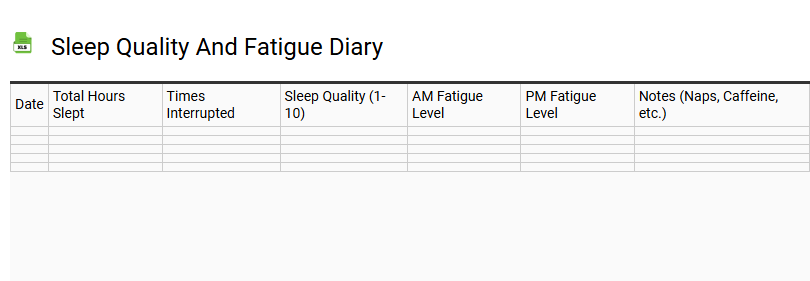
Sleep Quality and Fatigue Diary
💾 Sleep Quality and Fatigue Diary .xls
A comprehensive sleep quality and fatigue diary serves as a vital diagnostic tool for monitoring circadian rhythms and identifying disruptions in sleep architecture. By consistently logging sleep latency, total duration, and the frequency of nocturnal awakenings, individuals can uncover patterns linked to insomnia or restorative rest. This template facilitates the precise tracking of daytime sleepiness and fluctuations in energy levels, offering deep insights into how lifestyle variables influence REM sleep and deep recovery stages.
- Sleep Efficiency: Tracking the ratio of time spent asleep versus time in bed.
- Fatigue Index: Quantifying subjective exhaustion and cognitive alertness.
- Sleep Hygiene: Documenting environmental factors and pre-sleep routines.
Utilizing this structured approach allows for a granular analysis of biological clock alignment, helping to mitigate chronic fatigue through evidence-based adjustments to nightly routines and wakefulness patterns.
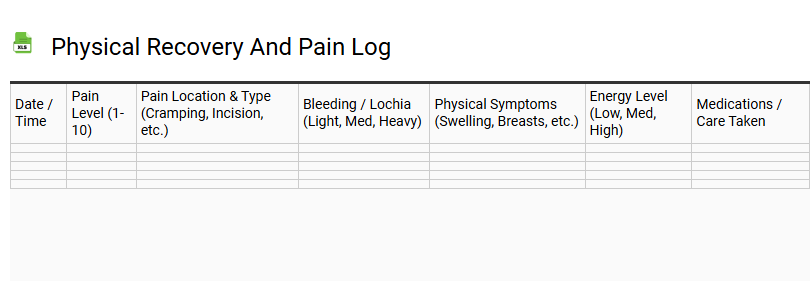
Physical Recovery and Pain Log
💾 Physical Recovery and Pain Log .xls
Utilizing a structured physical recovery and pain log is essential for monitoring rehabilitation progress after injury or surgery. This template facilitates precise injury tracking by documenting pain intensity scales, localized symptoms, and daily mobility milestones. By maintaining a consistent physiotherapy journal, individuals can identify specific pain triggers and evaluate the efficacy of inflammation management strategies.
Comprehensive wellness documentation serves as a detailed recovery timeline, allowing healthcare providers to adjust treatment protocols based on objective data. Monitoring daily physical activity alongside flare-up occurrences ensures that functional movement improves without compromising tissue repair. This systematic approach to symptom monitoring optimizes the healing process, providing a data-driven overview of physiological changes, range of motion gains, and overall biometric trends during the restorative phase.
Dietary and Hydration Correlation Sheet
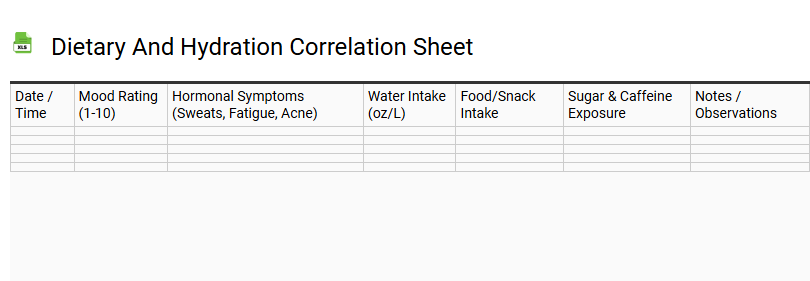
💾 Dietary and Hydration Correlation Sheet .xls
A Dietary and Hydration Correlation Sheet serves as a comprehensive monitoring tool to analyze the intricate relationship between nutrient intake and fluid status. By maintaining a detailed food journal alongside precise water consumption logs, individuals can identify how specific macronutrients and electrolyte levels influence their metabolic rate and digestive health.
- Track beverage volume and meal frequency to optimize nutrient absorption.
- Monitor physiological responses such as energy fluctuations and cognitive clarity.
- Evaluate the synergy between sodium intake and fluid retention for homeostasis.
Utilizing this wellness template facilitates biometric tracking, allowing for data-driven adjustments to caloric density and hydration strategies. This structured approach ensures peak physical performance and long-term systemic wellness by bridging the gap between dietary habits and cellular hydration.
Postpartum Anxiety and Depression Symptom Scale
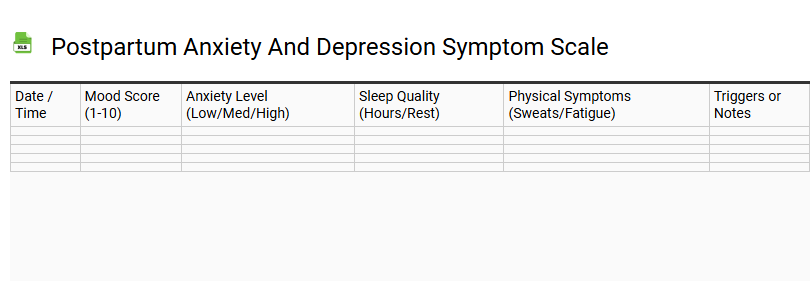
💾 Postpartum Anxiety and Depression Symptom Scale .xls
A Postpartum Anxiety and Depression Symptom Scale serves as a vital clinical screening tool designed to evaluate the mental health of new parents during the fourth trimester. Utilizing a structured assessment helps identify symptoms of perinatal mood and anxiety disorders (PMADs), such as persistent intrusive thoughts, excessive worry, and emotional exhaustion. This template often incorporates elements from the Edinburgh Postnatal Depression Scale (EPDS) to measure specific indicators like sleep disturbances, loss of interest, and panic attacks.
By tracking these behavioral markers, healthcare providers can facilitate early intervention and personalized support. Implementing this standardized self-report questionnaire ensures that postpartum distress is monitored effectively, promoting long-term maternal wellness and healthy infant bonding. A clear scoring system allows clinicians to differentiate between common "baby blues" and clinical postpartum depression, ensuring comprehensive care throughout the recovery period.
Medication and Supplement Adherence Log
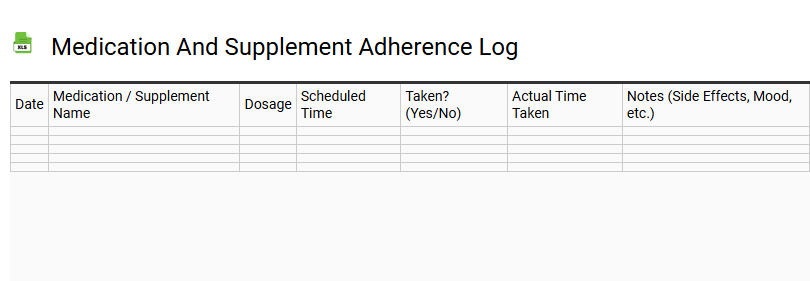
💾 Medication and Supplement Adherence Log .xls
A Medication and Supplement Adherence Log serves as a vital instrument for streamlining your daily treatment plan and wellness routine. Utilizing a structured template facilitates precise dosage tracking, ensuring consistent therapeutic compliance for managing chronic conditions or nutritional goals. By documenting every medication schedule and nutritional supplement intake, users create a comprehensive health data set that improves healthcare provider communication.
This digital or printable pill organizer helps prevent missed doses and accidental doubling, significantly enhancing patient outcomes. Incorporating refill reminders and timing notes into your health monitoring strategy fosters accountability and accuracy. Whether tracking vitamins, minerals, or complex prescriptions, maintaining an adherence tracker provides a clear overview of your therapeutic regimen, supporting long-term physical well-being and effective symptom management through organized, actionable insights.
Activity and Exercise Level Tracker
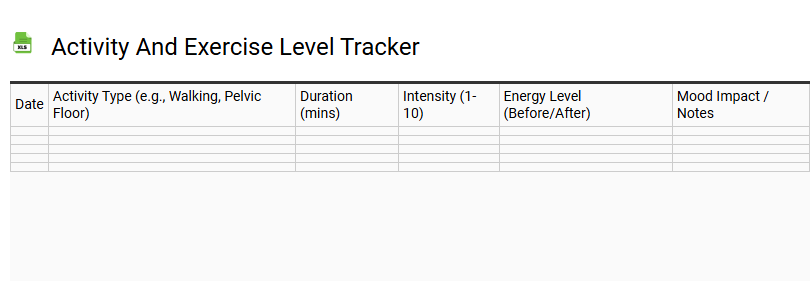
💾 Activity and Exercise Level Tracker .xls
This Activity and Exercise Level Tracker serves as a comprehensive digital log designed to monitor physical movement and daily exertion. By recording specific metrics such as duration, intensity, and type of activity, users can visualize their fitness journey with clarity. This template facilitates the tracking of cardio sessions, strength training, and active recovery periods within a unified framework.
- Log daily step counts and active minutes to ensure consistency.
- Categorize workouts by muscle groups or cardiovascular goals.
- Monitor heart rate zones and perceived exertion for better performance analysis.
- Assess weekly trends to optimize rest days and prevent burnout.
Utilizing this structured approach helps individuals maintain accountability while providing actionable data to refine health habits. Whether training for a specific event or maintaining general wellness, this tool organizes essential metrics for long-term success and improved physical performance.
Social Interaction and Support Log
💾 Social Interaction and Support Log .xls
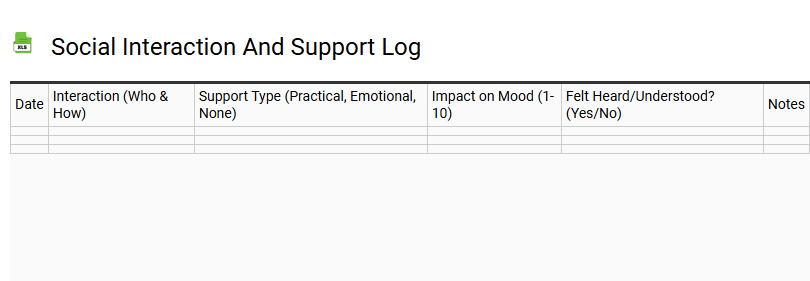
A Social Interaction and Support Log serves as a strategic framework for documenting interpersonal connections and fostering emotional well-being. This template facilitates precise behavioral tracking by recording communication frequency, the nature of social engagement, and the quality of peer support received.
By utilizing this structured approach to wellness monitoring, individuals can analyze relationship management patterns and their impact on psychological health. Key components integrated into the log often include:
- Networking activities and community involvement.
- Assessment of emotional support levels and availability.
- Identification of social isolation risks or withdrawal.
- Evaluation of interpersonal dynamics and communication styles.
Implementing this documentation tool empowers users to strengthen their support network, ensuring a proactive approach to mental health maintenance and meaningful community integration through consistent self-reflection.
Coping Strategies and Trigger Journal
💾 Coping Strategies and Trigger Journal .xls
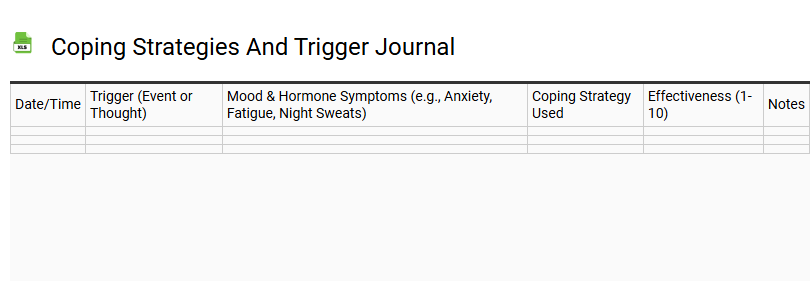
Utilizing a Coping Strategies and Trigger Journal is a foundational practice in cognitive behavioral therapy and proactive mental health management. This structured template facilitates self-awareness by documenting specific emotional triggers and subsequent stress responses. By monitoring internal stimuli and external stressors, users identify recurring behavioral patterns that impact psychological well-being.
A comprehensive journal integrates a wellness toolkit of grounding techniques and mindfulness exercises to foster emotional regulation. Implementing this self-reflection tool allows for:
- Symptom tracking to recognize early warning signs of anxiety or burnout.
- Reflective writing to process affective states and cognitive distortions.
- Developing actionable coping mechanisms tailored to specific environmental stressors.
Consistent mood monitoring builds emotional resilience, transforming reactive habits into intentional coping skills for long-term holistic health and improved mental clarity.
Breastfeeding and Pumping Impact Chart
💾 Breastfeeding and Pumping Impact Chart .xls
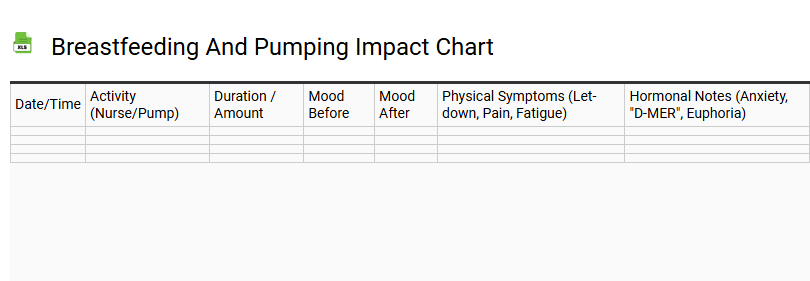
A Breastfeeding and Pumping Impact Chart serves as a comprehensive tool for monitoring lactation progress and infant nutrition. This structured template enables caregivers to document the frequency, duration, and volume of feeding sessions with precision. By capturing these essential data points, parents can visualize trends in milk production and identify how various factors influence supply levels over time.
This resource is designed to enhance the feeding experience by tracking:
- Expression Volume: Recording the exact amount of milk collected during each pumping session.
- Nursing Patterns: Monitoring the length of time an infant spends at the breast to ensure satiety.
- Daily Logs: Correlating hydration, rest, and nutrition with overall milk output.
Maintaining an accurate record facilitates better communication with healthcare providers and lactation specialists, ensuring that both the mother's health and the baby's growth remain on a positive trajectory.
Menstrual Cycle Re-establishment Tracker
💾 Menstrual Cycle Re-establishment Tracker .xls
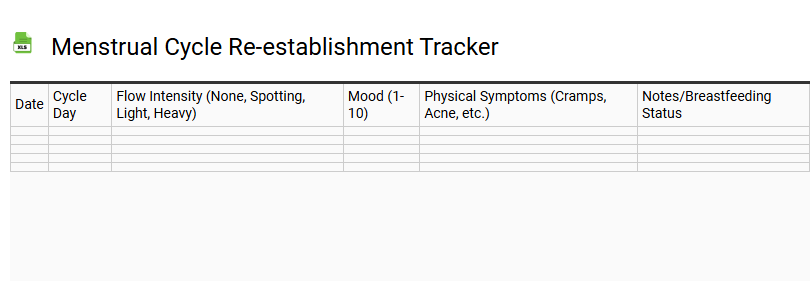
A menstrual cycle re-establishment tracker serves as a vital diagnostic tool for monitoring hormonal health and restorative reproductive wellness. This comprehensive template facilitates precise logging of ovulation signals, including basal body temperature (BBT) shifts and cervical mucus variations. Specifically designed for those recovering from hypothalamic amenorrhea or transitioning off hormonal contraceptives, the log prioritizes endocrine balance. By documenting flow intensity, luteal phase duration, and follicular phase development, users can identify emerging patterns of cycle regularity. Consistent data entry regarding premenstrual symptoms and energy fluctuations provides actionable insights into your fertility awareness journey. This structured approach empowers individuals to visualize their menstrual health progress, ensuring a data-driven path toward stabilizing hormonal fluctuations and achieving sustainable period recovery through mindful observation of physiological biofeedback.
Utilizing a postpartum mood and hormone log is a vital strategy for monitoring hormonal fluctuations after childbirth. This specialized template empowers new parents to track symptoms of the baby blues or postpartum depression by documenting daily emotional states and physical changes. Mapping endocrine balance during postpartum recovery provides actionable data for healthcare professionals to support mental health. This health journal offers clarity on emotional well-being, helping manage mood swings while ensuring a supported, healthy transition into your motherhood journey.