
Pregnancy Hypertension Monitoring Sheet Template
Managing blood pressure during gestation is vital for preventing preeclampsia and ensuring maternal safety. A comprehensive pregnancy hypertension monitoring sheet serves as a critical diagnostic tool for tracking systolic and diastolic fluctuations. By consistently logging daily readings, expectant mothers provide healthcare providers with accurate data to manage gestational hypertension effectively. This structured approach to prenatal health promotes early intervention and cardiovascular wellness throughout each trimester. Please explore our diverse selection of professionally designed variations of templates for pregnancy hypertension monitoring below.
Pregnancy Hypertension Daily Log
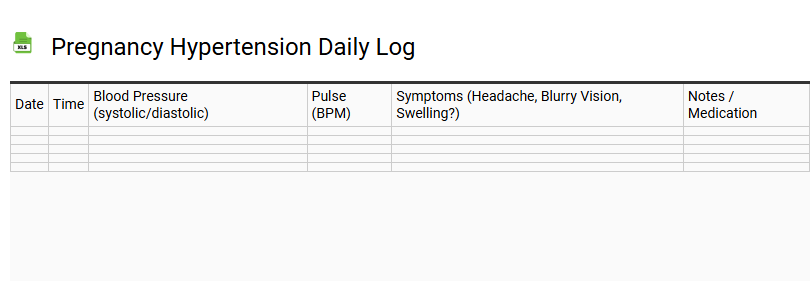
💾 Pregnancy Hypertension Daily Log .xls
Managing cardiovascular health during gestation requires diligent tracking. A Pregnancy Hypertension Daily Log serves as a vital tool for monitoring systolic and diastolic blood pressure readings. This structured record assists healthcare providers in identifying early signs of preeclampsia or gestational hypertension. Expectant mothers should document daily measurements alongside symptoms like persistent headaches, vision changes, or sudden edema.
Consistently logging these vitals ensures proactive prenatal care and safeguards fetal well-being. By maintaining a detailed log, patients provide accurate data during obstetric appointments, allowing for timely medical interventions. This systematic approach to maternal health monitoring minimizes risks associated with elevated pressure levels. To maximize the template's effectiveness, ensure each entry includes:
- Date and Time: Precise timestamps for consistency.
- Vitals: Blood pressure and resting heart rate.
- Symptoms: Presence of proteinuria or physical discomfort.
Gestational Hypertension Tracking Sheet
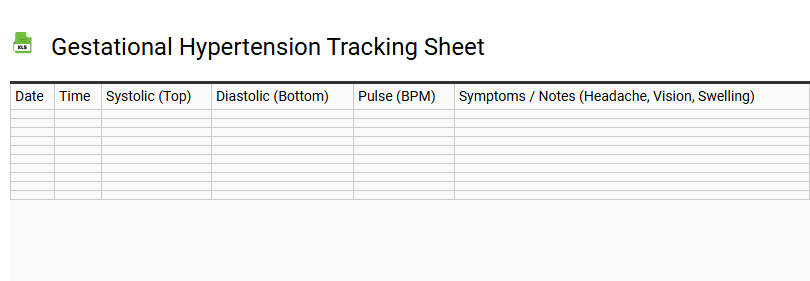
💾 Gestational Hypertension Tracking Sheet .xls
A gestational hypertension tracking sheet serves as a vital diagnostic tool for monitoring high blood pressure during pregnancy. This structured log allows expectant mothers to record daily systolic and diastolic readings, ensuring early detection of preeclampsia symptoms. By maintaining a detailed prenatal health journal, patients can track critical indicators such as:
- Proteinuria levels and fluid retention (edema).
- Daily fetal movement and kick counts.
- Pulse rate and sudden weight fluctuations.
- Medication adherence for pregnancy-induced hypertension (PIH).
Using this blood pressure log facilitates clear communication with obstetricians during prenatal checkups. Consistent documentation of maternal health data helps clinicians manage hypertensive disorders effectively, reducing risks of complications. Whether utilizing a digital template or a printable chart, regular blood pressure monitoring is essential for ensuring both maternal safety and optimal fetal development throughout the third trimester.
Preeclampsia Symptom and BP Tracker
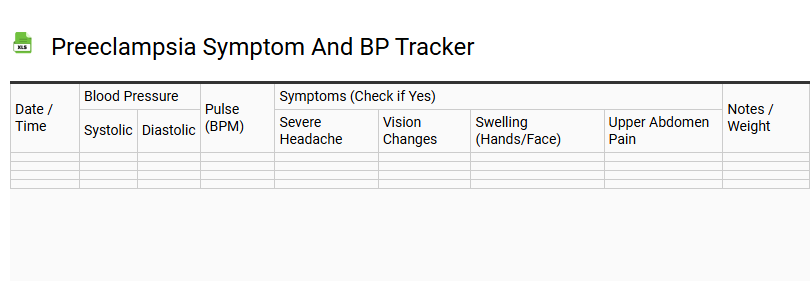
💾 Preeclampsia Symptom and BP Tracker .xls
Utilizing a comprehensive preeclampsia symptom and BP tracker is essential for managing gestational hypertension and ensuring maternal safety. This template facilitates precise blood pressure monitoring, allowing users to record daily systolic and diastolic readings alongside critical prenatal care metrics. By tracking pre-eclampsia signs such as proteinuria (protein in urine), sudden edema, persistent headaches, and visual disturbances, patients can provide healthcare providers with actionable data. Early detection of high blood pressure trends is vital for eclampsia prevention and managing hypertensive disorders of pregnancy. This log also supports postpartum monitoring, ensuring a healthy recovery transition. Consistent pregnancy tracking through this structured format empowers expectant mothers to identify maternal health risks promptly, fostering timely medical interventions and improved birth outcomes through organized, longitudinal data collection.
Maternal Blood Pressure Monitoring Log
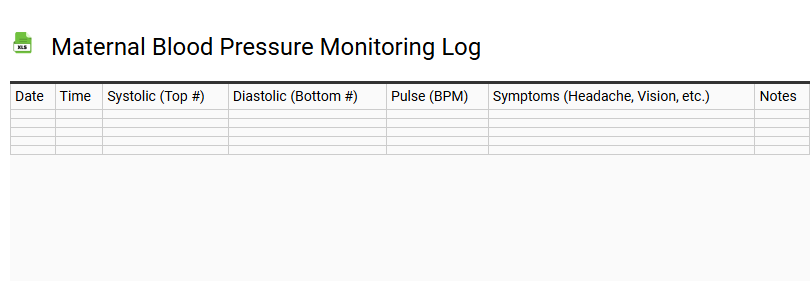
💾 Maternal Blood Pressure Monitoring Log .xls
A maternal blood pressure monitoring log is an essential instrument for managing prenatal care and tracking gestational health. This template allows expectant mothers to systematically record systolic and diastolic measurements, facilitating the early detection of preeclampsia or pregnancy-induced hypertension.
By documenting daily readings alongside resting heart rate and physical symptoms, patients create a comprehensive medical record for their obstetrician. Key benefits of this tracking system include:
- Identification of dangerous blood pressure trends.
- Enhanced cardiovascular wellness oversight.
- Improved communication during prenatal consultations.
- Proactive screening for gestational toxemia.
Maintaining a precise monitoring log ensures maternal safety by providing healthcare providers with actionable data to manage vascular health throughout every trimester of the pregnancy journey.
High-Risk Pregnancy Vitals Sheet
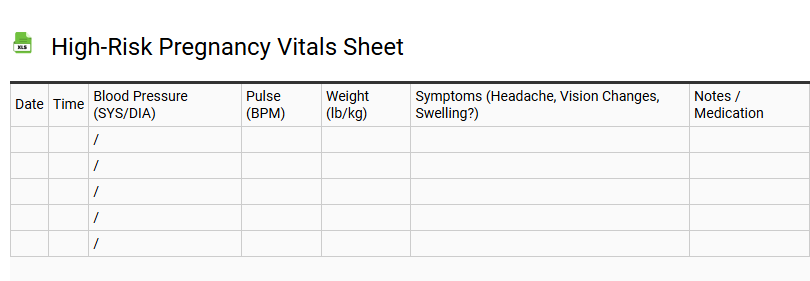
💾 High-Risk Pregnancy Vitals Sheet .xls
A high-risk pregnancy vitals sheet serves as a critical clinical documentation tool for maternal-fetal medicine specialists and expectant mothers. This structured patient monitoring log facilitates the systematic tracking of essential biometric data, including blood pressure readings, maternal heart rate, and fetal kick counts. By maintaining a consistent prenatal care record, healthcare providers can perform timely preeclampsia screenings and manage gestational diabetes through regular blood glucose monitoring. This medical surveillance template ensures that any deviations from baseline vital signs are identified early, optimizing obstetric health outcomes. Utilizing a comprehensive pregnancy health tracker empowers patients to participate in their clinical management, providing a detailed obstetric history and real-time data for prenatal consultations. This document is indispensable for navigating complex pregnancies requiring rigorous maternal health monitoring and precise fetal surveillance.
Weekly Pregnancy BP Record
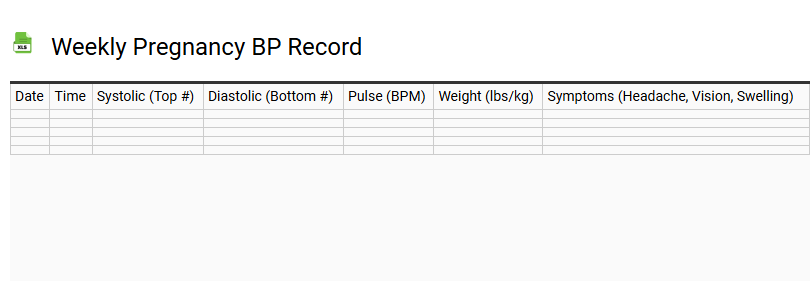
💾 Weekly Pregnancy BP Record .xls
Maintaining a weekly pregnancy blood pressure record is a vital component of proactive prenatal monitoring. This structured template allows expectant mothers to diligently track systolic and diastolic readings, providing essential data to identify early signs of gestational hypertension or preeclampsia. By documenting cardiovascular fluctuations and heart rate consistently, you provide your obstetrician with a comprehensive clinical history that supports maternal wellness throughout every trimester.
Utilizing a dedicated blood pressure log ensures that cardiovascular health remains a priority, facilitating timely medical interventions if necessary. This gestational tracking tool serves as a reliable reference during routine check-ups, helping to distinguish between normal physiological changes and potential risks. Regular BP monitoring empowers patients, fosters a healthy pregnancy journey, and ensures that both maternal and fetal outcomes are optimized through precise, data-driven maternal healthcare management.
Prenatal Hypertension Management Template
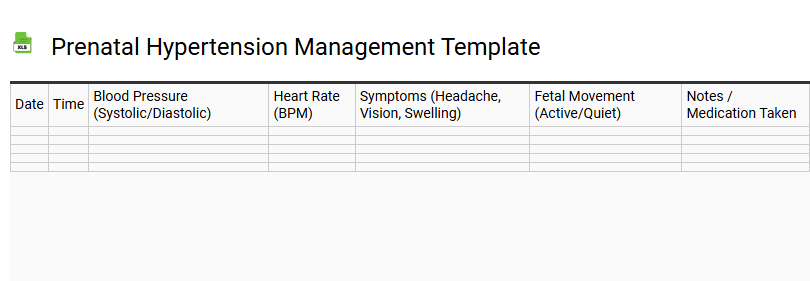
💾 Prenatal Hypertension Management Template .xls
A comprehensive prenatal hypertension management template serves as a vital clinical tool for monitoring gestational hypertension and mitigating risks associated with preeclampsia. This structured framework facilitates the precise tracking of systolic and diastolic blood pressure readings, ensuring consistent maternal health surveillance and fetal wellbeing assessments. By utilizing standardized obstetric protocols, healthcare providers can efficiently document proteinuria levels, edema, and other markers of hypertensive disorders of pregnancy.
- Risk stratification to identify high-risk expectant mothers.
- Integration of pharmacological interventions and lifestyle modifications.
- Continuous cardiovascular monitoring to prevent eclampsia.
Implementing this clinical decision-support tool optimizes perinatal outcomes by streamlining diagnostic criteria and emergency interventions. This approach ensures continuity of care and patient safety throughout the gestational period, providing a robust pathway for maternal-fetal medicine specialists and primary obstetric care teams.
Daily BP and Heart Rate Log for Pregnancy
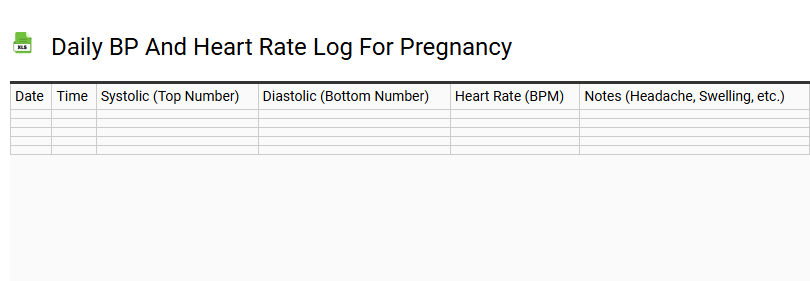
💾 Daily BP and Heart Rate Log for Pregnancy .xls
Maintaining a comprehensive daily blood pressure and heart rate log is a cornerstone of proactive prenatal care. This tracking tool allows expectant mothers to monitor for gestational hypertension and early indicators of preeclampsia, ensuring both maternal wellness and healthy fetal development. By recording consistent systolic and diastolic measurements alongside a resting heart rate, you provide your obstetrician or midwife with critical data for assessing cardiovascular health.
Utilizing a structured template simplifies the process of monitoring vitals during each trimester. Identifying fluctuations in circulatory system stress helps manage pregnancy-induced hypertension effectively. Consistently logging these biometric data points serves as a vital communication bridge during prenatal appointments, empowering women to take control of their maternal health journey through diligent self-monitoring and clinical oversight.
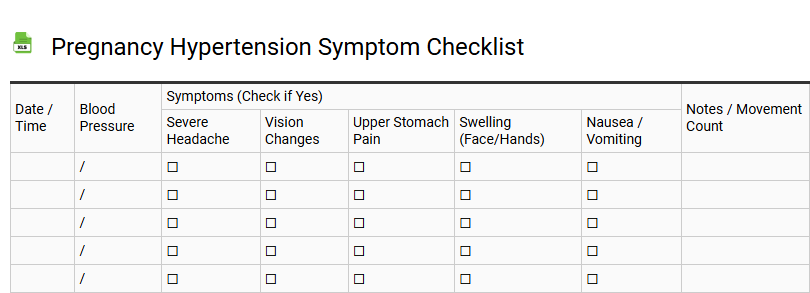
Pregnancy Hypertension Symptom Checklist
💾 Pregnancy Hypertension Symptom Checklist .xls
A pregnancy hypertension symptom checklist serves as a vital clinical tool for monitoring maternal health and identifying early signs of preeclampsia or gestational hypertension. Patients should use this screening template to track high blood pressure indicators during the second and third trimesters. Key red flags include:
- Visual disturbances such as blurring, flashing lights, or floaters.
- Persistent, severe headaches that do not resolve with standard care.
- Significant edema, specifically sudden swelling in the face or hands.
- Upper abdominal or epigastric pain.
- Decreased fetal movement or altered maternal-fetal hemodynamics.
Consistent blood pressure monitoring and documenting potential proteinuria help obstetricians mitigate risks of eclampsia. This proactive prenatal care approach ensures timely medical intervention for pregnancy-induced hypertension, safeguarding both mother and neonate from potential cardiovascular complications and ensuring a safer delivery outcome.
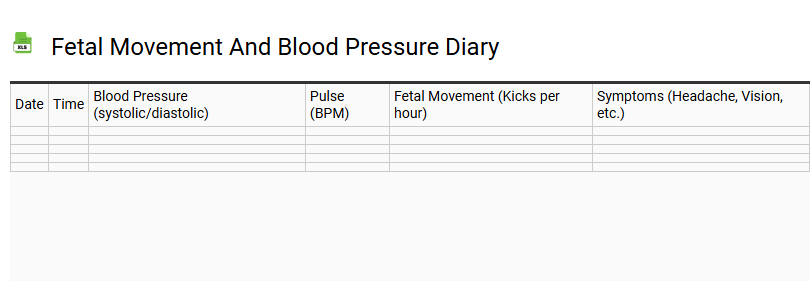
Fetal Movement and Blood Pressure Diary
💾 Fetal Movement and Blood Pressure Diary .xls
This comprehensive fetal movement and blood pressure diary serves as an essential prenatal monitoring tool for tracking maternal-fetal health. By documenting daily kick counts and fetal activity patterns, expectant parents can ensure gestational well-being and detect potential concerns early.
Simultaneously, logging systolic and diastolic blood pressure readings is critical for identifying pregnancy-induced hypertension or preeclampsia symptoms. This integrated health tracker facilitates:
- Monitoring fetal kick strength and frequency trends.
- Recording maternal vitals and cardiovascular stability.
- Providing accurate longitudinal data for obstetrician consultations.
- Enhancing prenatal wellness through consistent documentation.
Utilizing a structured pregnancy journal during the third trimester fosters maternal-fetal bonding and offers a proactive approach to maternity care, ensuring both fetal vigor and maternal safety are prioritized throughout the gestational period.
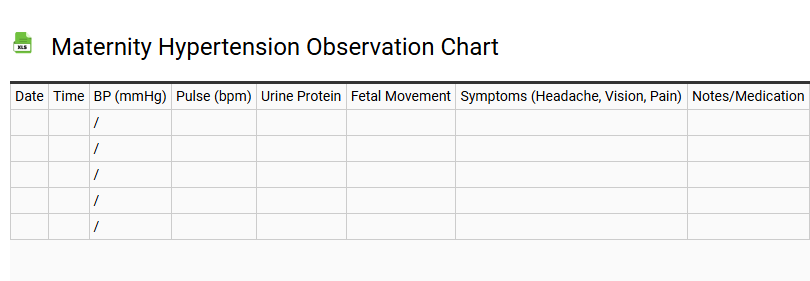
Maternity Hypertension Observation Chart
💾 Maternity Hypertension Observation Chart .xls
A maternity hypertension observation chart serves as a critical diagnostic tool for managing gestational hypertension and preeclampsia during pregnancy. This specialized medical template facilitates the meticulous tracking of systolic and diastolic blood pressure fluctuations, mean arterial pressure (MAP), and proteinuria levels. By utilizing a standardized clinical pathway, healthcare providers can monitor for signs of hypertensive disorders of pregnancy (HDP), ensuring early intervention to prevent eclampsia or HELLP syndrome. The chart typically integrates maternal vital signs with fetal heart rate monitoring and fetal well-being assessments. These data-driven obstetric triage logs are essential for antenatal care, allowing clinicians to document neurological symptoms, visual disturbances, and epigastric pain. Implementing an evidence-based observation protocol optimizes maternal-fetal outcomes by streamlining postnatal follow-ups and high-risk pregnancy management within any clinical setting.
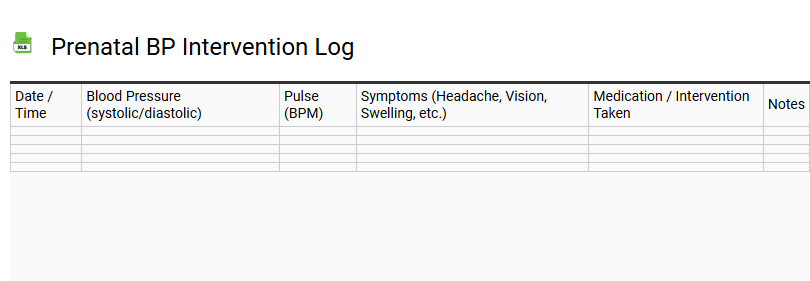
Prenatal BP Intervention Log
💾 Prenatal BP Intervention Log .xls
A prenatal blood pressure intervention log serves as a critical diagnostic tool for monitoring maternal cardiovascular health. By meticulously tracking daily systolic and diastolic readings, expectant parents can facilitate early preeclampsia screening and detect signs of gestational hypertension. This structured documentation allows for precise observation of blood pressure fluctuations, ensuring that any deviations from baseline levels are addressed promptly by a healthcare provider.
Utilizing a comprehensive tracking log optimizes maternal wellness and enhances fetal safety by mitigating risks associated with hypertensive disorders. Recording these vital signs fosters proactive pregnancy complication prevention, providing clinicians with actionable data during prenatal appointments. Consistent blood pressure monitoring empowers patients to manage their health journey, promoting a stable internal environment for fetal development and reducing the likelihood of emergency medical interventions through diligent, evidence-based self-reporting.
Home Blood Pressure Log for Expectant Mothers
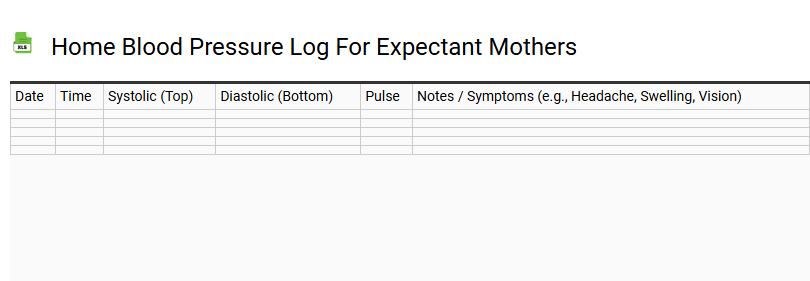
💾 Home Blood Pressure Log for Expectant Mothers .xls
A home blood pressure log for expectant mothers serves as a vital clinical tool for proactive prenatal monitoring. By documenting daily systolic and diastolic readings, women can effectively track cardiovascular trends throughout their pregnancy journey. This systematic approach helps in the early identification of gestational hypertension and preeclampsia, ensuring timely intervention from medical providers.
- Record pulse rate and specific measurement times to ensure data consistency.
- Monitor fetal well-being by maintaining stable maternal health metrics.
- Note physical symptoms like sudden edema or blurred vision alongside numerical data.
- Utilize a validated home monitor to ensure precision in every entry.
Maintaining this log fosters clear communication during prenatal consultations, optimizing outcomes for both mother and baby. Consistent data entry empowers patients, turning raw numbers into actionable insights for a safer, healthier gestation period.
Pregnancy Induced Hypertension Monitor
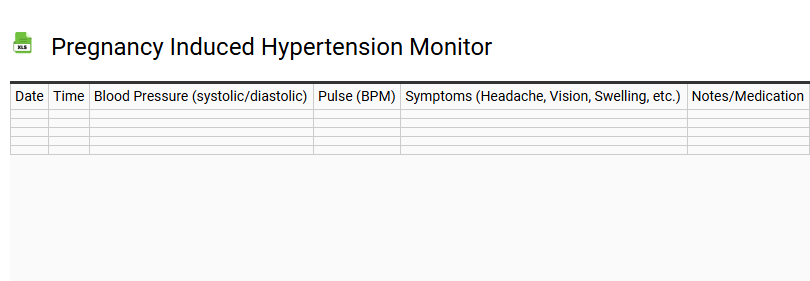
💾 Pregnancy Induced Hypertension Monitor .xls
A Pregnancy Induced Hypertension (PIH) Monitor serves as a vital clinical tool for tracking maternal cardiovascular health throughout gestation. This structured digital template facilitates the consistent logging of systolic and diastolic blood pressure readings, ensuring the early detection of conditions such as preeclampsia or gestational hypertension.
By maintaining a detailed record of physiological changes, expectant mothers and healthcare providers can monitor critical health indicators, including:
- Blood Pressure Trends: Identifying sudden elevations that may necessitate immediate medical intervention.
- Symptom Tracking: Documenting the presence of severe headaches, visual disturbances, or significant edema in the extremities.
- Proteinuria Screening: Recording urine protein levels to assess renal function and overall stability.
Utilizing this monitoring system promotes proactive management and informed decision-making. It provides a reliable data history for prenatal consultations, ultimately enhancing safety outcomes for both the mother and the developing fetus during the high-risk period.
Daily Vitals Record for Preeclampsia Prevention
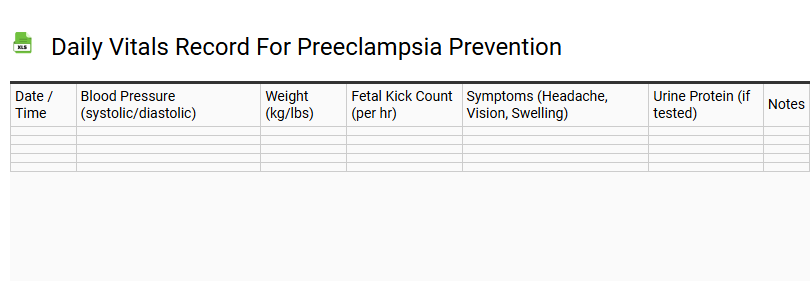
💾 Daily Vitals Record for Preeclampsia Prevention .xls
A consistent Daily Vitals Record serves as a critical diagnostic tool for prenatal care and the early detection of gestational hypertension. This clinical tracking log prioritizes blood pressure monitoring, specifically recording systolic and diastolic readings to identify hypertensive trends. Patients should document daily measurements alongside assessments for proteinuria and sudden edema in the hands or face. Monitoring fetal movement and tracking maternal symptoms-such as persistent headaches, visual disturbances, or epigastric pain-is essential for preeclampsia prevention. Maintaining this systematic data allows healthcare providers to evaluate cardiovascular stability and intervene promptly if hypertensive disorders of pregnancy escalate. By focusing on maternal health metrics and physiological changes, this template empowers expectant mothers in high-risk categories to provide actionable insights for their obstetric team, ensuring safety through proactive clinical surveillance.
A pregnancy hypertension monitoring sheet serves as a vital tool for tracking blood pressure trends during gestation. By maintaining a detailed prenatal log, expectant mothers can proactively manage preeclampsia risks and prioritize maternal health.
This template simplifies recording daily systolic and diastolic readings, protein levels, and fetal wellbeing indicators. Consistently documenting these metrics empowers healthcare providers to intervene early, ensuring a safer delivery. Utilizing a structured medical diary bridges the gap between home monitoring and clinical cardiovascular care.