
Probiotic Regimen Diary Template: Track Gut Health and Supplement Intake
Optimizing gut health requires consistency and precision. A structured probiotic regimen diary helps you monitor specific bacterial strains, CFU counts, and your overall microbiome response. By tracking supplement intake alongside daily symptom logging, you gain valuable insights into your digestive wellness and the balance of your intestinal flora. This systematic method is essential for identifying which probiotics truly support your gastrointestinal tract. Please explore the expertly crafted template variations provided below to find the perfect fit for your routine.
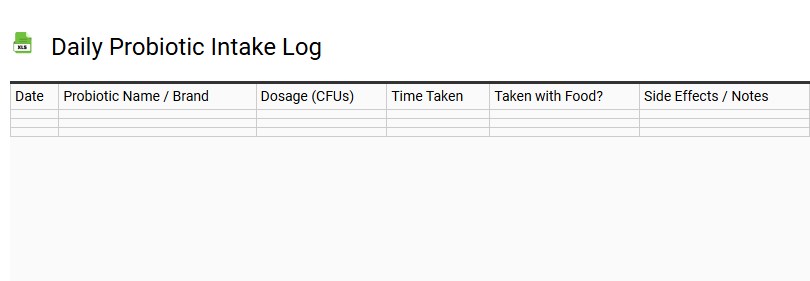
Daily Probiotic Intake Log
💾 Daily Probiotic Intake Log .xls
Maintaining a precise Daily Probiotic Intake Log is a fundamental practice for optimizing gut health and monitoring the efficacy of microbiome interventions. This tracking tool allows individuals to document specific probiotic strains, such as Lactobacillus and Bifidobacterium, alongside their daily CFU count to ensure therapeutic dosages.
By recording the timing of dietary supplements or fermented foods, users can identify direct correlations between intake and digestive wellness. Key metrics often include:
- Gastrointestinal balance and symptom relief patterns.
- Integration of prebiotic fiber to support flora restoration.
- Observations on stool consistency and metabolic function.
Consistently logging these variables facilitates a data-driven supplementation regimen, empowering users to fine-tune their internal ecosystem for enhanced immune resilience and long-term digestive health.
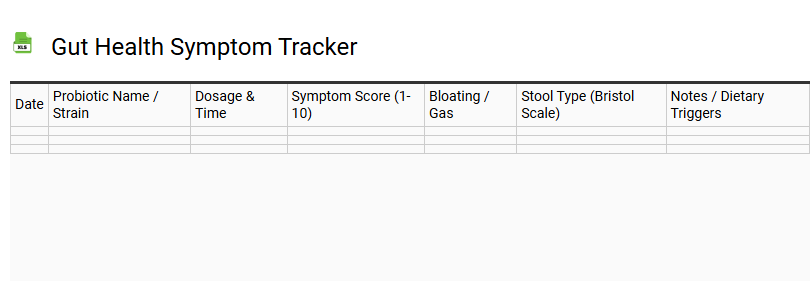
Gut Health Symptom Tracker
💾 Gut Health Symptom Tracker .xls
Utilizing a gut health symptom tracker is a foundational step toward mastering digestive wellness. This comprehensive template functions as a digital food diary, allowing users to meticulously document daily intake, microbiome responses, and potential triggers. By recording bloating, bowel movements, and energy levels, you can identify correlations between specific dietary habits and gastrointestinal distress.
An effective tracking log incorporates variables such as the Bristol stool scale, probiotic supplementation, and hydration levels. Monitoring these metrics helps pinpoint food intolerances or symptoms associated with IBS and leaky gut. This data-driven wellness journal empowers individuals to optimize their gut-brain axis and improve nutrient absorption. Consistently logging fiber intake and stress levels facilitates more informed consultations with healthcare providers, ensuring a targeted approach to resolving chronic inflammation and enhancing long-term metabolic health.
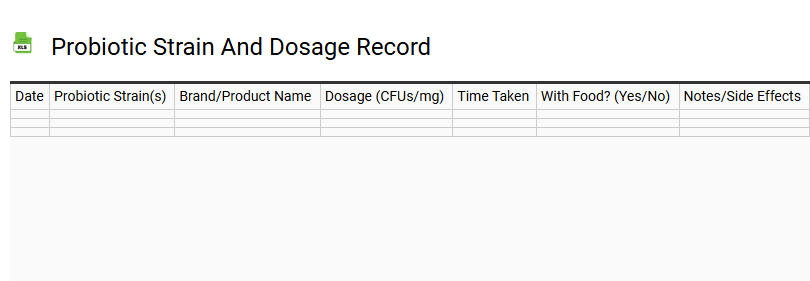
Probiotic Strain and Dosage Record
💾 Probiotic Strain and Dosage Record .xls
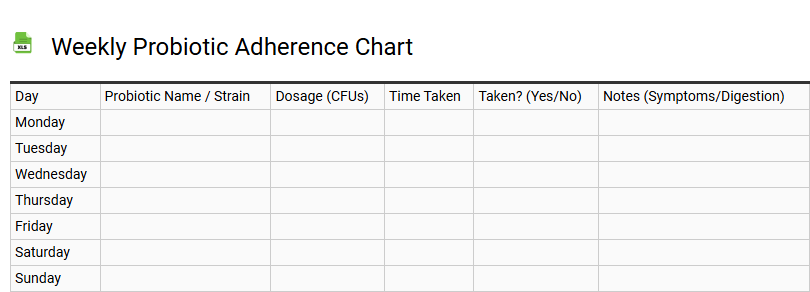
Weekly Probiotic Adherence Chart
💾 Weekly Probiotic Adherence Chart .xls
A Weekly Probiotic Adherence Chart serves as a vital instrument for optimizing gut health and ensuring the consistent delivery of beneficial bacteria to the digestive tract. By utilizing a structured tracking log, individuals can monitor their daily dosage of high-quality probiotic strains, such as Lactobacillus or Bifidobacterium, to ensure maximum efficacy.
Maintaining digestive wellness requires long-term compliance to balance the human microbiome and enhance nutrient absorption. This template facilitates the monitoring of:
- Colony-forming units (CFU) intake levels.
- Daily supplement consistency and timing.
- Gastrointestinal response and microbial diversity.
Consistent supplementation is crucial for achieving gastrointestinal balance and systemic immune support. This visual data reinforces positive nutritional habits, providing a clear record for healthcare consultations regarding your intestinal flora and specific wellness goals.
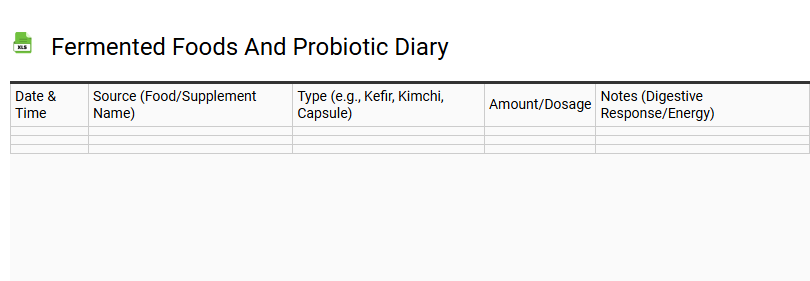
Fermented Foods and Probiotic Diary
💾 Fermented Foods and Probiotic Diary .xls
Integrating fermented foods and probiotic dairy into a daily regimen significantly enhances digestive wellness by introducing live active cultures to the GI tract. These functional staples, including kefir, Greek yogurt, sauerkraut, and kimchi, utilize natural lactic acid fermentation to unlock bioavailable nutrients and essential vitamins. By fostering a diverse gut microbiome, these products provide beneficial bacteria like Lactobacillus and Bifidobacterium, which are crucial for immune modulation and metabolic health.
This template highlights the synergy between raw enzymes and organic cultured dairy, offering a comprehensive look at gut-friendly nutrition. Whether focusing on artisanal kombucha or prebiotic-rich fermented vegetables, incorporating these biotic powerhouses helps balance intestinal flora and improves overall systemic vitality through traditional, natural preservation methods and microbial diversity.
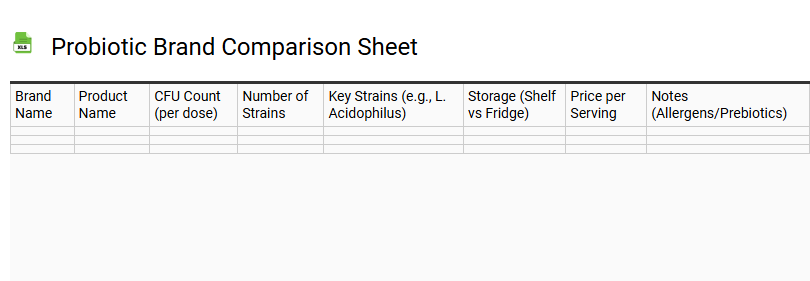
Probiotic Brand Comparison Sheet
💾 Probiotic Brand Comparison Sheet .xls
A professional probiotic brand comparison sheet serves as a critical tool for evaluating the efficacy of digestive health supplements. To optimize gut health, it is essential to analyze CFU counts (Colony Forming Units) alongside strain diversity, specifically focusing on Lactobacillus and Bifidobacterium lineages.
Key performance indicators for your evaluation template should include:
- Shelf Stability: Ensuring microbial survivability without mandatory refrigeration.
- Delivery Systems: Utilizing delayed-release technology to bypass harsh stomach acid.
- Synbiotic Formulas: The strategic inclusion of prebiotic fiber to nourish beneficial gut flora.
- Purity Standards: Verifying third-party testing for potency and contaminant-free profiles.
By scrutinizing potency at expiration and microbiome compatibility, this comparative framework identifies the highest quality probiotic formulations for targeted wellness and immune support.
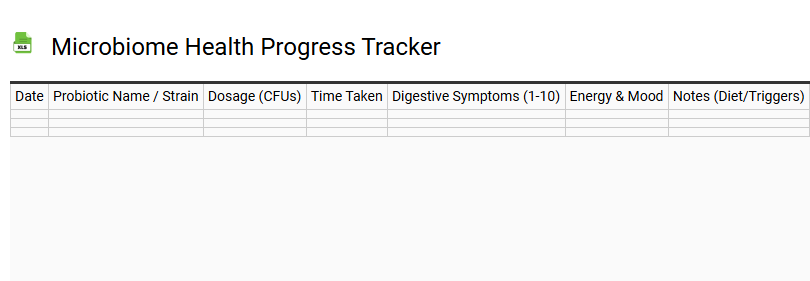
Microbiome Health Progress Tracker
💾 Microbiome Health Progress Tracker .xls
A microbiome health progress tracker serves as a sophisticated tool for monitoring your internal ecosystem. By documenting dietary fiber intake, probiotic sources, and prebiotic consumption, users can correlate specific inputs with digestive wellness. This template focuses on enhancing microbial diversity and intestinal health through consistent symptom logging and analysis of stool consistency. Monitoring gastrointestinal patterns, such as bloating or fermentation levels, provides actionable data for optimizing the gut-brain axis. Tracking metabolic health markers and gut flora fluctuations allows for a data-driven approach to bacterial balance. Utilizing these wellness metrics facilitates improved nutrient absorption and immunological resilience. Precise biometric tracking of fermented foods and lifestyle factors empowers individuals to refine their nutritional strategies, ensuring a thriving, diverse gut microbiome and long-term metabolic vitality.
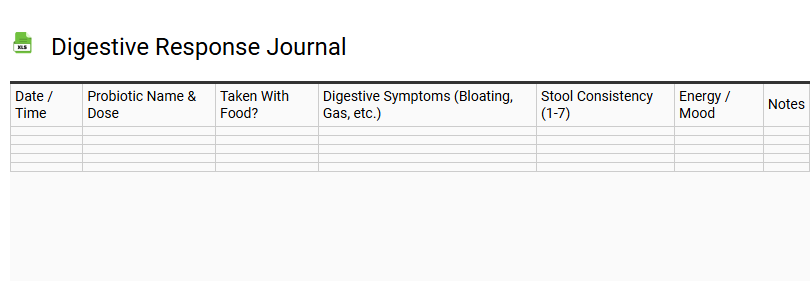
Digestive Response Journal
💾 Digestive Response Journal .xls
A Digestive Response Journal serves as a vital clinical tool for monitoring gastrointestinal health and daily nutritional intake. By systematically logging food consumption alongside symptomatic reactions, individuals can pinpoint specific dietary triggers and hidden intolerances. This template prioritizes recording stool consistency-often utilizing the Bristol Stool Scale-as well as bloating severity, abdominal discomfort, and frequency of bowel habits.
Incorporating metrics such as fiber intake, hydration levels, and gut microbiome support provides a holistic view of metabolic function. Furthermore, tracking variables related to the gut-brain axis, such as stress and sleep quality, helps elucidate the psychological impact on digestion. Whether assessing probiotic efficacy or navigating a structured elimination diet, this longitudinal data collection facilitates informed consultations with healthcare providers. Consistent wellness logging optimizes nutrient absorption and empowers users to manage chronic digestive distress through evidence-based dietary adjustments.
Prebiotic and Probiotic Synergy Log
💾 Prebiotic and Probiotic Synergy Log .xls
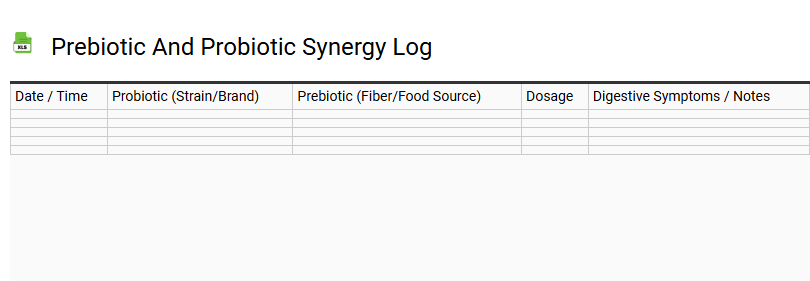
Optimizing your gut microbiome requires tracking the interaction between beneficial bacteria and the dietary fibers that sustain them. This Prebiotic and Probiotic Synergy Log monitors the consumption of live cultures like Lactobacillus and Bifidobacterium alongside essential fuel sources such as inulin or resistant starch.
By documenting daily intake of fermented foods and soluble fiber, you can identify patterns in digestive health and metabolic function. Use this tracking tool to evaluate gastrointestinal wellness, noting changes in bloating, stool consistency, and nutrient absorption. Maintaining a balanced symbiotic environment promotes long-term flora diversity. Consistent logging helps pinpoint the ideal ratio of probiotics to prebiotics, ensuring peak colon health and a resilient immune system through precise microbiota management and strategic supplementation.
Long-term Probiotic Efficacy Monitor
💾 Long-term Probiotic Efficacy Monitor .xls
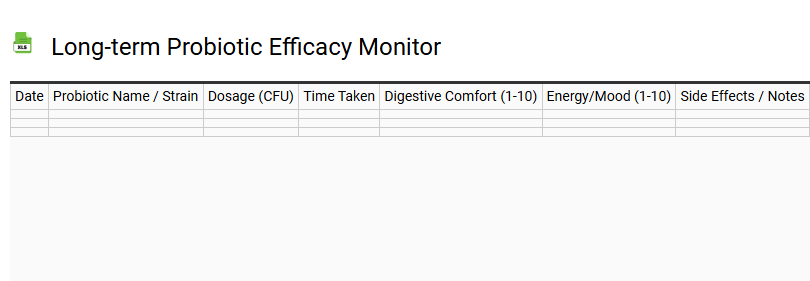
Utilizing a Long-term Probiotic Efficacy Monitor is vital for assessing the microbiome response to sustained beneficial bacteria supplementation. This template tracks microbial diversity and gut flora stability by logging daily CFU counts and specific strains like Lactobacillus. By monitoring gastrointestinal transit and symptomatic relief, users can evaluate the bioavailability of their probiotic regimen.
Key metrics include intestinal permeability, immune modulation, and nutrient absorption rates. This longitudinal data helps identify the steady-state concentration necessary for optimal digestive health. Integrating this monitoring system ensures supplementation protocols are effectively managing dysbiosis and promoting a resilient internal ecosystem. By documenting dosage consistency, individuals gain actionable insights into their metabolic wellness and long-term gut-brain axis performance.
Morning and Evening Probiotic Schedule
💾 Morning and Evening Probiotic Schedule .xls
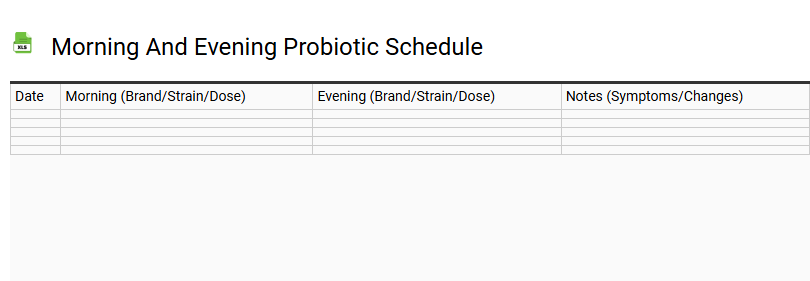
Establishing an optimal probiotic schedule is essential for maximizing gut health and microbial diversity. A morning dose, ideally taken on an empty stomach or thirty minutes before breakfast, allows beneficial bacteria to bypass harsh gastric acid and colonize the intestinal tract efficiently. This initial boost of live cultures supports daily digestive enzymes and metabolic function.
Integrating an evening administration focuses on nocturnal digestion and systemic restoration. During sleep, reduced gastrointestinal motility provides a stable environment for colony-forming units (CFU) to integrate into the microbiome without interference from heavy meals. Consistent supplementation at these specific intervals ensures a balanced gastrointestinal ecosystem. By synchronizing probiotic intake with your circadian rhythm, you enhance the survival rate of strains like Lactobacillus and Bifidobacterium, promoting long-term immune resilience and effective nutrient absorption throughout the digestive tract.
Probiotic Side Effect Tracker
💾 Probiotic Side Effect Tracker .xls
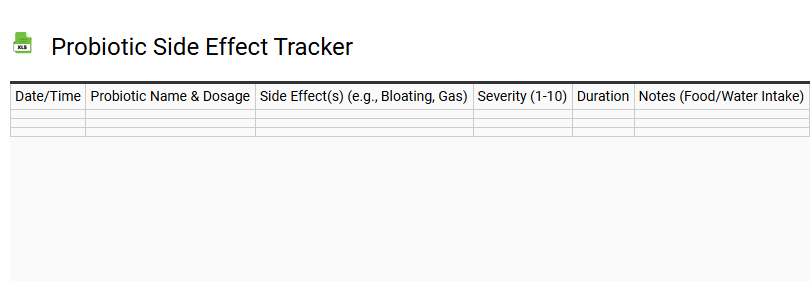
A probiotic side effect tracker is an essential tool for monitoring your body's unique response to beneficial bacteria and gut health supplements. By maintaining a detailed digestive diary, users can document gastrointestinal symptoms such as bloating, gas, or changes in stool consistency during the initial microbiome colonization phase. This symptom log helps distinguish between a temporary adjustment period and potential strain intolerance. Record your daily CFU dosage, specific bacterial strains (such as Lactobacillus or Bifidobacterium), and timing of ingestion to correlate gut flora shifts with physical wellness. Tracking the frequency and severity of adverse reactions ensures a safer transition toward optimal digestive balance and immune system support, allowing for informed data sharing with healthcare providers regarding your supplementation regimen and intestinal permeability health.
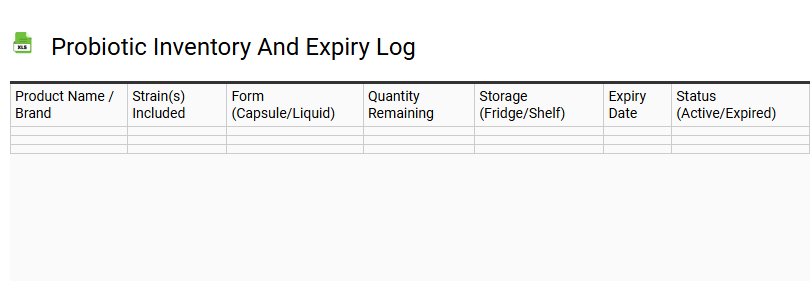
Probiotic Inventory and Expiry Log
💾 Probiotic Inventory and Expiry Log .xls
Efficient probiotic inventory management is essential for maintaining the viability of live cultures and beneficial bacteria. A comprehensive expiry log template allows businesses to track strain-specific data, batch numbers, and CFU counts to ensure maximum product potency. Since dietary supplements are sensitive to environmental factors, documenting storage conditions-such as refrigeration requirements-is vital for shelf-life stability.
Utilizing a professional tracking sheet facilitates:
- FIFO (First-In, First-Out) rotation to minimize waste.
- Accurate expiration date monitoring for quality control.
- Real-time stock level updates for Lactobacillus and Bifidobacterium strains.
- Detailed audit trails for supply chain transparency.
By maintaining an organized inventory record, you safeguard the efficacy of gut health products, ensure regulatory compliance, and optimize procurement cycles for sensitive biotherapeutics.
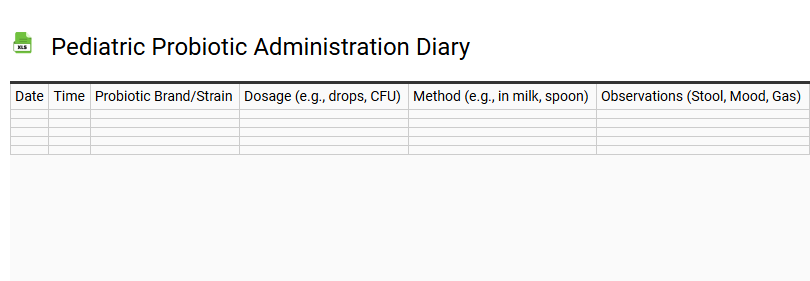
Pediatric Probiotic Administration Diary
💾 Pediatric Probiotic Administration Diary .xls
A pediatric probiotic administration diary serves as a vital clinical tool for monitoring a child's gut microbiome development and digestive wellness. By maintaining a precise administration log, parents can accurately track daily dosage, strain specificity, and the exact CFU count delivered through liquid drops, powders, or chewables.
Consistent daily recording helps identify correlations between supplement adherence and improvements in gastrointestinal symptoms, such as bloating, colic, or irregular bowel movements. Key metrics to document in the template include:
- Exact time of probiotic intake and delivery method.
- Observed changes in infant digestive health and immune support.
- Potential reactions or sensitivities to the beneficial bacteria strains.
This structured tracking template facilitates data-driven pediatrician consultations, ensuring the chosen microbiome support regimen effectively aligns with the child's specific nutritional and physiological requirements for long-term health.
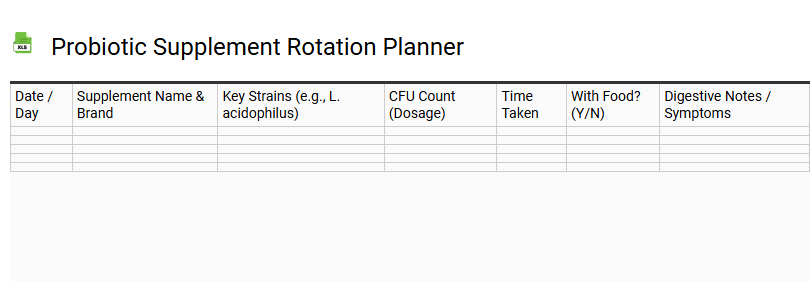
Probiotic Supplement Rotation Planner
💾 Probiotic Supplement Rotation Planner .xls
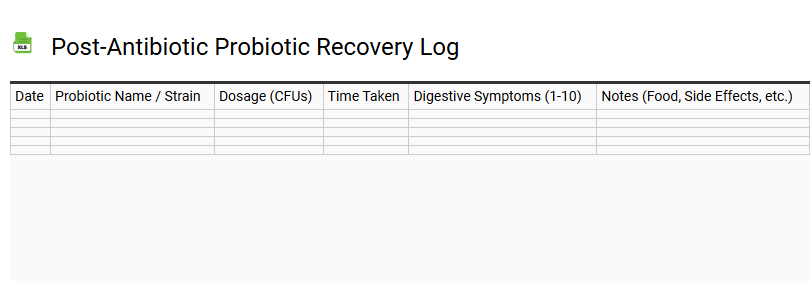
Post-Antibiotic Probiotic Recovery Log
💾 Post-Antibiotic Probiotic Recovery Log .xls
A Post-Antibiotic Probiotic Recovery Log is an essential tool for restoring gut microbiome equilibrium after a course of antimicrobial medication. By systematically tracking the reintroduction of beneficial bacteria, users can mitigate dysbiosis and rebuild intestinal flora effectively. This log monitors daily probiotic strains, colony-forming units (CFUs), and the intake of prebiotic fiber necessary to fuel microbial growth.
Utilizing this template ensures optimized digestive wellness by documenting key recovery indicators:
- Stool consistency and frequency to track gastrointestinal health.
- Levels of bloating, gas, or abdominal discomfort.
- Consumption of fermented foods like kefir and sauerkraut.
- Supplement timing relative to meals for maximum absorption.
Precise data collection supports long-term microbial balance and strengthens the immune system, ensuring a diverse ecosystem is successfully established during the critical post-treatment window.
Custom Probiotic Blend Formulation Sheet
💾 Custom Probiotic Blend Formulation Sheet .xls
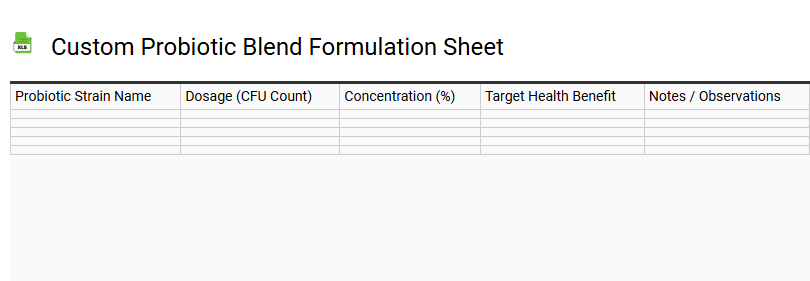
A Custom Probiotic Blend Formulation Sheet serves as the foundational blueprint for manufacturing precise microbiome supplements. This technical document details the exact concentration of specific bacterial strains, typically measured in Colony Forming Units (CFU) per serving, ensuring therapeutic efficacy and product stability.
- Strain Specification: Identifies the genus, species, and specific strain designations required for targeted health outcomes.
- Potency Targets: Outlines the input quantities necessary to account for natural degradation and maintain viable cell counts through the expiration date.
- Excipient Integration: Lists functional additives such as prebiotics, binders, and flow agents essential for the encapsulation or tableting process.
- Stability Protocols: Documents moisture limits and environmental requirements necessary for preserving live culture viability.
Utilizing this standardized template streamlines the transition from laboratory development to large-scale production while ensuring strict adherence to quality control and safety standards.
Stool Consistency and Probiotic Correlation Chart
💾 Stool Consistency and Probiotic Correlation Chart .xls
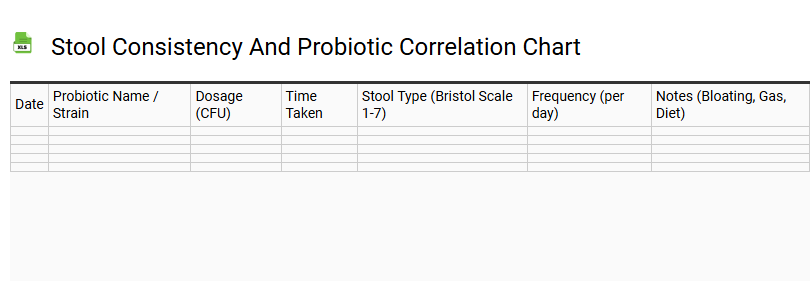
A Stool Consistency and Probiotic Correlation Chart serves as a vital diagnostic tool for monitoring gastrointestinal health and the efficacy of microbial supplementation. By tracking daily variations on the Bristol Stool Scale alongside specific probiotic strains like Lactobacillus and Bifidobacterium, users can identify significant patterns in bowel transit time and gut microbiome diversity.
This template facilitates the observation of how beneficial bacteria influence fecal form-ranging from constipation to healthy evacuation. Consistent logging helps correlate CFU dosage with improvements in intestinal microflora balance and digestive regularity. Using this data-driven approach allows for precise adjustments in fiber intake and hydration, targeting underlying issues like dysbiosis or intestinal permeability. Ultimately, this systematic tracking bridges the gap between dietary probiotics and tangible improvements in colonic function, fermentation processes, and overall gut wellness.
Probiotic Cost and Value Calculator
💾 Probiotic Cost and Value Calculator .xls
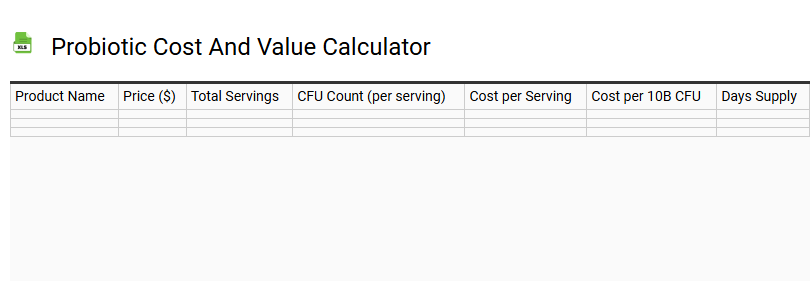
This Probiotic Cost and Value Calculator provides a data-driven approach to evaluating your gut health investments. By inputting the retail price and total capsule count, users can determine the precise cost per serving and the often-overlooked price per billion CFUs (Colony Forming Units). True supplement value extends beyond the shelf price; it involves analyzing strain diversity, bioavailability, and potency at the time of expiration.
Use this tool to compare microbial strains and digestive wellness formulas with transparency. High-quality probiotic supplements often feature acid-resistant technology and clinically studied bacterial cultures, justifying a higher price point through superior efficacy. By calculating the price-to-potency ratio, you can optimize your nutritional budget while ensuring your microbiome receives maximum support. Accurate supplement comparison ensures you invest in shelf-stable, high-yield formulas that deliver measurable health benefits.
Monthly Probiotic Habit Tracker
💾 Monthly Probiotic Habit Tracker .xls
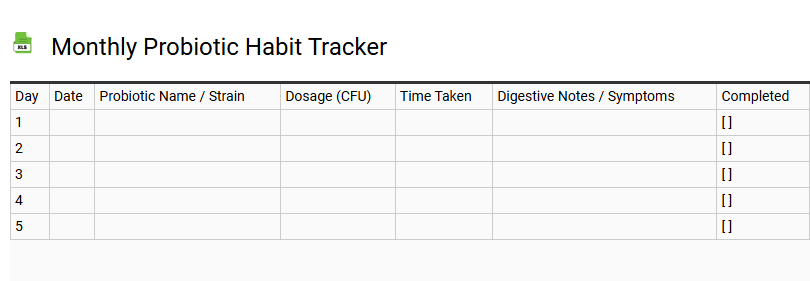
Optimizing gut health requires consistency, and a Monthly Probiotic Habit Tracker serves as the ultimate tool for monitoring your microbiome journey. By documenting your daily intake of beneficial bacteria and specific probiotic strains, you can observe direct correlations between supplementation and digestive wellness. This structured wellness routine encourages positive habit formation, ensuring your intestinal flora remains balanced through regular gastrointestinal support. Tracking fermented food consumption alongside prebiotic fiber helps maintain a flourishing inner ecosystem. Whether you aim to reduce bloating or boost immunity, this logbook provides the data-driven insights needed to refine your nutritional goals. Prioritize your digestive system by maintaining a consistent schedule, fostering long-term microbiota diversity and overall vitality throughout your health journey.
A probiotic regimen diary is essential for optimizing gut health and monitoring the microbiome response to specific bacterial strains. Utilizing a tracking template allows for precise documentation of supplement intake, CFU counts, and digestive symptoms like bloating.
This systematic approach supports gastrointestinal wellness by identifying effective probiotic cultures. Consistent symptom monitoring ensures long-term digestive balance. Implement this regimen tracker to refine your gut flora strategy and achieve peak metabolic vitality through informed, data-backed adjustments.