
Rest Day Recovery Metric Sheet Template
Optimizing athletic performance requires more than just intense training; it demands a data-driven approach to downtime. A Rest Day Recovery Metric Sheet serves as a vital tool for tracking muscle repair, sleep quality, and heart rate variability (HRV). By monitoring these essential wellness markers and subjective soreness levels, athletes can accurately assess their physical readiness and adjust their training load. This systematic tracking ensures efficient active recovery and prevents overtraining. Explore our professionally designed collection to find a tailored variation of templates below.
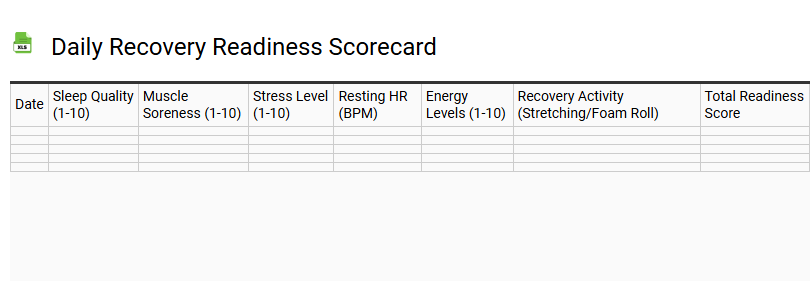
Daily Recovery Readiness Scorecard
💾 Daily Recovery Readiness Scorecard .xls
A daily recovery readiness scorecard serves as a comprehensive framework for monitoring biometrics and physiological strain. By evaluating Heart Rate Variability (HRV), resting heart rate, and sleep quality, users can quantify their nervous system balance. This data-driven approach optimizes training load, effectively preventing overtraining and injury.
Integrating subjective metrics like perceived muscle soreness, mental fatigue, and stress levels alongside physiological data provides a holistic view of athletic performance potential. This wellness tracking template helps interpret the body's homeostasis, allowing for precise adjustments to physical exertion. Consistent use of these readiness metrics ensures an ideal parasympathetic response, facilitating peak recovery status and sustainable fitness progression. Mastering the balance between intensity and regeneration is essential for long-term health and metabolic efficiency.
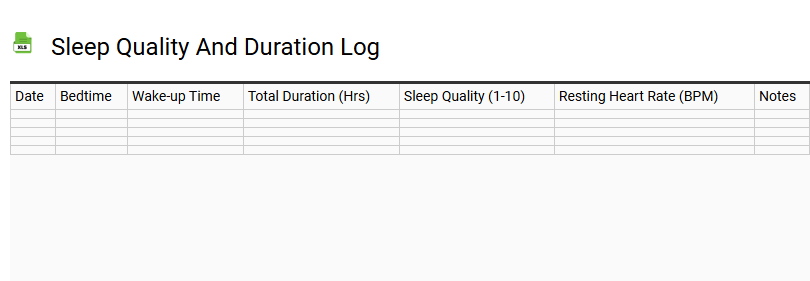
Sleep Quality and Duration Log
💾 Sleep Quality and Duration Log .xls
Utilizing a comprehensive sleep quality and duration log is essential for optimizing your circadian rhythm and overall wellness. By recording daily bedtime routines, sleep latency, and total hours of rest, individuals can identify patterns affecting their REM sleep and deep sleep stages. This health tracking tool monitors nocturnal awakenings and correlates them with daytime alertness or persistent fatigue.
Implementing consistent sleep hygiene practices improves sleep efficiency and helps manage insomnia symptoms by supporting the natural production of melatonin. Use this template to evaluate sleep cycles, ensuring restorative recovery and enhanced cognitive function. Maintaining a detailed sleep diary empowers you to make data-driven adjustments to your environment for peak restfulness and improved sleep patterns over time.
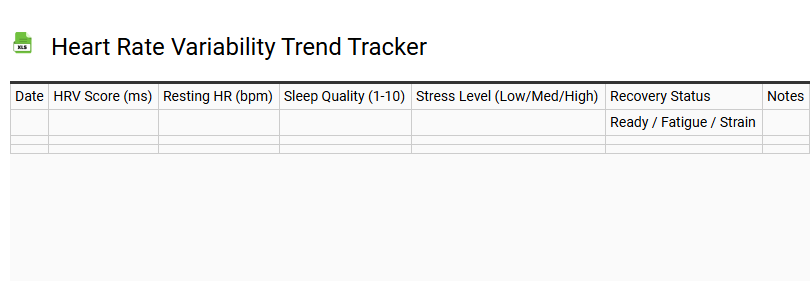
Heart Rate Variability Trend Tracker
💾 Heart Rate Variability Trend Tracker .xls
This tracking system offers a robust framework for monitoring your autonomic nervous system through consistent physiological data. By documenting the micro-fluctuations between heartbeats, you gain actionable insights into your body's stress response and recovery capacity.
Key features of this template include:
- Baseline Calculation: Establishes a rolling average to identify meaningful deviations in your physiological state.
- Readiness Indicators: Provides visual cues to help determine if you should prioritize restorative rest or high-intensity exertion.
- Pattern Recognition: Correlates lifestyle factors like sleep quality and workload with your internal biological health.
Consistent use allows for precise adjustments to training volume and daily habits. By observing these trends over time, you can proactively manage fatigue, optimize performance, and maintain long-term wellness through data-informed decision-making.
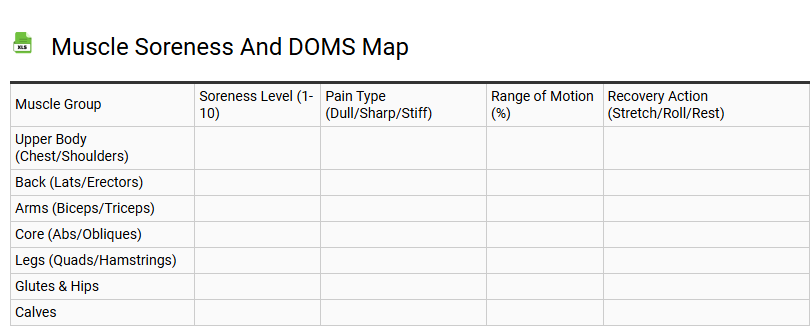
Muscle Soreness and DOMS Map
💾 Muscle Soreness and DOMS Map .xls
This Muscle Soreness and DOMS Map serves as a strategic tool for tracking physiological responses to strenuous physical exertion. Delayed Onset Muscle Soreness (DOMS) typically arises from eccentric exercise, leading to microscopic tears in muscle fibers and subsequent inflammation. This visual template allows users to pinpoint localized pain and stiffness, facilitating a deeper understanding of the body's structural remodeling and hypertrophy processes.
By documenting intensity levels, athletes can monitor the repair process, which usually peaks between 24 to 72 hours post-workout. Utilizing this data helps differentiate between standard myofascial discomfort and potential injury. By focusing on active recovery, metabolic waste clearance, and cellular repair, this map optimizes training cycles. Precise tracking ensures informed decisions regarding rest intervals and targeted recovery protocols to enhance overall athletic performance and long-term musculoskeletal health.
Active Recovery Activity Log
💾 Active Recovery Activity Log .xls
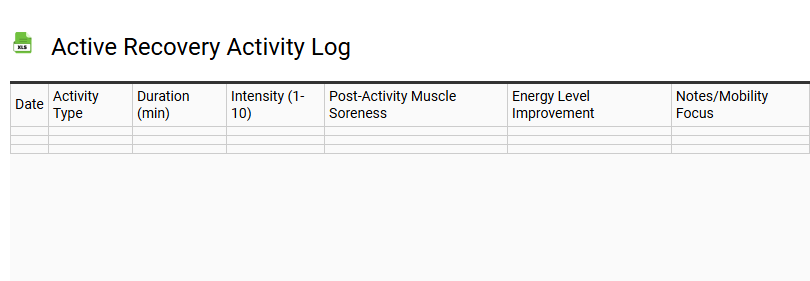
An active recovery activity log serves as a strategic instrument for managing training volume and mitigating delayed onset muscle soreness (DOMS). This specialized template focuses on documenting low-intensity movement designed to facilitate blood flow and enhance the body's restorative processes without overtaxing the central nervous system. By tracking sessions such as mobility drills, myofascial release, and steady-state cardio, athletes can ensure optimal metabolic byproduct removal and promote parasympathetic activation.
Integrating restorative exercises like dynamic stretching or light swimming into your fitness regimen supports joint health and injury prevention. This log allows for precise monitoring of recovery phases, balancing high-impact sessions with necessary physiological repair. Use these entries to evaluate perceived exertion and tissue quality, ensuring your weekly training cycle remains sustainable and performance-driven while improving overall flexibility and muscular endurance.
Hydration and Electrolyte Tracker
💾 Hydration and Electrolyte Tracker .xls
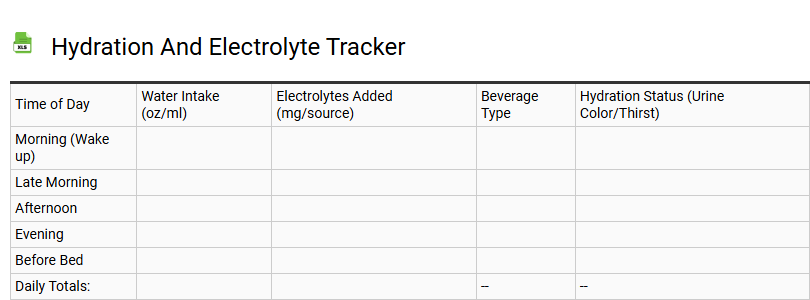
Utilizing a hydration and electrolyte tracker is essential for maintaining optimal fluid balance and peak metabolic function. This comprehensive template allows users to monitor their daily water intake while precisely logging critical minerals such as sodium, potassium, and magnesium.
By tracking these bioavailable solutes, you can prevent dehydration and ensure stable ionic balance, which is vital for nerve signaling and muscle contraction. Consistent monitoring supports:
- Enhanced athletic performance and physical recovery.
- Improved mental clarity and sustained energy levels.
- Prevention of electrolyte imbalances during intense biofeedback sessions.
Integrating this data helps regulate cellular health and osmotic pressure, providing a clear overview of your micronutrient status for long-term wellness.
Stress and Mental Fatigue Monitor
💾 Stress and Mental Fatigue Monitor .xls
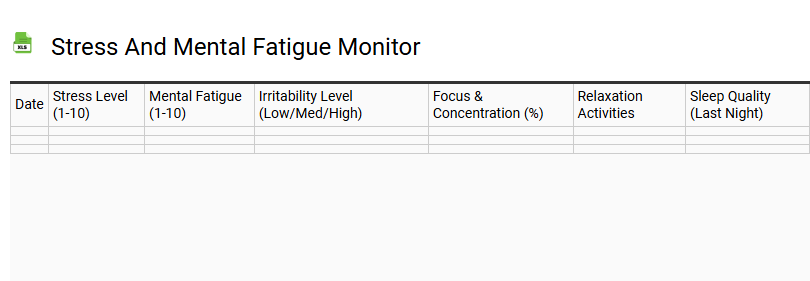
This Stress and Mental Fatigue Monitor serves as a comprehensive dashboard for tracking psychological well-being and cognitive endurance. By utilizing this framework, users can document daily fluctuations in cortisol-related markers, emotional exhaustion, and cognitive load capacity.
- Biometric Integration: Log heart rate variability, sleep quality, and physical activity levels to identify physiological strain.
- Symptom Tracking: Record occurrences of brain fog, irritability, or decreased concentration to pinpoint early signs of burnout.
- Recovery Optimization: Analyze the relationship between intense workloads and necessary downtime to maintain peak performance.
Implementing this systematic approach allows for proactive intervention, ensuring that mental resources are managed effectively through data-driven insights and regular self-assessment of emotional health. This tool facilitates a deeper understanding of the balance between daily demands and the body's natural recovery cycles.
Mobility and Stretching Routine Sheet
💾 Mobility and Stretching Routine Sheet .xls
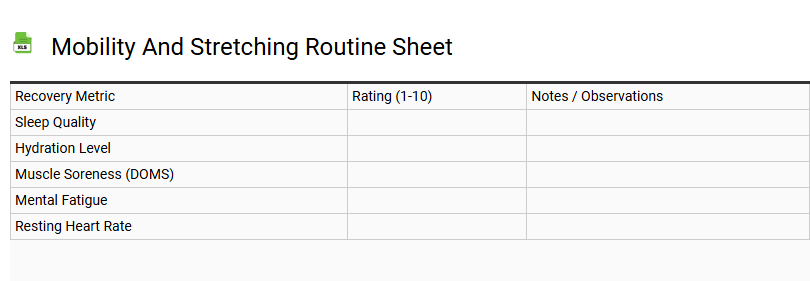
This mobility and stretching routine sheet serves as a comprehensive framework to enhance flexibility and optimize range of motion. By integrating dynamic warm-ups and targeted static stretches, this template promotes superior joint health and efficient functional movement patterns. It is designed to streamline recovery sessions, effectively alleviating muscle tension and chronic soreness. Whether utilized for posture correction or injury prevention, the structured layout ensures consistency in physical therapy or athletic performance goals. Users can track progress in myofascial release and connective tissue elasticity across all major muscle groups. This professional guide facilitates a balanced approach to daily movement, fostering long-term athletic longevity and improved physical well-being through systematic, evidence-based stretching protocols and corrective exercises.
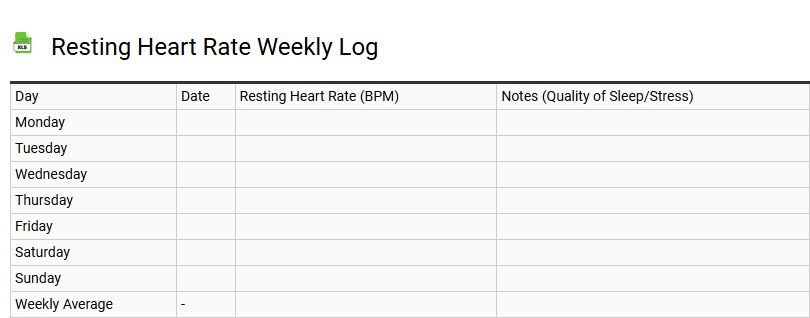
Resting Heart Rate Weekly Log
💾 Resting Heart Rate Weekly Log .xls
Utilizing a Resting Heart Rate (RHR) Weekly Log is an essential practice for tracking cardiovascular health and physiological recovery. By consistently recording beats per minute (BPM) upon waking, individuals can establish an accurate baseline for their aerobic fitness. This structured monitoring identifies fluctuations caused by stress, sleep quality, and physical exertion.
- Daily Pulse Tracking: Captures data before external variables influence the heart's rhythm.
- Recovery Assessment: Helps detect signs of overtraining or autonomic nervous system fatigue.
- Health Biometrics: Provides a longitudinal view of heart function and endurance levels.
A comprehensive template should include fields for dates, specific BPM readings, and qualitative notes regarding hydration or caffeine intake. Tracking these health metrics empowers users to optimize their training intensity and recognize early indicators of illness or chronic stress through systematic biometric data collection.
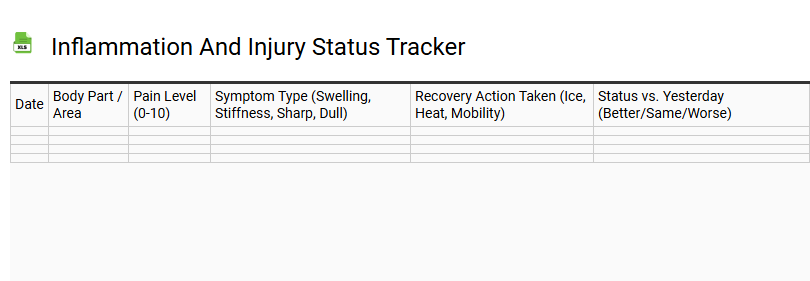
Inflammation and Injury Status Tracker
💾 Inflammation and Injury Status Tracker .xls
This inflammation and injury status tracker serves as a comprehensive tool for monitoring musculoskeletal health and recovery progress. By systematically logging daily pain scales and localized swelling, users can visualize distinct healing stages from the acute phase through long-term rehabilitation.
Tracking tissue repair involves documenting improvements in range of motion and assessing biomechanical stress during physical therapy sessions. This template captures essential data points, including inflammation markers and chronic symptoms, allowing for real-time adjustments to a rehabilitation protocol.
Effective injury management relies on consistent observation of functional mobility and systemic responses. Utilizing this structured log facilitates better communication with healthcare providers, ensuring that recovery milestones align with clinical expectations. By monitoring physiological stress and healing trends, individuals can optimize their path toward full physical wellness and prevent future re-injury.
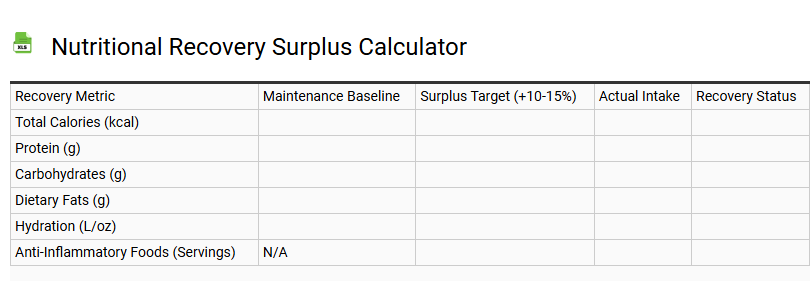
Nutritional Recovery Surplus Calculator
💾 Nutritional Recovery Surplus Calculator .xls
The Nutritional Recovery Surplus Calculator is a specialized digital tool designed to optimize muscle hypertrophy and accelerate tissue repair following intense physical exertion. By establishing a precise positive energy balance, this calculator identifies the specific caloric surplus necessary to stimulate muscle protein synthesis while minimizing unwanted adipose accumulation.
It integrates your Total Daily Energy Expenditure (TDEE) and basal metabolic rate to refine macronutrient distribution for peak anabolic efficiency. Achieving sustainable lean mass gains requires strategic nutrient density during the critical recovery phase. By leveraging these data-driven insights, athletes can maintain metabolic health, enhance cellular restoration, and ensure their physiology is perfectly primed for subsequent training cycles. This systematic approach ensures that every calorie consumed contributes directly to physiological recovery and improved physical performance.
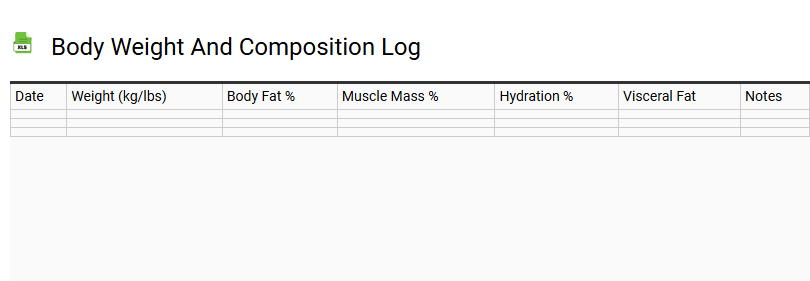
Body Weight and Composition Log
💾 Body Weight and Composition Log .xls
A comprehensive body weight and composition log is an essential tool for monitoring your physical transformation. By consistently tracking biometric data such as body fat percentage, lean muscle mass, and body mass index (BMI), you gain a clear picture of your metabolic health and body recomposition progress.
This template facilitates detailed fitness tracking by documenting:
- Weight fluctuations and hydration levels.
- Subcutaneous fat and visceral fat distributions.
- Anthropometric measurements of the waist, hips, and limbs.
- Impact of muscle recovery on overall basal metabolic rate.
Utilizing these metrics allows for precise goal setting and adjustments to your nutritional intake. Shifting focus from raw scale weight to body composition ensures a healthier approach to long-term weight management and peak physical performance.
CNS Fatigue Assessment Sheet
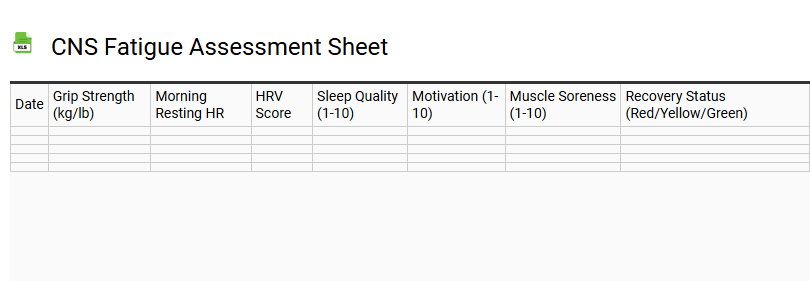
💾 CNS Fatigue Assessment Sheet .xls
A CNS Fatigue Assessment Sheet serves as a vital diagnostic instrument for monitoring neuromuscular readiness and systemic exhaustion. This template facilitates the tracking of objective biomarkers and subjective wellness indicators to identify early signs of overtraining syndrome. By evaluating neural drive efficiency through metrics like grip strength dynamometry, reaction time, and vertical jump performance, practitioners can quantify neurotransmitter depletion within the motor cortex.
Integrating Heart Rate Variability (HRV) and autonomic nervous system balance ensures a comprehensive view of physiological restoration. Utilizing this structured protocol helps maintain homeostatic equilibrium, preventing chronic sympathetic dominance. Effective load management strategies derived from these assessments prioritize neuroplasticity and metabolic recovery, ensuring athletes achieve peak performance while mitigating the risks of central nervous system burnout and peripheral fatigue.
Subjective Wellbeing Journal
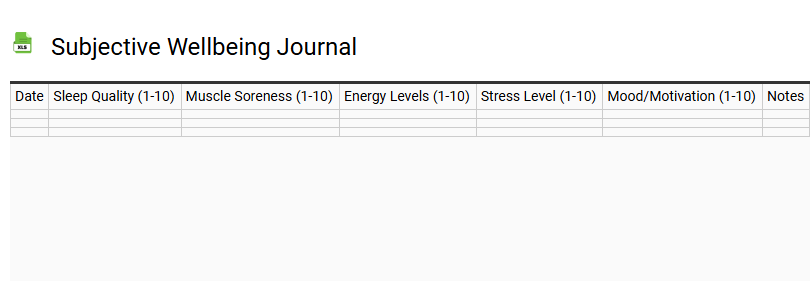
💾 Subjective Wellbeing Journal .xls
A subjective wellbeing journal template serves as a strategic framework for enhancing psychological health through consistent self-reflection. By documenting life satisfaction and affect balance, individuals can monitor mood fluctuations and refine emotional regulation techniques. This tool leverages positive psychology principles, incorporating gratitude logging and mindfulness practices to foster mental wellness. Utilizing a structured cognitive appraisal of daily experiences helps identify environmental triggers that influence personal growth. These templates often include happiness metrics and self-report scales to quantify holistic wellness trends over time. Engaging in this reflective practice encourages psychological flourishing and provides actionable data regarding daily habits. By prioritizing emotional awareness, users build resilience and maintain a balanced mental state through systematic introspective analysis and behavioral tracking.
Recovery Protocol Checklist
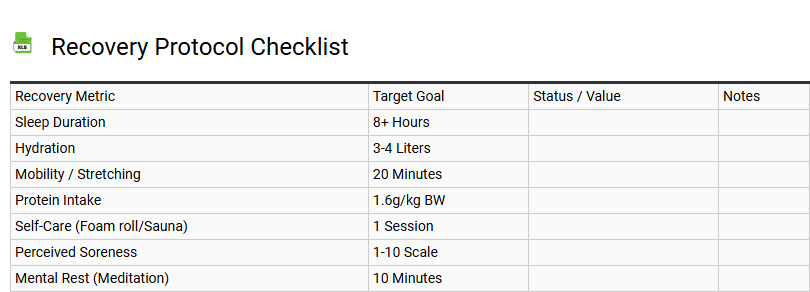
💾 Recovery Protocol Checklist .xls
A Recovery Protocol Checklist serves as a structured framework for restoring operational integrity after a technical failure or service interruption. This template ensures that teams follow a precise, chronological sequence of actions to minimize downtime and protect data integrity.
- Incident Assessment: Define the scope of the disruption and activate the response team.
- System Restoration: Re-establish core services and deploy verified backups.
- Integrity Verification: Validate that all recovered data is accurate and consistent across platforms.
- Connectivity Testing: Confirm that network dependencies and user access points are fully operational.
- Final Documentation: Record every action taken and provide formal authorization for the return to standard production status.
By utilizing this standardized approach, organizations eliminate guesswork during high-pressure situations, ensuring a reliable and efficient transition back to normal business functions.
This Rest Day Recovery Metric Sheet serves as a vital framework for tracking biometric data and physiological trends. By evaluating Heart Rate Variability (HRV), sleep hygiene, and perceived muscle soreness, athletes can precisely recalibrate their training load.
Utilizing this template facilitates superior performance optimization and wellness tracking. Implementing these recovery protocols ensures a data-driven approach to physical readiness, effectively preventing overtraining while fostering long-term athletic longevity and peak physiological health through consistent, actionable insights.