
Sleep and Mood Correlation Chart Template: Tracking Patterns and Well-being
Understanding the intricate link between your circadian rhythm and emotional well-being is essential for optimal health. A sleep and mood correlation chart serves as a vital tool to document nocturnal habits alongside daily psychological states. By utilizing a structured tracking template, you can identify how sleep hygiene impacts your mental health and cognitive function. These data-driven insights reveal patterns in restorative rest that influence temperament. Discover the profound connection between your slumber and outlook by exploring our diverse selection of already made variation of templates below.
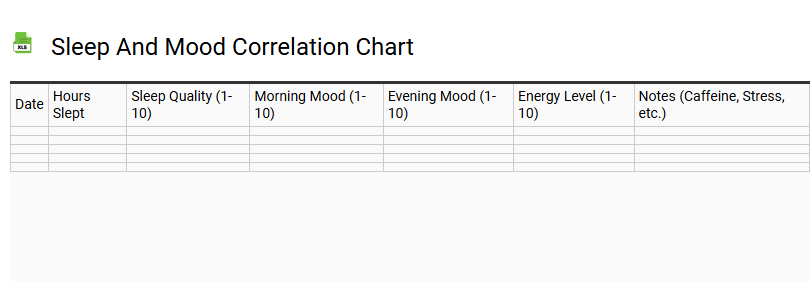
Sleep and Mood Correlation Chart
💾 Sleep and Mood Correlation Chart .xls
Utilizing a sleep and mood correlation chart is a sophisticated method for analyzing the bi-directional relationship between nocturnal rest and emotional regulation. By systematically documenting sleep duration, quality, and daily temperament, individuals can uncover how their circadian rhythm influences mental health. This data-driven approach highlights patterns where sleep deprivation may trigger cortisol spikes or diminish serotonin levels, leading to irritability or fatigue.
Effective tracking typically includes metrics such as:
- Sleep hygiene practices and sleep latency.
- Daily mood fluctuations and stress markers.
- The impact of REM cycles on cognitive function.
Integrating this symptom tracker into a daily routine facilitates better communication with healthcare providers. By identifying specific triggers and trends, users can optimize their restorative rest, enhance their psychological wellbeing, and implement targeted interventions for improved mental health management and overall life satisfaction.
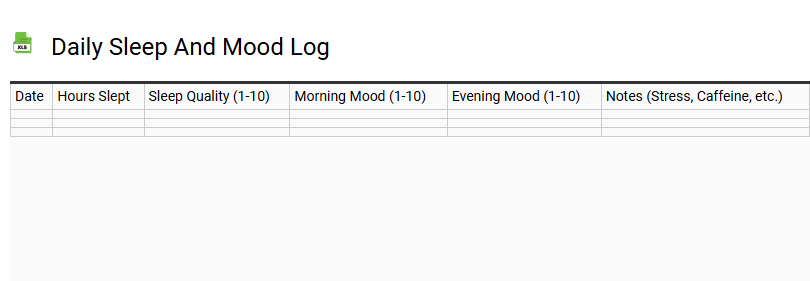
Daily Sleep and Mood Log
💾 Daily Sleep and Mood Log .xls
A daily sleep and mood log serves as a comprehensive health analytics tool designed to track the vital correlation between restorative rest and emotional well-being. By documenting sleep duration, sleep quality, and daily mood fluctuations, individuals can gain insights into their circadian rhythm and mental health patterns. This template encourages recording variables like sleep hygiene, caffeine consumption, and stress levels to identify triggers for insomnia or irritability. Monitoring sleep architecture, including REM cycles and deep sleep, alongside cognitive function helps in managing anxiety and enhancing emotional resilience. Consistent use of this habit tracker provides a data-driven approach to optimizing sleep-wake cycles, fostering better psychological stability through meticulous daily monitoring and self-awareness. This journaling practice is essential for anyone seeking to improve their overall wellness and vitality.
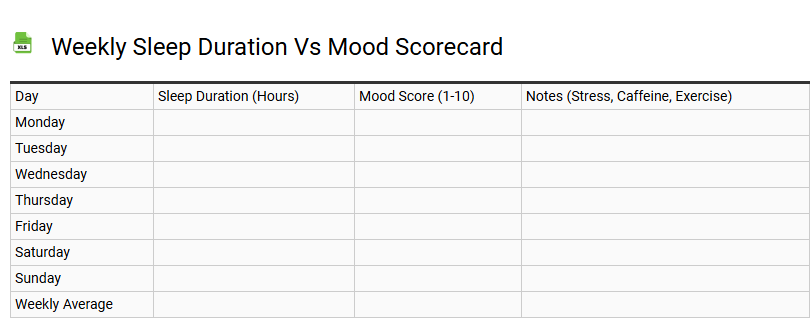
Weekly Sleep Duration vs Mood Scorecard
💾 Weekly Sleep Duration vs Mood Scorecard .xls
Monitoring the intricate correlation between nocturnal rest and emotional equilibrium is essential for holistic health. A Weekly Sleep Duration vs Mood Scorecard serves as a vital instrument for identifying patterns in circadian rhythms and their direct impact on psychological resilience. By quantifying total sleep time alongside subjective mood ratings, users can visualize how restorative rest influences cognitive performance and emotional regulation.
This analytical approach facilitates a deeper understanding of sleep hygiene practices, highlighting how consistent sleep cycles and deep recovery stages mitigate mental fatigue. Utilizing structured data tracking helps pinpoint triggers for mood swings, empowering individuals to optimize their biological clock for enhanced mental well-being and sustained daily energy levels. Tracking these metrics fosters self-awareness, bridging the gap between physical recovery and affective stability.
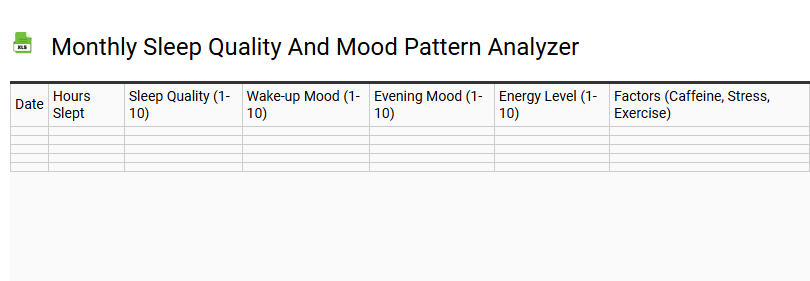
Monthly Sleep Quality and Mood Pattern Analyzer
💾 Monthly Sleep Quality and Mood Pattern Analyzer .xls
This Monthly Sleep Quality and Mood Pattern Analyzer serves as a sophisticated wellness tracking tool designed to synchronize your circadian rhythm with emotional stability. By systematically logging sleep duration, REM cycles, and restorative rest metrics, users can identify critical correlations between nocturnal recovery and diurnal mood fluctuations.
- Monitor sleep-wake cycles to optimize sleep hygiene and consistency.
- Analyze emotional regulation trends against deep sleep data points.
- Identify triggers for insomnia or daytime fatigue through detailed biometric logs.
Utilizing this data-driven template enhances cognitive function and supports mental health by visualizing how sleep efficiency impacts daily temperament. Streamline your wellness journey with precise pattern recognition, allowing for actionable insights into your biological clock and overall psychological well-being for a balanced, healthy lifestyle.
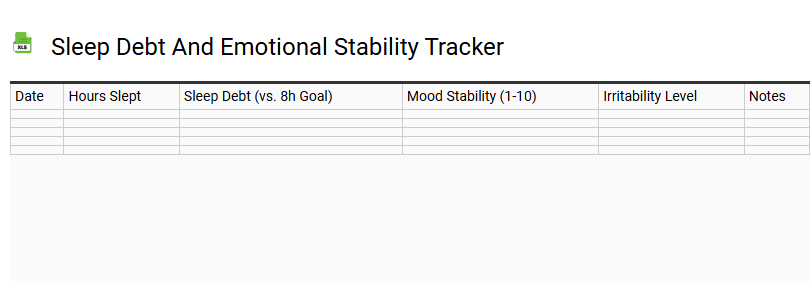
Sleep Debt and Emotional Stability Tracker
💾 Sleep Debt and Emotional Stability Tracker .xls
This comprehensive template bridges the gap between nocturnal rest and psychological well-being by monitoring the critical intersection of sleep debt and emotional stability. By utilizing precise data logging for sleep duration and quality, users can identify how accumulated deficits impact mood regulation and cognitive function.
The tracker facilitates a deep dive into sleep architecture, emphasizing the importance of REM cycles and restorative deep sleep stages. Incorporating these wellness metrics helps align daily habits with the natural circadian rhythm, optimizing sleep hygiene to prevent sleep deprivation. By visualizing the correlation between rest and emotional resilience, individuals can proactively manage stress and enhance mental health. Use this data-driven approach to foster holistic recovery, ensuring your physiological needs are met for peak daytime performance and long-term psychological equilibrium.
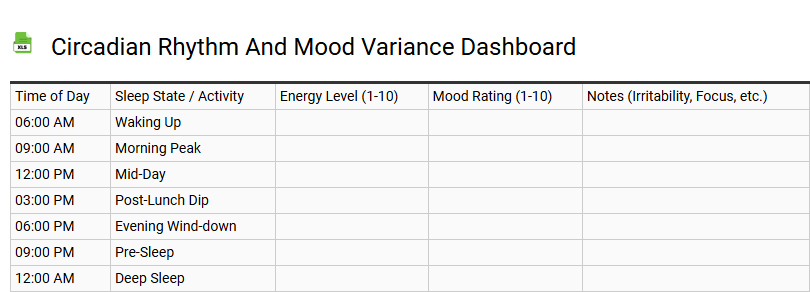
Circadian Rhythm and Mood Variance Dashboard
💾 Circadian Rhythm and Mood Variance Dashboard .xls
This interface tracks the intricate relationship between internal biological cycles and emotional well-being. By mapping daily light exposure, sleep consistency, and fluctuating energy levels, users can identify specific patterns that influence mental health. The layout visualizes how physiological shifts and sleep-wake cycles impact cognitive function and stability throughout the day.
Monitoring these essential metrics helps align daily habits with natural rhythms to improve overall vitality. The template includes specialized components designed for:
- Activity Logs: Tracking physical movement and environmental light exposure.
- Mood Input Modules: Recording emotional variance at specific intervals.
- Sleep Quality Analytics: Evaluating rest duration and restorative phases.
This data-driven approach empowers individuals to optimize their schedules for peak performance and emotional resilience by highlighting the correlation between rest and mood.
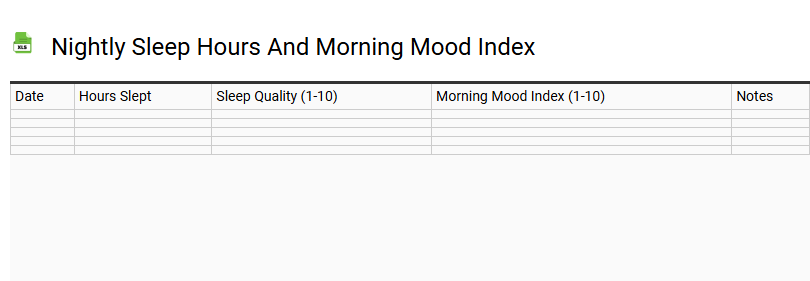
Nightly Sleep Hours and Morning Mood Index
💾 Nightly Sleep Hours and Morning Mood Index .xls
Tracking nightly sleep hours is essential for maintaining a healthy circadian rhythm and ensuring restorative rest. This template allows users to log their sleep duration, capturing data on sleep cycles, including REM and deep sleep phases. By integrating a morning mood index, you can evaluate your emotional state, mental clarity, and morning alertness immediately upon waking.
Monitoring these health metrics identifies correlations between nocturnal habits and post-sleep recovery. This wellness tracker serves as a comprehensive sleep hygiene tool, helping to pinpoint fatigue triggers or insomnia patterns. Consistent data logging of your slumber promotes better behavioral health, cognitive function, and overall physiological balance. Use this digital log to optimize vitality and gain insights into your unique biological clock for long-term wellbeing.
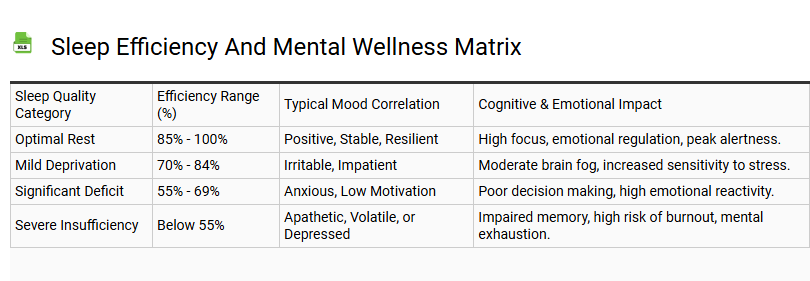
Sleep Efficiency and Mental Wellness Matrix
💾 Sleep Efficiency and Mental Wellness Matrix .xls
The Sleep Efficiency and Mental Wellness Matrix serves as a comprehensive framework for optimizing restorative rest and psychological resilience. By analyzing the intersection of sleep architecture-specifically REM cycles and deep sleep-with daily emotional states, individuals can improve their circadian rhythm alignment. Maintaining high sleep efficiency, defined as the ratio of total sleep time to time spent in bed, directly correlates with enhanced cognitive function, balanced cortisol levels, and superior emotional regulation.
Utilizing this matrix encourages consistent sleep hygiene practices that foster neuroplasticity and long-term mental clarity. Understanding these physiological variables allows for a data-driven approach to holistic health, reducing sleep latency while maximizing recovery of the nervous system. Integrating these metrics ensures a robust foundation for metabolic balance and sustained mental wellness, turning nocturnal recovery into a vital catalyst for peak daytime performance.
Restorative Sleep vs Daily Mood Trend Chart
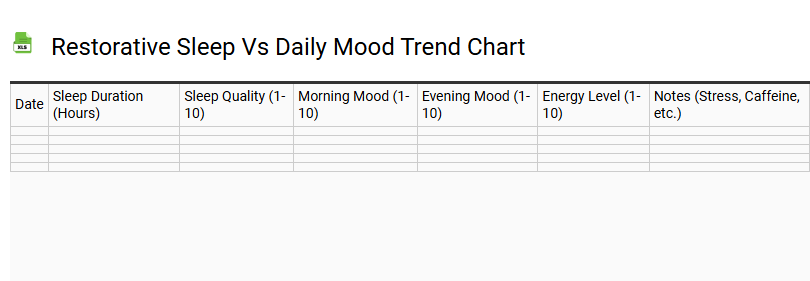
💾 Restorative Sleep vs Daily Mood Trend Chart .xls
This Restorative Sleep vs Daily Mood Trend Chart provides a sophisticated framework for analyzing the direct correlation between circadian rhythms and emotional regulation. By mapping sleep architecture-specifically REM cycles and deep sleep stages-against longitudinal mood tracking data, users can visualize how sleep hygiene impacts overall mental health.
This data-driven template identifies critical patterns between sleep-wake cycles, biometric recovery, and cognitive function. Monitoring these variables facilitates precise adjustments to nocturnal rest, fostering improved psychological resilience and daytime productivity.
Utilizing biometric data within this comparative analysis highlights the physiological impact of sleep debt on affective states. Ultimately, this visualization empowers individuals to optimize their well-being by understanding the profound link between high-quality sleep and consistent emotional stability.
Sleep Interruption and Stress Level Correlation Log
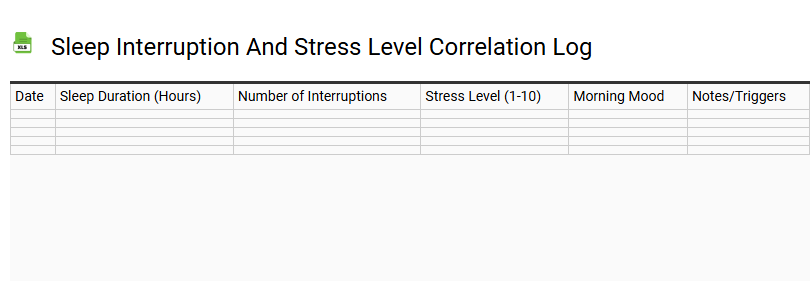
💾 Sleep Interruption and Stress Level Correlation Log .xls
This monitoring tool facilitates precise analysis of the intricate relationship between nocturnal awakenings and diurnal cortisol fluctuations. By documenting sleep fragmentation alongside subjective psychological distress, users can identify specific patterns where sleep-wake cycle disruptions exacerbate physiological stress. Utilizing a structured template enables longitudinal tracking of sleep hygiene efficacy and its direct impact on cognitive function. Pinpointing correlations between frequent interruptions and elevated stress markers provides actionable biometric insights for managing insomnia symptoms. This data serves as a vital diagnostic bridge, highlighting how a lack of restorative rest impacts the autonomic nervous system and overall mental resilience. Through consistent documentation of sleep quality metrics and perceived tension, individuals can optimize their circadian rhythm and implement targeted interventions to mitigate the adverse effects of systemic sleep deprivation on emotional stability and metabolic health.
Total Sleep Time and Positive Affect Tracker
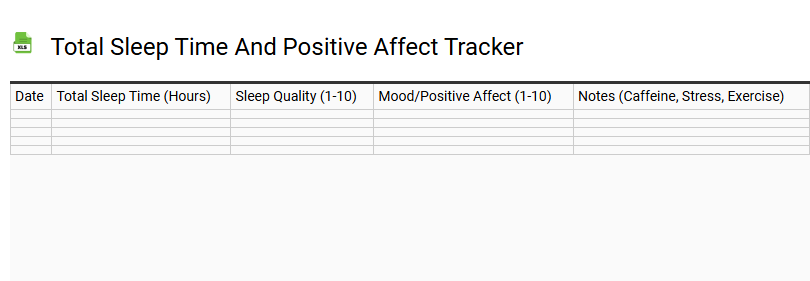
💾 Total Sleep Time and Positive Affect Tracker .xls
This specialized template synchronizes Total Sleep Time (TST) with Positive Affect metrics to evaluate the intersection of restorative rest and emotional resilience. By tracking nightly durations and circadian rhythm consistency, users can analyze how sleep hygiene directly influences daily mood fluctuations and cognitive function.
The integrated logger captures essential biometric data, including REM cycles and deep recovery phases, correlating them with subjective psychological well-being scores. Utilizing this data visualization tool allows for the identification of patterns between consistent rest patterns and heightened subjective alertness. Monitoring these variables fosters a proactive approach to mental health, optimizing the synergy between physical recovery and positive emotional states. This holistic sleep tracking solution empowers individuals to refine lifestyle habits for peak emotional health and sustained daily productivity.
Sleep Consistency and Mood Regulation Graph
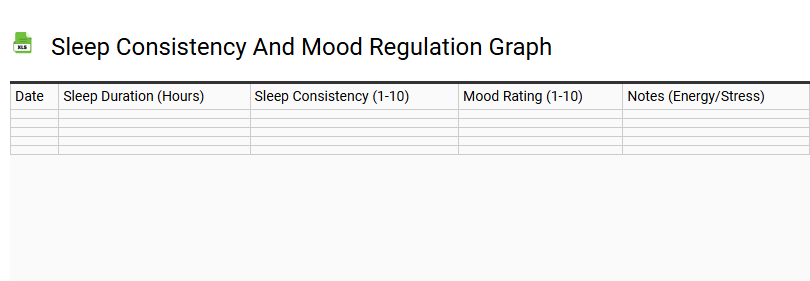
💾 Sleep Consistency and Mood Regulation Graph .xls
This data visualization template tracks the vital intersection between circadian rhythm stability and emotional regulation. By monitoring consistent sleep-wake cycles, users can identify correlations between restorative sleep and daily psychological well-being. The graph illustrates how sleep hygiene influences neurotransmitter balance, specifically serotonin and cortisol levels, which are essential for mood stabilization.
Mapping sleep consistency highlights the relationship between REM cycles and stress resilience. This biological clock monitoring tool helps identify sleep deprivation trends that often trigger emotional volatility. Utilizing biometric data through this graphical representation empowers individuals to optimize their internal clock, enhancing cognitive performance and mental health maintenance. Maintaining nocturnal patterns is a fundamental strategy for achieving homeostatic balance and long-term neurological health.
Sleep Hygiene and Emotional Wellbeing Log
💾 Sleep Hygiene and Emotional Wellbeing Log .xls
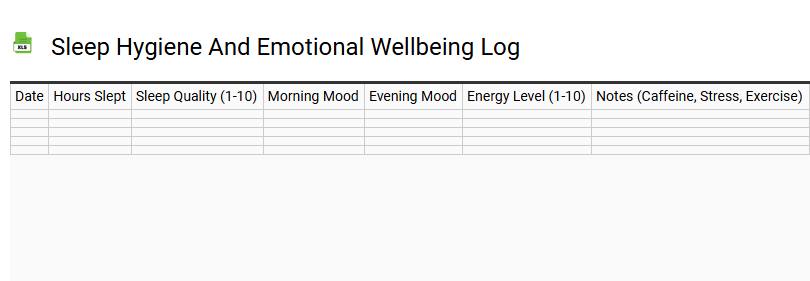
Optimizing your circadian rhythm requires a structured approach to daily habits. Utilizing a sleep hygiene and emotional wellbeing log allows for precise monitoring of your bedtime routine, caffeine consumption, and blue light exposure. By documenting these variables alongside daily mood fluctuations and stress levels, you create a comprehensive dataset for holistic health improvements.
- Analyze the correlation between rapid eye movement (REM) cycles and next-day cognitive function.
- Identify environmental triggers affecting your cortisol regulation and anxiety levels.
- Implement mindfulness practices to enhance overall mental clarity and nocturnal restfulness.
Consistent self-reflection via a dedicated tracker fosters a consistent schedule, which is essential for stabilizing your internal clock, boosting melatonin production, and achieving long-term emotional resilience through restorative rest patterns.
Bedtime Consistency and Daily Mood Fluctuation Chart
💾 Bedtime Consistency and Daily Mood Fluctuation Chart .xls
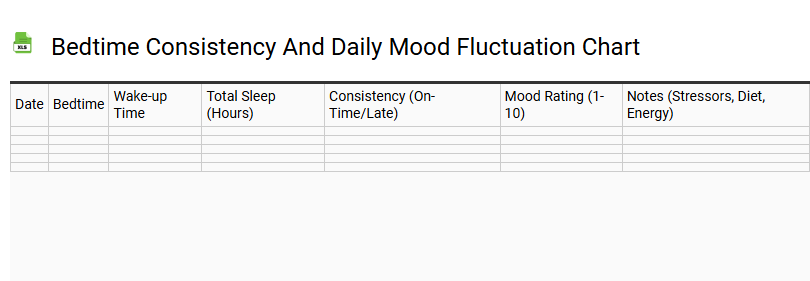
Utilizing a Bedtime Consistency and Daily Mood Fluctuation Chart is a powerful strategy for stabilizing your circadian rhythm and enhancing mental health. This comprehensive wellness log allows individuals to meticulously track their evening routine alongside their sleep-wake cycle, revealing the direct correlation between restorative rest and emotional stability.
By monitoring these variables, you can optimize sleep hygiene to improve cognitive function and mitigate afternoon energy crashes. This habit tracking tool identifies triggers for irritability and stress, providing data-driven insights into your internal clock. Analyzing the relationship between nightly rest and psychological resilience empowers you to make informed lifestyle adjustments. Consistent use of this chart fosters better sleep quality, helping you maintain peak performance and a balanced mood throughout the day by aligning daily habits with physiological needs.
Utilizing a Sleep and Mood Correlation Chart helps identify vital links between nocturnal rest and daily emotional well-being. By tracking circadian rhythms, slumber duration, and mental health fluctuations, this template visualizes how sleep deprivation impacts irritability and cognitive function. Consistent logging reveals data-driven insights into your psychological state, fostering restorative sleep habits. This essential tool empowers proactive adjustments, bridging the gap between physical recovery and emotional resilience for a balanced, healthier lifestyle.