
Sleep Apnea Symptom Logger: Daily Tracking Template
Managing obstructive sleep apnea effectively requires diligent tracking of daily health metrics to identify concerning patterns. Utilizing a structured sleep apnea symptom logger allows patients to consistently record nocturnal gasping, heavy snoring, and persistent daytime fatigue. By monitoring these variables alongside CPAP therapy compliance and oxygen saturation levels, individuals provide clinicians with vital data for a precise sleep study analysis. This proactive health monitoring approach ensures better management of your respiratory wellness. Please explore our diverse selection of pre-designed templates below.
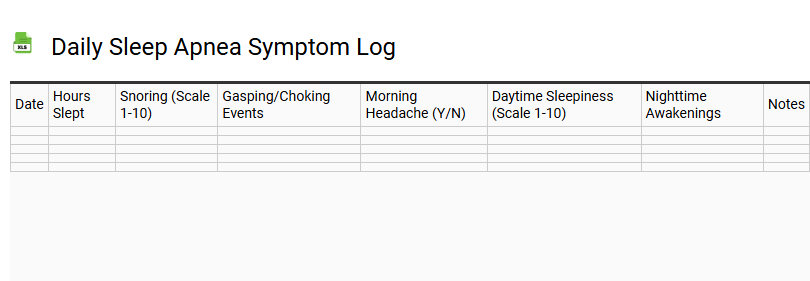
Daily Sleep Apnea Symptom Log
💾 Daily Sleep Apnea Symptom Log .xls
Utilizing a daily sleep apnea symptom log serves as a critical diagnostic tool for individuals managing obstructive sleep apnea (OSA). This structured health journal allows patients to meticulously track nocturnal awakenings, loud snoring, and gasping episodes that disrupt restorative rest. By recording morning headaches and instances of excessive daytime sleepiness, users provide specialists with longitudinal data essential for refining CPAP therapy compliance or oral appliance adjustments. Consistent documentation of sleep quality and perceived respiratory disturbances helps identify patterns in disordered breathing. Integrating metrics such as total sleep duration and energy levels facilitates a comprehensive overview of sleep hygiene. This proactive approach to symptom tracking supports clinical evaluations, ensuring treatment efficacy and improving long-term cardiovascular health outcomes through diligent observation of oxygen-related symptoms and nightly rest patterns.
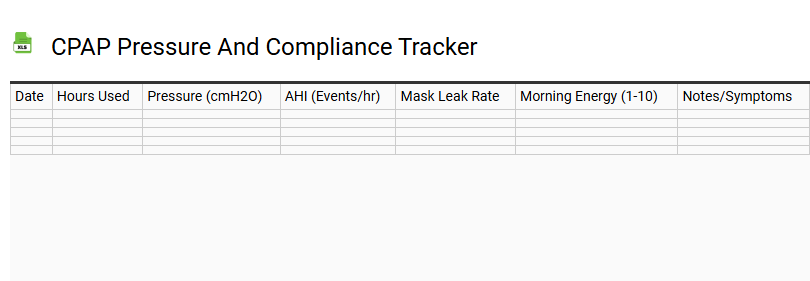
CPAP Pressure and Compliance Tracker
💾 CPAP Pressure and Compliance Tracker .xls
Utilizing a CPAP Pressure and Compliance Tracker is essential for managing obstructive sleep apnea (OSA) and ensuring long-term therapy efficacy. This template facilitates the systematic logging of therapeutic pressure settings-measured in cmH2O-and nightly usage hours. By monitoring critical data points such as the Apnea-Hypopnea Index (AHI) and mask leak rates, patients can evaluate their respiratory health and machine performance.
Maintaining accurate records is vital for meeting Medicare compliance and insurance requirements, which often necessitate documented proof of consistent PAP therapy. This tracking tool assists sleep specialists and DME providers in fine-tuning auto-adjusting pressure (APAP) settings to reduce daytime fatigue. Consistent data logging empowers users to identify trends in sleep quality, minimize mask discomfort, and achieve better cardiovascular outcomes through disciplined adherence to prescribed sleep medicine protocols.
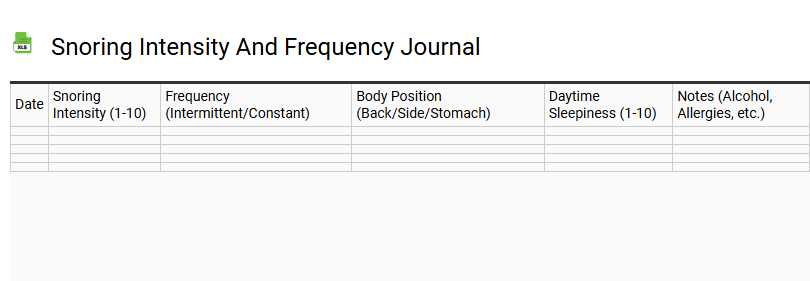
Snoring Intensity and Frequency Journal
💾 Snoring Intensity and Frequency Journal .xls
A snoring intensity and frequency journal serves as a vital diagnostic tool for tracking nocturnal respiratory patterns and overall sleep quality. By systematically documenting nightly episodes, individuals can quantify decibel levels and the recurrence of potential airway obstructions. This health tracking log identifies critical correlations between lifestyle habits and chronic snoring severity.
Monitoring progress through a structured template assists in detecting sleep apnea symptoms or disruptions in the sleep cycle. Recording bedroom partner feedback alongside morning fatigue levels provides a comprehensive data set for medical consultations or a formal sleep study. Consistent use of a snoring diary facilitates targeted interventions, helping to mitigate nocturnal disturbances and enhance long-term restorative rest. This analytical approach ensures precise monitoring of respiratory health for improved wellness.
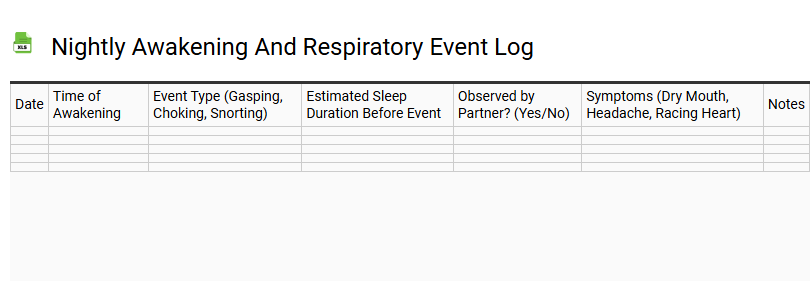
Nightly Awakening and Respiratory Event Log
💾 Nightly Awakening and Respiratory Event Log .xls
This Nightly Awakening and Respiratory Event Log serves as a critical biometric tool for monitoring sleep architecture and respiratory health. By systematically documenting nocturnal awakenings, users can identify patterns related to obstructive sleep apnea, hypopnea, and fragmented sleep cycles. This template facilitates the tracking of the Apnea-Hypopnea Index (AHI) and oxygen saturation (SpO2) levels, offering clinical insights into CPAP therapy efficacy and upper airway resistance. Consistent data entry highlights correlations between lifestyle triggers and sleep quality, assisting healthcare providers in diagnosing chronic sleep disorders. Tracking respiratory disturbances, snoring intensity, and wakefulness after sleep onset (WASO) optimizes sleep hygiene strategies. This comprehensive sleep diary bridges the gap between subjective symptoms and objective clinical data to improve restorative rest and mitigate excessive daytime sleepiness.
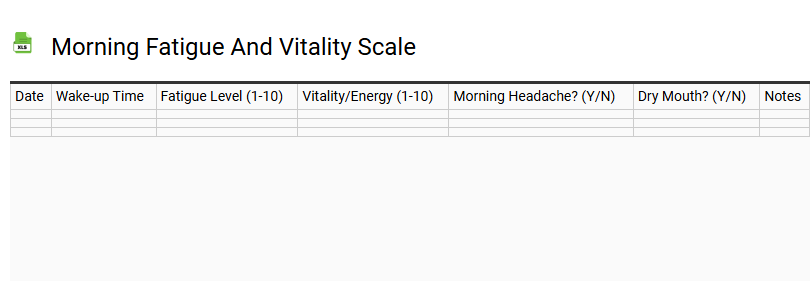
Morning Fatigue and Vitality Scale
💾 Morning Fatigue and Vitality Scale .xls
The Morning Fatigue and Vitality Scale serves as a robust psychometric assessment designed to quantify sleep inertia and subjective energy levels immediately upon waking. This standardized template enables individuals to track circadian rhythm efficiency and identify persistent patterns of lethargy or restorative sleep quality. By evaluating these metrics, users can gain insights into their physiological readiness for daily demands.
Core components of this evaluation include:
- Alertness levels and cognitive clarity post-arousal.
- Physical vigor versus systemic grogginess.
- Motivation and readiness to engage in diurnal activities.
Utilizing this scale helps bridge the gap between sleep hygiene practices and daytime performance. By monitoring subjective well-being through these data points, clinicians and individuals can establish a baseline for vitality, allowing for targeted lifestyle interventions to mitigate chronic exhaustion and optimize metabolic health.
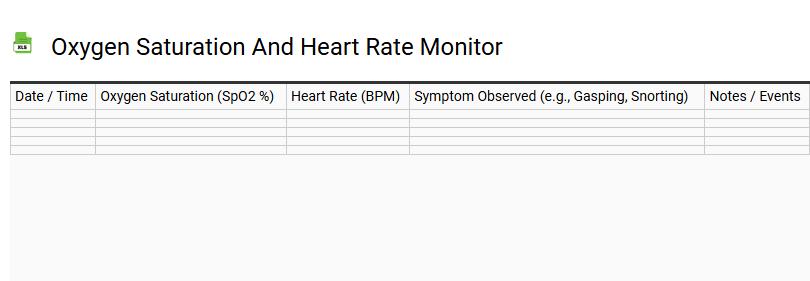
Oxygen Saturation and Heart Rate Monitor
💾 Oxygen Saturation and Heart Rate Monitor .xls
This Oxygen Saturation and Heart Rate Monitor template offers a sophisticated interface for tracking critical vital signs. By leveraging pulse oximetry principles, the system accurately displays SpO2 levels and BPM (beats per minute). The layout integrates photoplethysmography (PPG) data to visualize arterial oxygen saturation and cardiac rhythm in real-time. Designed for health metrics tracking, it helps identify blood oxygen fluctuations and pulse rate irregularities, such as hypoxemia or tachycardia. This biometric dashboard focuses on hemoglobin oxygen concentration and respiratory efficiency, providing a seamless user experience for wellness monitoring. Optimized for medical telemetry and wearable technology, the template ensures precise circulatory health assessment through infrared sensor data. Users can monitor cardiovascular performance and physical exertion levels, making it an essential tool for digital health applications and clinical data logging.
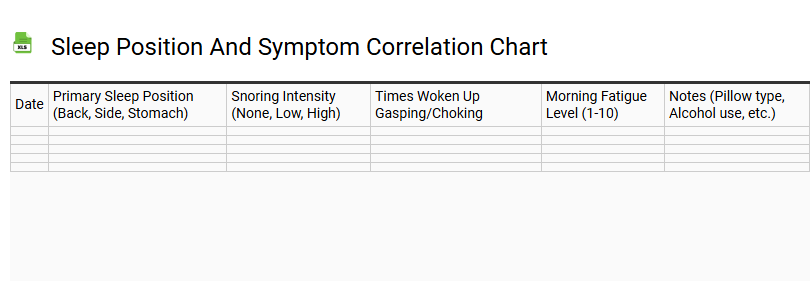
Sleep Position and Symptom Correlation Chart
💾 Sleep Position and Symptom Correlation Chart .xls
Analyzing the relationship between nocturnal posture and physical well-being is essential for achieving restorative rest. A Sleep Position and Symptom Correlation Chart serves as a practical tool to track how specific alignments-such as lateral, supine, or prone positions-influence common health concerns.
By documenting daily patterns, individuals can identify clear links between their rest habits and recurring issues:
- Side Sleeping: Often reduces acid reflux and snoring but may lead to shoulder compression.
- Back Sleeping: Promotes spinal alignment yet can exacerbate respiratory obstructions.
- Stomach Sleeping: May minimize snoring but frequently causes neck strain and lower back tension.
Utilizing this structured format allows for data-driven adjustments to bedding or posture, directly targeting morning stiffness and chronic discomfort to enhance overall sleep quality and physical recovery.
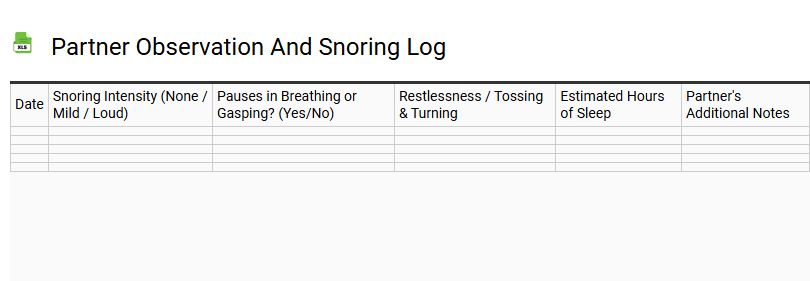
Partner Observation and Snoring Log
💾 Partner Observation and Snoring Log .xls
A Partner Observation and Snoring Log serves as a critical diagnostic tool for tracking nocturnal breathing patterns and overall sleep quality. By documenting specific respiratory pauses, gasping, or choking sounds, bed partners provide essential data that a sleep specialist uses to identify potential obstructive sleep apnea.
This comprehensive tracking template focuses on monitoring key health metrics, including:
- Snoring intensity, rhythm, and frequency throughout the night.
- Episodes of restless movements or sudden awakenings.
- The correlation between sleep hygiene habits and daytime fatigue levels.
Consistently recording these observations helps bridge the gap between subjective exhaustion and clinical symptoms. Utilizing this log facilitates more accurate medical consultations, potentially leading to a formal sleep study or CPAP therapy. Tracking these sleep-disordered breathing indicators is a vital step toward achieving restorative rest and improving long-term cardiovascular health.
Sleep Apnea Trigger and Lifestyle Tracker
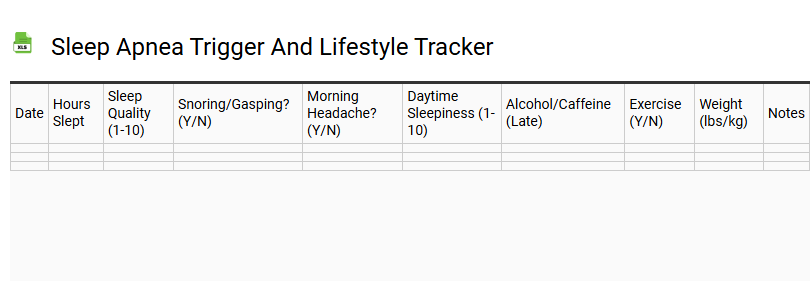
💾 Sleep Apnea Trigger and Lifestyle Tracker .xls
A Sleep Apnea Trigger and Lifestyle Tracker serves as a comprehensive log for identifying the daily variables that influence nighttime breathing quality. This tool allows individuals to monitor specific habits, such as alcohol consumption, caffeine intake, and exercise timing, to determine their direct impact on sleep-disordered breathing.
By recording physical factors like sleep position, body weight, and meal times, users can uncover patterns that contribute to airway obstruction. Key metrics often include:
- Daily activity levels and duration.
- Dietary choices and timing of the last meal.
- Sleep environment conditions and pillow height.
- Morning symptoms like dry mouth or fatigue.
Consistently tracking these elements provides a detailed overview for medical consultations, helping to refine treatment strategies and lifestyle adjustments. This data-driven approach facilitates better management of respiratory health and promotes more restorative sleep cycles.
Post-Sleep Headache and Dry Mouth Record
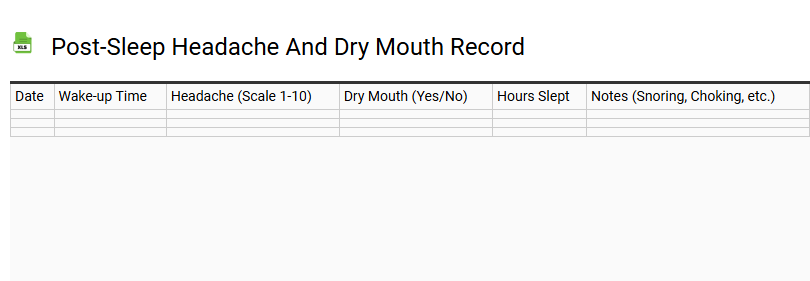
💾 Post-Sleep Headache and Dry Mouth Record .xls
Utilizing a post-sleep headache and dry mouth record is essential for identifying patterns related to nocturnal health. Morning cephalalgia and xerostomia often coexist as clinical indicators of obstructive sleep apnea, chronic mouth breathing, or nighttime dehydration. This tracking template captures critical data points such as sleep duration, bruxism frequency, and nasal congestion severity.
By documenting the intensity of waking with a parched throat or tension-type pain, individuals can pinpoint environmental triggers like low humidity or potential medication side effects. Monitoring these physiological responses assists healthcare providers in evaluating sleep quality and respiratory patterns during restorative cycles. Consistent logging of circadian rhythms and symptoms facilitates a targeted diagnostic approach, helping to differentiate between simple fatigue and systemic sleep disorders, ultimately leading to improved sleep hygiene and long-term relief from debilitating morning discomfort.
Sleep Duration and Quality Variance Sheet
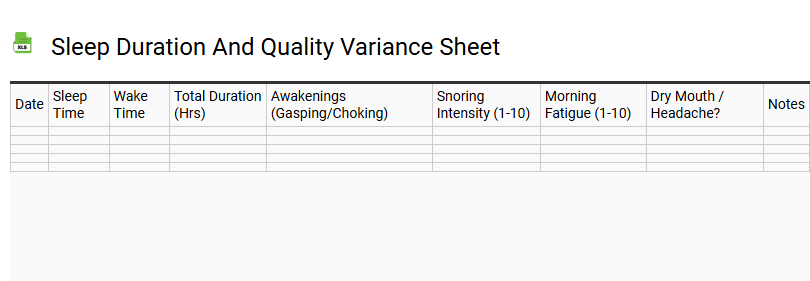
💾 Sleep Duration and Quality Variance Sheet .xls
A Sleep Duration and Quality Variance Sheet serves as a robust analytical tool for monitoring circadian rhythms and nocturnal recovery. This template enables the systematic tracking of total sleep time alongside subjective sleep quality scores to identify significant physiological trends. By documenting variables such as sleep onset latency, midnight awakenings, and REM cycle consistency, users can visualize the delta between scheduled rest and actual restorative sleep.
Integrating this log into a daily wellness routine helps pinpoint external triggers affecting sleep hygiene and overall sleep efficiency. Analyzing these variances is essential for mitigating sleep debt and optimizing cognitive performance. Whether tracking deep sleep stages or longitudinal sleep-wake patterns, this data-driven approach facilitates informed adjustments to lifestyle habits, ensuring peak physical recovery and long-term health through precise biometric observation and restorative rest analysis.
Body Mass Index and Neck Circumference Progress Log
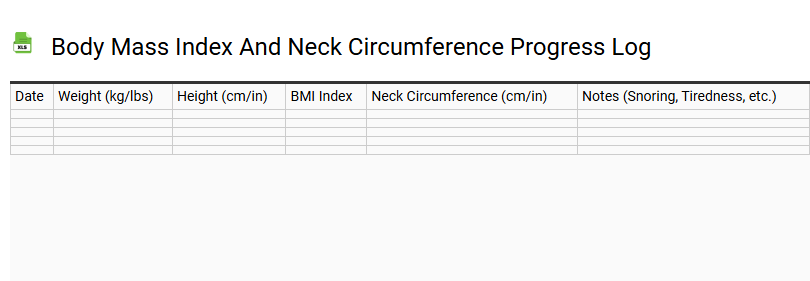
💾 Body Mass Index and Neck Circumference Progress Log .xls
This Body Mass Index (BMI) and neck circumference progress log serves as a comprehensive tool for tracking anthropometric measurements and monitoring body composition changes over time. By documenting these metrics, users can gain insights into adiposity levels and potential metabolic risk factors associated with upper-body fat distribution. While BMI provides a standardized obesity screening value based on height and weight, measuring the neck offers a reliable proxy for visceral fat and cardiovascular health indicators. Utilizing this template facilitates consistent weight management tracking, allowing for data-driven adjustments to fitness regimens and nutritional intake. Regularly recording these physiological markers helps identify trends in subcutaneous fat reduction and overall physical transformation, ensuring a holistic approach to health monitoring and long-term wellness goals.
Alcohol and Medication Interference Tracker
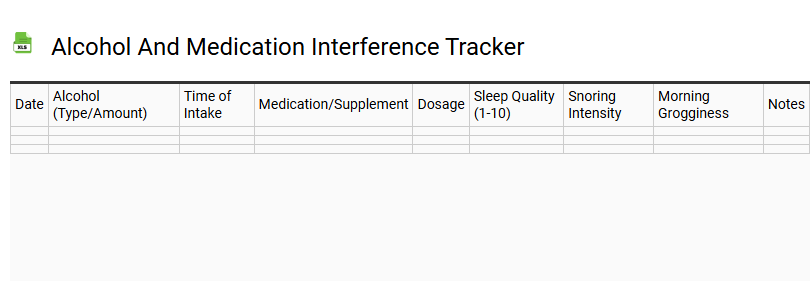
💾 Alcohol and Medication Interference Tracker .xls
Utilizing an alcohol and medication interference tracker is a vital practice for maintaining personal health and preventing hazardous drug-alcohol interactions. This tool allows individuals to systematically document the consumption of ethanol alongside prescription regimens, helping to identify potential contraindications that could compromise pharmacological efficacy.
- Monitor adverse reactions and systemic side effects.
- Identify risks of hepatotoxicity or central nervous system depression.
- Track the biochemical overlap between sedative-hypnotics and spirits.
- Enhance communication with healthcare providers regarding substance monitoring.
By maintaining a detailed log of intake, users can mitigate the dangers of pharmacological interference. This proactive approach to medication management ensures patient safety, prevents unintended toxicity, and promotes informed decision-making for long-term wellness and therapeutic success.
Sleep Apnea Treatment Progress Summary
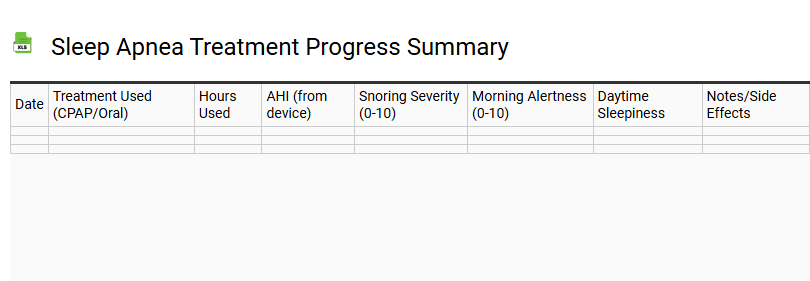
💾 Sleep Apnea Treatment Progress Summary .xls
A Sleep Apnea Treatment Progress Summary serves as a critical clinical instrument for evaluating the therapeutic efficacy of interventions for obstructive sleep apnea (OSA). This comprehensive report integrates polysomnography data and longitudinal metrics to track patient adherence to prescribed therapies, such as CPAP or BiPAP systems.
- Monitoring the Apnea-Hypopnea Index (AHI) to ensure a significant reduction in nocturnal respiratory events.
- Analyzing oxygen saturation levels and breathing stability during various sleep stages.
- Documenting CPAP compliance, including average usage hours, mask leak rates, and seal integrity.
- Evaluating upper airway management and the potential need for pressure setting recalibration.
By synthesizing these clinical outcomes, healthcare providers can optimize personalized treatment plans, improve sleep architecture, and mitigate long-term cardiovascular risks. This structured documentation is essential for demonstrating medical necessity and ensuring sustained therapeutic success.
Nightly Restlessness and Limb Movement Record
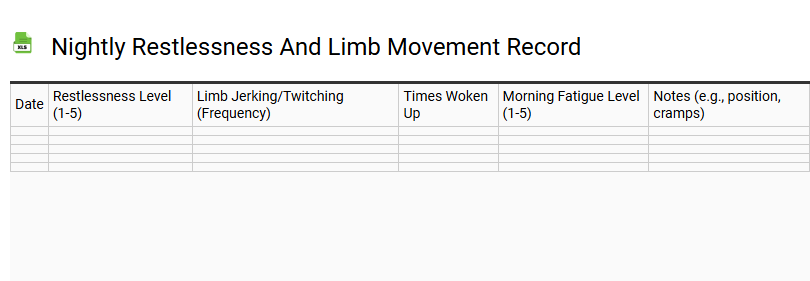
💾 Nightly Restlessness and Limb Movement Record .xls
A Nightly Restlessness and Limb Movement Record serves as a vital diagnostic tool for monitoring sleep quality and identifying underlying sleep disorders. This specialized template tracks nocturnal activity, specifically focusing on symptoms associated with periodic limb movement disorder (PLMD) and restless legs syndrome (RLS). By systematically documenting involuntary twitching, leg kicks, and frequent arousals, patients provide clinicians with measurable data regarding their sleep-wake cycle.
Effective logs incorporate key metrics such as actigraphy data, insomnia markers, and sleep hygiene variables. Recording the frequency, intensity, and duration of movements helps differentiate between standard tossing and turning and chronic nocturnal myoclonus. This record is essential for preparing for a professional sleep study or polysomnography, allowing for a precise clinical assessment of circadian rhythm disruptions and the efficacy of therapeutic interventions for improved restorative rest.
Utilizing a comprehensive sleep apnea symptom logger streamlines tracking vital indicators like snoring frequency, morning headaches, and excessive daytime sleepiness. This structured template facilitates data-driven discussions with healthcare providers during diagnostic evaluations. By documenting nightly respiratory disturbances and CPAP compliance, patients gain insights into their sleep quality and obstructive sleep apnea patterns. Consistently recording these physiological markers ensures an accurate medical record, aiding in personalized treatment plans. Download this clinical tool to monitor your progress and reclaim restorative rest today.