
Sleep Quality Performance Sheet Template for Tracking Daily Rest and Recovery.
Optimizing your nocturnal recovery requires a structured Sleep Quality Performance Sheet. This template serves as a vital instrument for monitoring circadian rhythms, REM cycles, and overall sleep hygiene. By recording variables like sleep duration, latency, and restorative depth, users can identify patterns affecting daily cognitive function. Utilizing a data-driven approach to sleep tracking ensures better wellness outcomes and peak physical performance. Explore these diverse layouts designed to enhance your nightly rest. Please check out our already made variation of templates below.
Daily Sleep Cycle Log
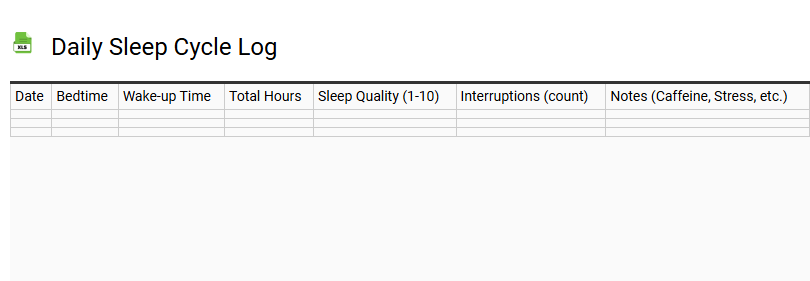
A comprehensive Daily Sleep Cycle Log serves as a vital instrument for monitoring circadian rhythms and enhancing overall sleep hygiene. By recording precise bedtime and wake-up times, individuals can accurately calculate total sleep duration and evaluate sleep latency-the duration required to transition from full wakefulness to rest.
This structured template facilitates the tracking of REM cycles and deep sleep stages, providing essential insights into physiological recovery. Users can document external variables such as caffeine consumption, blue light exposure, and melatonin usage to identify triggers affecting sleep quality. Monitoring nocturnal awakenings and morning alertness levels helps correlate daily habits with the internal biological clock. Consistent logging empowers users to optimize their unique chronotype and refine their sleep architecture for peak cognitive performance and long-term wellness.
Weekly Sleep Quality Scorecard
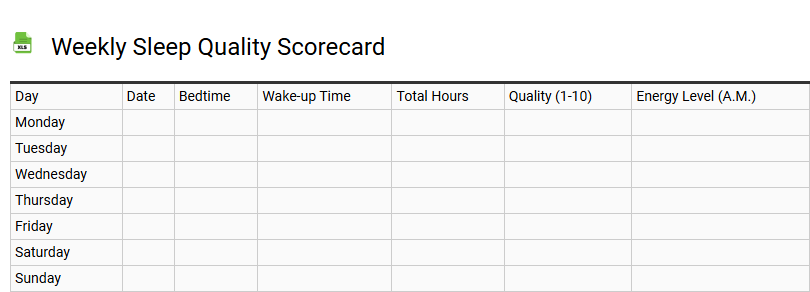
💾 Weekly Sleep Quality Scorecard .xls
This Weekly Sleep Quality Scorecard template serves as a comprehensive diagnostic tool for monitoring your circadian rhythm and nocturnal health. By systematically logging sleep latency, total duration, and sleep cycle efficiency, users can identify specific patterns affecting restorative rest.
Integrating tracking metrics such as REM cycle consistency and occurrences of nocturnal disturbances allows for a data-driven approach to improving sleep hygiene. This log facilitates the identification of environmental triggers or behavioral habits contributing to insomnia or fragmented rest.
Consistently recording biometric data and subjective daytime alertness provides a holistic view of physiological recovery. Utilizing these sleep logs empowers individuals to optimize their internal clock, minimize sleep debt, and enhance overall cognitive function. By evaluating weekly trends, you can refine your bedtime routine to ensure peak physical and mental performance through targeted lifestyle adjustments.
REM and Deep Sleep Duration Tracker
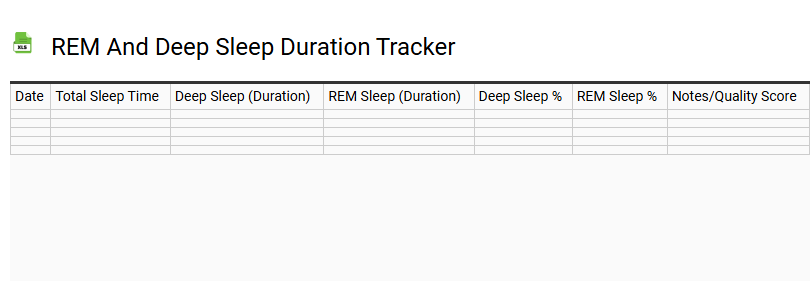
💾 REM and Deep Sleep Duration Tracker .xls
This specialized REM and deep sleep duration tracker template facilitates the precise monitoring of sleep architecture and nightly circadian rhythms. By logging specific sleep stages, users can analyze their hypnogram data to distinguish between slow-wave sleep and rapid eye movement phases. These metrics are crucial for evaluating restorative rest, nocturnal recovery, and overall sleep efficiency.
Tracking biometric data through this log assists in identifying patterns in sleep cycles, helping to enhance cognitive function and physical health. Ideal for refining sleep hygiene, this tool bridges the gap between raw data and actionable wellness insights. Consistent use of this duration tracker ensures a deeper understanding of sleep latency and the quality of non-REM transitions, promoting long-term vitality and balanced sleep health.
Sleep Hygiene Consistency Checklist
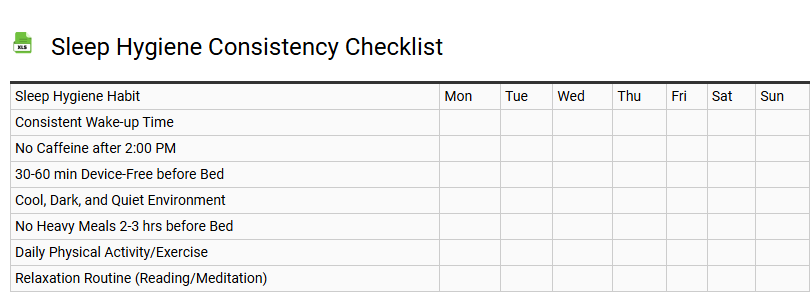
💾 Sleep Hygiene Consistency Checklist .xls
A sleep hygiene consistency checklist serves as a vital diagnostic tool to optimize your circadian rhythm and enhance restorative sleep. By tracking daily nocturnal habits, users can identify disruptions in their sleep-wake cycle. Key variables include maintaining a cool sleep environment, limiting blue light exposure before bed, and stabilizing melatonin production through consistent timing.
Implementing this structured bedtime routine mitigates sleep deprivation and improves overall sleep quality. This template facilitates habit tracking, allowing for data-driven adjustments to environmental triggers and evening activity levels. Consistent adherence to these sleep hygiene practices supports long-term neurological health and daily alertness, functioning as a core component of behavioral sleep medicine to ensure a deep, uninterrupted sleep architecture and better mental clarity.
Circadian Rhythm Alignment Dashboard
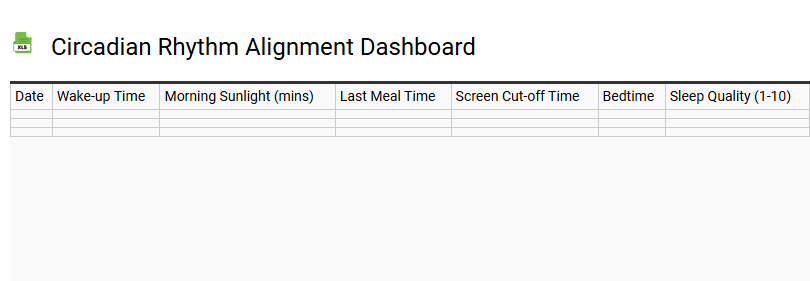
💾 Circadian Rhythm Alignment Dashboard .xls
This Circadian Rhythm Alignment Dashboard offers a sophisticated interface for synchronizing your biological clock with natural light-dark cycles. By integrating biometric data, the template tracks critical physiological markers such as melatonin production, cortisol fluctuations, and core body temperature.
Users can optimize their sleep-wake cycle by monitoring sleep hygiene, REM latency, and blue light exposure levels. The dashboard facilitates entrainment through data-driven insights into your specific chronotype, helping to maintain homeostasis and prevent circadian disruption.
With integrated modules for activity tracking and sleep quality analysis, this tool visualizes the relationship between environmental cues and metabolic health. This holistic approach ensures hormonal balance and peak cognitive performance by aligning daily routines with the body's internal oscillator system.
Bedtime Routine Performance Monitor
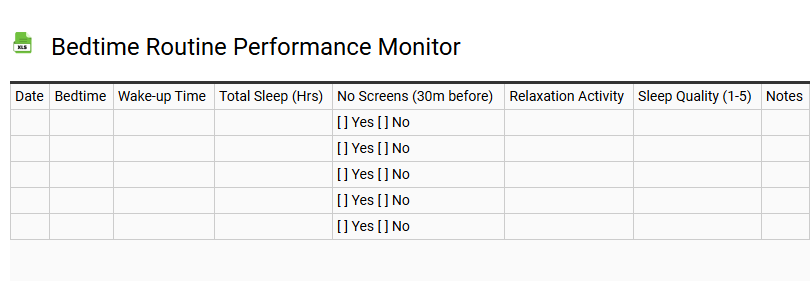
💾 Bedtime Routine Performance Monitor .xls
A Bedtime Routine Performance Monitor serves as a sophisticated analytical tool designed to optimize sleep hygiene and stabilize your circadian rhythm. By systematically logging evening habits, this framework provides data-driven insights into how specific behaviors impact sleep quality and nocturnal recovery.
Tracking variables such as blue light exposure, caffeine intake, and relaxation techniques allows users to identify patterns that correlate with reduced sleep latency and enhanced REM cycles. This performance-oriented approach transforms subjective nightly experiences into measurable data points, fostering behavioral consistency.
Implementing this template empowers individuals to refine their wind-down period, ensuring peak restorative rest and improved cognitive function upon waking. By monitoring these critical metrics, you can achieve wellness optimization through disciplined habit tracking and science-based sleep management strategies tailored to your unique biological needs.
Sleep Efficiency Percentage Calculator
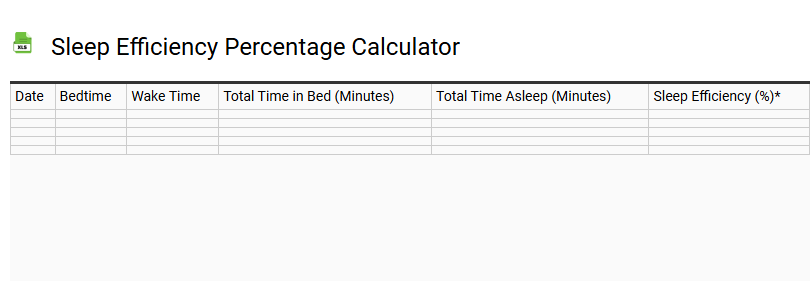
💾 Sleep Efficiency Percentage Calculator .xls
This sleep efficiency percentage calculator is a vital tool for analyzing your sleep quality and overall circadian rhythm health. By calculating the ratio of total sleep time to the actual time in bed, you gain insights into your restorative rest patterns. To use this template, simply input your duration spent asleep versus your total time spent horizontal. A sleep efficiency ratio above 85% is typically considered the benchmark for healthy sleep hygiene. Scores below this threshold may indicate issues such as sleep onset latency or significant wake after sleep onset (WASO). Utilizing this sleep tracking data helps identify potential insomnia triggers and optimizes your nocturnal recovery. Monitoring these sleep metrics is essential for anyone looking to improve their sleep duration and daily cognitive performance through data-driven sleep health management.
Morning Alertness vs Sleep Hours Log
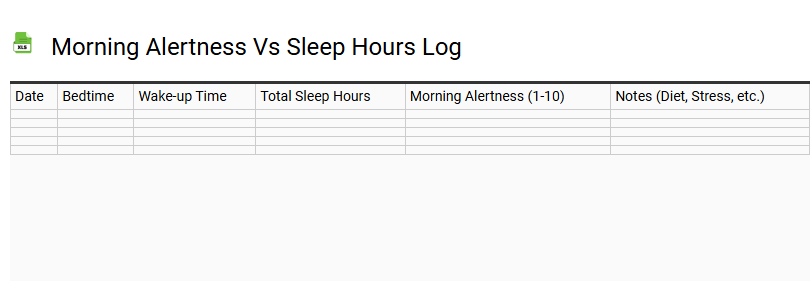
💾 Morning Alertness vs Sleep Hours Log .xls
Monitoring the relationship between morning alertness and sleep duration is vital for optimizing your circadian rhythm. By utilizing a structured sleep log, individuals can identify how specific sleep cycles and restorative sleep impact daily cognitive performance.
This tracking template facilitates the analysis of sleep quality, helping users recognize patterns in wakefulness and sleep debt. Consistent data logging of energy levels reveals the effectiveness of your sleep hygiene and its direct correlation to daytime productivity. Key metrics to observe include:
- Total sleep hours versus perceived mental clarity.
- Impact of REM cycles on early morning focus.
- Correlations between bedtime routines and alertness scores.
By correlating these variables, you can make informed adjustments to your internal clock, ensuring peak neurological function and long-term wellness.
Caffeine and Alcohol Impact Tracker
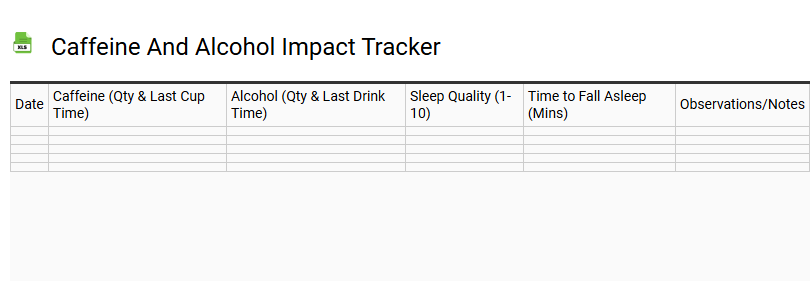
💾 Caffeine and Alcohol Impact Tracker .xls
This Caffeine and Alcohol Impact Tracker serves as a sophisticated monitoring tool for evaluating how substance consumption influences your physiological health and daily performance. By documenting the intake of stimulants and depressants, users can identify critical correlations between beverage consumption, sleep quality, and heart rate variability (HRV). This template facilitates the analysis of behavioral patterns, helping you understand the relationship between metabolic recovery and cognitive function. Use these data points to track hydration levels, mood fluctuations, and nervous system balance. By maintaining a consistent daily intake log, you gain insights into tolerance levels and productivity trends. This evidence-based approach empowers individuals to optimize their lifestyle choices, ensuring a harmonious balance between peak alertness and restorative rest for long-term wellness and health metrics.
Sleep Environment Variable Assessment
💾 Sleep Environment Variable Assessment .xls
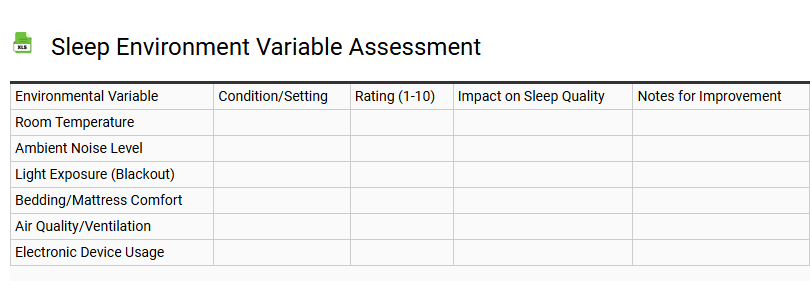
A Sleep Environment Variable Assessment provides a structured framework for analyzing the physical factors that influence nightly rest. This template allows individuals to monitor and adjust specific elements within their bedroom to enhance restorative cycles and overall health.
- Thermal Comfort: Monitoring room temperature and humidity to ensure optimal physiological cooling during the night.
- Luminous Exposure: Evaluating the impact of artificial blue light, window coverage, and the necessity for total darkness.
- Acoustic Control: Identifying disruptive external noises versus the effectiveness of soothing soundscapes or white noise.
- Air Quality: Assessing ventilation, allergen presence, and the influence of scent profiles on relaxation.
- Surface Ergonomics: Reviewing the support and tactile comfort provided by mattresses, pillows, and linens.
By consistently documenting these variables, users can isolate patterns that lead to sleep fragmentation. Implementing data-driven changes helps align the sleep space with natural biological needs, fostering deeper and more consistent recovery phases.
Monthly Sleep Pattern Heat Map
💾 Monthly Sleep Pattern Heat Map .xls
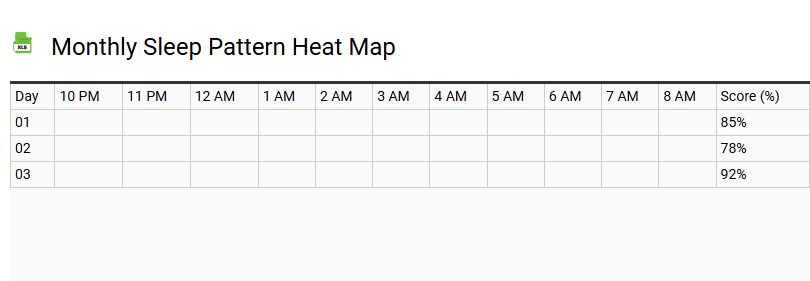
This monthly sleep pattern heat map provides a visual framework for tracking rest cycles across a full calendar period. The layout utilizes a grid system where each cell represents a single day, allowing for a color-coded representation of sleep duration and quality. By assigning specific gradients to various time increments, you can quickly identify trends, such as consistent rest periods or recurring disruptions.
The template transforms raw data into an intuitive display, highlighting the relationship between daily habits and nightly recovery. Darker shades often indicate deep, restorative sleep, while lighter tones mark shorter or interrupted sessions. This systematic overview helps in recognizing behavioral cycles and environmental influences on your circadian rhythm. Using this tool simplifies the process of monitoring long-term health trends, making it easier to implement lifestyle adjustments for improved vitality and mental clarity.
Sleep Onset Latency Performance Sheet
💾 Sleep Onset Latency Performance Sheet .xls
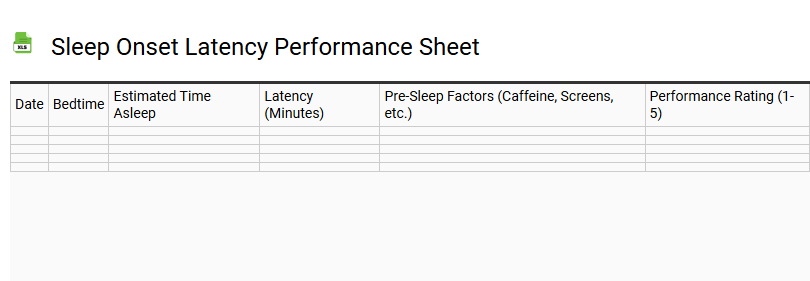
A Sleep Onset Latency Performance Sheet is a precise diagnostic tool designed to track the temporal transition from full wakefulness to the initial stages of sleep. By recording sleep latency intervals, individuals can analyze their sleep efficiency and identify disruptions in their circadian rhythm. This structured template serves as a personal sleep study log, capturing data points essential for understanding sleep architecture without immediate need for clinical polysomnography.
Effective monitoring highlights patterns related to insomnia, restorative rest, and sleep hygiene practices. By quantifying the time taken to achieve rapid eye movement (REM) and non-REM cycles, users can optimize their biological clock. Utilizing this performance sheet facilitates the identification of delayed sleep phase issues, allowing for targeted environmental adjustments to improve overall sleep quality metrics and reduce daytime wakefulness fatigue through data-driven insights.
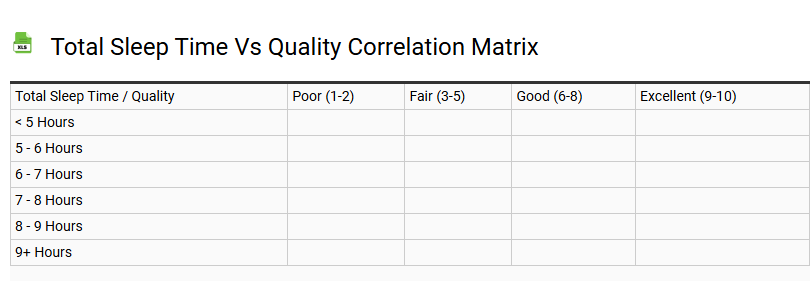
Total Sleep Time vs Quality Correlation Matrix
💾 Total Sleep Time vs Quality Correlation Matrix .xls
A Total Sleep Time (TST) vs Quality Correlation Matrix serves as a sophisticated analytical framework designed to evaluate the statistical relationship between sleep duration and restorative efficacy. This template tracks how quantitative hours logged correlate with qualitative indicators such as sleep efficiency, sleep latency, and wake after sleep onset (WASO).
By leveraging this matrix, researchers and health enthusiasts can identify patterns within sleep architecture, specifically focusing on the balance between REM cycles and deep sleep stages. Key variables integrated into this model include:
- Circadian Rhythm Alignment: Assessing consistency in sleep-wake schedules.
- Pearson Correlation Coefficient: Quantifying the strength of the duration-quality link.
- Sleep Hygiene Impact: Measuring how external factors influence physiological recovery.
Utilizing this data-driven approach facilitates a deeper understanding of subjective sleep quality versus objective metrics, optimizing long-term health outcomes through precise longitudinal monitoring.
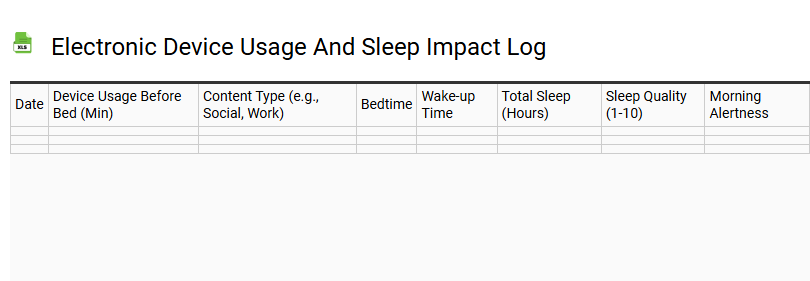
Electronic Device Usage and Sleep Impact Log
💾 Electronic Device Usage and Sleep Impact Log .xls
This Electronic Device Usage and Sleep Impact Log serves as a comprehensive tool for monitoring the correlation between digital habits and nocturnal recovery. By meticulously documenting screen time, users can identify specific triggers that disrupt their circadian rhythm and suppress melatonin production.
Key metrics within this tracking template include:
- Blue light exposure duration immediately before bedtime.
- Correlation between device type and sleep latency.
- Impact of late-night notifications on REM cycle stability.
- Daily assessments of sleep hygiene and morning alertness.
Implementing this systematic log facilitates data-driven adjustments to your evening routine. By analyzing these patterns, individuals can mitigate the physiological stressors of digital consumption, ultimately enhancing overall sleep quality and cognitive performance through improved wellness monitoring and habit modification.
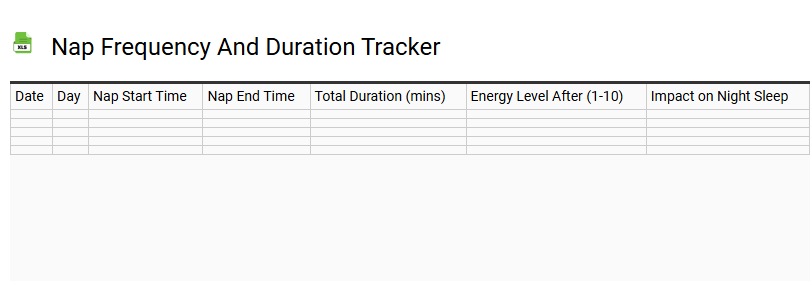
Nap Frequency and Duration Tracker
💾 Nap Frequency and Duration Tracker .xls
Utilizing a nap frequency and duration tracker is essential for optimizing restorative rest and mastering your circadian rhythm. This template allows users to log precise sleep patterns, helping to mitigate daytime fatigue and improve overall sleep hygiene. By monitoring biometric data and the timing of power naps, you can identify the ideal windows for physiological recovery without triggering sleep inertia.
- Analyze infant sleep cycles or adult REM cycles for better predictability.
- Correlate nap length with daily productivity and cognitive performance.
- Establish a consistent schedule to enhance sleep architecture.
Effective tracking transforms raw data into actionable insights, ensuring each daytime slumber supports long-term wellness and peak alertness throughout the day.
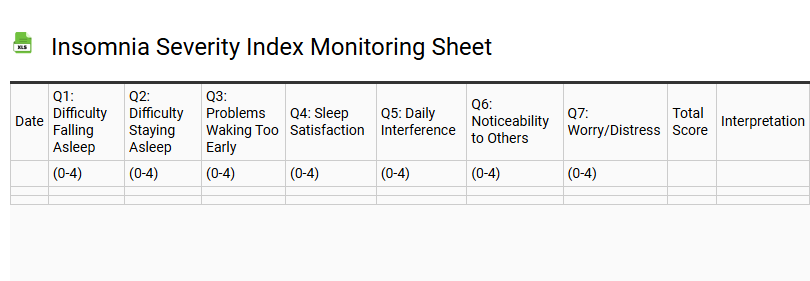
Insomnia Severity Index Monitoring Sheet
💾 Insomnia Severity Index Monitoring Sheet .xls
An Insomnia Severity Index (ISI) Monitoring Sheet is a critical clinical assessment tool designed to evaluate subjective sleep quality and the impact of sleep disturbances. This standardized instrument tracks key metrics including sleep-onset latency, maintenance difficulties, and early morning awakenings. By consistently utilizing this tracking template, patients and clinicians can quantify daytime dysfunction and the psychological distress associated with inadequate rest.
The monitoring sheet is essential for evaluating the efficacy of a therapeutic intervention, such as Cognitive Behavioral Therapy for Insomnia (CBT-I) or pharmacological treatments. It assesses the interference of sleep problems with daily functioning and the noticeability of these issues to others. Using this data-driven approach allows for precise severity level categorization-ranging from subthreshold to severe clinical insomnia-enabling healthcare providers to refine sleep hygiene protocols and optimize patient recovery trajectories through evidence-based longitudinal analysis.
Resting Heart Rate and Sleep Quality Log
💾 Resting Heart Rate and Sleep Quality Log .xls
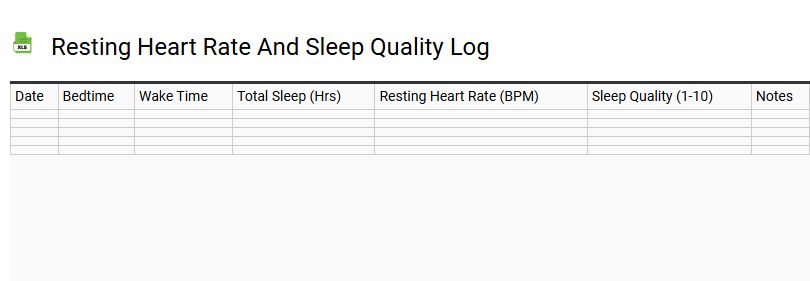
This Resting Heart Rate (RHR) and Sleep Quality Log is designed to bridge the gap between nocturnal recovery and daily performance. By consistently tracking your morning pulse alongside subjective sleep assessments, you can monitor cardiovascular health and autonomic nervous system balance. Documenting biometric data such as sleep duration, circadian rhythms, and perceived restfulness helps identify correlations between sleep hygiene and physical readiness.
Utilizing this template for wellness monitoring allows for precise recovery tracking, highlighting how lifestyle stressors impact your nocturnal physiological trends. Whether you are focused on fitness optimization or managing stress, these insights provide a data-driven approach to health. Regular entries facilitate the detection of overtraining or fatigue, ensuring your sleep cycles and heart rate variability markers align with your long-term wellness goals.
Optimal Wake-up Time Consistency Tracker
💾 Optimal Wake-up Time Consistency Tracker .xls
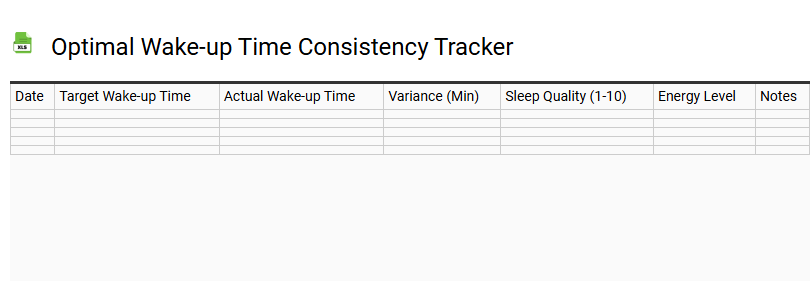
Utilizing an optimal wake-up time consistency tracker is fundamental for synchronizing your circadian rhythm and stabilizing the internal biological clock. By documenting daily rising habits, individuals can effectively minimize sleep inertia and enhance morning alertness. This tracking method reinforces a stable sleep-wake cycle, which is critical for regulating cortisol spikes and managing adenosine levels throughout the day.
Key benefits of maintaining consistency include:
- Improved sleep hygiene and habit formation.
- Optimized REM cycle completion for restorative rest.
- Enhanced cognitive function and daily productivity.
A data-driven approach to your morning routine identifies fluctuations in sleep quality, allowing for precise adjustments to your wellness strategy. Aligning your natural arousal threshold with consistent patterns ensures long-term sleep health and sustained energy levels.
Utilizing a Sleep Quality Performance Sheet serves as a strategic wellness dashboard for monitoring nocturnal recovery. By documenting circadian rhythm consistency and sleep efficiency, individuals can identify disruptions in their REM cycles. This systematic approach to sleep hygiene transforms raw slumber data into actionable insights for restorative rest. Implementing this template ensures better management of behavioral patterns, ultimately optimizing daily cognitive function and physical health through precise tracking metrics and data-driven performance analysis.