
Teen Anxiety Wellness Sheet Template: Daily Tracking and Coping Tools
Navigating the complexities of adolescent mental health requires proactive tools for effective emotional regulation. A dedicated Teen Anxiety Wellness Sheet serves as a vital resource, helping young individuals identify stress triggers and document personalized coping strategies. By integrating mindfulness exercises and self-care routines, these trackers empower teens to manage social anxiety and daily overwhelm with resilience. Utilizing a structured wellness plan fosters better communication and long-term psychological well-being. Please check the diverse selection of already made variation of templates below.
Daily Mood and Anxiety Log
💾 Daily Mood and Anxiety Log .xls
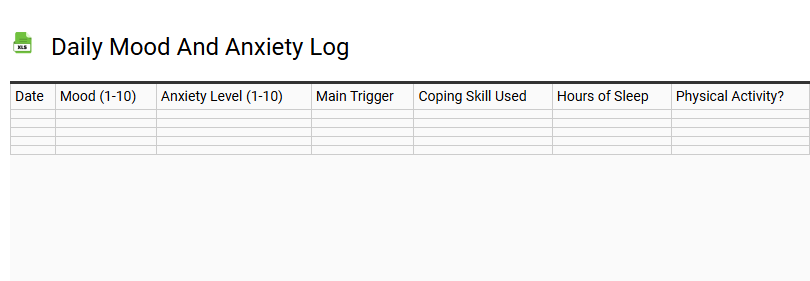
A structured daily mood and anxiety log serves as an essential instrument for mental health monitoring and emotional well-being. Utilizing a mood tracker template allows individuals to document symptom severity, stress levels, and emotional patterns with precision. By recording daily mood fluctuations and identifying specific triggers, users gain valuable insights into their psychological health.
This self-care practice incorporates elements of cognitive behavioral therapy (CBT) and mindfulness, helping to bridge the gap between feelings and actionable coping mechanisms. Tracking anxiety symptoms alongside sleep quality and physical health fosters a holistic view of wellness. Consistent data entry empowers users to recognize early warning signs of distress, facilitating more effective communication with healthcare providers. Ultimately, maintaining a journal for emotional tracking promotes long-term resilience and proactive mental health management.
Anxiety Trigger and Reaction Tracker
💾 Anxiety Trigger and Reaction Tracker .xls
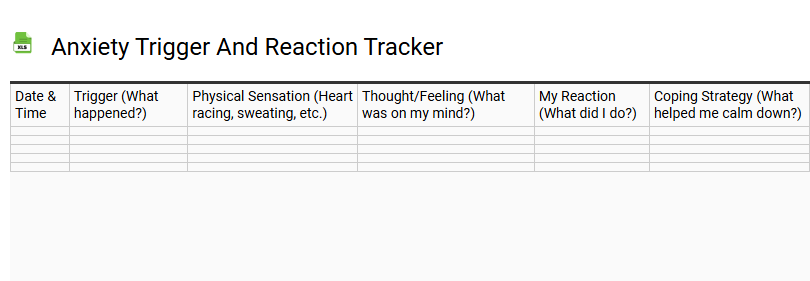
Utilizing an anxiety trigger and reaction tracker serves as a foundational practice for mental health monitoring and emotional regulation. This structured template encourages users to document specific stressors alongside their immediate physiological responses, such as an increased heart rate or shallow breathing. By integrating cognitive behavioral therapy (CBT) techniques, the log captures automatic thoughts and behavioral patterns that occur during moments of psychological distress. Identifying these environmental factors facilitates the development of personalized coping mechanisms and mindfulness strategies. Consistent mood tracking transforms subjective experiences into actionable data, promoting long-term stress management and self-awareness. Ultimately, this self-care strategy empowers individuals to recognize recurring panic attack precursors, fostering improved psychological well-being and more effective communication during therapeutic interventions.
Thought Challenge and Reframing Worksheet
💾 Thought Challenge and Reframing Worksheet .xls
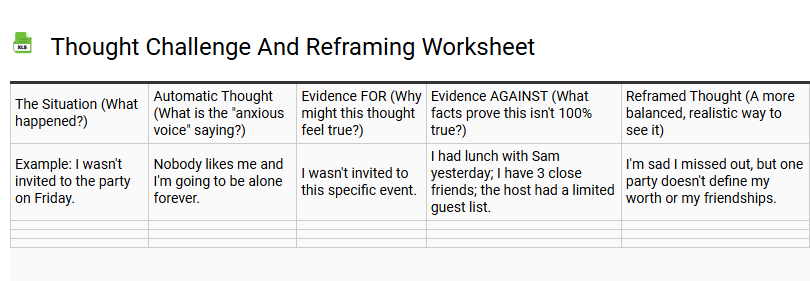
This cognitive behavioral tool provides a structured framework for dissecting distressing automatic thoughts and improving emotional resilience. By objectively examining internal narratives, users can break cycles of negative thinking through a systematic evaluation process.
- Situation Identification: Describe the specific event or trigger that prompted the emotional response.
- Evidence Evaluation: List factual proof that supports the thought alongside objective evidence that contradicts it.
- Distortion Recognition: Identify common biases, such as catastrophizing or all-or-nothing thinking, that cloud judgment.
- Balanced Reframing: Construct a more realistic, compassionate perspective based on the gathered facts rather than initial assumptions.
Engaging with this practice facilitates a shift from reactive distress to proactive problem-solving. By consistently challenging irrational beliefs, individuals can lower the intensity of negative emotions and foster a more adaptive mental framework for navigating daily stressors.
Sleep and Anxiety Correlation Chart
💾 Sleep and Anxiety Correlation Chart .xls
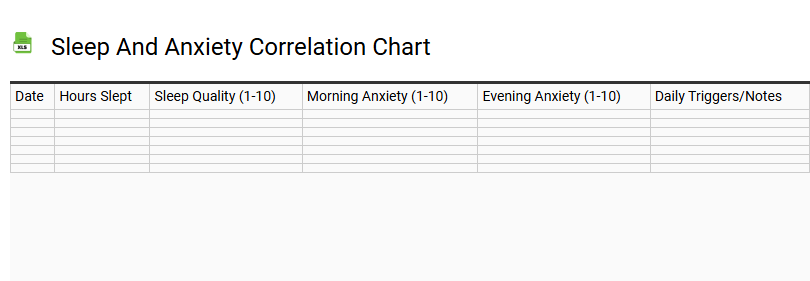
This sleep and anxiety correlation chart serves as a sophisticated diagnostic tool for mapping the bi-directional relationship between circadian rhythms and mental health. By systematically tracking sleep duration, REM cycle consistency, and daily stress triggers, users can visualize how sleep deprivation heightens physiological arousal and cortisol levels. Utilizing this template facilitates the identification of patterns where poor sleep hygiene exacerbates generalized anxiety symptoms or panic triggers.
The structured data allows for a granular analysis of how insomnia contributes to cognitive fatigue and emotional dysregulation. Monitoring these variables promotes evidence-based stress management and encourages restorative sleep patterns. This holistic overview is essential for anyone seeking to optimize their neurological recovery through precise behavioral tracking, ultimately bridging the gap between quality nocturnal rest and improved psychological resilience in a single, data-driven framework.
Daily Coping Skills Checklist
💾 Daily Coping Skills Checklist .xls
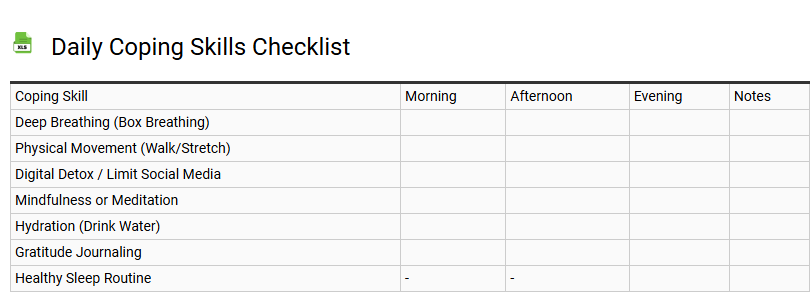
A Daily Coping Skills Checklist serves as a vital instrument for emotional regulation and proactive mental health maintenance. By utilizing this structured wellness tracker, individuals can monitor their progress with mindfulness exercises, grounding techniques, and stress management protocols. This template facilitates behavioral activation by encouraging consistent participation in a personalized self-care routine. Incorporating elements like positive affirmations and cognitive reframing allows for better management of daily stressors and improved distress tolerance. Each entry functions as a reflective log, helping users identify effective coping mechanisms while fostering resilience through habitual therapeutic interventions. Integrating this tool into your morning or evening workflow ensures that emotional well-being remains a prioritized objective, providing a clear visual representation of personal growth and psychological stability throughout the week.
Panic Attack Symptom Logger
💾 Panic Attack Symptom Logger .xls
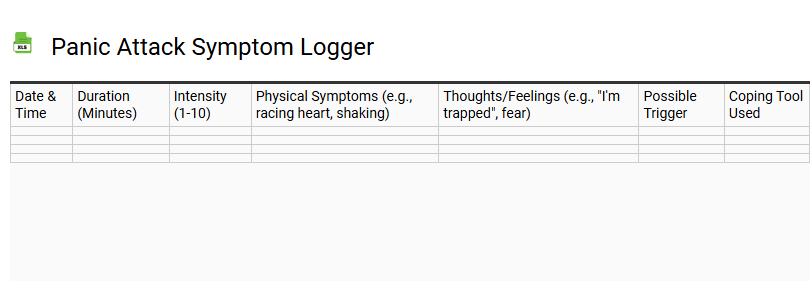
This panic attack symptom logger serves as a comprehensive tool for mental health monitoring and anxiety management. By systematically tracking physical manifestations such as palpitations, chest tightness, and shortness of breath, users can identify recurring physiological responses. This template allows for the precise documentation of:
- Triggers and environmental stressors.
- The duration and peak intensity of episodes.
- Cognitive patterns and feelings of emotional distress.
- Effective grounding techniques used for stabilization.
Maintaining a detailed wellness journal helps differentiate between generalized anxiety and acute panic disorders. By analyzing these recorded behavioral patterns, individuals and healthcare providers can develop targeted coping strategies. Consistent anxiety tracking fosters self-awareness, offering data-driven insights into psychological health while empowering users to manage their nervous system regulation through structured observation.
Worry Window Schedule
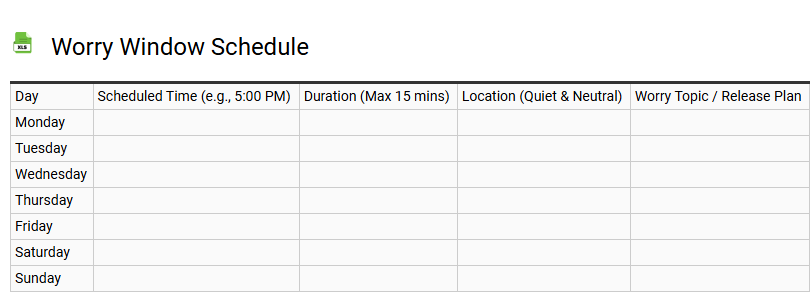
A worry window schedule serves as a structured anxiety management tool rooted in Cognitive Behavioral Therapy (CBT). This proactive approach involves designating a specific, limited duration for scheduled worry time, effectively implementing stimulus control over persistent rumination and intrusive thoughts.
Utilizing a template helps organize mental clutter through several key mechanisms:
- Postponing anxieties: Delaying stress-inducing reflections until the allotted period to maintain daily productivity.
- Enhancing mindfulness: Cultivating presence during routine activities by minimizing cognitive interference.
- Emotional regulation: Developing a disciplined response to chronic stress triggers.
By documenting concerns within this strategic timeframe, individuals facilitate stress reduction and improve mental clarity. This behavioral intervention transforms passive worrying into a productive, time-bound exercise, fostering long-term mental health resilience and preventing emotional burnout through consistent application of boundaries.
Physical Anxiety Symptom Tracker
💾 Physical Anxiety Symptom Tracker .xls
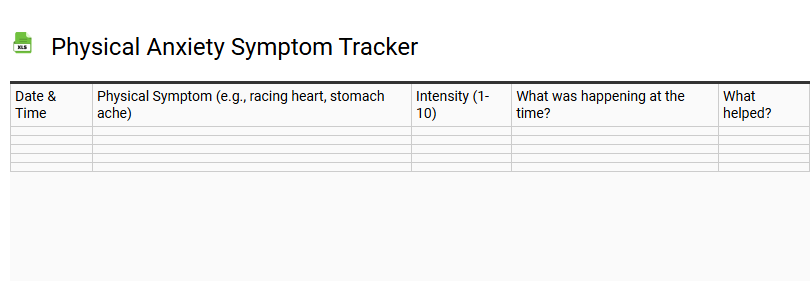
A physical anxiety symptom tracker serves as a vital tool for monitoring the physiological responses of the autonomic nervous system. By recording occurrences of muscle tension, heart palpitations, and shortness of breath, individuals can identify specific triggers and stress patterns. This somatic awareness log facilitates nervous system regulation by documenting the frequency and intensity of trembling, dizziness, or chest tightness.
- Identify environmental stressors impacting physical health.
- Enhance mindfulness through consistent wellness monitoring.
- Provide detailed health data for cognitive behavioral therapy (CBT) sessions.
Utilizing a daily symptom log empowers users to implement grounding techniques and stress management strategies effectively. Tracking these biophysical indicators bridges the gap between mental distress and bodily sensations, fostering proactive mental health maintenance and improved self-regulation.
Social Anxiety Interaction Log
💾 Social Anxiety Interaction Log .xls
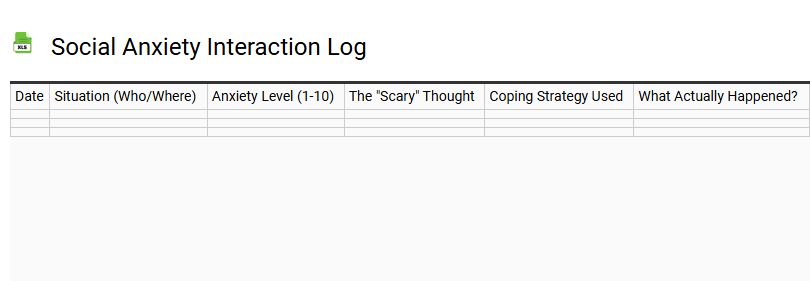
A Social Anxiety Interaction Log serves as a fundamental Cognitive Behavioral Therapy (CBT) tool for tracking interpersonal experiences and emotional responses. This structured template facilitates self-monitoring by documenting specific social triggers and quantifying subjective anxiety levels. By recording negative thought patterns and identifying cognitive distortions, users can objectively analyze their psychological distress. The log tracks safety behaviors and avoidance rituals that reinforce social phobia, allowing for behavioral activation. Integrating these records into exposure therapy helps neutralize post-event processing and reduces the impact of perceived judgment. Utilizing this log encourages the development of healthy coping mechanisms and supports gradual exposure goals. Through consistent data collection, individuals can challenge maladaptive beliefs, foster resilience, and significantly improve social functioning and confidence across various environmental contexts.
Mindfulness and Grounding Exercise Log
💾 Mindfulness and Grounding Exercise Log .xls
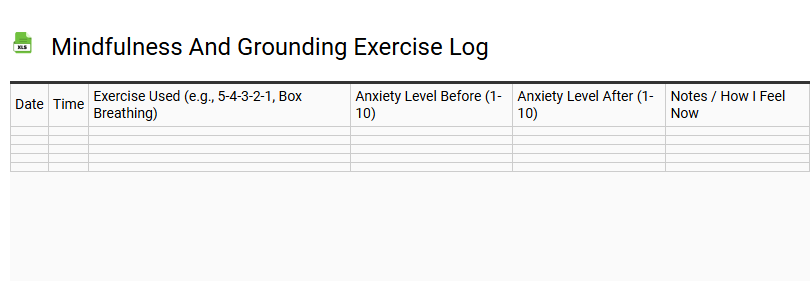
A Mindfulness and Grounding Exercise Log serves as a vital tool for cultivating present moment awareness and emotional regulation. By documenting sensory engagement and breathwork practices, individuals can effectively manage stress and enhance psychological well-being.
This mental health tracker encourages intentional living through techniques like the 5-4-3-2-1 method, helping to anchor the mind during episodes of anxiety. Consistent daily reflection on grounding exercises fosters resilience and improves cognitive focus. Utilizing a structured template allows users to:
- Identify environmental triggers and patterns
- Promote anxiety relief and emotional stability
- Facilitate a deeper mind-body connection
- Track long-term progress in stress management
Integrating these entries into your routine transforms fleeting moments of calm into a permanent state of mindfulness and sustained mental clarity.
School Stress and Performance Monitor
💾 School Stress and Performance Monitor .xls
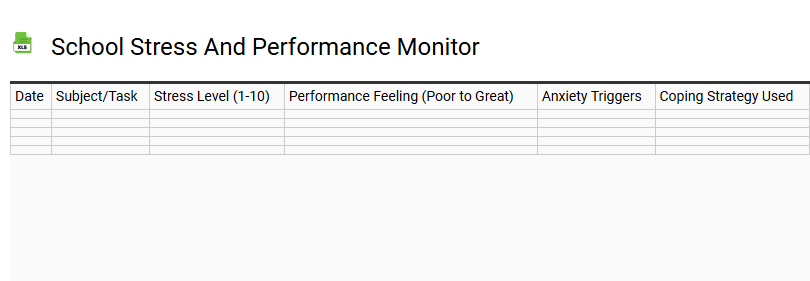
This School Stress and Performance Monitor provides a sophisticated framework for evaluating the intersection of academic pressure and student well-being. By utilizing systematic stress assessment metrics, educators can gain data-driven insights into how cognitive load influences learning efficiency and overall educational outcomes.
The template tracks critical variables such as workload intensity, mental health indicators, and academic achievement levels to facilitate burnout prevention. Monitoring these psychological health markers within the school environment allows for timely interventions that bolster student resilience. This holistic approach ensures that educational progress is sustained without compromising emotional stability. By analyzing performance trends alongside anxiety triggers, stakeholders can foster a supportive atmosphere that optimizes both cognitive development and long-term success.
Positive Affirmation and Gratitude Journal
💾 Positive Affirmation and Gratitude Journal .xls
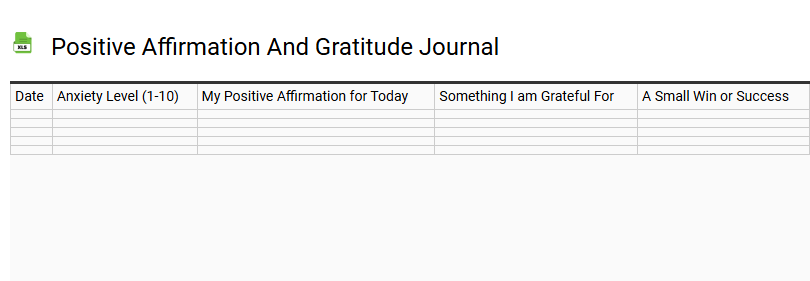
Implementing a positive affirmation and gratitude journal into your daily routine is a transformative practice for mental health and emotional wellbeing. This structured template leverages journaling prompts to facilitate subconscious reprogramming, fostering a resilient growth mindset. By focusing on daily intentions and mindful reflection, users can effectively shift from a scarcity perspective to one of abundance and manifestation.
A consistent gratitude practice acts as a powerful tool for self-care, encouraging neuroplasticity and enhancing overall life satisfaction. Utilizing these digital or printable layouts helps clarify personal goals and strengthens the connection between positive self-talk and daily mindfulness. By documenting small wins and empowering statements, individuals cultivate an optimistic outlook, aligning their subconscious mind with their highest aspirations for a balanced and purposeful life.
Screen Time and Mood Impact Tracker
💾 Screen Time and Mood Impact Tracker .xls
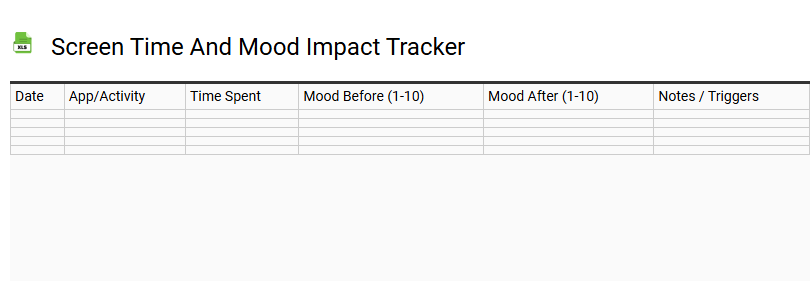
A Screen Time and Mood Impact Tracker is a vital tool for assessing the correlation between digital habits and emotional well-being. By documenting daily device usage alongside fluctuating mental states, individuals can identify how excessive scrolling or blue light exposure contributes to stress, anxiety, or sleep disruption.
This systematic approach to digital wellness empowers users to recognize triggers and behavioral patterns. Key benefits of utilizing this template include:
- Identifying links between social media consumption and low self-esteem.
- Optimizing cognitive focus by reducing digital distractions.
- Enhancing psychological resilience through mindful boundaries.
- Tracking improvements in overall productivity and mental clarity.
Implementing a log facilitates behavioral changes, encouraging a balanced lifestyle that prioritizes mental health over constant connectivity. This data-driven insight is essential for fostering long-term habit reform and emotional stability.
Emotional Intensity Heat Map
💾 Emotional Intensity Heat Map .xls
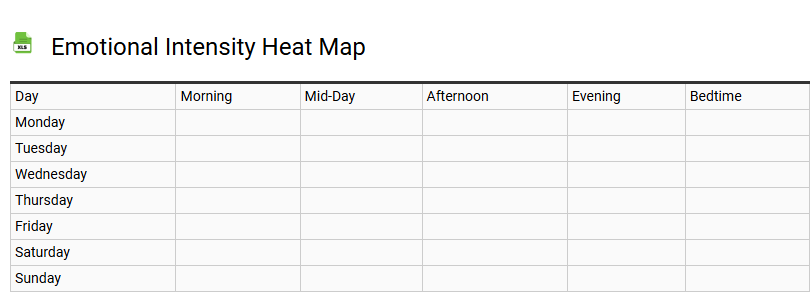
An Emotional Intensity Heat Map serves as a sophisticated data visualization tool designed to quantify affective states and psychological responses within a structured framework. By utilizing a grid-based template, researchers can plot valence and arousal levels, transforming abstract sentiment into actionable insights. This spatial representation identifies high-impact emotional triggers and fluctuations in user engagement through distinct color-coded gradients.
Whether applied in UX design, sentiment analysis, or clinical therapy, the template simplifies complex biometric feedback and qualitative data into a readable spectrum of human feeling. Leveraging this empathy mapping tool optimizes content resonance by highlighting specific patterns of emotional density. By tracking these engagement metrics, organizations can better understand the subtle nuances of the consumer experience, ensuring every touchpoint aligns with the desired psychological outcome and brand loyalty goals.
Self-Care Habit Monthly Tracker
💾 Self-Care Habit Monthly Tracker .xls
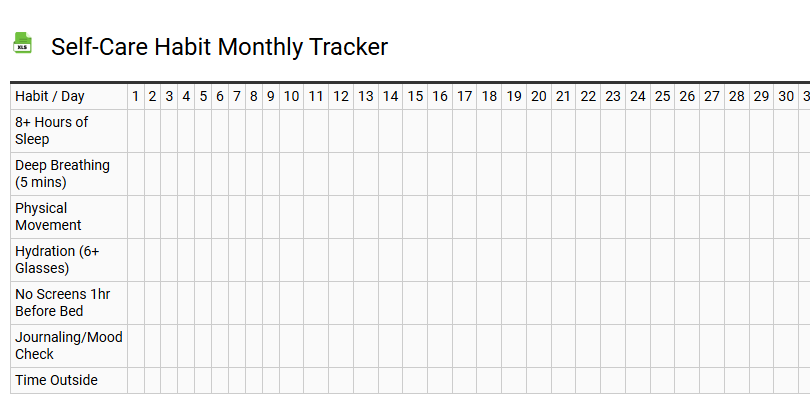
A self-care habit monthly tracker acts as a comprehensive framework for cultivating wellness routines and enhancing mental health. By utilizing this structured monthly log, users can monitor daily rituals such as hydration, sleep hygiene, and mindfulness practices. This template facilitates consistent habit formation, allowing you to visualize personal growth and emotional well-being over a thirty-day cycle.
Optimizing your wellness journey through goal setting and accountability ensures long-term self-improvement. Whether integrated into a digital planner or used as a printable habit log, this tool tracks exercise consistency, gratitude journaling, and stress management. Implementing a systematic approach to behavioral change empowers users to prioritize holistic health and maintain productivity while preventing burnout through intentional self-regulation and progress monitoring.
Deep Breathing Frequency Log
💾 Deep Breathing Frequency Log .xls
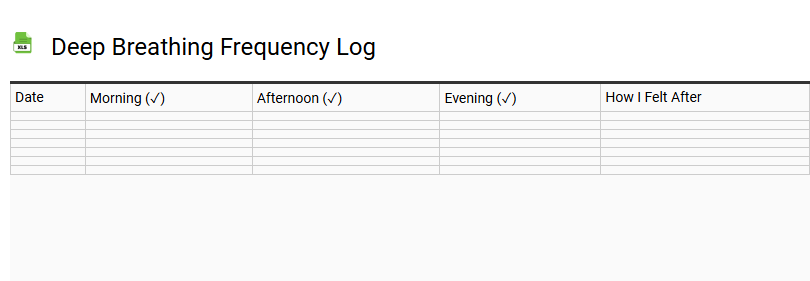
This Deep Breathing Frequency Log serves as a sophisticated tool for optimizing respiratory health and emotional regulation. By systematically documenting diaphragmatic breathing sessions, users can monitor their adherence to mindfulness practices and stress management protocols. Tracking specific inhale and exhale cycles facilitates enhanced awareness of lung capacity and vagus nerve stimulation, which are essential for anxiety relief.
This structured approach to breathwork allows for the precise observation of daily wellness trends, helping individuals refine their relaxation techniques. Whether utilized for pulmonary rehabilitation or personal habit formation, the template provides clear insights into breathing patterns and session duration. Consistent data entry empowers users to achieve physiological balance and mental clarity through intentional respiratory control and rhythmic pacing.
Diet and Anxiety Connection Sheet
💾 Diet and Anxiety Connection Sheet .xls
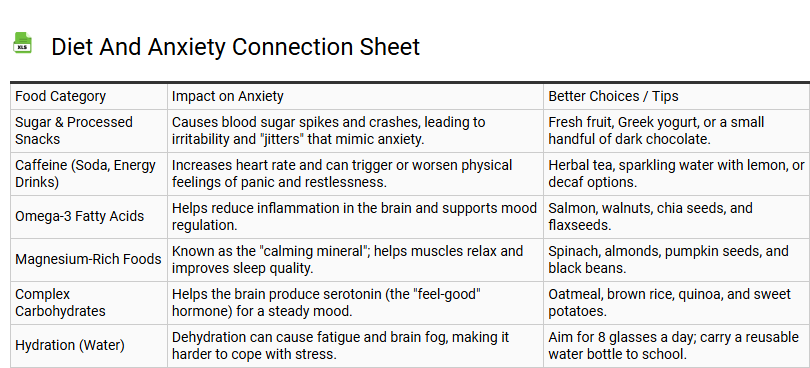
Understanding the gut-brain axis is fundamental for managing mental health through clinical nutrition. This Diet and Anxiety Connection Sheet template serves as a comprehensive tool to track how nutritional intake influences cortisol levels and emotional stability. By monitoring blood sugar regulation, users can identify direct correlations between high-glycemic triggers and physiological panic symptoms.
Key focus areas for dietary analysis include:
- Identifying micronutrient deficiencies, specifically magnesium and B-complex vitamins.
- Optimizing serotonin production through essential amino acids and omega-3 fatty acids.
- Evaluating the impact of stimulants and processed additives on inflammatory markers.
Utilizing a food-mood journal within this framework helps pinpoint how caffeine or alcohol affects the nervous system. Incorporating complex carbohydrates and fermented probiotics fosters a healthy microbiome, effectively modulating the stress response and promoting long-term cognitive resilience.
Monthly Anxiety Trend Dashboard
💾 Monthly Anxiety Trend Dashboard .xls
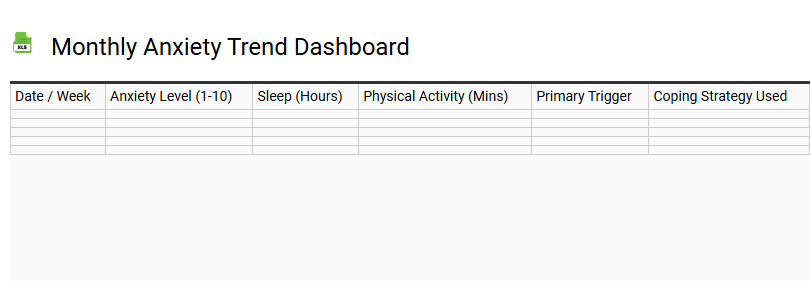
This monitoring interface provides a visual synthesis of mental health metrics over a thirty-day cycle. By centralizing daily stress assessments, sleep patterns, and physical symptoms, the dashboard transforms individual data points into clear, actionable insights.
- Visual Analytics: Dynamic charts illustrate fluctuations in tension levels, helping users identify specific environmental or situational triggers.
- Comparative Data: Monthly overlays allow for a direct comparison between current and previous periods to evaluate the effectiveness of various coping strategies.
- Holistic Overview: Integrated logs for exercise, caffeine intake, and meditation help correlate lifestyle choices with overall emotional stability.
Utilizing this structured format encourages consistent self-reflection and facilitates more productive discussions with healthcare professionals. This streamlined approach ensures that personal wellness trends are easily interpretable, supporting proactive mental health management and long-term resilience.
Weekly Emotional Regulation Worksheet
💾 Weekly Emotional Regulation Worksheet .xls
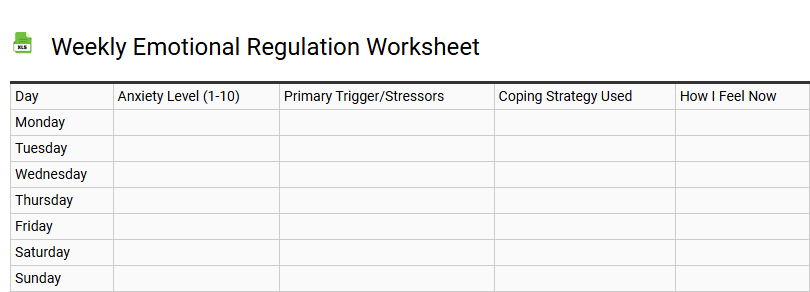
A weekly emotional regulation worksheet serves as a vital mental health tool for enhancing self-awareness and distress tolerance. By utilizing this DBT-informed template, individuals engage in systematic mood monitoring to identify specific environmental or internal triggers. This proactive approach to emotion tracking allows for a deeper understanding of one's emotional baseline and behavioral urges throughout the week.
- Develops mindfulness techniques for real-time grounding and focus.
- Identifies effective coping strategies to mitigate intense psychological distress.
- Promotes self-reflection and long-term emotional resilience.
- Facilitates the documentation of physiological responses and cognitive patterns.
Consistent use of this worksheet empowers users to transition from reactive behaviors to intentional, regulated responses. By recording interpersonal effectiveness and successes in emotional processing, the template becomes a personalized roadmap for achieving mental wellness and sustainable stability.
Teen Activity and Energy Level Log
💾 Teen Activity and Energy Level Log .xls
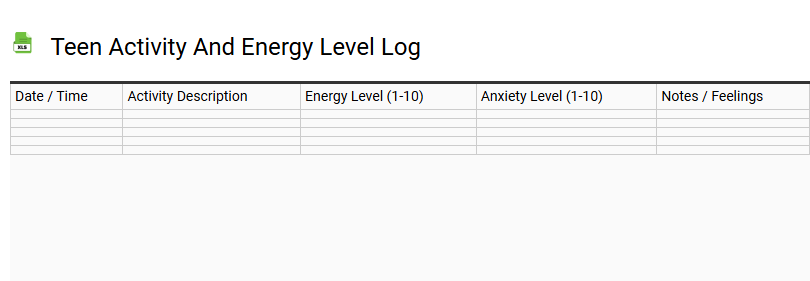
A comprehensive teen activity and energy level log serves as a vital self-monitoring tool for tracking adolescent wellness and daily behavioral patterns. This structured template allows teenagers to document physical exertion, sports participation, and sedentary periods alongside fluctuating metabolic energy states. By recording sleep hygiene, hydration, and nutritional intake, users can identify direct correlations between lifestyle choices and mental clarity.
Utilizing a digital or printable journal helps pinpoint triggers for fatigue or mood shifts during critical growth spurts. Tracking these variables provides actionable data for balancing academic demands with athletic recovery and hormonal health. Key metrics often include:
- Daily exercise intensity and duration
- Subjective energy ratings (morning vs. evening)
- Quality of restorative sleep and circadian rhythms
- Emotional well-being and stress triggers
Consistent logging fosters accountability, enabling adolescents to optimize their biological clock and improve overall lifestyle management and academic performance.
This Teen Anxiety Wellness Sheet template serves as a comprehensive resource for adolescent mental health, offering structured coping mechanisms to manage daily triggers. By integrating emotional regulation techniques and mindfulness tools, it encourages guided reflection tailored for younger users.
Implementing this self-care framework fosters long-term resilience, empowering teens to navigate adolescent stress with clarity. Ultimately, these behavioral health strategies provide essential support for maintaining emotional stability during critical developmental years.